The Brush and Comb a Cavalier Coat Needs
Anyone who shares their life with a Cavalier King Charles Spaniel knows that their silky, luxurious coat is a thing of beauty – but it can also be a magnet for tangles, mats, and shed hair. It's a common frustration to spend time grooming only to find new knots hours later, or to feel overwhelmed by the sheer number of grooming tools available. This comprehensive guide is here to cut through the confusion, detailing the essential brushes and combs your Cavalier’s coat truly needs to stay gorgeous, healthy, and tangle-free.
Understanding Your Cavalier's Unique Coat
The Cavalier King Charles Spaniel boasts a single coat, meaning they lack the dense, woolly undercoat found in many double-coated breeds. This might lead some to believe their grooming needs are simpler, but in reality, their fine, silky hair presents its own set of challenges. Understanding the unique characteristics of your Cavalier's coat is the first step toward choosing the right tools and establishing an effective grooming routine.
The Silky, Single Layer Debate
Unlike a Labrador or a Husky, your Cavalier doesn't have a thick, insulating undercoat that sheds in massive clumps twice a year. Instead, their coat consists of a single layer of long, soft, often wavy hair. This fine texture, while beautiful to the touch, is incredibly prone to static, friction, and knotting. Picture fine human hair – it tangles easily, right? A Cavalier's coat is much the same. It catches on everything: stray bits of grass, dust bunnies under the sofa, even just the friction of them lying down. This delicate nature means regular, gentle maintenance is far more effective than trying to tackle large, established mats.
The absence of an undercoat also means that shedding, while present year-round, isn't typically as dramatic as in double-coated breeds. However, those shed hairs, if not brushed out regularly, will inevitably intertwine with the healthy coat, forming dense, painful mats. It’s a misconception that less undercoat equals less grooming – for a Cavalier, it means a different kind of grooming, focusing on preventing tangles in their delicate topcoat. Consistency is key, especially if you want to avoid those costly, uncomfortable trips to the groomer for a full shave down due to matting.
Feathering: The Glamour and the Challenge
One of the most defining and enchanting features of a Cavalier is their abundant feathering. This long, silken hair cascades from their ears, chest, legs, and tail, giving them that quintessential regal look. It's truly beautiful, but also the most challenging aspect of their coat to maintain. These longer strands are the first to pick up burrs, twigs, and mud during walks, and they are prime real estate for mats to form.
Think about your Cavalier’s glorious long ears – they dip into water bowls, food bowls, and drag on the ground as they sniff. The hair here becomes easily matted and greasy. Similarly, the "furnishings" on their chest, belly, and hind legs rub against furniture, harnesses, and themselves when they sit or lie down. Without daily attention, these areas will quickly develop tight, uncomfortable knots. Many an owner has sadly discovered a golf-ball sized mat behind an ear or in an armpit, often only when the mat has become so tight it pulls at the skin. Regular, targeted brushing of these feathered areas is non-negotiable for comfort and coat health. This is particularly true for spots like Mats behind a Cavalier's ear leather or Mats in a Cavalier's armpits and groin.
The Essential Brushes for Daily Care
When it comes to maintaining that beautiful Cavalier coat, a few key brushes are truly indispensable. These aren't just for looking good; they're vital for your dog's comfort and skin health. Trying to get by with just one general-purpose brush simply won't cut it for a Cavalier.
The Slicker Brush: Your First Line of Defense
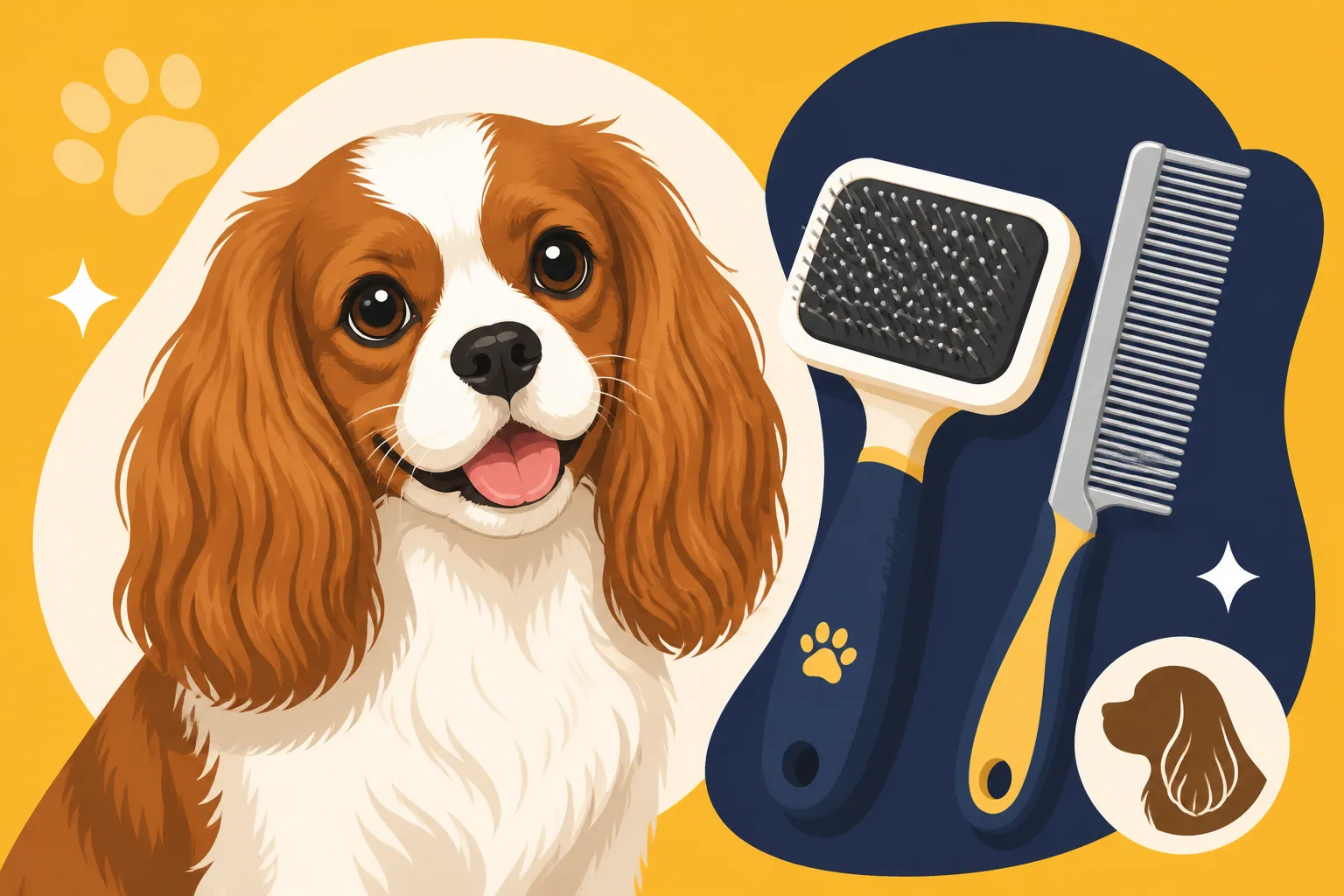
A good quality slicker brush is an absolute must-have for any Cavalier owner. These brushes typically have fine, short, wire bristles packed closely together on a flat or slightly curved surface. Their primary purpose is to reach deep into the coat, gently remove loose and dead hair, and tease apart minor tangles and small mats before they become big problems. The key word here is "gently." You're not scrubbing the floor; you're carefully de-tangling fine hair.
When using a slicker brush, always brush in layers, lifting the top coat and working on the hair underneath, moving in the direction of hair growth. Pay special attention to areas prone to matting, like behind the ears, under the chin, and in the armpits. A common mistake is to press too hard; the wire pins, while effective, can scratch delicate skin if used with too much pressure. Always use light, feathery strokes. Finding a slicker brush with coated tips or flexible pins can offer a softer experience for your dog. For those daily tidy-ups, a quality slicker brush helps remove debris from the feathering and keeps the overall coat smooth. This is part of the routine of Brushing a Cavalier's feathering three times a week and makes a huge difference.
The Pin Brush: For Maintenance and Shine
While the slicker brush tackles tangles and loose hair, the pin brush is your tool for everyday maintenance, distributing natural oils, and adding a lovely shine to your Cavalier's coat. These brushes feature widely spaced, rigid pins, often with rounded tips, set into a soft rubber base. They don't pull as much as a slicker brush, making them ideal for a finishing pass or for dogs with very sensitive skin or minimal matting.
The pin brush is fantastic for going over the coat after you've used a slicker, or for those quick, gentle brushes throughout the week when the coat isn't particularly tangled. It helps to stimulate the skin, promoting healthy hair growth, and gives that lovely, soft, flowing look that Cavaliers are famous for. It's also excellent for longer feathering on the ears and tail, where a slicker might be a bit too aggressive. Regular use of a pin brush can truly enhance the natural beauty and health of your Cavalier's coat, making it less prone to static and more resistant to minor tangles by keeping it smooth and orderly.
The Combs That Get Down to Business
While brushes are fantastic for overall coat maintenance, when it comes to truly checking for mats, working out knots, or dealing with specific problem areas, nothing beats a good comb. These tools are critical for getting to the root of the problem, quite literally.
The Metal Comb: Your Mat-Finding Mission Control
A sturdy, all-metal comb with both wide and narrow teeth is arguably the most important tool in your Cavalier's grooming kit. This is your "mat-finding mission control" because it allows you to thoroughly check the coat for any hidden tangles that your brush might have missed. After a good brushing session, running this comb through the entire coat – especially the feathered areas – is crucial. If the comb snags, you know there’s a mat lurking.
Look for a comb where the teeth are smooth and do not have sharp ends that could scratch the skin. The dual-sided feature, with wider teeth on one end and finer teeth on the other, is incredibly versatile. The wider teeth are perfect for initially working through the longer feathering on the ears and legs, while the finer teeth are indispensable for smaller, tighter areas and for ensuring the coat is completely free of tangles down to the skin. Remember, if your comb cannot get through the coat, neither can air or shampoo, which can lead to skin irritation and larger, more severe matting. Many owners underestimate Whether a Cavalier needs a metal comb, but it's truly non-negotiable.
The Dematting Comb or Rake: For Stubborn Situations
Sometimes, despite your best efforts, a stubborn mat forms that a regular comb just won't budge. This is where a dematting comb or rake comes into play. These specialized tools are designed to safely cut through or break apart dense mats without having to shave the entire area. They often feature sharp, inwardly-curved blades or strong, widely spaced teeth. You can find various types of dematting tools from brands like Chewy or on Amazon, with different designs to suit specific matting challenges.
However, dematting tools require extreme caution and a gentle hand. Improper use can easily irritate or cut your Cavalier's skin. Always work slowly, holding the hair between the mat and the skin to prevent pulling. Use short, light strokes, gradually working through the mat from the outer edges inward. It's often helpful to apply a detangling spray first to lubricate the hair and make the process less painful. If a mat is very large or tight, it’s always better to seek professional help from a groomer or veterinarian, rather than risking injury to your dog. Learning Cutting a mat out of a Cavalier safely is a skill, and sometimes, the best tool is a professional’s hands.
Grooming Beyond Brushes and Combs
While brushes and combs are the primary tools, a truly effective Cavalier grooming routine involves more than just these items. Certain supplementary products and a consistent approach can significantly reduce the struggle and keep your dog looking their best.
Sprays and Conditioners: Allies in the Fight Against Tangles
Think of detangling sprays and leave-in conditioners as your secret weapons against knots and static. A good quality grooming spray, applied lightly before brushing, can make a world of difference. These products work by coating the hair shaft, reducing friction, and making it easier for brushes and combs to glide through the coat. This not only makes the grooming process more comfortable for your Cavalier but also helps prevent future tangles from forming.
Especially in drier climates or during winter months when static electricity is high, a good conditioning spray can prevent the hair from becoming brittle and breaking, which can contribute to matting. They also often add a lovely, healthy sheen to the coat. Many owners don't realize how much easier their grooming routine could be with the simple addition of a Detangling spray for a Cavalier coat. Just a light misting can transform a challenging brush-out into a much smoother experience. Look for sprays specifically designed for dogs, avoiding human products that might contain ingredients irritating to their skin.
The Importance of a Grooming Schedule
Perhaps even more critical than the specific tools you use is the consistency with which you use them. A Cavalier's coat, with its fine, silky texture and abundant feathering, simply cannot be neglected. Daily or at least every-other-day brushing is truly essential to stay on top of tangles and prevent mats from forming. It might sound like a lot, but these sessions don't need to be hour-long ordeals. Even The five minutes a day a Cavalier coat takes can make a huge difference.
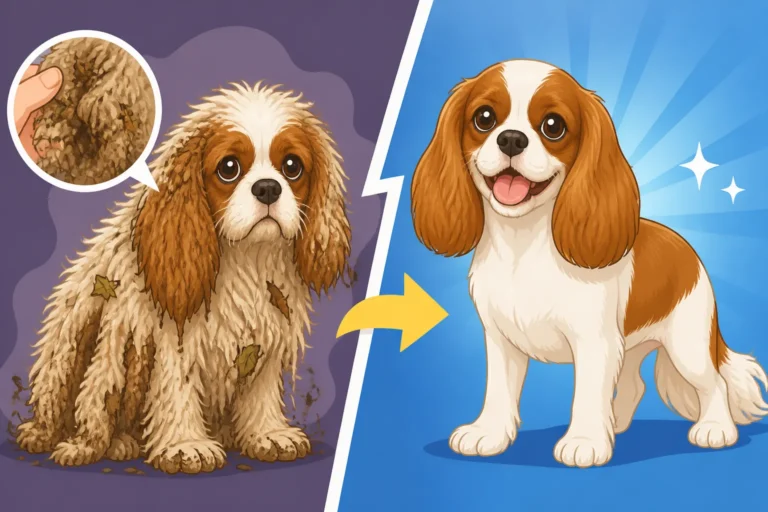
Establishing a regular grooming schedule from puppyhood helps your Cavalier become accustomed to the process, making it a positive bonding experience rather than a dreaded chore. Small, consistent efforts prevent large, painful problems. Imagine letting your own long hair go for a week without brushing – it would be a tangled mess! The same applies to your Cavalier. A neglected coat can lead to severe matting, which can cause skin infections, pain, and may require a full shave-down at the groomer, which is stressful for the dog and disheartening for the owner. Preventing these issues through routine care is always the best approach. Regularly checking areas like behind their ears and under their legs will save you a lot of heartache.
Choosing Quality Tools and Where to Find Them
Investing in good quality grooming tools isn't an indulgence; it's a necessity for a Cavalier. Cheap, flimsy brushes and combs can break easily, pull at your dog's hair, and even scratch their delicate skin, turning grooming into a negative experience for both of you.
What to Look for in a Good Brush or Comb
When selecting brushes, pay attention to the handle. Is it ergonomic and comfortable for you to hold? You’ll be doing a lot of brushing, so comfort is key. For slicker brushes, look for flexible pins with smooth, polished tips, or even rubber-coated tips, to prevent skin irritation. The pins should be securely set and not easily bent or pulled out. For pin brushes, ensure the pins are rounded, not pointed, and that they feel sturdy. A good brush should feel balanced in your hand, not too heavy or too light.
For metal combs, durability is paramount. Opt for stainless steel as it's less likely to rust and will last longer. The teeth should be smooth, with no sharp edges or burrs that could snag or cut the hair. Check the spacing of the teeth – a comb with both wide and narrow sections offers the most versatility for different coat areas and levels of matting. Investing a little more upfront in quality tools will save you money in the long run, as they'll last longer and perform better, making grooming sessions more effective and pleasant.
Shopping for Your Cavalier's Grooming Kit
Today, you have more options than ever for finding excellent grooming tools. Most local pet supply stores will carry a decent selection of slicker brushes, pin brushes, and metal combs. This allows you to physically feel the weight and quality of the tools, which can be very helpful. Don't hesitate to ask store associates for recommendations, particularly if they have experience with long-haired breeds.
Online retailers offer an even wider array of choices, often at competitive prices. Websites like Chewy are fantastic for browsing different brands and reading customer reviews, which can give you a lot of insight into a product's effectiveness for Cavalier coats. Similarly, Amazon provides an extensive selection, and you can often find grooming kits that bundle several essential tools together. When buying online, always read reviews from other Cavalier owners or owners of dogs with similar coats. Look for feedback specifically mentioning gentleness, effectiveness on tangles, and durability. Remember to also pick up some dog-specific detangling spray at the same time!
Common Grooming Pitfalls to Avoid
Even with the right tools, it's easy to fall into common grooming traps that can make the process harder or even harm your Cavalier's coat and skin. Being aware of these pitfalls can help you avoid unnecessary frustration and ensure a more effective grooming routine.
Brushing a Dry Coat: A Recipe for Damage
One of the biggest mistakes many Cavalier owners make is trying to brush a completely dry coat, especially when dealing with tangles. Dry hair is brittle and prone to breakage. When you drag a brush or comb through a dry knot, you're not just separating hairs; you're often snapping them, which leads to frizz, split ends, and even more damage. This damaged hair then becomes even more likely to tangle and mat in the future, creating a vicious cycle.
Instead, always mist your Cavalier's coat with a grooming spray or a very light mixture of water and dog-safe conditioner before you begin brushing. This lubrication helps the brush glide through the hair smoothly, reduces static electricity, and makes the detangling process much gentler and more effective. It protects the integrity of the individual hair shafts, keeping the coat healthier and shinier in the long run. Think of it like brushing your own hair when it’s dry versus slightly damp with a leave-in conditioner – the latter is always easier and causes less breakage. This simple step can dramatically improve your grooming experience.
Skipping Areas: The Hidden Mat Hotspots
Another common pitfall is rushing through the grooming process and inadvertently missing critical areas where mats love to hide. Cavaliers have several "hotspots" that require extra attention because of constant friction, moisture, or simply their location. These often-missed spots include behind the ears, under the armpits, in the groin area, under the tail, and around the "ruff" on their chest and neck. These are the places where the first small tangles will appear and quickly escalate into tight, painful mats.
It’s crucial to systematically work your way through your Cavalier’s entire coat, section by section. Don't just brush the top layer of their back and call it a day. Lift their ears and comb thoroughly behind them. Gently lift their legs and check their armpits and groin. These areas are not only prone to matting but also tend to accumulate dirt and debris. Neglecting these spots means that even if the rest of your Cavalier looks pristine, they could still be harboring uncomfortable, skin-pulling mats that you only discover too late. Consistent Combing behind a Cavalier's ears and careful checks in the Mats in a Cavalier's armpits and groin are vital for their comfort.
Grooming Tool Comparison
To help you make sense of the different tools and their uses, here's a quick comparison:
| Tool Type | Primary Use | Best For | Pros | Cons |
|---|---|---|---|---|
| Slicker Brush | Removing loose hair, minor tangles, small mats | All-over body brushing, working through moderate feathering | Effective for shedding, detangling, and creating volume; reaches deep | Can scratch skin if used too harshly; pins can bend or break if low quality |
| Pin Brush | Everyday gentle brushing, distributing oils | General maintenance, finishing touch, sensitive areas, long feathering | Gentle on skin, good for distributing natural oils, creates shine, less pulling | Not as effective for heavy shedding or serious matting; tangles can be missed |
| Metal Comb | Finding hidden mats, precise detangling | Feathering (ears, legs, tail), checking entire coat down to skin | Essential for detecting and working out tangles; dual-sided for versatility; durable | Can pull hair if not used carefully; can be uncomfortable for dog if used on tight mats without spray |
| Dematting Rake | Breaking apart stubborn, dense mats | Specific, established mats that brushes and combs can't handle | Saves coat from being shaved; effective for tough tangles | Requires extreme caution to avoid skin injury; can be uncomfortable for dog if not used gently and sparingly |
Disclaimer
This article is for general informational purposes only and does not constitute professional advice. Laws, prices and regulations vary by location and change over time. Consult a qualified professional for guidance on your specific situation.