Mats in a Cavalier’s Armpits and Groin
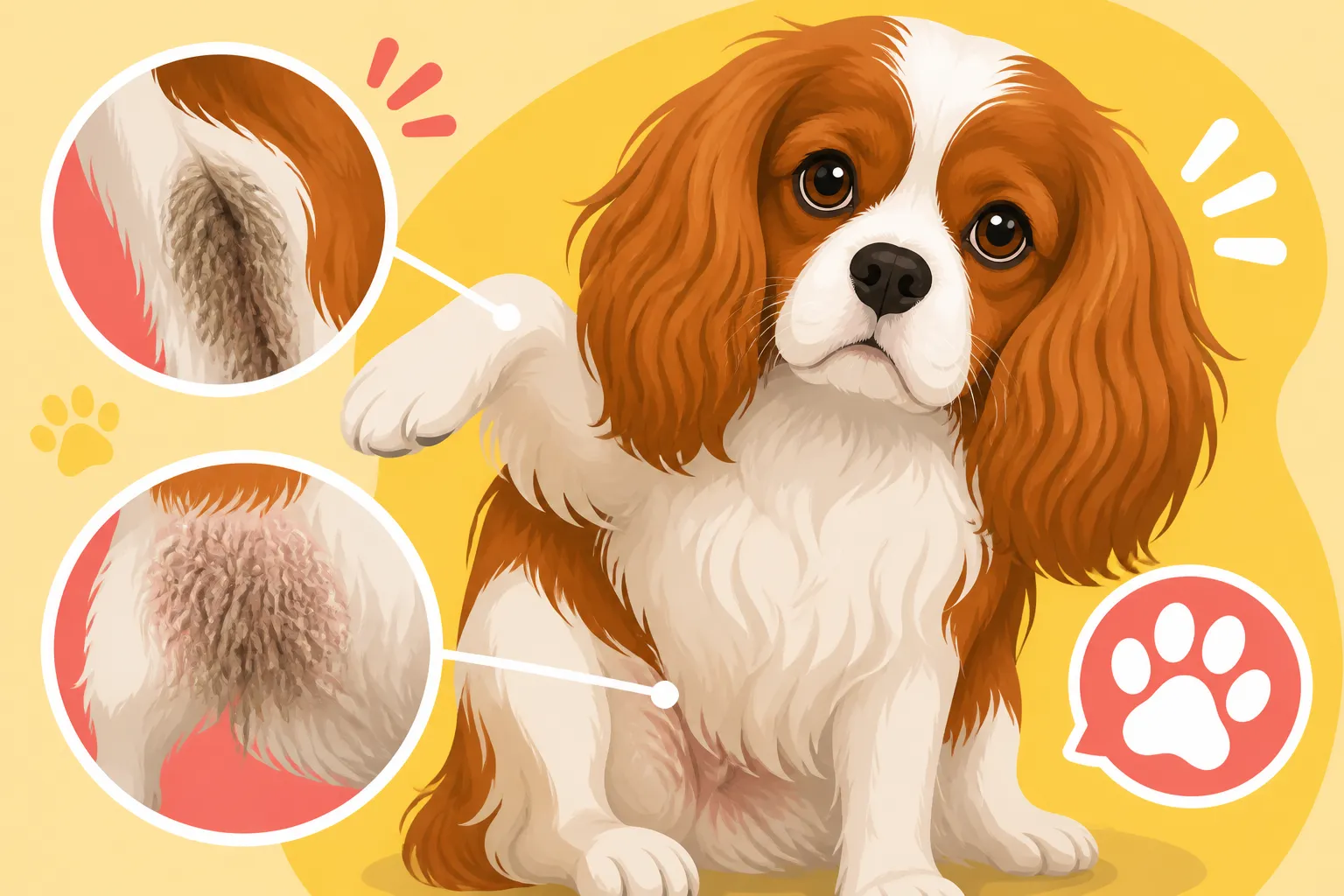
If you're a Cavalier owner, you know the frustration: you spend time brushing, only to find a stubborn knot hiding deep in the armpit or groin. These areas are notorious for developing tight, painful mats that seem to appear out of nowhere, causing discomfort for your beloved companion and a headache for you. This guide will walk you through exactly why these mats form in such sensitive spots, how to prevent them with a consistent routine, and how to safely and gently remove them when they do occur, ensuring your Cavalier stays comfortable and happy.
Why Cavaliers Are Prone to Mats in Sensitive Areas
Cavalier King Charles Spaniels are absolute joys, with their silky coats and charming personalities. But that beautiful, flowing fur, especially in areas with lots of movement and friction, can be a magnet for mats. It’s not just a matter of not brushing enough; there are inherent characteristics of their coat and lifestyle that make certain spots particularly vulnerable.
The Cavalier Coat Type and Texture
Cavaliers possess a single coat, meaning they don't have the dense, woolly undercoat that many other breeds do. Instead, their coat is described as long, silky, and flowing. While this texture is undeniably gorgeous and relatively low-shedding, it’s also incredibly prone to tangling and matting. The fine, soft hairs are like delicate threads, eager to intertwine with each other the moment friction or moisture is introduced.
Imagine your Cavalier, a gorgeous Blenheim, trotting around the house or chasing a favorite toy in the yard. Every movement causes those fine, silky hairs to rub against each other, especially where the skin folds or limbs meet the body. Unlike coarser coats that might resist tangling, a Cavalier's hair seems to actively seek out opportunities to form knots. This is particularly noticeable as a puppy's coat transitions into its adult feathering, often around a year old, where the texture can become even softer and more prone to tangles. If you've ever tried to gently brush out a tiny knot only to have it tighten further, you understand the challenge this delicate hair presents. This unique texture is the primary reason why their fur requires such diligent care to remain knot-free.
High-Friction Zones and Movement
The armpits and groin aren't just sensitive; they are also areas of constant, unavoidable movement and high friction. Think about it: every step your Cavalier takes involves their front legs moving back and forth against their chest wall and their hind legs moving against their abdomen. When they lie down, stretch, or even just shift their weight, these areas are constantly rubbing.
This perpetual rubbing bundles the silky hairs together, like repeatedly twisting a piece of string. Over time, these bundled hairs compact into tight, dense mats that pull on the skin. A Cavalier who loves to run and play will naturally experience more friction in these areas than a lazier dog. Even simple actions like scratching an itch with a hind leg or settling into a sleep position can create the perfect storm for a mat to begin forming. These are not areas that stay still; they are dynamic zones where the coat is constantly subjected to motion and pressure, making them prime targets for the insidious development of painful mats.
Environmental Factors and Lifestyle
Beyond the coat itself and the constant motion, environmental factors and your Cavalier's lifestyle play a huge role in mat formation. Moisture is a big culprit. If your Cavalier gets wet on a walk, perhaps splashing through puddles, and isn't thoroughly dried, that damp hair becomes a magnet for tangles. Sweat during vigorous play, especially on a warm day, can also contribute. The slight stickiness of damp fur helps individual hairs clump together.
Dirt, dust, and debris are also major offenders. Imagine your Cavalier rolling around in the park or brushing past dusty furniture. These tiny particles get trapped in the fine hair, creating more friction points and accelerating the matting process. Furthermore, certain types of bedding can contribute. Rough blankets or carpets can snag and pull on the delicate feathering, especially in the armpits and groin where they rub as your dog settles. Even a harness that isn't perfectly fitted can create pressure points that lead to mats. If you've ever noticed a sudden mat after a particularly muddy or wet adventure, you've seen these factors at play firsthand.
The Dangers and Discomfort of Mats in Armpits and Groin
It's easy to dismiss a small mat as just a cosmetic issue, but in these sensitive areas, they can quickly escalate from an annoyance to a serious health concern for your Cavalier. The discomfort is immediate, but the long-term effects can be quite nasty, leading to pain and potential infections.
Skin Irritation and Infections
The moment a mat starts to form, it begins to pull on your Cavalier's delicate skin. As the mat tightens, this pulling becomes constant and painful, much like having your hair painfully tugged. In the armpits and groin, the skin is already thin and sensitive, making it even more susceptible to irritation. This constant tension can lead to redness, inflammation, and raw spots.
Beyond the pulling, mats create a perfect, dark, and often moist environment right against the skin. This lack of air circulation, combined with any trapped sweat or debris, creates an ideal breeding ground for bacteria and yeast. What starts as a simple mat can quickly turn into a nasty skin infection, or even a hot spot – a rapidly spreading, painful, moist skin lesion that can be incredibly itchy and uncomfortable for your dog. Your Cavalier might start licking or chewing at the area, which only makes the irritation and infection worse, leading to a vicious cycle of discomfort and further skin damage.
Restricted Movement and Pain
Severe mats in the armpits and groin can severely restrict your Cavalier's natural movement. Imagine trying to walk or run with a tight elastic band constantly pulling at your armpit or groin. That's essentially what a tight mat does. It physically binds the skin and hair, limiting the full extension and flexion of their limbs.
You might notice your typically energetic Cavalier becoming reluctant to jump onto the sofa, go up or down stairs, or even stretch out comfortably. They might walk with a stiff or altered gait, favoring certain legs to avoid pulling on the painful mats. This restriction doesn't just reduce their ability to play and enjoy their daily activities; it can also cause chronic pain and muscle soreness as they try to compensate for the limited movement. A once-eager Cavalier might start avoiding walks or playtime simply because the pain of movement is too great, impacting their overall quality of life. This can be a subtle sign that Behavior Changes That Mean a Cavalier Hurts.
Hidden Parasites and Sores
One of the most insidious dangers of mats in these areas is their ability to conceal other problems. A tight, dense mat forms a protective canopy, making it incredibly difficult to inspect the skin underneath. This means that if your Cavalier picks up a flea or a tick, especially during outdoor adventures, it can easily burrow into the matted area and go unnoticed for days or even weeks. Not only are these parasites a nuisance, but ticks can transmit diseases, and severe flea infestations can cause allergic reactions and intense itching.
Furthermore, any small cuts, scrapes, or insect bites can also be hidden beneath the mat. Without proper air circulation and cleaning, these minor injuries can fester and become infected, turning into painful sores that you might not discover until the mat is finally removed. By then, the problem could be much more severe and require veterinary intervention. Regular grooming in these areas is crucial not just for coat health, but for vital health checks that ensure no unwanted guests or hidden wounds are causing trouble for your Cavalier.
Essential Tools for Mat Prevention and Gentle Removal
Tackling mats, especially in tricky areas like the armpits and groin, requires more than just a general dog brush. Having the right arsenal of tools makes a world of difference, not only in effective removal but, more importantly, in preventing them from forming in the first place and ensuring your Cavalier's comfort.
Brushes, Combs, and Detangling Sprays
For a Cavalier's silky coat, a combination of tools works best. First up is a good quality slicker brush. This brush features fine, closely spaced wire bristles that are angled to gently separate and detangle hair. It's excellent for removing loose hair and working through minor tangles. However, for deeper mats, especially in delicate areas, a slicker brush alone often isn't enough and can even pull too much.
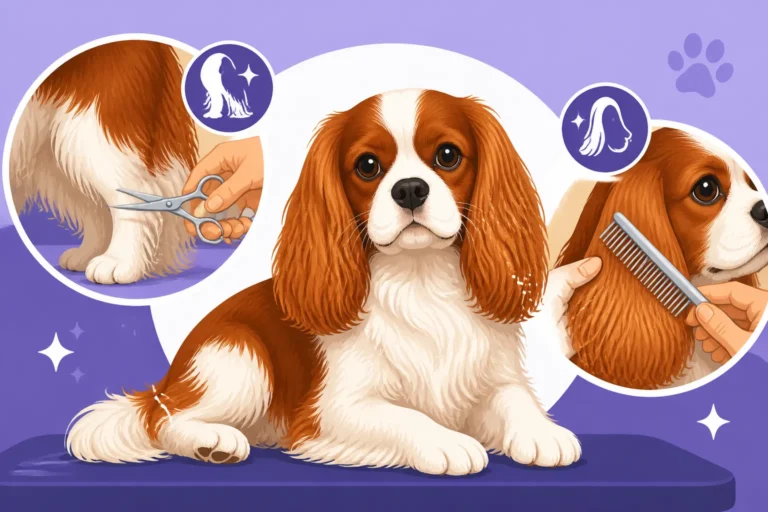
Next, and perhaps even more crucial for mats, is a metal comb with varying tooth spacing. Start with the wide-toothed end for initial separation, then move to the finer-toothed end to work out smaller knots. This allows you to tackle the mat in stages, minimizing discomfort. When choosing a comb, look for one that feels sturdy and has smooth, rounded teeth to avoid scratching your Cavalier's skin. You can find excellent options for both slicker brushes and metal combs on platforms like Amazon or Chewy. For serious mats, a dematting tool (a comb with small, sharp, inward-curving blades) can also be helpful, but these must be used with extreme caution and a very light hand, as they cut through the mat rather than brushing it out.
Finally, detangling sprays are your best friend. A good quality spray acts as a lubricant, making the hairs slippery and easier to separate. Before you even touch a mat with a comb, liberally spray the area. Let it soak in for a minute or two. This significantly reduces pulling and pain for your Cavalier. You can find many excellent detangling sprays specifically formulated for dogs (often containing conditioning ingredients) available through pet retailers. Using the right tools together, like a good detangling spray and a metal comb, can turn a daunting mat removal session into a manageable task. For a deeper dive into the best brushes, you might want to check out The Brush and Comb a Cavalier Coat Needs.
Clippers and Scissors for Safe Trimming
Sometimes, a mat is just too tight, too close to the skin, or too painful to brush out. In these instances, safely cutting or clipping the mat becomes necessary. However, this is where extreme caution is paramount, especially in the armpits and groin, where the skin is thin, loose, and prone to being accidentally nicked.
For cutting, always use blunt-nosed grooming scissors. The blunt tips minimize the risk of accidentally poking or cutting your Cavalier's skin if they suddenly move. Never use sharp-pointed household scissors for this task. When cutting, try to slide the blunt end of the scissors under the mat, between the mat and the skin, rather than cutting straight into the mat from above. Make small snips into the mat itself, then try to gently pull it apart with your fingers, rather than trying to cut the entire mat off in one go. If you're using scissors, try to cut into the mat from the edge, towards the center, in small increments.
For tougher, tighter mats, small, quiet clippers (often called "trimmer" or "finishing" clippers) can be a safer option than scissors. The blade on clippers slides along the skin, cutting the hair at an even length. You must use a very short blade (like a #10 or #15) and hold the skin taut to create a flat surface. Carefully guide the clippers under the mat, keeping the blade flat against the skin, moving slowly and gently away from the body. It’s incredibly easy to cut loose skin, particularly in armpits and the delicate groin area. If you are at all unsure or the mat is very tight and large, please, please seek professional help from a groomer or vet. Seriously, a trip to the groomer is far less traumatic than an emergency vet visit for a deep cut. You can learn more about safe mat cutting techniques in Cutting a Mat Out of a Cavalier Safely.
Snoods and Protective Wear
While less directly applicable to preventing armpit and groin mats, certain protective wear can indirectly contribute to overall coat health and prevent issues elsewhere. Snoods, for instance, are primarily used to keep your Cavalier's long ear feathering out of their food and water bowls. This prevents the hair from getting wet, greasy, and subsequently matted behind the ears or on the chin. While not directly targeting armpits, a generally cleaner, less tangled coat means less potential for mats to migrate or for the overall coat condition to deteriorate. You can find many cute and functional snoods online, perhaps on Amazon. For more information on their use, see Snoods That Keep Cavalier Ears Out of Dinner.
For areas of very high friction, especially if your Cavalier is recovering from a skin issue or has a particular habit that creates a mat, a light, breathable garment might sometimes be considered. However, this is quite rare for armpits and groin as most garments would themselves create friction or trap heat. The primary "protective wear" against mats in these specific areas is consistent, diligent grooming. Think of grooming as a daily, proactive defense rather than a reactive battle.
Step-by-Step Guide to Preventing and Removing Mats
Dealing with mats, especially in the armpits and groin, can feel overwhelming. But with a consistent routine and the right techniques, you can keep your Cavalier comfortable and mat-free. It's all about prevention and gentle, methodical action.
Daily Prevention Routine
The absolute best way to handle mats in these tricky areas is to prevent them from ever forming. This means a daily, or at the very least every-other-day, grooming routine that specifically targets the armpits, groin, and behind the ears – the notorious mat zones. Dedicate just The Five Minutes a Day a Cavalier Coat Takes to these critical spots.
Start by gently laying your Cavalier on their side or back, if they're comfortable. If not, slowly introduce them to these positions with praise and treats. Begin with the armpits. Gently lift each front leg, exposing the armpit area. Using a slicker brush, or even just your fingers initially, feel for any small knots or tangles. If you find one, immediately use a detangling spray and a wide-toothed comb to gently work it out (more on that in the next section). Move slowly, paying close attention to your Cavalier's reactions. Repeat this for the groin area, gently lifting each hind leg to expose the inner thigh and groin. Check for any tangles where the legs rub against the body. This isn't just about brushing; it's about tactile inspection, feeling for those tiny beginnings of a mat before they become a problem. Consistency is key here; a few minutes daily is far more effective and less stressful than an hour-long battle with a severe mat once a week. You'll soon find that Brushing a Cavalier's Feathering Three Times a Week truly pays off.
Gentle Detangling Techniques
When you do find a small mat, resist the urge to pull or yank! That will only cause pain and make your Cavalier associate grooming with discomfort. The key is gentle, methodical detangling.
Here's a step-by-step approach:
- Spray liberally: Douse the mat thoroughly with a good quality detangling spray. Ensure the spray penetrates the mat right down to the skin. Let it sit for a minute or two to soften the hair.
- Finger pick: Use your fingers to gently try and pull apart the outer edges of the mat. You're trying to loosen the tightly bound hairs, not rip the mat out. This can often break a small mat into smaller, more manageable sections.
- Start from the outside, work in: Take your wide-toothed metal comb. Don't try to comb through the entire mat at once. Instead, hold the mat firmly at the base, close to your Cavalier's skin (this prevents pulling on the skin). Now, using just the very tips of the comb's teeth, start gently combing just the outer edge of the mat. Work a few hairs free, then a few more.
- The "pat and pull" method: Once you've loosened the outer edges, you can try a method where you gently "pat" the comb into the mat, then "pull" outwards, away from the skin, a few hairs at a time. It's a series of short, gentle strokes rather than one long pull.
- Small sections: Continue working in tiny sections, patiently teasing out the hairs. As the mat loosens, you can move to the finer-toothed end of your metal comb.
- Consider cornstarch: For particularly stubborn but not severe mats, a tiny pinch of cornstarch worked into the mat can sometimes help by absorbing oil and making the hair more slippery, similar to a dry shampoo. Just be sure to brush it out thoroughly afterwards.
Always praise your Cavalier and offer treats for their patience. If they show signs of distress, take a break. Remember, the goal is to gently unravel the mat, not to rip it out. For more details on effective comb use, refer to Whether a Cavalier Needs a Metal Comb.
When to Use Clippers or Scissors (and When to See a Pro)
There's a fine line between a stubborn mat you can tackle at home and one that requires professional intervention. Knowing when to switch from brushing to cutting, or when to call in the experts, is crucial for your Cavalier's safety and comfort.
When to consider clippers/scissors:
If a mat is dense, tight, and directly against the skin, and no amount of detangling spray or gentle combing makes a dent, it might be time for scissors or clippers. Always use blunt-nosed scissors and never cut straight across the mat if it's tight against the skin. Instead, try to slide the blunt tip of the scissors under the mat, parallel to the skin, and make small snips into the mat itself to break it up. If using clippers, ensure you have a fresh, sharp blade (a #10 or #15 is safest) and hold the skin taut around the mat to create a flat surface. Work slowly and away from any skin folds. Remember how delicate the skin in the groin and armpits can be; it's very easy to accidentally snip or cut.
When to see a professional:
You absolutely should seek a professional groomer or veterinarian if:
- The mat is extremely tight, hard, and large.
- The mat covers a significant area.
- The skin underneath the mat appears red, irritated, weeping, or has an unpleasant odor.
- Your Cavalier is in pain or becomes aggressive when you try to touch the mat.
- You are simply not comfortable using sharp tools around such sensitive areas.
A professional groomer has specialized tools and experience, and they know how to work safely around delicate areas. They can often remove severe mats with minimal stress to your dog. If there's any sign of skin infection or irritation under the mat, a vet visit is in order. They can safely remove the mat under sedation if necessary and treat any underlying skin issues. Never let pride or cost prevent you from seeking help for a severe mat; the discomfort and potential harm to your Cavalier are not worth it. Finding a groomer who really understands the Cavalier coat and temperament is invaluable, and you can learn more about this in Finding a Groomer Who Knows Cavalier Coats.
Long-Term Management and Lifestyle Adjustments
Keeping your Cavalier's coat healthy and mat-free in their armpits and groin isn't just about reactive removal; it's about a holistic, proactive approach. This involves consistent professional help, a good diet, and being attuned to any changes in your dog's behavior or coat condition.
Regular Professional Grooming
Even the most diligent home groomers can benefit from regular professional grooming appointments. Professional groomers have the expertise, the right equipment, and often a better angle to reach those notoriously difficult areas like armpits and the inner thighs. They can spot tiny tangles before they become major mats and keep your Cavalier's feathering in top condition.
Think of it as a partnership: you handle the daily maintenance, and the groomer provides the "deep clean" and addresses any areas you might struggle with. They can perform sanitary trims around the groin area, which can also help prevent mats from accumulating. A typical professional grooming schedule for a Cavalier might be every 6-8 weeks, depending on their coat growth and your home grooming routine. This helps maintain a manageable coat length and addresses any developing issues. While there's a cost involved, it often prevents more expensive vet bills down the line for severe matting or skin infections. Curious about the investment? You can get an idea of What a Groomer Charges for a Cavalier in your area.
Diet and Coat Health
It might not be the first thing you think of when battling mats, but your Cavalier's diet plays a significant role in the overall health and quality of their coat. A well-nourished coat is typically stronger, healthier, and less prone to breakage and matting.
Look for high-quality dog food that lists real meat as the first ingredient and contains a good balance of omega-3 and omega-6 fatty acids. These essential fatty acids are crucial for healthy skin and a shiny, resilient coat. You might even consider supplements like fish oil if your vet recommends it. A Cavalier on a poor diet might have a dull, brittle coat that breaks easily and tangles more frequently. Just like your own hair, if it's healthy from the inside out, it will look and feel better on the outside. Some dog food brands, like Ollie, focus on fresh, human-grade ingredients that can contribute to overall health, including coat quality. Discuss diet changes or supplements with your veterinarian to ensure they are appropriate for your Cavalier's specific needs and health status.
Recognizing Underlying Issues
Sometimes, persistent or sudden matting isn't just about missed grooming sessions; it can be a subtle indicator of an underlying health problem. If your Cavalier suddenly starts developing severe mats, particularly in hard-to-reach areas, it could be because they are no longer able to self-groom effectively.
This inability to groom themselves might stem from pain or discomfort, such as arthritis in their hips or elbows, or back pain from conditions like syringomyelia. A Cavalier who struggles to reach their hind legs to scratch an itch or lick their groin area might develop mats much faster. Similarly, a dog that is lethargic or unwell might not move as much, causing friction mats to form where they lay. Other possibilities include skin conditions, allergies that cause excessive itching or oil production, or even hormonal imbalances that affect coat quality. If you've been diligent with grooming and the mats are still a recurring, severe problem, it's wise to consult your veterinarian. They can help rule out any medical reasons for the change in coat condition or self-grooming habits, ensuring your beloved Cavalier gets the care they truly need. It's an important step in recognizing if Behavior Changes That Mean a Cavalier Hurts are at play.
Grooming Tools Comparison Table
Here's a quick overview of common grooming tools and their best uses for your Cavalier's coat, especially when dealing with those tricky mats:
| Tool Type | Best For | How to Use for Cavaliers | Caution |
|---|---|---|---|
| Slicker Brush | Removing loose undercoat, general detangling | Gentle strokes, separating coat in sections, good for initial pass on feathering. | Can pull sensitive skin if used too roughly; avoid pressing hard. |
| Metal Comb | Working out tangles, checking for hidden mats | Start with wide teeth, work from ends to roots, hold hair at base to prevent pulling. Essential for armpits/groin. | Can cause pain if dragged through a mat; use small, gentle motions. |
| Pin Brush | Daily brushing, general coat maintenance | Glides through coat, removes loose hair without pulling; less effective for tight mats. | Not designed for deep detangling; won't remove dense mats. |
| Detangling Spray | Lubricating mats, making brushing easier | Spray liberally on mats before combing; allow to soak in. Use on dry coat. | Ensure it's dog-safe; avoid contact with eyes. |
| Blunt-Nosed Scissors | Cutting into very tight mats, sanitary trims | Slide blunt tip under mat, make small snips parallel to skin. ALWAYS protect skin with fingers. | HIGH risk of cutting skin, especially in armpits/groin. Only for experienced users on small, severe mats. |
| Small Grooming Clippers | Shaving severe mats close to skin | Use a short blade (#10 or #15), hold skin taut. Move slowly, keeping blade flat to skin under the mat. | Requires practice; easy to nick loose skin. Clippers can heat up quickly, monitor for burns. |
| Dematting Tool | Cutting through stubborn mats | Very carefully rake through mat with blades, holding mat firmly at the base. | Cuts hair; use sparingly. Can cause discomfort if pulled. |
Disclaimer
This article is for general informational purposes only and does not constitute professional advice. Laws, prices and regulations vary by location and change over time. Consult a qualified professional for guidance on your specific situation.