Whether to Pluck Hair From a Cavalier’s Ear
One of the most persistent worries for Cavalier King Charles Spaniel owners, myself included, often revolves around those adorable, floppy ears. They’re undeniably charming, but they can also be a magnet for trouble, leaving us wondering about the best way to keep them healthy. A common question that comes up in discussions with other Cavalier parents and even with groomers is whether we should be plucking hair from inside our dog’s ear canals. It’s a topic that stirs up a lot of strong opinions, and frankly, it can be confusing trying to figure out the right path for your beloved companion. This guide aims to clear up the confusion, exploring the pros, cons, and safer alternatives to ear hair plucking for your Cavalier.
Understanding Your Cavalier's Unique Ear Canal Anatomy
Our Cavaliers are simply stunning, with their silky coats and those characteristic long, pendulous ears. While these features add to their undeniable charm, they also present some very specific challenges when it comes to ear health. Understanding these unique anatomical traits is the first step in deciding how best to care for your furry friend's ears.
Why Cavalier Ears Are Prone to Trouble
Imagine living in a warm, moist, and often dark environment. Sounds like a perfect breeding ground for all sorts of tiny organisms, doesn't it? Well, that's precisely the microclimate we're often dealing with inside a Cavalier's ear. Their heavy, drop ears act like natural lids, significantly reducing airflow into the ear canal. Unlike breeds with upright ears, where air can circulate more freely, a Cavalier's ear leather hangs down, creating a cozy, humid pocket.
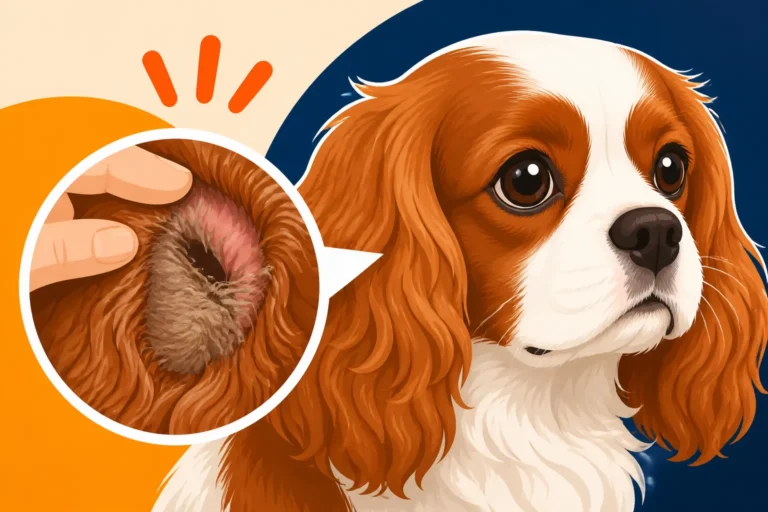
Add to this the natural hair growth that occurs within the ear canal itself, and you have a recipe for potential issues. This hair can trap moisture, wax, and debris, making it incredibly difficult for the ear's natural self-cleaning mechanisms to do their job effectively. It's like trying to sweep a floor that's covered in sticky cobwebs – everything just gets tangled up. This trapped material can then become an irritant, leading to inflammation and providing an ideal environment for bacteria and yeast to multiply. Many of us have experienced the frustration of dealing with a Cavalier who constantly shakes their head or scratches at their ears, a clear sign of discomfort. It feels like an uphill battle sometimes, and you’re not alone in feeling that way. This predisposition is why Recurrent Ear Infections in a Cavalier are such a common complaint among owners.
The Great Debate: To Pluck or Not To Pluck?
Given these challenges, it’s no wonder that ear hair plucking has been a long-standing practice in an attempt to alleviate some of these problems. For decades, many groomers and even some veterinarians advocated for routinely plucking ear hair, believing it would open up the ear canal, improve airflow, and reduce the accumulation of wax and debris. The logic seems sound on the surface: remove the hair, remove the traps for gunk, allow the ear to "breathe," and prevent infections. This traditional approach suggested that a clear ear canal was a healthy ear canal.
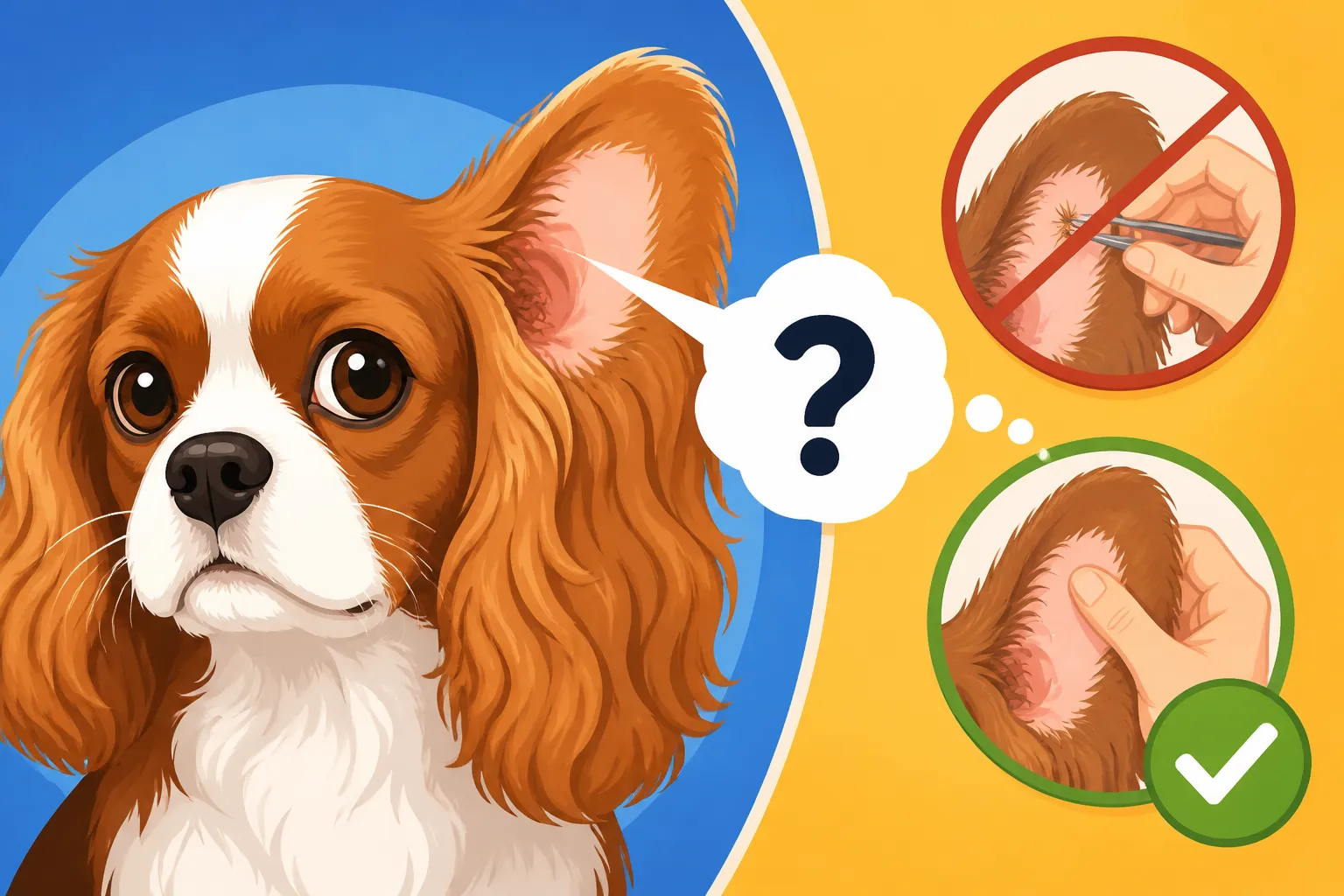
However, veterinary science and our understanding of canine ear health have evolved significantly. What was once common practice is now a subject of considerable debate, with many professionals now advising against routine plucking. The counter-argument points to the potential harm caused by the act of plucking itself. When you pull out hairs from the sensitive lining of the ear canal, you can cause microtrauma—tiny tears and abrasions in the skin. These microscopic injuries can then become entry points for bacteria and yeast, paradoxically increasing the risk of infection. Furthermore, the pain and discomfort associated with plucking can make future ear examinations and cleanings a nightmare for both the dog and the owner, fostering an aversion to having their ears handled at all. It’s a classic dilemma where what seems helpful could actually be causing more harm.
Risks and Benefits of Plucking Ear Hair
As pet parents, we always want to do what’s best for our Cavaliers. When it comes to ear care, the discussion around plucking ear hair is a prime example of good intentions potentially leading to unintended consequences. Let’s dive deeper into what can go right and, more importantly, what can go wrong when considering this practice.
Potential Downsides: Pain, Inflammation, and Infection
The idea of plucking hair from inside an ear canal sounds uncomfortable, and for our Cavaliers, it absolutely can be. The sensitive skin lining the ear canal is not designed to have hairs forcibly removed. Each hair follicle is attached to nerves and blood vessels, and pulling them out can cause sharp pain. Imagine having tiny hairs plucked from a very sensitive area on your own body – it's not pleasant. This pain can make the experience very distressing for your dog, leading to fear and resistance during future ear care routines. A Cavalier who's had a painful ear plucking experience might start shying away when you even reach for their ears, making even simple checks difficult.
Beyond the immediate pain, the physical act of plucking can create microscopic tears and damage to the delicate skin within the ear canal. This microtrauma is a big deal because it immediately opens up pathways for bacteria and yeast, which are naturally present in the ear, to invade deeper tissues. It's like creating little welcome mats for infection. The ear then becomes inflamed as a natural response to this injury, leading to redness, swelling, and increased fluid production. This inflamed, moist environment, already common in a Cavalier's drop ears, becomes an even more perfect storm for infections. Instead of preventing ear issues, plucking can sometimes be the very trigger for a stubborn, painful ear infection, setting back your efforts to achieve good ear health. We want to avoid creating a cycle of irritation, medication, and then more irritation, which sadly happens sometimes.
When Plucking Might Be Considered (and by Whom)
Despite the growing consensus against routine ear hair plucking, there are very specific and limited circumstances where a veterinary professional might recommend it. This is typically reserved for cases of extreme ear hair density, where the hair forms such a dense mat that it completely obstructs the ear canal, making it impossible for medicated drops to reach the affected areas during an active infection. In these rare instances, the benefit of clearing the obstruction might outweigh the risks of temporary irritation, but this decision should only be made by a veterinarian after a thorough examination. They would assess the degree of obstruction, the type of infection, and the overall health of your Cavalier.
If plucking is deemed absolutely necessary, it should always be performed by a qualified veterinary professional or a highly experienced groomer working under direct veterinary guidance. They would use appropriate tools, apply specific techniques to minimize pain and trauma, and likely follow up with anti-inflammatory or antiseptic treatments to prevent secondary infections. This is not a task for a home groomer or an owner to attempt without explicit, professional instruction. In most cases, the goal is not total hair removal, but rather a strategic thinning to allow for treatment or improved airflow, carefully balancing the potential benefits against the clear risks involved. If you find yourself in a situation where your vet suggests it, ask plenty of questions about their methods and what aftercare will be needed.
Safer Alternatives to Ear Hair Plucking for Cavaliers
It’s completely understandable to feel overwhelmed by the thought of managing your Cavalier’s ear health, especially with all the conflicting advice out there about plucking. But I promise you, there are effective, gentle, and much safer ways to keep those precious ears in tip-top shape without resorting to potentially painful and risky procedures. The key is consistency and understanding the basics of good ear hygiene.
Regular Cleaning and Inspection
The cornerstone of good Cavalier ear care is regular, gentle cleaning and inspection. This isn't about deep scrubbing, but rather about preventing problems before they escalate. Make it a routine to check your Cavalier's ears every few days, perhaps during a cuddle session or after a walk. Look for any signs of redness, swelling, discharge, or an unusual odor – that tell-tale "yeasty" smell often signals a brewing infection. Your Cavalier's ear should look clean, pale pink, and smell neutral. If you're unsure what to look for, checking out What a Healthy Cavalier Ear Looks Like can give you a better idea.
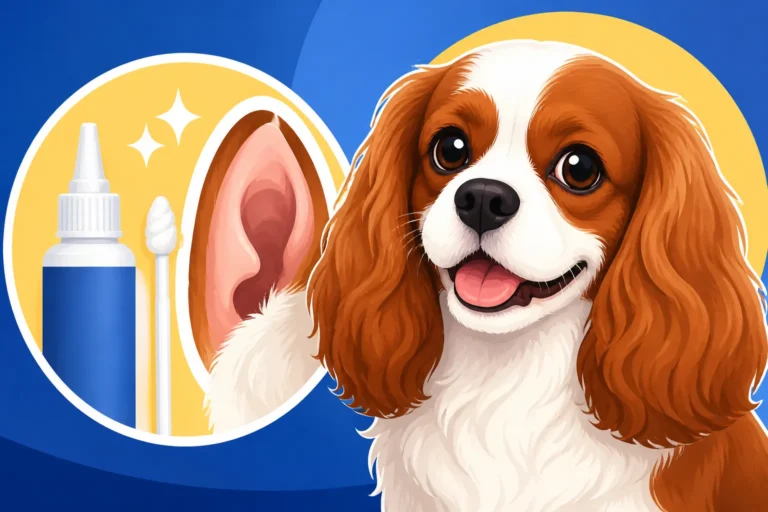
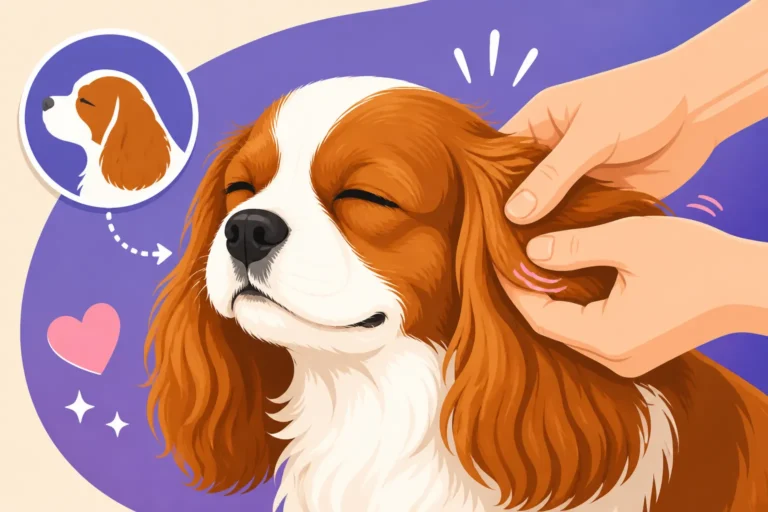
When it comes to cleaning, less is often more. You’ll want to use a vet-approved ear cleaner, specifically formulated for dogs, which helps break down wax and debris without irritating the delicate skin. Avoid harsh chemicals or alcohol-based solutions. Simply lift your Cavalier's ear flap, squirt a small amount of cleaner into the canal (just enough to fill it slightly, not overflowing), and gently massage the base of the ear for 20-30 seconds. You’ll hear a squishy sound, which means the cleaner is working. After massaging, let your Cavalier shake their head—this helps dislodge debris. Then, use a soft cotton ball or a piece of gauze wrapped around your finger to gently wipe away any visible cleaner and gunk from the outer part of the ear canal and the underside of the ear flap. Remember, never use cotton swabs (Q-tips) down into the ear canal, as these can push debris further in or even damage the eardrum. You can find excellent ear cleaners and cotton balls on sites like Chewy or Amazon, making it easy to keep stocked up. For a more detailed walkthrough, Cleaning a Cavalier's Ear the Right Way offers step-by-step guidance.
Maintaining Hygiene Around the Ear Flap
While we're generally advising against plucking inside the ear canal, maintaining good hygiene around the ear canal opening and the external ear flap is incredibly important for Cavaliers. Their long, silky feathering can become a major contributor to ear problems if not managed correctly. This external hair can also trap moisture, food particles (especially those messy eaters!), and environmental allergens, which can then trickle down into the ear canal.
Regularly inspecting and gently trimming the hair that grows immediately around the opening of the ear canal can make a world of difference. This isn't about shaving, but about carefully tidying up to allow for better air circulation and to prevent hair from falling into the ear. A good groomer, especially one familiar with Cavalier needs, can do this safely and effectively. Similarly, keeping the long feathering on the ear flaps themselves clean and dry is vital. After baths, ensure the ears are thoroughly dried, not just the outside but also carefully under the flap. Any dampness can promote yeast growth. Using a snood, especially during mealtimes, can also be a game-changer for keeping those long ears out of food and water, preventing them from becoming wet and dirty. You can find a range of options on Amazon or Chewy to fit your Cavalier perfectly. It’s a small effort that yields big returns for preventing issues. For more specific tips on overall ear flap care, refer to Cavalier Ear Care Under a Heavy Drop Ear.
Addressing Underlying Issues
Sometimes, recurrent ear problems in Cavaliers aren't just about trapped hair or moisture; they're symptoms of a deeper, underlying health issue. Many Cavaliers, like other floppy-eared breeds, are prone to allergies, which often manifest as skin irritation and, you guessed it, chronic ear infections. If your Cavalier seems to be constantly battling ear woes despite consistent cleaning, it's crucial to consider whether allergies might be at play. These could be environmental allergies (pollen, dust mites), or even food sensitivities.
Working with your veterinarian to identify and manage these underlying conditions is paramount. This might involve dietary changes, such as trying a novel protein or hydrolyzed diet, or exploring allergy testing and desensitization therapies. Certain systemic conditions can also impact ear health, making a thorough vet examination essential. Addressing the root cause of the inflammation can often resolve persistent ear issues more effectively than simply treating the symptoms. It’s about taking a holistic view of your Cavalier’s health. Don't underestimate the impact of diet and overall wellness on ear health; sometimes, a small change in their food, even something like a new treat, can surprisingly trigger an ear flare-up. Exploring Whether Cavalier Ear Infections Are Allergic can provide more insights into this common connection.
Making an Informed Decision for Your Cavalier's Ear Health
Navigating the complexities of Cavalier ear care can feel like a minefield, especially when you encounter conflicting advice. However, empowering yourself with knowledge and knowing when to lean on professional expertise will ensure you make the best, safest decisions for your furry family member.
Consulting Your Veterinarian
When in doubt, always, always consult your veterinarian. They are your most trusted resource for your Cavalier's health. If you're noticing any signs of ear discomfort – scratching, head shaking, redness, odor, or discharge – a vet visit is the first and most crucial step. Your vet will perform a thorough examination using an otoscope to look deep into the ear canal and assess its condition, checking for inflammation, foreign bodies, or signs of infection. They might even take a swab to look for yeast or bacteria under a microscope, which helps them prescribe the most effective treatment.
During this consultation, you can discuss your concerns about ear hair. Your vet can advise you specifically on whether any hair removal is necessary for your individual Cavalier, based on their specific anatomy and health history. They can also demonstrate proper cleaning techniques and recommend appropriate ear cleaning solutions. Remember, every dog is an individual, and what might be okay for one might not be for another. Trust your vet to guide you, as they have the full picture of your Cavalier's overall health and unique needs. They are best equipped to identify What a Healthy Cavalier Ear Looks Like and spot any deviations.
Working with a Knowledgeable Groomer
A good relationship with a knowledgeable groomer is also invaluable, especially one who understands the specific needs of Cavalier King Charles Spaniels. Not all groomers approach ear care the same way, and it’s important to find one who aligns with a gentle, health-conscious philosophy. When you're looking for a groomer, don't hesitate to ask about their ear care practices. Specifically, ask if they pluck ear hair routinely. A groomer who understands Cavalier anatomy will prioritize gentle cleaning and trimming around the ear canal opening rather than aggressive plucking.
A skilled groomer can help maintain the hygiene of the external ear flaps and the hair immediately surrounding the canal, trimming any excessive feathering that might trap moisture or debris. This helps to improve airflow without causing trauma to the sensitive inner ear. They can also teach you how to maintain your Cavalier's ears between professional grooming sessions. Be upfront about any history of ear problems your Cavalier has had, so your groomer can tailor their approach. Finding a groomer who truly knows Finding a Groomer Who Knows Cavalier Coats and ear structures is a game-changer for proactive care.
Long-Term Ear Health Strategy
Developing a comprehensive, long-term strategy for your Cavalier's ear health is far more effective than reacting to problems as they arise. This strategy should focus on prevention, consistent hygiene, and proactive monitoring. It's about creating a routine that minimizes risk factors while maximizing comfort and cleanliness.
Here’s a snapshot of a good long-term ear health strategy:
- Routine Inspections: Daily quick checks for smell, discharge, or redness.
- Regular Cleaning: Weekly or bi-weekly cleaning with a vet-approved solution, as demonstrated by your vet.
- External Hair Management: Regular trimming by a groomer or yourself of hair around the ear canal opening and ensuring ear flap feathering is clean and dry.
- Protective Measures: Using snoods to keep ears out of food and water, especially if your Cavalier is a messy eater. Brands like Chewy and Amazon offer a variety of snoods that can be incredibly helpful for this.
- Allergy Awareness: Work with your vet to address any underlying allergies or health conditions that might predispose your Cavalier to ear infections.
- Prompt Vet Care: At the first sign of discomfort or infection, consult your vet immediately. Don't wait!
- Hydration and Diet: Ensure your Cavalier is on a balanced, high-quality diet and has access to fresh water, as overall health impacts ear health. Ollie, for example, offers fresh food options that can be customized to your dog's needs, which might be a consideration if you suspect dietary links to allergies.
By taking a holistic and proactive approach, you can significantly reduce the incidence of ear problems and ensure your Cavalier enjoys comfortable, healthy ears for years to come. Remember, consistency is your best friend when it comes to ear care.
| Feature | Routine Ear Hair Plucking (Not Recommended for Most Cavaliers) | Alternative: Regular Cleaning & External Trimming (Recommended) |
|---|---|---|
| Primary Goal | Clear ear canal of hair, improve airflow | Prevent debris buildup, maintain hygiene, allow ear to self-clean |
| Procedure | Forcibly pulling hair from inside the ear canal | Wiping with cleaner, gentle massage, trimming external hair |
| Pain Level | Potentially painful, causes distress | Generally comfortable, positive experience if introduced gently |
| Risk of Infection | High (microtrauma, inflammation) | Low (promotes healthy ear environment) |
| Ear Canal Trauma | High (micro-abrasions, irritation) | Minimal to none |
| Best Performed By | Only by vet/expert groomer if absolutely necessary | Owner at home, with vet/groomer guidance |
| Frequency | Intermittent, as needed (if at all) | Daily/Weekly checks, weekly/bi-weekly cleaning |
| Long-Term Impact | Can create aversion to ear handling, chronic issues | Fosters positive ear handling, prevents issues |
Disclaimer
This article is for general informational purposes only and does not constitute professional advice. Laws, prices and regulations vary by location and change over time. Consult a qualified professional for guidance on your specific situation.