Brushing a Cavalier While It Is Still Damp
You've just given your sweet Cavalier a bath, and now you're faced with a damp, fluffy cloud of fur that seems determined to turn into a matted mess before your eyes. It’s a classic dilemma for Cavalier owners: do you wait for them to air dry and risk a knotty nightmare, or do you dive in with the brush and hope for the best? Brushing a Cavalier while their coat is still damp, but not soaking wet, is often the secret handshake to keeping their beautiful feathering long, luxurious, and mat-free. This guide will walk you through exactly how to master this technique, transforming a potentially frustrating chore into a smooth, efficient part of your grooming routine.
Why Brushing a Damp Cavalier Can Be a Game-Changer (and Why It's Often Avoided)
Many of us have been taught never to brush wet hair, and while that's generally true for soaking wet hair, a damp coat is an entirely different story. For a Cavalier, whose single coat can mat quickly, this distinction is crucial. Embracing the damp brush can save you headaches and heartache, but it does come with its own set of rules you need to follow.
The Benefits of Brushing Damp: Preventing Mats and Spreading Products
Imagine trying to untangle a knot of dry string – it's tough, often causes breakage, and rarely gets completely smooth. Now imagine that same knot of string, slightly moistened and perhaps with a little detangler applied. It's much more pliable, right? The same principle applies to your Cavalier’s coat. When their fur is damp, the hair shaft is more flexible and less prone to snapping and breaking when brushed. This flexibility allows you to gently work through nascent tangles and prevent them from tightening into formidable mats that might require a groomer's clippers.
Beyond mat prevention, brushing a damp coat is an excellent way to evenly distribute leave-in conditioners or detangling sprays. These products, when applied to dry fur, can sometimes sit on the surface or create a greasy residue. On damp fur, they spread more thoroughly, coating each strand and providing maximum benefit. This means deeper conditioning, better hydration, and a silky-smooth finish that lasts longer. It’s a proactive approach that helps maintain the iconic softness and flow of your Cavalier's coat, especially in those prone areas like behind the ears and under the arms. Brushing a Cavalier's Feathering Three Times a Week is vital, and doing one of those brushes damp after a bath can be incredibly effective.
The Pitfalls of Brushing Damp: When It Goes Wrong
Now, let's talk about where it can go wrong, because just "brushing damp" isn't enough; you need to do it correctly. The biggest mistake is brushing a Cavalier when their coat is still soaking wet. Wet hair is at its most fragile state, and aggressive brushing on a saturated coat can cause significant breakage, leading to frizz, split ends, and even damage to the hair follicles. This isn't just about aesthetics; damaged hair mats more easily in the long run, creating a vicious cycle. Think of it like trying to style your own hair straight out of the shower without any towel drying – it's a tangled, dripping mess.
Another common pitfall is using the wrong tools or applying too much force. A dry, matted coat will break and hurt your dog if you try to rip through it with a brush. But even a damp coat can be damaged if you’re using a harsh brush or comb that pulls at the hair rather than gliding through it. The goal is gentle persuasion, not brute force. Furthermore, if you brush a damp coat but don't ensure it's fully dried afterward, you create a breeding ground for skin issues like hot spots or fungal infections, especially in their dense feathering. Dampness trapped against the skin can lead to irritation and discomfort, which is the last thing you want for your beloved companion.
Your Toolkit for Damp Brushing Success
Just like a chef needs the right knives, a Cavalier owner needs the right grooming tools. You can't just grab any old brush and expect magic. Investing in quality tools designed for long, silky coats will make the damp brushing process much more effective and comfortable for your dog, turning it from a struggle into a bonding experience.
Essential Brushes and Combs for Cavalier Coats
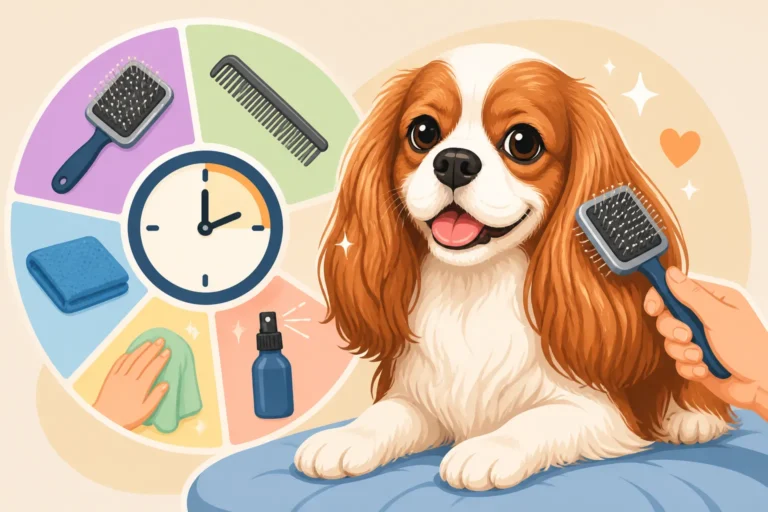
For tackling a damp Cavalier coat, a few specific tools are indispensable. First up, you'll want a good quality slicker brush. This brush features fine, short wires packed closely together, usually angled. It’s excellent for gently separating strands and lifting loose undercoat (though Cavaliers don't have a true undercoat, they do shed fine hair). When used with a light touch on damp hair, it can help work out smaller tangles without causing damage. Always make sure the slicker brush has coated tips or very soft wires to avoid scratching your dog's delicate skin.
Next, a pin brush with rounded pins is fantastic for the longer feathering, especially on the ears, legs, and tail. The pins are spaced further apart and glide through the coat, helping to smooth it and add volume without pulling. It's often used after the slicker to finish the coat or for daily maintenance brushing when the coat is dry or just slightly damp. Finally, a metal comb with both wide and fine teeth is your ultimate secret weapon. The wide-toothed side is perfect for carefully teasing out any knots you encounter, while the fine-toothed side can check for any missed tangles, especially in delicate areas like the face and behind the ears. You can often find excellent grooming tool kits or individual brushes and combs on sites like Chewy or Amazon, ensuring you have the right arsenal. The Combs That Reach Cavalier Feathering are designed specifically for this kind of coat.
Detangling Sprays and Conditioners: Your Secret Weapons
Think of detangling sprays and leave-in conditioners as the lubrication that makes your damp brushing process frictionless. These aren't just luxuries; for a Cavalier's coat, they are necessities. A good detangling spray creates a slippery barrier around each hair strand, allowing the brush to glide through without snagging. This significantly reduces pulling, discomfort for your dog, and breakage of their precious feathering. Many detangling sprays also contain ingredients that moisturize the coat, reduce static electricity (which can lead to tangles), and even add a lovely scent.
Leave-in conditioners serve a similar purpose, often providing deeper conditioning benefits. They can replenish moisture lost during bathing and help keep the coat soft and pliable for longer, making future brushing sessions easier. When choosing a product, look for ones specifically formulated for dogs with long, silky coats. Avoid anything with harsh chemicals or strong perfumes that might irritate your Cavalier's sensitive skin. Brands like Earthbath or BioSilk often have good options that are gentle and effective. Applying these to a damp coat ensures they penetrate the hair shaft more effectively than if applied to dry fur, maximizing their detangling and conditioning power.
The Importance of High-Quality Towels and Dryers
Before you even think about brushing, you need to get your Cavalier's coat to the right level of dampness, and that starts with good towel drying. Forget old bath towels from your linen closet; a high-quality, super-absorbent microfiber towel will be your best friend. These towels are designed to wick away significantly more water than standard cotton towels, dramatically cutting down drying time without requiring aggressive rubbing that can create tangles. Gently blotting and squeezing the coat with these towels will remove excess water, leaving the fur damp, but not dripping wet – the perfect consistency for brushing.
After brushing the damp coat, ensuring it is thoroughly dry is paramount. A powerful, but gentle, dog-specific blow dryer is an excellent investment. Human hair dryers can get too hot and damage your dog’s skin and coat, so always opt for one made for pets, which usually has adjustable heat settings and a cooler airflow. Using a dryer allows you to dry the coat section by section, ensuring no damp patches are left behind that could lead to matting or skin issues. Proper drying also helps to set the coat, giving it that beautiful, fluffy, and smooth finish that Cavaliers are famous for. Towel Drying Against Blow Drying a Cavalier is a good way to see how to approach this.
The Step-by-Step Guide to Brushing a Damp Cavalier Effectively
Now that you understand the "why" and have your arsenal ready, let's get into the "how." This isn't a race; it's a careful, deliberate process that will yield beautiful results and help your Cavalier feel comfortable and confident during grooming sessions. Patience and a gentle touch are key here.
Pre-Brushing Prep: Towel Drying and Product Application
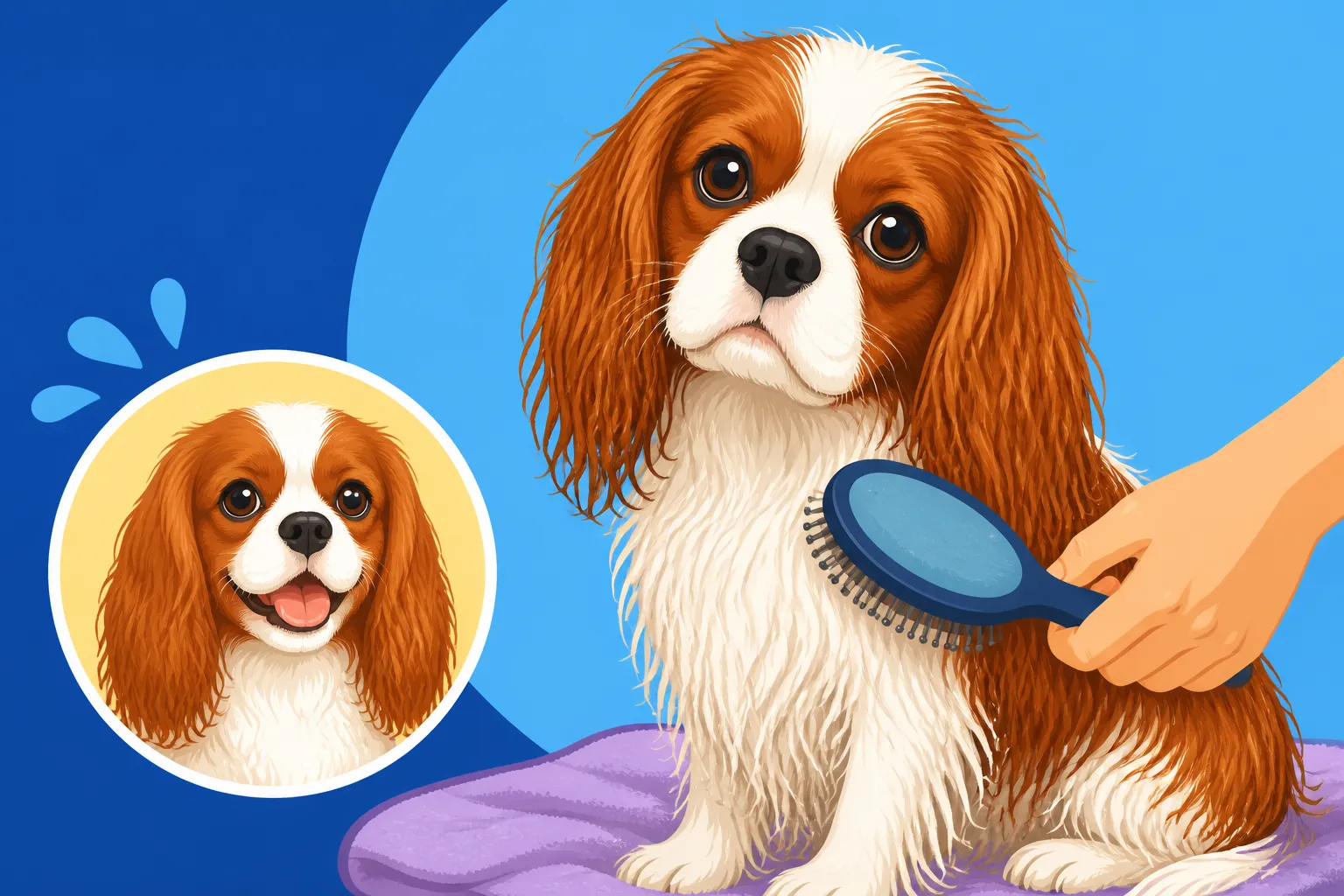
The very first step after bath time is to get your Cavalier’s coat to the ideal "damp" stage. After rinsing out all the shampoo and conditioner, gently squeeze excess water from their fur. Then, use those super-absorbent microfiber towels to blot and pat your dog's coat thoroughly. Resist the urge to rub vigorously, as this can create tangles before you even start brushing. The goal is to remove as much surface water as possible, leaving the coat moist but not dripping. You should be able to feel the dampness, but water shouldn't be dripping when you squeeze a section of fur.
Once towel-dried, it's time for your secret weapons: detangling spray or leave-in conditioner. Generously mist the entire coat, paying extra attention to areas prone to matting such as behind the ears, under the armpits, the chest, and the long feathering on the legs and tail. Don't be shy, but avoid saturating the coat again. Use your hands to gently work the product through the fur, ensuring even distribution. This step is crucial as it lubricates the hair strands, making them much easier to brush through and significantly reducing static and breakage.
Sectioning the Coat for Thorough Brushing
Trying to brush an entire Cavalier coat at once, especially when damp, is an exercise in futility and frustration. The key to thorough, effective damp brushing is sectioning. Imagine your Cavalier's body as a series of manageable zones. Start by using your fingers or a wide-toothed comb to create a part, typically along the spine. Then, using hair clips or even simple elastic bands (ensure they don't pull too tightly), secure the unbrushed portions of the coat out of your way.
Begin at the bottom of a section, usually the lowest part of the leg feathering or the tail, and work your way upwards. This technique is often called "line brushing." You brush a small segment, then move up slightly, allowing the brushed hair to fall naturally, exposing the unbrushed layer beneath. This systematic approach ensures that every single strand of fur is brushed, and no hidden tangles are left to fester and turn into major mats later. Pay particular attention to dense areas where mats love to hide, such as the feathering on the back of the thighs, the chest ruff, and, of course, the luxurious ear fringes. Combing Behind a Cavalier's Ears is a specific technique that benefits from this systematic approach.
The Brushing Technique: Gentle Strokes and Identifying Knots
With your Cavalier’s coat sectioned and lubricated, it’s time to actually brush. Start with your slicker brush for the main body and feathering. Hold the brush lightly and use gentle, outward strokes, always brushing away from the skin, not directly into it, to avoid "brush burn" or irritation. Think of it more as skimming the surface and working through the length of the hair rather than digging in. For areas with denser feathering, like the chest or hocks, use a bit more pressure but still keep your strokes light and rhythmic.
As you brush each small section, you'll feel for any resistance. If you hit a snag, stop immediately. Don't pull or yank. Instead, put down the slicker brush and pick up your wide-toothed metal comb. Gently tease apart the knot using the tips of the comb, working from the very ends of the hair and slowly moving closer to the skin. You can also re-mist the specific tangle with detangling spray if it's particularly stubborn. Once the knot is loosened, go back in with the slicker brush to smooth the section, then follow up with the fine-toothed side of your metal comb to ensure absolutely no tangles remain. This ensures your Cavalier stays comfortable and happy throughout the process, making them more cooperative for future grooming. Working a Mat Out of Cavalier Feathering requires this gentle, step-by-step approach.
Post-Brushing Care: Ensuring Full Dryness
After you’ve meticulously brushed through every section of your Cavalier’s damp coat and confirmed it's tangle-free with your comb, the job isn't quite done. The most critical final step is to ensure the coat is completely dry. Leaving any dampness can quickly lead to new mats forming, especially if your Cavalier decides to roll around or lie down, compressing the still-moist fur. More importantly, prolonged dampness against the skin creates an ideal environment for bacterial or fungal growth, which can result in uncomfortable skin infections like hot spots.
Use your dog-specific blow dryer on a cool or low-heat setting. Direct the airflow through the coat, continuing to brush gently with a pin brush or slicker brush as you dry. This helps to lift the feathering, ensuring air circulates to all layers of the fur, and promotes a smooth, fluffy finish. Pay extra attention to those dense areas like the armpits, groin, and behind the ears where moisture can easily get trapped. Run your fingers through the coat occasionally to feel for any lingering damp spots. Only when the coat feels entirely dry to the touch, from root to tip, is your damp brushing session truly complete. This final drying step is essential not just for a beautiful coat, but for your Cavalier's skin health.
Common Mistakes and How to Avoid Them
Even with the best intentions, it's easy to fall into some common traps when damp brushing. Being aware of these pitfalls beforehand can save you a lot of grief and ensure your Cavalier enjoys their grooming sessions. Remember, consistency and careful execution are far more important than speed.
Over-Wetting the Coat Before Brushing
One of the most frequent mistakes is not distinguishing between "damp" and "wet." Many owners, perhaps thinking more moisture will help, will try to brush a coat that is still quite saturated from the bath. As we discussed earlier, hair is at its most fragile when soaking wet. The water swells the hair shaft, making it more elastic but also much more prone to breakage under the stress of brushing. This can lead to hair snapping, frizz, and ultimately, a less healthy coat that mats more easily.
To avoid this, invest in those highly absorbent microfiber towels and spend ample time gently blotting and squeezing your Cavalier’s coat. You want the fur to feel cool and moist to the touch, but not dripping. If you can squeeze water out of a section of fur, it's still too wet for effective and safe brushing. Think of it like this: you're aiming for the texture of hair that's been lightly spritzed with water, not hair that just came out of the shower. Patience in the towel-drying phase will pay dividends in the brushing phase.
Rushing the Process and Missing Spots
We all lead busy lives, and sometimes grooming can feel like another item on a never-ending to-do list. The temptation to rush through a brushing session, especially when dealing with a wiggly Cavalier, is real. However, rushing is almost guaranteed to lead to missed spots, hastily brushed-over tangles, and ultimately, the formation of stubborn mats. A quick, superficial brush on a damp coat might feel like you've done the job, but it often only addresses the top layer of fur, leaving the deeper, more problematic tangles untouched.
This is where the sectioning technique truly shines. By breaking the coat down into small, manageable areas, you can ensure that every inch of fur receives proper attention. Dedicate a specific amount of time to each section and don't move on until that area is completely brushed and tangle-free. If your Cavalier starts to get antsy, take a short break, offer a small treat (perhaps from their Low-Calorie Treats for a Cavalier That Gains Easily stash), and then resume. Remember, a thorough, unhurried session every now and then is far more effective than several rushed, incomplete ones.
Neglecting Problem Areas (Ears, Armpits, Tail)
Cavaliers are blessed with glorious feathering, but with great feathering comes great responsibility – especially in certain areas that are notorious for matting. Neglecting these "hot spots" during damp brushing is a common error that can quickly lead to painful, difficult-to-remove mats. The long, silky fur behind and under their ears, for example, is constantly rubbing against their neck, collar, or even their own movement, making it a prime candidate for tangles. Similarly, the armpits and groin areas experience friction with every step, and the fine hair there can knot up alarmingly fast. The tail feathering, which often drags or gets sat on, is another frequent victim.
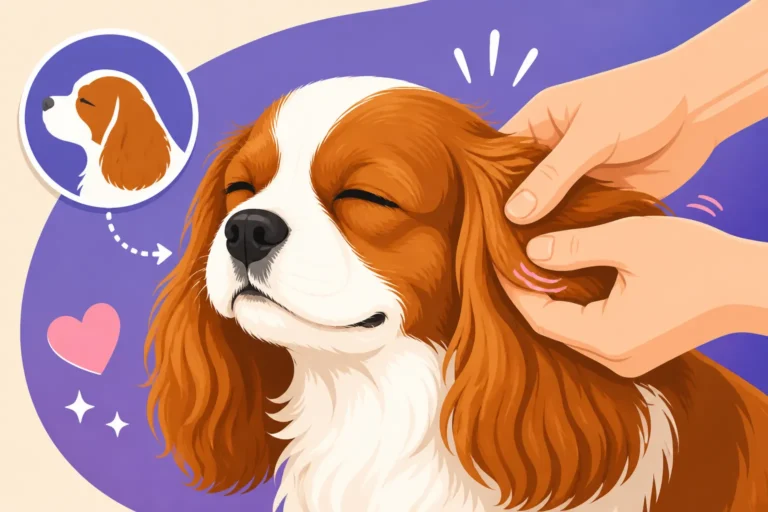
When you're sectioning your Cavalier’s coat, give these areas special priority. After applying your detangling spray, carefully lift the ear leather and work through the fur beneath and behind it in small sections. For armpits and groin, gently lift a leg and brush outwards, making sure to reach the fur closest to the body. For the tail, hold it gently and brush the feathering from tip to base, again in small segments. Always use your metal comb to double-check these areas, feeling for any small knots that the brush might have missed. Consistent, focused attention on these problem zones will keep your Cavalier comfortable and their coat beautiful.
| Brushing Method | Condition of Coat | Pros | Cons | Best Tools |
|---|---|---|---|---|
| Dry Brushing | Dry | Quick for daily maintenance, prevents small tangles from escalating. | Can cause static and breakage if coat is very dry or matted; hard to remove deep mats. | Pin brush, metal comb |
| Damp Brushing | Moist, not wet (after towel dry & detangler) | Ideal for preventing mats, distributing product, less hair breakage, easier detangling. | Requires careful towel drying to achieve "damp" state; coat must be fully dried afterward. | Slicker brush, pin brush, metal comb, detangling spray |
| Wet Brushing | Soaking wet | Allows deep conditioning products to work, but not for detangling. | Causes significant hair breakage and discomfort if used to detangle; not effective for mat removal. | Wide-toothed comb (for product distribution only, not detangling) |
Disclaimer
This article is for general informational purposes only and does not constitute professional advice. Laws, prices and regulations vary by location and change over time. Consult a qualified professional for guidance on your specific situation.