Towel Drying Against Blow Drying a Cavalier
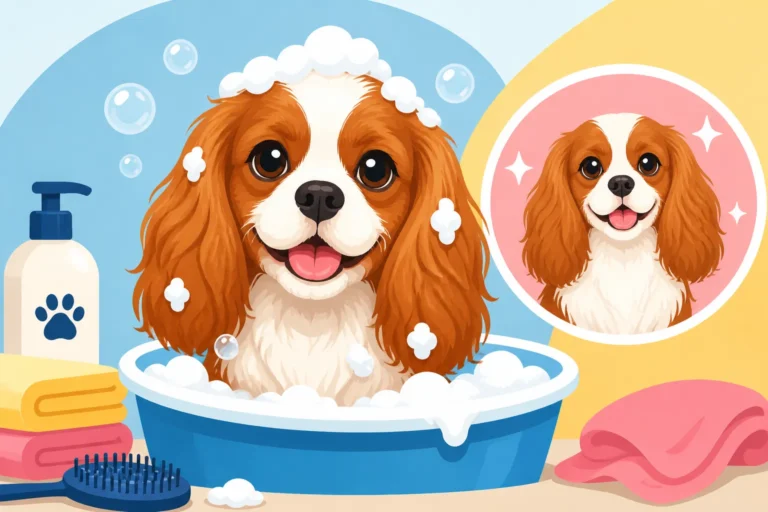
After giving your beloved Cavalier a much-needed bath, you're faced with the age-old dilemma: how do you get that beautiful, silky coat thoroughly dry without turning bath time into a wrestling match or leaving them damp and susceptible to skin issues? It's a common frustration for Cavalier owners, balancing speed, comfort, and coat health. This guide dives deep into the world of drying methods, comparing towel drying with blow drying, and offering practical advice to ensure your furry friend emerges from their bath fluffy, healthy, and happy.
The Art of Towel Drying Your Cavalier: Gentle and Natural
There's something inherently comforting about wrapping your damp Cavalier in a plush towel after their bath. It feels natural, gentle, and often less intimidating for sensitive pups. Many owners prefer to start here, especially if their Cavalier is new to bathing or a bit nervous around loud noises. Towel drying can be a wonderful bonding experience, provided you approach it with the right techniques and realistic expectations about its limitations.
The Benefits of a Good Towel Dry
The primary benefit of towel drying is its gentleness. There's no heat, no loud noise, just the comforting pressure of a soft towel. For Cavaliers who are prone to anxiety or have sensitive ears, this method can significantly reduce stress. It also requires minimal equipment – just good, absorbent towels – making it accessible to everyone. Properly towel drying helps remove the majority of standing water, preventing prolonged dampness that can lead to skin irritation or that tell-tale "wet dog" smell. It's an essential first step, even if you plan to use a dryer afterward, as it cuts down on the overall drying time significantly.
Moreover, a thorough towel dry helps prevent matting in the initial stages. When you gently squeeze and blot the coat, rather than rubbing vigorously, you encourage the water to wick away without tangling the delicate feathering that cascades down their ears, chest, and legs. This gentle approach is crucial for maintaining the integrity of their beautiful, single coat. It's a great opportunity to also perform a Daily Ear Checks on a Cavalier as you gently dry around those lovely drop ears, ensuring they are free from excessive moisture.
Techniques for Effective Towel Drying
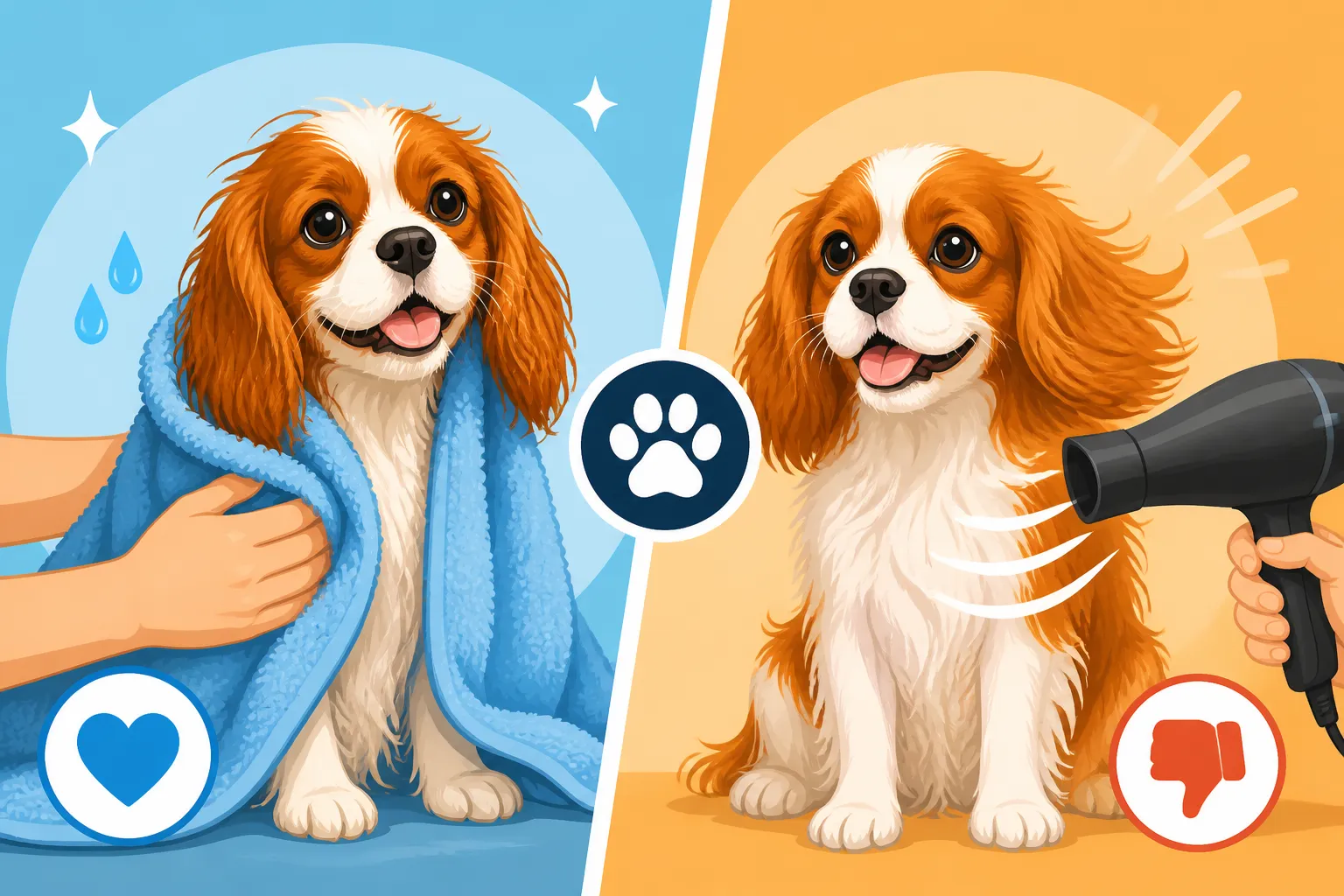
Effective towel drying isn't just about rubbing vigorously; in fact, that's often counterproductive and can cause mats. Instead, focus on blotting and squeezing. Start by gently squeezing excess water from their ears, tail, and feathering with your hands, then wrap your Cavalier in a large, highly absorbent towel. Microfiber towels are excellent for this as they soak up more moisture than standard cotton towels. Gently pat and squeeze sections of their coat, working from head to tail. Don't rub back and forth, as this can knot the hair. Imagine you're trying to press water out of the coat, rather than simply moving it around.
Once the first towel is saturated, swap it for a fresh, dry one. This is key to getting as much moisture out as possible. Pay particular attention to areas where water tends to linger, such as behind the ears – a prime spot for Mats Behind a Cavalier's Ear Leather – the armpits, and the groin. These are also common areas for skin irritation if left damp. A warm, dry towel can also be a comforting wrap for an older Cavalier who might feel the cold more, especially after a bath. It can make the drying process a little cozier for them, especially if they are a Grooming an Older Cavalier That Cannot Stand Long.
When Towel Drying Alone Isn't Enough
While towel drying is a fantastic first step and indispensable for sensitive Cavaliers, it rarely gets a Cavalier's dense coat completely dry on its own. Their long, silky hair, especially the feathering, holds onto moisture tenaciously. Leaving a Cavalier even slightly damp can lead to several problems. Dampness can create a breeding ground for yeast and bacteria, leading to skin infections or an unpleasant musty odor. For their magnificent drop ears, insufficient drying can contribute to recurrent ear infections because moisture gets trapped within the ear canal, despite your best efforts at Cleaning a Cavalier's Ear the Right Way.
Furthermore, an incomplete towel dry often means the coat will dry with a less desirable texture, potentially becoming frizzy or clumpy, and making brushing more difficult later. Think of it like trying to style your own hair when it's still damp – it just doesn't lay right. For a truly fluffy, smooth, and healthy coat, especially if you're aiming for that freshly-groomed look, towel drying alone typically isn't sufficient. It's a critical foundation, but for most Cavaliers, it needs a follow-up. This is where the blow dryer usually comes into play, even if just for a few minutes.
Embracing the Blow Dryer: Speed and Professional Finish
For many Cavalier owners, the blow dryer is an indispensable tool, offering both speed and the ability to achieve a truly dry, beautifully finished coat. While some Cavaliers might initially be wary of the noise and sensation, with patience and positive reinforcement, most learn to tolerate it, and many even come to enjoy the warmth. Mastering the blow dryer can significantly reduce grooming time and improve your Cavalier's overall comfort and coat health.
Choosing the Right Blow Dryer for Your Cavalier
Not all blow dryers are created equal, and using your human hairdryer on your Cavalier might do more harm than good. Human dryers often get too hot, risking burns to your Cavalier’s delicate skin or drying out their coat. Instead, invest in a dedicated pet dryer or a human dryer with a cool shot button and multiple heat settings. A variable speed, low-heat setting is crucial. A "force dryer" or "high-velocity dryer" is often recommended by professional groomers. These dryers push a high volume of air at a lower heat, effectively blasting water out of the coat rather than just drying it with heat. Brands like B-Air and Flying Pig Grooming offer popular, effective models that you can often find on Amazon or specialized pet supply retailers.
When selecting a dryer, consider the noise level. Some professional dryers can be quite loud, which might be frightening for a sound-sensitive Cavalier. Look for models advertised as "quiet" or "low-noise." It’s also wise to get one with a long, flexible hose and various nozzle attachments to direct the airflow precisely. Starting with a gentle, cool setting on a quiet dryer is the best way to introduce your Cavalier to the process, ensuring their first experiences are as positive as possible.
Step-by-Step Blow Drying for a Fluffy Coat
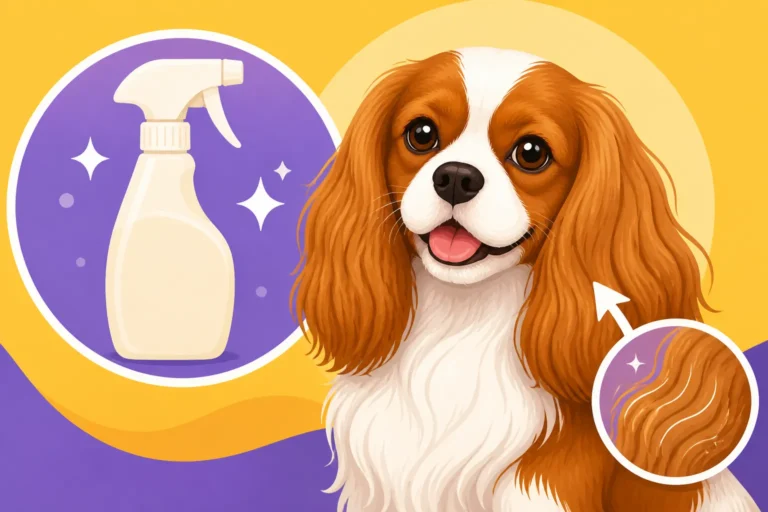
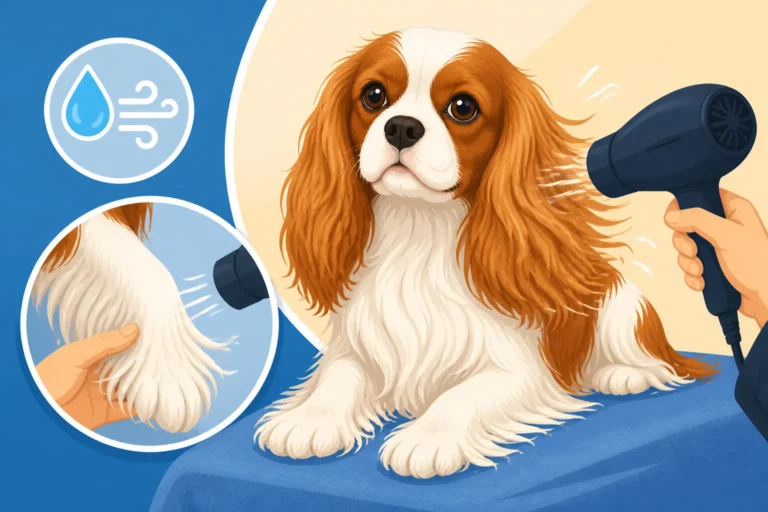
Once your Cavalier is thoroughly towel-dried, you're ready for the blow dryer. Always use a pet-safe detangling spray or conditioning mist on their coat first; this helps prevent heat damage and makes brushing easier. Start on a low, cool setting, holding the nozzle a safe distance from their body – at least 6-12 inches – and continuously moving it. Never hold the dryer still on one spot, as this can quickly overheat their skin. Use a slicker brush or a metal comb like those available at Chewy as you dry, brushing the coat in the direction of growth. This helps straighten the hair, remove tangles, and ensures air can reach the underlayers.
Work in sections, starting with areas your Cavalier tolerates well, perhaps their back or sides, before moving to more sensitive spots like their face, ears, and paws. Keep an eye out for signs of discomfort; if they seem stressed, take a break. Many owners find it helpful to have a second person gently hold and reassure the dog while they dry. As you brush and dry, you'll see the feathering start to fluff out beautifully, ensuring it's completely dry and free of tangles. This systematic approach is key to achieving a truly dry and glorious Cavalier coat, preventing hidden damp spots that can lead to irritation or matting later.
Safety Tips and Common Pitfalls
Safety is paramount when using a blow dryer. Always test the temperature of the air on your own skin first to ensure it's not too hot. Even a "warm" setting on a human dryer can quickly become too intense for a dog's more sensitive skin. Overheating is a serious risk, especially for a breed like the Cavalier who can be sensitive to heat, and can cause burns or heatstroke. Another common pitfall is not brushing thoroughly while drying. If you just blow dry without brushing, you can inadvertently create stubborn mats, particularly in the longer feathering. Remember, brushing while drying helps separate the hairs, allowing air to circulate and dry each strand individually.
Be extra cautious around their eyes and ears. Use your hand to shield their eyes from the direct blast of air, and avoid pointing the nozzle directly into their ear canal. Even a low setting can be uncomfortable. If your Cavalier is particularly anxious about the noise, consider introducing the dryer in short bursts, rewarding them with high-value treats from brands like Ollie after each successful interaction, even if it's just for a few seconds. Gradually increase the duration over several sessions. Never force your Cavalier; if they are truly terrified, consult with a professional groomer or your vet for advice on desensitization techniques. Patience and positive reinforcement will make the experience far more pleasant for both of you.
Combining Methods for Optimal Results: A Hybrid Approach
When it comes to drying your Cavalier, a hybrid approach often yields the best results. By combining the gentleness and efficiency of towel drying with the thoroughness and finishing power of a blow dryer, you can ensure your Cavalier is perfectly dry, comfortable, and sporting a magnificent, healthy coat. This method helps mitigate the downsides of each technique while maximizing their benefits.
Starting with the Towel, Finishing with the Dryer
Think of towel drying as the essential first phase – the heavy lifting. Immediately after rinsing your Cavalier, use several super-absorbent towels to blot and squeeze out as much water as possible. This initial stage removes the bulk of the moisture, significantly cutting down on the time your Cavalier needs to spend under the blow dryer. The less time they're exposed to the dryer's noise and sensation, the more comfortable they'll be. It also prevents water from dripping everywhere as you transition them to the drying area. Focus on getting them "damp-dry" rather than "soaking wet."
Once they are thoroughly towel-dried and no longer dripping, then you can introduce the blow dryer. This combination not only speeds up the entire process but also minimizes the risk of discomfort from prolonged dryer exposure. It's about efficiency and comfort. You'll find that your Cavalier is much more amenable to a shorter blow-drying session after the initial towel-drying has taken care of the majority of the water, and it’s especially helpful for getting Drying Cavalier Feathering Properly so it looks its best.
Addressing Specific Areas: Ears, Feathers, and Paws
Certain areas of a Cavalier's anatomy require special attention during drying. Their long, luscious ear feathering is prone to matting and must be dried completely to prevent moisture-related issues. After towel drying, use the blow dryer on a low setting, gently brushing through the ear feathers with a slicker brush or a wide-toothed Whether a Cavalier Needs a Metal Comb. Hold the ear leather straight to ensure air reaches the roots, and move the dryer constantly to avoid heat spots. For Cavalier Ear Care Under a Heavy Drop Ear, ensuring the inside of the ear flap and the surrounding fur is dry is just as important as the external feathering.
The abundant feathering on their chest, legs, and tail also demands careful attention. These areas are prone to tangles if left damp or if brushed dry without proper technique. Use the blow dryer while continuously brushing to separate the hairs and ensure all layers are dry. Don't forget their paws and between their toes; moisture trapped here can lead to irritation or fungal infections. Gently spread their toes and use a low stream of air to dry these often-overlooked spots. This meticulous approach prevents common problems like matting and skin issues that can arise from incomplete drying.
Maintaining Coat Health Through Proper Drying
Proper drying is far more than just aesthetics; it's a critical component of maintaining your Cavalier's overall coat and skin health. When a coat is thoroughly and correctly dried, it's less prone to matting, which can be painful for your dog and lead to costly professional grooming to remove. Mats can pull on the skin, cause hot spots, and hide skin infections. A well-dried coat is also cleaner for longer, as dirt and debris are less likely to stick to smooth, dry hair.
Regular, thorough drying as part of your grooming routine also gives you an opportunity to inspect your Cavalier's skin for any abnormalities, bumps, or dry patches. You can spot potential issues early, like the beginning of an ear infection or skin irritation, before they become serious. By committing to proper drying techniques, whether through towel, blow dryer, or a combination, you're not just making your Cavalier look good – you're actively contributing to their comfort, hygiene, and long-term well-being. It’s an investment in their health, preventing a host of problems that can stem from simple dampness.
| Feature | Towel Drying | Blow Drying (Pet Dryer) |
|---|---|---|
| Noise Level | Very quiet | Can be moderate to loud (choose quiet models) |
| Heat Risk | None | Low (with pet dryer, proper technique) |
| Drying Speed | Slow, rarely fully dry for Cavaliers | Fast and efficient |
| Coat Finish | Can be clumpy/frizzy if not followed up | Smooth, fluffy, professional finish |
| Mat Prevention | Helps remove initial tangles, but can cause if rubbed too hard | Excellent if combined with brushing |
| Equipment Cost | Low (absorbent towels) | Moderate to high (dedicated pet dryer) |
| Learning Curve | Easy, but technique matters | Moderate (desensitization, proper handling) |
| Best Use | First step, for initial water removal & comfort | Finishing, thorough drying, fluffing out feathering |
Disclaimer
This article is for general informational purposes only and does not constitute professional advice. Laws, prices and regulations vary by location and change over time. Consult a qualified professional for guidance on your specific situation.