Drying Cavalier Feathering Properly
Anyone who shares their life with a Cavalier King Charles Spaniel knows that their luxurious, silky feathering is one of their most endearing traits, but it can also be a real challenge to maintain. After a bath, those beautiful long hairs on their ears, legs, and tail can feel like they take forever to dry, leaving your beloved companion prone to chills, damp dog smell, and even skin issues if not properly managed. This comprehensive guide will walk you through the proper techniques and tools to effectively and safely dry your Cavalier's feathering, ensuring they stay comfortable, healthy, and looking their absolute best.
The Critical Importance of Thorough Drying for Your Cavalier
It might seem like a small detail in the grand scheme of dog care, but properly drying your Cavalier's coat after a bath or a wet adventure is absolutely non-negotiable for their health and comfort. We're not just talking about aesthetics here; there are real, tangible risks that come with leaving their beautiful feathering damp.
Preventing Mats and Skin Irritation Risks
Picture this: your Cavalier, fresh from a bath, shaking off excess water, and then curling up for a nap. If their long, flowing feathering is still damp, especially in areas like behind the ears, under the armpits, or along the belly and hind legs, you're setting the stage for trouble. Damp hair, particularly when combined with friction (like from lying down or rubbing against furniture), is a magnet for matting. These mats start small, maybe just a little tangle, but they quickly tighten into dense, painful clumps that pull on your dog's skin. Not only are they uncomfortable, but they can restrict movement and even hide underlying skin issues.
Beyond matting, moisture trapped against the skin creates a warm, humid environment – essentially a perfect breeding ground for bacteria and yeast. This can lead to skin irritations, hot spots, or fungal infections, causing itchiness, redness, and discomfort for your Cavalier. It's especially important to pay attention to their long, floppy ears. If moisture gets trapped deep within the ear canal after a bath, it can exacerbate or even cause ear infections, which are already a common concern for the breed. Regular and thorough drying significantly reduces these risks, keeping their delicate skin healthy and their coat free from painful tangles.
The Link Between Coat Health and Airflow
A Cavalier's coat isn't like a rough, weather-resistant outer layer; it's a single, silky coat that requires a bit more finesse. Proper drying isn't just about removing water; it's about introducing airflow that helps each strand separate and dry completely, preventing that dreaded "damp dog" smell and promoting overall coat health. When you properly dry their feathering, you're not just speeding up the process; you're actively working to lift the hair, allowing air to circulate down to the skin. This circulation is vital for a healthy coat.
Imagine trying to dry a thick wool sweater without any air movement; it would take ages and probably end up smelling musty. Your Cavalier's coat is similar. By using appropriate drying techniques, you help prevent cuticle damage that can occur when wet hair rubs against itself, leading to breakage and dullness. A well-dried coat is a healthy coat, maintaining its natural luster and soft texture. It's also much easier to brush through a properly dried coat, making your regular grooming routine more effective and pleasant for both you and your Cavalier.
Essential Tools for Drying Success
Having the right equipment at your fingertips makes all the difference when it comes to effectively drying your Cavalier's beautiful feathering. Trying to get by with just an old bath towel and hoping for the best usually leads to frustration, incomplete drying, and potential coat problems.
Absorbent Towels and Microfiber Wonders
The drying process really begins the moment your Cavalier steps out of the bath. Instead of rubbing vigorously, which can actually cause tangles and damage the wet hair, focus on blotting and squeezing. For this, high-quality, super-absorbent towels are your best friends. Regular cotton bath towels work, but they can quickly become saturated. Microfiber towels designed specifically for pets are a game-changer. They absorb water much more efficiently and can significantly cut down on your initial drying time. Many brands offer these on platforms like Chewy or Amazon.
When choosing towels, look for ones that are soft, plush, and can hold a lot of water. You'll likely need several: one to absorb the bulk of the water right after the bath, and then perhaps another fresher one for more detailed blotting of the ears and feathering before you even think about a dryer. Gently squeeze excess water from the feathering on their ears, legs, and tail, rather than rubbing back and forth. This pre-drying step is crucial as it removes the majority of the water, making the rest of the drying process much quicker and more effective.
The Right Hair Dryer for Your Cavalier
This is where many owners get nervous, and understandably so. Using the wrong type of dryer or using it incorrectly can cause more harm than good. Forget your human hair dryer that blasts high heat; it's simply too hot for a dog's sensitive skin and can easily cause burns or dry out their coat, leading to breakage.
What you need is a pet-specific force dryer or a low-heat, adjustable-speed human hair dryer.
- Force Dryers (High-Velocity Dryers): These are fantastic. They don't use heat to dry; instead, they use a powerful blast of air to literally "force" water off the coat. This is the fastest and safest way to dry a Cavalier. Look for models with adjustable speeds so you can start gently and increase power as your Cavalier gets used to it. They also come with various nozzles to direct airflow. You can find excellent options on Amazon, often with positive reviews from other small dog owners.
- Low-Heat Human Dryers (with caution): If a force dryer isn't an option, you can use a human hair dryer only if it has a "cool" or "low heat" setting and adjustable speed. Never use it on high heat. Keep the dryer moving constantly, never focusing on one spot, and always keep your hand on your Cavalier's coat to gauge the temperature. If it feels hot to your hand, it's too hot for them.
The key is consistent, gentle airflow. Avoid blasting air directly into their face or ears. The goal is to separate the hair strands, allowing air to get down to the skin and dry thoroughly without overheating.
Brushes and Combs for Wet Hair
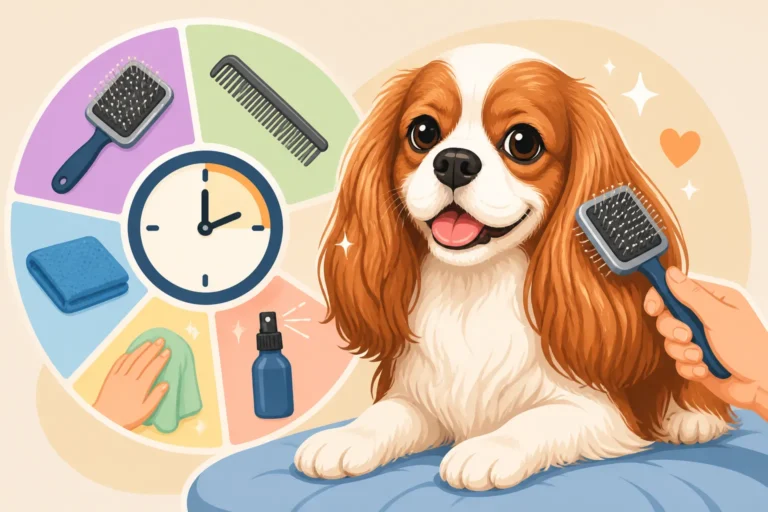
While brushing a dry Cavalier is important, brushing during the drying process is paramount for preventing mats and achieving that beautiful, flowing feathering. You'll want to have two main tools on hand: a slicker brush and a metal comb.
- Slicker Brush: A good quality slicker brush with fine, flexible pins is ideal for gently working through the feathering as it dries. As you direct the airflow from the dryer, brush sections of the coat outwards, lifting the hair away from the body. This helps untangle any knots that might be forming and ensures the air reaches every part of the hair shaft. This technique is especially important for areas prone to matting, like the armpits and behind the ears. You'll want to be gentle but thorough. Brushing a Cavalier's Feathering Three Times a Week is a good resource for understanding how to use these tools.
- Metal Comb: A greyhound-style metal comb with both wide and fine teeth is perfect for checking your work. Once a section of hair feels dry and brushed, run the fine-toothed side of the comb through it. If the comb glides through smoothly without snagging, that section is truly dry and free of tangles. If it catches, you know you need to go back with the slicker brush and dryer. This comb check is invaluable for catching those hidden knots before they become serious mats, especially on areas like the long ear feathering.
Having these tools ready before you even start bathing means a smoother, more efficient drying session, and a much happier Cavalier with a gorgeous, tangle-free coat.
Step-by-Step Drying Process for Fluffy Feathering
Drying your Cavalier's feathering properly is less about brute force and more about technique and patience. Breaking it down into manageable steps can make the whole process much less daunting for both you and your furry friend.
Initial Towel Drying and Ear Care
The moment your Cavalier steps out of the bath, the real work begins. Resist the urge to let them just air dry, as this is a recipe for mats and damp odors, especially for a breed with such luxurious feathering. Start immediately with your super-absorbent towels.
Begin by gently but firmly squeezing and blotting the water from their entire body. Pay extra attention to the areas with the longest feathering: the ears, legs, tail, and belly. Use a fresh, dry towel for this, pressing it against the hair to absorb as much moisture as possible. Avoid vigorous rubbing, as this can rough up the cuticle of the hair, leading to frizz, tangles, and potential damage. Think of it more like patting and squeezing.
While you're towel drying, this is also the perfect time to address their ears. Cavaliers have long, floppy ears that are prone to trapping moisture, which can lead to infections. After blotting the outside of the ear leather and feathering, gently lift the ear flap and use a clean, dry corner of the towel or a cotton ball to carefully wipe the visible parts of the inner ear, making sure it's as dry as possible without going deep into the ear canal. This proactive approach to Cavalier Ear Care Under a Heavy Drop Ear can save you a lot of trouble down the line.
Sectioning and Blow Drying with Care
Once your Cavalier is mostly towel dry, it's time to bring out the dryer. The key to success here is working in sections. Imagine your Cavalier's coat as a series of layers, and you want to dry each layer from the skin outwards.
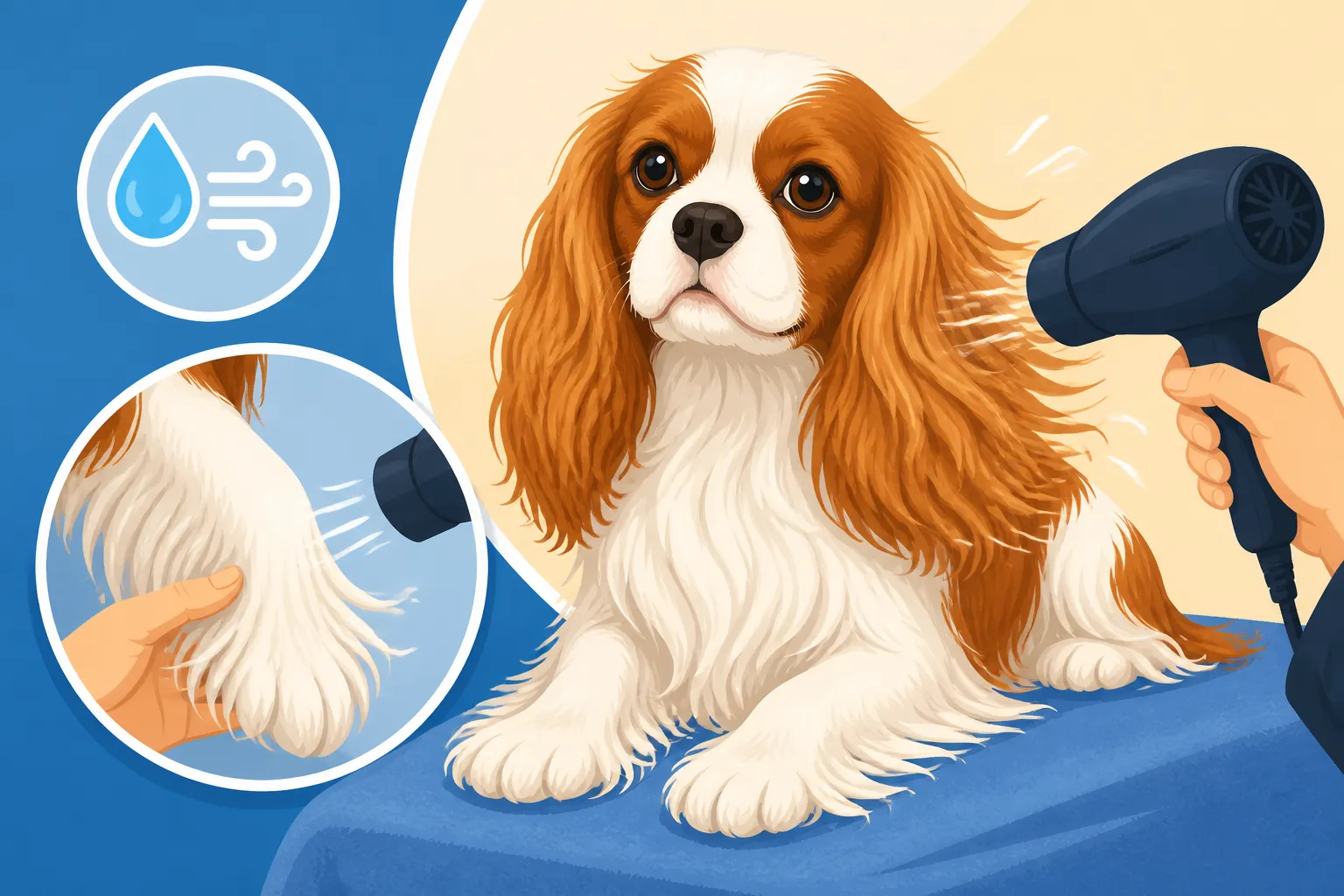
Start with a lower setting on your force dryer or the "cool/low" setting on your human dryer. Begin with the body, working your way to the feathering. Hold the dryer a safe distance away (at least 6-12 inches) and keep it moving constantly. You want to avoid concentrating hot air on any single spot, as this can cause discomfort or burns. As you dry, use your slicker brush to gently brush the hair upwards and outwards against the direction of growth. This helps lift the hair and allows the air to reach the skin more effectively. Many groomers refer to this as "line drying" or "stretch drying" because you're stretching the hair out straight while drying it.
For the magnificent ear feathering, hold the ear flap up and gently direct the airflow underneath, while brushing the long hair downwards and outwards. Take your time with these areas; they are often the last to dry and the most prone to matting. Repeat this process for the leg feathering, tail, and belly. If your Cavalier is anxious about the dryer, start with very short sessions, offer praise and treats, and gradually increase the duration. Sometimes, having another person offer treats or a favorite toy can help distract them. You might find some excellent dog-specific calming treats on Chewy or engaging toys on Amazon that can make grooming a more positive experience.
The Final Comb-Through for Perfection
Once you believe your Cavalier is dry, it's time for the ultimate test: the comb-through. This step is critical for ensuring no damp spots or hidden tangles remain, especially within the dense feathering.
Take your metal comb and systematically work through every section of your Cavalier's coat, starting from the skin and working your way to the tips of the hair. Begin with the fine-toothed side on areas like the ears, tail, and leg feathering. If the comb glides through effortlessly without snagging, you know that section is completely dry and tangle-free. If you encounter any resistance, gently work it out with the wider teeth of the comb or your slicker brush, applying a little detangling spray if needed. Then, re-dry that specific area.
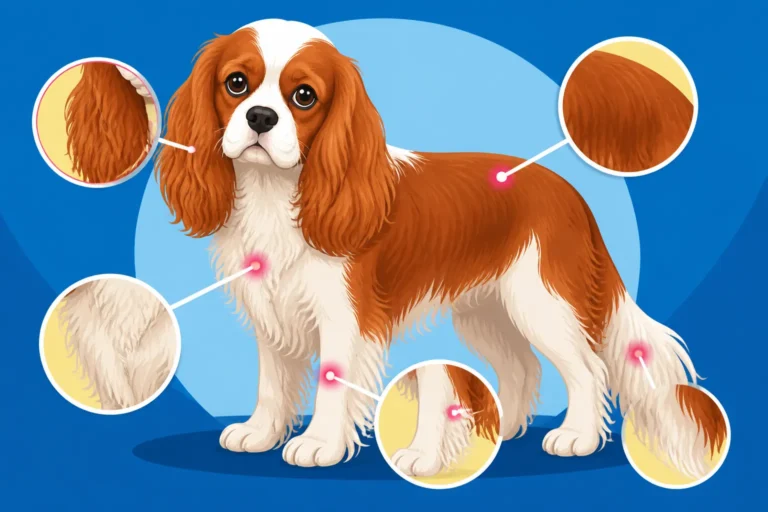
Pay particular attention to common problem spots: behind the ears, under the chin, in the armpits, and the "pantaloons" on their hind legs. These areas often get overlooked and can harbor hidden dampness or developing mats. Running the comb through these spots carefully is a good way to verify that your hard work has paid off. A complete comb-through not only guarantees a perfectly dry coat but also helps distribute natural oils, leaving their feathering looking silky, shiny, and ready for cuddles. This final step is what gives your Cavalier that polished, freshly-groomed look and feel.
Avoiding Common Drying Mistakes
Even with the best intentions, it's easy to fall into common traps when drying your Cavalier. Being aware of these pitfalls can help you steer clear of problems and ensure a safer, more effective grooming session.
Overheating and Skin Burns
One of the most dangerous mistakes is using too much heat. A dog's skin is much more sensitive than human skin, and what feels warm to you can be scorching to them. Human hair dryers are often too powerful and too hot, even on their lowest settings, if not handled with extreme caution. Prolonged exposure to high heat, or even moderate heat concentrated in one spot, can quickly lead to skin burns, discomfort, and even damage to hair follicles.
Always use a pet-specific dryer if possible, or a human dryer on its cool or lowest heat setting. Never hold the dryer in one place for more than a few seconds. Keep it moving constantly, sweeping it back and forth over the coat. Regularly check the temperature of your Cavalier's skin with your hand – if it feels warm to you, it's too warm for them. Watch for any signs of discomfort from your Cavalier, such as pulling away, panting excessively, or trying to escape. Their safety and comfort should always be your top priority, even if it means the drying process takes a little longer.
Incomplete Drying Leading to Mildew and Mats
Another frequent mistake is simply not drying thoroughly enough. It's easy to get tired or assume the coat is dry just because the top layer feels that way. However, leaving dampness deep within the feathering, especially close to the skin, is an invitation for trouble. As mentioned, trapped moisture creates an ideal environment for yeast and bacteria to flourish, leading to that unpleasant "damp dog" smell, skin irritation, and even fungal infections.
Beyond the skin issues, incomplete drying is the primary culprit for matting. Damp hair is much more prone to tangling and knotting than dry hair. As your Cavalier moves, lies down, or rubs against surfaces, those damp strands will intertwine and tighten into painful mats. These mats are not only uncomfortable but can become so dense they restrict air circulation, further exacerbating skin problems. This is why the final comb-through, checking for dampness from the root to the tip of the feathering, is so important. Make sure you dedicate enough time to areas like the ear and leg feathering, which are notorious for staying damp.
Pulling Hair and Causing Discomfort
When you're trying to get through a damp, potentially tangled coat, it's tempting to brush aggressively or pull at knots. This is a common mistake that can cause significant pain and discomfort for your Cavalier, making them dread future grooming sessions. Their long, silky hair, especially when wet, is delicate. Pulling at it can cause breakage, rip out healthy hair, and create micro-tears on their skin.
Instead, always be gentle. When brushing, especially during drying, hold the hair close to the skin with one hand and brush through the ends with the other. This technique, called "line brushing," minimizes tension on the skin and helps prevent pulling. If you encounter a tangle or mat, do not pull. Instead, stop the dryer, use a detangling spray, and gently work out the knot with your fingers or the wide-toothed side of your metal comb. Start from the very tip of the tangle and work your way up to the base. Working a Mat Out of Cavalier Feathering can offer more detailed tips on this. The goal is to make grooming a positive, bonding experience, not a painful ordeal. Patience and a gentle touch will go a long way in ensuring your Cavalier remains cooperative and comfortable.
Special Considerations for Cavalier Feathering
Cavaliers are blessed with stunning feathering, but those luxurious locks require specific attention during drying to keep them looking their best and to ensure your dog's comfort and health.
The Delicate Ear Feathering
A Cavalier's long, flowing ear feathering is one of their most iconic features, but it's also one of the trickiest areas to dry properly. Because the ears hang down, the feathering often stays damp longer and is more prone to matting and trapping moisture against the skin. This can lead to skin irritation or contribute to ear infections.
When drying the ear feathering, the technique is crucial. Gently lift the ear leather and direct the dryer's airflow underneath, brushing the feathering downwards and outwards. You want to ensure that air circulates all the way to the base of the ear and the skin. Don't forget the hair on the underside of the ear flap itself, which can easily stay damp. A good rule of thumb is to separate the feathering into smaller sections, drying each one thoroughly before moving on. Use your metal comb to check for any dampness or tangles deep within the feathering. This careful attention will help keep those beautiful ears healthy and free from tangles. For additional tips, check out Drying a Cavalier's Ears After a Bath.
Paws, Legs, and Belly: Hidden Damp Spots
While the ears often get the most attention, the feathering on your Cavalier's paws, legs, and belly are equally important and often overlooked during drying. These areas are constantly in contact with surfaces, making them prime spots for dampness to linger and for mats to form.
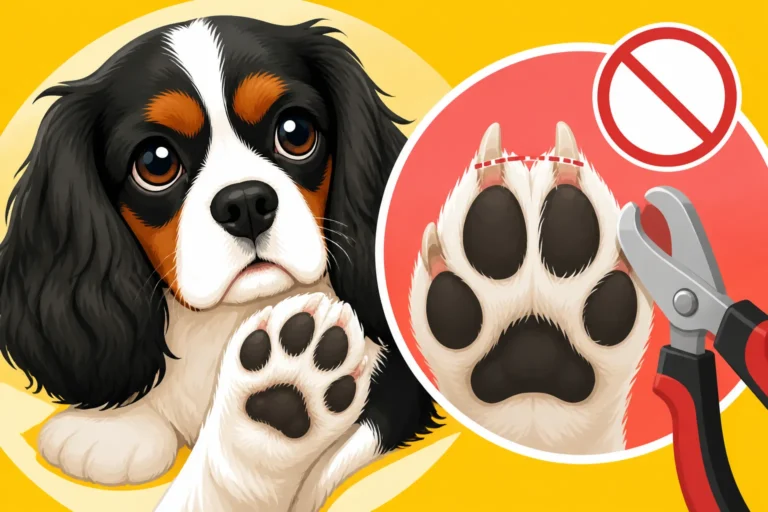
For the leg feathering, particularly the "pantaloons" on the hind legs, work in small sections. Brush the hair outwards as you dry, lifting it away from the body to ensure air reaches the skin. Don't forget the hair between their paw pads; while many people choose to trim this hair to prevent debris and promote hygiene, if it's left long, it can trap a surprising amount of water. Gently spread the pads and direct a very light, cool airflow to this area. For the belly, have your Cavalier lie on their back or side if they're comfortable, and gently dry the soft, delicate hair there, again brushing upwards to lift the hair. This prevents irritation and keeps the coat fluffy.
Protecting Eyes and Face During Drying
Your Cavalier's expressive eyes and sweet face need special consideration when drying. Their prominent eyes can be sensitive to direct airflow or accidental knocks from a brush. Additionally, the hair around their muzzle and under their chin can stay damp and lead to staining or skin irritation.
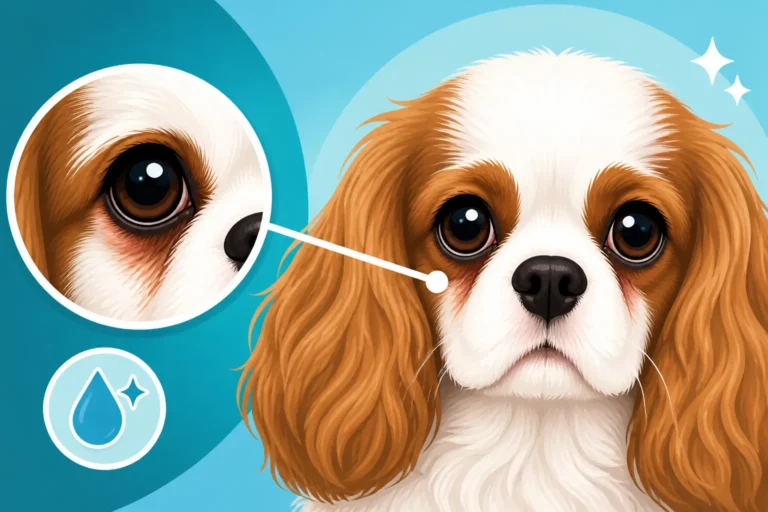
When drying the face, use the lowest possible setting on your dryer and avoid directing the air directly into their eyes or nose. You can cup your hand over their eyes or use a small, soft towel to shield them while you gently dry the hair around their muzzle and under their chin. A soft face brush or even just your fingers can help fluff this area. For the feathering on their chest and around their neck, brush it outwards while drying to ensure it's completely dry and tangle-free. This careful approach helps protect their delicate facial features while ensuring a thorough dry, preventing Tear Staining on a White Cavalier Face and keeping them comfortable.
| Drying Area | Common Challenges | Best Drying Techniques | Tools to Use |
|---|---|---|---|
| Ear Feathering | Traps moisture, prone to mats | Lift ear, direct airflow underneath, brush downwards and outwards | Slicker brush, metal comb, force dryer |
| Leg Feathering | Thick, tangles easily, gets dirty | Section hair, brush outwards/upwards against growth while drying | Slicker brush, metal comb, force dryer |
| Belly Feathering | Stays damp, delicate skin | Position Cavalier on back/side, brush upwards, gentle airflow | Soft brush, cotton towel, gentle dryer |
| Paws/Between Pads | Traps water, can cause irritation | Gently spread pads, very light cool airflow, blot with towel | Small towel, low-speed dryer |
| Facial Hair | Sensitive eyes, tear staining potential | Shield eyes, low/cool setting, gentle hand/soft brush to fluff | Hand/towel shield, soft face brush |
Maintaining That Freshly Dried Look Between Baths
Drying your Cavalier's feathering properly after a bath is a big step, but maintaining that beautiful, tangle-free look doesn't end there. Regular upkeep between washes is key to preventing mats from forming and keeping their coat in top condition.
Daily Brushing for Tangle Prevention
The single most effective way to keep your Cavalier's feathering pristine between baths is consistent daily brushing. Even if your Cavalier hasn't had a full bath, their long hair can pick up debris, develop static, and start to tangle just from their everyday movements. A quick five to ten-minute brushing session each day can prevent small knots from turning into stubborn mats.
Focus on the areas most prone to matting: behind the ears, under the armpits, the chest, and the "pantaloons" on their hind legs. Use a good quality slicker brush and a metal comb. Brush through the feathering gently, working in layers and ensuring you're reaching down to the skin. If you encounter any small tangles, use a detangling spray and carefully work them out before they become larger problems. This daily routine also helps distribute natural oils, keeping their coat healthy and shiny, and significantly reduces the amount of shedding. Regular brushing is also an excellent bonding activity, making your Cavalier more accustomed to handling. The Brush and Comb a Cavalier Coat Needs offers great insight into selecting the right tools.
Quick Dry-Offs After Wet Adventures
Cavaliers love to explore, and sometimes that exploration involves puddles, wet grass, or unexpected rain showers. Just like after a bath, it's crucial to thoroughly dry their feathering after any wet adventure, even if it's just a damp walk. Don't underestimate how much moisture their long hair can wick up!
Keep a couple of absorbent microfiber towels by the door. As soon as you come inside, gently but thoroughly blot and squeeze excess water from their feathering, paying extra attention to their ears, paws, and belly. If they are very wet, a quick, cool blast from your force dryer can make all the difference, preventing those damp spots that can lead to odor and mats. This isn't a full drying session, but rather a targeted effort to remove surface moisture. Remember, even a little dampness, when combined with friction, can lead to tangles, so a quick dry-off is a preventive measure against future matting.
Grooming Sprays and Conditioners for Coat Health
To further enhance and protect your Cavalier's feathering, consider incorporating grooming sprays and leave-in conditioners into your routine. These products can add moisture, reduce static, and make the coat more manageable and less prone to tangling.
After brushing, a light mist of a dog-specific detangling or conditioning spray can help keep the feathering smooth and prevent mats. Look for sprays that are formulated to be light and non-greasy, so they don't weigh down the coat. Many high-quality options are available through pet retailers like Chewy. These sprays can be particularly useful on those long ear and leg feathers, which are constantly moving and more likely to pick up tangles. Additionally, if you've given your Cavalier a quick spot clean or a full bath, a leave-in conditioner after rinsing can lock in moisture and protect the coat, especially for Whether Conditioner Helps Cavalier Feathering. Always ensure the products you choose are safe for dogs and designed for their coat type. By combining proper drying techniques with consistent care and the right products, you'll ensure your Cavalier's feathering remains a source of joy, not frustration.
Disclaimer
This article is for general informational purposes only and does not constitute professional advice. Laws, prices and regulations vary by location and change over time. Consult a qualified professional for guidance on your specific situation.