Tear Staining on a White Cavalier Face
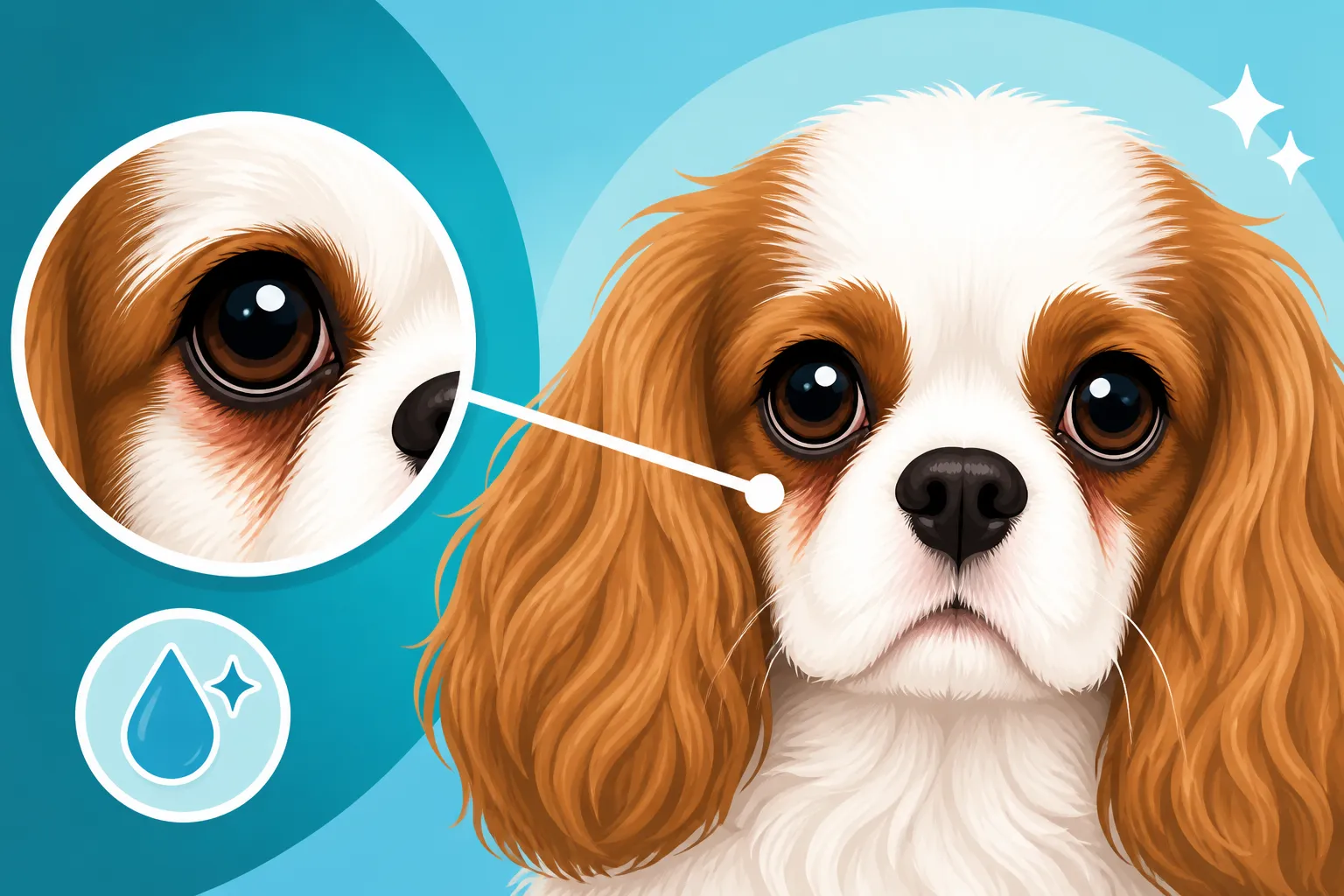
There's nothing quite as frustrating as looking at your beautiful Cavalier King Charles Spaniel, whose sweet, soulful eyes are the very essence of their charm, only to see unsightly reddish-brown tear stains marring their pristine white fur. It's a common battle for many Cavalier owners, especially those with Blenheim or tri-color dogs, and it often feels like you're constantly wiping, cleaning, and wondering if you're missing something vital. This guide is here to shed some light on why these stains appear, what might be causing them, and most importantly, what realistic steps you can take to manage and hopefully minimize them, bringing back the bright, clear-eyed look your Cavalier deserves.
Understanding Cavalier Tear Staining: The Basics and the Frustration
Those reddish-brown streaks under your Cavalier's eyes aren't just dirt; they're a common, often stubborn problem that many owners grapple with daily. It's easy to feel like you're failing when you're constantly dabbing and wiping, only for the stains to reappear. Let's dig into what those stains actually are and why our beloved Cavaliers seem particularly prone to them.
The Anatomy of a Cavalier's Prominent Eyes
Cavalier King Charles Spaniels are renowned for their large, expressive, often slightly prominent eyes. While undeniably adorable, this very feature can contribute significantly to tear staining. Their eyes are not deeply set like some breeds; instead, they often have a shallower orbit, which can make the eye more exposed. This prominence means that tears, which are constantly produced to lubricate and protect the eye, can more easily spill over the lower eyelid instead of draining efficiently through the tear ducts.
Think about it like an overflowing sink. If the drain can't keep up, the water goes everywhere. For a Cavalier, if the tears aren't channeling perfectly into the tiny tear duct openings (puncta) in the corners of their eyes, they have nowhere to go but down their face. The long, silky hair around their eyes, especially in lighter-colored Cavaliers, then acts like a wick, drawing these excess tears down and holding them against the skin, creating a perpetually damp environment. This dampness is the perfect breeding ground for the things that cause the actual staining.
It’s a frustrating cycle because it’s often an anatomical predisposition, not necessarily a sign of neglect. You can wipe all day, but if the tears are consistently spilling, the problem will persist. This is especially true for our Blenheims and tri-colors, where the contrast against white fur makes even the slightest stain stand out dramatically.
What Exactly Are Those Reddish-Brown Stains?
The actual discoloration you see is primarily due to a substance called porphyrin. Porphyrins are iron-containing waste products produced when the body breaks down red blood cells. These pigments are excreted through various bodily fluids, including tears, saliva, and urine. When porphyrin-rich tears sit on light-colored fur, they react with sunlight and air, causing a reddish-brown discoloration. It's very similar to how rust forms when iron is exposed to moisture and oxygen.
Beyond porphyrins, the perpetually moist environment under the eyes can also become a haven for yeast and bacteria. Specifically, a type of red yeast called Malassezia is often found in these damp areas and can contribute to the reddish hue and sometimes a slightly sour odor. When you combine porphyrins with the potential for yeast and bacterial growth, you get that stubborn, often crusty, dark stain that seems impossible to get rid of completely. It’s important to understand that while porphyrins are natural, excessive staining often signals that there's either an overproduction of tears, an issue with tear drainage, or an irritant making the eyes watery. It’s not just a cosmetic issue, but a sign that something might be off with your Cavalier's delicate eye environment.
Common Medical Causes Behind Tear Stains
While some tear staining is simply a fact of life for many Cavaliers due to their facial structure, a significant increase or sudden onset of staining can often point to an underlying medical issue. It's easy to assume it's just "how they are," but sometimes, those stains are your Cavalier trying to tell you something hurts or isn't quite right.
Blocked or Underdeveloped Tear Ducts
One of the most common medical culprits behind excessive tear staining in Cavaliers is an issue with their nasolacrimal (tear) ducts. These tiny ducts are responsible for draining tears from the eye down into the nasal cavity. If they are blocked, narrowed, or even underdeveloped (a condition known as imperforate puncta), tears have no clear path to drain, leading to a constant overflow onto the face.
Imagine a clogged sink drain; the water backs up and spills over. In a Cavalier, the puncta (the tiny openings to the tear ducts) can be too small, or the ducts themselves can be kinked or obstructed by inflammation, debris, or even scar tissue. Sometimes, Cavaliers can have an abnormal number of puncta, or they might not be positioned correctly to capture tears effectively. If your Cavalier suddenly develops significant staining, a trip to the vet is crucial to rule out a blocked tear duct. The vet might perform a fluorescein dye test, where a special orange dye is put in the eye. If the dye doesn't appear in the nostril after a few minutes, it strongly suggests a blockage. In some cases, flushing the tear ducts under sedation can resolve the issue, but it needs a vet's skilled hand.
Eye Irritations, Allergies, and Infections
Just like humans, Cavaliers can experience watery eyes due to irritations, allergies, or infections. These conditions cause the eyes to produce more tears than usual as a protective mechanism, and those extra tears inevitably spill over and contribute to staining.
Environmental irritants are a huge factor. Dust, pollen, smoke (even from candles or fireplaces), strong cleaning chemicals, or even microscopic particles from certain household air fresheners can make your Cavalier's eyes water. A gust of wind on a walk can carry an allergen right into their sensitive eyes. Allergies, whether environmental (like seasonal pollen) or food-related, can manifest as itchy, watery eyes, alongside other symptoms like Skin Allergies in a Cavalier. Your vet might suggest antihistamines or eye drops if allergies are suspected.
Eye infections, such as conjunctivitis, are another common cause. These can be bacterial or viral and often present with redness, discharge, and excessive tearing. If you notice thick, colored discharge (yellow or green), rubbing, squinting, or a change in the appearance of the eye itself, it's essential to see your vet immediately. Untreated infections can lead to more serious problems. Sometimes, something as simple as an ingrown eyelash (distichiasis or ectopic cilia), or hair rubbing against the eye, can cause chronic irritation and tearing. A thorough veterinary examination, including an ophthalmic exam, can identify these subtle issues. If your Cavalier is dealing with chronic dry eye, ironically, the eyes can produce an excessive, thick, mucus-like tear film which can also contribute to staining, a condition you can learn more about in Managing Dry Eye in a Cavalier.
Structural Issues and Breed Predispositions
Beyond tear duct problems, the very structure of a Cavalier's face and eyes can predispose them to tear staining, even without an active medical problem. Our Cavaliers have that distinctive, sweet "King Charles Spaniel" look, but it comes with its own set of challenges.
Their somewhat flattened faces, characteristic of the breed, can sometimes mean their eyelids don't sit as snugly against the eyeball as in other breeds. This can create a slight gap or allow the lower lid to roll inward (entropion) or outward (ectropion), leading to improper tear distribution and drainage. When the eyelids aren't perfectly aligned, tears don't get wicked away efficiently. Their relatively shallow eye sockets also mean the eyes are more exposed, making them more vulnerable to airborne irritants and drafts.
Furthermore, the luxuriant feathering around their eyes, while beautiful, can be a double-edged sword. Long hairs can easily wick tears away from the tear ducts and down the face. They can also grow inward and irritate the eye itself, leading to increased tearing. Sometimes, the hair simply blocks the puncta, acting like a dam. Regular careful trimming of the hair around the eyes is crucial for these reasons, but always with extreme caution and ideally by a professional groomer or vet. The combination of prominent eyes, a relatively flat face, and long facial hair creates a perfect storm for tear staining, making it a persistent challenge for Cavalier owners. Whether a Cavalier Is a Brachycephalic Breed explores more about these facial characteristics.
Environmental and Dietary Factors Contributing to Stains
It's not all about anatomy and medical conditions; sometimes, the cause of those stubborn tear stains is right under our noses in the environment our Cavaliers live in, or even in the food they eat. These factors are often easier to control and can make a significant difference.
Water Quality and Mineral Content
Have you ever noticed hard water stains in your shower or around your faucets? The same principle can apply to your Cavalier's tear stains. The tap water in many areas contains high levels of minerals like iron, magnesium, and calcium. While generally safe for drinking, when these mineral-rich tears continually wet your Cavalier's fur, the minerals can leave deposits that contribute to the reddish-brown discoloration, compounding the effect of porphyrins.
If you suspect your tap water might be a factor, consider offering filtered or distilled water. You don't need a fancy whole-house filtration system; even a simple charcoal filter pitcher, readily available on Amazon or Chewy, for their drinking water can make a difference. Many owners report a noticeable reduction in staining after switching to purified water. The idea is to reduce the mineral load that contributes to staining when tears inevitably spill. It's a relatively inexpensive and easy change to make, and it certainly won't hurt your Cavalier's health.
Food Allergies and Diet Sensitivities
Diet can play a surprisingly significant role in tear staining, particularly if your Cavalier has underlying food sensitivities or allergies. When a dog reacts to an ingredient in their food, it can trigger a systemic inflammatory response, which may manifest as itchy skin, ear infections, gastrointestinal upset, and yes, watery, irritated eyes. These chronically irritated eyes will produce more tears, leading to more staining.
Common food allergens for dogs include certain proteins like chicken, beef, dairy, and wheat, though any ingredient can potentially cause a reaction. If you've ruled out other medical causes and the staining persists, your vet might suggest an elimination diet. This involves feeding a novel protein (one your dog has never eaten before, like duck or venison) or a hydrolyzed protein diet for several weeks to see if symptoms improve. Once symptoms clear, you slowly reintroduce ingredients one by one to identify the culprit. This process can be challenging, but it can be incredibly effective. Companies like Ollie offer fresh, limited-ingredient meal options that some owners find helpful for managing sensitivities, as they can carefully select protein sources. Sometimes, even the quality of ingredients or artificial additives in commercial foods can cause subtle irritation leading to increased tearing.
Environmental Irritants and Household Cleaners
Our homes are filled with things that can irritate a Cavalier's sensitive eyes, leading to excess tearing and, consequently, more staining. Just think about all the invisible particles floating around!
Dust is a major offender. If your Cavalier spends a lot of time on carpets, near air vents, or in dusty rooms, those tiny particles can constantly irritate their eyes. Regular vacuuming and dusting, especially in areas where your Cavalier sleeps or rests their head, can help. Consider using a HEPA air purifier in key rooms to reduce airborne allergens and irritants. Smoke, whether from cigarettes, fireplaces, or even cooking fumes, can also be a significant irritant.
Beyond visible particles, many common household cleaning products contain harsh chemicals and strong fragrances that can irritate your dog's respiratory system and eyes. Think about floor cleaners, laundry detergents, and air fresheners. When these chemicals are airborne, they can cause eye irritation. Switching to natural, unscented cleaning products or ensuring your Cavalier is in a different room when you clean can make a difference. Even heavily scented candles or plug-in air fresheners, while pleasant for us, can be overwhelming and irritating for a dog's more sensitive system. Observe your Cavalier's environment carefully – sometimes, a simple change like moving their bed away from a drafty window or using pet-safe cleaners is all it takes to reduce chronic eye irritation.
Practical Cleaning and Management Strategies
Once you've addressed potential underlying medical or environmental causes, the daily battle against existing tear stains and preventing new ones becomes a matter of consistent, diligent care. It’s not a quick fix, but a routine that needs to be embraced.
Daily Cleaning Techniques and Products
Consistency is absolutely key when it comes to managing tear stains. The longer tears sit on the fur, the deeper the stain sets, making it much harder to remove. This means daily cleaning, sometimes even twice daily, is often necessary.
Start with a soft, clean, lint-free cloth or a cotton pad dampened with warm water. Gently wipe the area under and around your Cavalier's eyes to remove any wet tears, crust, or debris. Always use a fresh part of the cloth or a new pad for each eye to prevent cross-contamination. After cleaning with water, some owners find it helpful to use a dedicated tear stain remover solution. These products often contain mild cleansing agents and sometimes gentle astringents to help clean and dry the area. When choosing a product, always read labels carefully and opt for options that are specifically formulated for dogs and free from harsh chemicals, antibiotics, or bleach, as these can be harmful if they get into the eye. You can find a wide variety of these products on Chewy or Amazon. Make sure the area is completely dry after cleaning; moisture left behind creates that perfect breeding ground for yeast and bacteria. A tiny dab of cornstarch or an unscented powder, if applied very sparingly and carefully away from the eyes, can also help keep the area dry throughout the day.
Grooming Around the Eyes: Trimming and Wiping
The long, silky hair that makes our Cavaliers so beautiful can also be a major contributor to tear staining. These hairs act like wicks, drawing tears down the face and holding moisture against the skin. Regular, careful grooming of the hair around the eyes is therefore essential.
You can gently trim the hair with blunt-nosed scissors, but extreme caution is advised, or better yet, leave this task to a professional groomer or your veterinarian. They are skilled at safely trimming this delicate area without risking injury to the eye itself. The goal is to keep the hair short enough so that it doesn't wick tears or rub against the eyeball, but not so short that stubble causes irritation. Beyond trimming, daily wiping helps keep the fur clean and dry. Consider using specialized eye wipes that are pre-moistened with gentle cleansing solutions. These are convenient for quick clean-ups throughout the day and can be a good substitute for a cloth and water when you're on the go. Regularly cleaning around A Cavalier's Prominent Eyes is more than just aesthetics; it's about comfort and preventing skin irritation beneath the stains.
Dietary Supplements and Probiotic Support
While diet changes for allergies were discussed earlier, some owners also explore dietary supplements aimed at reducing tear staining. The theory behind many of these supplements is to address the internal factors that contribute to porphyrin production or bacterial/yeast overgrowth.
One popular approach involves probiotics. Since some tear staining is linked to yeast and bacterial growth, a healthy gut microbiome can potentially influence overall skin and eye health. A high-quality probiotic supplement, easily found on Chewy or through your vet, can help support a balanced gut, which in turn might reduce systemic inflammation and yeast overgrowth. Look for products specifically formulated for dogs with multiple strains of beneficial bacteria.
Another category of supplements focuses on ingredients like cranberry extract or certain enzymes. Cranberry is often used in human urinary tract supplements for its ability to prevent bacteria from adhering to surfaces, and some believe it may have a similar effect on the bacteria associated with tear stains. Herbal blends designed to support detoxification can also be explored, but always discuss any new supplement with your veterinarian before introducing it, especially if your Cavalier is on other medications or has existing health conditions. While supplements aren't a magic bullet, they can be a helpful addition to a multi-faceted approach to managing tear stains, particularly when paired with the information from Whether Diet Causes Cavalier Tear Staining.
When to Seek Professional Veterinary Help
It's easy to dismiss tear stains as a cosmetic nuisance, but sometimes they are a clear signal that something more serious is going on with your Cavalier's health. Knowing when to stop trying home remedies and call your veterinarian is crucial for your dog's well-being.
Red Flags That Warrant a Vet Visit
While mild, chronic tear staining might be managed at home, certain signs should immediately prompt a call to your vet. These "red flags" indicate that the problem could be more than just a cosmetic issue or simple anatomical predisposition.
Look for any sudden increase in tearing or staining, especially if it appears overnight. If the tears themselves change in appearance—becoming thick, cloudy, yellow, green, or stringy—this often points to an infection. Redness of the eye, swelling of the eyelids, squinting, or pawing at the face are all signs of pain or significant irritation. If you notice your Cavalier's third eyelid (a pink membrane in the inner corner of the eye) is visible or protruding, or if one eye is watering significantly more than the other, these are also reasons for concern. Any changes in the actual eyeball, such as cloudiness, a visible injury, or a dull appearance, are emergencies. Remember, your Cavalier can't tell you if their eye hurts, so these visual cues are incredibly important. Don't delay; prompt veterinary attention can prevent a minor issue from becoming a serious problem that could impact their vision or comfort.
Diagnostic Tests Your Vet Might Perform
When you bring your Cavalier in for tear staining, your vet won't just glance at their face. They'll likely perform a thorough examination, especially focusing on the eyes, to pinpoint the underlying cause.
First, a general physical exam will be conducted to check for overall health, including dental health, as dental problems can sometimes trigger excessive tearing. Then, a detailed ophthalmic exam will follow. This typically includes checking for foreign bodies, ingrown eyelashes, and inspecting the eyelids for conditions like entropion or ectropion. Your vet might use an ophthalmoscope to look inside the eye. A fluorescein dye test is common to check for corneal abrasions or ulcers, as well as to assess tear duct patency. As mentioned before, if the dye doesn't drain from the nose, it indicates a blockage. A Schirmer Tear Test might be performed if dry eye is suspected, measuring tear production over a minute. Ironically, too little tear production can lead to excessive staining with thick, unhealthy tears. If allergies are suspected, your vet might discuss diet trials or allergy testing. In some cases, if a deeper infection or inflammation is suspected, a culture of the tear discharge might be taken to identify specific bacteria or yeast, allowing for targeted treatment. For conditions like Dry Eye and Curly Coat Syndrome in Cavaliers, specific testing is available.
Treatment Options for Underlying Conditions
Once an underlying medical cause is identified, your veterinarian will recommend a targeted treatment plan. This is where professional help truly shines, as simply cleaning the stains won't solve the root problem.
If a bacterial eye infection is diagnosed, antibiotic eye drops or ointments will be prescribed. For fungal or yeast infections, antifungal medications might be used. Anti-inflammatory drops could be given for allergic reactions or general irritation. If an ingrown eyelash is causing irritation, your vet may pluck it, or in recurrent cases, minor surgery might be recommended to permanently remove the follicle. For blocked tear ducts, flushing the ducts under sedation is often the first line of treatment. In severe or chronic cases of tear duct issues, or if there are significant anatomical abnormalities of the eyelids, surgical correction might be discussed to improve tear drainage or eyelid conformation. For conditions like Managing Dry Eye in a Cavalier, specific prescription eye drops designed to stimulate tear production (like cyclosporine or tacrolimus) or artificial tears might be prescribed to keep the eyes lubricated and comfortable. It's crucial to follow your vet's instructions precisely for any prescribed medication to ensure the best outcome and prevent recurrence.
Preventing Future Tear Stains: A Holistic Approach
Managing tear stains is rarely about a single miracle product; it's about adopting a consistent, holistic approach that addresses multiple potential factors. By integrating several small changes into your routine, you can make a big difference in your Cavalier's comfort and appearance.
Daily Routines and Environmental Control
Establishing a consistent daily routine is paramount in the fight against tear stains. This isn't just about cleaning, but about creating an environment that minimizes irritants and promotes eye health.
Make daily eye cleaning a non-negotiable part of your routine. Just like you brush your teeth every day, your Cavalier's eyes need attention. Use gentle, dog-specific wipes or a damp cloth to clean away fresh tears and debris before they have a chance to dry and stain. Consider adding a few drops of a veterinarian-approved eyewash solution to flush out irritants if your Cavalier is cooperative. After cleaning, ensure the area is thoroughly dry to prevent yeast and bacteria from flourishing. Beyond direct cleaning, think about their environment. Use filtered water for drinking, as discussed, to reduce mineral deposits. Regularly clean and vacuum your home, paying close attention to their sleeping areas, to minimize dust and dander. If you use air fresheners or candles, ensure they are pet-safe or avoid them in areas where your Cavalier spends significant time. Protecting your Cavalier from excessive wind or dust on walks can also help reduce irritation.
Regular Grooming and Hair Management
Proper grooming extends beyond just a quick wipe. It’s about managing your Cavalier’s beautiful coat to work with their health, not against it.
Regular, careful trimming of the hair around your Cavalier's eyes and muzzle is essential. This prevents hairs from wicking tears down the face and, more importantly, stops them from irritating the eye directly. If you're not comfortable doing this yourself, schedule regular appointments with a professional groomer who has experience with Cavaliers and understands the delicate nature of their eyes. They can also perform a "sanitary trim" around the eye area. Daily brushing of their facial hair also helps remove any trapped debris or crust. Remember, the goal is to keep the area as dry and clear as possible. Consider the type of bowls your Cavalier uses; ceramic or stainless steel bowls are generally more hygienic than plastic, which can sometimes harbor bacteria. Also, ensure the bowls are cleaned daily. Some owners even use snoods or feeding bibs, especially for long-eared breeds like Cavaliers, to keep their ears and face out of their food and water, which can contribute to overall facial dampness.
Diet, Supplements, and Overall Health
A healthy Cavalier from the inside out is better equipped to fight off any health challenges, including tear staining. A high-quality diet and attention to overall health are foundational.
Feed a high-quality, balanced diet appropriate for your Cavalier's age and activity level. If food sensitivities are suspected, work with your vet to identify and eliminate trigger ingredients. Many owners find that a fresh food diet, like those offered by Ollie, or a carefully chosen kibble with limited ingredients, can improve overall skin and coat health, which in turn may reduce tear staining. Discuss with your vet whether adding supplements like probiotics, fish oil (for its anti-inflammatory properties), or specific tear stain supplements (like those found on Chewy or Amazon) might be beneficial for your particular Cavalier. However, remember supplements are not a substitute for a balanced diet or veterinary care. Regularly check your Cavalier's teeth; poor dental hygiene and infections in the mouth can sometimes cause facial pain and inflammation, leading to increased tearing, as explored in Cavalier Dental Disease in a Crowded Jaw. Lastly, ensure your Cavalier maintains a healthy weight; obesity can indirectly impact overall health and inflammatory responses. By embracing a holistic approach that combines consistent grooming, environmental awareness, and a focus on internal health, you can significantly reduce the appearance of tear stains and help your Cavalier look and feel their very best.
| Factor | Potential Impact on Tear Staining | Management Strategy |
|---|---|---|
| Eye Anatomy | Prominent eyes, shallow sockets, long facial hair | Daily gentle wiping, regular professional trimming of peri-ocular hair. |
| Blocked Tear Ducts | Tears overflow onto face | Vet diagnosis and flushing; surgical correction in severe cases. |
| Irritants | Dust, pollen, smoke, harsh chemicals | Filtered water, air purifiers, pet-safe cleaners, avoid direct exposure. |
| Allergies | Itchy, watery eyes (food or environmental) | Elimination diet, antihistamines (vet-approved), reduce environmental allergens. |
| Infections | Redness, discharge, excessive tearing | Immediate vet visit, prescribed antibiotic/antifungal drops. |
| Water Quality | Minerals in water deposit on fur | Use filtered or distilled water for drinking. |
| Diet Quality | Inflammation from poor ingredients or sensitivities | High-quality, balanced food; consider novel protein or limited ingredient diets. |
| Yeast/Bacteria | Thrive in damp environment, contribute to red stain | Daily cleaning and drying of the area, probiotics (vet-approved). |
Disclaimer
This article is for general informational purposes only and does not constitute professional advice. Laws, prices and regulations vary by location and change over time. Consult a qualified professional for guidance on your specific situation.