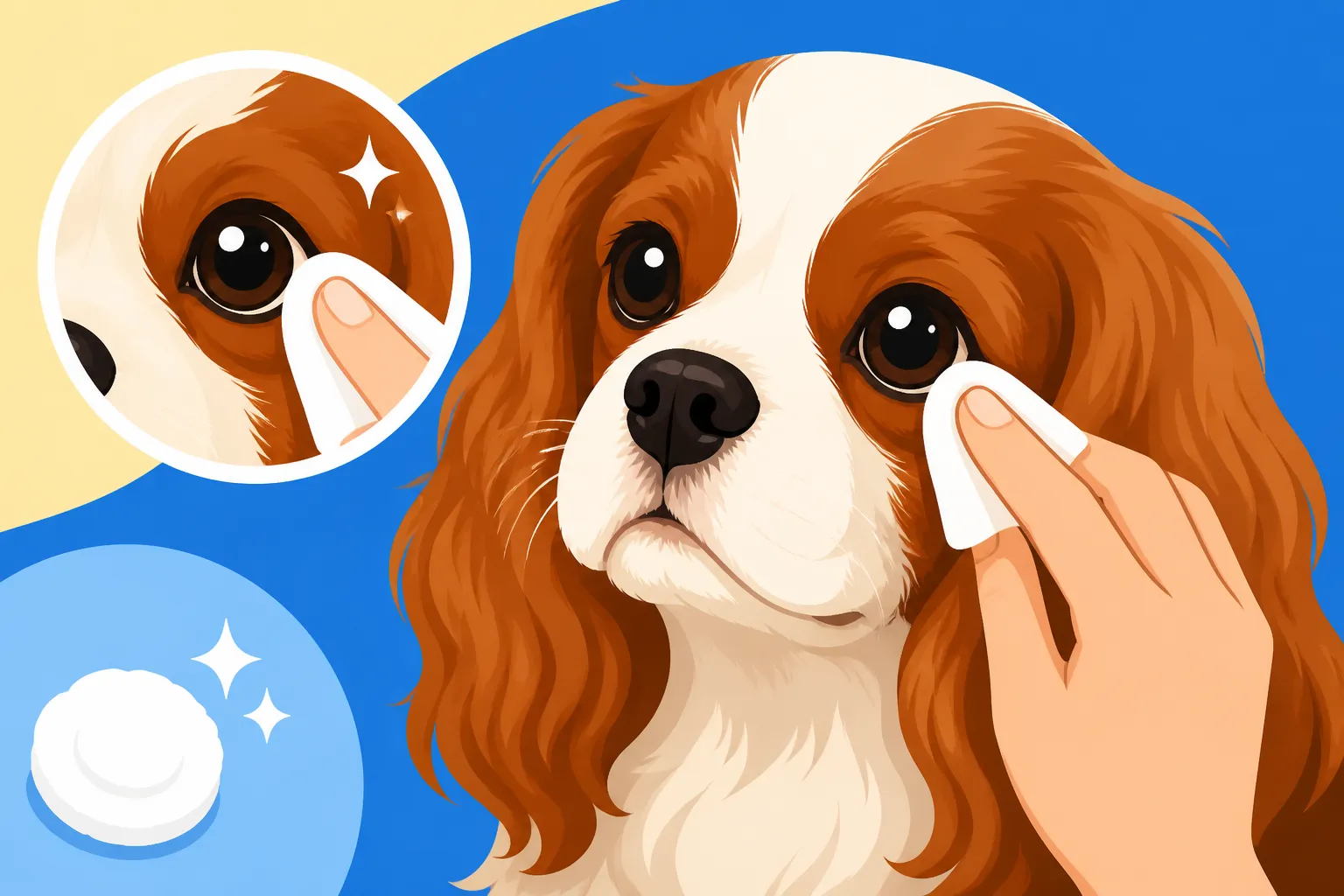
Cleaning Around a Cavalier’s Prominent Eyes
If you're a Cavalier King Charles Spaniel owner, you know that those big, soulful eyes are one of their most endearing features. But you also know the frustration that can come with them: the relentless tear staining, the crusty buildup, and the constant worry about irritation. This guide will walk you through exactly why our beloved Cavaliers are prone to these eye issues and, most importantly, provide a clear, empathetic approach to keeping their prominent eyes clean, healthy, and comfortable.
Understanding Why Cavaliers Have Prominent Eyes and What It Means for Their Care
Our Cavaliers are truly special, and their distinctive look is a big part of their charm. Those large, round, expressive eyes are a hallmark of the breed, giving them that sweet, slightly melancholy gaze we all adore. However, this unique anatomy, while beautiful, also comes with its own set of challenges that every Cavalier owner needs to understand to provide the best care. It's not just about aesthetics; it’s about their comfort and long-term eye health.
The Anatomy Behind the Cavalier's Expressive Gaze
The Cavalier King Charles Spaniel, along with many other brachycephalic (short-nosed) breeds, often possesses what veterinarians call "prominent eyes." This means their eyeballs tend to protrude slightly more than in other breeds, sitting more forward in the skull. This isn't a defect; it's simply a characteristic of their facial structure. Think of it as a natural consequence of their charming, slightly flattened face. This prominence contributes to their gentle, soft expression, which is undeniably captivating and a huge part of what makes a Cavalier a Cavalier. You can also delve into The Cavalier Head, Eyes and Expression in the Standard to understand what breeders strive for.
However, this anatomical feature means the eyes are more exposed to the environment. They don't have the same deep-set protection that other breeds might, making them more vulnerable to external irritants like dust, pollen, or even the wind. Furthermore, the eyelids might not always close as snugly over the prominent globe, which can lead to issues like increased tear evaporation or less effective blinking. It's a delicate balance between their lovely appearance and practical daily care.
Common Issues Arising from Prominent Eyes
Because of their prominence, Cavaliers are unfortunately prone to a few common eye-related woes. The most obvious, and often the most frustrating for owners, is tear staining. This is that reddish-brown discoloration you see around the inner corners and beneath their eyes, particularly noticeable on lighter-colored Cavaliers like Blenheims. It's caused by porphyrins, iron-containing waste products found in tears, which stain the fur when exposed to air and light. This isn't just an aesthetic issue; persistent dampness in this area can create a breeding ground for yeast and bacteria.
Beyond staining, these prominent eyes can also be more susceptible to irritation and even injury. Dust, stray hairs, or even vigorous rubbing can easily cause discomfort. Some Cavaliers might also experience conditions like dry eye, where insufficient tear production leads to irritation, or conversely, excessive tearing (epiphora) where tears constantly spill over the eyelids. Regular cleaning isn't just about managing stains; it’s a proactive measure to keep their delicate eyes comfortable and to prevent more serious problems from developing. Owners should also be aware of Corneal Ulcers on Prominent Cavalier Eyes, which can be very serious.
The Root Causes of Tear Staining in Cavaliers
Tear staining is one of those perpetual Cavalier mysteries that can drive even the most diligent owner a little crazy. You clean, you wipe, and yet, there it is again – that reddish-brown streak under their eyes. It's not just about dirty eyes; it's a complex issue with multiple contributing factors. Understanding these underlying causes is the first step towards effectively managing and hopefully reducing the staining. It’s rarely just one thing, but often a combination that creates the perfect storm for those pesky stains.
Excessive Tearing (Epiphora) and Its Triggers
One of the primary culprits behind tear staining is epiphora, which simply means excessive tearing. For our Cavaliers, this can be triggered by several factors. Sometimes, it's something as simple as allergies, where environmental irritants like pollen or household dust cause their eyes to water more than usual. Imagine how your eyes might water if you're exposed to an allergen; it's similar for them. These excess tears, constantly flowing, provide the damp environment needed for stains to develop.
Other times, the excessive tearing can be due to structural issues. A common one is shallow tear ducts, or ducts that are partially blocked, preventing tears from draining properly into the nasal cavity. Instead, they spill over onto the face. Eyelid conformation can also play a role; if the eyelids don't sit perfectly, tears might not be directed into the tear duct as efficiently. Even tiny irritants like ingrown eyelashes or abnormal hairs rubbing against the eye can cause constant watering, a condition known as distichiasis or ectopic cilia, which you can learn more about in Extra Eyelashes Rubbing a Cavalier's Eye. It’s important to note that sometimes, a watery eye is a sign of underlying discomfort, so it’s always worth investigating if the tearing is sudden or accompanied by other symptoms.
Bacterial or Yeast Growth in Damp Areas
The damp, warm environment created by persistent tearing around the eyes is an open invitation for bacteria and yeast to flourish. This is where the reddish-brown color often comes from. While porphyrins in the tears cause a reddish tint, it's often the secondary yeast infection, particularly Malassezia, that gives the staining a much darker, almost rust-like appearance. This yeast thrives in moisture and can also lead to a slight odor if left unchecked.
This bacterial and yeast overgrowth isn't just unsightly; it can be itchy and irritating for your Cavalier. They might paw at their face more, rub against furniture, or even get mild skin irritation in the affected areas. Think of how skin can get irritated if it's constantly wet – it's no different for your dog. Regular, gentle cleaning helps to remove the moisture and the existing bacterial/yeast colonies, breaking the cycle of staining and irritation. Maintaining a dry area around the eyes is key to preventing these microorganisms from taking hold and deepening the stain.
Diet, Water Quality, and Environmental Factors
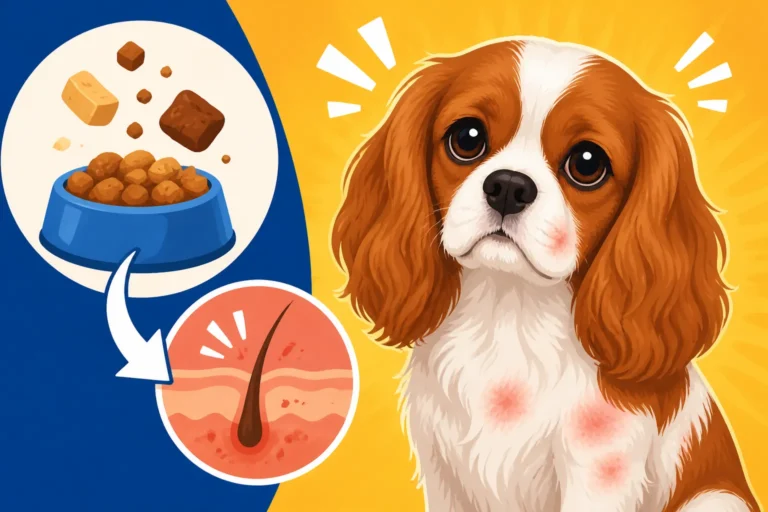
While anatomical issues are often the primary drivers, diet and environment can absolutely exacerbate tear staining. Some owners find that certain foods, particularly those with artificial colors, fillers, or lower-quality ingredients, seem to increase their Cavalier's tearing or the intensity of the staining. The theory is that these ingredients might increase inflammation or affect the body's pH, leading to more porphyrin production. Exploring options like fresh food brands or carefully chosen kibble (which you can find on platforms like Chewy or Amazon) might be something to consider, but always consult your vet before making significant dietary changes. For more insights, you might read Whether Diet Causes Cavalier Tear Staining.
Furthermore, the quality of your dog's drinking water can sometimes play a subtle role. Water high in minerals or iron might contribute to staining, as some believe these minerals can interact with porphyrins. Switching to filtered water or bottled water is an easy experiment for many owners. Environmental factors are also huge: dust, smoke, scented candles, cleaning products, and even certain pollens can irritate their eyes, leading to increased tearing. Being mindful of these potential irritants in your home can go a long way in reducing the burden on your Cavalier's already sensitive eyes.
Essential Tools and Supplies for Gentle Eye Cleaning
Cleaning around your Cavalier’s prominent eyes requires a gentle touch and the right tools. You don't want to use anything harsh or irritating that could worsen the problem or cause your dog discomfort. The goal is to safely remove tear stains and crust without causing undue stress or irritation to their delicate eye area. Having your supplies ready before you start makes the process much smoother for both you and your furry friend.
Safe Wipes, Solutions, and Cleansers
When it comes to cleaning solutions, always prioritize products specifically designed for pets' eyes. Look for gentle, pH-balanced formulas that are free from harsh chemicals, perfumes, or alcohol, which can be incredibly irritating. There are many excellent pet-safe eye wipes and liquid cleansers available. Wipes are often convenient for daily quick clean-ups, while liquid solutions can be applied with a soft cotton pad for a more thorough job. Brands often offer specific tear stain removers, but always read the ingredients carefully to ensure they are safe for repeated use around the eyes. You can easily find a wide selection of these products on online pet supply stores like Chewy or Amazon, making it convenient to choose one that suits your Cavalier's needs.
Some popular ingredients in safe eye cleansers include boric acid (mild antiseptic), witch hazel (astringent), and colloidal silver (antimicrobial properties). Many solutions also contain enzymes that help break down the porphyrin stains without harsh scrubbing. For severe staining, some stronger formulations exist, but these should always be used with caution and perhaps after a vet consultation to rule out underlying issues. Remember, prevention is better than cure, so even if the staining isn't severe, a gentle daily wipe can make a big difference in preventing buildup and subsequent problems like Crust in the Corner of a Cavalier's Eye.
Avoiding Harsh Chemicals and Irritants
This is crucial: never, ever use human eye drops, hydrogen peroxide, harsh soaps, alcohol-based products, or bleach-containing cleaners around your Cavalier's eyes. What's safe for humans or for general household cleaning is absolutely not safe for your dog's sensitive eye area. These products can cause severe irritation, chemical burns, or even permanent damage to their eyes. It's an easy mistake to grab something from your own medicine cabinet, but resist the urge!
Even products labeled "tear stain remover" for pets should be scrutinized. Some older formulations contained antibiotics (like tylosin) that are now widely discouraged for topical, long-term use due to concerns about antibiotic resistance. Always opt for modern, non-antibiotic solutions. If you're unsure about a product, err on the side of caution and consult your veterinarian. Their prominent eyes are just too vulnerable to take chances with anything questionable.
The Importance of Soft Cloths and Cotton Pads
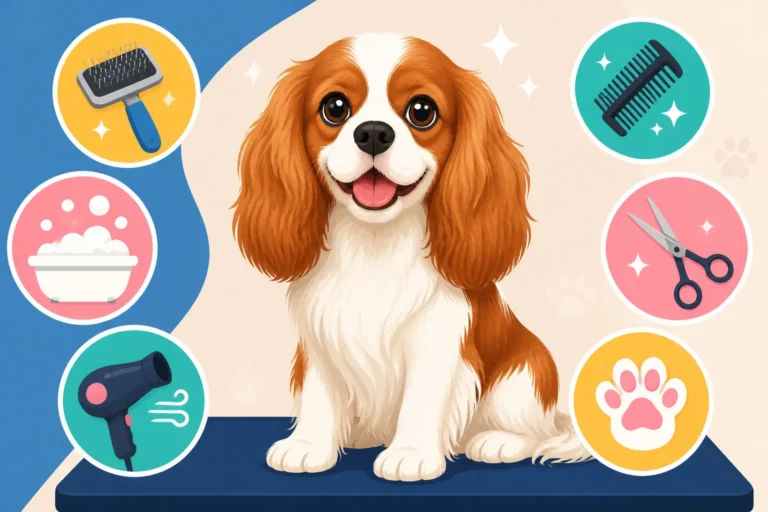
Beyond the cleaning solution itself, the application method matters immensely. You'll need soft, lint-free materials that won't scratch their delicate eyes or leave irritating fibers behind. Sterile cotton pads or balls are excellent choices, as are soft, clean washcloths dedicated solely to eye cleaning. Some owners even use microfibre cloths designed for pets, as they can be very absorbent and gentle.
Whatever you choose, ensure it's fresh and clean each time you clean their eyes. Reusing a damp cloth can reintroduce bacteria and yeast, defeating the purpose of cleaning. If you're using disposable wipes, use a fresh one for each eye to prevent cross-contamination. Keep a separate set of towels or cloths specifically for eye care to avoid accidental contact with household cleaners or other contaminants. This attention to detail ensures a hygienic and safe cleaning experience for your precious Cavalier.
A Step-by-Step Guide to Cleaning Your Cavalier's Eyes
Cleaning your Cavalier's prominent eyes doesn't have to be a battle. With patience, the right approach, and a gentle hand, it can become a calm, even bonding routine. Consistency is key here; a few minutes each day is far more effective than an intense cleaning session once a week. Remember, their comfort is paramount, and any discomfort might make them resistant to future cleanings.
Preparing Your Cavalier and Your Supplies
Before you even think about touching their eyes, make sure your Cavalier is in a relaxed state. Pick a quiet time when they are calm, perhaps after a nap or a gentle play session, rather than when they're overly excited. A comfortable spot where they feel secure, like your lap or a soft mat on the floor, can make a huge difference. Positive reinforcement is your best friend here: have some of their absolute favorite, tiny, high-value treats ready to reward their cooperation.
Gather all your supplies beforehand: your chosen pet-safe eye cleanser or wipes, plenty of fresh cotton pads or soft cloths, and a dry, clean towel. If your Cavalier tends to be squirmy, you might want a second person to gently hold them, offering calming words and treats. The goal is to make this a positive experience, not a wrestling match. Starting with a calm dog and organized supplies reduces stress for everyone involved. For a puppy, this is a perfect time to introduce Handling Exercises for a Cavalier Puppy.
The Gentle Cleaning Technique
Now for the actual cleaning. First, gently restrain your Cavalier, speaking in a soothing voice. If using a liquid solution, moisten a fresh cotton pad with the cleanser. If using a wipe, simply have it ready. Start with one eye, gently holding their head steady. With your free hand, gently pull down the lower eyelid slightly, or gently lift the fur around the eye, exposing the stained area.
Using the moistened pad or wipe, gently wipe away from the corner of the eye, moving towards the nose and then downwards. The goal is to clean the stained fur, not to rub directly into the eye itself. Be incredibly gentle; the skin around their eyes is thin and sensitive. Repeat this process with fresh pads or wipes until all visible crust and staining are removed. Be thorough but never scrub. If there are stubborn crusts, hold a damp, warm (not hot!) cotton pad over the area for a minute or two to soften them before gently wiping. Repeat the entire process for the second eye, always using fresh supplies to avoid spreading any potential irritation or bacteria. This gentle technique is much like Removing Tear Stains From a Blenheim Cavalier.
Drying and Preventing Future Stains
Once you've cleaned away the stains and crust, the next crucial step is drying. This is often overlooked but is vital in preventing the recurrence of bacterial and yeast growth that contributes to dark staining. Using a clean, dry corner of a soft towel or a fresh cotton pad, gently blot the area around the eye completely dry. You want to eliminate any lingering moisture.
After drying, consider applying a thin layer of a pet-safe protective balm or powder, if recommended by your vet or the product instructions. Some products are designed to create a barrier that helps repel moisture and prevents new stains from setting in. This might be particularly helpful for dogs with very heavy tearing. Daily attention to this routine—cleaning and drying—will make a significant difference in managing Tear Staining on a White Cavalier Face and keeping your Cavalier's eye area looking and feeling much better. Consistency truly pays off in the long run.
When to Seek Veterinary Advice for Cavalier Eye Issues
While routine cleaning is incredibly important for Cavaliers, it's equally vital to recognize when a problem goes beyond simple tear staining and warrants a trip to the vet. Their prominent eyes make them susceptible to more serious conditions, and some symptoms can indicate underlying health issues that require professional diagnosis and treatment. Ignoring certain signs could lead to discomfort, pain, or even permanent vision damage for your beloved companion.
Signs of Infection or Injury
If you notice any of these signs, it's time to call your veterinarian immediately: redness or inflammation in or around the eye, excessive blinking or squinting, holding an eye shut, discharge that is thick, yellow, green, or foul-smelling (beyond typical clear tears), pawing at the eye constantly, or any visible foreign object in the eye. Swelling of the eyelids or around the eye, cloudiness in the eye itself, or a change in the color of the eye's surface can also be serious indicators. These symptoms could point to an eye infection, an injury to the cornea, glaucoma, or other painful conditions that require prompt medical attention.
Remember, our Cavaliers are stoic little creatures and might not always vocalize their pain clearly. A subtle change in behavior, like being more withdrawn, less playful, or reluctant to be touched around the head, can also be a sign of eye discomfort. Don't wait for things to get worse; early intervention is key for successful treatment and preventing further complications. A visit to the vet for an eye exam is a small price to pay for your Cavalier's comfort and vision. They might also check for conditions like A Cavalier Born Without Tears which causes extreme dry eye.
Persistent Staining Despite Regular Cleaning
You've been diligent with your cleaning routine, using the right products, and following all the steps, but those stubborn tear stains just won't budge, or they keep reappearing with frustrating speed. If you've tried consistent, appropriate cleaning for several weeks and see no improvement in the staining, it's a good time to consult your vet. This persistent staining can be a clue that there's an underlying issue that your cleaning routine alone can't address.
For example, the vet might discover a structural problem with the tear ducts that prevents proper drainage, a subtle eyelid abnormality, or even a persistent low-grade infection that requires specific medication. Sometimes, the staining is so deep it has actually discolored the fur, and it will take time for that stained fur to grow out and be replaced by new, clean hair, even if the underlying cause is resolved. A professional assessment can help identify these hidden factors and guide you towards more targeted solutions, which might include prescription eye drops or even minor procedures. Sometimes, persistent issues lead to a referral to a veterinary ophthalmologist, a specialist in eye conditions.
The Role of a Vet in Diagnosing Underlying Causes
A veterinary examination is crucial for a comprehensive diagnosis. Your vet won't just look at the surface; they will perform a thorough eye exam that might include checking tear production (a Schirmer Tear Test, vital for ruling out Managing Dry Eye in a Cavalier), staining the cornea to look for abrasions or ulcers, and examining the internal structures of the eye. They can assess eyelid conformation, look for ingrown hairs, and check the patency of the tear ducts. This detailed approach helps pinpoint the exact reason for the tearing and staining.
Beyond physical examination, your vet can discuss potential dietary links and environmental irritants with you. They might suggest a course of Prescription Eye Drops for a Cavalier Every Day if an infection or chronic inflammation is suspected. They can also provide referrals to veterinary ophthalmologists if the case is complex. Knowing when to escalate from home care to professional medical attention is a mark of a responsible Cavalier owner. Their health, happiness, and vision depend on it. Don't hesitate to book Whether a Cavalier Needs a Yearly Eye Exam to stay on top of their eye health.
| Issue | Common Signs | When to See a Vet Immediately | Routine Care Approach |
|---|---|---|---|
| Tear Staining | Reddish-brown discoloration, damp fur under eyes | If staining persists despite consistent cleaning for weeks; accompanies other symptoms like redness/discharge. | Daily gentle cleaning with pet-safe wipes/solutions, keeping area dry. |
| Eye Redness/Inflammation | Visible redness in whites of eyes or eyelids, swollen lids, bloodshot appearance | Immediately. Could indicate infection, allergy, injury, or glaucoma. | Avoid irritants. Gentle cleaning. |
| Excessive Blinking/Squinting | Frequent blinking, holding one or both eyes partially closed, light sensitivity | Immediately. Sign of pain, irritation, foreign body, or corneal issue. | Check for obvious irritants. Avoid rubbing. |
| Eye Discharge (Abnormal) | Thick, yellow, green, or foul-smelling discharge; sticky eyes | Immediately. Strong indicator of infection (bacterial/viral). | Clean gently to remove discharge, but seek vet help. |
| Pawling at Eyes/Rubbing Face | Constant rubbing with paws, rubbing face on furniture/carpet | Immediately. Sign of severe irritation, pain, or itchiness. | Monitor. Ensure nails are trimmed. |
| Cloudiness in Eye | Hazy, bluish, or milky appearance over the cornea or lens | Immediately. Could be glaucoma, cataract, or corneal edema. | None, urgent vet care. |
| Visible Foreign Object | Dirt, grass seed, or other debris clearly visible in eye | Immediately. Do not attempt to remove yourself. | Do not rub. Keep dog calm. |
Disclaimer
This article is for general informational purposes only and does not constitute professional advice. Laws, prices and regulations vary by location and change over time. Consult a qualified professional for guidance on your specific situation.