Low-Sodium Feeding for a Cavalier Heart Patient
The moment your beloved Cavalier King Charles Spaniel receives a heart disease diagnosis, it feels like the world shifts under your feet. One of the first, most overwhelming questions that floods your mind, right after "what now?", is often "what can I feed them?" Suddenly, every meal becomes a source of anxiety, and you're left grappling with confusing labels and conflicting advice. This guide is here to walk you through the ins and outs of low-sodium feeding for your Cavalier heart patient, helping you navigate this new terrain with confidence and compassion.
Understanding Cavalier Heart Disease and Sodium's Role
For Cavalier King Charles Spaniels, heart disease, particularly Mitral Valve Disease (MVD), is an incredibly common and heartbreaking reality. It's a journey many of us Cavalier parents unfortunately know all too well, and managing it often starts right at their dinner bowl.
How Mitral Valve Disease Progresses
MVD in Cavaliers is typically a slow, progressive condition where the mitral valve, one of the tiny "doors" in your dog's heart, starts to thicken and degrade. Instead of closing tightly, it becomes leaky, allowing blood to flow backward into the atrium with each beat. This backward flow makes the heart work harder, trying to compensate for the inefficiency. Over time, this extra effort can cause the heart chambers to enlarge and pressure to build up. It’s like a faulty pump in your house—it's still working, but it's much less efficient, and the constant strain can eventually lead to complications.
Many Cavalier owners first hear the news of a murmur during a routine vet check, often when their dog is still relatively young. A soft murmur can progress to a louder one, and then the real changes begin to happen internally, sometimes long before you see any outward signs. You can learn more about this common condition in Mitral Valve Disease in the Cavalier King Charles Spaniel. The initial stages might not require drastic dietary changes, but as the disease advances, preventing fluid buildup becomes absolutely critical, and that's where sodium enters the picture.
The Link Between Sodium and Fluid Retention
Think about how you feel after eating a really salty meal – you might feel bloated, your rings might feel tight, and you just crave water. Your Cavalier's body reacts similarly, but with much more serious consequences when their heart is already compromised. Sodium, in its simplest terms, encourages the body to hold onto water. When the heart is struggling to pump efficiently, the kidneys can mistakenly think the body needs more fluid to help blood pressure, leading them to retain sodium and, consequently, water.
This excess fluid has nowhere good to go. It can accumulate in the lungs, causing pulmonary edema, which is what often leads to that worrisome cough, especially at night. It can also build up in the abdomen, making your dog look pot-bellied, or in the legs. This fluid retention puts even more strain on an already weakened heart. Reducing dietary sodium helps the body excrete excess water, lessening the burden on the heart and potentially delaying the onset of more severe symptoms like coughing or labored breathing.
Why Diet Becomes Crucial Early On
It’s easy to think that diet changes are only for Cavaliers in advanced heart failure, but that's a common misconception that can unfortunately cost precious time. While drastic sodium restriction might not be necessary in the very earliest stages when a murmur is just detected and no heart enlargement is present, a proactive approach to a moderately low-sodium diet can be incredibly beneficial. This isn't about curing the disease, because MVD is progressive, but it's about managing its impact and supporting your Cavalier's heart for as long as possible.
Making dietary shifts early, even before your Cavalier shows outward signs like a cough or reduced energy, can help prevent the heart from having to work harder against increased fluid volume. It can also make future, more restrictive changes less jarring for your dog. Your vet or cardiologist might advise a low-sodium diet even before prescribing medications. It's a foundational step in managing the condition, working in tandem with eventual pharmacological interventions. Understanding How Cavalier Heart Disease Progresses Stage by Stage will show you why these early interventions are so vital.
Deciphering Pet Food Labels for Sodium Content
Reading pet food labels can feel like trying to solve a complex puzzle, especially when you're already stressed about your Cavalier's health. The jargon, the percentages, the "guaranteed analysis" – it's enough to make any owner throw their hands up in frustration. However, when it comes to low-sodium feeding, becoming a label detective is a skill that will serve you and your Cavalier well.
The Challenges of "Low Sodium" on Labels
Unlike human food, pet food labeling for sodium isn't always straightforward. There are no legally mandated definitions for terms like "low sodium" or "reduced sodium" that are universally applied across all pet food brands, though some industry guidelines exist. This means a brand can market their food as "low sodium" based on their own internal benchmarks, which might still be too high for a Cavalier with MVD. You can't just trust a marketing claim; you have to dig deeper into the nutritional analysis.
The biggest hurdle is that sodium is almost always listed as a percentage "as fed" or "dry matter basis." "As fed" means the percentage of sodium in the food as it is right out of the bag or can. "Dry matter basis" (DMB) removes all the moisture content, giving you a truer comparison between wet and dry foods. Most vets and cardiologists will give you target sodium levels in milligrams (mg) per 100 kilocalories (kcal) or as a percentage on a DMB. If a label doesn't provide DMB, you'll need to do some math, which your vet can help with.
Key Terms to Look For and What They Mean
When scrutinizing a label, you'll primarily be looking for "Sodium" in the guaranteed analysis. It might be listed as a minimum or maximum percentage. Sometimes, ingredients lists can also offer clues. "Salt" (sodium chloride) is an obvious one. Other sodium-containing ingredients might include "sodium selenite" (a trace mineral) or various preservatives. While these individual components might not be problematic in small amounts, it's the total sodium content that matters.
For a Cavalier with early or moderate MVD, a general target often falls around 0.15% to 0.25% sodium on a dry matter basis. As the disease progresses, this might need to be tightened even further, potentially to 0.1% or less. Brands often don't want to list these specifics for fear of being too niche, so it often means calling the company's nutritional helpline or checking their website for detailed breakdowns. For example, popular online retailers like Chewy often provide comprehensive nutritional information for products, making it easier to compare before you buy. Don't be afraid to ask for a "typical analysis" if the guaranteed analysis isn't enough.
Comparing Dry Kibble, Wet Food, and Fresh Options
The type of food you choose can significantly impact sodium levels.
- Dry Kibble: Generally, dry kibble tends to have lower sodium content on a dry matter basis compared to wet food, because water content is so low to begin with. However, there's a huge variation between brands. Some standard kibbles can be surprisingly high, while specific prescription cardiac diets designed for heart health are meticulously formulated to be low in sodium.
- Wet Food: Wet foods, due to their high moisture content, often appear to have lower "as fed" sodium percentages. However, when converted to a dry matter basis, many wet foods can be quite high. Again, specialized cardiac wet foods are the exception.
- Fresh/Human-Grade Options: Companies like Ollie offer fresh, pre-portioned meals. While often praised for their quality ingredients, you must check the sodium content carefully. "Human-grade" doesn't automatically mean low-sodium, and some recipes might contain ingredients that are naturally higher in sodium or have added salt for palatability. If you're considering a fresh food diet, discuss it thoroughly with your vet or a veterinary nutritionist, who can help you ensure it meets your Cavalier's specific needs.
Ultimately, there isn't one "best" type of food; it's about the specific formulation and its sodium content relative to your Cavalier's heart stage. Prescription diets, such as those from Hill's, Royal Canin, or Purina Pro Plan Veterinary Diets, are scientifically formulated for cardiac patients and are often the safest and most reliable choice for specific sodium restriction, but your vet can also guide you to appropriate over-the-counter options. Prescription Cardiac Diets for a Cavalier covers this in more detail.
Transitioning Your Cavalier to a Low-Sodium Diet
Changing your Cavalier's diet can be a tricky business. These little dogs often have sensitive stomachs and can be quite particular about their food. The last thing you want is to cause an upset stomach on top of managing a heart condition. A thoughtful, gradual approach is absolutely vital.
Gradual Changes Are Key for Sensitive Stomachs
Suddenly switching your Cavalier from their regular food to a new low-sodium diet is a recipe for digestive disaster. Vomiting, diarrhea, or a complete refusal to eat can result, which only adds stress to both you and your dog. Instead, aim for a slow, week-long (or even longer) transition. Start by mixing a small amount of the new food – say, 10-25% – with their old food. Over the next several days, gradually increase the proportion of new food while decreasing the old.
For instance:
- Days 1-3: 75% old food, 25% new food.
- Days 4-6: 50% old food, 50% new food.
- Days 7-9: 25% old food, 75% new food.
- Day 10 onwards: 100% new food.
Watch your Cavalier closely during this period for any signs of digestive upset. If you notice soft stools or refusal to eat, slow down the transition even further. It's better to take two weeks than to rush it and cause more problems. Some Cavaliers are incredibly picky, and you might need to try a few different low-sodium options before finding one they'll happily eat. Persistence and patience are your best friends here.
Avoiding Common Sodium Pitfalls in Treats and Table Scraps
The main diet isn't the only source of hidden sodium. Treats and table scraps, given with the best intentions, can completely derail your low-sodium efforts. Many commercial dog treats are surprisingly high in sodium to enhance flavor, and a handful of seemingly innocent table scraps can quickly exceed a heart patient's daily allowance.
Think about common culprits:
- Cheese: A favorite for many dogs, but even a small cube of cheddar or a sprinkling of parmesan is packed with sodium.
- Deli Meats: Ham, turkey slices, hot dogs – these are processed and cured with a high salt content.
- Bread/Crackers: Often contain added salt, even if they don't taste particularly salty to us.
- Peanut Butter: While generally healthy, many commercial peanut butter brands contain added salt. Always check the label for "unsalted" varieties.
- Human Leftovers: Gravy, soups, canned vegetables (unless rinsed very well), chips, pretzels – these are all big no-nos.
It’s incredibly tough to resist those pleading Cavalier eyes when you're eating, but for their heart health, it's essential to be disciplined. Even a single bite of something high in sodium can counteract days of careful low-sodium feeding. This is why having safe, low-sodium treat alternatives on hand is so important.
Safe Low-Sodium Treat Alternatives
Don't despair! There are plenty of delicious and safe low-sodium treat options that your Cavalier will love. The key is to choose single-ingredient, unprocessed items.
Here are some ideas:
- Plain cooked chicken or turkey breast: Boiled or baked, unseasoned. Cut into tiny, pea-sized pieces.
- Plain scrambled egg: Cooked without butter or salt.
- Cooked green beans or carrots: Steamed or boiled plain.
- Apple slices: Core removed, no seeds.
- Banana slices: In moderation due to sugar content.
- Blueberries or raspberries: Small, antioxidant-rich, and usually a hit.
- Ice cubes: A surprisingly satisfying crunch for many dogs, especially on a warm day.
- Unsalted rice cakes: Broken into small pieces.
- Specific low-sodium dog treats: There are commercial treats specifically formulated for cardiac diets. Always double-check their sodium analysis. You might find these on specialty pet sites or on Amazon with careful searching for "low sodium dog treats heart."
Remember, even safe treats should be given in moderation as part of your Cavalier's overall daily calorie intake, especially if you're also managing their weight. Why a Cavalier Gains Weight So Easily reminds us that Cavaliers are prone to putting on pounds, which can further strain their heart.
| Treat Type | Sodium Level | Considerations |
|---|---|---|
| High-Sodium Treats | ||
| Deli meats (ham, turkey) | Very High | Processed, cured, added preservatives. |
| Cheese (cheddar, parmesan) | High | Concentrated salt, can be fatty. |
| Commercial Jerky Treats | Variable, often High | Many brands use salt as a preservative/flavor enhancer. |
| Human snack foods (chips) | Very High | Loaded with salt and unhealthy fats. |
| Canned vegetables (unrinsed) | High | Brined with salt. |
| Low-Sodium Alternatives | ||
| Plain Cooked Chicken/Turkey | Very Low | Boiled or baked, unseasoned, lean protein. |
| Plain Scrambled Egg | Very Low | Cooked without salt/butter. |
| Steamed Green Beans/Carrots | Very Low | Fresh or frozen (no added salt). |
| Apple Slices (no core/seeds) | Very Low | Healthy fiber, natural sweetness. |
| Blueberries | Very Low | Antioxidant-rich, small and easy to eat. |
| Unsalted Rice Cakes | Very Low | Plain, crunchy, easy to break into small pieces. |
| Prescription Cardiac Treats | Low | Specifically formulated for heart health. |
Working with Your Vet and a Veterinary Nutritionist
Navigating a heart diagnosis and subsequent dietary changes is not something you should do alone. Your veterinary team is your most important ally, providing tailored advice that considers your Cavalier's unique health profile.
The Importance of Professional Guidance
While general guidelines are helpful, every Cavalier's heart disease journey is different. Factors like the specific stage of MVD, the presence of other health conditions (like kidney disease, which can sometimes co-occur), and individual responses to diet all play a role. Your regular veterinarian is the first point of contact, and they can assess the overall picture, including physical exams and blood work. They might recommend a consultation with a board-certified veterinary cardiologist for a definitive diagnosis and staging, which often includes an echocardiogram to get a clear picture of the heart's structure and function.
Once a diagnosis and stage are established, your vet, or ideally, a veterinary cardiologist, can provide precise recommendations for sodium restriction. They will consider the whole dog – not just the heart – to ensure the diet is nutritionally balanced and appropriate. Trying to manage this complex diet on your own, especially with homemade options, can inadvertently lead to nutritional deficiencies or imbalances that could harm your Cavalier more than help.
Tailoring the Diet to Your Cavalier's Specific Stage of MVD
The level of sodium restriction your Cavalier needs will directly correlate with the stage of their Mitral Valve Disease.
- Stage A/B1: These are Cavaliers at risk or with a murmur but no evidence of heart enlargement. At this stage, a moderately low-sodium diet (around 0.2% to 0.3% DMB) might be recommended as a preventative measure. This is often just a general health diet, avoiding high-sodium snacks.
- Stage B2: This is when a murmur is present, and the heart has started to enlarge, but there are no clinical signs of heart failure (like coughing or difficulty breathing). At this point, a diet with a more controlled sodium level (often 0.15% to 0.2% DMB) is typically advised, sometimes even before starting medications like pimobendan. The goal is to delay the onset of heart failure.
- Stage C: Your Cavalier has clinical signs of heart failure, and medication has been started. Sodium restriction becomes much stricter here, often 0.1% or less DMB. This is usually managed with prescription cardiac diets to ensure precise nutrient levels.
- Stage D: End-stage heart failure, where signs are refractory to standard treatment. Sodium restriction will be at its absolute tightest.
Your vet will explain these stages and adjust the dietary recommendations as your Cavalier's condition progresses. It's not a static plan; it evolves with your dog's needs. A What a Cavalier Cardiologist Visit Involves is a crucial part of defining these stages and planning treatment.
Monitoring Progress and Adjusting as Needed
Once your Cavalier is on a low-sodium diet, monitoring is key. Your vet will likely want to see your dog for regular check-ups, which might include listening to their heart, checking their breathing rate, and sometimes blood tests or chest X-rays. You'll also be asked to monitor your Cavalier at home. One of the most important things you can do is learn Counting a Cavalier's Resting Breaths. An elevated resting respiratory rate can be an early indicator of fluid in the lungs, signaling that adjustments to diet or medication might be needed.
Look out for changes in appetite, energy levels, or any new or worsening cough. It's a collaborative effort between you and your veterinary team. Don't hesitate to reach out to them if you have concerns or notice any changes. They may adjust the specific food, the amount, or even add or change medications for Medication for a Cavalier With Heart Disease. The goal is to keep your Cavalier comfortable and slow the progression of the disease as much as possible, for as long as possible.
Homemade Low-Sodium Meal Options for Cavaliers
The idea of making your Cavalier's food from scratch can be appealing, especially when you want complete control over ingredients and sodium levels. However, it's a path that requires careful planning and professional oversight to ensure nutritional completeness.
Balancing Nutrients in Homemade Diets
This is arguably the most critical and often overlooked aspect of homemade diets. Simply cooking chicken and rice will not provide a complete and balanced diet for your Cavalier, especially one with a medical condition like heart disease. Dogs require a precise balance of proteins, fats, carbohydrates, vitamins, and minerals. Deficiencies or excesses in any of these can lead to serious health problems over time. For example, too much calcium or phosphorus can affect kidney health, while too little of certain vitamins can impact immune function or energy.
Homemade diets, particularly those designed for specific health conditions, should always be formulated by a board-certified veterinary nutritionist. They have the expertise to create a recipe that meets your Cavalier's energy needs, health requirements (like low sodium), and nutrient profiles. This isn't a job for Dr. Google or a random recipe found online. A veterinary nutritionist will take into account your Cavalier's age, weight, activity level, and the specific stage of their heart disease to develop a bespoke diet plan.
Low-Sodium Ingredient Ideas and Preparation Tips
If you're working with a veterinary nutritionist, they will provide you with precise ingredients and quantities. However, generally, when looking for low-sodium ingredients for a homemade diet, consider:
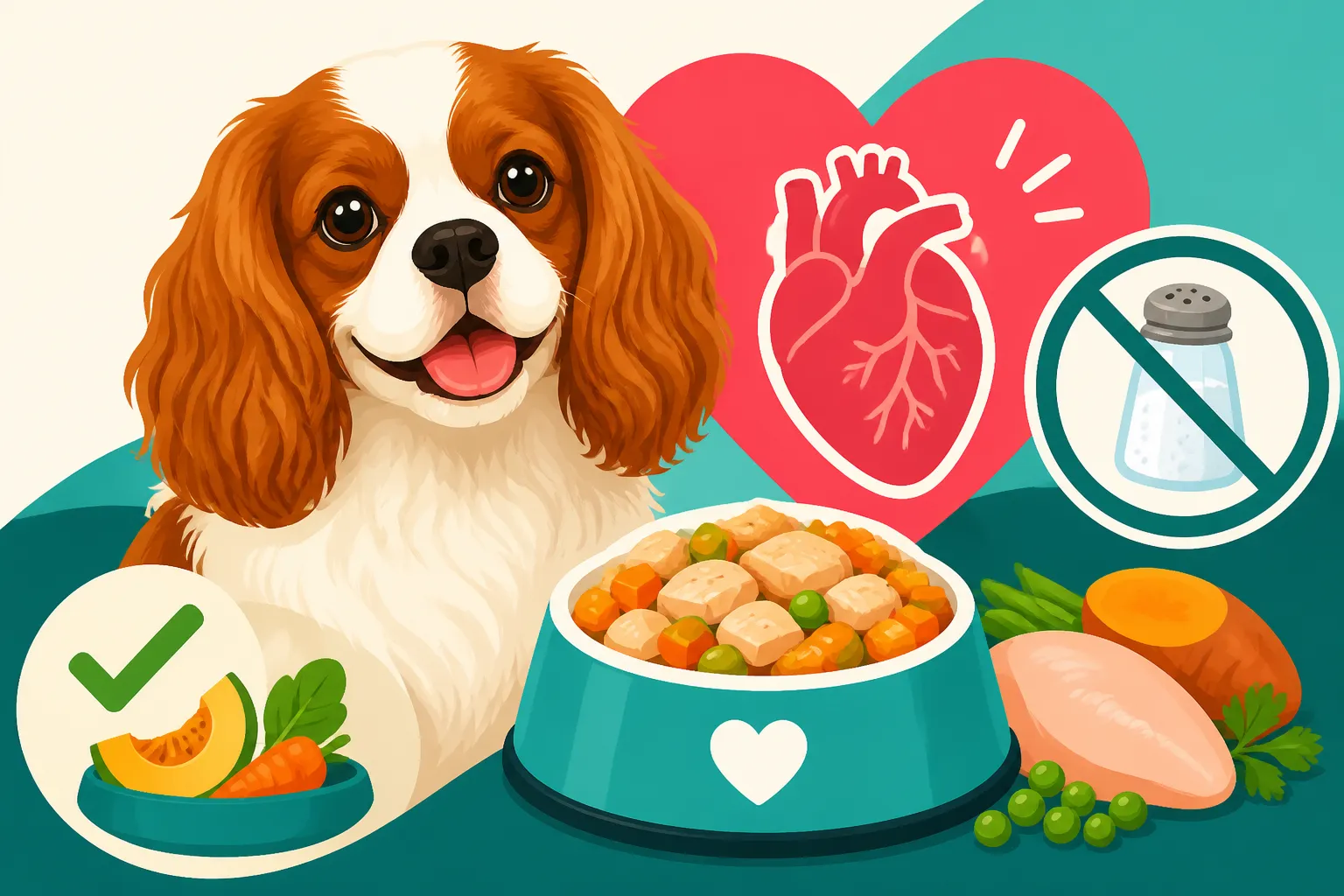
- Lean Proteins: Skinless, boneless chicken breast, lean ground turkey, white fish (like cod or tilapia) are excellent choices. Ensure they are cooked plain, without any added salt, butter, or seasonings.
- Complex Carbohydrates: Cooked white or brown rice (rinsed well before cooking to remove surface starch), sweet potatoes, or plain pasta.
- Vegetables: Green beans, peas, carrots, broccoli florets (all steamed or boiled plain). Avoid high-sodium canned vegetables unless you rinse them extremely thoroughly.
- Healthy Fats: Small amounts of flaxseed oil or fish oil (check with your vet for appropriate dosages and types, as some fish oils can be high in iodine).
- Supplements: This is where the veterinary nutritionist is indispensable. They will prescribe a specific vitamin and mineral supplement that will complete the diet, ensuring your Cavalier gets all the micronutrients they need that aren't adequately supplied by the whole food ingredients alone.
When preparing, always use fresh, plain ingredients. Read labels on every single component, even things like broths, to ensure no hidden sodium. Cook in bulk without seasoning, and portion out carefully according to your nutritionist's plan.
Batch Cooking for Convenience
Committing to a homemade diet can feel like a full-time job if you cook fresh every day. Batch cooking is your secret weapon. Dedicate a few hours once or twice a week to prepare all your Cavalier's meals for the upcoming days.
Here’s a simple process:
- Prep Ingredients: Wash and chop all vegetables. Measure out your protein and carbohydrates.
- Cook in Bulk: Cook large quantities of protein (e.g., bake several chicken breasts), carbs (e.g., a large pot of rice), and vegetables.
- Cool Completely: Allow all cooked ingredients to cool fully before mixing or packaging.
- Portion and Store: Divide the complete meal (protein + carb + veggie + supplements) into individual daily or per-meal portions. You can use airtight containers or freezer bags. For ingredients like specific supplements, sometimes it's best to add those fresh to each meal if they don't hold up well to freezing or reheating.
- Refrigerate/Freeze: Store meals for up to 3-4 days in the refrigerator. For longer storage, freeze individual portions. Thaw frozen meals in the refrigerator overnight before serving.
Batch cooking significantly cuts down on daily prep time and ensures consistency in your Cavalier’s diet. You can find useful kitchen tools for measuring and storage, like portioning containers, on sites like Amazon, which can help streamline this process. It takes effort, but knowing exactly what goes into your Cavalier's bowl can bring immense peace of mind, especially when managing a condition as serious as heart disease.
Disclaimer
This article is for general informational purposes only and does not constitute professional advice. Laws, prices and regulations vary by location and change over time. Consult a qualified professional for guidance on your specific situation.