A Cavalier Born Without Tears
Discovering your sweet Cavalier King Charles Spaniel puppy has eyes that don't produce tears naturally is a truly heartbreaking and often bewildering experience. It’s a chronic, often painful condition known as congenital keratoconjunctivitis sicca (KCS) or "dry eye," and it demands lifelong, dedicated care. This comprehensive guide will walk you through what it means for your Cavalier to be born without tears, how to identify it, and the essential steps for managing this challenging condition to ensure your beloved companion lives as comfortably as possible.
Understanding Congenital Dry Eye in Cavaliers
When we talk about a Cavalier being "born without tears," we're delving into a genetic predisposition that makes this breed particularly susceptible to a form of dry eye that's present from birth. It's not just a minor inconvenience; it's a serious condition that requires constant vigilance and care.
What is "Born Without Tears"?
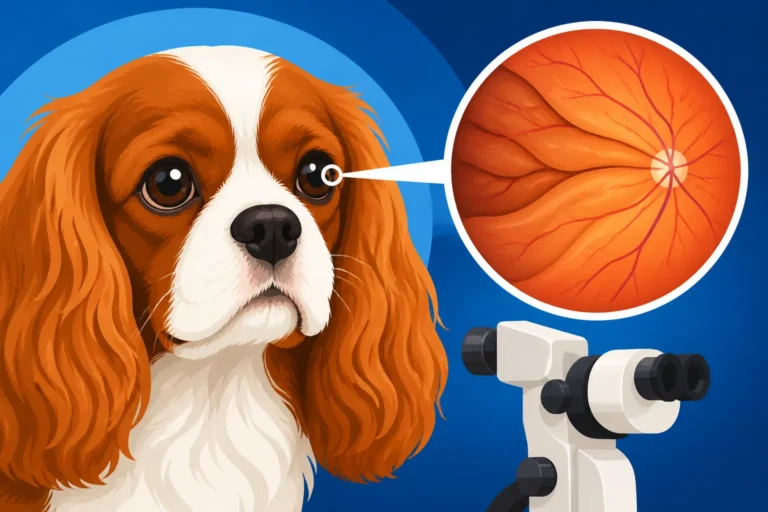
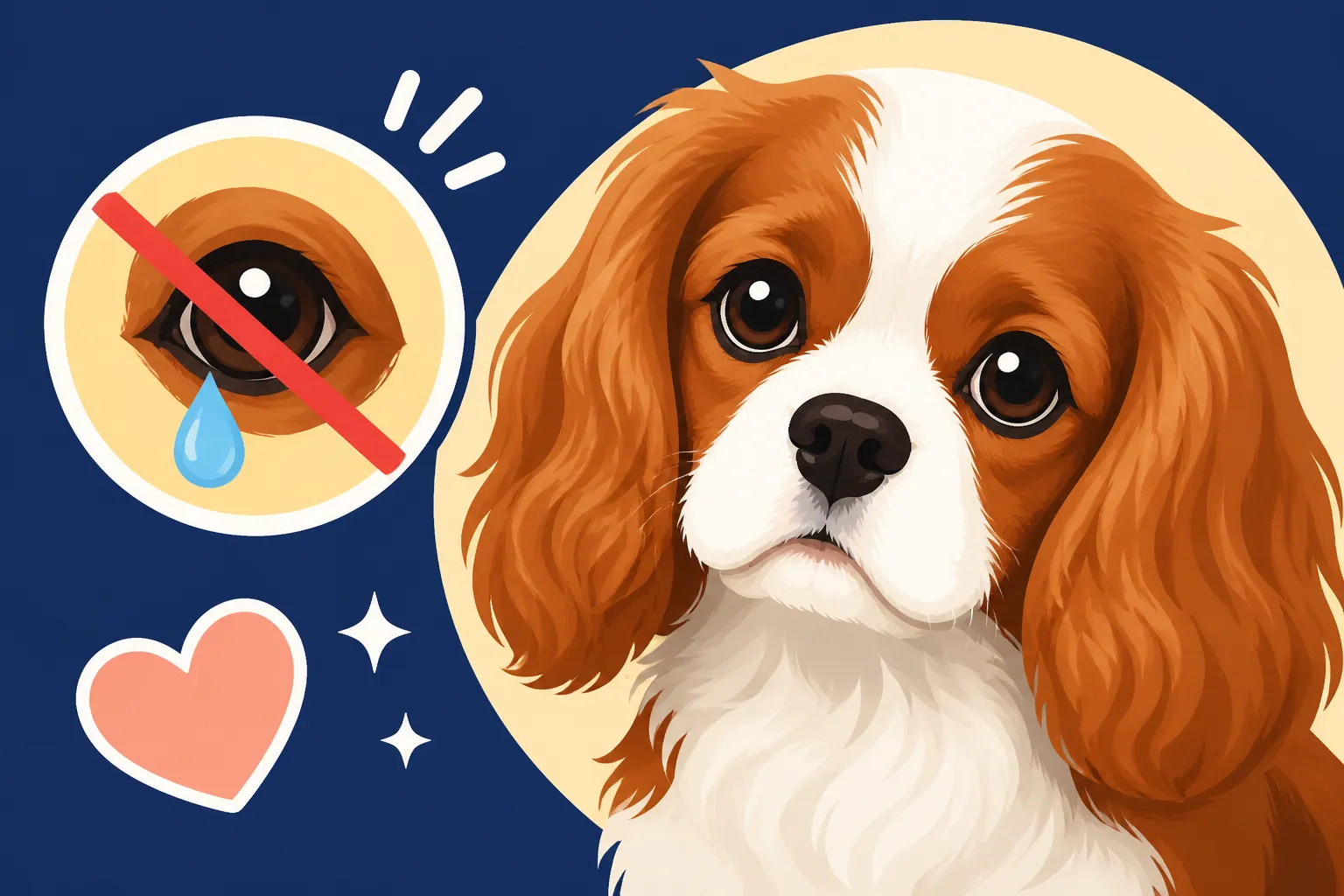
Technically known as congenital keratoconjunctivitis sicca (KCS), this condition means the tear glands either don't develop properly or fail to produce the watery component of tears. Tears aren't just for crying; they are absolutely vital for eye health, providing lubrication, washing away irritants, and delivering oxygen and nutrients to the cornea. Without this crucial tear film, the eye's surface becomes dry, irritated, and highly vulnerable to damage. Imagine how uncomfortable and painful it would be to have perpetually dry, gritty eyes, prone to scratches and infections. That's the reality for a Cavalier born with this condition.
Unlike acquired KCS, which can develop later in life due to autoimmune disease, medication side effects, or other issues, congenital KCS means your puppy's eyes never had proper tear production to begin with. This distinction is critical because it means the underlying cause is genetic, and management will always be about supplementing what the body cannot produce.
The Link to Curly Coat Syndrome (CKCSID)
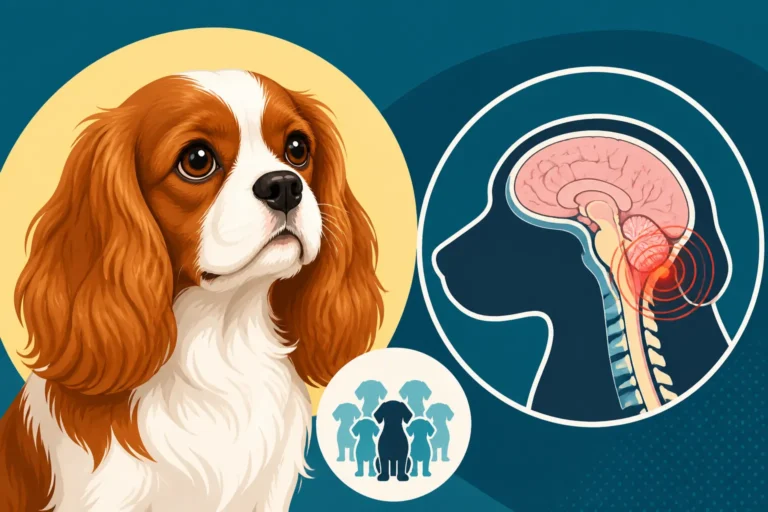
This is where it gets particularly important for Cavalier King Charles Spaniel owners. Congenital dry eye in Cavaliers is often, though not always, part of a more extensive genetic condition called Curly Coat Dry Eye Syndrome, or more accurately, Keratoconjunctivitis Sicca and Ichthyosiform Dermatosis (CKCSID). This syndrome is an inherited disorder, meaning it's passed down through specific genes from the parents. If a Cavalier has CKCSID, it will manifest with two primary issues: severe dry eye from birth and a distinctive, rough, curly coat that is usually greasy or scaly. This isn't just a quirky coat type; it's an unhealthy skin condition that can lead to itching, discomfort, and secondary skin infections.
When a puppy is born with CKCSID, the dry eye component is severe, often with little to no tear production, making it a constant battle to keep their eyes healthy. The combination of chronic dry eyes and problematic skin creates a significant challenge for owners and veterinarians alike. It's a cruel twist of fate for such a sweet-natured breed. For this reason, prospective owners should always inquire about The DNA Tests Every Cavalier Should Have before committing to a puppy.
Why Cavalier Eyes are Uniquely Vulnerable
Cavaliers, with their large, beautiful, and often prominent eyes, are already somewhat predisposed to certain ocular issues. Their charming, soulful gaze is unfortunately also a little more exposed to the elements and potential irritation. The relatively shallow eye sockets mean their eyeballs protrude slightly more than many other breeds, which can lead to increased exposure to dust, wind, and allergens. This makes the absence of natural tears even more impactful.
When a Cavalier's eyes are born without adequate tear production, this natural vulnerability is amplified exponentially. There's no protective tear film to shield the cornea, no constant wash to clear away debris, and no built-in lubrication to prevent friction from blinking. This perfect storm of genetic predisposition and anatomical features means that diligent, proactive care is not just recommended, but absolutely essential for any Cavalier diagnosed with congenital KCS or CKCSID. Understanding this unique vulnerability helps underscore the commitment needed to manage the condition. You can learn more about general eye health in Cavalier Eye Disease From Dry Eye to Cataracts.
Recognizing the Signs and Getting a Diagnosis
Catching congenital dry eye early in a Cavalier puppy can make a significant difference in managing the condition and preventing severe complications. However, the signs can sometimes be subtle, especially in the very young.
Early Red Flags in a Cavalier Puppy
The first signs of congenital dry eye might appear subtly, even within the first few weeks or months of a puppy's life. Owners might initially mistake the symptoms for a simple eye infection or irritation. Look out for:
- Excessive blinking or squinting: The puppy might be trying to stimulate tear production or alleviate discomfort.
- Redness around the eyes: Inflammation of the conjunctiva (the lining of the eyelids and whites of the eyes) is common.
- Thick, tenacious discharge: Unlike the clear or slightly watery discharge of a minor irritation, KCS often causes a sticky, mucous-like discharge that can be yellow, white, or greenish. This discharge can accumulate in the corners of the eyes or spread across the entire eye surface.
- Dull or hazy appearance of the eyes: The cornea, which should be clear and shiny, might look cloudy or dry.
- Rubbing at the eyes: The puppy might paw at its face or rub its head against furniture due to itchiness or pain.
- Evidence of pain: A puppy might be more withdrawn, less playful, or yelp if its eyes are accidentally touched.
If the dry eye is part of CKCSID, you'll also notice the characteristic curly, rough, and sometimes greasy or scaly coat. This is often present from birth or develops very early on, giving a strong clue that you're dealing with the full syndrome. This specific skin and coat issue is why it’s critical to look for a breeder who has done The DNA Test That Ends Cavalier Curly Coat.
The Schirmer Tear Test and Beyond
If you suspect dry eye, your first stop is always the veterinarian. The definitive diagnostic tool for KCS is the Schirmer Tear Test (STT). This simple, non-invasive test involves placing a small strip of specialized filter paper under the lower eyelid for one minute. The amount of moisture absorbed onto the paper indicates the tear production rate.
Here's how it generally works:
- Preparation: The veterinarian will often apply a topical anesthetic to the eye to ensure the puppy's comfort, though sometimes it's performed without if the puppy is calm.
- Placement: The paper strip is gently tucked into the lower eyelid.
- Measurement: After one minute, the strip is removed, and the length of the wetted area is measured in millimeters.
- Normal: Usually above 15 mm/minute.
- Borderline/Mild KCS: 10-14 mm/minute.
- Moderate KCS: 6-9 mm/minute.
- Severe KCS: Less than 5 mm/minute.
- Congenital KCS/CKCSID: Often 0-2 mm/minute, indicating almost no tear production.
For a Cavalier puppy suspected of being born without tears, an STT reading of virtually zero is a strong indicator of congenital KCS. Beyond the STT, your vet might perform other tests, such as a fluorescein stain test, to check for corneal ulcers, which are a common and serious complication of dry eye. They'll also thoroughly examine the eyes for any other abnormalities.
The Importance of Genetic Testing
Because congenital dry eye, especially when severe, is so often tied to Curly Coat Dry Eye Syndrome (CKCSID) in Cavaliers, genetic testing is paramount. If your vet suspects this syndrome, they will highly recommend a DNA test. This test typically involves a simple cheek swab that can be sent to a specialized laboratory.
The results of a DNA test will clearly indicate if your Cavalier carries two copies of the defective gene (affected), one copy (carrier), or no copies (clear). For a puppy exhibiting severe congenital dry eye and the characteristic curly coat, the test is likely to confirm that they are "affected." This genetic confirmation is invaluable because it:
- Confirms the diagnosis: It removes any doubt about the underlying cause of the dry eye.
- Informs prognosis: Knowing it's a genetic, congenital condition helps set realistic expectations for lifelong management.
- Informs breeding decisions (if applicable): While an affected dog should never be bred, knowing the status of their parents or siblings can help breeders make responsible choices to avoid producing more affected puppies. This is vital for responsible The Cavalier MVD Breeding Protocol and other breed-specific health initiatives.
Understanding the genetic basis helps you prepare for the specific challenges and long-term commitment required for a Cavalier with this particular form of dry eye. For more on this specific condition, read Dry Eye and Curly Coat Syndrome in Cavaliers.
Lifelong Management Strategies for Tearless Cavaliers
Living with a Cavalier born without tears is a journey of constant, diligent care. It's a commitment that requires patience, consistency, and a deep understanding of the condition's challenges. The goal isn't a cure, but rather to manage symptoms, prevent pain, and maintain the best possible quality of life for your furry friend.
Essential Eye Lubrication and Medications
Since your Cavalier's eyes cannot produce their own tears, you effectively become their tear glands. This means a rigorous schedule of artificial tear application and often, prescription medications.
1. Artificial Tear Solutions: These are your first line of defense and will likely be used multiple times a day, every day, for the rest of your dog's life.
* Drops vs. Gels/Ointments: Drops provide immediate, short-term relief, while gels and ointments typically last longer, offering more sustained lubrication. Your vet will help you determine the best combination. Many owners find a routine of drops during the day and a thicker gel or ointment overnight works well. Brands like GenTeal, Optixcare, or Refresh are commonly recommended by vets.
* Frequency is Key: For severe congenital KCS, applying artificial tears every 2-4 hours might be necessary during waking hours. This can be a huge commitment, but it's vital to prevent the eyes from drying out, which can lead to painful corneal ulcers.
* Technique Matters: Gently pull down the lower eyelid, apply the drop/ointment, and then allow your dog to blink naturally to distribute it. Always wash your hands before and after.
2. Prescription Medications: For many Cavaliers with KCS, artificial tears alone aren't enough. Your vet will likely prescribe medications that either stimulate tear production (if any glands are salvageable) or reduce inflammation.
* Cyclosporine or Tacrolimus: These are immunosuppressant medications, typically in eye drop or ointment form (e.g., Optimmune, Tacrolimus ophthalmic solution). While they primarily work by modulating the immune system, a beneficial side effect is often increased natural tear production in cases of immune-mediated KCS. In congenital KCS, where tear glands are severely underdeveloped, they might not stimulate significant tear production, but they can still reduce inflammation on the eye's surface, improving comfort. These are often used twice daily.
* Topical Anti-Inflammatories: Steroid eye drops might be prescribed for short periods to reduce severe inflammation, but they must be used cautiously and never if a corneal ulcer is present, as they can hinder healing. Your vet will always check for ulcers with a fluorescein stain before prescribing steroids.
It’s an ongoing process to find the right cocktail of Prescription Eye Drops for a Cavalier Every Day that works best for your individual dog, and it will require regular check-ups with your vet or a veterinary ophthalmologist.
Preventing Secondary Infections and Complications
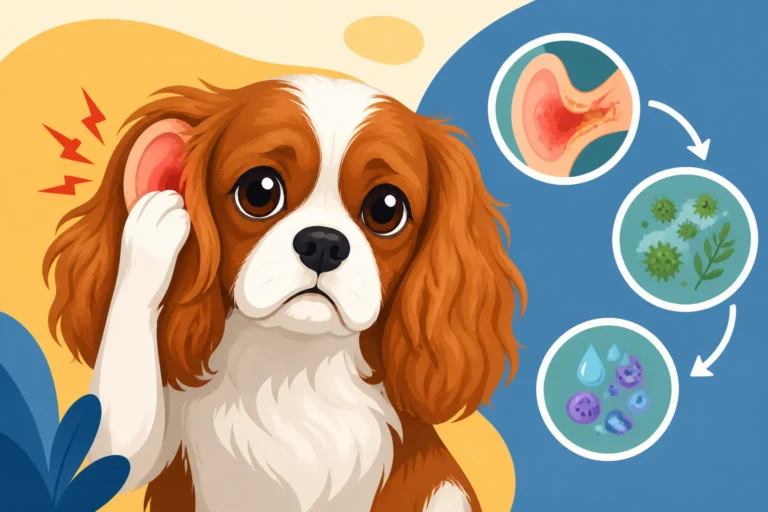
The dry, compromised surface of a KCS-affected eye is a breeding ground for bacteria and highly susceptible to injury. Preventing secondary infections and serious complications is just as important as lubrication.
1. Regular Cleaning: The thick, sticky discharge associated with KCS needs to be gently cleaned away multiple times a day. If left to accumulate, it can irritate the eye further and trap bacteria. Use a soft, damp cloth or sterile eye wipes to carefully wipe around the eyes.
* Avoid Cotton Balls: Cotton fibers can shed and further irritate the eye.
* Gentle Technique: Never rub vigorously. Soak the crusts to soften them before attempting to remove them.
2. Watch for Corneal Ulcers: This is one of the most serious and common complications of dry eye. A corneal ulcer is an open sore on the surface of the eye, extremely painful, and can lead to vision loss or even eye rupture if not treated aggressively.
* Signs of an Ulcer: Sudden increase in squinting, pain, redness, thicker discharge, a noticeable change in eye color (white, blue, or hazy), or a visible indentation on the cornea.
* Immediate Vet Care: If you suspect an ulcer, see your vet immediately. Treatment usually involves antibiotic eye drops (to prevent infection), atropine (to relieve pain), and sometimes protective serum drops made from your dog's own blood. Corneal Ulcers on Prominent Cavalier Eyes are particularly dangerous.
3. Pain Management: Chronic dry eye can be inherently painful. If your Cavalier shows signs of discomfort despite lubrication, discuss pain management options with your vet. This might include oral anti-inflammatory medications or even specific nerve pain medications like gabapentin if neuropathic pain is suspected. Comfort is key to quality of life.
Creating a Comfortable Environment
Beyond direct eye care, optimizing your Cavalier's living environment can significantly contribute to their comfort and overall eye health.
1. Humidity Control: Dry air, especially indoors with heating or air conditioning, can exacerbate dry eye. Using a humidifier in the rooms where your Cavalier spends the most time can add moisture to the air and reduce evaporation from their eyes.
* Consider a Whole-House Humidifier: If feasible, this can provide consistent relief.
* Portable Humidifiers: Place one near their bed or favorite resting spot.
2. Avoiding Irritants:
* Wind and Dust: Protect your Cavalier’s eyes from direct wind, dust, and sand, especially during walks or car rides. "Doggles" (dog goggles) can be a fantastic investment for outdoor activities.
* Smoke and Allergens: Keep your home free of smoke (tobacco, fireplace), strong air fresheners, or cleaning product fumes. Identify and minimize exposure to potential environmental allergens if your dog seems sensitive.
* Grooming Products: Be careful with shampoos and conditioners, ensuring they don't get into the eyes during baths. Use tearless shampoos designed for dogs.
3. Regular Grooming and Face Wiping: The long, beautiful feathering of a Cavalier can sometimes trap debris or rub against the eyes. Keeping the hair around the eyes trimmed (carefully!) by a professional groomer or your vet can help. Regular, gentle face wiping not only removes discharge but also ensures cleanliness around the delicate eye area. This is part of comprehensive Cavalier Eye and Face Cleaning.
Financial Considerations and Support
Let’s be honest: lifelong management of a condition like congenital KCS is not inexpensive. The constant need for prescription eye drops, artificial tears, regular vet check-ups, and potential specialist visits (ophthalmologist) can add up significantly over your Cavalier's lifespan.
1. Cost Breakdown:
* Medications: Cyclosporine/tacrolimus drops can range from $40-$80 per month, sometimes more depending on formulation and dosage. Artificial tears might add another $10-$30 monthly.
* Vet Visits: Regular check-ups (every 3-6 months, or more if complications arise) for monitoring, Schirmer tear tests, and ulcer checks. Each visit can cost $50-$150.
* Specialist Consults: A veterinary ophthalmologist offers specialized expertise, but consultations can run $150-$300, plus the cost of any procedures or advanced diagnostics.
* Emergency Care: Ulcers or severe infections can lead to emergency vet visits, which are always more expensive.
* Genetic Testing: Initial DNA testing costs vary but are typically a one-time fee of $60-$150.
Here's a quick overview of potential costs:
| Expense Category | Estimated Monthly Cost (USD) | Estimated Yearly Cost (USD) | Notes |
|---|---|---|---|
| Prescription Eye Meds | $40 – $80 | $480 – $960 | Cyclosporine/Tacrolimus |
| Artificial Tears/Lubricants | $10 – $30 | $120 – $360 | Drops, gels, ointments, depending on frequency |
| Routine Vet Check-ups | $15 – $50 (averaged) | $180 – $600 | Assumes 3-6 visits/year, not including specialist fees |
| Cleaning Supplies/Wipes | $5 – $15 | $60 – $180 | Gentle eye wipes, saline solutions |
| Total Estimated Routine Care | $70 – $175 | $840 – $2100 | This does not include emergency care, specialist visits, or other health issues |
2. Pet Insurance: This is where a good pet insurance plan can be a lifesaver. If you enroll your Cavalier before any signs of dry eye appear, and ideally as a puppy, the condition might be covered. However, if the dry eye is diagnosed and documented by a vet before enrollment or during a waiting period, it will almost certainly be considered a "pre-existing condition" and excluded from coverage. This is why it's so important to consider Insuring a Cavalier Before the Murmur Arrives or any other health concern. Brands like Healthy Paws are known for their comprehensive coverage, but always read the policy details carefully regarding congenital and hereditary conditions, and especially pre-existing clauses. If your dog already has a diagnosis, you'll need to pay out-of-pocket for this specific condition.
3. Long-term Commitment: Owning a Cavalier with congenital KCS is a significant responsibility that requires a long-term commitment of time, effort, and financial resources. It's a journey, but with consistent care and love, these resilient little dogs can still lead happy, comfortable lives. Don't underestimate What a Cavalier Costs a Year Before Any Heart Bills, especially when factoring in chronic conditions.
Caring for a Cavalier born without tears is challenging, but it’s also incredibly rewarding. Their sweet nature and unwavering affection make every effort worthwhile. By understanding the condition, staying vigilant for complications, and working closely with your veterinary team, you can provide your Cavalier with the best possible life.
Disclaimer
The information provided in this article is for general informational purposes only and is not a substitute for professional veterinary advice. Always consult with a qualified veterinarian or veterinary ophthalmologist for any health concerns or before making any decisions related to your pet's care.