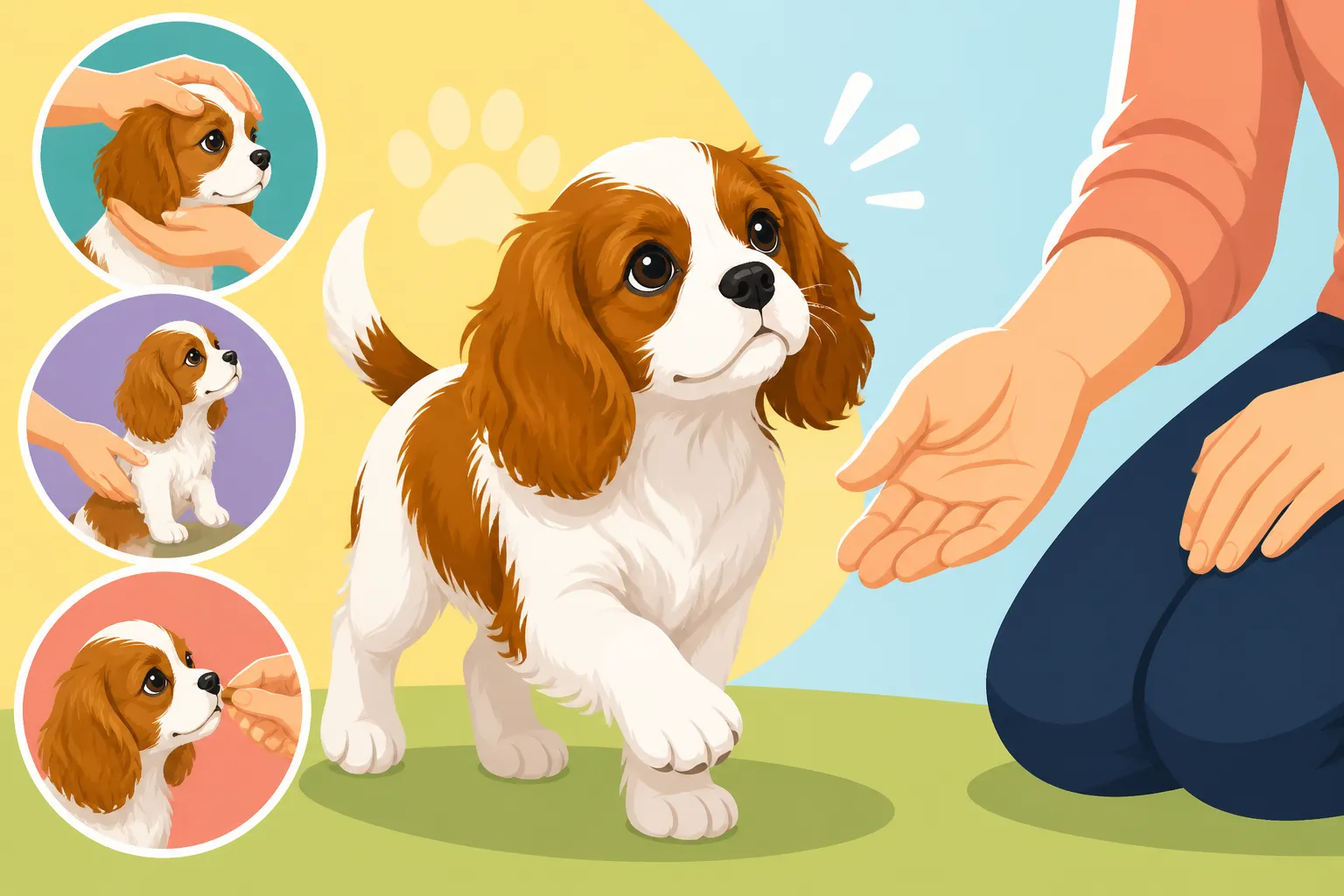
Handling Exercises for a Cavalier Puppy
Bringing home a Cavalier puppy is an absolute joy, but it also comes with the responsibility of teaching them to be comfortable with all sorts of handling – from nail trims to vet visits. Many new puppy parents find themselves struggling with a wiggly, sometimes nippy, little bundle of fluff who just doesn't want their paws touched or their ears examined. This guide will walk you through gentle, positive ways to introduce handling exercises, turning potentially stressful experiences into bonding moments for you and your beloved Cavalier.
Why Early Handling Exercises Are Essential for Your Cavalier Puppy
It might seem like a small thing to gently touch your puppy's paws or peek in their ears, but these seemingly minor interactions lay a crucial foundation for their entire life. Cavaliers are known for being sweet-natured, but they are still dogs, and like all dogs, they need to learn to tolerate, and ideally enjoy, being handled. Without this early exposure, routine care can become a battle, causing stress for both you and your furry friend.
Building Trust and Positive Associations
Imagine a world where every time someone approaches you, they poke and prod you in sensitive areas without warning or reward. You’d likely become wary, wouldn't you? It's similar for puppies. Early handling, done correctly, teaches your Cavalier that human touch, even in vulnerable spots, is not something to fear but rather a source of good things. Each positive interaction builds a layer of trust. When your puppy learns that a gentle ear massage is followed by a delicious treat, or that having their paw held means cuddles and praise, they begin to associate handling with comfort and pleasure, not discomfort or invasion. This trust is invaluable, deepening your bond and making them feel safe in your care.
Preparing for Lifelong Health and Grooming
Cavaliers, with their beautiful long coats, floppy ears, and breed-specific health considerations, require a fair amount of hands-on care throughout their lives. Regular grooming is non-negotiable; those silky ears and abundant feathering need frequent brushing to prevent painful mats. Nail trims are a constant necessity, and imagine trying to do that with a puppy who fights every snip! Beyond the daily care, there will be countless vet visits, where the vet will need to examine their teeth, palpate their abdomen, listen to their heart – and Cavaliers, sadly, are prone to heart conditions like Mitral Valve Disease in the Cavalier King Charles Spaniel. If your Cavalier isn't accustomed to being touched all over, these routine, life-saving procedures can become incredibly stressful, requiring muzzles or even sedation, which nobody wants for their little companion. Preparing them early means less anxiety for everyone when these moments inevitably arrive.
Preventing Defensive Behaviors
When a puppy isn't desensitized to handling, their natural instinct can be to protect themselves. This might start as pulling away or wriggling, but if ignored or met with force, it can escalate to growling, snapping, or even biting. These are fear-based responses, not aggression, but they are still behaviors that can be dangerous and make necessary care impossible. By gently and consistently introducing handling from a young age, you can prevent these defensive behaviors from ever developing. You're teaching them a "language" of cooperation, where they learn that showing patience during a handling session leads to positive outcomes. This proactive approach ensures your Cavalier grows into a confident, cooperative adult who views handling as a normal, non-threatening part of their routine.
Gentle Approaches to Introduce Handling
The key to successful handling exercises is patience, positive reinforcement, and never forcing your puppy into a situation that makes them truly uncomfortable. Remember, you're building a foundation of trust, not winning a wrestling match. Always keep sessions short, positive, and end on a good note.
The Touch and Treat Method
This is the cornerstone of positive handling. The principle is simple: touch a body part, then immediately give a high-value treat. Start with areas your puppy is already comfortable with, like their back or chest, and gradually move to more sensitive areas.
Here’s how to put it into practice:
- Start Simple: Gently stroke your puppy's shoulder. As your fingers leave their fur, immediately pop a tiny, delicious treat into their mouth. Repeat this several times. Keep the session very short – perhaps 30-60 seconds.
- Gradual Progression: Once they're happy with shoulder touches, move to their side, then their chest. Eventually, you'll work your way to their paws, ears, tail, and mouth. For paws, simply touch a paw, treat. Hold a paw for a second, treat. Extend a toe, treat.
- Varying Pressure and Duration: Once they tolerate a light touch, try a slightly firmer, but still gentle, touch. Increase the duration of the touch before the treat. For example, instead of just touching and treating, you might hold their paw for two seconds, then three, then four, always followed by the treat.
- Listen to Your Puppy: If your Cavalier pulls away, freezes, or shows any signs of discomfort (lip-licking, yawning, turning head away), you’ve gone too far, too fast. Go back to an easier step where they were comfortable and work from there. Never scold them for being uncomfortable; it will only make them more wary.
Programs like BAXTER & Bella's online puppy school often integrate these "touch and treat" methods into their curriculum, providing detailed video instructions to guide you through each step.
Incorporating Handling into Playtime
Make handling a natural extension of fun. During a play session, when your puppy is relaxed and happy, you can sneak in a little handling. If you're playing tug, pause, give a quick ear rub, and then resume tug. If you're throwing a toy, when they bring it back, gently touch a paw before you throw it again. This helps to normalize touch and associate it with enjoyable activities. You can also turn it into a game. For instance, while gently grooming, you can use a cheerful, upbeat tone, praise them enthusiastically, and intersperse the grooming with little bursts of play, like a quick game of "find the treat" on the floor. This lighthearted approach prevents handling from feeling like a chore or a punishment.
Creating a Calm, Safe Environment
The setting matters hugely. Avoid noisy, chaotic environments when practicing handling. A quiet room, perhaps with some soft music playing, is ideal. Make sure your puppy isn't tired, hungry, or needing to relieve themselves, as these factors can make them less cooperative. Choose a time when they are naturally relaxed, perhaps after a short walk or a quiet cuddle. A non-slip mat or a soft blanket can also make them feel more secure, especially on slippery surfaces like hardwood floors or a grooming table. Always approach them calmly and gently, avoiding sudden movements or loud noises that might startle them. Remember, your calm demeanor will help your puppy feel calm too.
Specific Handling Exercises for Key Areas
Now let's break down some of the most important areas to focus on for your Cavalier, understanding why each is vital and how to approach it.
Paws and Nails
Cavaliers often despise nail trims, and it's no wonder – the quick can be sensitive, and past bad experiences can make them dread the clippers. However, neglecting nail care can lead to painful, overgrown nails that affect their gait and can even cause lameness.
- Getting Started: Begin by simply touching their paw while giving a treat. Gradually increase the duration of the touch. Then, gently massage each toe, one at a time, followed by a treat. Practice holding their paw as if you were going to clip a nail, even if you don't.
- Introducing the Tools: Let them sniff the clippers (or grinder) without using them, then give a treat. Gently touch the clippers to each nail, without clipping, followed by a treat. This desensitizes them to the object itself.
- The Actual Trim: When you do start clipping, only clip one nail per session initially, then lots of praise and treats. Work your way up to two, then three, and so on. If they're tolerating it well, you might even "pretend" to clip a nail, by just squeezing the clippers without cutting, to build positive associations. Remember, even if you plan to have a groomer do the actual clipping, your puppy still needs to tolerate having their paws handled. You can find excellent, quiet nail grinders on Amazon if the clipping sound is a concern.
Ears and Mouth
A Cavalier's beautiful, long drop ears are prone to infections because they trap moisture and limit airflow. Regular ear checks are essential, as is dental care, given that Cavaliers are also prone to Cavalier Dental Disease in a Crowded Jaw.
- Ear Exploration: Start with a gentle ear rub, then a treat. Gradually lift the ear flap, gently peek inside, then treat. Use your fingers to lightly massage the base of the ear, where dirt and wax often accumulate. Make these checks quick and associate them with a positive reward. You might use a small amount of an ear cleaning solution, just applying it to the outer ear and massaging, then rewarding, gradually working up to applying it deeper when necessary. Getting a Cavalier Used to Ear Cleaning is a process, but vital.
- Mouth and Teeth: Begin by lifting their lip briefly, then treat. Slowly increase the time you hold their lip up, allowing you to examine their gums and teeth. Introduce a finger wrapped in gauze or a tiny bit of dog toothpaste on your finger, gently rubbing a single tooth, then treat. Build up to using a small, soft toothbrush. The goal is to make them comfortable with having your fingers and objects in their mouth, which is essential for future dental cleanings and medication administration. For more information, check out Brushing a Cavalier's Teeth Without a Struggle.
Full Body and Tail
Comprehensive body handling is crucial for thorough grooming, health checks, and general comfort with human touch. Your vet will need to check lymph nodes, feel for lumps, and check for any signs of pain or injury, which is especially important for conditions like Syringomyelia and Chiari Malformation in Cavaliers.
- General Petting: Practice petting your Cavalier all over their body, not just their favorite spots. Run your hands down their legs, along their back, over their stomach, and around their tail. Each time you touch a less-frequented spot, offer a small treat.
- Gentle Restraint: Occasionally, practice holding your Cavalier gently but firmly for a few seconds, as a vet might during an examination. Support their body, keeping them close to you, and calmly talk to them while giving soft strokes and treats. This isn't about overpowering them, but about teaching them to relax into a gentle hold.
- Tail Wags and Wiggles: Gently lift and move their tail. Check the underside of their tail and around their rear for cleanliness. This helps them tolerate necessary cleaning, especially important for long-haired breeds. Always be gentle, as the tail can be a sensitive area.
An Example Handling Routine
Here’s a simple table outlining a progressive handling routine you could try:
| Day/Session | Focus Area | Action | Reward | Duration |
|---|---|---|---|---|
| Day 1 | Head & Neck | Gentle strokes, behind ears, under chin. | High-value treat after each area. | 30-60 secs |
| Day 2 | Shoulders & Back | Petting along the spine, light pressure. | Treat after each stroke. | 30-60 secs |
| Day 3 | Paws | Touch one paw, then release. | Immediate treat. | 30-60 secs |
| Day 4 | Ears | Lift one ear flap, peek inside, release. | Immediate treat. | 30-60 secs |
| Day 5 | Mouth | Briefly lift lip on one side. | Immediate treat. | 30-60 secs |
| Day 6 | Combine | Repeat 2-3 short touches from previous days, varying focus. | Treat after each successful touch. | 1-2 mins |
| Day 7+ | Progression | Increase duration of touch, introduce tools, work on different sides. | Consistent high-value treats and praise. | 1-2 mins per area |
Remember, this is a general guide. Adjust the pace to your individual Cavalier puppy's comfort level. If they are stressed, take a step back.
Common Challenges and How to Overcome Them
Even with the best intentions, you might encounter some bumps in the road. It's totally normal for puppies to test boundaries, and Cavaliers, despite their gentle nature, are still learning.
Dealing with Nipping and Squirming
Puppy nipping is a common phase, and when it happens during handling, it's often a sign of discomfort, overstimulation, or just plain puppy playfulness. If your Cavalier puppy nips when you touch a sensitive area, immediately stop the interaction and withdraw your hand, but without jerking it away quickly or making a fuss. This teaches them that nipping makes the fun (or the attention) stop. Then, after a brief pause, try again with an easier touch and a higher value treat. If the nipping is persistent or becomes harder, immediately stand up and walk away for 10-20 seconds. This "time out" teaches them that rough play or nipping ends interaction completely. For squirming, ensure you're in a calm environment and that your sessions are short and positive. If they squirm, gently but firmly hold them for a second longer, and only release when they are calm, then reward them. This teaches them that stillness brings reward.
When to Seek Professional Help
There are times when you might need an extra hand, and that's perfectly okay. If your Cavalier puppy consistently shows severe fear, aggression (growling, snapping with intent to connect), or extreme panic during handling, it's time to consult a professional. A certified professional dog trainer or a veterinary behaviorist can assess the situation, identify underlying causes for their behavior, and create a tailored plan. They can also demonstrate techniques in person, which can be invaluable. Sometimes, medical issues like pain (perhaps a hidden injury or even early signs of something like A Cavalier That Yelps When Picked Up related to their neck) can make a puppy averse to handling. Always rule out medical causes with your veterinarian first. Remember, getting help early is crucial for long-term success.
Consistency is Key
This isn't a one-and-done kind of training. Handling exercises need to be a consistent, lifelong practice. Just like a child learns manners over time, your Cavalier needs regular reinforcement to maintain their comfort with handling. Short, daily sessions are far more effective than infrequent, long ones. Even when your Cavalier is an adult and perfectly accustomed to handling, continue with occasional "check-ups" – a quick paw hold during cuddles, a peek in the ears while watching TV, or a mini-brushing session. This reinforces the positive associations and keeps them cooperative for those inevitable vet visits and grooming appointments down the line. Investing this time early will pay dividends in a calmer, happier, and healthier life for your cherished Cavalier.
Disclaimer
This article is for general informational purposes only and does not constitute professional advice. Laws, prices and regulations vary by location and change over time. Consult a qualified professional for guidance on your specific situation.