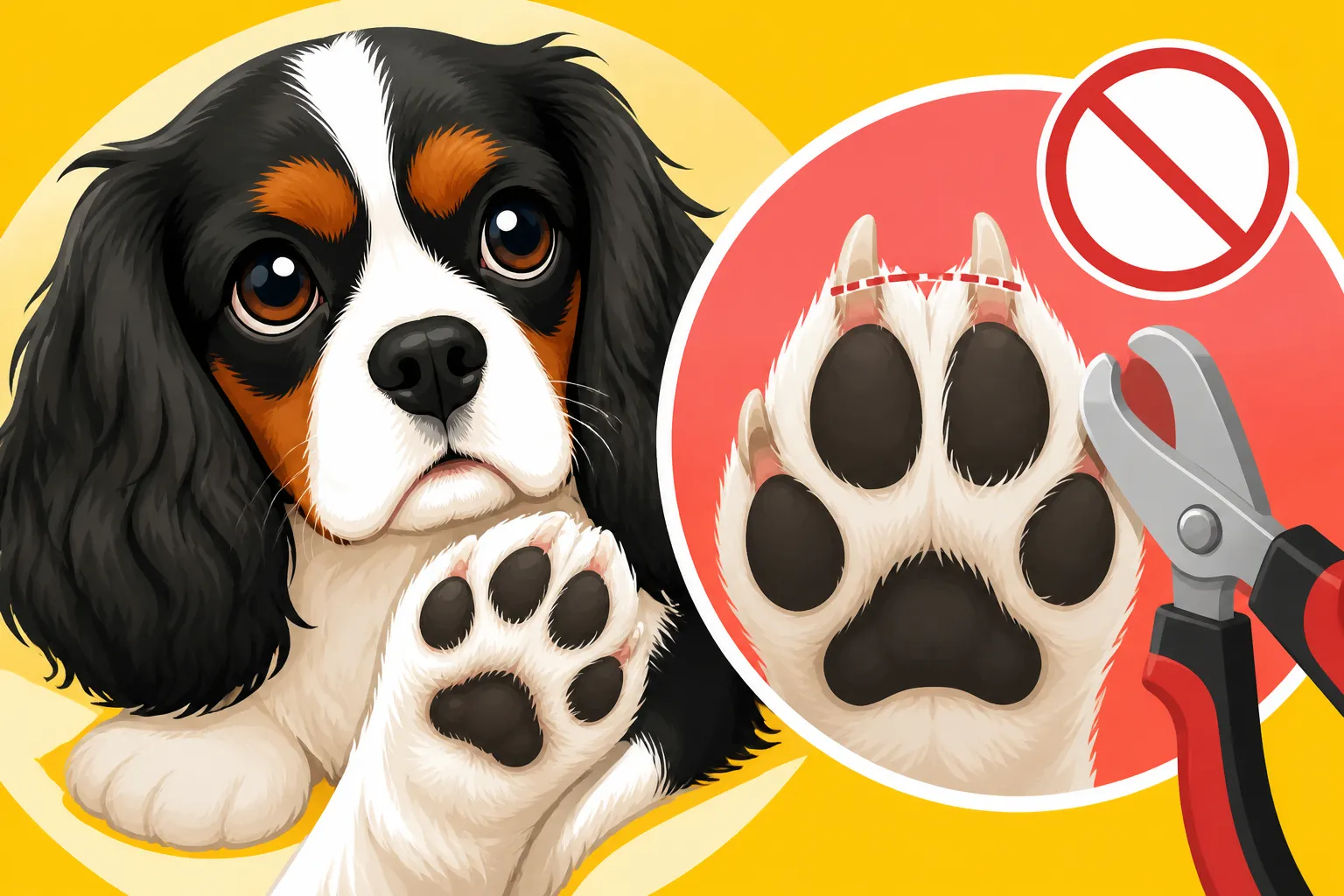
The Cavalier Feet the Standard Says Not to Trim
Every Cavalier owner knows the sudden shock when a trip to the groomer leaves their dog with neatly shaved, poodle-like paws. The official breed standard explicitly states that a Cavalier King Charles Spaniel’s feet should remain natural and untrimmed. This guide breaks down the historical standard, real-world paw safety, and step-by-step care techniques for healthy, feathered feet.
Understanding the Breed Standard for Cavalier Paws
When you read through the official kennel club standards for the Cavalier King Charles Spaniel, you will quickly notice a strong emphasis on natural presentation. Unlike many other toy breeds that require extensive scissoring, shaping, or clipping to achieve a stylized silhouette, the Cavalier is meant to look tidy yet essentially unedited. The feet, in particular, are singled out in the breed standard with explicit instructions: they must be compact, cushioned, and well-feathered, with trimming strictly discouraged or penalized in the conformation show ring.
This natural foot design creates the classic “slipper foot” or heavily feathered paw that long-time enthusiasts love. The soft, silky hair flows over the toes and spills down the sides of the paw, softening the dog’s stance and giving them an adorable, gentle appearance. However, this aesthetic directive often leaves everyday pet owners confused. When you take your dog to a commercial salon, many groomers default to scissoring the paws into round, neat domes out of habit, completely unaware of Why a Groomer Should Not Scissor a Cavalier’s Feet.
Understanding the standard helps you advocate for your dog when speaking with pet professionals. Judges evaluate the total package of the spaniel, where excessive trimming is viewed as an artificial modification that alters the natural silhouette. While a pet living comfortably on a couch does not need to worry about show ring ribbons, preserving this characteristic feature keeps the true spaniel expression intact while honoring the breed’s rich heritage.
What the Official Standard Dictates About Natural Feet
The American Kennel Club standard, alongside standard guidelines across international kennel organizations, describes the ideal Cavalier foot as compact, well-padded, and naturally cushioned. The hair on the top of the foot and around the toes is expected to grow long and full, forming delicate “feathers” or “fringe” that shield the paw. Scissoring the top of the foot, rounding off the toe hair, or shaving the slippers into neat circles is officially considered a fault during evaluation.
In a show setting, a dog presented with neatly trimmed feet loses points because the trimming disrupts the soft, melt-in-your-lap look that defines the breed. The standard presumes that a healthy spaniel coat should grow naturally, with only minimal hygienic tidying where strictly necessary. For owners who wish to show their dogs, keeping a pair of scissors completely away from the top and sides of the paw is an absolute rule that cannot be compromised.
For companion owners, knowing this standard helps explain why your breeder might cringe when seeing a Cavalier with shaved feet. The natural feathering is a badge of honor in the breed community. While practical life sometimes demands slight modifications for cleanliness, knowing the benchmark allows you to make informed decisions about how much coat to keep on your dog’s toes.
Historical Reasons Behind the Natural Feathered Foot
To understand why the standard insists on untrimmed feet, it helps to look back at the history of the sporting spaniels from which the Cavalier descends. Long before these little dogs were curling up on velvet cushions in royal palaces, their ancestors were working spaniels tasked with flushing game through dense brush, damp marshes, and rough field terrain.
The thick hair growing over the toes and between the pads served a vital functional purpose in the field. It acted as a natural protective barrier against sharp brambles, thorns, jagged stones, and harsh weather. The feathering kept cold mud from packing directly against the sensitive skin between the toes and offered insulation against freezing ground temperatures during autumn and winter hunts.
When breeders in the 1920s set out to revive the historic “old-type” toy spaniel—recreating the long-nosed, naturally coated dogs seen in 17th-century paintings—they deliberately chose to preserve these functional, natural characteristics. The untrimmed foot was a direct nod to the sporting heritage beneath the lapdog exterior. Retaining the natural foot meant preserving the authentic, unpretentious beauty of a true working spaniel scaled down to toy size.
Show Ring Disqualifications vs Real World Practicality
While conformation judges place high value on a untouched coat, everyday home life presents challenges that judges never have to deal with in a ten-minute ring evaluation. In the real world, long toe feathering acts like a powerful dust mop, sweeping up mud, dry leaves, wet sand, and backyard burrs every time your dog steps outside.
This contrast between show requirements and daily life creates an ongoing debate among owners over Whether to Trim a Cavalier’s Foot Feathering. A full show slipper can gather an incredible amount of wet dirt on a rainy morning walk, transforming your clean living room rug into a canvas of muddy paw prints within seconds. Furthermore, untrimmed hair on the underside of the paw can cause serious traction issues inside modern homes.
The key to balancing real-world practicality with standard preservation is learning where to compromise. Most veteran owners and pet groomers agree that while the top feathering can be preserved for that gorgeous spaniel look, the bottom of the foot requires sensible, routine maintenance. Keeping the pads clear while leaving the top fringe long allows you to honor the breed standard without sacrificing your dog’s safety or your home’s cleanliness.
The Practical Reality of Unclipped Feet in Daily Life
Living with a fully feathered Cavalier means accepting that their paws are miniature debris collectors. That gorgeous, flowing hair on the feet that looks so stunning in photographs operates like velcro in a backyard or on a hiking trail. Every walk outside becomes an opportunity for tiny twigs, pine needles, dried grass, and wet soil to hitch a ride directly into your home.
Beyond the obvious cleanup headaches, unclipped foot hair introduces physical challenges for the dog. Unlike outdoor spaniels walking on soft earth, damp grass, or rugged trail soil, urban and suburban pet Cavaliers spend most of their lives walking on slick hardwood, smooth tile, laminate, and polished stone flooring.
Ignoring paw hair growth can lead to gait modifications, slipped joints, and chronic hygiene issues. Recognizing these daily friction points allows you to develop a routine that protects both your dog’s long-term physical mobility and your sanity when cleaning up after daily walks.
The Mud, Dirt, and Debris Magnet
The long, silky hair spilling off a Cavalier’s toes picks up everything in its path. On damp morning walks, the slippers absorb ground moisture like sponges, leaving your dog with heavy, soaking wet paws long after you have returned indoors. In the autumn, dry leaves crumble and tangle into the feathering, creating stubborn little knots that require careful finger-detangling.
If you live in an area with red clay, sticky mud, or loose sand, the problem multiplies. Mud coats the long toe hair and dries into hard, crusty clumps that pull painfully on the skin when the dog walks. If left unmanaged, the dog will inevitably sit down and chew at their own paws to dislodge the trapped dirt, often swallowing hair, grit, and outdoor microbes in the process.
To manage this, many owners establish a dedicated door-side cleanup station. Keeping a shallow dish of warm water, a soft cloth, or absorbent microfiber dog towels purchased on Amazon right near the entrance makes it easy to dip and wipe saturated slippers before your dog gets the chance to run through the house.
Slipping on Hardwood Floors and Traction Issues
The single biggest hazard of untrimmed foot hair is the loss of traction on smooth indoor flooring. When the hair growing out from between the toe pads extends past the level of the rubbery pads themselves, the dog effectively walks on a cushion of slick hair rather than gripping the floor with their paw pads.
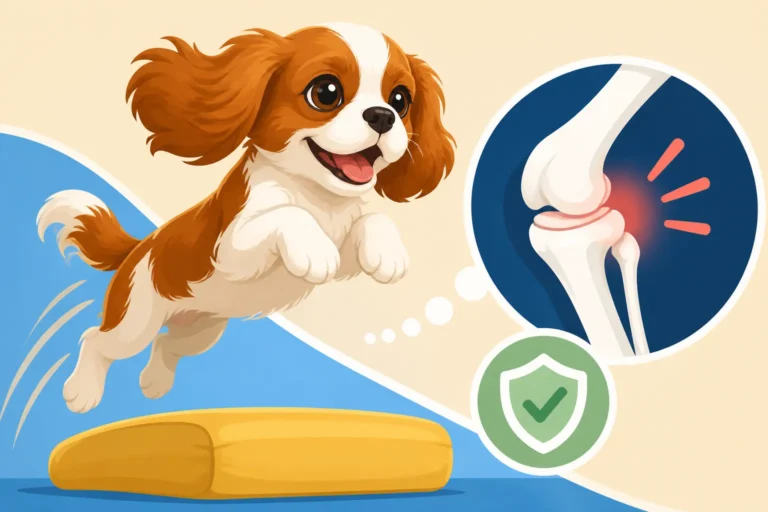
Imagine walking across a freshly waxed hardwood floor in smooth silk socks—that is precisely what an un-trimmed Cavalier experiences every day. As they try to walk, run, or jump up onto a couch, their feet slide out from under them. This constant slipping puts unnatural stress on their hips, lower back, and knees, which can be particularly damaging for a dog already predisposed to joint conditions such as Loose Kneecaps in a Thirteen-Pound Cavalier.
Over time, dogs experiencing poor traction change the way they stand and walk. They spread their legs wider to compensate for the slick surface, causing unnatural wear on their joints and tense back muscles. Trimming the underside hair flush with the rubber pads gives your dog back their natural rubber-grip breaks, preventing dangerous falls and long-term joint strain.
Matting Between Toes and Pads
The skin between a dog’s toes and pads is delicate, thin, and prone to trapping heat and humidity. When long foot hair becomes tangled with fine dust, moisture, or dried skin flakes, hard mats can quickly form deep inside the webbing of the toes or between the central paw pads.
These hidden mats act like tight, hard pebbles lodged inside the dog’s slipper. Every time the dog steps down, the mat presses tightly against the sensitive skin, causing constant discomfort or sharp pain. Because the mat is hidden beneath top feathering, owners often fail to notice it until the dog begins limping, holding the paw up, or obsessively chewing at the foot.
Trapped moisture inside a matted paw also creates the perfect environment for yeast and bacterial skin infections. If you notice a sweet, corn-chip odor coming from your dog’s paws, along with red, inflamed skin between the toes, trapped moisture and deep matting are the most likely culprits.
Essential Paw Maintenance Without Violating Breed Aesthetics
Keeping your Cavalier’s feet healthy does not mean you have to shave them down to the bone or strip away their iconic spaniel charm. A middle-ground approach allows you to maintain the soft, sweeping top feathering that the standard celebrates while keeping the functional underside clean, safe, and slip-free.
This balanced approach requires a clear distinction between top care and bottom care. The top of the foot should be regularly combed, brushed out, and kept free of tangles so the hair can drape naturally over the toes. The underside of the foot, conversely, should be kept short, clean, and flush with the footpads to ensure excellent floor grip and hygiene.
Mastering this distinction allows you to groom your pet confidently at home. With a few proper tools and a gentle hand, you can maintain your dog’s paws easily, saving money on unnecessary professional salon trips while preserving your spaniel’s standard coat profile.
| Grooming Approach | Top Feathering Appearance | Pad Traction Level | Daily Debris Accumulation |
|---|---|---|---|
| Show-Standard Natural | Full, sweeping silk “slippers” | Low (Hair covers pads on tile) | High (Collects mud, leaves, dirt) |
| Modified Pet Maintenance | Preserved full feathering on top | High (Pads trimmed flush) | Moderate (Easier to wipe and dry) |
| Fully Scissored / Clipped Paws | Rounded, short “cat paws” | High (Pads completely exposed) | Low (Minimal hair to trap dirt) |
Clearing Hair From the Bottom of the Pads
Trimming the bottom of the foot is purely a matter of hygiene, health, and physical safety. It does not violate the spirit of the breed standard because it leaves the visible top feathering completely untouched while giving the dog essential rubber-to-floor contact.
To trim the pads safely, gently lift your dog’s paw backward, bending it naturally at the wrist or hock joint, much like a groomer lifts a horse’s hoof. Use small, round-tipped safety scissors or a quiet, compact cordless detail trimmer. Carefully trim away any hair that protrudes past the level of the rubbery pads, working slowly around the central pad and the individual toe pads.
Understanding how to correctly manage Hair Between a Cavalier’s Pads makes a massive difference in your dog’s daily comfort. You want the pads to feel completely clear to the touch when you run your hand across the bottom of the foot, with no tufts of hair standing out beyond the leather surface of the pads.
Keeping Top Feathering Clean and Tangle Free
Maintaining long, flowing top feathering requires regular line-combing to prevent knots from taking root near the skin. Because foot hair is fine and silky, it can quickly twist into tight webs if exposed to water and left to air-dry without brushing.
Start by lifting the top feathering upward and working from the base of the skin outward toward the tips of the hair using a fine-toothed metal comb. If you encounter a knot, do not yank or pull harshly, as the skin on a Cavalier’s toes is extremely thin and sensitive. Instead, hold the base of the hair clump with your thumb and forefinger near the skin to absorb the pull, then gently pick apart the tangle using the end tooth of your comb or a spray of detangling conditioner.
For best results, comb the toe feathering two to three times a week. Incorporating this brief routine into your evening relaxation time—while your dog is resting calmly in your lap—makes paw maintenance a low-stress, bonding experience rather than a struggle.
Managing Toe Nails and Dewclaws Safely
Long toe feathering can easily hide overgrown nails, making nail maintenance one of the most frequently overlooked aspects of Cavalier paw care. When toenails grow too long, they force the foot to splay outward, altering how the dog’s weight is distributed across the footpads and putting unnatural stress on toe joints.
Because dense feathering obscures the view of the nail, you must carefully push the surrounding hair backward away from the toe before trimming. Work on one toe at a time, holding the hair back firmly so it does not get caught in your nail clippers or rotary grinder. Pay special attention to the dewclaws located on the inner side of the front legs, as these nails do not touch the ground and will curl completely into a circle if left untrimmed.
Learning proper techniques for Trimming a Cavalier’s Nails and Dewclaws prevents accidental cuts to the quick, especially on dogs with dark nails. Keeping the nails short allows the toe feathering to drape neatly over the foot without being pushed upward by long, curved nails hitting the floor.
Seasonal Paw Care for Heavy Feathering
Seasonal weather changes bring unique hazards for dogs with heavy foot feathering. From freezing winter snow and chemical road salts to scorching summer asphalt and sticky grass seeds, every season requires adjustments to your paw care routine to keep your Cavalier safe and comfortable.
Because long toe silk holds onto environmental elements far longer than short coat hair, seasonal maintenance is essential. Being proactive helps prevent emergency veterinary visits for chemical burns, severe skin irritations, embedded plant material, or painful tissue damage.
By understanding what environmental threats emerge throughout the year, you can equip your entryway with the right seasonal supplies and adopt protective habits that safeguard your dog’s paws year-round.
Winter Hazards: Ice Balls and De-Icing Salts
Winter poses severe challenges for feathered spaniels. When a Cavalier walks through soft snow, their warm body heat melts the top layer of snow on contact. As cold air hits the moisture trapped in their long toe hair, the wet fur rapidly freezes into hard, dense ice balls lodged firmly between the toes and pads.
These ice lumps act like hard rocks, forcing the toes apart and stretching the sensitive skin until it cracks. The dog will often stop walking mid-stride, holding up a frozen paw and whimpering in distress. Never try to forcibly pull or yank ice balls out of foot feathering, as this will tear out the hair and rip delicate skin; instead, melt them away using warm water or a damp towel upon returning inside.
Another severe winter threat comes from chemical de-icers and rock salt spread on sidewalks and roadways. These chemicals get trapped inside long toe feathering, causing severe chemical burns on the skin. When the dog licks their burning paws indoors, they ingest toxic chemicals. Applying a protective paw wax before outdoor walks—or outfitting your dog with rubber boots found on Chewy—provides a vital barrier against winter elements.
Summer Dangers: Foxtails, Grass Seeds, and Hot Pavement
Summer introduces a very different set of environmental risks for heavy-feathered paws. During warm months, dry grasslands and unclipped trail borders produce sharp plant awns, commonly known as foxtails or barbed grass seeds.
These tiny seeds are shaped like darts, featuring microscopic barbs that allow them to move in only one direction: forward. When a Cavalier walks through dry brush, these seeds cling to the long toe feathering and rapidly burrow inward toward the skin. If left undetected, a foxtail can pierce the soft skin between the toes, traveling under the tissue and causing painful abscesses that require surgical removal.
Summer heat also turns asphalt, concrete, and sand into scorching hazards that can blister sensitive paw pads in seconds. Always test pavement with the back of your bare hand for seven seconds before walking your dog. If it feels too hot for your hand, it is far too hot for your dog’s pads.
Wet Weather Routine and Quick Drying Strategies
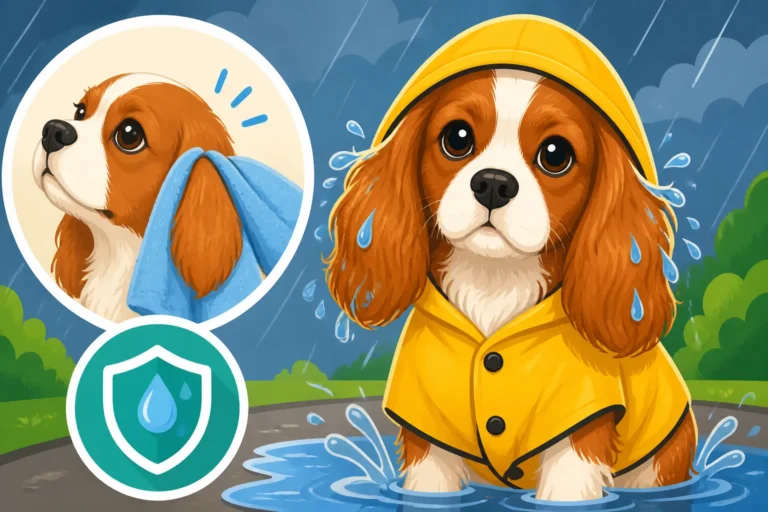
Spring rains and autumn dampness create ideal conditions for stubborn paw problems. When fine foot feathering remains consistently damp for hours after a walk, the dark, warm spaces between the toes become breeding grounds for fungal organisms, particularly yeast.
Developing an efficient wet weather routine is crucial for keeping skin infections at bay. After walks on rain-soaked grass, rinse away mud using clean lukewarm water, then dry the feet thoroughly. Do not rely solely on towel rubbing; use a low-heat or cool-setting hair dryer or dedicated pet dryer to gently blow dry the deep skin folds between the pads until completely moisture-free.
Supporting your dog’s overall skin integrity from the inside out also plays a major role in how well their skin resists environmental dampness and fungal overgrowth. Feeding a balanced diet rich in essential fatty acids—such as fresh, minimally processed meals from Ollie—helps reinforce the natural skin lipid barrier, making the paws far more resilient against seasonal moisture irritations.
Grooming Tools and Products for Cavalier Feet
Having the right tools on hand turns what could be a frustrating struggle into a smooth, efficient routine. Because a Cavalier’s foot feathering is fine, silky, and delicate, using heavy-duty tools designed for dense, double-coated breeds can damage the hair or pull on sensitive toe skin.
Building a specialized paw care kit allows you to maintain your dog’s feet safely at home. Investing in high-quality, gentle grooming implements ensures that your dog remains relaxed and comfortable during maintenance sessions.
| Tool Category | Recommended Specifics | Primary Purpose / Target Area |
|---|---|---|
| Detail Trimmer | Quiet, cordless mini-clipper | Underside pads hair removal |
| Safety Scissors | Round-tipped blunt shears | Spot-trimming stubborn pad tufts |
| Metal Comb | Fine/medium dual-pitch steel comb | Detangling top feathering |
| Rotary Grinder | Low-noise cordless nail grinder | Smooth, short nail maintenance |
| Paw Balm | Natural beeswax/shea butter wax | Moisture barrier and pad hydration |
Choosing the Right Combs, Scissors, and Trimmers
Selecting proper grooming tools makes a tremendous difference in both safety and visual outcome. For general combing of top feathering, a small steel greyhound comb with fine to medium tooth spacing works best. The metal teeth glide smoothly through fine silk without generating static electricity or breaking delicate hair strands.
When trimming hair from the underside of the paw pads, a quiet, battery-operated detail trimmer equipped with a narrow blade head is far safer and more precise than large dog clippers. The narrow blade allows you to navigate the tight contours between toe pads without nicking the skin fold webbing.
If you prefer using manual tools for pad cleanup, choose small, straight-bladed safety scissors featuring rounded blunt tips. Blunt tips prevent accidental puncture injuries if your dog makes a sudden movement while you are working between their toes.
Protective Balms and Paw Wash Routine
Maintaining paw health extends beyond hair trimming and combing; the skin and rubber pads themselves require active hydration and cleansing. Healthy, supple pads are far less likely to crack, peel, or develop painful fissures when exposed to rough surfaces.
Applying a natural, dog-safe paw balm made from ingredients like beeswax, shea butter, and coconut oil creates a breathable moisture barrier. Massaging a tiny dab of balm into the pads once or twice a week keeps the skin soft and flexible while offering light protection against rough terrain and temperature extremes.
For dogs prone to collecting fine allergens, pollen, or outdoor grit in their slippers, a simple foot wash routine helps immensely. Keep a dedicated paw-washing cup or soft silicone dip container near your door. Filling it with warm water and a splash of gentle, hypoallergenic dog shampoo allows you to dip each muddy foot, swish gently to dislodge dirt, and towel-dry without needing to bathe the entire dog.
Home Grooming vs Professional Grooming Boundaries
Deciding whether to handle paw care yourself or hand the job over to a professional groomer comes down to comfort, time, and clear communication. Many owners choose to handle daily brushing and weekly pad trimming at home, enjoying the complete control it gives them over their dog’s visual appearance.
If you choose to use a professional grooming salon, clear communication is essential. Many commercial groomers automatically scissor a spaniel’s feet into rounded “cat feet” unless explicitly instructed otherwise. When dropping off your dog, explicitly state: “Please trim the hair flush on the bottom of the pads only, and leave all top toe feathering completely natural and un-scissored.”
Creating a comprehensive kit for Cavalier Nail, Paw and Foot Feathering Care gives you total independence. Whether you choose home grooming or professional maintenance, taking an active role in inspecting your dog’s feet ensures that their slippers remain clean, healthy, and beautifully true to the classic spaniel standard.
Step-by-Step Guide to Trimming Paw Pads at Home
- Set Up a Comfortable, Well-Lit Station: Place your Cavalier on a non-slip grooming table or counter topped with a rubber mat. Ensure you have bright overhead lighting so you can clearly distinguish between the dog’s skin pads and excess fur.
- Comb Out All Tangles First: Gently run a fine-toothed metal comb through the toe feathering from top to bottom, removing any existing knots, burrs, or dried debris before bringing any trimming tools near the foot.
- Lift and Secure the Paw: Gently lift the foot backward, bending the wrist or hock joint naturally. Hold the leg securely but gently with your non-dominant hand, placing your fingers around the ankle joint rather than pulling the leg outward to the side.
- Push Top Feathering Away From the Pads: Use your fingers to sweep all long top feathering and toe fringe upward and away from the underside of the foot, isolating the rubbery pad surface completely.
- Clear Hair Flush With the Pads: Turn on a quiet detail trimmer or take your round-tipped safety scissors. Carefully clip away hair that extends above the surface of the central pad and toe pads, keeping the blade parallel to the foot bottom.
- Clean Out Toe Webbing Crevices: Lightly trim tufts growing in the deep valleys between individual pads, taking extreme care not to pinch the thin skin webbing connecting the toes.
- Check Traction and Stance: Set the paw back down onto a smooth, hard surface. Verify that the rubber pads touch the floor directly and that no remaining underside hair touches the ground to cause slipping.
Disclaimer
This article is for general informational purposes only and does not constitute professional advice. Laws, prices and regulations vary by location and change over time. Consult a qualified professional for guidance on your specific situation.