Slimming a Cavalier Without Cutting Meals
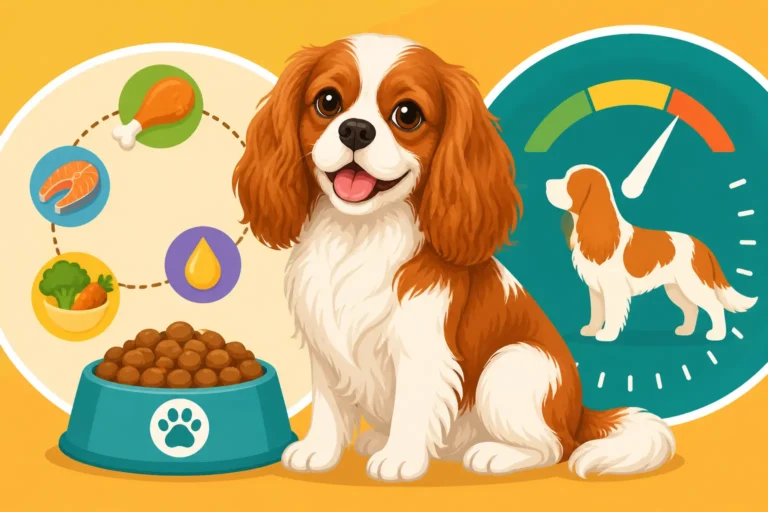
It’s a tale as old as time for many of us Cavalier King Charles Spaniel parents: you look at your sweet, perpetually hungry companion, and before you know it, their adorable little waistline has disappeared. It feels impossible, doesn't it? How can such a small dog pack on the pounds so easily, and more importantly, how do you help them slim down without feeling like you're starving your beloved pet? This guide is all about tackling that common frustration head-on, giving you realistic, empathetic strategies to help your Cavalier achieve a healthy weight without resorting to drastic meal cuts that leave them perpetually begging.
Understanding Why Your Cavalier Gains Weight So Easily
Cavaliers are masters of the "feed me!" look, and let's be honest, we're often happy to oblige. But their small stature and inherent predisposition to certain health conditions mean that weight gain isn't just about aesthetics; it's a serious health concern. An extra pound or two on a fifteen-pound dog is proportionally far more significant than it would be on a ninety-pound Labrador. This is why many owners ask, Why a Cavalier Gains Weight So Easily. It’s a complex mix of genetics, lifestyle, and our own loving tendencies.
The Cavalier's Calorie Math Challenge
Think about it: a Cavalier who weighs, say, 18 pounds, doesn't need a huge amount of calories to sustain themselves. Their metabolic rate is pretty efficient for their size. This means that even a few extra kibbles here, a couple of generous treats there, or a tiny morsel from your dinner plate can quickly add up to a caloric surplus. What seems like a negligible amount to us can be a significant percentage of their daily allowance. It’s not just about the volume of food, but the density of calories in every bite. Many commercial dog foods are formulated with active, larger breeds in mind, and while they might be nutritionally complete, their calorie count can be too high for a less active toy breed like a Cavalier without careful portion control. This is especially true if you're not weighing their food, but simply scooping.
The Sedentary Lifestyle Trap
Cavaliers are often called "Velcro dogs" for a reason – they love to be close to their humans. While this makes them wonderful companions, it can also mean they lead a more sedentary lifestyle than, say, a terrier who needs to chase after squirrels for hours. Many Cavaliers are perfectly happy to curl up on the sofa for most of the day, following you from room to room but not necessarily engaging in rigorous exercise. If their calorie intake isn't adjusted to match their activity level, weight gain is almost inevitable. Even those two short walks a day might not be enough to burn off excess calories if portion sizes are too generous, especially if they are already prone to carrying extra weight. Whether a Cavalier Copes on Two Short Walks really depends on the individual dog and their overall caloric intake. We need to actively encourage movement, not just assume they’ll get enough on their own.
Those Irresistible Puppy Eyes and Our Generosity
Ah, the Cavalier gaze. It's potent. Those big, soulful eyes staring up at you as you eat, or when you walk past the treat jar, are incredibly hard to resist. We want to show our love, and for many of us, food is a primary way we do that. Table scraps, even tiny ones, contribute to the problem. A bite of cheese, a piece of toast crust, or a lick of ice cream – while seemingly small – can be calorie bombs for a Cavalier. It's often not malicious overfeeding, but rather a slow, gradual accumulation of extra calories from small, well-intentioned acts of kindness. This is why it's so important to recognize that saying "no" to those extra tidbits is an act of love, protecting their long-term health. The love is there regardless of the extra food.
Strategies to Reduce Calories Without Reducing Meal Volume
The good news is that you don't have to cut your Cavalier's meals to a minuscule portion that leaves them feeling deprived. The trick is to be smart about what you're feeding them. This involves adjusting the calorie density of their food while keeping the volume satisfying.
Switching to a Lower-Calorie Kibble or Wet Food
One of the most effective ways to help your Cavalier slim down without cutting their meals in half is to transition them to a weight-management or lower-calorie dog food. These formulas are specifically designed to have fewer calories per cup or per can, often by increasing fiber content and reducing fat, helping your dog feel fuller on fewer calories.
When choosing a new food, look for brands that clearly state they are for "weight management," "light," or "healthy weight." Read the nutritional labels carefully. Compare the calorie count per cup or per gram with your current food. Often, you'll find a significant difference. You might also consider wet food, as its higher moisture content often means fewer calories per serving while still feeling substantial to your dog.
Always transition new food gradually over 7-10 days to avoid upsetting your Cavalier’s stomach. Mix a small amount of the new food with their old food, slowly increasing the proportion of the new food each day. Popular pet supply retailers like Chewy often have a wide selection of weight-management foods and detailed nutritional information right on their product pages, making it easier to compare. For those who prefer fresh-cooked options, services like Ollie offer pre-portioned, human-grade meals that can be tailored to your dog's specific calorie needs, which can be a fantastic way to control calories precisely while still offering a satisfying meal.
Incorporating Low-Calorie Fillers and Fresh Foods
This is where you can really make a difference in helping your Cavalier feel full without adding excess calories. Think of it as bulking up their meal with healthy, low-calorie additions.
- Vegetables: Many vegetables are excellent, low-calorie fillers. Steamed green beans, carrots (raw or steamed), cooked sweet potato (in moderation due to natural sugars), pumpkin puree (plain, not pie filling), and small amounts of chopped bell peppers (avoiding the seeds and core) can be mixed into their regular meal. These add fiber and nutrients, promoting satiety. Just make sure they're dog-safe and served plain.
- Lean Proteins: If your Cavalier needs a little extra protein boost without the fat, small amounts of plain, cooked chicken breast (shredded), lean ground turkey, or white fish can be added. Ensure there's no seasoning, skin, or bones.
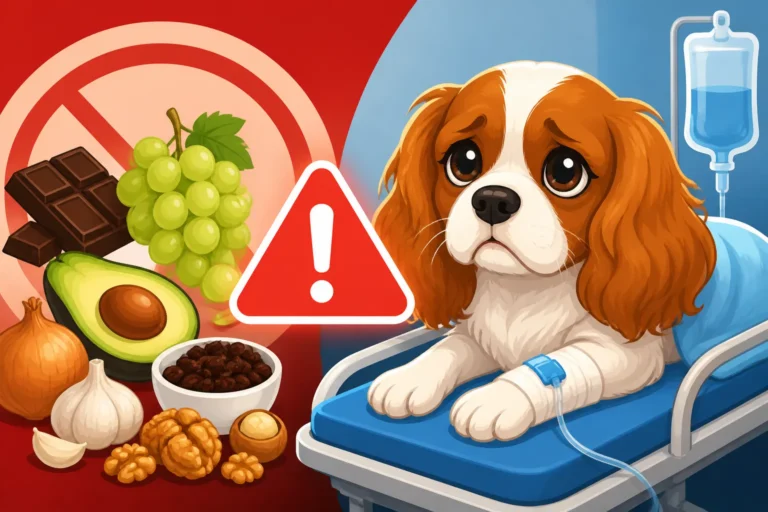
- Broth: Adding a splash of low-sodium, plain chicken or beef broth (check labels carefully for onion/garlic, which are toxic to dogs) can make a meal seem more appealing and hydrating without adding many calories.
Here's a quick comparison of some safe, low-calorie additions:
| Food Item | Approximate Calories (per 1/4 cup) | Benefits | Cautions |
|---|---|---|---|
| Green Beans (steamed) | 10 | High fiber, vitamins, very low calorie | Ensure no salt or butter added |
| Carrots (raw/steamed) | 13 | Beta-carotene, fiber, satisfying crunch | High in natural sugar, moderate amounts |
| Pumpkin Puree (plain) | 20 | Aids digestion, high fiber, satisfying texture | Must be 100% pumpkin, not pie filling |
| Chicken Breast (cooked, shredded) | 35 | Lean protein, highly palatable | Must be plain, no skin, no bones, no seasoning |
| Broccoli Florets (steamed) | 13 | Vitamins C & K, fiber | In moderation; can cause gas in some dogs |
Always introduce new foods slowly and in small amounts to monitor for any digestive upset. The goal is to make their bowl look fuller and more appetizing, tricking their brain into feeling satisfied.
Rethinking Treats: Quality Over Quantity
Treats are often the silent calorie culprits. Those tiny bits of biscuit add up, especially if you're using them frequently for training or just because your Cavalier is so cute.
- Use Their Kibble: This is the easiest swap! If your Cavalier enjoys their regular food, simply set aside a portion of their daily kibble allowance to use as treats throughout the day. It doesn't add extra calories and reinforces portion control.
- Vegetable Treats: Small pieces of carrot, green bean, or apple slices (without seeds) make fantastic, low-calorie treats. My Cavalier, Rosie, thinks a tiny piece of frozen green bean is the best thing ever on a hot day!
- Specialty Low-Calorie Treats: If you prefer commercial treats, look for options specifically marketed as "low-calorie" or "training treats" with minimal ingredients. Be mindful that even these need to be factored into their daily calorie intake. Many pet brands offer such treats that you can easily find on platforms like Amazon.
- Enrichment Toys: Instead of just giving treats, consider stuffing a KONG or similar enrichment toy with a small amount of their meal mixed with a spoonful of pumpkin or a tiny smear of peanut butter (xylitol-free!). This makes them work for their food, extending the "treat" experience and providing mental stimulation.
Remember, every treat counts. It’s not just about the size of the treat, but the frequency. A continuous stream of small treats can easily derail a weight loss plan.
Boosting Activity Levels Without Over-Exertion
While smart feeding is crucial, increasing your Cavalier's activity level plays an equally important role in healthy weight management. The key is to do it safely and enjoyably, remembering that Cavaliers, especially those with heart concerns, need exercise tailored to their individual health. You’ll want to be mindful of things like Walk Length for a Cavalier With a Murmur.
Smart Play and Indoor Games for Cavaliers
Even if outdoor adventures are limited, you can provide plenty of exercise indoors. Cavaliers are intelligent and thrive on interaction.
- Fetch and Tug: Simple games of fetch down a hallway or gentle tug-of-war can burn energy. Keep the sessions short and fun to avoid over-exertion.
- Hide-and-Seek: Hide small portions of their kibble around the house and let your Cavalier sniff them out. This engages their natural scenting abilities and gets them moving.
- Interactive Toys: Puzzle toys that dispense kibble when manipulated are excellent for mental stimulation and slow feeding, making mealtime an activity.
- Stair Walking (if safe): If your Cavalier has healthy joints and no underlying conditions that make stairs difficult (like Loose Kneecaps in a Thirteen-Pound Cavalier or A Cavalier That Refuses Stairs), a few trips up and down a flight of stairs can be a good workout. Always supervise closely.
The goal here isn't to turn your Cavalier into an agility champion, but to increase their daily movement in ways that are safe and enjoyable for them.
Structured Walks and Outdoor Adventures
Regular walks are indispensable. Rather than just letting them out in the yard, structured walks provide both physical and mental exercise.
- Increase Duration Gradually: If your Cavalier currently gets two short walks, try adding an extra five minutes to each, or even a third shorter walk. Pay close attention to their breathing and energy levels, especially if they have a heart murmur.
- Vary the Route: Exploring new smells and sights keeps walks interesting and mentally stimulating. Let them sniff! Sniffing is a natural dog behavior that helps them process their world and is surprisingly tiring.
- Different Terrains: Walking on grass, soft trails, or even sand (if you're near a beach) requires more effort than pavement, building muscle and burning more calories.
- Harnesses for Comfort: Ensure your Cavalier is walking on a comfortable, well-fitting harness rather than a collar, especially if they tend to pull or if you’re concerned about conditions like Syringomyelia and Chiari Malformation in Cavaliers where neck pressure can be an issue. A harness suited to a Cavalier's neck helps distribute pressure evenly.
Always carry water, especially on warmer days, and know your Cavalier's limits. Overheating can be a real danger for any dog, but especially for smaller breeds.
Making Exercise Fun and Consistent
Consistency is key to any weight management plan. Try to establish a routine that you can stick to.
- Involve the Whole Family: If multiple people live in the household, share the responsibility of walks and playtime. This also provides your Cavalier with varied interaction.
- Make it a Habit: Integrate exercise into your daily schedule. For example, a morning walk before work, a quick play session after dinner, and a final potty break before bed.
- Listen to Your Dog: Some Cavaliers are little rockets, while others are content with shorter, gentler activities. Observe your dog's cues – panting, lagging behind, or refusing to move can indicate they've had enough. Never force them to exercise beyond their comfort level. A Cavalier that tires on short walks might be signaling an issue, or simply that their fitness level needs a gradual improvement.
Practical Tips for Monitoring and Maintaining a Healthy Weight
Even with the best intentions, managing a Cavalier's weight can feel like a moving target. Regular monitoring and a proactive approach are essential for long-term success.
Regular Weight Checks and Body Condition Scoring
You can't manage what you don't measure. Regular weight checks are vital.
- Weekly Weigh-ins: If your Cavalier is small enough, you can use a regular bathroom scale. Weigh yourself, then weigh yourself holding your Cavalier, and subtract your weight. This gives you a good approximate weight. Track it! Seeing the numbers change can be incredibly motivating. Knowing What an Overweight Cavalier Weighs compared to their ideal can help set realistic goals.
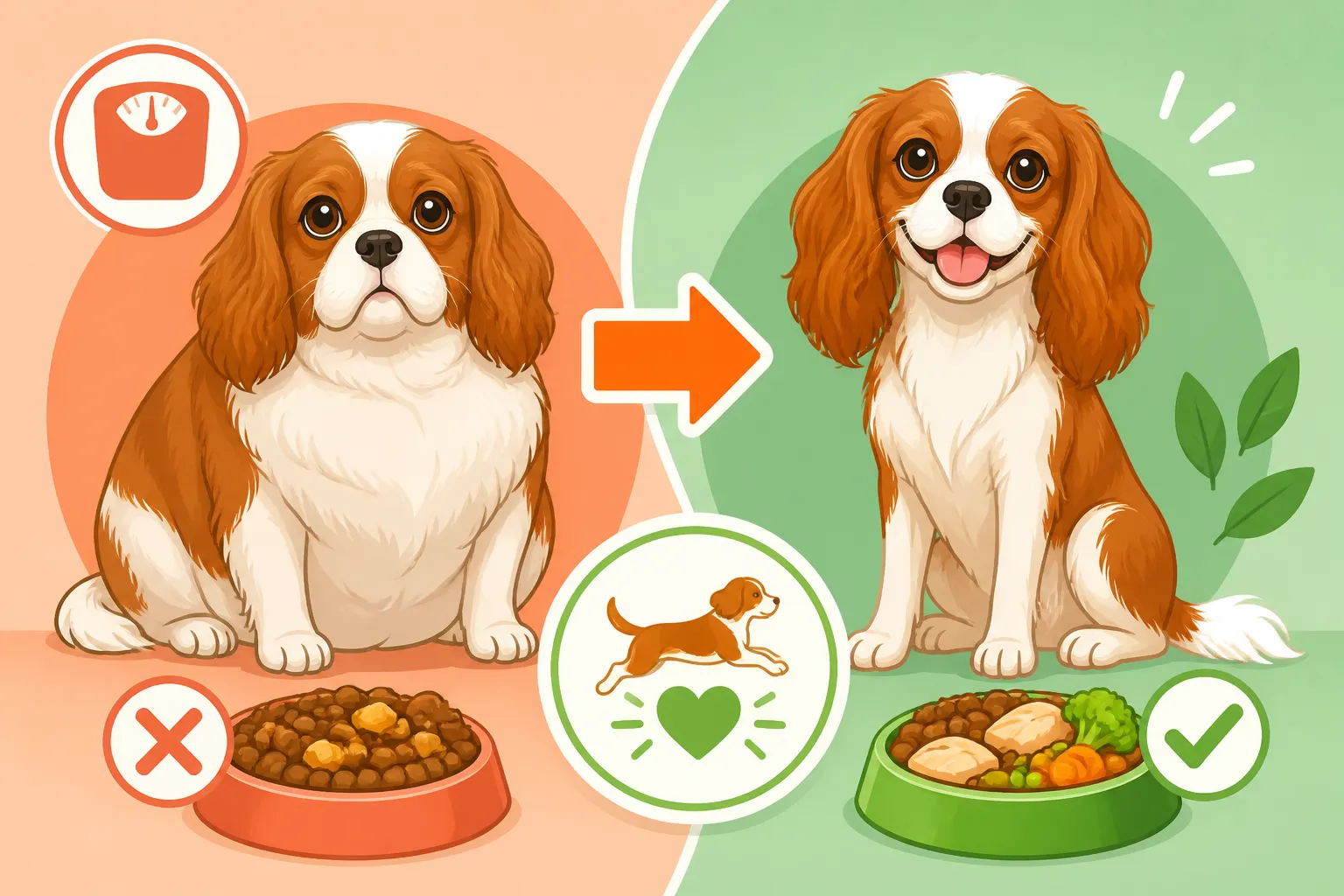
- Body Condition Scoring (BCS): This is arguably more important than just a number on the scale. You should be able to easily feel your Cavalier's ribs without pressing hard, but not see them prominently. Their waist should be visible from above, and there should be an abdominal tuck when viewed from the side. Feeling a Cavalier's Ribs Under Feathering can be tricky due to their lovely coat, so use your hands regularly to assess. Your vet can show you how to accurately body condition score your dog. It's a skill worth learning.
The Importance of a Kitchen Scale
This tip cannot be stressed enough: weigh your Cavalier's food. Scooping, even with a standardized measuring cup, can be inaccurate due to variations in kibble density and how tightly packed it is. A digital kitchen scale provides precise measurements. Most dog food bags list caloric content by weight (e.g., calories per 100 grams), which is far more accurate than by volume. You can find affordable and reliable kitchen scales on platforms like Amazon.
For example, if the bag says 350 kcal per 100 grams, and your vet recommends 300 kcal per day for weight loss, you'll know exactly how many grams to feed. This level of precision makes a huge difference, especially with a small dog where even a few extra grams can be significant.
Consulting Your Vet for a Personalized Plan
While these tips are a great starting point, a personalized plan from your veterinarian is invaluable.
- Professional Assessment: Your vet can accurately assess your Cavalier's current body condition, calculate their ideal weight, and determine a safe rate for them to lose weight. They can also perform a thorough physical exam to rule out any underlying medical conditions, such as thyroid issues, that might be contributing to weight gain.
- Calorie Recommendations: Your vet can provide specific calorie targets based on your Cavalier's age, current weight, target weight, and activity level.
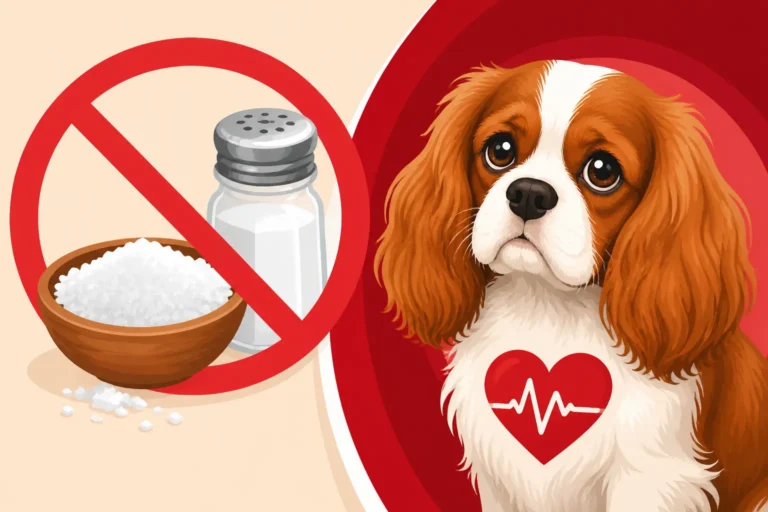
- Discussing Health Concerns: If your Cavalier has existing health issues, particularly heart disease, their diet and exercise plan will need careful consideration. For instance, Prescription Cardiac Diets for a Cavalier may be recommended if they have advanced MVD, and these often have specific calorie and sodium levels. The Yearly Checkup That Listens to a Cavalier's Heart is vital, as a healthy heart is critical for safe exercise.
- Support and Accountability: Your vet and their team can be a fantastic source of support and accountability, helping you stay on track and adjusting the plan as needed. Don't hesitate to book follow-up appointments to monitor progress. Knowing The Safe Rate for a Cavalier to Lose Weight is crucial to ensure their health isn't compromised.
By combining smart feeding choices, increased activity, diligent monitoring, and professional veterinary guidance, you can successfully help your Cavalier achieve and maintain a healthy weight without them feeling perpetually hungry. It's a journey, but a deeply rewarding one for both you and your beloved companion.
Disclaimer
This article is for general informational purposes only and does not constitute professional advice. Laws, prices and regulations vary by location and change over time. Consult a qualified professional for guidance on your specific situation.