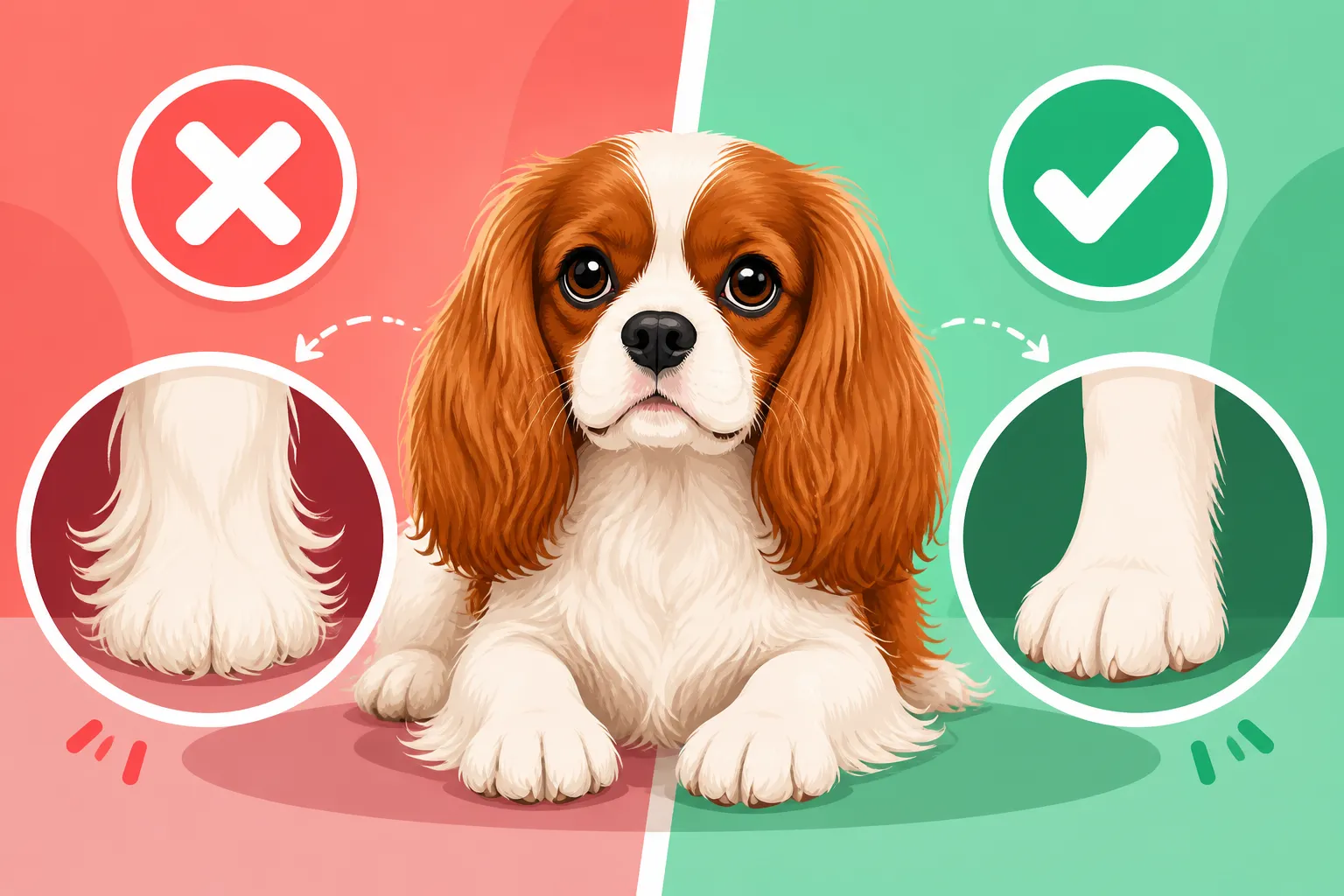
Whether to Trim a Cavalier’s Foot Feathering
One common question I hear from fellow Cavalier King Charles Spaniel owners is about whether or not to trim the beautiful, flowing feathering on their dog's feet. It feels like such a delicate balance, doesn't it? On one hand, you want your Cavalier to look their absolute best, showcasing that hallmark silky coat. On the other, those little tufts between their paw pads can become a magnet for mud, burrs, and general grime, causing frustration for both you and your sweet companion. This guide will walk you through everything you need to know about managing your Cavalier's foot feathering, helping you decide what's best for your dog's comfort and your peace of mind.
Understanding Your Cavalier's Foot Feathering
Before we even consider reaching for the scissors, let's really dig into what we're talking about when we mention "foot feathering" on a Cavalier and why it's there in the first place. It's more than just aesthetics; it's part of their natural design.
What "Foot Feathering" Actually Means for a Cavalier
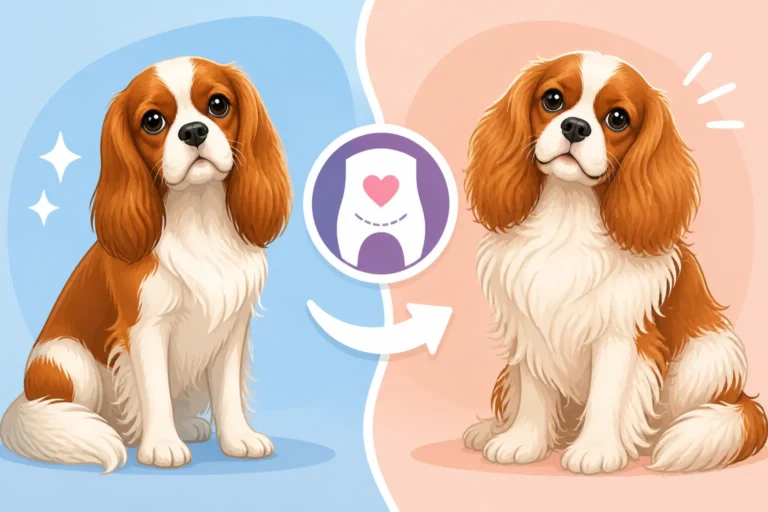
When we talk about foot feathering, we're referring to the longer, silken strands of hair that grow around the top of your Cavalier's paws, often extending beyond the actual paw pads. This isn't like the dense undercoat you'd find on a double-coated breed; it's part of their single, elegant coat, designed to be soft and flowing. These tufts can sometimes grow quite long, especially between the toes and around the edges of the pads, creating a distinct "slipper" or "boot" effect. This is particularly noticeable in Cavaliers with full, luxurious coats, and it's definitely a characteristic that contributes to their charming, regal appearance.
However, this lovely feature can also become a practical challenge. Think about how human hair tangles; now imagine that happening around sensitive paw pads, collecting all sorts of outdoor debris. It's a double-edged sword: beautiful to look at, but sometimes a bit of a magnet for mess. Owners often find themselves wiping muddy paws repeatedly, or carefully picking out seeds after a walk through a grassy field. It's a constant consideration for keeping your Cavalier tidy and comfortable.
Many new Cavalier owners are surprised by just how quickly this foot feathering can grow, often requiring attention more frequently than other parts of their coat. You might notice it getting shaggy between professional grooming appointments, making you wonder if you should tackle it yourself. This natural growth pattern means that deciding whether and how to trim it becomes a regular part of your Cavalier's grooming routine, not just a one-off decision.
The Purpose of Feathering Around Their Paws
From a purely evolutionary standpoint, the feathering on a Cavalier's paws likely offered some natural protection to their ancestors. Imagine court spaniels traversing different terrains, from palace gardens to hunting fields – though perhaps not as rough as a working gundog, some protection from elements and minor abrasions would have been beneficial. The longer hair could provide a slight cushion or barrier, keeping delicate skin safe from scratches or harsh ground. It also helps to distribute moisture and airflow around the paw, which can be a double-edged sword, as we'll discuss later.
Beyond protection, the feathering also contributes to the breed's distinct aesthetic. The King Charles Spaniels of old, from whom our Cavaliers descend, were prized for their beauty and grace. The flowing coats, including the feathered paws, were a significant part of this appeal. It's a visual characteristic that breeders strive to maintain, adhering to the breed standard that describes well-feathered feet. So, while it serves a practical purpose, it's also deeply ingrained in what makes a Cavalier look like a Cavalier.
However, in our modern homes and daily walks, the protective aspect often takes a backseat to the practicalities of keeping paws clean and free of debris. The dense feathering can actually trap moisture and foreign objects, potentially leading to skin irritation or matting between the pads. This is where the debate about trimming really begins, as owners weigh the traditional look against the health and hygiene needs of their specific dog.
Grooming Standards and the Natural Look
The breed standard for the Cavalier King Charles Spaniel, as set by kennel clubs, typically calls for well-feathered feet. This means that, for show dogs, the feathering is left natural and untrimmed, accentuating the elegant lines of their paws. Judges look for that full, flowing appearance, considering it a hallmark of the breed. Any excessive trimming in a show dog could be seen as altering the natural presentation, which is generally discouraged in the conformation ring.
For companion Cavaliers, however, the approach is often more flexible. While many owners love the classic look, they also prioritize their dog's comfort and ease of maintenance. This is where you might see some deviation from the strict show standard. A pet Cavalier doesn't need to conform to show ring aesthetics, and their owner has the freedom to make choices that enhance their daily life. This might involve a light trim to keep things tidy, or even a more significant clip if health or hygiene issues demand it.
Ultimately, the "natural look" is beautiful, but it requires diligent care. Regular brushing, especially around the feet, is crucial to prevent mats and keep the feathering clean. Without consistent attention, that natural length can quickly become a tangled mess, collecting everything from leaves to dust bunnies. It's a commitment to maintenance, whether you choose to trim or not, to keep your Cavalier's paws healthy and looking their best. Consider how often you are Brushing a Cavalier's Feathering Three Times a Week to prevent mats in all areas, including the feet.
The Pros and Cons of Trimming Cavalier Foot Feathering
Deciding whether to trim your Cavalier's foot feathering isn't a simple yes or no. There are genuine benefits that make life easier for both you and your dog, but also some considerations that give pause. Let's explore both sides of the coin.
Benefits of Keeping Foot Feathering Trimmed
One of the most immediate and significant benefits of trimming your Cavalier's foot feathering is improved hygiene. Those long strands around and between the paw pads are notorious for collecting dirt, mud, grass seeds, burrs, and even tiny pieces of gravel. When this debris gets embedded, it can be uncomfortable for your dog and a huge headache for you, especially after a rainy walk or a romp in the park. A neat trim keeps the hair flush with the paw pads, significantly reducing the amount of "cargo" your Cavalier brings indoors, which means less cleaning for you and a cleaner home.
Beyond just dirt, trimming can help prevent mats from forming. The hair between the paw pads, when left long, can easily knot and tangle, especially if it gets wet frequently or isn't brushed regularly. These mats can pull on the skin, causing pain and discomfort, and in severe cases, they can restrict natural paw movement. Trimming this hair keeps it short and manageable, making it much harder for mats to develop and making any minor tangles much easier to brush out. This is a crucial step in maintaining comfortable paws, as mats can quickly become a serious issue.
Furthermore, shorter hair around the paw pads can offer better traction. When the hair grows long, it can create a slippery surface, reducing your Cavalier's grip on smooth floors like hardwood or tile. This can lead to slips and falls, which can be particularly concerning for older Cavaliers or those with joint issues. Trimming the hair to be even with the pads ensures their paws can make direct contact with the ground, providing better stability and confidence as they move around your home. It's a small change that can make a big difference in their mobility and safety. It's also part of Cavalier Nail, Paw and Foot Feathering Care.
Potential Downsides and Why Some Owners Don't Trim
While there are clear advantages to trimming, some owners choose to leave their Cavalier's foot feathering untrimmed, often for aesthetic reasons. The full, flowing feathering is a classic characteristic of the breed and contributes significantly to their elegant appearance. For those who enjoy the traditional look, trimming might feel like a departure from what makes a Cavalier, well, a Cavalier. They might prefer to put in the extra effort for cleaning and brushing to maintain that iconic image.
Another consideration is the potential for uneven or improper trimming, especially if attempting it at home without experience. Scissors near delicate paw pads and skin can lead to accidental nicks or cuts, which can be painful for your dog and potentially lead to infection. This risk alone is enough for some owners to shy away from trimming themselves, preferring to either leave the feathering natural or rely on a professional groomer. It's a skill that takes practice, and rushing it can have unfortunate consequences.
Moreover, some believe that the natural feathering offers a degree of protection, as discussed earlier. It might act as a slight buffer against very cold surfaces, hot pavement, or rough terrain. While this protection might be minimal for a house dog, it's a factor some owners consider. The idea is that the hair acts as a natural barrier, much like fur on other parts of the body, and removing it might expose the paw pads to more direct environmental stressors. It's a nuanced perspective that weighs the benefits of natural protection against the practicalities of hygiene.
When a Trim Becomes Absolutely Necessary
There are certain situations where trimming your Cavalier's foot feathering moves beyond a matter of preference and becomes a necessity for their health and comfort. One of the most common scenarios is when excessive hair growth between the paw pads starts to create painful matting. These mats can become rock-hard, pulling on the sensitive skin, causing irritation, sores, and even limping. If left unchecked, they can severely impact your dog's ability to walk comfortably and can even lead to skin infections. At this point, a trim isn't just about aesthetics; it's about alleviating pain and restoring paw health.
Another critical time for a trim is when foreign objects become constantly embedded in the foot feathering. This can be anything from stubborn burrs to irritating grass seeds, small pieces of chewing gum, or even tiny thorns. If your Cavalier spends a lot of time outdoors in grassy or wooded areas, these little invaders can get hopelessly tangled in the long hair, working their way down to the skin and causing significant discomfort, inflammation, or even abscesses. A shorter trim significantly reduces the surface area available for these nuisances to cling to, making walks much safer and more pleasant for your dog.
Finally, if your Cavalier is frequently slipping on smooth indoor surfaces, a trim is highly recommended. As mentioned, long hair between the pads can act like a slick barrier, preventing proper grip. This is particularly important for older Cavaliers who might already have conditions like arthritis or Loose Kneecaps in a Thirteen-Pound Cavalier, where a fall could lead to a serious injury. Ensuring good traction through trimmed paws can dramatically improve their confidence and reduce the risk of accidents in your home. Always prioritize your dog's safety and well-being over a particular aesthetic preference.
How to Safely Trim Your Cavalier's Foot Feathering
If you've decided that trimming your Cavalier's foot feathering is the right choice for their comfort and your sanity, great! This is a skill you can absolutely learn at home. The key is to approach it with patience, the right tools, and a focus on safety.
Gathering Your Tools for the Job
Before you even think about starting, assemble everything you'll need. Having all your tools within reach makes the process smoother and less stressful for both you and your Cavalier. First and foremost, you'll need a good pair of blunt-nosed or ball-tipped grooming scissors. These are specifically designed with rounded ends to prevent accidental pokes and cuts, making them much safer to use around delicate paw pads. Avoid using regular household scissors, as their sharp points are a hazard. You can often find these specialized scissors on sites like Amazon or Chewy.
Next, a fine-toothed metal comb is essential. This will help you brush out any tangles before trimming and lift the hair away from the pads so you can get a clean cut. A slicker brush might also be useful for general brushing around the paw area, but the metal comb is key for precision work. You'll also want some styptic powder or cornstarch nearby, just in case of a minor nick (it happens to the best of us, even with blunt scissors). A small, high-value treat pouch, perhaps filled with small pieces of an Ollie fresh roll, will also be your best friend for positive reinforcement throughout the process.
Finally, choose a quiet, well-lit area where your Cavalier feels comfortable and you have good visibility. A non-slip mat on your grooming table or even on the floor can help keep them steady and reduce anxiety. Having everything prepared beforehand means you can focus entirely on the task at hand and your dog's comfort, rather than scrambling for forgotten items mid-trim. This preparation sets the stage for a positive grooming experience.
Step-by-Step Guide to a Neat Paw
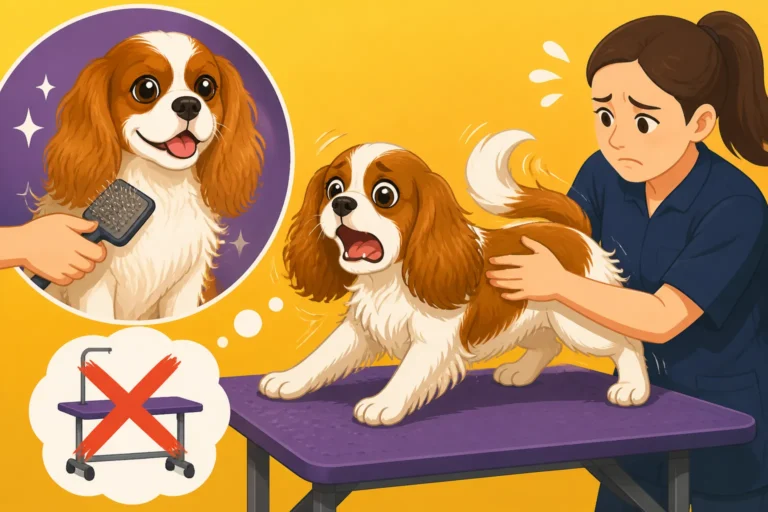
Now that you have your tools, let's get into the actual trimming process. Remember, slow and steady wins the race here. Start by having your Cavalier in a comfortable, relaxed position. You might want to do this after a walk or playtime when they are naturally more tired and amenable to being handled. Gently take one paw at a time, making sure they are calm. If your Cavalier is anxious, consider breaking this into multiple short sessions rather than trying to do all four paws at once.
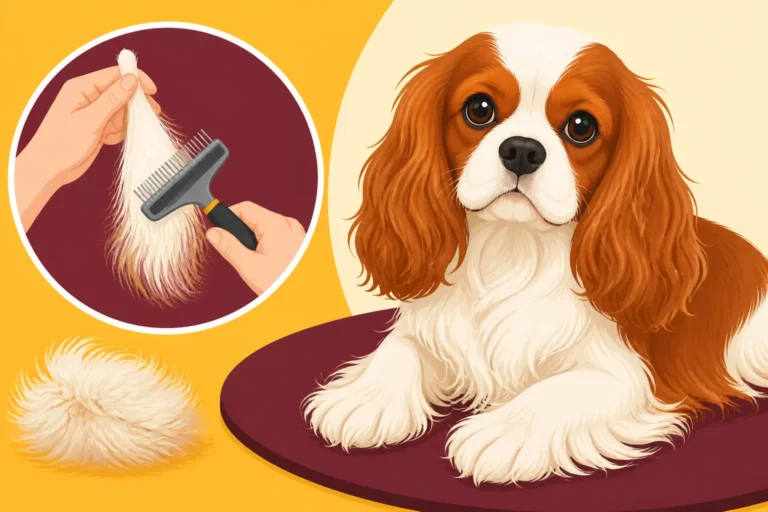
First, use your fine-toothed metal comb to thoroughly brush out all the feathering around the paw, especially between the pads. You want to remove any mats, tangles, or debris. This also helps to lift the hair so you can see exactly what needs to be trimmed. Once combed, use your fingers to gently spread the paw pads apart, exposing the hair that grows between them. This is the main area you'll be focusing on, as this is where dirt and mats tend to accumulate.
With your blunt-nosed scissors, carefully trim the hair so it is flush with the paw pads. Always point the tips of the scissors away from the pads and only cut small amounts at a time. Work slowly and methodically, cutting from the center of the pad outwards. You want to create a clean, even surface that exposes the pads. Then, trim the hair around the perimeter of the paw, shaping it so it doesn't extend much beyond the outline of the foot. The goal is a neat, tidy paw that still has some natural feathering on top, but nothing that drags on the ground or collects debris. Remember to offer plenty of praise and treats throughout!
Maintaining Healthy Paws Beyond the Trim
Trimming your Cavalier's foot feathering is a great start, but maintaining overall paw health goes beyond just the occasional snip. Regular cleaning and inspection are paramount, especially after outdoor excursions. After every walk, particularly if you've been in muddy or grassy areas, take a moment to wipe down your Cavalier's paws. You can use a damp cloth or specialized paw wipes. This helps remove dirt, allergens, and any small pieces of debris before they can cause irritation or get embedded.
Beyond cleaning, you should be doing weekly paw inspections. Gently spread your Cavalier's toes and examine the skin between their pads. Look for any redness, swelling, cuts, blisters, or signs of irritation. Pay close attention to their nails too; if you're not comfortable trimming them yourself, make sure they get regularly clipped by a groomer or vet. Keeping nails at a proper length is crucial for comfortable walking and can prevent issues like ingrown nails or splayed toes. This regular check-up allows you to catch minor issues before they escalate.
Finally, consider the environmental factors impacting your Cavalier's paws. In hot weather, pavement can get scorching, leading to burns. In winter, ice, snow, and de-icing chemicals can be harsh. Products like paw balms or waxes can provide a protective barrier, moisturizing the pads and shielding them from extreme conditions. On Amazon, you'll find a variety of paw balms designed for dogs. Also, be mindful of any chemical treatments on your lawn, as these can irritate paws. A comprehensive approach to paw care, including regular trims, cleaning, inspections, and protection, ensures your Cavalier stays comfortable and healthy on their feet.
Common Concerns and When to Seek Professional Help
Even with the best at-home grooming efforts, there might be times when you encounter issues that are beyond a simple trim or warrant professional advice. Recognizing these signs and knowing when to reach out for help is crucial for your Cavalier's well-being.
Addressing Matting and Tangling
Despite your best efforts, sometimes mats and tangles can still develop, especially if your Cavalier has very fine, prolific feathering or loves to explore. If you find a small mat, try to work it out gently with your fingers and a fine-toothed comb. Use a detangling spray designed for dogs to help lubricate the hair and make it easier to separate. Start from the ends of the hair and gradually work your way towards the skin, never pulling forcefully, as this can be very painful. Breaking the mat apart into smaller sections first can also help.
However, if you encounter large, dense, or painfully tight mats, especially those close to the skin or between the paw pads, it’s often best to seek professional help. Attempting to cut out a severe mat yourself carries a high risk of accidentally cutting your Cavalier’s skin, which is very thin and delicate in these areas. A professional groomer has the right tools, like clippers with specific blades, and the expertise to safely remove stubborn mats without causing injury. They can usually get under the mat without damaging the surrounding skin, which is much harder to do with scissors.
Remember, matting isn't just an aesthetic problem; it can lead to skin infections, discomfort, and even restrict circulation. If a mat is causing your Cavalier to limp, lick excessively, or show signs of pain when you touch their paw, do not delay in getting professional assistance. A trip to the groomer or vet is a small price to pay to alleviate their discomfort and prevent further health complications. Learning to handle Mats in a Cavalier's Armpits and Groin often involves similar techniques and considerations.
Dealing with Irritation or Lameness
Sometimes, foot feathering concerns can be indicative of deeper issues. If you notice your Cavalier excessively licking, chewing, or limping on a paw, it's a red flag that something more than just messy hair might be going on. Beyond simple matting, irritation can stem from allergies, fungal infections, embedded foreign objects that have caused a puncture, or even something as subtle as a tiny splinter. The long feathering can often hide these problems, making it harder for you to spot them during routine checks.
Lameness, or any noticeable change in their gait, should always prompt a closer look. While it might be a result of a painful mat, it could also indicate a sprain, a minor fracture, or even an issue higher up in the leg or hip. Cavaliers are known for certain orthopedic sensitivities, so any persistent limping needs attention. If you suspect an injury or a persistent underlying issue, even if it seems minor, it's crucial to consult your veterinarian. They can properly diagnose the cause of the irritation or lameness and recommend the appropriate treatment.
Don't try to self-diagnose or delay seeking help, especially if the problem persists for more than a day or two. A vet can conduct a thorough examination, possibly including X-rays or other diagnostics, to rule out more serious conditions. Early intervention can often prevent a minor issue from becoming a chronic problem, ensuring your Cavalier remains happy and mobile. This diligence is especially important if you have an older Cavalier, as they might be more prone to various joint or paw issues.
When to Consult a Professional Groomer or Vet
Knowing when to call in the professionals is a key part of responsible Cavalier ownership. For general tidiness and maintaining a consistent, well-groomed look, a professional groomer is your go-to. If you're uncomfortable using scissors, or if your Cavalier is particularly wiggly or stressed by at-home grooming, a groomer can safely and efficiently trim their foot feathering, along with handling other grooming needs like bathing and nail trims. They can also offer advice on specific products or techniques for your Cavalier's coat type. Don't be afraid to ask your groomer how they recommend Cutting Hair Between a Cavalier's Toes.
However, if you observe any signs of pain, swelling, discharge, persistent licking, or open sores on your Cavalier's paws, your first call should always be to your veterinarian. These symptoms are medical concerns and require a diagnosis and treatment plan from a qualified professional. A vet can rule out infections, injuries, allergies, or other health issues that might be manifesting as paw problems. They can also advise on whether a specific type of trim is medically necessary, for instance, if a skin condition requires more airflow to the paw pads.
Think of it this way: groomers are experts in aesthetics and coat maintenance, while veterinarians are experts in health and medicine. While there can be overlap, especially with skin and coat issues, prioritizing your Cavalier's health means knowing when a problem crosses the line from a grooming challenge to a medical one. Establishing a good relationship with both a reputable groomer and your vet means you have a strong support system to ensure your Cavalier’s paws, and overall health, are always in the best possible condition.
Disclaimer
This article is for general informational purposes only and does not constitute professional advice. Laws, prices and regulations vary by location and change over time. Consult a qualified professional for guidance on your specific situation.