Cutting Hair Between a Cavalier’s Toes
One of the often-overlooked aspects of caring for our beloved Cavalier King Charles Spaniels is the hair that grows between their paw pads and toes. Many new Cavalier parents, and even some seasoned ones, struggle with how to manage this often-wild growth, leading to discomfort for their furry friends and frustration for themselves. This guide will walk you through exactly why and how to safely and effectively trim the hair between your Cavalier's toes, ensuring their paws stay healthy, clean, and comfortable.
Why Keeping Your Cavalier's Paw Hair Trimmed is Crucial
It might seem like a small detail, but the hair that sprouts between your Cavalier's paw pads can become a real nuisance if left unchecked. These little tufts are not just a cosmetic issue; they play a significant role in your dog's comfort, mobility, and overall health. Ignoring them can lead to a host of problems that are easily preventable with a bit of regular care.
Preventing Comfort and Health Issues
Imagine walking around all day with tiny pebbles, burrs, or sticky bits of sidewalk gum stuck between your toes. That's essentially what your Cavalier experiences when their paw hair gets too long. These long strands act like little nets, trapping all sorts of debris from outside – dirt, mud, small sticks, even tiny bits of glass. Indoors, they can collect dust bunnies, crumbs, and whatever else might be lurking on your floor. This isn't just irritating; it can quickly lead to painful mats. These mats pull at the skin, can cause sores, and become breeding grounds for bacteria or yeast infections, especially if they get damp and stay that way. A painful mat can make your Cavalier reluctant to walk, jump, or even bear weight on the affected paw.
Beyond mats, excessive paw hair can contribute to issues like itchy skin or contact dermatitis if allergens or irritants get trapped close to the skin for too long. For Cavaliers who love to run through tall grass, foxtails or burrs can easily embed themselves deep within the matted fur, working their way into the paw pad itself, which can be incredibly painful and require veterinary intervention. Regular trimming is your first line of defense against these common, uncomfortable scenarios.
Enhancing Mobility and Safety
Long hair between the paw pads can also turn your Cavalier's adorable, fluffy feet into slippery skates. The paw pads are designed to provide traction, acting like the sole of a shoe. When hair grows over these pads, it reduces their grip on smooth surfaces like hardwood floors, tiles, or even polished concrete. This can lead to slips and falls, which can be alarming for both you and your dog. For a breed already prone to Loose Kneecaps in a Thirteen-Pound Cavalier and Cavalier Hip Dysplasia and Early Arthritis, preventing unnecessary slips is incredibly important for protecting their joints. A sudden splay on a slippery floor could strain ligaments or aggravate an existing orthopedic condition.
Think about an older Cavalier, perhaps one with a touch of arthritis, trying to navigate your home. Their balance might already be a bit compromised. Long paw hair only exacerbates this, making them less confident and more prone to injury. Even for younger, more athletic Cavaliers, better traction means they can run and play with more agility and less risk. Ensuring their paws have good grip enhances their quality of life, allowing them to move freely and safely through their environment, whether it's chasing a ball in the park or simply trotting across your kitchen. For aging Cavaliers, maintaining good paw health can be as crucial as providing Stair Ramps for an Aging Cavalier to help them navigate their home.
Maintaining Overall Cleanliness and Hygiene
Let's be honest: Cavaliers love to get into things. Their beautiful drop ears might dip into their water bowl or their food, and their feathered feet are no different. Long paw hair acts like tiny mops, soaking up moisture, tracking in mud, and spreading dirt throughout your home. After a rainy walk, those fluffy feet will track mud and wetness all over your floors, furniture, and anything else they brush against. This isn't just annoying for your housekeeping; it can also contribute to a general "doggy smell" if damp hair and trapped debris aren't properly cleaned and dried.
Regular trimming significantly reduces the amount of dirt and debris your Cavalier brings inside. It makes cleaning their paws after a walk much quicker and more effective, as there's less hair to hold onto moisture and grime. This simple act of hygiene can greatly improve the overall cleanliness of your home and keep your Cavalier smelling fresher. It’s a win-win, really – a cleaner dog and a cleaner house! Just as you might regularly check for Recurrent Ear Infections in a Cavalier or manage Cavalier Dental Disease in a Crowded Jaw for overall health, paw hygiene is a fundamental part of their routine care.
Essential Preparations and Tools for a Safe Paw Trim
Before you even think about picking up those tiny scissors, preparation is key. Rushing into a paw trim without the right tools or a calm approach can turn a simple task into a stressful ordeal for both you and your Cavalier. Taking the time to gather your supplies and get your dog comfortable will make the whole process much smoother and safer.
Assembling Your Grooming Arsenal
You'll need a few specific items to trim your Cavalier's paw hair safely and effectively. First and foremost, you'll need a good pair of small, blunt-tipped grooming scissors. These are paramount. The blunt tips are a safety feature, reducing the risk of accidentally poking your Cavalier's delicate paw pads or skin, even if they wiggle. Regular sharp-tipped scissors are just too dangerous for this intricate work. You can often find these specialized scissors at pet supply stores or online retailers like Chewy or Amazon. Look for ones marketed for "face and paw" trimming.
Next, a fine-toothed comb will be invaluable. This helps you separate the hair and comb it away from the paw pads, making it easier to see what you're doing and ensuring you don't cut too much or catch skin. A small clipper or trimmer, specifically designed for pet use, can also be a fantastic addition, especially if your Cavalier is tolerant of the vibration and sound. These allow for a very close and even trim, which can last longer. If you opt for clippers, make sure they are quiet and cool to the touch. You'll also want some styptic powder on hand. This is a blood-clotting agent that will quickly stop any minor nicks or cuts, which can happen even to the most careful groomer. Think of it as a first-aid essential for grooming. Finally, some tasty treats are a must-have for rewarding good behavior throughout the process.
Acclimating Your Cavalier to the Process
Most Cavaliers aren't naturally thrilled about having their paws handled, especially not with sharp objects nearby. This means you'll need to introduce the idea gradually and positively. Start by simply handling their paws regularly, stroking them, and gently spreading their toes without any tools involved. Do this in short, frequent sessions, always followed by praise and a high-value treat. The goal is to make paw handling a normal, positive experience. You want your Cavalier to associate paw touching with good things.
Once they're comfortable with general paw handling, introduce the tools. Let them see and sniff the scissors or clippers. Turn the clippers on briefly so they can hear the sound and feel the vibration, again, without actually touching them to your dog. Give treats and praise. Gradually work up to briefly touching the back of the clippers or the blunt side of the scissors to their paw, always rewarding calm acceptance. This desensitization process might take days or even weeks, but it's crucial for building trust and ensuring a stress-free grooming session. Remember, patience is a virtue, especially with a sensitive Cavalier. Building this foundation can also help with other grooming needs, like Getting a Cavalier Used to Ear Cleaning or Teaching a Cavalier to Accept Grooming.
Setting Up Your Grooming Station
Your environment plays a huge role in how successful your paw trimming session will be. Choose a quiet, well-lit area where you won't be interrupted. A non-slip surface is essential – a rubber bath mat on a table or even on the floor can provide stability for your Cavalier and prevent them from sliding around. You want to be at a comfortable height where you don't have to strain your back, but also where your Cavalier feels secure. If you're using a table, ensure it's sturdy and that your Cavalier won't be able to jump off.
Having all your tools within easy reach before you start is also vital. You don't want to be fumbling around or stepping away to grab something, which could break your Cavalier's focus or make them anxious. A good, bright light source will help you clearly see the hair you need to trim and avoid any accidental nicks. Some people prefer to lay down a towel that can catch the trimmed hair for easier cleanup. Creating this calm, organized space minimizes distractions and stress, making the experience more positive for everyone involved. For some Cavaliers, especially those with anxiety, a quiet grooming spot is just as important as Departure Routines That Calm a Cavalier or finding ways to manage A Cavalier That Refuses Food Until You Return.
Your Step-by-Step Guide to Expert Cavalier Paw Trimming
Now that you're well-prepared and your Cavalier is, hopefully, a little more accepting of paw handling, it’s time to get down to business. Remember, slow and steady wins the race. Don't feel pressured to get everything done in one go if your Cavalier starts to get antsy. Short, positive sessions are always better than long, stressful ones.
Securing and Inspecting the Paw
Begin by gently taking one of your Cavalier's paws in your hand. Hold it firmly but not uncomfortably tight. You want to maintain control, but also ensure they feel safe. Start by examining the paw closely. Spread the toes apart with your fingers, looking for any mats, dirt, or debris trapped within the hair. Hair Between a Cavalier's Pads can be quite dense, so take your time to really get in there. Use your fine-toothed comb to gently brush through the hair, working out any small tangles. If you encounter a significant mat, do not pull on it. We'll discuss how to deal with those safely a bit later.
As you hold the paw, try to keep your Cavalier in a comfortable position, either sitting or lying down, depending on what they tolerate best. Some owners find it easier to have their Cavalier lie on their side, while others prefer to trim with their dog standing. The key is finding a position that allows you good access to the paw while keeping your dog relaxed. Offering a continuous stream of small, high-value treats during this initial inspection phase can work wonders for keeping them distracted and happy.
Precision Trimming: Pads, Toes, and Around
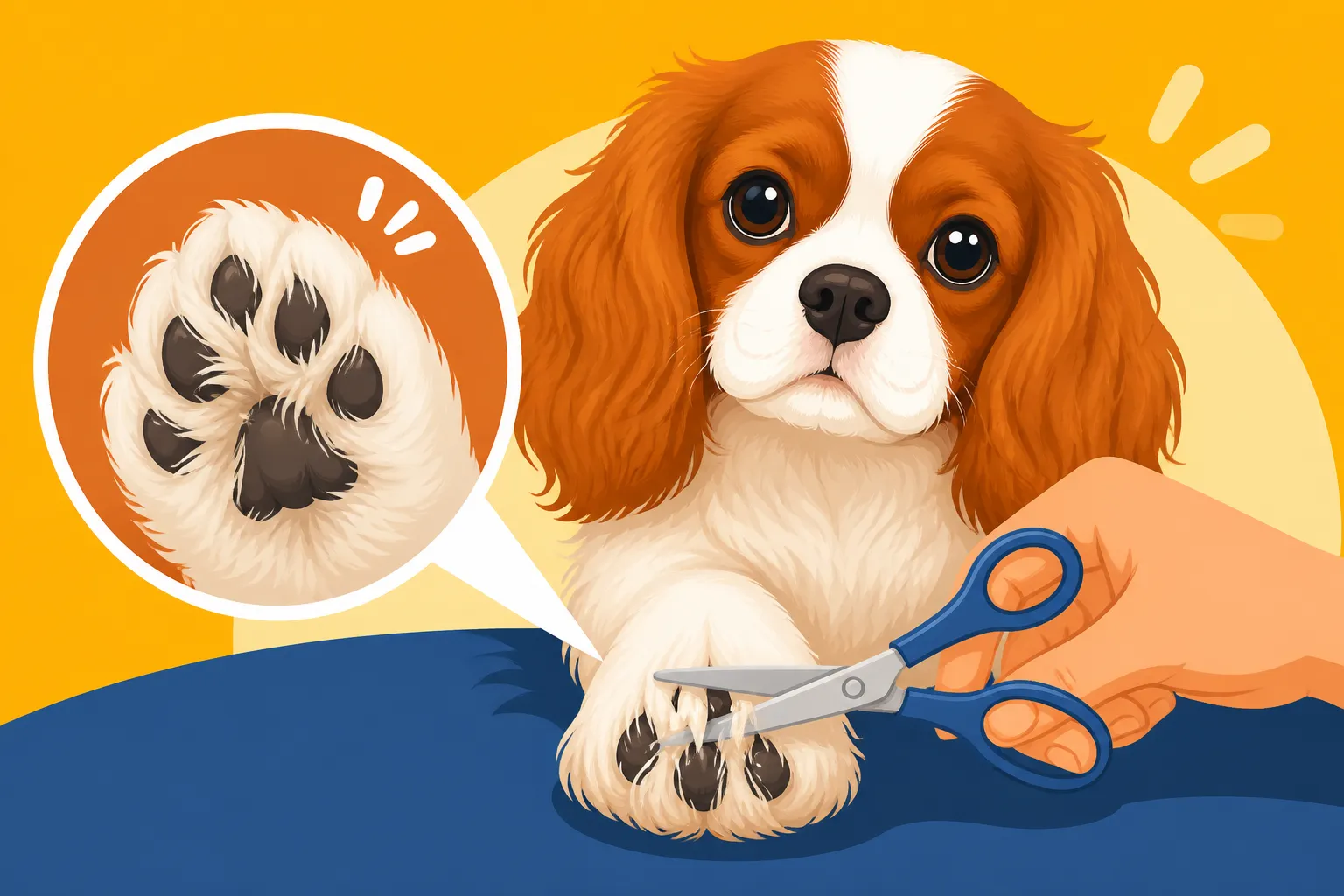
Once the paw is clean and tangle-free, you're ready to trim. The main goal is to trim the hair even with the paw pads, making sure it doesn't extend beyond them. This restores traction and prevents debris from getting caught.
- Trimming the Pads: With your blunt-tipped scissors, carefully slide one blade underneath the hair, flat against the paw pad. Angle the scissors parallel to the pad, and snip the hair that protrudes. Be extremely cautious not to cut into the pad itself. Work slowly, snipping small amounts of hair at a time. If using clippers, choose a small, quiet model (like those you might find on Amazon for detail work) and carefully guide it over the pads, ensuring the blade stays parallel to the pad and doesn't dig in. Always keep a finger between the blade and the paw pad if possible, creating a safety barrier.
- Between the Toes: This is the trickiest part, as the skin here is very thin and delicate. Gently spread two toes apart with your free hand. With the blunt-tipped scissors, carefully trim the hair that is growing excessively long between them. Again, aim to keep the hair flush with the paw pads. Use the very tips of your scissors, and always point them away from the paw pad itself. You can also use your comb to pull the hair upwards and then snip across the top, ensuring you only cut the hair and not the skin. The more you spread the toes, the less likely you are to accidentally nick the skin.
- Around the Edges: Finally, tidy up the hair around the perimeter of the paw, shaping it neatly. You can trim any stray hairs that are sticking out, giving the paw a clean, rounded appearance. This is where a professional groomer often creates that perfectly neat "cat foot" look that is so appealing. Don't try to achieve perfection on your first try; just aim for functional and comfortable.
Throughout this process, continually praise your Cavalier and offer treats. If they start to get squirmy, take a short break. It's better to do a few short sessions than to push too hard and create a negative association. Remember to also check for and carefully trim Trimming a Cavalier's Nails and Dewclaws while you're focused on their paws.
Post-Trim Care and Regular Maintenance
Once all four paws are trimmed, give your Cavalier a final round of praise and a well-deserved jackpot of treats. Quickly inspect each paw again to ensure there are no missed spots, long stragglers, or any signs of irritation. If you did nick them, apply styptic powder immediately.
Regular maintenance is crucial for keeping those paws in top condition. How often you need to trim will depend on how fast your Cavalier's hair grows, but typically, every 4-6 weeks is a good general guideline. Some Cavaliers might need it more frequently, especially if they have very fast-growing feathering. Incorporate paw checks into your weekly routine – a quick visual inspection and a brush-through will help you catch any issues before they become major problems.
Making paw trimming a regular, calm part of your Cavalier's grooming routine means it will become less stressful for everyone involved over time. You might find great success with pet-friendly products and grooming tools available on Chewy or even specialist brands you find via Ollie, ensuring you always have what you need on hand for consistent care.
Overcoming Challenges and Ensuring a Positive Experience
Even with the best preparation, grooming a Cavalier's paws can present some challenges. Our little furry friends have minds of their own, and not all of them are keen on being still for a paw trim. Understanding common difficulties and knowing how to troubleshoot them will help you maintain your patience and ensure a positive experience for both of you.
Managing Wiggles and Anxiety
It’s completely normal for a Cavalier to be a bit squirmy or anxious during a paw trim, especially if they’re not used to it. The key is to remain calm and patient. If your Cavalier starts to wiggle excessively, avoid scolding them. Instead, pause the trimming, offer comforting words, and perhaps a small, high-value treat. If the wiggling persists, it’s best to take a break. Trying to force the issue will only increase their anxiety and make future sessions even harder. Sometimes, a quick play session or a short walk can help them burn off some energy before you try again.
For particularly anxious Cavaliers, consider enlisting the help of another person. One person can gently hold and reassure the dog, offering treats, while the other focuses on the trimming. This can create a sense of security for your Cavalier and make the process quicker. If anxiety is severe, or your Cavalier shows signs of fear-aggression, consult with a professional groomer or a veterinary behaviorist. They can offer personalized advice and techniques, or even recommend gentle sedatives if necessary, to ensure the process is safe and stress-free. Remember that a positive association is your ultimate goal; you don't want them to dread grooming sessions. This is similar to the approach needed for Grooming a Cavalier That Hates the Table.
Preventing Accidental Nicks and Cuts
Even the most careful owners can accidentally nick a paw pad or the delicate skin between the toes. This is why having blunt-tipped scissors and styptic powder on hand is non-negotiable. To minimize the risk:
- Always use blunt-tipped scissors: As mentioned, these are designed with safety in mind.
- Work slowly and methodically: Don't rush. Take small snips, rather than attempting large cuts.
- Keep skin taut: When trimming between the toes, gently spread the toes apart to stretch the skin, making it less likely to get caught by the blades.
- Point scissors away from pads: Always aim the tips of your scissors away from the paw pads, never directly into them.
- Use your fingers as a guard: For clippers, a common technique is to place your thumb or forefinger between the clipper blade and the paw pad, pushing the skin back slightly. This creates a barrier, ensuring the blade only catches hair.
- Good lighting is essential: You need to see exactly what you're doing.
If a small nick occurs, don't panic. Immediately apply styptic powder to the cut. It will sting for a moment, but it quickly stops the bleeding. Offer comforting words and a treat, and if the bleeding is minor, you can usually continue once it has stopped. If the cut is deep or continues to bleed, it's always best to contact your veterinarian.
Troubleshooting Common Paw Hair Problems
Sometimes you might encounter problems that are a bit more complex than just long hair.
- Matted Fur: If you find a severe mat, especially one that's tight against the skin, do not try to cut it out with scissors if it's too close to the skin. This is the most common cause of injury. Instead, try to work a detangling spray (you can find many options on Chewy or through specialty dog supply stores) into the mat and gently tease it apart with your fingers or a mat splitter. If it's too tight or painful, it's safer to leave it to a professional groomer who has specialized tools and experience. They can often shave out mats without hurting the dog. Trying to cut a tight mat can easily slice the delicate skin underneath. This is a common issue, and similar care is needed when dealing with Mats in a Cavalier's Armpits and Groin.
- Paw Pad Irritation or Infections: If you notice redness, swelling, unusual odor, or your Cavalier is excessively licking their paws, trimming the hair might be the first step, but it’s crucial to investigate further. Long, damp hair can hide these issues. Once the hair is trimmed, you can better assess the problem. These symptoms often point to an infection (bacterial or yeast) or an allergic reaction. A vet visit is recommended in these cases to get a proper diagnosis and treatment.
- Sensitivity to Touch: Some Cavaliers are simply more sensitive to having their paws touched. If initial desensitization attempts aren't working, consider trying different times of day when your Cavalier is naturally more relaxed, like after a long walk or when they are sleepy. You can also try giving them a high-value chew toy or a treat-dispensing toy to keep them occupied while you work. For persistent issues, a professional groomer or a vet might be able to suggest specific techniques or even perform the trim if it's too stressful for you both to do at home. Remember that some behavioral changes, like sensitivity to touch, can also be a sign that A Cavalier That Yelps When Picked Up due to pain from conditions like Syringomyelia and Chiari Malformation in Cavaliers.
By understanding these challenges and having strategies to address them, you can confidently maintain your Cavalier’s paw health and ensure grooming remains a positive bonding experience, rather than a dreaded chore.
Disclaimer
This article is for general informational purposes only and does not constitute professional advice. Laws, prices and regulations vary by location and change over time. Consult a qualified professional for guidance on your specific situation.