Cavalier Tracheal Collapse
That terrifying sound – a harsh, dry, hacking cough that sounds like a goose honking, often accompanied by frantic gasping for air – is a nightmare for any Cavalier King Charles Spaniel owner. Tracheal collapse is a distressing reality for many small breeds, and our beloved Cavaliers are unfortunately not immune. This guide will delve into what tracheal collapse is, why it happens in Cavaliers, how to spot the signs, the diagnostic process, and most importantly, the various ways we can manage and treat this challenging condition to ensure our furry companions live as comfortably as possible.
Understanding Cavalier Tracheal Collapse
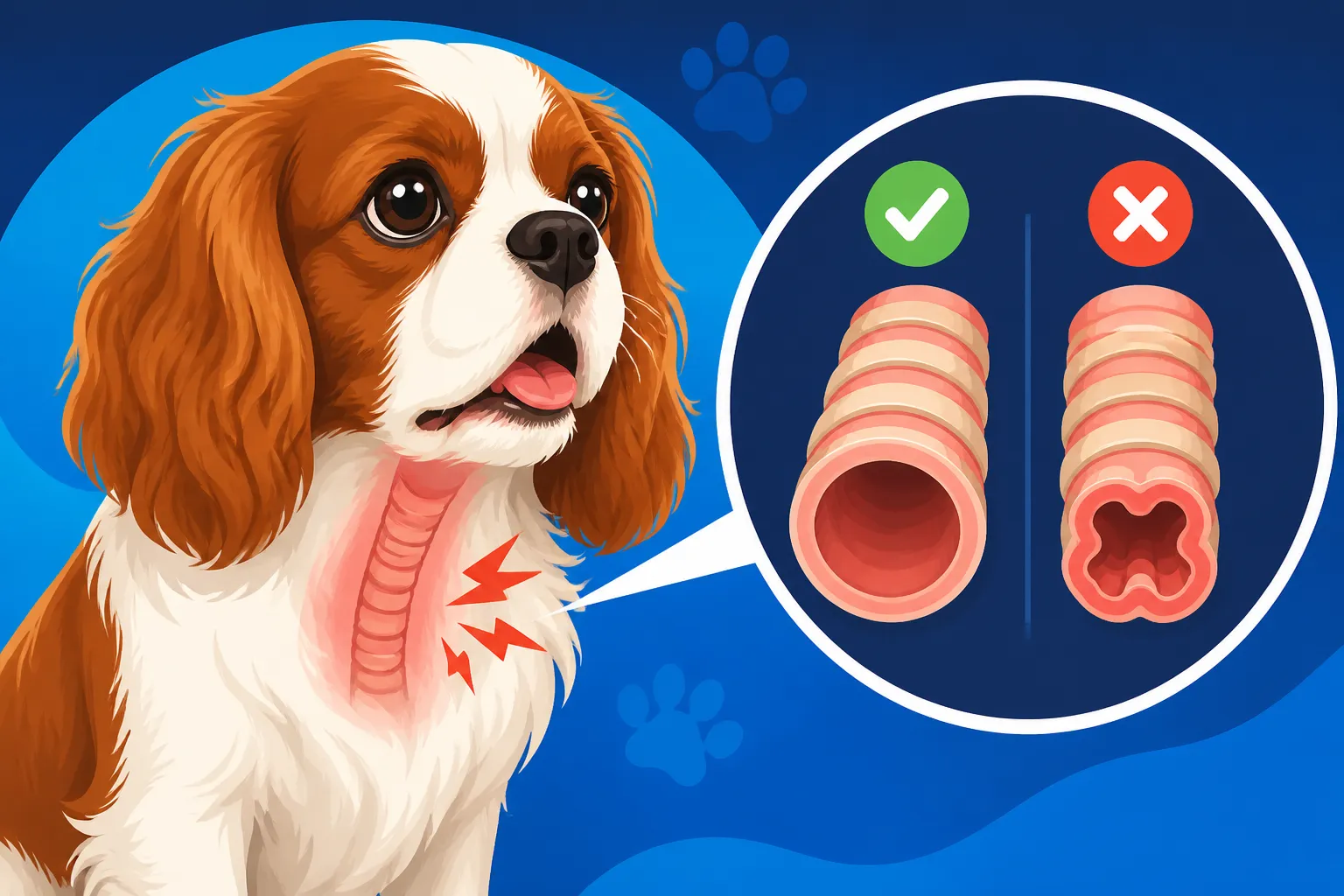
Imagine trying to breathe through a flattened straw instead of a wide-open pipe. That's essentially what happens during tracheal collapse. It's a progressive, debilitating condition that can significantly impact a Cavalier's quality of life.
What Exactly Is Tracheal Collapse?
The trachea, often called the windpipe, is a tube made up of C-shaped cartilage rings that connect the throat to the lungs. These rings act like scaffolding, keeping the airway open and firm. A thin membrane covers the open part of the C-shape, completing the tube. In tracheal collapse, these cartilage rings become weak, soft, and lose their rigidity. Instead of maintaining their round, open shape, they begin to flatten, causing the membrane to stretch and eventually sag into the airway.
This weakening can occur in different sections of the trachea. If it happens in the neck area (cervical trachea), you might notice symptoms more readily when your Cavalier pulls on their leash or gets excited. If it's in the chest area (intrathoracic trachea), the collapse might be more apparent when they exhale, as the pressure changes in the chest cavity pull the weakened walls inwards. It's a progressive condition, meaning it often starts subtly and worsens over time, gradually obstructing the airflow and making breathing increasingly difficult for our dogs.
Why Cavaliers Are Prone to This Condition
Cavalier King Charles Spaniels, like many other toy and small breeds such as Chihuahuas, Pomeranians, Yorkshire Terriers, and Poodles, are genetically predisposed to tracheal collapse. This isn't a condition that suddenly appears due to injury; rather, it’s often a congenital weakness in the tracheal cartilage that these breeds inherit. The cartilage rings simply aren't as strong or as well-formed as they should be, leading to a breakdown over time.
While Cavaliers are more widely known for conditions like Mitral Valve Disease and Syringomyelia, tracheal collapse is another structural issue that owners should be aware of. The smaller stature and specific conformation of toy breeds make them particularly susceptible. It's thought to be part of a broader syndrome of small airway diseases seen in these breeds, sometimes linked to their head structure, although Cavaliers are not typically considered a brachycephalic breed in the same way a Pug or Bulldog is. However, any slight compromise in airway structure can have a magnified effect in a smaller dog. Factors like obesity, chronic respiratory disease, and even environmental irritants can exacerbate this underlying genetic predisposition, turning a mild weakness into a full-blown collapse.
Recognizing the Signs and Symptoms
Catching the signs of tracheal collapse early can make a significant difference in managing the condition. It’s crucial to be attuned to your Cavalier’s breathing and behavior, as they often try to hide discomfort.
The Characteristic "Goose Honk" Cough
The most classic and alarming symptom of tracheal collapse is a distinctive dry, harsh, paroxysmal cough that sounds strikingly similar to a goose honking. It’s not a soft cough or a wet, phlegmy one; it's sharp, sudden, and often followed by a choking or gagging sound as if your dog is trying to clear something from their throat. This cough isn't constant but tends to appear in specific situations.
You'll often hear it when your Cavalier gets excited – perhaps when you arrive home, or when guests come to the door. Even a sudden, enthusiastic bark can trigger it. Exercise can also bring it on, as can drinking water too quickly or pulling on a collar during a walk. For instance, if your sweet Cavalier bounds to the door to greet the mail carrier, the rush of excitement and barking might immediately lead to a bout of this unsettling cough. The sound can be truly frightening, leaving you feeling helpless as your dog struggles to catch their breath.
Other Warning Signs to Look For
Beyond the tell-tale honking cough, several other symptoms can indicate tracheal collapse. You might notice your Cavalier having difficulty breathing, medically termed dyspnea. This could manifest as rapid, shallow breaths, or even gasping for air. Some dogs develop a wheezing sound, similar to asthma, particularly during inhalation or exhalation. If you observe your Cavalier struggling to breathe, it's vital to monitor their respiratory rate. Learning how to count a Cavalier's resting breaths can be a helpful skill for tracking any changes in their respiratory health over time.
Exercise intolerance is another common sign. A Cavalier who once loved long strolls might suddenly tire on short walks, lagging behind or wanting to stop frequently. They might appear less playful or less enthusiastic about their usual activities. In severe cases, especially during a full-blown respiratory crisis, their gums or tongue might turn a bluish or purplish tinge, known as cyanosis. This indicates a severe lack of oxygen and constitutes an immediate medical emergency. Any of these signs, especially in conjunction with the characteristic cough, warrant an urgent visit to your veterinarian.
Diagnosing Tracheal Collapse in Cavaliers
Pinpointing tracheal collapse requires a thorough veterinary investigation, as the symptoms can sometimes mimic other respiratory issues. Your vet will follow a systematic approach to confirm the diagnosis and assess the severity.
The Initial Vet Examination and X-rays
When you first bring your Cavalier in with suspected tracheal collapse, your veterinarian will start with a comprehensive physical examination. They’ll carefully listen to your dog's lung sounds with a stethoscope, checking for any abnormal breathing patterns, wheezing, or crackles. A crucial part of this exam involves gently palpating, or feeling, your Cavalier’s trachea along their neck. If the trachea is weakened, this light pressure can sometimes induce the characteristic "goose honk" cough, providing a strong clue to the diagnosis.
Following the physical exam, X-rays are typically the next step. To visualize the collapse, the vet will usually take multiple views of the chest and neck, often during both inhalation and exhalation. This dynamic imaging is important because the trachea can collapse at different points during the breathing cycle. For example, a collapse in the neck (cervical) portion might be more visible during inhalation, while a chest (intrathoracic) collapse might be more apparent during exhalation. However, X-rays aren't always definitive. Sometimes the collapse is intermittent or occurs at angles difficult to capture, meaning even with X-rays, the extent of the problem might be underestimated or even missed entirely.
Advanced Imaging and Endoscopy
When X-rays aren't conclusive, or if your vet needs a more precise understanding of the collapse, they may recommend advanced imaging techniques. Fluoroscopy is essentially a real-time X-ray video that allows the veterinarian to observe your Cavalier’s trachea as they breathe. This dynamic view can often reveal collapses that static X-rays miss, providing a much clearer picture of where and when the trachea is narrowing.
The gold standard for diagnosing tracheal collapse, however, is often a tracheal endoscopy. This procedure involves inserting a thin, flexible scope with a camera into your Cavalier’s airway while they are under general anesthesia. Endoscopy provides direct visualization of the entire trachea, allowing the vet to see the exact location, length, and severity of the collapse. It also helps rule out other potential causes of coughing, such as foreign bodies or tumors. Because these advanced procedures require anesthesia, it’s important to discuss the potential risks, especially if your Cavalier also has a heart murmur or other health concerns. Detailed discussions about Anesthesia Risk in a Cavalier With a Murmur are vital before proceeding with such diagnostics. While these advanced diagnostics can be more costly, they provide the most accurate assessment, which is crucial for determining the best course of treatment.
Management and Treatment Options
Living with a Cavalier diagnosed with tracheal collapse requires a multi-faceted approach, combining medical management, lifestyle adjustments, and sometimes, surgical intervention. The goal is always to improve breathing and enhance your dog’s comfort and quality of life.
Conservative Medical Management
For many Cavaliers, especially in the early stages, conservative medical management is the first line of defense. This primarily involves a combination of medications and significant lifestyle changes.
- Medications: Your vet might prescribe several types of drugs. Cough suppressants, such as hydrocodone or butorphanol, are often used to reduce the frequency and severity of the characteristic honking cough, providing much-needed relief. Bronchodilators can help open up the airways, making breathing easier. Anti-inflammatory medications, like prednisone, might be used short-term to reduce inflammation and swelling in the trachea, which can further exacerbate the collapse. However, long-term use of steroids comes with its own set of side effects, so this is usually a temporary measure.
- Weight Management: This is absolutely critical. Excess weight puts additional pressure on the trachea and respiratory system, worsening the collapse. If your Cavalier is overweight, your vet will work with you on a controlled weight loss plan. You might be surprised to learn how much even a few extra pounds can impact their breathing. This closely ties into why an Overweight Cavalier Fails Faster when dealing with respiratory or cardiac issues. Small, low-calorie treats for a Cavalier that gains easily can be a game-changer in a weight loss journey.
- Environmental Modifications: Minimizing exposure to respiratory irritants is key. This means no smoking around your Cavalier, avoiding dusty environments, strong perfumes, or harsh cleaning chemicals. Using a humidifier, especially in dry climates or during winter, can help keep their airways moist and less irritated.
- Harnesses Instead of Collars: This is non-negotiable for a Cavalier with tracheal collapse. A collar, even a flat buckle one, puts direct pressure on the neck and trachea, easily triggering a coughing fit or worsening the collapse. Switching to a well-fitting harness that distributes pressure across the chest and shoulders completely bypasses the neck, making walks much safer and more comfortable. There are many excellent Harnesses Suited to a Cavalier's Neck available that can make a huge difference.
- Stress Reduction: Excitement and stress can trigger coughing episodes. Creating a calm, predictable environment for your Cavalier can help manage their symptoms.
- Regular Check-ups: Consistent veterinary monitoring is essential to adjust medications and track the progression of the disease.
Surgical Interventions
For Cavaliers with severe tracheal collapse that doesn't respond adequately to conservative medical management, surgical options may be considered. These are generally more invasive and come with their own set of risks and considerations.
- Tracheal Stent Placement: This is a minimally invasive procedure where a self-expanding mesh stent is placed inside the collapsed portion of the trachea to hold it open. The stent provides immediate relief, often dramatically improving the dog's ability to breathe. However, stents are not without potential complications. They can migrate, break, or cause granulation tissue to form, which can further narrow the airway. Despite these risks, it can be a life-saving option for severely affected dogs. The cost of this procedure can be substantial, and this is where having pet insurance, such as through providers like Healthy Paws, can offer a crucial financial safety net.
- External Tracheal Ring Surgery: This involves placing prosthetic rings around the outside of the collapsed trachea to provide external support. This is a more invasive open-chest surgery and is typically reserved for collapses in the cervical (neck) portion of the trachea. It's generally not suitable for collapses deep within the chest (intrathoracic). While it can offer a more permanent solution for cervical collapse, recovery can be lengthy, and there are risks associated with any major surgery, especially for small breeds with potential comorbidities.
- Comorbidities: It's important to remember that Cavaliers often have other health issues, such as heart disease. The presence of a heart murmur or other cardiac conditions can increase the risks associated with anesthesia and surgery, making the decision-making process even more complex.
Lifestyle Adjustments for a Cavalier with Tracheal Collapse
Beyond medical treatments, daily lifestyle adjustments are crucial for managing tracheal collapse and ensuring your Cavalier's comfort.
- Calm Environment: As mentioned, minimizing excitement and stress can reduce coughing episodes. Try to maintain a predictable routine and create a quiet space for your Cavalier to rest.
- Diet and Exercise: Maintaining a healthy weight is paramount. Work with your vet to ensure your Cavalier is on an appropriate diet. For exercise, think quality over quantity. Short, frequent, low-impact walks are preferable to strenuous, prolonged activity. Avoid anything that causes excessive panting or coughing. A Cavalier that tires on short walks should definitely not be pushed further.
- Continuous Monitoring: Keep a close eye on your Cavalier's breathing patterns, cough frequency, and overall energy levels. Any sudden worsening of symptoms or signs of distress should prompt an immediate call to your vet.
- Long-Term Commitment: Tracheal collapse is often a lifelong condition requiring ongoing management. Be prepared for regular vet visits, medication adjustments, and a commitment to maintaining their adapted lifestyle. Having a good pet insurance plan, like one from Healthy Paws, can help manage the financial burden of these ongoing treatments and any unexpected emergency visits, ensuring you can provide the best care without constant worry about costs.
Prevention and Prognosis
While tracheal collapse can be a challenging diagnosis, understanding its nuances and preparing for the future can make a significant difference in your Cavalier's life.
Can Tracheal Collapse Be Prevented?
When it comes to tracheal collapse, prevention largely revolves around responsible breeding practices and proactive management of known risk factors. Since there's a strong genetic component, the most impactful prevention occurs before a puppy is even born. Reputable breeders should ideally avoid breeding dogs with a known history of tracheal collapse in their lines, even though genetic screening for this specific condition isn't as straightforward as for some other breed-specific diseases. This echoes the importance of comprehensive health testing protocols, similar to those outlined in the Cavalier MVD Breeding Protocol, which aims to reduce inherited health issues in the breed.
For pet owners, while you can't prevent a congenital predisposition, you can certainly take steps to minimize the severity and onset of symptoms. Keeping your Cavalier at an ideal body weight is paramount, as obesity significantly exacerbates the condition. Avoiding respiratory irritants like cigarette smoke, harsh cleaning chemicals, and even strong air fresheners in the home can also make a big difference. Most importantly, always use a harness instead of a neck collar from puppyhood. This simple switch can prevent unnecessary pressure and trauma to a potentially weak trachea, even before any signs of collapse appear.
Living with a Cavalier with Tracheal Collapse
The prognosis for a Cavalier with tracheal collapse varies widely depending on the severity of the condition, how early it's diagnosed, and the consistency of management. Many Cavaliers with mild to moderate collapse can live long, comfortable lives with diligent medical management and lifestyle adjustments. They might have occasional coughing spells, but their overall quality of life remains good.
However, for those with severe, progressive collapse, the prognosis can be more guarded. These dogs might require a combination of medical and surgical interventions and will need constant monitoring. It's a journey that demands patience, dedication, and a close working relationship with your veterinarian. Being prepared for potential sudden crises, such as a severe respiratory distress episode that might necessitate an emergency visit for oxygen therapy, is also crucial. Understanding the costs associated with potential Emergency Visits for a Cavalier in Fluid Overload or other respiratory emergencies can help you plan financially.
Ultimately, living with a Cavalier with tracheal collapse means embracing their needs, making necessary adaptations, and celebrating every comfortable breath they take. With the right care plan, regular veterinary support (including annual cardiologist exams for a Cavalier, especially if they have concurrent heart issues), and a proactive approach, you can help your beloved companion enjoy their life to the fullest. And remember, pet insurance providers like Healthy Paws can be an invaluable partner in managing the long-term costs of this chronic condition, allowing you to focus on your Cavalier's well-being without financial stress.
Disclaimer
The information provided in this article is for general informational purposes only and is not intended as a substitute for professional veterinary advice. Always consult with a qualified veterinarian for any health concerns or before making any decisions related to your pet's health and treatment.