Which Labs Run Cavalier Genetic Tests
One of the biggest anxieties for any Cavalier King Charles Spaniel owner, or prospective owner, is the breed's well-known health challenges. While some conditions like Mitral Valve Disease are prevalent regardless of genetic testing, many other serious concerns do have a genetic component, and understanding which labs can help you navigate this complex landscape is crucial. This guide aims to shed light on the key players in canine genetic testing and how their services can bring peace of mind to Cavalier families.
Why Genetic Testing Matters for Cavaliers
It’s no secret that Cavaliers face a unique set of inherited health issues. The very traits that make them so endearing – their gentle nature, expressive eyes, and silky coats – sometimes come with a genetic predisposition to certain conditions. For both dedicated breeders and conscientious pet owners, genetic testing isn't just a suggestion; it's a vital tool in safeguarding the health of this beloved breed. Ignoring the potential for inherited diseases can lead to heartbreaking outcomes and significant veterinary bills down the road.
The Hidden Health Issues Cavaliers Face
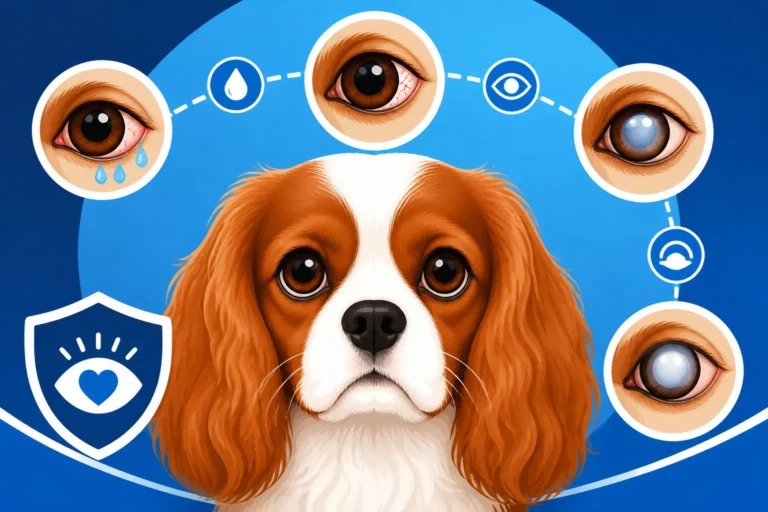
Many of the genetic conditions in Cavaliers aren't immediately obvious in a cute, bouncy puppy. They can lie dormant, only to manifest later in life, sometimes with devastating effects. For instance, Episodic Falling Syndrome (EFS) can cause a Cavalier to stiffen and collapse, often triggered by excitement or exercise. It’s not epilepsy, but a muscle issue, and it's something no owner wants to witness. Similarly, Dry Eye and Curly Coat Syndrome, also known as Ichthyosiform Dermatosis, can lead to chronic eye pain and severe skin problems, impacting a dog's quality of life from a young age. These are conditions that can be devastating, and thankfully, reliable DNA tests exist to identify carriers and affected dogs.
Understanding these risks allows for proactive measures. If you know your Cavalier is a carrier for a specific gene, you can work closely with your vet to monitor for early signs and prepare for potential management. For breeders, this knowledge is even more critical; it allows them to make informed decisions to avoid producing affected puppies, moving towards healthier lines over generations. Knowing which genes your Cavalier carries, or is clear of, is a foundational step in responsible pet ownership and breeding.
Peace of Mind for Breeders and Owners
The primary benefit of genetic testing, beyond early detection and prevention, is the immense peace of mind it offers. For breeders, it means confidently planning pairings, ensuring they are not inadvertently combining two carriers of a recessive gene, which would result in affected offspring. Responsible breeders often test their dogs for a range of conditions and are transparent about their results, sharing full health clearances with prospective buyers. If you’re looking for a puppy, always ask to see the parents' health documentation, including their genetic test results. This commitment is part of what makes buying a Cavalier from a health-testing breeder so important.
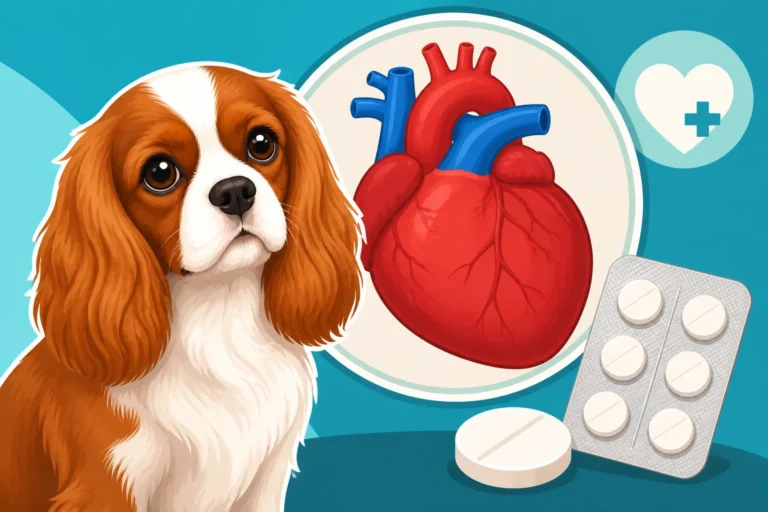
For pet owners, having a clear understanding of your Cavalier's genetic predispositions helps you prepare for the future. While genetic tests don't cover everything – for example, they won't tell you if your dog will develop Mitral Valve Disease in the Cavalier King Charles Spaniel, which is unfortunately highly common – they do eliminate significant unknowns for other conditions. This knowledge can also inform your discussions with your veterinarian about preventative care and potential symptoms to watch for. It's about being prepared, rather than blindsided, by a treatable or manageable condition. Plus, having a good pet insurance policy, such as one from Healthy Paws, in place before any symptoms appear for these conditions can be a huge financial relief later on. Remember, most insurance companies classify conditions as pre-existing once symptoms are present, so insuring a Cavalier before the murmur arrives or any other genetic condition manifests is key.
Major Genetic Testing Labs for Cavaliers
When it comes to genetic testing for your Cavalier, you'll find several reputable laboratories offering comprehensive panels. It's not just about finding any lab, but finding one that is well-regarded, accurate, and offers the specific tests relevant to the Cavalier King Charles Spaniel breed. The science behind these tests has advanced significantly, making them highly reliable tools for screening.
Understanding Different Lab Offerings
Most genetic testing labs operate by analyzing a DNA sample, typically collected via a simple cheek swab at home or by your vet. They then screen for specific genetic markers associated with inherited diseases. For Cavaliers, the most commonly sought-after tests include those for Episodic Falling Syndrome (EFS), Dry Eye/Curly Coat Syndrome (DE/CC), and sometimes for other conditions like progressive retinal atrophy (PRA) depending on the specific panel. Some labs offer breed-specific panels that bundle these tests together, which is often more cost-effective than ordering individual tests.
It's important to differentiate between tests that look for a specific disease gene and those that might analyze a broader genetic profile. While comprehensive genetic health panels are excellent for overall screening, make sure the panel you choose explicitly includes the conditions known to affect Cavaliers. A common pitfall for new owners is opting for a generic "all breeds" test that might miss the Cavalier-specific markers. Always verify the specific tests included in the panel to ensure it aligns with the needs of your Cavalier.
Here’s a look at some of the leading labs that offer genetic testing for Cavaliers and what they typically cover:
| Laboratory Name | Key Cavalier-Specific Tests Offered | Typical Sample Type | Price Range (Approx.) | Notes |
|---|---|---|---|---|
| Embark Veterinary | EFS, DE/CC, DM (various), PRA, MVD Risk* | Cheek Swab | $100 – $200+ | Very comprehensive health panel; also includes breed ID. Note: MVD risk is complex and not a single genetic marker. |
| Optimal Selection (Wisdom Panel) | EFS, DE/CC, DM (various), PRA | Cheek Swab | $100 – $200+ | Also offers breed identification and traits. |
| Paw Print Genetics | EFS, DE/CC, DM, PRA, Curly Coat Syndrome | Cheek Swab | $80 – $150+ (per test/panel) | Offers individual tests and breed-specific panels. Focuses heavily on health. |
| OFA (Orthopedic Foundation for Animals) | EFS, DE/CC (through associated labs) | Cheek Swab | Varies by associated lab | OFA acts as a central database; often links to labs like Paw Print or others for DNA results to be submitted. |
Disclaimer: Prices are approximate and subject to change. Always check the lab's website for current pricing and panel details. The MVD "risk" marker from Embark is complex and not a simple "affected/clear" for MVD itself, which is a multifactorial disease.
How to Choose the Right Lab
Choosing the right genetic testing lab involves more than just picking the cheapest option. You want reliability, accuracy, and comprehensive reporting. Here are a few factors to consider when making your decision:
- Cavalier-Specific Panels: Ensure the lab offers a specific panel that includes the primary genetic conditions relevant to Cavaliers, such as Episodic Falling Syndrome and Dry Eye/Curly Coat Syndrome. Some labs are known for their deep dive into specific breeds, which can be invaluable.
- Reputation and Accreditation: Look for labs with a strong reputation in the veterinary community. While formal accreditation for all canine genetic tests is still evolving, reputable labs often participate in quality assurance programs or have strong scientific backing. Embark Veterinary and Optimal Selection are widely recognized consumer-facing brands, while Paw Print Genetics is highly regarded by breeders and vets for its focused health testing.
- Comprehensive Reporting: What do the results look like? Do they clearly state whether your dog is "clear," a "carrier," or "affected"? Do they provide detailed explanations of what each result means for your Cavalier's health and potential breeding outcomes? Reading a Cavalier DNA Panel Result should be straightforward, not require a genetics degree.
- Cost and Turnaround Time: While you shouldn't base your decision solely on price, it's a practical consideration. Compare the costs of different panels and factor in any potential discounts. Also, consider the turnaround time for results; some labs deliver within a few weeks, while others might take longer, which can be an important consideration, especially for breeders.
- Customer Support: Should you have questions about the collection process or interpreting results, good customer support can make a world of difference.
Always remember that genetic testing is a powerful tool, but it's not the only one. Combine these insights with routine veterinary check-ups and open communication with your breeder and vet.
The Testing Process: What to Expect
The thought of "genetic testing" might sound intimidating, conjuring images of complex medical procedures. However, for most canine genetic tests, the process is surprisingly simple and can often be done from the comfort of your home. It's designed to be minimally invasive for your beloved Cavalier, ensuring their comfort throughout.
Collecting Your Cavalier's Sample
The most common and convenient method for collecting a DNA sample for genetic testing is a simple buccal swab, also known as a cheek swab. These kits usually come with sterile cotton swabs, often resembling large Q-tips, that you gently rub on the inside of your dog's cheek and gum line. The goal is to collect cells from the inner lining of the mouth, which contain your dog's DNA.
Here's a general step-by-step for a successful sample collection:
- Preparation is Key: Make sure your Cavalier hasn't eaten, nursed, or chewed on toys for at least an hour before collecting the sample. This prevents contamination of the swab with food particles or other dogs' saliva, which could lead to inaccurate results or a need for retesting. Some labs recommend two hours, so always follow the specific instructions in your kit.
- Open the Kit: Carefully open the sterile packaging for the swabs, being careful not to touch the cotton tips with your fingers. Contamination can compromise the sample.
- Swab the Cheek: Gently but firmly rub the cotton tip along the inside of your Cavalier's cheek pouch, moving it back and forth and rotating it for about 15-30 seconds. You want to gather as many cheek cells as possible. Repeat this with all the swabs provided (usually 2-4 per kit) on different areas of the inner cheek for a robust sample.
- Air Dry: After swabbing, allow the swabs to air dry for at least 5-10 minutes. This prevents mold growth during transit. Do not touch the tips or let them touch other surfaces.
- Secure and Send: Once dry, place the swabs back into their protective sleeves or tubes as directed by the kit, seal them, and place them in the provided return envelope. Make sure to fill out all necessary paperwork and identification labels accurately. Then, simply mail it back to the lab.
Some labs also accept blood samples, which would need to be drawn by your veterinarian. This is less common for routine genetic health panels but may be an option if preferred or if other tests are being run simultaneously.
Interpreting Your Cavalier's Genetic Results
Once your sample has been analyzed, you'll receive a report that details your Cavalier's genetic status for each condition tested. The results typically fall into one of three categories:
- Clear (or "Normal" / "Homozygous Normal"): This means your Cavalier does not carry the gene variant associated with the disease. They will not be affected by the disease and cannot pass the gene on to any offspring. This is the ideal result for any genetic test.
- Carrier (or "Heterozygous" / "Unaffected Carrier"): This means your Cavalier carries one copy of the gene variant for the disease but typically will not show symptoms themselves. They are "unaffected" by the disease. However, they can pass this gene on to approximately 50% of their offspring. This is particularly important for breeders to know. For example, The Episodic Falling DNA Test for Cavaliers will tell you if your dog is a carrier for EFS. A carrier Cavalier, if bred to another carrier, has a 25% chance of producing affected puppies, a 50% chance of producing carriers, and a 25% chance of producing clear puppies.
- Affected (or "Homozygous Affected"): This means your Cavalier has two copies of the gene variant and is likely to develop or is already affected by the disease. They will also pass this gene on to 100% of their offspring. Knowing this can help you and your vet plan for early intervention and management of the condition, such as with Dry Eye and Curly Coat Syndrome in Cavaliers.
It's crucial to understand that a "carrier" status isn't a death sentence or a sign of an unhealthy dog for all conditions. For many recessive genetic diseases, carriers live perfectly normal, healthy lives. The information is most critical for responsible breeding practices, as outlined in protocols like The Cavalier MVD Breeding Protocol (though MVD isn't a simple genetic test, the principle of careful breeding applies). Always discuss your results with your veterinarian, especially if your Cavalier is a carrier or affected, to understand the full implications for their health and care plan. This information empowers you to make the best decisions for your furry family member.
Beyond Genetic Tests: A Holistic Approach to Cavalier Health
While genetic testing is an invaluable tool for understanding and managing certain inherited diseases in Cavaliers, it's just one piece of the puzzle. A truly comprehensive approach to your Cavalier's health and lifespan involves a combination of preventative care, regular veterinary check-ups, and a deep understanding of the breed's unique needs. After all, knowing The DNA Tests Every Cavalier Should Have is important, but it’s not the whole story.
The Importance of Comprehensive Health Clearances
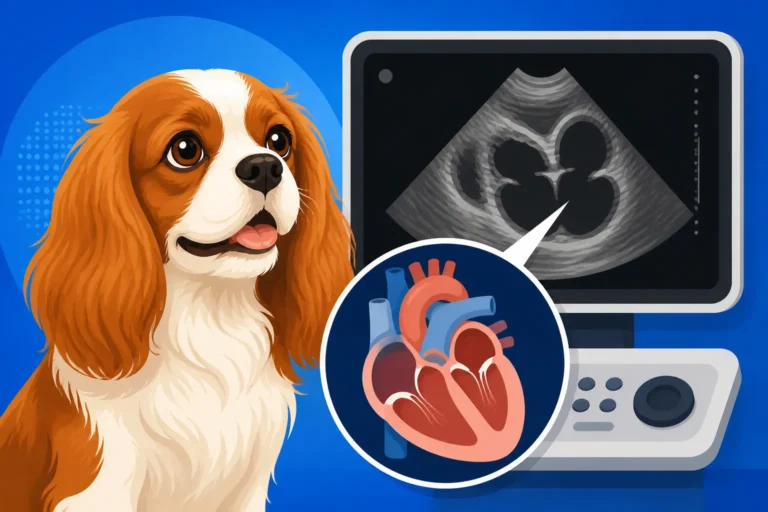
Cavaliers are prone to several complex health issues that aren't solely determined by single gene mutations and therefore can't be "tested away" with a DNA swab. The most notable example is Mitral Valve Disease (MVD), which is incredibly common in the breed. While there's ongoing research into genetic markers for MVD risk, it's currently diagnosed through physical examination and echocardiograms, not a simple DNA test. This is why The Heart Testing a Cavalier Breeder Must Do involves regular cardiologist examinations. These specialized checks are paramount for catching early signs of heart disease.
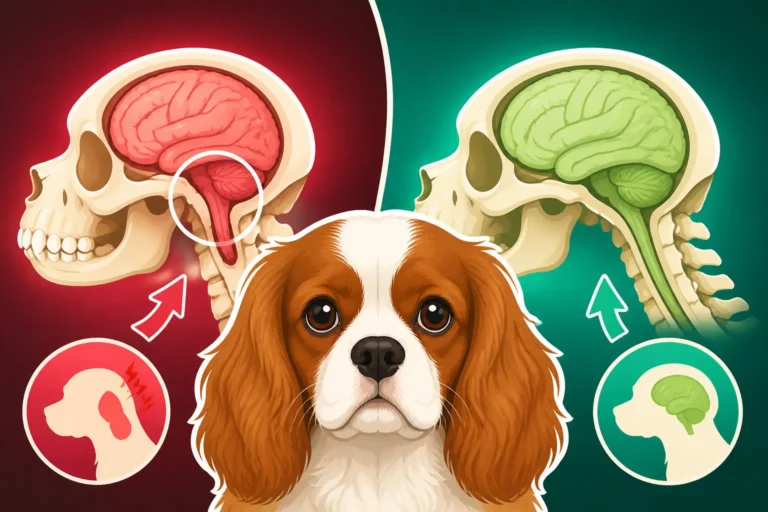
Beyond MVD, Cavaliers are also prone to neurological conditions like Syringomyelia and Chiari Malformation in Cavaliers, eye issues such as cataracts, and orthopedic problems like patellar luxation. These conditions require different types of clearances, including regular eye exams by a veterinary ophthalmologist, patella exams by a general vet, and sometimes MRI scans for neurological concerns. A truly responsible breeder will provide clearances for all these conditions, often certified by organizations like the Orthopedic Foundation for Animals (OFA) or the Canine Eye Registration Foundation (CERF). These clearances, along with genetic test results, paint a much clearer picture of a Cavalier's overall health and genetic legacy.
Partnering with Your Veterinarian and Breeder
Navigating the health landscape of a Cavalier King Charles Spaniel can feel overwhelming, but you don't have to do it alone. Your veterinarian is your primary partner in ensuring your Cavalier lives a long, healthy, and happy life. They can help you interpret genetic test results, recommend appropriate screening for non-genetic conditions (like regular Annual Cardiologist Exams for a Cavalier), and guide you through preventative care and treatment options. Don't hesitate to ask questions, no matter how small they seem.
If you purchased your Cavalier from a reputable breeder, they should also be a valuable resource. Good breeders are deeply invested in the health of their lines and are usually happy to discuss the health history of your dog's parents and siblings. They can offer insights into breed-specific care and provide support throughout your Cavalier's life. This long-term relationship is one of the many benefits of choosing a breeder who prioritizes health and transparency.
Finally, remember that lifestyle plays a huge role in your Cavalier's well-being. A balanced diet, appropriate exercise (even for a Cavalier that tires on short walks due to heart disease), proper grooming, and plenty of love contribute significantly to their health and can influence how long a Cavalier lives after diagnosis of certain conditions. Having a comprehensive pet insurance plan like Healthy Paws can also provide significant financial support for unexpected health issues, ensuring you can always make the best decisions for your Cavalier without undue financial stress. By combining genetic knowledge with excellent veterinary care and responsible ownership, you can give your Cavalier the best possible chance to reach their full potential and enjoy a long, fulfilling life, maybe even helping them to reach Whether a Cavalier Can Reach Fifteen.
Disclaimer
This article is intended for informational purposes only and does not constitute veterinary advice. Always consult with a qualified veterinarian for any health concerns or before making any decisions about your pet's medical care or treatment.