Reading a Cavalier DNA Panel Result
It can feel overwhelming when you first get a DNA panel result back for your Cavalier King Charles Spaniel. There are so many acronyms, scientific terms, and sometimes conflicting information online, leaving you wondering what it all really means for your beloved companion. This guide is here to break down those complex reports, help you understand what "clear," "carrier," and "affected" truly signify, and empower you to make informed decisions about your Cavalier's health and future.
Why Cavalier DNA Testing Matters
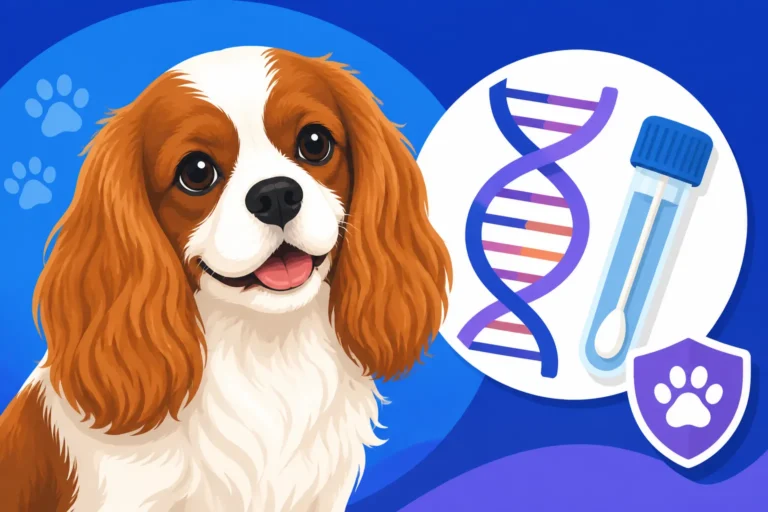
For Cavalier King Charles Spaniel owners, the phrase "DNA testing" often brings a mix of hope and apprehension. We all want to ensure our furry family members live the longest, healthiest lives possible, and DNA tests offer a peek into their genetic blueprint, highlighting potential issues before they ever become visible. It’s about proactive care and understanding the hand your Cavalier was dealt, genetically speaking.
Understanding Inherited Conditions in Cavaliers
Cavaliers, as wonderful as they are, are sadly predisposed to several significant inherited health conditions. We're not talking about typical sniffles; these are serious, sometimes life-altering diseases that can impact their quality of life dramatically. Conditions like Episodic Falling Syndrome (EFS), Dry Eye and Curly Coat Syndrome (DECS), and certain forms of Progressive Retinal Atrophy (PRA) are all genetically linked, meaning they are passed down from parent to offspring. Without DNA testing, a breeder might unknowingly mate two carriers, resulting in puppies who are affected by these debilitating conditions.
Imagine bringing home a sweet Cavalier puppy, only to discover later that they struggle with sudden, unexplained collapses due to EFS, or suffer from chronic, painful eye issues and a problematic coat because of DECS. These aren't just minor inconveniences; they are deeply distressing for both the dog and their family. DNA tests allow us to identify the specific genetic mutations responsible for these conditions. If your Cavalier tests "clear," it means they don't carry the gene mutation for that particular disease. If they're a "carrier," they have one copy of the mutated gene and one normal copy, meaning they likely won't show symptoms themselves but can pass it on. An "affected" result, however, means they have two copies of the mutated gene and are very likely to develop the disease, if not already showing signs. It’s a huge relief to know your dog is clear, but understanding a carrier or affected status is crucial for future planning and health management.
The Importance for Breeders and Owners
For responsible breeders, DNA testing is absolutely non-negotiable. It's the cornerstone of ethical breeding practices, allowing them to make informed decisions that actively reduce the incidence of these devastating diseases in future generations. By testing prospective breeding dogs for genetic conditions like The Episodic Falling DNA Test for Cavaliers or The DNA Test That Ends Cavalier Curly Coat, breeders can ensure they don't unwittingly perpetuate inherited problems. This commitment isn't just about producing "show-quality" dogs; it's about safeguarding the health and well-being of the breed itself. Breeders often share these results, which are a vital part of Reading a Cavalier Puppy's Health Certificates.
For us, as owners, understanding these results provides immense peace of mind and allows for proactive care. If your Cavalier is a carrier for a specific condition, while they might not develop the disease themselves, it's information that could be vital if you ever consider breeding them (though most pet Cavaliers are spayed or neutered). More importantly, if your dog is identified as "affected" for a condition that hasn't yet manifested, you can work with your veterinarian to monitor for early symptoms and implement management strategies much sooner. This early awareness can significantly improve your Cavalier's quality of life, allowing for interventions that might slow progression or alleviate discomfort. It's about knowing what to watch for, rather than being caught off guard when symptoms suddenly appear down the road.
Deciphering Your Cavalier's DNA Panel
When you receive your Cavalier's DNA panel results, it can look like a foreign language. There are rows and columns of scientific names, abbreviations, and terms that aren't part of our everyday vocabulary. But don't worry, once you understand the basic structure and the key terms, it becomes much clearer. Most reputable labs follow a similar format, making it easier to interpret, regardless of whether you used a service like Embark, Wisdom Panel, or tests processed through OFA (Orthopedic Foundation for Animals).
Common Genetic Tests for Cavaliers
For Cavaliers, there are a few core genetic tests that are widely recommended and typically included in a comprehensive panel. These tests specifically look for mutations known to cause certain diseases within the breed. Let's break down the most common ones you'll likely see on your report:
- Episodic Falling Syndrome (EFS): This is a neurological condition unique to Cavaliers, where episodes of muscle rigidity occur, often triggered by excitement, exercise, or stress. It's not a seizure, but a temporary inability to relax muscles, causing the dog to collapse or stiffen. The DNA test identifies the gene mutation responsible for this. A clear result means your dog won't develop EFS due to this specific gene and won't pass it on. If your Cavalier has tested as affected, you might want to learn more about Episodic Falling Syndrome in a Cavalier.
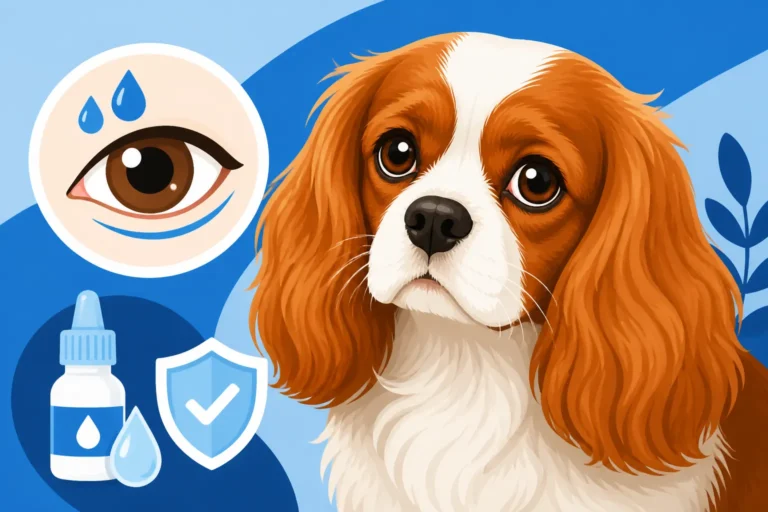
- Dry Eye and Curly Coat Syndrome (DECS), also known as Congenital Keratoconjunctivitis Sicca and Ichthyosiform Dermatosis (CKCSID): This severe condition involves dry eyes that don't produce enough tears, leading to painful corneal ulcers and potential blindness. It's also accompanied by a rough, curly coat and thickened, scaly skin. It's a truly heartbreaking condition, and fortunately, there's a DNA test to identify affected dogs and carriers. Understanding your dog's status can help you manage Dry Eye and Curly Coat Syndrome in Cavaliers if they are affected, or simply give you peace of mind if they are clear.
- Muscular Dystrophy (MD): While not as prevalent or unique to Cavaliers as EFS or DECS, some panels may include tests for forms of muscular dystrophy that can affect various breeds. This condition causes progressive muscle weakness and degeneration.
- Progressive Retinal Atrophy (PRA): There are several types of PRA, which are degenerative eye diseases that eventually lead to blindness. While some forms are generalized across many breeds, specific DNA tests exist for forms known to affect Cavaliers. Early detection through DNA can't prevent it, but it allows owners to prepare for their dog's eventual vision loss.
These tests are designed to identify specific genetic markers. A "positive" test result doesn't always mean your dog has the disease right now, but rather that they carry the genetic blueprint for it.
Interpreting "Clear," "Carrier," and "Affected" Results
This is often the most confusing part of a DNA panel, but it's really quite straightforward once you grasp the concepts. Every gene comes in pairs, one from each parent. Genetic diseases linked to these tests are typically autosomal recessive, meaning a dog needs two copies of the mutated gene to be affected.
Here’s what each result means:
- Clear (or "Normal," "Homozygous Normal"): This is the best possible outcome. Your Cavalier has two normal copies of the gene (NN). This means they will not develop the genetic disease in question, and they cannot pass the mutated gene on to any offspring. You can breathe a sigh of relief for that particular condition!
- Carrier (or "Heterozygous," "Carrier for [Disease Name]"): Your Cavalier has one normal copy of the gene and one mutated copy (Nm). For most autosomal recessive conditions, carriers are generally healthy and do not show symptoms of the disease themselves because the normal gene copy compensates. However, they can pass the mutated gene on to about half of their offspring. This is incredibly important information for breeders to avoid mating two carriers, which could produce affected puppies. For pet owners, it mostly means your dog is healthy regarding that specific gene, but it's good to know for their overall genetic profile.
- Affected (or "Homozygous Affected"): Your Cavalier has two copies of the mutated gene (mm). This means they are highly likely to develop the genetic disease (if they haven't already), and they will pass a mutated copy of the gene to all of their offspring. An affected diagnosis often means a lifetime of management and care for the specific condition.
Understanding these distinctions is crucial for proactive health management. For instance, if your Cavalier is a carrier for DECS, they're unlikely to suffer from it, but if they were used for breeding, it would be vital to ensure their mate was clear. If they are affected, you'd be preparing for the symptoms and working closely with your vet. This kind of knowledge can also impact your pet insurance choices. Providers like Healthy Paws often classify conditions as "pre-existing" if symptoms manifest before coverage begins or within a waiting period. Knowing your dog's genetic status before any symptoms appear might not change whether a condition is genetic, but it offers a chance to plan for potential future care and costs, especially if a breed is known for certain issues.
Understanding the Laboratory Report Format
While each lab has its own slightly different layout, most DNA panel reports for Cavaliers will contain similar sections:
- Dog Information: At the top, you'll find your Cavalier's name, breed, date of birth, microchip number, and sometimes their lineage or registration numbers. Double-check that all this information is correct.
- Test Panel List: This section usually lists all the genetic diseases your Cavalier was tested for. It might include abbreviations or full scientific names, so having a guide like this can help you connect them to the common names you recognize (e.g., CKCSID for Dry Eye/Curly Coat Syndrome).
- Result Column: This is the heart of the report, showing "Clear," "Carrier," or "Affected" for each specific disease. Sometimes, it might include the genetic marker or mutation identified.
- Interpretation/Breeding Advice: Many reports will offer a brief explanation of what each result means and, if applicable, provide simple breeding recommendations (e.g., "Do not breed to a carrier" or "Can be bred to a clear dog"). This is particularly helpful for breeders reviewing The Cavalier MVD Breeding Protocol and other health clearances.
- Lab Information: Details about the testing laboratory, the date the sample was received, and the date the results were reported will also be included.
Here’s a simplified example of how you might see results presented:
| Genetic Condition | Result | Interpretation |
|---|---|---|
| Episodic Falling Syndrome (EFS) | Clear | Your Cavalier does not have the EFS mutation and will not develop EFS. They cannot pass it on to offspring. |
| Dry Eye/Curly Coat Syndrome (DECS) | Carrier | Your Cavalier has one copy of the DECS mutation. They are generally healthy but can pass the mutation to 50% of their offspring. Breeding to a Clear dog is recommended to avoid affected puppies. |
| Progressive Retinal Atrophy (PRA-PRCD) | Clear | Your Cavalier does not have the PRA-PRCD mutation and will not develop this form of PRA. They cannot pass it on. |
| Degenerative Myelopathy (DM) | Clear | Your Cavalier does not have the DM mutation and will not develop DM. They cannot pass it on. (Often included on panels, though less common as a primary concern for Cavaliers compared to some other breeds.) |
This table helps put everything into perspective and clarifies the action items, especially for breeders concerned with Why a Cavalier Should Not Be Bred Before Five without these critical health tests.
Beyond the Basics: What Else a DNA Panel Can Reveal
While the primary focus for Cavaliers is often on inherited diseases, modern DNA panels have become incredibly sophisticated, offering insights that go beyond just a few specific health conditions. These broader revelations can be fascinating, though it's important to keep our focus on the health aspects relevant to our beloved breed.
Breed Purity and Ancestry Insights
Many commercial DNA panels, especially those marketed to pet owners, offer more than just disease screening. They can delve into your Cavalier's genetic makeup to confirm breed purity or even trace their ancestry. For a purebred Cavalier King Charles Spaniel from a reputable breeder, this might simply confirm what you already know – that your dog is indeed 100% Cavalier. However, for rescue dogs or those with less clear parentage, these ancestry insights can be incredibly exciting, revealing a mix of breeds or confirming their purebred status.
While these ancestry reports are fun and interesting, it's crucial not to let them overshadow the primary purpose of genetic health screening. The unique challenges of Cavalier Lifespan and What Cuts It Short are usually related to specific inherited diseases, not mixed breed status. Knowing your dog's ancestral background won't tell you if they're prone to Mitral Valve Disease in the Cavalier King Charles Spaniel (which is not a single-gene DNA testable condition), but it can certainly satisfy curiosity about their lineage.
Limitations and Nuances of DNA Testing
It's essential to understand that while incredibly powerful, DNA testing isn't a magic bullet that covers every single health concern a Cavalier might face. Here are some key limitations and nuances:
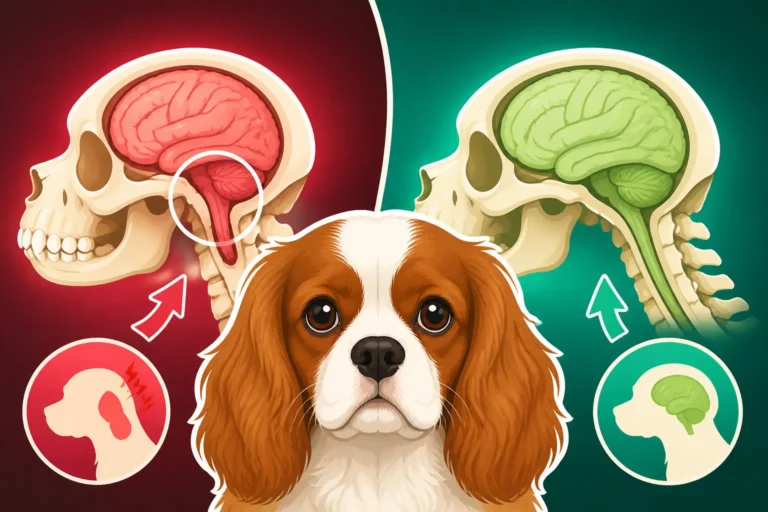
- Not all conditions are DNA-testable: Conditions like Mitral Valve Disease (MVD) and Syringomyelia (SM) – two of the most significant health concerns for Cavaliers – are complex, polygenic (meaning multiple genes are involved) or structural, and are not currently detectable via a simple DNA swab test. For MVD, regular cardiologist exams and echocardiograms are necessary, as detailed in Annual Cardiologist Exams for a Cavalier. For SM, an MRI is the definitive diagnostic tool. So, a "clear" DNA panel doesn't mean your Cavalier is exempt from these big breed issues; it just means they're clear for the specific conditions tested.
- Environmental factors still play a role: While DNA predisposes a dog to certain conditions, environment, diet, and lifestyle always play a role in overall health. For example, even a genetically clear Cavalier can develop certain health issues if not properly cared for. Cavalier Weight Gain and What It Costs the Heart is a perfect example of an environmental factor compounding existing predispositions.
- "Genetically clear" vs. "Clinically clear": A dog can be genetically clear for EFS, but still experience a different type of neurological event not covered by the test. Similarly, a dog might be a carrier for a condition but never show symptoms in their lifetime. DNA tests predict potential, they don't always guarantee outcome. This is where the wisdom of pet insurance, like policies from Healthy Paws, comes in. They focus on diagnosed conditions and symptoms, rather than just genetic predispositions, but understanding the genetic risks can help you prepare for the possibility of needing to make a claim down the line.
- New mutations can occur: While rare, new genetic mutations can arise spontaneously, meaning a dog could theoretically develop a condition not predicted by parentage. Science is constantly advancing, but current tests cover known, identified mutations.
When to Consult Your Vet or a Genetic Counselor
Receiving a DNA panel result, especially one that shows a "carrier" or "affected" status, can be unsettling. It’s crucial to remember that this is information to empower you, not to cause undue panic. The absolute best course of action is to always discuss your Cavalier's DNA panel results with your trusted veterinarian. They can:
- Explain the results in detail: They can clarify any specific terminology or implications relevant to your dog's individual health history.
- Formulate a proactive health plan: If your Cavalier is a carrier or affected, your vet can help you understand what monitoring might be necessary, what symptoms to watch for, and what preventative measures (if any) can be taken. For instance, if you learn your Cavalier is predisposed to a certain eye issue, your vet might recommend more frequent eye exams.
- Provide breeding guidance: If you are a breeder, or considering breeding (and your dog meets all ethical breeding criteria, including age and structural health clearances), your vet can help you interpret the genetic results in the context of responsible breeding practices. In complex cases, they might refer you to a veterinary genetic counselor, a specialist who can provide even deeper insights and guidance on breeding strategies to mitigate genetic risks.
Never feel like you have to decode these results alone. Your vet is your primary partner in ensuring your Cavalier's lifelong health, and they are there to help you navigate this important genetic information. Knowing The DNA Tests Every Cavalier Should Have is one step, understanding the results is the next, and acting on them with professional guidance is the most important step of all.
Disclaimer
The information provided in this article is for educational and informational purposes only and does not constitute veterinary advice. Always consult with a qualified veterinarian for any health concerns or before making any decisions about your Cavalier King Charles Spaniel's medical care or breeding program.