Grooming a Cavalier With a Sore Neck
It's incredibly frustrating and heartbreaking when your sweet Cavalier, usually so eager for a cuddle and a brush, suddenly flinches or cries out when you try to groom their beautiful coat. A sore neck can turn a routine act of care into a painful ordeal for your beloved companion, leaving you feeling helpless and worried. This guide will help you understand why your Cavalier might be experiencing neck pain and, more importantly, provide empathetic, practical strategies to make grooming less stressful and more comfortable for both of you.
Understanding Why Your Cavalier Has a Sore Neck
Before we dive into how to groom, it's vital to understand what might be causing your Cavalier's neck pain in the first place. Cavaliers, as many of us know all too well, are predisposed to certain health conditions that can manifest as discomfort in the neck and spine. Ignoring these signs or simply pushing through grooming could exacerbate an underlying issue, leading to more significant problems down the road.
Common Culprits: Syringomyelia and Arthritis
One of the most well-known and dreaded conditions in our breed that causes neck pain is Syringomyelia (SM), often linked to Chiari-like Malformation (CM). This neurological condition occurs when the Cavalier's skull is too small for its brain, forcing brain tissue into the spinal canal. This can obstruct the flow of cerebrospinal fluid, leading to the formation of fluid-filled cysts (syrinxes) within the spinal cord, particularly in the neck region. These syrinxes can cause immense pain, phantom scratching (where they scratch at the air but don't make contact), and extreme sensitivity around the neck, head, and shoulders. Syringomyelia and Chiari Malformation in Cavaliers is a critical read if you suspect this is the cause. Even a gentle touch or the pressure from a brush could trigger a yelp or a sharp withdrawal from a dog suffering from SM.
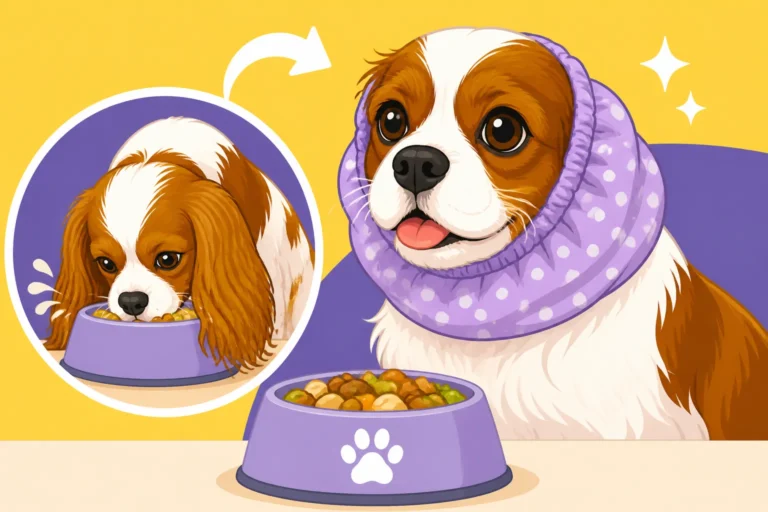
Another very common issue, especially as our Cavaliers age, is arthritis. Just like us, dogs can develop degenerative joint disease in their neck vertebrae. This can lead to stiffness, reduced range of motion, and pain, particularly after resting or in cold, damp weather. An older Cavalier might struggle to lower their head to eat from a bowl on the floor or might yelp if you lift them abruptly, signaling pain in their neck or back. The pain from arthritis might not be as sharp or sudden as SM, but it's a persistent, nagging ache that can make grooming positions uncomfortable. Remember, Caring for a Cavalier Past Nine often involves addressing these age-related aches and pains.
Other Causes: Injuries, Dental Pain, and Positioning
While SM and arthritis are prominent, other issues can also cause neck pain. A sudden jolt or fall, perhaps from jumping off furniture or during enthusiastic play, can result in a muscle strain, sprain, or even a more serious disc injury in the neck. Even something as seemingly innocuous as pulling hard on a collar during a walk can cause cervical strain, especially if your Cavalier is prone to pulling. This is one of the many reasons why many owners opt for a Harnesses Instead of Collars for a Cavalier. Such acute injuries might present with sudden lameness in a front leg, a reluctance to turn their head, or a noticeable change in posture.
Sometimes, what appears to be neck pain can actually be referred pain from another area. Severe dental disease, for instance, particularly abscesses in the upper jaw, can cause pain that radiates into the facial and neck muscles, making a Cavalier reluctant to have their head handled. Cavalier Dental Disease in a Crowded Jaw is a common problem, and routine dental care is crucial. Less commonly, certain ear infections can cause significant discomfort that spreads to the neck, making head handling intolerable. Telling Syringomyelia From a Cavalier Ear Infection can sometimes be tricky, so accurate diagnosis is key. Understanding these potential causes helps us approach grooming with greater empathy and caution, always prioritizing their comfort.
Adapting Your Grooming Routine for Comfort
Once you suspect or confirm your Cavalier has a sore neck, your grooming approach needs a complete overhaul. The goal isn't just to get the job done, but to do it in a way that minimizes pain and anxiety, making the experience as positive as possible. This means patience, observation, and a willingness to adapt your methods.
Choosing the Right Tools and Environment
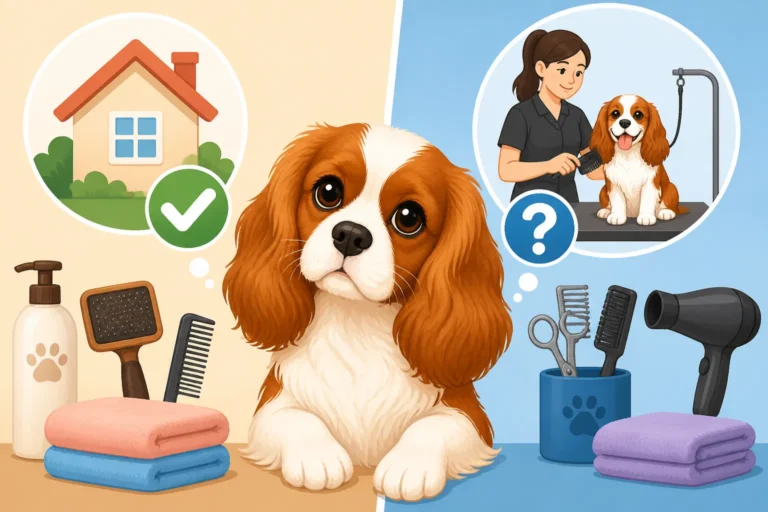
The right tools can make a significant difference. Harsh brushes or combs that pull at the coat will only add to their discomfort. Opt for very soft slicker brushes and wide-toothed metal combs, using detangling sprays generously to help reduce snags. Brands like Chris Christensen or even more affordable options found on Amazon can offer softer bristle brushes or ergonomic handles that are easier for you to use gently. For sensitive areas, a soft pin brush might be more appropriate than a slicker.
The grooming environment also plays a crucial role. A cold, slippery surface will make your Cavalier tense up, potentially exacerbating neck pain. Lay down a non-slip mat or a soft, plush blanket on your grooming table or even on the floor if they prefer to be low. Ensure the room is warm and quiet, free from sudden noises that might startle them. Some Cavaliers with neck pain may prefer to be groomed on the floor with you sitting beside them, minimizing any need for them to be lifted or stand on an elevated surface that feels unstable. If you do use a table, make sure it's sturdy and at a comfortable height for you, reducing strain on your own back so you can focus on gentle handling.
Gentle Handling and Positioning Strategies
This is perhaps the most critical aspect of grooming a Cavalier with a sore neck. Every movement you make should be slow, deliberate, and gentle. Avoid any sudden twists or pulls of the head or neck. Instead of forcing them into a position, try to work with their natural stance. If they prefer to lie down, allow them to do so, adjusting your position around them.
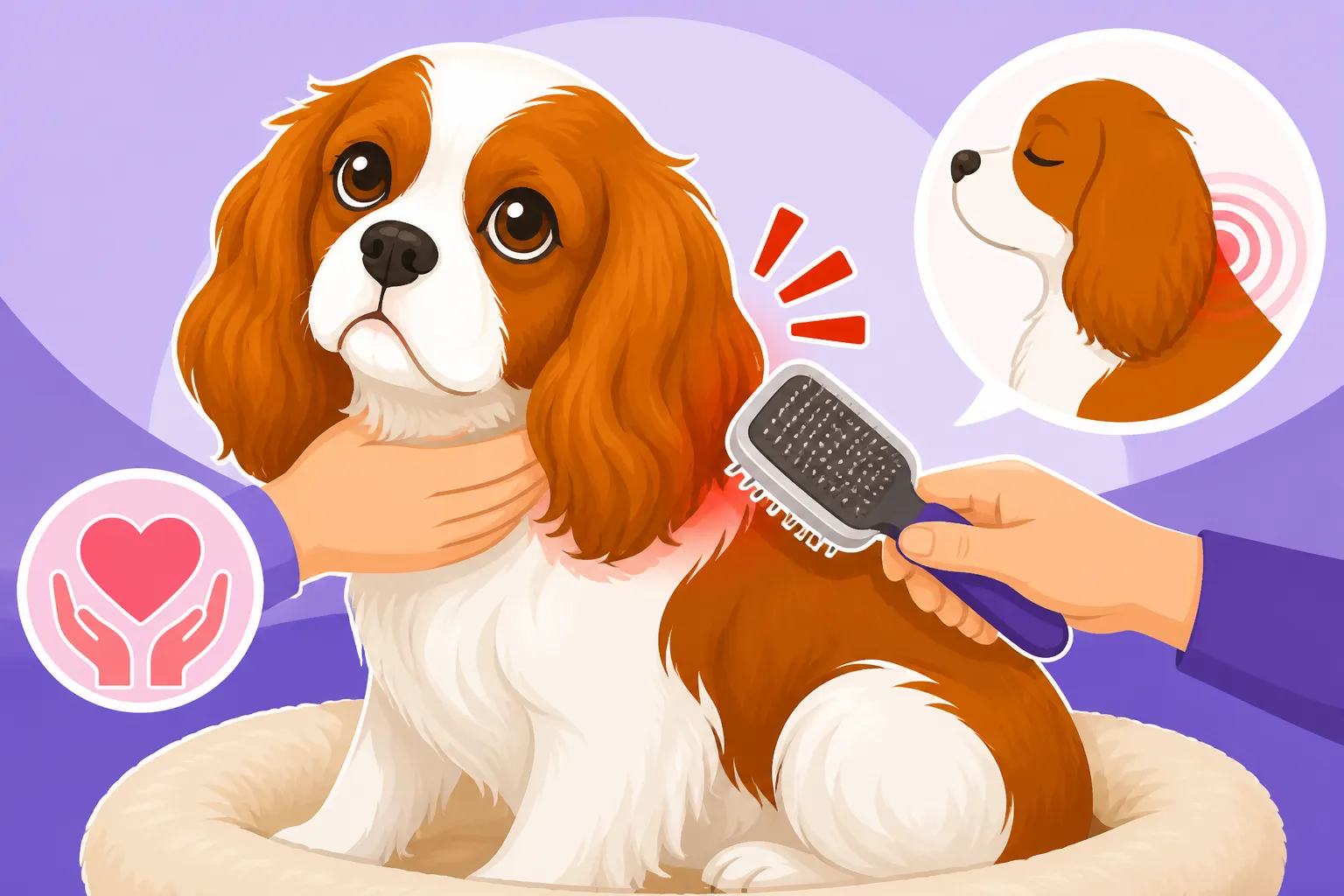
When brushing, support their head gently with one hand if they tolerate it, but never force it. Work in very small sections, going with the grain of the fur, starting at the tips of the feathering and slowly working your way up to the skin. If they show any sign of discomfort – a flinch, a low growl, a turning of the head, or even just tensing their muscles – stop immediately. Take a break, offer a calming treat, and try again in a different area or a few minutes later. For example, some dogs find it more comfortable if you brush from behind them while they are looking forward, rather than having their head turned sideways. You might find that for an older Cavalier with mobility issues, placing a soft pillow or donut cushion for them to rest their head on can make a world of difference during longer sessions. Grooming an Older Cavalier That Cannot Stand Long often requires these kinds of adaptations.
Short, Frequent Sessions Over Marathon Grooms
Trying to complete a full groom in one sitting will likely be overwhelming and painful for a Cavalier with a sore neck. Instead, break grooming down into very short, manageable sessions, ideally no more than 5-10 minutes each, several times a day if needed. For instance, you could focus on one ear and its feathering in the morning, the tail in the afternoon, and a section of their back in the evening.
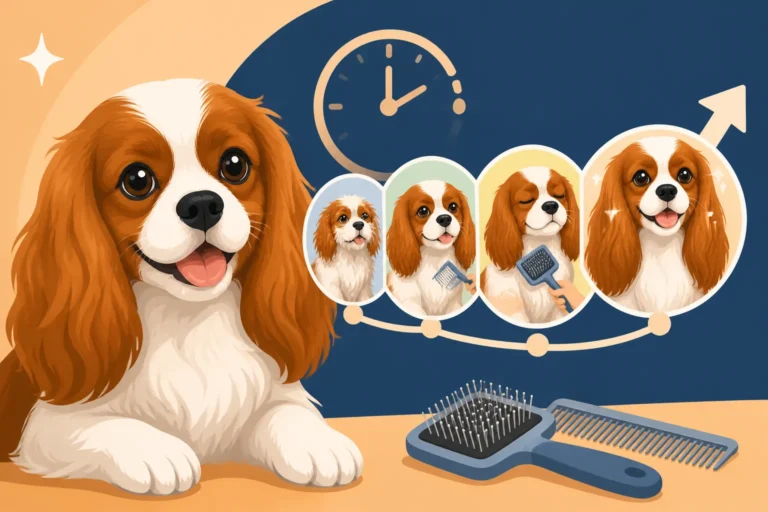
This approach prevents them from becoming overly fatigued or distressed. It also allows you to be more attuned to their tolerance levels. The moment you notice them getting stiff, fidgety, or showing subtle signs of discomfort, it's time for a break. End each session on a positive note, with a favorite treat and plenty of praise. This helps them associate grooming with pleasant experiences, even when they're not feeling their best. Remember, consistency is key; even five minutes of gentle brushing daily is more beneficial than one long, painful session once a week. The Five Minutes a Day a Cavalier Coat Takes isn't just a suggestion, it's a necessity for comfort.
| Grooming Task | Standard Approach | Adapted for Sore Neck Cavalier | Key Considerations |
|---|---|---|---|
| Brushing | Full body, vigorous brushing | Short sections, soft brush, generous detangler | Support head if tolerated, work with natural position, stop at first sign of discomfort. |
| Detangling | Pulling knots out firmly | Spray generously, pick apart gently with fingers, wide-tooth comb | Never pull. If a mat is severe, consider professional help or safe snipping. |
| Nail Trimming | Quick, firm clip | Use a Dremel for less concussive force, frequent small trims | Have them lie down if possible. Offer high-value treats constantly. |
| Ear Cleaning | Hold ear flap, insert cleaner, massage | Gentle handling of ear flap, minimal manipulation of head | Observe for pain when touching ear base; could indicate infection or SM. |
| Pads/Feet | Hold paw, trim hair/nails | Do on lap or floor, one paw at a time, support leg gently | Ensure comfort, watch for balance issues if they shift weight. |
| Bathing | Stand in tub, full wash | Use non-slip mat, sit if possible, warm water, gentle shampoo | Avoid sudden movements, ensure full support, wrap in towel to lift. |
Specific Grooming Tasks and Pain Management
Now let's get into the nitty-gritty of how to handle specific grooming tasks when your Cavalier has a sore neck. Each part of their routine needs careful consideration to prevent pain.
Brushing and Detangling Delicate Feathering
Cavaliers are renowned for their beautiful, silky coats and extensive feathering, particularly on their ears, chest, legs, and tail. This feathering is also prone to matting, which, if left untended, can become a source of pain even without a pre-existing neck issue. When their neck is sore, tackling these areas requires extra finesse. Start by gently misting the coat with a dog-specific detangling spray. This lubricates the hair shaft, making it easier for knots to slide apart. You can find excellent detangling sprays from brands like Earthbath or BioSilk on Chewy, which can be delivered right to your door.
Instead of dragging a brush through a large section, isolate small clumps of hair. Use your fingers to gently tease apart any tangles before even attempting to use a comb. When you do use a brush, such as a flexible slicker brush, use light, feathery strokes. Always brush away from the skin, not towards it, minimizing any pulling sensation. For the delicate areas behind the ears and in the armpits, where mats frequently form, use a very fine-toothed metal comb, working slowly and supporting the skin with your other hand to prevent tugging. Remember that Brushing a Cavalier's Feathering Three Times a Week can prevent large, painful mats from forming in the first place, making shorter, more tolerable sessions easier. If you encounter a mat that simply won't budge with gentle effort, it's far kinder to carefully snip it out with blunt-nosed scissors (pointing the scissors away from the skin) or take your Cavalier to a professional groomer who specializes in compassionate handling.
Nail Trims and Paw Care
Nail trims can be surprisingly difficult for a dog with neck pain, not just because of the handling of their paws but because of the body position required. Many dogs tense up when their paws are lifted, which can strain a sore neck. If your Cavalier struggles to stand, try having them lie on their side comfortably on a soft bed. If they tolerate it, you can kneel beside them and gently lift one paw at a time.
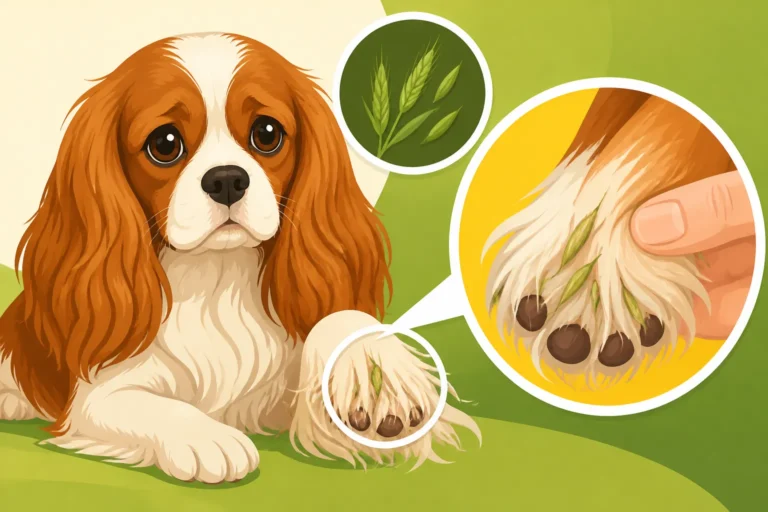
For dogs with neck pain, a Dremel-style nail grinder can be a godsend. Instead of the sharp, concussive pressure of clippers, a grinder gently files the nail down. This can be less jarring and causes less physical stress, although it does require a separate desensitization process if your dog isn't used to the sound and vibration. Regardless of the tool, work slowly, offering high-value treats constantly. If they can't tolerate all four paws being done at once, do one or two nails at a time over several sessions. Don't forget the hair between their paw pads; overgrown hair can make walking slippery and uncomfortable, putting more strain on their gait and potentially their neck. Carefully trim this hair with blunt-nosed scissors, ensuring you don't nick the pads.
Ear Cleaning and Eye Care
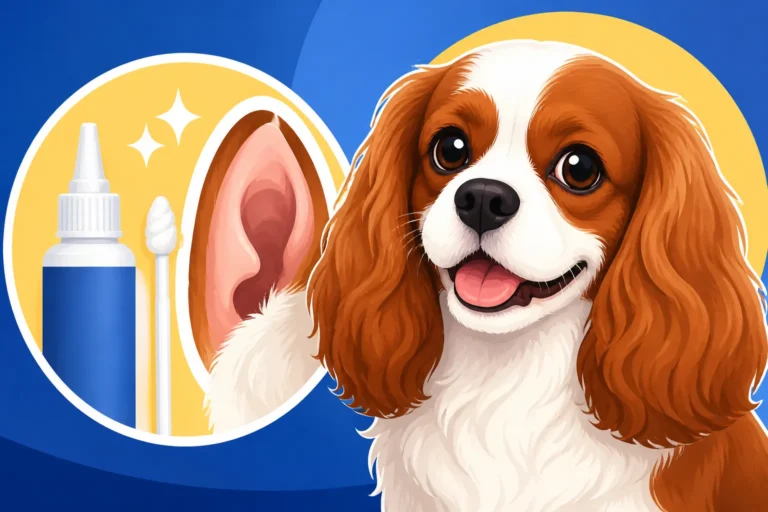
Cavaliers have those glorious, long drop ears that, while beautiful, require diligent care to prevent infections. Cleaning them when your dog has a sore neck requires extreme care. Avoid pulling the ear flap too far back or manipulating the head. Instead, have your Cavalier lie down or sit comfortably. Gently lift the ear flap just enough to access the ear canal. Apply a veterinarian-approved ear cleaner, allowing it to work its way down. Then, gently massage the base of the ear to help break up wax and debris, avoiding any motion that causes their head to turn sharply. Let them shake their head naturally, then wipe away any visible gunk with a soft cotton ball. Getting a Cavalier Used to Ear Cleaning from a young age is invaluable here, as it builds a foundation of trust.
For eye care, Cavaliers' prominent eyes can sometimes be prone to tear staining, especially in blenheims or tricolors, and can gather debris. Gently wipe around their eyes with a soft, damp cloth or a specialized eye wipe. Again, avoid any pressure on the skull or sudden movements that might jar their head. Some Cavaliers might find lying on their back with their head gently supported by a pillow helpful for eye cleaning if they tolerate it. If you use any prescription eye drops for conditions like dry eye, ensure this process is also done with the utmost gentleness, perhaps when they are already relaxed and sleepy.
When to Seek Professional Help and Veterinary Guidance
As much as we want to handle everything ourselves, there are clear times when a sore neck goes beyond home management and requires professional intervention. Trust your gut; if something feels off, it probably is.
Recognizing Signs Your Cavalier Needs a Vet
The most crucial step in managing a Cavalier with neck pain is accurate diagnosis. If your Cavalier suddenly develops neck pain, shows signs of severe discomfort during grooming, or exhibits changes in gait, appetite, or temperament, a veterinary visit is non-negotiable. Signs like yelping when touched, a reluctance to move their head, holding their head in an unusual position (such as sleeping with their head raised), or changes in their typical behavior during play can all indicate significant pain. If you notice A Cavalier That Yelps When Picked Up, it's a huge red flag.
Your regular veterinarian will be the first point of contact. They can perform a thorough physical exam, check for neurological deficits, and might recommend initial pain management. However, given the prevalence of conditions like Syringomyelia in Cavaliers, a referral to a veterinary neurologist for a more in-depth evaluation, including an MRI scan, might be necessary. An MRI is currently the gold standard for diagnosing SM and other spinal issues. It's a significant investment, and understanding What a Cavalier MRI Scan Costs and Shows is important for preparation. Don't delay seeking this expert opinion; early diagnosis and management can significantly improve your Cavalier's quality of life.
Communicating With Your Groomer and Vet
Open and honest communication with both your veterinarian and any professional groomer is paramount. Inform your vet about all the symptoms you're observing, even subtle ones, as they pertain to grooming. Detail when the pain seems worse, what positions they avoid, and how they react to touch. This information is critical for them to build an accurate picture of your Cavalier's condition.
Similarly, if you use a professional groomer, they must be fully aware of your Cavalier's neck pain. Choose a groomer who is patient, compassionate, and experienced with special needs dogs, particularly Cavaliers. Discuss your Cavalier's limitations and ask them to adapt their techniques. They might need to use a special sling, allow for frequent breaks, or work entirely on the floor if that is what your dog tolerates best. Providing them with specific instructions and asking for updates on how your Cavalier tolerated the groom will ensure their continued comfort and safety. Never assume a groomer knows your dog's specific medical history unless you've explicitly told them. Pain Management for a Senior Cavalier often involves a multi-modal approach, and grooming is an integral part of their overall well-being.
Disclaimer
This article is for general informational purposes only and does not constitute professional advice. Laws, prices and regulations vary by location and change over time. Consult a qualified professional for guidance on your specific situation.