Whether a Cavalier Can Be Groomed at Home
The thought of grooming your beloved Cavalier King Charles Spaniel at home can feel like a daunting task, especially when you see their luxurious, flowing coats and those famously feathery ears. Many of us are used to the convenience of professional groomers, but the cost can really add up, and let's be honest, sometimes our Cavaliers come back a little stressed from the salon. The good news is, with the right approach and a bit of patience, you absolutely can groom your Cavalier at home, saving money, building a stronger bond, and ensuring their comfort. This guide will walk you through everything you need to know to keep your Cavalier looking dapper and feeling great, right in your own living room.
Understanding Your Cavalier's Unique Coat
Before you even pick up a brush, it's really helpful to understand what makes a Cavalier's coat special. This isn't just about looking pretty; it directly impacts how you'll care for it and what tools you'll need. Their glorious feathering is one of their most defining features, but it also makes them prone to certain grooming challenges.
The Cavalier's Single Coat vs. Double Coats
Unlike many breeds that have a thick, insulating double coat with a soft undercoat and coarser guard hairs (think a Golden Retriever or a Husky), Cavaliers typically have a single coat. This means their hair is generally long, silky, and flowing, often described as a "spaniel coat" – soft to the touch and without a dense, woolly underlayer. This is a blessing and a curse, isn't it? On one hand, it means less heavy shedding than a double-coated breed, and their hair often has a lovely, fine texture that's a joy to pet. On the other hand, a single coat can be more prone to tangles and mats because there's no coarser outer layer to protect the finer hairs from rubbing and knotting together. It also doesn't offer the same protection against extreme cold or heat, so keep that in mind when they're out and about. You'll find that their single coat means you don't typically "de-shed" them in the same way you might a Retriever; instead, it's all about preventing tangles and keeping that silkiness intact.
Common Areas for Mats and Tangles
If you own a Cavalier for more than five minutes, you'll quickly discover their favorite spots for collecting knots. These aren't random; they're usually high-friction areas or places where hair is particularly fine and long. The number one culprit is often behind and under their beautiful, long ear leathers. Every time they shake their head, drink water, or just snuggle into your lap, that fine hair gets rubbed, twisted, and pressed against itself. It’s a battle, isn’t it? Next up are the armpits and groin areas. These spots get constant friction from movement, walking, and playing, making them prime real estate for mats. You might reach to pick up your little one and suddenly feel a solid lump under their front leg—that's a mat forming.
Another common trouble spot is the "britches" or the feathering on their hind legs and tail. This long, wispy hair easily collects debris, burrs, and general grime from walks, and because it's so fine, it knots up quickly. Think about how many times their tail wags or their back legs move when they run. All that motion contributes to tangles. Lastly, don't forget the hair on their chest and abdomen, especially if they enjoy rolling around on their back or sleeping in funny positions. Regular, gentle brushing is the absolute key to preventing these minor tangles from becoming painful, tightly felted mats that are a nightmare to remove. If you're wondering how often to tackle this, check out Brushing a Cavalier's Feathering Three Times a Week for more detailed tips.
Essential Tools for At-Home Cavalier Grooming
You wouldn't attempt to bake a cake without the right ingredients and utensils, right? The same goes for grooming your Cavalier! Having the proper tools isn't about fancy gadgets; it's about making the process as comfortable and effective as possible for both of you. Investing in a few quality items will make a world of difference and prevent a lot of frustration.
Brushes and Combs You Can't Live Without
When it comes to keeping that gorgeous Cavalier coat tangle-free, you need a few specific brushes. First up is the slicker brush. This brush has fine, wire bristles densely packed together, usually with a slight bend at the tip, and it’s excellent for getting through feathering and removing loose hair and smaller tangles. Use it gently, working in sections, as the bristles can irritate the skin if pressed too hard. For those truly luscious featherings and for general daily maintenance, a pin brush with rounded pins can also be very useful, especially for working through the longer hair without pulling too much. It's often gentler for a quick brush-through.
Next, and arguably most important, is a good quality metal comb. You'll want one with both wide and fine teeth. The wide-toothed side is perfect for carefully teasing apart larger knots and working through dense feathering, while the fine-toothed side is essential for checking for any remaining tangles, especially behind the ears and in those delicate armpit areas. A comb is your mat detector! After you've brushed, if your comb glides smoothly through the hair from root to tip, you're golden. If it snags, you've still got a tangle to work on. For more insights on choosing the right grooming tools, you might find The Brush and Comb a Cavalier Coat Needs helpful. You can find excellent quality slicker brushes and metal combs on sites like Chewy or Amazon, often available in sets.
Shampoos, Conditioners, and Detanglers
Bathing your Cavalier is a critical part of home grooming, and choosing the right products is key to maintaining their coat health and preventing skin irritation. Start with a good quality, gentle dog shampoo that's pH-balanced for canine skin. Avoid human shampoos, as they can dry out your dog's skin and coat. If your Cavalier has sensitive skin, look for oatmeal-based or hypoallergenic formulas. After shampooing, a dog conditioner is a non-negotiable for Cavaliers! Their silky coats benefit immensely from conditioner, which helps to moisturize, prevent static, and make brushing out tangles much easier after the bath. It also helps to maintain that beautiful shine.
For those persistent tangles or for everyday touch-ups between baths, a detangling spray is a lifesaesaver. You can spritz it lightly on matted areas before brushing, which helps the knots loosen without painful pulling. Always make sure these products are specifically formulated for dogs. Using a good quality detangling spray can often make the difference between a quick brush-out and a struggle with a snarl. I personally love keeping a bottle handy for quick comb-throughs after a muddy walk, especially on those long ear fringes and pantaloons.
Nail Trimmers and Ear Cleaning Supplies
Don't forget the finishing touches that contribute hugely to your Cavalier's overall comfort and health! Nail trimming is often dreaded by both dog and owner, but it's essential for preventing painful overgrown nails that can affect their gait and even cause foot problems. You have a couple of options: guillotine-style clippers or scissor-style clippers. Many owners find scissor-style clippers easier for smaller breeds like Cavaliers. If you're nervous, a nail grinder (like a Dremel tool designed for pets) can be a gentler alternative, gradually filing the nail down. Just be sure to introduce it slowly to your pup, making it a positive experience. Always have styptic powder on hand, just in case you trim a little too close to the quick.
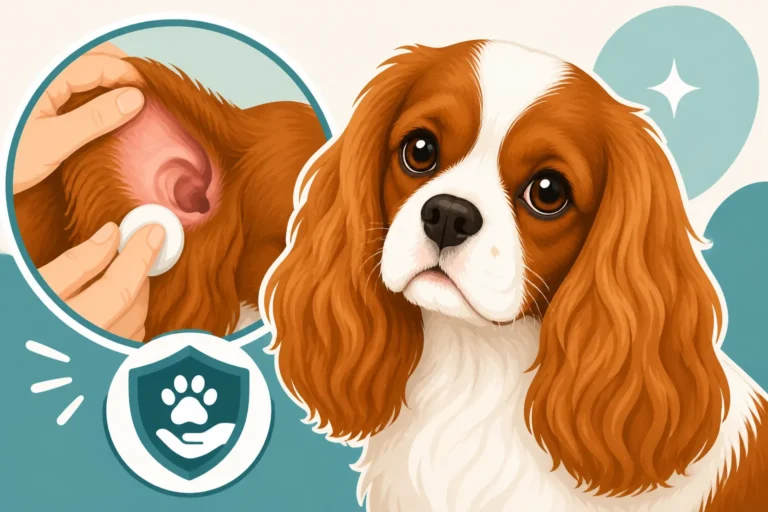
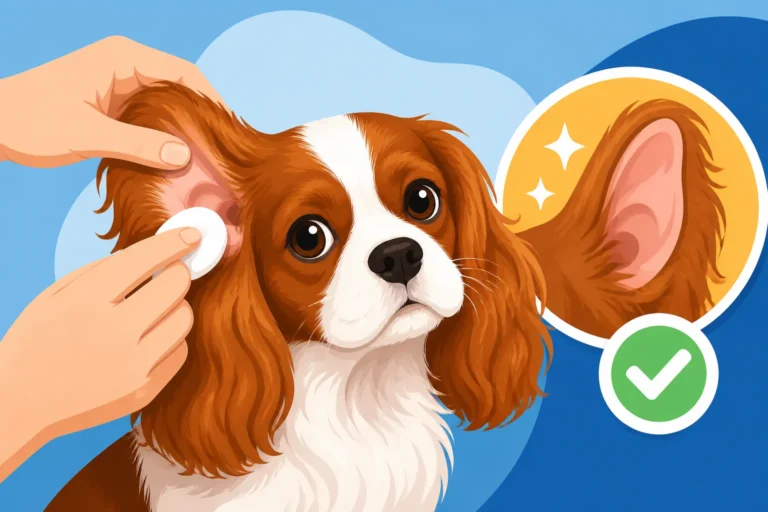
Ear cleaning supplies are also crucial, especially with those adorable, heavy drop ears that Cavaliers sport. These ears can trap moisture and debris, making them prone to infections. You'll need a good quality, vet-recommended ear cleaner solution and plenty of cotton balls or gauze. Never use cotton swabs deep inside the ear canal, as this can push debris further in or damage the eardrum. Instead, apply the cleaner to a cotton ball and gently wipe the visible parts of the ear. Make sure to choose a cleaner that helps dry out the ear canal and breaks down wax. For more detailed advice on their ear health, take a look at Cavalier Ear Care Under a Heavy Drop Ear. You can pick up all these grooming essentials from pet supply stores or online retailers like Chewy or Amazon.
Here's a quick reference table for your essential Cavalier grooming kit:
| Tool/Supply | Primary Use | Key Features | Where to Buy |
|---|---|---|---|
| Slicker Brush | Removing loose hair, detangling feathering | Fine, bent wire bristles, comfortable handle | Pet stores, Chewy, Amazon |
| Metal Comb | Detecting and teasing out tangles, finishing | Wide and fine teeth, sturdy construction | Pet stores, Chewy, Amazon |
| Pin Brush | General brushing, working through long feathering | Rounded pins, gentle for sensitive skin | Pet stores, Chewy, Amazon |
| Dog Shampoo | Cleaning coat and skin | pH-balanced, gentle formula, possibly oatmeal | Pet stores, Chewy, Ollie (some lines), Amazon |
| Dog Conditioner | Moisturizing, detangling, adding shine | Formulated for dogs, helps smooth coat | Pet stores, Chewy, Ollie (some lines), Amazon |
| Detangling Spray | Loosening knots, static control | Leave-in formula, gentle on coat | Pet stores, Chewy, Amazon |
| Nail Clippers | Trimming nails | Guillotine or scissor style, sharp blades | Pet stores, Chewy, Amazon |
| Nail Grinder | Filing nails (alternative to clippers) | Quieter models available, battery-operated | Pet stores, Chewy, Amazon |
| Ear Cleaner Solution | Cleaning ear canals, preventing infections | Vet-recommended, drying and wax-dissolving | Vet clinics, pet stores, Chewy, Amazon |
| Cotton Balls/Gauze | Applying ear cleaner, wiping ears | Soft, absorbent | Drugstores, supermarkets, Chewy, Amazon |
| Styptic Powder | Stopping bleeding from quicked nails | Powder form, essential for nail trims | Pet stores, Chewy, Amazon |
Step-by-Step Home Grooming Routine for Your Cavalier
Okay, you've got your arsenal of tools ready! Now, let's talk about putting it all into practice. A consistent routine makes all the difference, not just for your Cavalier's coat, but also for their comfort and your sanity. Breaking it down into manageable steps helps prevent overwhelm and ensures you don't miss anything important.
The Pre-Bath Brush-Out
This step is absolutely crucial and often overlooked, leading to major headaches. Never, ever put a matted Cavalier into the bath! Water will tighten those mats like cement, making them nearly impossible to remove without shaving. Before a single drop of water touches your pup, you need to thoroughly brush and comb their entire coat. Start with your slicker brush to remove loose hair and superficial tangles. Work in small sections, starting from the extremities (paws, tail) and working your way up to the body. Gently lift the hair and brush from the root outwards. If you encounter a knot, don't yank! Spritz a little detangling spray on it, then use the wide teeth of your metal comb to carefully tease it apart, working from the outer edge of the mat inwards.
Once you feel like you've got most of the loose hair and tangles out with the slicker brush, follow up with your metal comb. This is your ultimate check. Comb through the entire coat, paying extra attention to those mat-prone areas: behind the ears, in the armpits, and on their britches. If your comb glides through smoothly from root to tip, you're ready for the bath. If not, go back and work on those stubborn spots. Patience is your best friend here. Making this a positive experience with treats and praise will help your Cavalier learn to tolerate, and perhaps even enjoy, their grooming sessions.
Bath Time Best Practices
Now for the splashy part! When it's time for the bath, make sure you have everything within arm's reach: shampoo, conditioner, a cup for rinsing, and plenty of towels. A non-slip mat in the tub or sink will help your Cavalier feel more secure. Start with lukewarm water – not too hot, not too cold – and thoroughly wet your Cavalier's coat from head to tail, being careful to avoid getting water directly into their ears. Their long, floppy ears are particularly prone to trapping water, which can lead to ear infections. For more information on preventing ear issues, see Recurrent Ear Infections in a Cavalier.
Apply the shampoo, starting from the neck and working your way down, gently massaging it into their coat. Don't scrub vigorously, as this can create more tangles. Make sure to get into all the nooks and crannies, including their paws and underbelly. Rinse thoroughly until all traces of shampoo are gone, as residue can cause skin irritation. This often takes longer than you think! Follow with a generous amount of conditioner, again massaging it gently into the coat, especially on the feathering. Let it sit for a few minutes (check the product instructions) before rinsing thoroughly. The conditioner will help smooth the hair cuticles, making drying and brushing much easier. For more tips on keeping that silky coat in top condition during baths, check out Bathing a Cavalier Without Flattening the Coat.
Drying Your Cavalier Thoroughly
This might be the most important step for preventing skin issues and keeping that coat looking fabulous. Leaving a Cavalier damp, especially with their dense feathering, can lead to "hot spots," skin irritation, or even fungal infections. Start by gently squeezing excess water from their coat with your hands, then immediately wrap them in a super-absorbent towel. Blot, don't rub, to avoid tangles. Once towel-dried, it's time for the blow dryer. Yes, a blow dryer! Many professional groomers use high-velocity dryers, but a regular human blow dryer on a cool or low-heat setting works just fine. Never use high heat, as it can burn their skin and damage their coat.
While you're drying, use your slicker brush or pin brush to gently brush the coat in the direction of hair growth. This helps to straighten the feathering, prevent tangles from forming as it dries, and ensure the undercoat (if they have any fine, wispy undercoat) gets completely dry. Pay extra attention to the ears, armpits, and britches. These areas take the longest to dry. A fully dry Cavalier should feel completely dry to the touch, with no dampness, especially near the skin. This step might take a while, depending on how much feathering your Cavalier has, but it's essential for their health and comfort. If you want more tips on getting that coat perfectly dry, Drying Cavalier Feathering Properly has some great advice.
Post-Bath Finishing Touches
With your Cavalier now clean and completely dry, it's time for the final touches that truly complete the grooming session. This is where you address the nails, ears, and any minor tidying up of the coat. First, tackle those nails. If you're using clippers, take small snips off the tip of each nail, being mindful of the quick (the pink part that contains blood vessels and nerves). If you're using a grinder, work slowly, grinding a little at a time until the nail is smooth and at a good length. Remember to offer praise and treats throughout! Regular nail trims are much less stressful than trying to cut overgrown, neglected nails. You can find more specific guidance on this in Trimming a Cavalier's Nails and Dewclaws.
Next, move to ear cleaning. With your dog calmly sitting or lying down, lift one ear flap. Apply your vet-approved ear cleaner into the ear canal as directed on the bottle, then gently massage the base of the ear for about 30 seconds. You'll hear a squishy sound, which means the cleaner is working. Let your Cavalier shake their head (have a towel ready!), then use a fresh cotton ball or piece of gauze to wipe out any visible dirt or wax from the outer ear canal and the underside of the ear flap. Repeat for the other ear. Their prominent eyes also benefit from a quick wipe with a damp cloth or special eye wipes to remove any tear stains or crust. Finally, use your fine-toothed metal comb to do one last check for any missed tangles, especially on the face and behind the ears.
When to Call in the Professionals (and Why)
While home grooming is incredibly rewarding and totally doable for most Cavalier owners, there are definitely times when it's wise, and even necessary, to enlist the help of a professional groomer or your veterinarian. There's no shame in it; sometimes, the pros just have the tools and expertise for situations that are beyond our at-home capabilities.
Tackling Serious Mats and Skin Issues
Let's be realistic: despite your best efforts, sometimes mats happen. Maybe you missed a spot, or perhaps your Cavalier had an extra muddy adventure. Small, loose tangles are usually manageable with a detangling spray and careful combing. However, if you find a large, tightly felted mat – one that feels hard and is pulling at the skin – it's often best left to a professional groomer. Trying to cut out these severe mats yourself can be incredibly dangerous, as it's very easy to accidentally cut your dog's skin, which is often pulled up into the mat. A professional groomer has specialized tools, like powerful clippers with various blades, to safely shave out tight mats without injuring your dog. They are also adept at recognizing and addressing underlying skin issues that might be contributing to matting, such as allergies or infections, which often go hand-in-hand with neglected coats. If your Cavalier's matting is significant, biting the bullet and getting it professionally removed is the kinder, safer option.
Beyond mats, if you notice any unusual skin conditions during your grooming routine – persistent redness, excessive scratching, bald patches, strange odors, or any open sores – it's time for a vet visit, not just another bath. While a groomer can alert you to these issues, a veterinarian is the one who can diagnose and treat the underlying cause. Sometimes, what seems like a simple itch is actually a symptom of allergies, parasites, or even an autoimmune condition. Don't try to self-diagnose or treat severe skin problems at home; get professional medical advice.
Specialized Trims and Health Concerns
While the Cavalier breed standard calls for a natural, untrimmed coat, many owners choose to have specific areas tidied up for hygiene and comfort. This is where a professional groomer truly shines. They can perform a "sanitary trim," which involves carefully clipping the hair around your Cavalier's private areas to keep them clean and prevent fecal matter from getting stuck. They can also trim the hair between your Cavalier's paw pads, which prevents slipping on smooth floors and reduces the amount of dirt and debris tracked into your home. The hair on their feet, sometimes called "slippers," often gets long and untidy, and a groomer can give them a neat, rounded appearance. If you're looking for someone who understands the nuances of the Cavalier's natural look while still keeping them tidy, asking for a groomer experienced with spaniel breeds is a good idea. What a Groomer Charges for a Cavalier can help you understand the potential costs.
For certain health concerns, a groomer can also assist. For example, some Cavaliers may benefit from minimal hair plucking inside their ear canals if advised by a vet to improve airflow and reduce infection risk, though this should always be done cautiously and preferably by a professional. Groomers also perform anal gland expressions, a procedure that some dogs need periodically, though many vets recommend letting a vet handle this as improper technique can cause issues. If you're unsure about any of these more specialized tasks, don't hesitate to reach out to a professional. There's a reason they go through extensive training; they know what they're doing!
Grooming an Older or Anxious Cavalier
Grooming can be physically demanding, especially for an older Cavalier with joint issues or a very anxious pup. An older Cavalier might struggle to stand for long periods, or they might have aches and pains that make brushing certain areas uncomfortable. If your senior Cavalier is showing signs of discomfort during grooming, such as yelping, stiffness, or reluctance to be handled, a professional groomer or even a mobile groomer who comes to your home might be a better option. They often have hydraulic tables that can be lowered, special harnesses, and techniques to make the experience less stressful. For more on caring for an older Cavalier, Grooming an Older Cavalier That Cannot Stand Long offers specific insights.
Similarly, if your Cavalier is particularly anxious about grooming – perhaps they've had a bad experience in the past, or they simply don't like the noise of the dryer or the sensation of brushing – a professional groomer can often work wonders. They are experienced in handling nervous dogs, using calming techniques, and breaking down the process into smaller, less intimidating steps. Sometimes, a groomer might even recommend working with your vet on anti-anxiety medication for especially fearful dogs during grooming sessions. Remember, the goal is always to make grooming a positive, or at least neutral, experience for your beloved companion, ensuring their well-being comes first.
Disclaimer
This article is for general informational purposes only and does not constitute professional advice. Laws, prices and regulations vary by location and change over time. Consult a qualified professional for guidance on your specific situation.