Reaching the Back Teeth in a Cavalier’s Short Jaw
If you're a Cavalier parent, you know that their adorable, short little snouts come with a few quirks, and dental care is definitely one of them. Trying to reach those tiny molars way in the back of their crowded mouths can feel like a wrestling match, leaving you wondering if you're doing enough to prevent painful dental disease. This guide will walk you through why those back teeth are so tricky and give you practical, empathetic strategies to keep your Cavalier's smile healthy and bright, minimizing stress for both of you.
Understanding the Cavalier's Unique Jaw Anatomy
The charming, somewhat flattened face of a Cavalier King Charles Spaniel, while incredibly endearing, brings with it specific anatomical considerations that significantly impact their oral health. Unlike breeds with longer muzzles, a Cavalier's jaw doesn't always have enough room for all 42 adult teeth to sit comfortably. This anatomical reality isn't a flaw, but it does require a proactive and informed approach to dental care.
Crowding and Rotation in a Short Jaw
Imagine trying to fit a full set of adult teeth designed for a larger mouth into a smaller, more compact space. That's essentially what happens in many Cavaliers. Their upper and lower jaws, while perfectly suited to their adorable face shape, often don't provide adequate spacing for each tooth to erupt and align perfectly. This leads to what veterinarians often call dental crowding. You might notice teeth that are rotated, pushed together, or even overlapping.
This crowding isn't just an aesthetic concern; it creates nooks and crannies that are perfect hiding spots for food particles and bacteria. These tight spaces become magnets for plaque, which quickly hardens into tartar. Normal chewing action, which helps to scrape away plaque in dogs with more open bites, is far less effective when teeth are jammed together. This makes the back molars, which are already harder to reach, particularly vulnerable to rapid plaque and tartar accumulation, laying the groundwork for more serious Cavalier Dental Disease in a Crowded Jaw.
The Impact on Tooth Health and Overall Well-being
The long-term implications of this crowded jaw go far beyond just bad breath. When plaque and tartar build up, they irritate the gum line, leading to gingivitis – inflammation of the gums. If left unchecked, gingivitis progresses to periodontal disease, where the infection spreads beneath the gum line, attacking the supporting structures of the teeth, including bone and ligaments. This can cause immense pain, tooth mobility, and eventually, tooth loss. Imagine having a constant toothache, but not being able to tell anyone. That's the reality for many Cavaliers suffering from advanced dental disease.
Beyond the mouth, the bacteria from severe periodontal disease don't stay put. They can enter the bloodstream and travel to other organs, including the heart, kidneys, and liver, potentially exacerbating existing conditions like mitral valve disease, which is already prevalent in Cavaliers. This is why addressing Whether Dental Disease Reaches a Cavalier's Heart is such a critical part of their overall health plan. A healthy mouth contributes significantly to a healthy, happy, and longer-living Cavalier.
The Challenges of Dental Care in a Brachycephalic Breed
Caring for a Cavalier's teeth comes with its own set of challenges, many of which are directly related to their brachycephalic (short-nosed) anatomy. Owners often express frustration, feeling like they're fighting a losing battle against plaque and tartar, especially when trying to tackle those elusive back molars. It's not just you; these are common hurdles many Cavalier parents face.
Rapid Plaque and Tartar Buildup
Due to the Cavalier Teeth Crowded in a Short Jaw, food particles and bacteria have more places to hide and ferment. This creates an ideal environment for plaque to form quickly. Plaque is a soft, sticky film of bacteria that coats the teeth. If it's not removed regularly – ideally daily – it begins to harden into tartar (calculus) within a matter of days. Once tartar forms, it's a rough, porous surface that attracts even more plaque, accelerating the cycle of decay and gum inflammation.
The back teeth, or molars, are particularly susceptible because they have larger, more intricate surfaces for grinding food, which also means more grooves and crevices for bacteria to latch onto. Coupled with the difficulty of adequately brushing these areas, you can see why tartar builds up so rapidly there. Many Cavalier owners find that even with a consistent routine, their dogs still develop significant tartar, leading to regular discussions with their vet about professional dental cleanings. This rapid buildup makes it feel like you're constantly playing catch-up, which can be disheartening.
Reluctance and Resistance to Brushing
Let's be honest: very few dogs love having their teeth brushed, and Cavaliers are no exception. Their sweet, gentle nature doesn't automatically translate to happily accepting a toothbrush in their mouth, especially when it's aimed at those sensitive back areas. Many Cavaliers are sensitive around their faces and mouths, and the sensation of a brush can be startling or uncomfortable. This can lead to resistance, head-shaking, trying to lick the toothpaste, or simply closing their mouths tightly.
A common frustration is that by the time you manage to pry their lips back and get the brush into position, your Cavalier has decided the session is over, making it nearly impossible to thoroughly clean all surfaces, especially those tricky back teeth. If dental care wasn't introduced positively and gradually when they were puppies, they might associate brushing with an unpleasant experience, making future attempts even harder. This resistance isn't malice; it's often a combination of natural canine instinct, potential discomfort, and perhaps a bit of clever avoidance. However, consistent and patient effort in Brushing a Cavalier's Teeth Without a Struggle can make a huge difference.
Essential Tools and Techniques for Reaching Back Teeth
Successfully cleaning your Cavalier's back teeth requires the right tools and a gentle, systematic approach. It’s about making the process as comfortable and effective as possible, rather than a battle you both dread. Remember, consistency beats intensity, especially when dealing with sensitive mouths.
Choosing the Right Toothbrush and Toothpaste
When it comes to toothbrushes, one size does not fit all, especially for a Cavalier's mouth. Traditional human toothbrushes are often too large and stiff for their small jaws and sensitive gums. Look for brushes specifically designed for small dogs. Here are a few options:
- Finger Brushes: These slip over your finger and have soft bristles. They offer excellent control and allow you to feel exactly where you're brushing, which can be great for getting a Cavalier accustomed to the sensation. However, they might not reach all the way to the back molars for every dog, or get a deep clean.
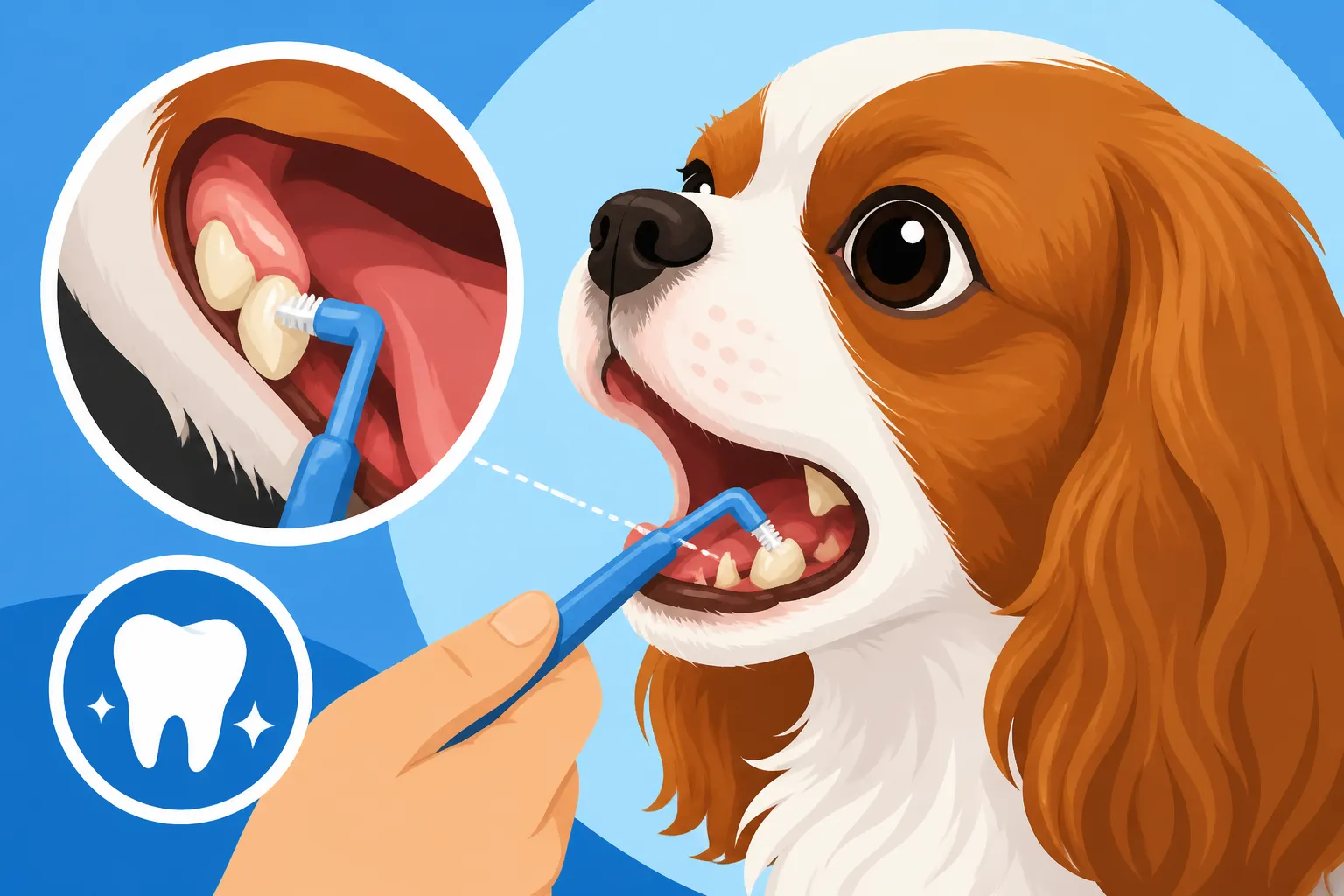
- Small, Angled Toothbrushes: Many pet dental brands, available at retailers like Chewy or Amazon, offer brushes with small heads and an angled neck. This design is crucial for maneuvering around the cheeks and reaching those far-back molars without having to open your Cavalier's mouth impossibly wide. The bristles should be soft to avoid irritating delicate gum tissue.
- Double-Headed Toothbrushes: Some designs feature two heads angled at 45 degrees, which can clean both the inside and outside surfaces of a tooth simultaneously. While efficient for some, they might be too bulky for a very tiny Cavalier mouth, making back-tooth access still difficult.
For toothpaste, never use human toothpaste, as it contains fluoride and other ingredients that are toxic to dogs if swallowed. Always opt for an enzymatic dog toothpaste. These come in flavors dogs usually enjoy, like poultry or beef, and the enzymes help break down plaque even with minimal brushing action. The taste can also make the experience more palatable for your Cavalier.
Effective Brushing Methods for Back Molars
Getting to those back molars requires patience, a gentle touch, and a bit of technique. The goal isn't to scrub furiously, but to gently disrupt plaque along the gum line.
- Preparation is Key: Start with a calm Cavalier. Choose a time when they are relaxed, perhaps after a walk or a cuddle session. Have all your supplies ready. Let your Cavalier sniff and lick the dog toothpaste from the brush.
- Lifting the Lip: Instead of trying to force their mouth open, simply lift their upper lip to expose the outer surfaces of the teeth. This is often less invasive and less intimidating for them. With their mouth mostly closed, you can often reach the back teeth more easily.
- Targeting the Molars: Gently insert the small toothbrush, or finger brush, behind their canine tooth (the long, pointy one). Angle the bristles so they are pointing towards the gum line at about a 45-degree angle. Use small, circular motions, focusing on the gum line where plaque accumulates most. Don't forget to get the outer surface of those back molars. You might need to gently push the corner of their lip back a little further to see or feel where you're brushing.
- Inner Surfaces (Optional but Recommended): While the outer surfaces are the most critical, if your Cavalier tolerates it, try to brush the inner surfaces of the back teeth as well. This might require a bit more effort to get the brush head inside, but even a few gentle swipes can make a difference. Many dogs resist this more, so prioritize the outer surfaces if you're limited on time or cooperation.
- Positive Reinforcement: Keep sessions short, especially when starting out – literally 30 seconds to a minute is plenty. Always follow up with praise, cuddles, and a special treat. The goal is for your Cavalier to associate dental care with positive outcomes. If they resist, don't force it. Try again later or shorten the session. Slowly build up the duration over days and weeks. Remember that consistency over time is far more effective than trying to do an hour-long deep clean once a month.
| Tool Type | Pros | Cons | Best For |
|---|---|---|---|
| Finger Brush | Excellent control, good for beginners, less intimidating | May not reach deepest back molars, less thorough cleaning | Introducing brushing, sensitive dogs, visible front teeth |
| Small Angled Brush | Specifically designed for small mouths, better reach for molars | Less control than finger brush, might still be bulky for some Cavaliers | Regular, thorough cleaning, targeting back teeth |
| Double-Headed Brush | Cleans two surfaces at once, efficient for cooperative dogs | Can be too large for very small mouths, harder to maneuver | Dogs with good tolerance, wider mouths (less common in Cavaliers) |
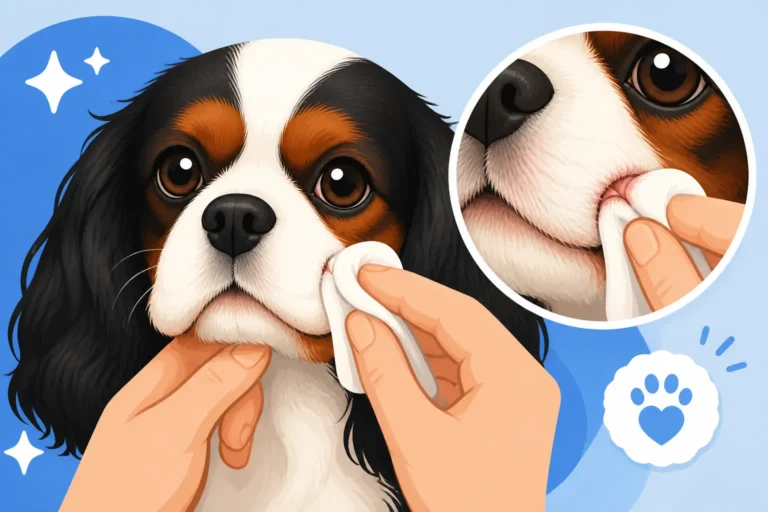
| Dental Wipes | Quick and easy, good for daily maintenance, less invasive | Less effective than brushing, surface cleaning only | Between brushes, gum line maintenance, very resistant dogs |
Beyond Brushing: Comprehensive Dental Health Strategies
While brushing is the gold standard for canine dental care, it's not the only tool in your arsenal, especially for Cavaliers where those back teeth can be so challenging. A multi-pronged approach often yields the best results, combining various methods to tackle plaque and tartar from different angles.
Dental Chews and Supplements
Dental chews can be a fantastic addition to your Cavalier's oral hygiene routine, providing a mechanical scrubbing action that helps dislodge plaque and can reach areas a toothbrush might miss. However, not all dental chews are created equal. Look for chews that are specifically formulated to reduce plaque and tartar, often carrying a Veterinary Oral Health Council (VOHC) seal of approval. This seal indicates that the product meets certain standards for plaque or tartar control.
When choosing dental chews, consider:
- Size and Hardness: The chew should be appropriately sized for your Cavalier to prevent choking, but hard enough to provide some abrasion without being so hard it risks breaking a tooth. Bones, antlers, and very hard nylon chews can be dangerous for Cavaliers, potentially causing slab fractures on their molars. You can find a wide variety of VOHC-approved chews at pet stores and online retailers like Chewy and Amazon. Some popular options are dental treats from brands like Greenies or VeggieDent, which are designed to be digestible and help clean teeth as your dog chews. Just remember to factor these into your Cavalier's daily caloric intake to prevent Cavalier Weight Gain and What It Costs the Heart.
- Enzymatic or Mechanical Action: Some chews contain enzymes or other ingredients that help break down plaque chemically, while others rely purely on their texture and shape for mechanical cleaning. Some chews, like those offered by Ollie, can also provide nutritional benefits alongside dental support.
- Supervision: Always supervise your Cavalier while they're enjoying a dental chew to ensure they chew safely and don't try to swallow large pieces whole.
Beyond chews, certain supplements are marketed for dental health, often containing ingredients like probiotics, zeolites, or seaweed extracts that claim to reduce plaque formation. While some owners find these beneficial, they should always be seen as an adjunct to brushing and professional care, not a replacement. Always discuss any new supplements with your veterinarian to ensure they are safe and appropriate for your individual Cavalier, especially if they have underlying health conditions.
Water Additives and Oral Rinses
For Cavaliers who absolutely refuse brushing, or as an extra layer of protection, water additives and oral rinses can be a helpful, less invasive option. These products typically contain ingredients that help kill bacteria, break down plaque, or reduce bad breath.
- Water Additives: These are liquids that you simply add to your Cavalier's drinking water daily. They are designed to be tasteless and odorless, so most dogs drink their water without noticing. The active ingredients then work in the mouth to inhibit bacterial growth and reduce plaque formation. This is a "set it and forget it" method that can be incredibly useful for getting some level of dental support into even the most resistant Cavalier. They won't remove existing tartar, but they can slow down new buildup.
- Oral Rinses/Sprays: These are applied directly to your Cavalier's teeth and gums. Some come with a small nozzle that allows you to spray into the mouth, while others are applied with a dental wipe or gauze. Like water additives, they contain antiseptic agents that help reduce bacteria. While less invasive than brushing, some Cavaliers still object to the spray itself or the sensation of having their mouth handled.
It's important to understand the limitations of these products. They are generally most effective at addressing plaque and gingivitis (early gum inflammation) and slowing down tartar formation. They are not effective at removing existing hard tartar, which requires professional scaling by a veterinarian. Think of them as part of your daily preventive routine, much like mouthwash for humans – it complements brushing, but doesn't replace it. For more details on this, you might find Water Additives Against Brushing for a Cavalier a helpful read.
When to Seek Professional Dental Care for Your Cavalier
Even with the most diligent home care, Cavaliers are prone to dental disease due to their unique oral anatomy. It's crucial to recognize when home efforts aren't enough and professional intervention is necessary. Ignoring these signs can lead to significant pain and health complications for your beloved companion.
Signs Your Cavalier Needs a Vet Visit
Your Cavalier can't tell you in words that their mouth hurts, but they will show you through subtle (and sometimes not-so-subtle) signs. As a Cavalier parent, you become an expert observer of your dog's habits, and any changes, particularly around eating or oral comfort, warrant attention.
Here are some common indicators that your Cavalier needs a professional dental check-up and potentially a cleaning:
- Bad Breath (Halitosis): This is one of the most common and often the first noticeable sign. While some "dog breath" is normal, a strong, foul odor is usually a clear indication of bacterial overgrowth from plaque and tartar buildup or an infection. It's a smell that tells you something is wrong.
- Visible Tartar Buildup: If you can see hard, brownish-yellow deposits on your Cavalier's teeth, especially along the gum line or on the back molars, it's definitely time for a professional cleaning. This tartar cannot be removed by brushing alone.
- Red, Swollen, or Bleeding Gums: Healthy gums are pink and firm. Inflamed gums (gingivitis) will appear red, swollen, and might bleed easily when touched or when your Cavalier chews. This is painful and signals infection.
- Difficulty Chewing or Eating: You might notice your Cavalier favoring one side of their mouth, dropping food, chewing slowly, or even refusing to eat hard kibble or chews they once loved. They might show a sudden preference for softer foods.
- Pawing at the Mouth or Rubbing Face: If your Cavalier is constantly pawing at their mouth, rubbing their face on furniture or the carpet, or showing sensitivity when their muzzle is touched, it could be a sign of oral pain.
- Drooling: Excessive drooling, sometimes tinged with blood, can indicate oral discomfort, a foreign object, or an advanced infection.
- Behavioral Changes: Pain can make even the sweetest Cavalier grumpy, withdrawn, or less playful. They might not want to be petted on the head or near their mouth. These subtle shifts can sometimes be the only clue you get.
- Loose or Missing Teeth: In advanced periodontal disease, teeth can become loose or even fall out. This is a late-stage sign and indicates significant damage and pain.
If you observe any of these signs, don't delay. Schedule an appointment with your veterinarian. They can assess your Cavalier's oral health and recommend the appropriate course of action, which often involves a professional dental cleaning under anesthesia. Remember, catching issues early can prevent more extensive and costly treatments down the line, such as Extraction Costs in an Older Cavalier.
The Anesthesia Debate for Dental Procedures
One of the biggest concerns for many Cavalier owners when professional dental cleaning is recommended is the use of anesthesia. It’s completely natural to feel anxious about your beloved dog undergoing any procedure that requires sedation, especially given the breed's predispositions. However, it's vital to understand why anesthesia is necessary for a thorough and safe dental cleaning.
- Why Anesthesia is Essential: Unlike humans, dogs won't simply "open wide" and sit still for a detailed examination, scaling, and polishing. Anesthesia allows the veterinary team to perform a comprehensive oral exam, probe beneath the gum line for pockets of infection, scale away all tartar (including subgingival tartar that's impossible to reach on a conscious dog), polish the teeth to smooth surfaces that resist new plaque, and perform necessary extractions if teeth are diseased. Without anesthesia, these critical steps cannot be done properly or safely.
- Addressing Concerns for Cavaliers: Cavaliers, like other brachycephalic breeds, can have slightly elevated anesthesia risks due to their airway anatomy. Additionally, many Cavaliers develop heart murmurs, a sign of Mitral Valve Disease (MVD), often by middle age. This naturally leads to questions like Whether a Cavalier With a Murmur Can Be Sedated or concerns about Anesthesia Risk in a Cavalier With a Murmur. A responsible veterinarian will take these factors into account.
- Pre-Anesthetic Workup: Before any anesthetic procedure, your vet will conduct a thorough physical exam and often recommend pre-anesthetic blood work to assess organ function and ensure your Cavalier is a good candidate for anesthesia. For Cavaliers, an updated cardiac check-up and possibly an echocardiogram might be recommended to evaluate their heart health, especially if a murmur is present.
- Modern Anesthesia Protocols: Veterinary anesthesia has come a long way. Modern protocols include tailored drug combinations, continuous monitoring of vital signs (heart rate, breathing, blood pressure, oxygen saturation, temperature), and intravenous fluid support. This significantly reduces risks compared to past practices.
- Benefits Outweigh Risks: For a dog suffering from dental disease, the chronic pain and systemic infection can be far more detrimental to their long-term health and quality of life than the controlled, short-term risk of anesthesia. A clean, healthy mouth vastly improves their comfort, ability to eat, and overall well-being. Discuss all your concerns openly with your vet; they can explain their specific protocols and address your fears, helping you make an informed decision for your Cavalier's health.
Maintaining Long-Term Oral Health for Your Cavalier
Taking a proactive, consistent approach to your Cavalier's oral health is a lifelong commitment that pays dividends in their comfort and well-being. It's about integrating dental care into their daily routine and partnering with your veterinarian for ongoing support.
Diet and Dental Health
The food your Cavalier eats plays a role in their dental health, though it's often misunderstood. Many owners hope that "dental diets" alone can prevent the need for brushing, but the reality is more nuanced, especially for a breed like the Cavalier with its crowded jaw.
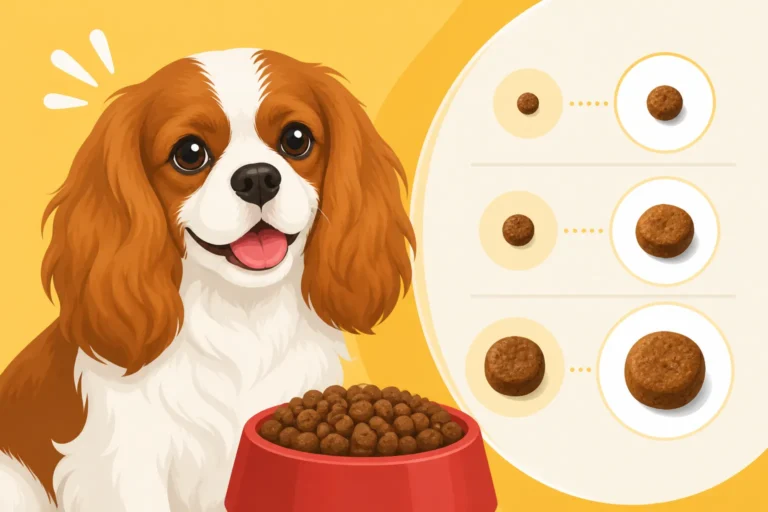
- Kibble Size and Texture: While some larger kibble is marketed as helping to "clean" teeth, its effectiveness for true plaque removal is limited, particularly for the back molars. Dogs often swallow kibble quickly with minimal chewing, especially small breeds. The concept of kibble scraping teeth often applies more to the tips of the teeth, not the critical gumline where plaque accumulates. However, a good quality kibble still provides a somewhat abrasive action that is generally better than an exclusively wet food diet for general dental health, as wet food can stick to teeth more easily.
- Specialized Dental Diets: There are prescription dental diets formulated with specific fiber arrangements or coatings that genuinely help scrub the tooth surface and reduce plaque. These diets are often larger and designed to encourage more chewing before swallowing. They can be a valuable tool, especially if your Cavalier is highly resistant to brushing or prone to rapid tartar buildup. Brands like Hill's Prescription Diet t/d or Royal Canin Dental are examples often recommended by veterinarians. You can often purchase these from your vet's office or through online pharmacies like Chewy after a prescription.
- Avoiding Sugary Treats and Table Scraps: Just like in humans, sugary treats and starches can contribute to plaque formation. Many human foods are also high in sodium, which is something to be mindful of for Cavaliers, especially if they are managing heart disease. Stick to approved dog treats, preferably those with dental benefits, and keep table scraps to an absolute minimum or avoid them entirely. If you use treats for training, choose small, low-calorie options. For more on dietary needs, consider reading Whether Diet Slows a Cavalier's Heart Disease.
While diet can support dental health, it's rarely a standalone solution for a Cavalier. It works best as part of a comprehensive plan that includes home brushing and regular professional cleanings.
Regular Veterinary Check-ups and Monitoring
Your veterinarian is your most important partner in maintaining your Cavalier's long-term oral health. Regular check-ups allow them to monitor the progression of any dental disease and recommend timely interventions before problems become severe and painful.
- Annual Physical Exams: During your Cavalier's annual wellness exam, your vet will perform a basic oral inspection. They'll lift the lips, check for visible tartar, red gums, and any obvious signs of pain or infection. This yearly check is crucial for identifying early signs of dental issues.
- Discussions About Home Care: Use these vet visits to discuss your home dental routine. Be honest about your struggles and successes. Your vet can offer personalized tips, recommend specific products, and demonstrate proper brushing techniques. If your Cavalier is showing resistance, they might suggest alternatives or a different approach.
- Early Intervention: Early detection is key. If your vet notices significant plaque or gingivitis during a routine exam, they might recommend a professional cleaning sooner rather than later. Proactive cleanings when dental disease is still mild are less invasive, carry fewer risks, and are generally less costly than waiting until extractions and extensive procedures are needed. The Age a Cavalier Needs Its First Dental is usually much earlier than many owners realize, often by 2-3 years old, due to their breed predispositions.
- Monitoring Overall Health: Regular vet visits also allow your veterinarian to assess your Cavalier's overall health, including their heart, kidneys, and liver, which are vital considerations before any anesthetic procedure. They can ensure your Cavalier is in the best possible condition for a dental cleaning, should one be necessary. This holistic approach ensures that dental health is integrated into your Cavalier's complete care plan, helping them live a comfortable and joyful life.
Disclaimer
This article is for general informational purposes only and does not constitute professional advice. Laws, prices and regulations vary by location and change over time. Consult a qualified professional for guidance on your specific situation.