Choosing a Crate a Cavalier Will Rest In
One of the most common dilemmas new Cavalier King Charles Spaniel owners face is how to create a safe, comforting space for their beloved dog, especially when they need to be left alone for short periods. Many worry that a crate feels like a cage, leading to guilt and anxiety, but with the right approach and the perfect setup, a crate can become a cherished den where your Cavalier truly feels secure, a peaceful haven for rest and relaxation. This guide will walk you through choosing and setting up a crate that your Cavalier will happily embrace as their own private sanctuary.
Why a Crate is a Game-Changer for Your Cavalier's Well-being
It's completely understandable to feel a pang of guilt at the thought of putting your sweet, affectionate Cavalier into a crate. After all, these dogs are renowned for being "Velcro dogs" who thrive on companionship. But the truth is, a properly introduced and utilized crate isn't a punishment; it's a powerful tool for their safety, comfort, and training. It taps into their natural instincts and can even reduce stress.
Tapping into the Den Instinct: A Safe Haven
Think about a dog's wild ancestors. They sought out small, enclosed spaces – dens – for safety, to raise their young, and to feel protected from predators and the elements. This instinct is still strong in our domesticated dogs, including the Cavalier King Charles Spaniel. A crate, when introduced correctly, mimics this den. It provides a defined, personal space where your Cavalier can retreat when feeling overwhelmed, tired, or just in need of a quiet moment away from household bustle. For a breed that can sometimes be a little overwhelmed by constant activity, having that private spot is invaluable. It’s not just a place to be, it’s a place to feel safe.
Promoting Independence and Preventing Anxiety
Cavaliers are notorious for their intense desire to be with their people. This beautiful trait can, however, sometimes tip into genuine separation anxiety if not managed carefully. A crate, surprisingly, can be a vital part of building your Cavalier's confidence and independence. By associating the crate with positive experiences and calm alone time, you teach them that being by themselves for a bit is okay. It helps them learn that you will return, which is fundamental to Building a Cavalier's Tolerance for Being Left.
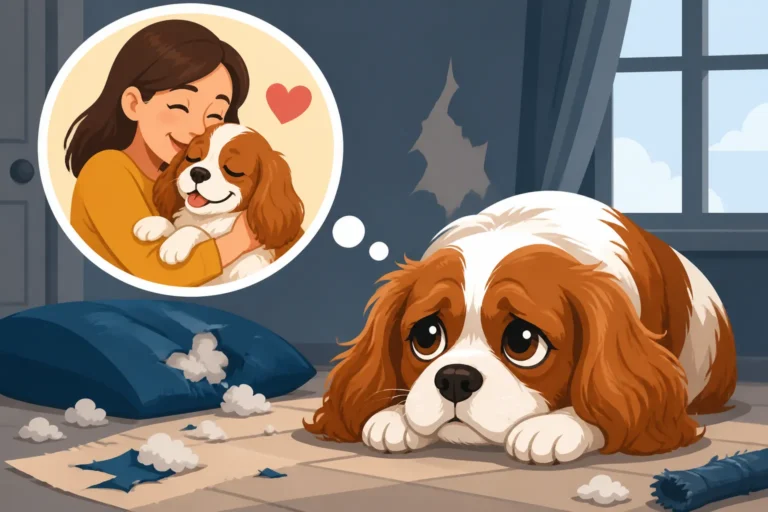
Without a secure den, a Cavalier left alone might feel vulnerable and exposed, leading to pacing, barking, or even destructive chewing as a coping mechanism. The crate prevents these behaviors by providing a structured environment where they understand what is expected of them and where they can simply relax. It takes the guesswork out of being alone and gives them a defined space to settle. This can dramatically reduce the chances of your Cavalier developing habits like destructively chewing doorframes when left alone or becoming a Cavalier That Howls the Moment You Leave.
Aid in House Training and Safety
Crates are an absolute godsend for house training. Dogs are naturally clean animals and are generally reluctant to soil their sleeping area. This innate tendency means that a crate of the appropriate size can significantly accelerate the house training process. If your Cavalier is in a crate, they are far less likely to have an accident, especially overnight or when you can't actively supervise them.
Beyond house training, a crate offers an unparalleled level of safety. It protects your Cavalier from household hazards like chewing electrical cords, ingesting toxic substances, or getting into things they shouldn't. If you have guests, young children, or other pets, the crate provides a secure spot for your Cavalier to relax away from potential stressors or accidental injuries. It's also invaluable for car travel, ensuring your dog is safe and restrained, and for vet visits or recovery from surgery, providing a quiet, contained space for healing.
Selecting the Perfect Crate: Size, Material, and Location
Choosing the right crate isn't just about picking the first one you see. It requires careful consideration of your Cavalier's current size, anticipated adult size, personality, and your lifestyle. The goal is to create a space that feels just right – not too big, not too small, and certainly not intimidating.
The Goldilocks Zone: Just Right Sizing
This is perhaps the most critical factor. A crate should be just large enough for your Cavalier to stand up, turn around comfortably, and lie down fully stretched out. It should not be so large that they can designate one corner as a bathroom area and another as a sleeping area. If the crate is too big, it defeats the purpose of house training.
- For Puppies: If you're bringing home a Cavalier puppy, remember they grow quickly! Many crates, readily available on platforms like Amazon, come with adjustable dividers. These are brilliant because you can expand the living space as your puppy grows, ensuring the crate is always the "just right" size without needing to buy multiple crates. Start small and gradually increase the space.
- For Adults: An adult Cavalier King Charles Spaniel typically weighs between 13 and 18 pounds. Look for crates designed for small to medium breeds. A common size range that works well is often around 24 inches long, 18 inches wide, and 19-21 inches high. Always double-check the manufacturer's recommendations for weight and height, but ultimately, measure your dog to be sure. Can they stand without their head touching the top? Can they turn a full circle without struggling? Can they lie down comfortably on their side? If yes, you've found the right size.
Understanding Crate Types: Pros and Cons for Cavaliers
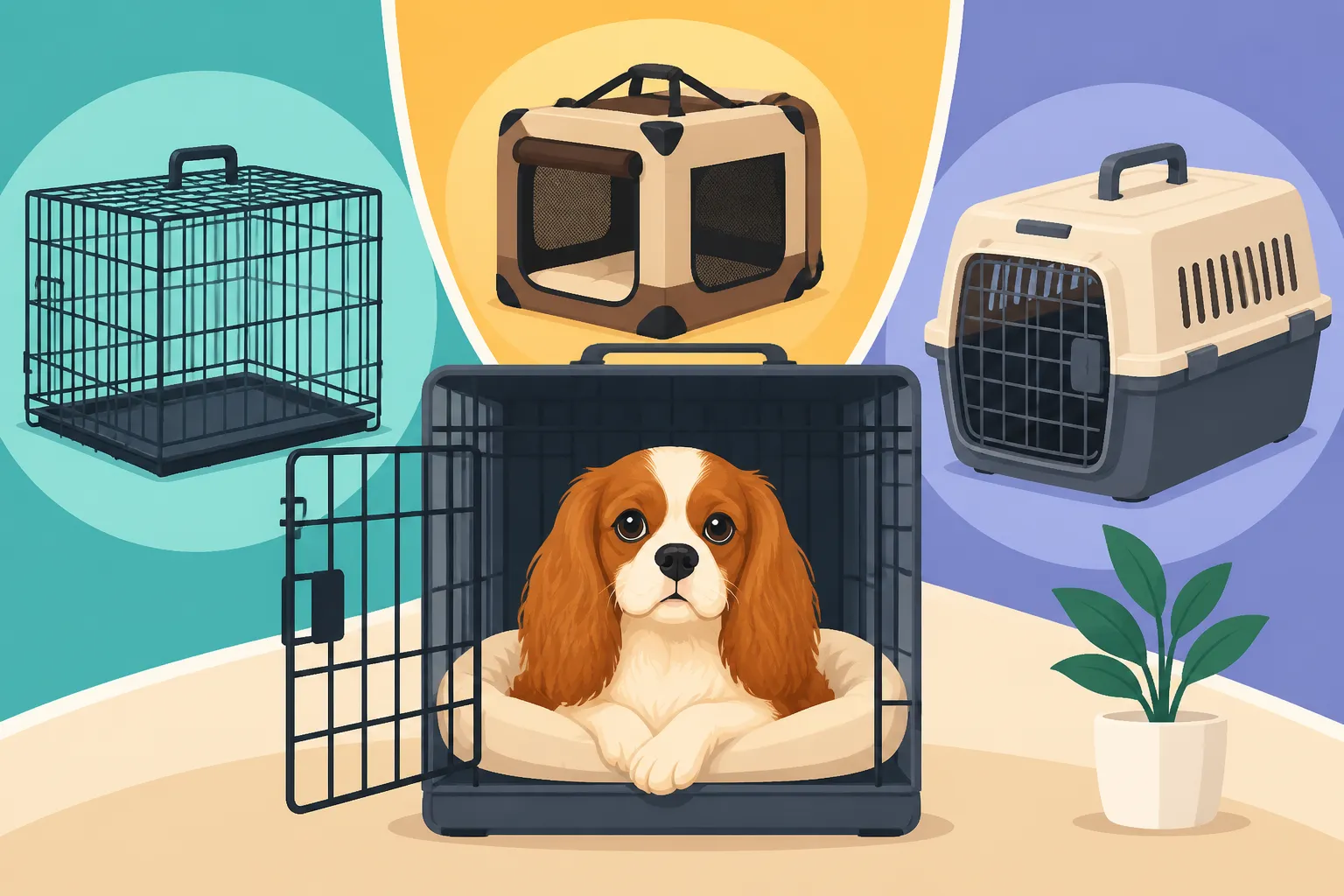
Crates come in several main types, each with its own advantages and disadvantages. Your Cavalier's personality and your specific needs will dictate the best choice.
| Crate Type | Pros | Cons | Best For |
|---|---|---|---|
| Wire Crates | Excellent ventilation, good visibility, easy to clean, often foldable, adjustable dividers | Can feel exposed, less cozy unless covered, some dogs dislike the open feel | Puppies (with dividers), dogs who don't need total darkness, owners needing portability |
| Plastic Crates | Den-like feel, very cozy and secure, good for travel (airline approved), provides more privacy | Less ventilation (can get warm), heavier/bulkier than fabric, harder to clean tight corners, limited visibility | Anxious dogs, dogs who prefer a dark, secure den, frequent travelers |
| Fabric Crates | Lightweight, highly portable, foldable, good for car rides or temporary setups, cozy feel | Not suitable for chewers (can be destroyed quickly), difficult to clean spills, offers less protection | Adult Cavaliers who are already crate-trained and not chewers, travel, temporary confinement |
| Furniture-Style | Blends into home decor, dual-purpose (end table), attractive look | More expensive, heavier, often less ventilation, can be hard to disassemble | Owners prioritizing aesthetics, dogs who are fully crate-trained and unlikely to chew the furniture |
For many Cavalier owners, a wire crate is a great starting point due to its versatility and ease of cleaning. If your Cavalier seems anxious or needs more privacy, simply draping a blanket or a dedicated crate cover over a wire crate can transform it into a cozy den. For Cavaliers who will travel frequently, a plastic "airline-style" crate is often a necessity.
Strategic Placement: Where Your Cavalier's Crate Belongs
The location of the crate is just as important as the crate itself. Initially, especially during the first few weeks with a new puppy or a newly adopted adult, place the crate in an area where your Cavalier still feels connected to the family.
- During the Day: A living room, family room, or home office is ideal. Your Cavalier can hear and see you (if it's a wire crate) and feel like part of the action, even when resting. This helps prevent them from feeling isolated.
- At Night: Many owners choose to place the crate in their bedroom at night, at least initially. Hearing your breathing and knowing you're nearby can be incredibly comforting to a young puppy or an anxious rescue, helping them to settle. As they grow more confident, you can gradually move the crate to a more permanent, quieter spot if you prefer. Just ensure that wherever it is, it's not in a high-traffic area where they'll constantly be disturbed. A quiet corner of a bedroom or a den works well for established crate users.
Avoid placing the crate in direct sunlight or near drafts from windows or air conditioning units. The goal is to provide a consistent, comfortable temperature.
Transforming the Crate into a Cozy Retreat
The crate should never be associated with punishment or isolation. It needs to be a place your Cavalier wants to go. This involves making it as inviting and comfortable as possible, filling it with positive associations.
Comfort is Key: Soft Bedding and Familiar Scents
Imagine trying to sleep on a hard, cold floor – not very appealing, right? The same goes for your Cavalier.
- Soft Bedding: Invest in a comfortable, washable crate mat or a soft, plush bed that fits snugly inside. There are many excellent options on Amazon, from simple orthopedic pads to luxurious faux-fur beds. Make sure it's durable enough to withstand some digging and washable in case of accidents. Avoid anything with loose threads or small parts that could be chewed off and swallowed.
- Familiar Scents: Place a blanket or an old T-shirt that smells like you in the crate. Your scent is incredibly comforting to your Cavalier and can help them settle, especially during initial crate training or when they are dealing with A Cavalier That Cries in Another Room.
- Safety First: Ensure any bedding is safe and non-toxic. If your Cavalier is a chewer, you might need more robust, chew-resistant bedding or start with just a towel until they learn not to chew in the crate.
Safe Chew Toys and Engaging Distractions
Positive associations are paramount. The crate should be a place where good things happen.
- High-Value Chews: Offer long-lasting, safe chew toys or puzzle toys stuffed with irresistible treats when your Cavalier goes into their crate. This helps them associate the crate with delicious rewards and pleasant activities. Think KONGs filled with peanut butter, frozen yogurt, or their regular kibble. This type of enrichment gives them a positive outlet and keeps their mind engaged. Ensure the treats you choose are appropriate for their size and dietary needs, especially if you're managing a Cavalier Weight Gain and What It Costs the Heart.
- Interactive Toys: Some Cavaliers enjoy quiet interactive toys, but avoid anything that makes loud noises or could become a choking hazard. The goal is calm engagement, not overstimulation.
- Meal Times: One of the easiest ways to build positive crate associations is to feed your Cavalier their meals inside the crate. This makes the crate the source of a highly valued resource – food! Start by placing the food bowl just inside the crate, and as they become more comfortable, move it further back.
Establishing a Positive Routine
Consistency and routine are the bedrock of successful crate training for any dog, especially a Cavalier.
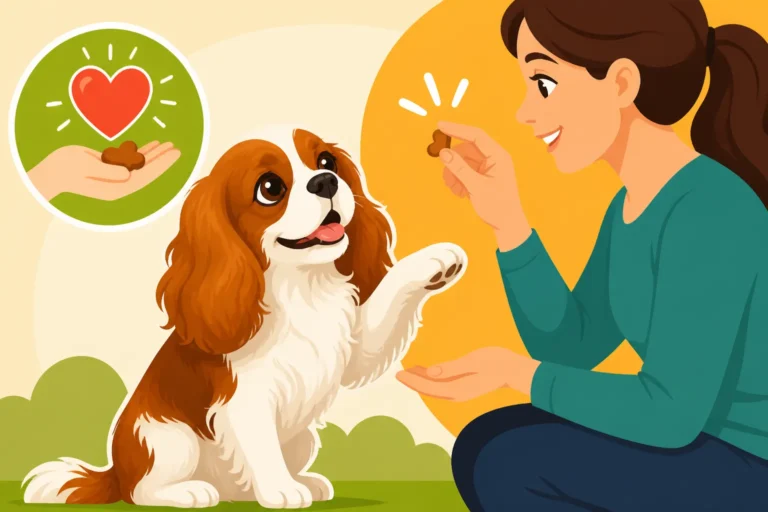
- Gradual Introduction: Never force your Cavalier into the crate. Start with short, positive sessions. Toss a treat in, let them go in and out freely, praise them lavishly. Gradually increase the time they spend inside with the door closed.
- Calm Departures and Arrivals: Make your departures and arrivals low-key. If you make a big fuss when putting them in or letting them out, it can heighten their anxiety. A simple, calm "crate time" command and a quiet release is all that's needed.
- Regular Breaks: Especially for puppies, ensure they get frequent potty breaks. A general rule of thumb is that a puppy can hold it for roughly one hour per month of age. An adult Cavalier shouldn't be crated for more than 4-5 hours during the day, as they need opportunities to stretch, relieve themselves, and interact.
- Training Resources: If you're struggling, consider online training programs. Resources like BAXTER & Bella offer comprehensive online puppy and dog training programs that include detailed guidance on crate training, often with video tutorials that can be incredibly helpful for visual learners. These programs can provide structured steps and support to ensure you're setting your Cavalier up for success.
Navigating Crate Training Challenges with Your Cavalier
Even with the best intentions and setup, you might encounter some bumps in the road. Cavaliers, with their sensitive natures, can sometimes be particular about their crate. The key is patience, consistency, and a deep understanding of their emotional needs.
Overcoming Resistance and Fear
It's heartbreaking to hear your Cavalier cry or whine in their crate, and it's a common frustration. Remember, if your Cavalier is struggling, it's rarely defiance; it's often fear, anxiety, or simply not understanding what's expected.
- Never Use as Punishment: This is a golden rule: the crate must never be used for punishment or as a timeout spot. If you associate the crate with negative experiences, your Cavalier will quickly learn to fear it, undermining all your positive efforts. This aligns with the principles discussed in Why Harsh Corrections Break a Cavalier. The crate should always be a place of safety and comfort.
- Slow and Steady Wins the Race: If your Cavalier shows resistance, you might be moving too fast. Go back to basics:
- Make the crate inviting with treats and toys, leaving the door open.
- Encourage them to enter voluntarily, rewarding heavily.
- Close the door for a few seconds while they're eating a treat, then immediately open it.
- Gradually increase the time, always ensuring they are calm before opening the door.
- Address Underlying Anxiety: If your Cavalier's distress in the crate is severe, it could be a sign of deeper Signs a Cavalier Is Distressed When Alone. In such cases, the crate might not be the primary solution but rather a tool within a larger management plan for separation anxiety. Consult with a professional dog trainer or veterinary behaviorist for tailored advice. They can help you implement strategies like specific Departure Routines That Calm a Cavalier or, in some severe instances, discuss options like Medication for Cavalier Separation Anxiety.
Maintaining a Positive Mindset (for You!)
Crate training can test your patience, especially when your Cavalier is vocal about their displeasure. It's crucial for you to maintain a calm and positive demeanor.
- Ignore Whining (Initially): If you've ensured your Cavalier has relieved themselves, isn't hungry, and has had some exercise, and they are whining for attention, it's important to ignore it. Giving in reinforces the whining. Wait for a moment of silence, even just a few seconds, before letting them out.
- Positive Reinforcement is Key: Always reward calm, quiet behavior in the crate. When they settle, offer praise or a small, quiet treat. This builds a strong positive association.
- Professional Guidance: If you're truly struggling or your Cavalier is showing significant distress, don't hesitate to seek professional help. Certified professional dog trainers or veterinary behaviorists specialize in these types of challenges. Online resources, like those offered by BAXTER & Bella, can also be a fantastic starting point for understanding positive reinforcement techniques specific to crate training. They offer guidance that respects your Cavalier's sensitive nature and ensures you're using humane, effective methods.
Choosing the right crate and implementing a thoughtful training plan will make all the difference in turning a potentially stressful experience into a positive one for both you and your Cavalier. A well-chosen, comfortable crate will quickly become their happy place, a peaceful retreat they willingly choose whenever they need a moment of quiet, rest, or security.
Disclaimer
This article is for general informational purposes only and does not constitute professional advice. Laws, prices and regulations vary by location and change over time. Consult a qualified professional for guidance on your specific situation.