A Cavalier That Bolts After Pigeons
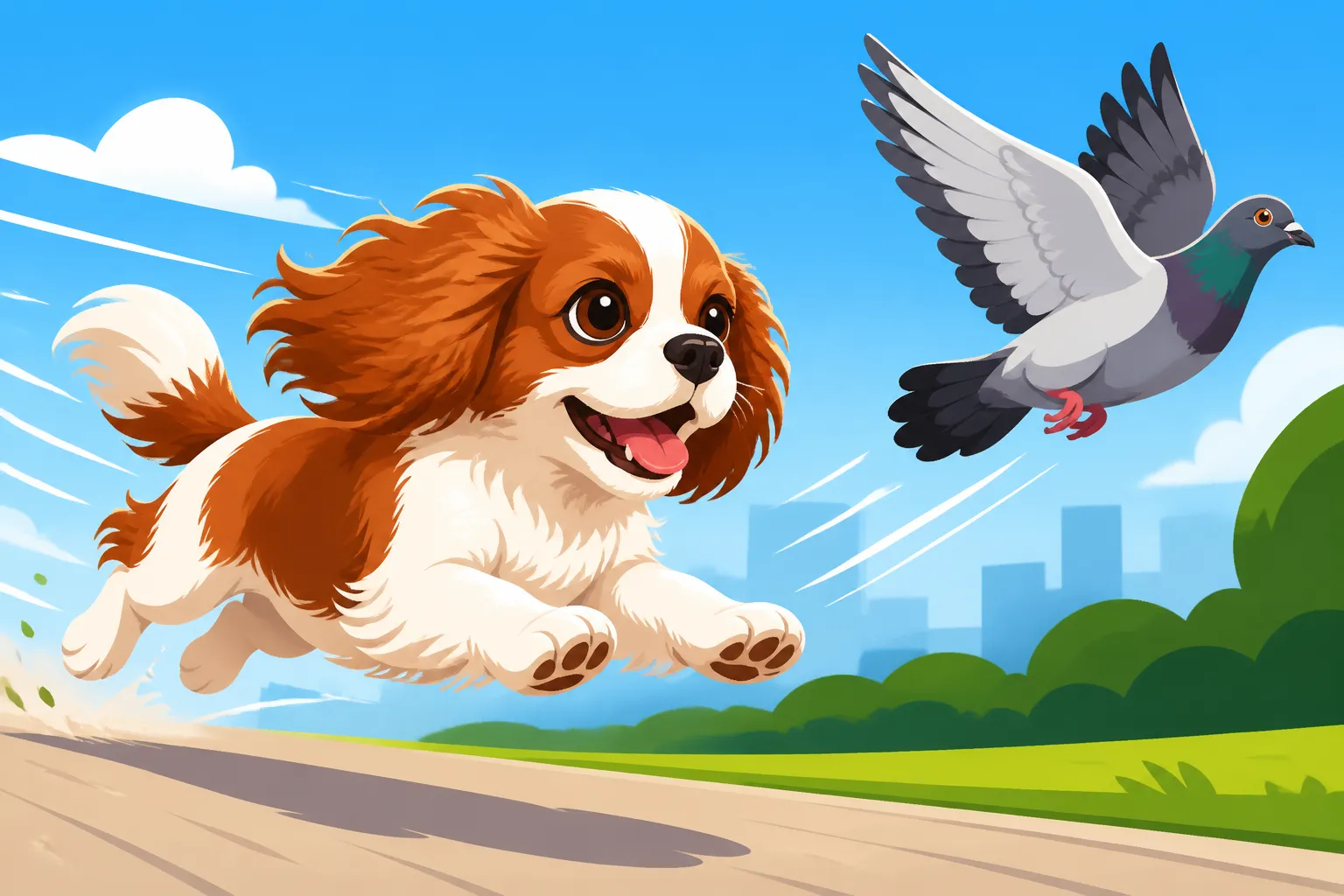
It’s a scenario many Cavalier King Charles Spaniel owners know all too well: you’re enjoying a pleasant walk, perhaps admiring the feathering on your sweet companion, when suddenly, a flock of pigeons takes flight, and in a flash, your Cavalier is a blur of fur and enthusiasm, deaf to your frantic calls. This sudden, intense bolting after birds isn't just frustrating; it's genuinely frightening and can put your beloved dog in harm's way. This guide is here to walk you through understanding why your Cavalier transforms into a mini-hunting dog in these moments and, more importantly, how you can manage this deeply ingrained instinct to keep them safe.
Understanding the Cavalier's Prey Drive
Many people envision Cavaliers as purely lap dogs, content to be carried and showered with affection. While they absolutely excel at being devoted companions, it’s easy to forget they are, at their core, spaniels. And spaniels, even the smallest ones, were originally bred for a purpose: to work alongside humans in the field, flushing out small game. That deeply rooted instinct, that thrill of the chase, is still very much alive in our modern Cavaliers, and nowhere is it more evident than when a flock of pigeons erupts before them.
The Hidden Sporting Spaniel Instincts
Think back to the origins of the Cavalier King Charles Spaniel. While their ancestors were indeed cherished companions of royalty, those "comforter spaniels" also had a job to do. They were adept at flushing small birds and vermin, using their keen sense of smell and sight. Over centuries, while their size and temperament were refined for companionship, the fundamental wiring for a chase remained. It’s not a flaw in their personality; it’s a genetic blueprint, a ghost of their hunting past. Your Cavalier isn't being disobedient out of malice; they are simply responding to a primal urge that feels incredibly compelling to them. It's like asking a human not to flinch when something suddenly flies at their face – it's an automatic reaction.
This instinct isn't uniform across all Cavaliers; some individuals will have a much stronger prey drive than others. Factors like their lineage, early socialization, and even their individual personality can play a role. A Cavalier might show a high prey drive by tracking squirrels, chasing leaves, or, in our case, fixating on birds. It’s important to acknowledge this instinct rather than fight against it. Understanding this helps us approach training with empathy and realistic expectations. They are not trying to be difficult; they are just being true to their heritage. This inherent drive also explains why some Cavaliers are perfectly happy to chase a ball for hours, demonstrating that strong desire to pursue and "capture."
What Triggers the Chase Impulse
For a Cavalier, the world is full of potential triggers for that chase impulse. Pigeons, in particular, offer a perfect storm of stimuli. First and foremost is movement. A sudden flutter of wings, a quick dart across their line of sight, or the collective scramble of a flock taking off is an immediate, irresistible signal to "go." Cavaliers have excellent peripheral vision, and even a slight shift in movement can catch their eye. This visual trigger is incredibly powerful.
Beyond just movement, the sound of pigeons cooing or flapping can also get their attention, even if they haven't spotted them yet. The smell of birds, especially in areas where they roost, can also contribute, signaling that prey might be nearby. Think about walking through a park where pigeons are frequently fed – the scent profile alone can heighten your Cavalier's awareness. The excitement builds quickly; one moment they're trotting along, and the next, their entire focus narrows to the potential "prey." For them, it’s not just a bird; it’s a living, moving target that their instincts scream at them to pursue. This intense focus can make them seemingly deaf to your commands, as their adrenaline spikes and their brain is flooded with the urge to chase.
Why Pigeons Are Irresistible Targets
Pigeons are, frankly, the perfect targets for a Cavalier's latent prey drive. They are ubiquitous in many urban and suburban environments, meaning opportunities for a chase are frequent. They are typically slow to take off, giving the Cavalier a perceived "head start" and the thrilling sensation of closing the distance. Once airborne, their flight pattern often involves a bit of flapping and then a glide, making them visually engaging. They don't disappear instantly like a sparrow might; they offer a longer, more satisfying chase simulation.
Moreover, pigeons often gather in open spaces like parks or plazas, areas where Cavaliers are frequently walked. This combination of availability, perceived vulnerability, and engaging flight makes them incredibly difficult for a Cavalier with a strong prey drive to ignore. They are essentially "practice prey" that rarely results in an actual catch, reinforcing the thrill of the chase without the deterrent of failure or confrontation. It's a game to your Cavalier, a highly exciting and instinctually rewarding one, which makes it incredibly hard for them to disengage.
The Dangers of Bolting
While a quick dash after a pigeon might seem harmless to some, for a Cavalier owner, it's a terrifying moment fraught with real dangers. Their small size, coupled with their single-minded focus on the chase, makes them incredibly vulnerable the moment they bolt. This isn't just about a lost training opportunity; it's about their safety and well-being.
Road Safety and Traffic Hazards
This is, without a doubt, the most immediate and terrifying danger. Cavaliers, despite their intelligence in many areas, often have little to no "road sense" when that prey drive kicks in. The adrenaline of the chase overwhelms any learned caution. They don't look both ways; they don't register the sound of an approaching car. Their entire world shrinks to the pigeon they are pursuing. A bolt into a busy street can have devastating consequences in mere seconds. Even quiet residential streets pose a risk, as cars can appear suddenly. Many heartbreaking stories from Cavalier owners involve a momentary lapse in attention or a leash slipping, followed by a tragic sprint into traffic. We often discuss Losing a Cavalier to Traffic and How It Happens precisely because this breed is so susceptible to this specific danger.
Even if they don't get hit by a car, a Cavalier loose in traffic creates a dangerous situation for drivers, who might swerve to avoid them, causing accidents. It's not just about protecting your dog, but also about the safety of others. The moment they cross that threshold from sidewalk to street, the risks multiply exponentially, and their small stature makes them incredibly difficult for drivers to spot, especially in busy conditions or at dusk.
Encountering Unfriendly Dogs or Wildlife
When a Cavalier bolts after a pigeon, they're not thinking about what else might be in their path. This tunnel vision can lead them directly into confrontations with other animals. They might run into an aggressive dog who doesn't appreciate a small, excited spaniel barreling towards them. This can result in serious injury to your Cavalier, who is often outweighed and outmatched. Or, they might chase a pigeon into an area where wildlife like coyotes, foxes, or even larger, territorial birds of prey might be present, turning your dog from predator to potential prey.
Beyond direct confrontation, bolting can lead your Cavalier into yards with invisible fences or through bushes with hidden dangers like sharp branches or toxic plants. Their focus on the pigeon means they aren't assessing their environment for other threats, making them vulnerable to unexpected encounters that can range from a nasty bite to a serious accident. This lack of situational awareness, born from the intensity of their prey drive, is a significant concern for any owner whose Cavalier has a tendency to bolt.
Getting Lost or Injured
A Cavalier who bolts can quickly cover a surprising amount of ground, especially if the pigeon keeps flying. Before you know it, they could be several blocks away, disoriented and unable to find their way back. Cavaliers are typically friendly and outgoing, which can be a double-edged sword if they get lost; while they might approach a stranger, they also might not actively try to find their way home, especially if they are still highly stimulated from the chase. Microchipping and ID tags are absolutely essential for any Cavalier, but especially for those with a strong bolt reflex.
Beyond getting lost, the sheer act of bolting can lead to injuries. A sudden, uncontrolled sprint can result in slips, falls, twisted joints, or even more serious issues like a cruciate ligament tear if they change direction abruptly. Cruciate Injury in a Small Cavalier is a real possibility, especially if they are already prone to joint issues. They might run into objects they didn't see, fall into ditches, or injure their paws on rough terrain. The combination of intense focus and lack of spatial awareness creates a high-risk situation for physical harm, even if they manage to avoid cars or other animals.
Training Strategies to Manage the Chase
Managing a Cavalier's prey drive isn't about eradicating the instinct entirely—that's impossible and, frankly, unnecessary. Instead, it's about teaching them self-control, redirecting their focus, and building reliable responses that override the chase impulse when it matters most. This requires patience, consistency, and a deep understanding of positive reinforcement.
Building a Rock-Solid "Leave It" Command
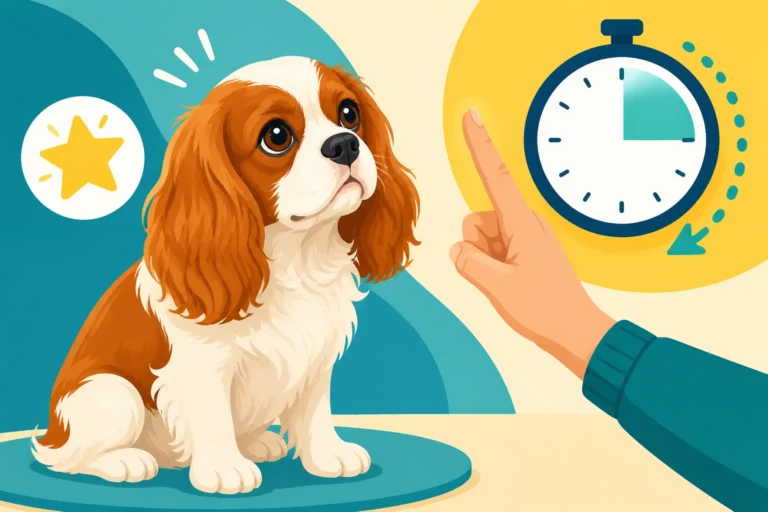
The "leave it" command is your absolute best friend when dealing with a bolting Cavalier. This isn't just about food on the floor; it's about teaching your dog to disengage from anything you want them to ignore, be it a dropped treat, a squirrel, or, yes, a tempting pigeon. Start training this command in a low-distraction environment indoors.
- Foundation: Place a low-value treat on the floor and cover it with your hand. When your Cavalier tries to sniff or lick your hand, say "leave it." The moment they pull their head away, even for a second, praise them enthusiastically and reward them with a different, higher-value treat from your other hand. Repeat this many, many times.
- Increasing Difficulty: Once they understand, put the treat on the floor but don't cover it. If they go for it, cover it quickly. The goal is for them to ignore the floor treat on your "leave it" cue, looking to you for their reward instead.
- Adding Movement: Practice with you dropping a treat (or even a toy) on the floor, saying "leave it," and rewarding them for ignoring it.
- Introducing Distractions: Gradually move your training outdoors, starting in a quiet backyard. Use toys or less exciting objects at first, then introduce slightly more stimulating things like a rolling ball or another person walking by.
- Pigeon-Level Distraction: When you feel confident, practice at a distance from actual pigeons. Walk your Cavalier on a long line (more on this below). The moment you see pigeons (before your dog fixes on them), say "leave it," and immediately turn and walk in the opposite direction, rewarding them heavily for disengaging and following you. This isn't about stopping them from looking at the pigeons, but about getting them to actively disengage and focus on you when commanded. The key is to set them up for success, starting easy and slowly building up the challenge. BAXTER & Bella offers excellent online courses that break down "leave it" training into manageable steps, which can be incredibly helpful for owners.
Developing a Reliable Recall
A strong "come" command, or recall, is literally a life-saver for a Cavalier with a tendency to bolt. This command needs to be the single most rewarding thing your dog can do, outweighing the thrill of chasing.
- Choose Your Word: Pick a distinct recall word, perhaps "Come!" or "Here!" and stick with it. Some owners even have an "emergency recall" word for high-stakes situations that they only use when it truly matters and always follow with the highest value reward.
- Make it Fun and Rewarding: Practice recall indoors with no distractions. Say your recall word, clap your hands, make excited noises – anything to make them want to run to you. When they arrive, praise lavishly and give a jackpot reward (multiple treats, their favorite toy, enthusiastic petting). Never use recall to do something unpleasant, like giving a bath or ending playtime, or they'll learn to associate it with negative experiences.
- Increase Distance and Distraction Gradually: Move to a fenced yard, then a quiet park. Always use a long line (see below) during these stages so you can gently reel them in if they don't respond, ensuring success and preventing them from learning that they can ignore you.
- Practice Around Pigeons (Controlled): Once your recall is solid in moderate distractions, use your long line near pigeons. Before they bolt, call them. If they come, reward them immensely. If they don't, use the long line to guide them in, then reward. The goal is for them to choose you over the birds every single time. Consistency is paramount. Every successful recall builds confidence in the command, and every ignored recall chips away at it. Regularly practicing The Recall Word a Cavalier Learns Fastest will strengthen this vital skill.
Leash and Equipment Solutions
For Cavaliers prone to bolting, appropriate equipment is non-negotiable for their safety.
- Secure Harness: A well-fitting harness is almost always preferable to a collar for a Cavalier. Their delicate necks can be injured by sudden jerks, and a harness distributes pressure more evenly across their chest. Look for harnesses that are escape-proof, meaning they have a snug fit around both the chest and waist, preventing your Cavalier from backing out if they get spooked or pull hard. Brands like Ruffwear or Kurgo offer robust options.
- Long Lines: A long line (a leash typically 15-50 feet long) is invaluable for practicing recall and "leave it" in open, yet still controlled, environments. It gives your Cavalier the feeling of freedom while keeping them safely connected to you. You can find excellent quality long lines on Amazon, often made of biothane, which is durable and easy to clean. Always attach a long line to a harness, not a collar, to prevent neck injury if they hit the end of the line.
- Double Leashing: For high-risk areas, or if your Cavalier is a master escape artist, consider double leashing. This means attaching one leash to their harness and another to a flat collar. If one point of attachment fails, you have a backup.
| Equipment Type | Purpose | Pros | Cons |
|---|---|---|---|
| Flat Collar | Basic ID, leash attachment | Easy to put on, holds ID tags | Risk of neck injury, easy to slip out of, no control for bolting |
| Harness (Front Clip) | Reduces pulling, redirects focus | Better control, safer for neck, discourages pulling | Can tangle legs if not fitted well, less effective for extreme bolters |
| Harness (Back Clip) | Comfort, distributes pressure | Comfortable for dog, good for polite walkers | Does not reduce pulling, easier to slip if dog backs out |
| Long Line | Recall training, safe exploration | Gives freedom, allows recall practice, prevents escape | Can get tangled, requires careful handling, not for crowded areas |
| Double Leash | Ultimate security for escape artists | Maximum safety, backup if one attachment fails | Can be cumbersome, two leashes to manage |
Always check your equipment regularly for wear and tear, and ensure harnesses are fitted correctly—snug enough that your Cavalier can't back out, but not so tight that it restricts movement or rubs.
The Power of Distraction and Redirection
Sometimes, prevention is the best medicine. Before your Cavalier even gets a chance to fixate on a pigeon, you can use distraction and redirection.
- High-Value Treats: Always carry small, highly desirable treats (like cooked chicken, cheese, or specialized training treats). When you see pigeons or other potential triggers ahead, before your Cavalier does, subtly pull out a treat and engage their attention with a "look at me" command. Reward them for making eye contact with you, even for a split second.
- Engaging Toys: For some Cavaliers, a favorite squeaky toy or a small tennis ball can be more exciting than a pigeon. Use it to redirect their attention by tossing it a short distance away from the distraction, encouraging them to chase the toy instead.
- Change Direction: If you spot pigeons that you know will trigger your Cavalier, simply change your walking direction. Turn and walk the other way, or cross the street. Make it a fun, brisk turn, praising your dog for following you. This avoids the confrontation entirely and reinforces that you are the leader who makes good decisions.
- Enrichment on Walks: Make your walks more engaging than just moving from point A to point B. Incorporate sniffing games, hide treats along the path for them to find, or practice short bursts of obedience commands. A mentally stimulated Cavalier is less likely to be solely focused on external distractions. Keep your Cavalier engaged with you, especially if they struggle with Why a Cavalier Stops Listening Outdoors.
Environmental Management and Prevention
Beyond direct training, thoughtfully managing your Cavalier's environment and anticipating their reactions can significantly reduce the risk of them bolting. This is about setting them up for success and minimizing opportunities for that ingrained prey drive to take over.
Choosing Safe Walking Environments
One of the most effective ways to prevent bolting is to simply avoid high-risk areas whenever possible.
- Scout Ahead: Before you head out, think about your route. Are there areas known for large pigeon populations, like park benches where people feed birds, or open plazas near buildings where they roost? If so, try to choose an alternative path.
- Fenced Parks and Yards: When you really want to let your Cavalier off-leash to stretch their legs and run, prioritize securely fenced areas. Dog parks can be an option, but ensure the fencing is robust and there are no small gaps a determined Cavalier could squeeze through. Better yet, find a private, securely fenced field or yard where you can practice recall without the worry of traffic or unknown dogs. This gives them the freedom to run and explore safely.
- Leashed Walks Only: In any unfenced or busy area, your Cavalier should always be on a leash. No exceptions. It's simply not worth the risk. Even if your Cavalier has a generally good recall, a sudden flock of pigeons can be an overwhelming trigger that overrides all training in an instant. Remember, Whether a Cavalier Can Ever Be Off Leash is a serious consideration for many owners due to this very issue.
Maintaining Vigilance on Walks
You are your Cavalier's first line of defense. Being proactive and constantly aware of your surroundings can help you anticipate and prevent bolting incidents.
- Constant Scanning: Treat every walk like you're a hawk scanning the horizon for potential threats (or in this case, pigeons!). Look ahead, to the sides, and even behind you. Spot pigeons (or squirrels, or other triggers) before your Cavalier does.
- Anticipate Triggers: If you see a flock of pigeons pecking on the ground, anticipate that they might take flight. If you're approaching a building ledge where pigeons roost, expect them to scatter. Having a mental game plan for these situations allows you to act quickly with a "leave it" command or a change of direction before your Cavalier's prey drive fully engages.
- Short Leash, Close Proximity: In high-distraction areas, keep your Cavalier on a shorter leash, closer to your side. This gives you more immediate physical control and allows you to quickly redirect them if a pigeon appears. It also helps to keep them focused on you rather than constantly scanning for potential chase opportunities.
Enrichment to Satisfy Instincts Safely
Since you can't eliminate the prey drive, you can redirect it into safe and acceptable outlets. This helps satisfy their natural instincts in a controlled way, potentially reducing the intensity of their desire to chase "forbidden" targets.
- Scent Work/Nose Games: Cavaliers have excellent noses. Scent work, where they use their sense of smell to find hidden treats or toys, is a fantastic mental and physical outlet. This taps into their hunting instincts without the visual stimulation that leads to bolting. You can start with simple "find it" games indoors, hiding treats around the house.
- Flirt Pole Play: A flirt pole is essentially a long stick with a lure (a toy or fabric strip) attached to a rope. You can drag the lure along the ground, mimicking the movement of prey, allowing your Cavalier to chase, pounce, and "catch" it safely in a controlled environment like a fenced yard. This is an incredible way to burn off energy and satisfy that chase drive without any risk.
- Interactive Toys: Puzzle toys that dispense treats, or durable chew toys, can provide mental stimulation and keep your Cavalier engaged when they're not actively training or walking.
- Structured Play: Teach your Cavalier to play fetch or retrieve. This allows them to engage their chase and retrieve instincts on command, with a toy that you control. Scent Work as a Low-Impact Cavalier Sport is a great option, especially as Cavaliers age or if they have joint concerns.
By combining consistent training with smart management strategies, you can significantly reduce the risk of your Cavalier bolting after pigeons. It’s a marathon, not a sprint, and there will be moments of frustration. But with patience and dedication, you can teach your sweet companion to trust your guidance, even when the urge to chase is strong.
Disclaimer
This article is for general informational purposes only and does not constitute professional advice. Laws, prices and regulations vary by location and change over time. Consult a qualified professional for guidance on your specific situation.