Whether Cavaliers Are Noisy Neighbors
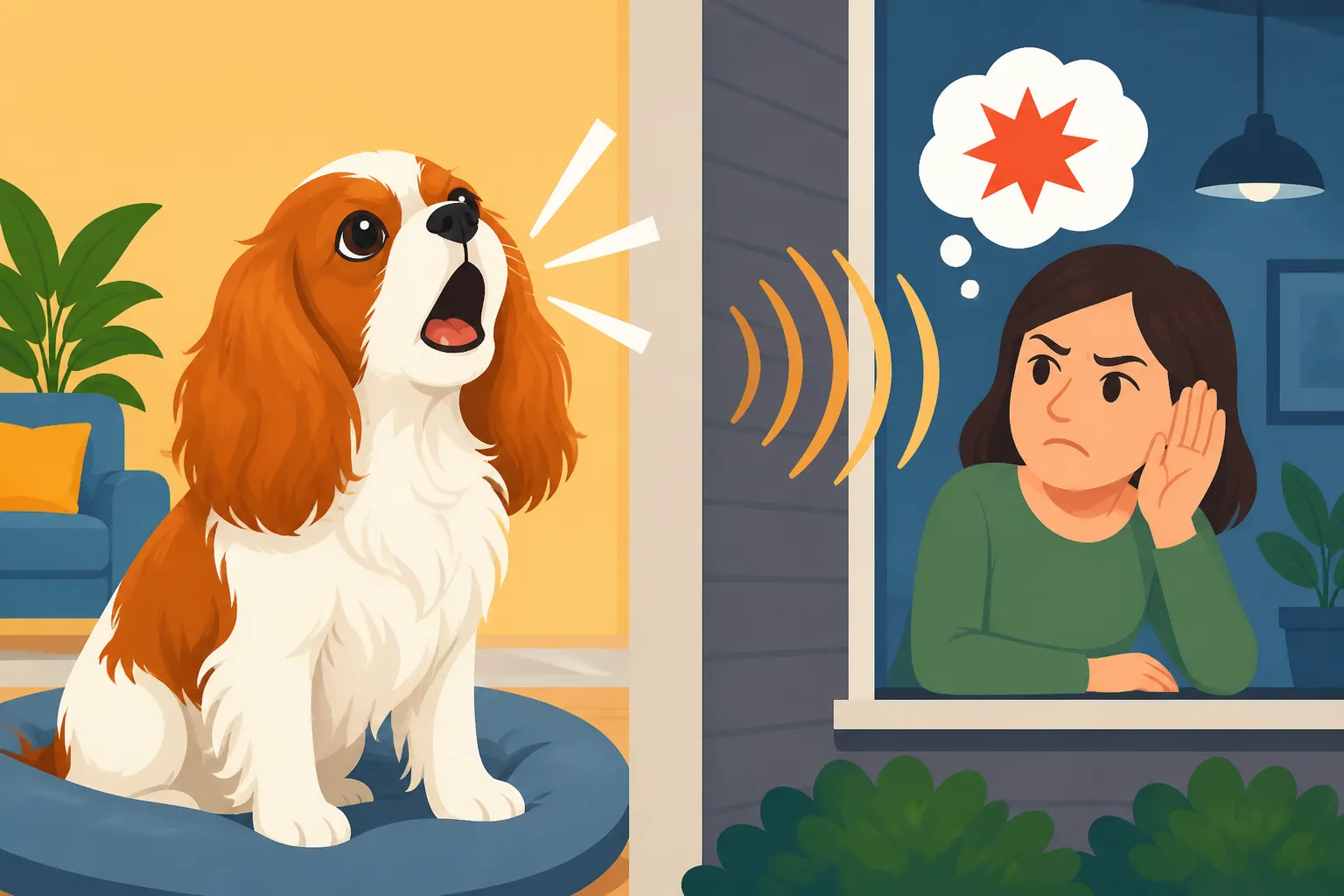
It’s a common worry for anyone considering bringing a new furry family member into their life, especially if you live in an apartment, a townhouse, or close quarters with neighbors: will my dog be a noisy nuisance? For those of us who adore the Cavalier King Charles Spaniel, this question often comes with a specific curiosity. While Cavaliers aren't typically known as prolific barkers like some other breeds, they certainly aren't silent, and their particular brand of vocalization can absolutely become a problem if not understood and managed. This comprehensive guide will delve into the nuances of Cavalier vocal habits, explore common triggers, and provide actionable strategies to ensure your sweet Cavalier remains a beloved companion, not a source of neighborhood complaints.
Understanding the Cavalier's Vocal Nature
Cavaliers are charming, affectionate, and generally eager to please, which might lead one to believe they're inherently quiet. And in many respects, they are! They aren't typically the kind of dog that will howl at the moon all night or endlessly bark at every leaf blowing past the window. However, they do have voices, and like all dogs, they use them to communicate. Understanding why they might be noisy is the first step toward managing it effectively.
Why Cavaliers Bark: Instinct vs. Environment
While modern Cavaliers are far removed from their sporting spaniel ancestors in terms of hunting prowess, a faint echo of those instincts remains. Spaniels, by nature, can be vocal when they're excited, scenting something interesting, or trying to alert their human companions. For a Cavalier, this might manifest as a "woof" to announce a squirrel in the yard, a happy yip when you walk through the door, or a more insistent bark when they feel something is amiss. It’s rarely about aggression, but more about communication and their inherent desire to be involved and keep you informed.
Beyond instinct, the environment plays a huge role. A Cavalier living in a bustling city apartment will have far more external triggers than one in a quiet rural home. Sirens, passing pedestrians, delivery trucks, neighbors' conversations – all of these can elicit a vocal response. Their keen senses mean they pick up on sounds and movements we might barely notice, and their loyal nature often compels them to "report" these findings to their beloved family. It's not malicious; it's just their way of saying, "Hey, I heard that too!"
Common Triggers for Cavalier Vocalization
Understanding the "why" behind your Cavalier's barks, whines, and growls is crucial. Without identifying the trigger, you're essentially trying to solve a puzzle with half the pieces missing.
- Arrivals and Departures: This is a big one for Cavaliers, who are famously devoted to their people. When you arrive home, they might emit a flurry of excited barks, happy little yips, and frantic tail wags – a full-blown "welcome home!" celebration. Conversely, when you leave, especially if they struggle with Living With a Cavalier That Panics When Alone, you might hear distressed whining, crying, or persistent barking. This isn't naughtiness; it's often a manifestation of anxiety or intense joy.
- External Stimuli: Window watchers are often vocal watchers. If your Cavalier has a prime spot on the sofa with a view of the street, they might bark at every passing dog, jogger, postal worker, or car. Sounds from outside, even if they can't see the source, can also trigger a response. A sudden loud noise, a distant siren, or even the subtle rumble of a neighbor's garage door can set them off.
- Attention-Seeking: Cavaliers thrive on human companionship. If they learn that a whine or a soft bark gets your attention – whether it's to play, be petted, or get a treat – they will absolutely use that to their advantage. We often inadvertently reinforce this behavior by responding to their vocalizations.
- Boredom or Lack of Exercise: A Cavalier who isn't mentally or physically stimulated can become restless. While they don't need miles of running, they do need regular walks, playtime, and mental enrichment. A bored Cavalier might bark out of sheer frustration or to simply create some excitement in their day.
- Fear or Anxiety: Less common, but still possible, is vocalization stemming from fear. A timid Cavalier might bark at unfamiliar sounds or people, especially if they weren't properly Socializing a Cavalier Puppy Gently. This isn't to be confused with typical alertness; it's usually accompanied by other signs of unease like tail tucking, shaking, or retreating.
- Pain or Discomfort: Any sudden change in vocalization, especially if accompanied by other behavioral shifts like reluctance to move, sensitivity to touch, or changes in eating habits, warrants a vet visit. A Cavalier experiencing discomfort, perhaps from a hidden injury or a condition like Syringomyelia and Chiari Malformation in Cavaliers, might yelp when picked up, whine persistently, or even growl if a painful area is touched. This isn't typical "noisy neighbor" behavior but crucial to consider.
Addressing Specific Nuisance Noises
Now that we've explored the common reasons behind a Cavalier's vocal tendencies, let's dive into practical, empathetic strategies for tackling the specific noises that might earn you a stern glance from next door. The key is consistency, patience, and positive reinforcement.
The "Doorbell Bark" and Visitor Greetings
Ah, the doorbell! That universal signal for dogs everywhere to announce, often quite loudly, that someone is at the gate. For a social butterfly like a Cavalier, this can be an exciting, overwhelming moment that triggers a cascade of barks, yips, and frantic greetings. It’s endearing, but less so for your neighbors or your guests trying to have a conversation.
Training for a Calmer Welcome:
- Desensitize the Doorbell: Start by making the doorbell a neutral sound. Ask a friend to ring the doorbell a few times a minute while you are inside. Each time the bell rings, immediately reward your Cavalier with a high-value treat before they have a chance to bark. The goal is for them to associate the doorbell with something good and quiet.
- Teach a "Place" Command: Train your Cavalier to go to a designated "place" (like their bed or a mat) and stay there when the doorbell rings or a visitor arrives. Practice this extensively. Start with the doorbell sound (as above), then ask them to go to their place. Reward heavily when they comply.
- Controlled Greetings: When a real visitor comes, have your Cavalier on a leash or behind a baby gate. Ask your guest to wait outside for a moment. Once your dog is in their "place" and calm, then allow the guest to enter. Reward quiet behavior. If they start barking, gently remove them to a quiet spot until they calm down, then try again. This teaches them that calm behavior earns them the reward of greeting. Teaching a Cavalier to Greet Guests Calmly is a fantastic goal for happy coexistence.
- Manage Expectations: Understand that a Cavalier might always offer a single "woof" to announce a visitor, and that's okay. We're aiming for reduction and control, not complete silence.
Whining, Whistling, and Separation Vocalizations
These are often the most heartbreaking vocalizations for Cavalier owners, as they frequently stem from distress or intense desire for connection. Cavaliers are known as "Velcro dogs" for a reason; they adore being close to their humans. When that bond is broken, even temporarily, some Cavaliers will vocalize their unhappiness.
Addressing the Root Cause:
- Separation Anxiety: If the whining, crying, or barking starts the moment you leave and continues for extended periods, it’s likely separation anxiety. This is a serious issue that requires a dedicated approach. Start by building up their tolerance for being alone in tiny increments – literally seconds at first. Offer a high-value, long-lasting chew toy (like a frozen Kong) as you leave, but only for your departures. Never make a big fuss when leaving or returning, as this heightens their anxiety. For severe cases, consider consulting a professional behaviorist. Online resources like BAXTER & Bella can offer structured programs and support for these kinds of challenges, guiding you through progressive steps to build your Cavalier's confidence when you're not physically present.
- Attention-Seeking Whines: This is where we, as owners, need to be very disciplined. If your Cavalier whines for attention and you immediately respond, you're teaching them that whining works. The key is to ignore the whine until there is a moment of silence, however brief. As soon as they are quiet, then you can offer attention, praise, or whatever they were seeking. This is tough, but effective.
- Needs-Based Whining: Sometimes, a whine is legitimate! Your Cavalier might need to go outside, be hungry, or need water. Ensure all their basic needs are met first. If they whine at the back door, reward them for quiet patience until you open it. If they whine by their empty food bowl, wait for quiet before filling it.
Barking at Outdoor Stimuli (Squirrels, Delivery Drivers)
This is perhaps the most common "noisy neighbor" complaint. Your Cavalier sees a squirrel, hears the mail truck, or spots a dog walking by, and they erupt into a flurry of barks. It’s their way of alerting the "pack" (you!) to potential intruders or exciting developments.
Managing Environmental Triggers:
- Block the View: If your Cavalier barks at everything outside the window, simply remove the visual trigger. Use window film, curtains, or blinds to block their line of sight, especially during peak "trigger" times. You can still allow them supervised window time, but teach them that it’s not an invitation to bark.
- Sound Masking: For auditory triggers, try white noise machines, calming music, or simply leaving a radio or TV on. This can help muffle external sounds that might otherwise prompt a bark. You can find excellent sound machines on Amazon that offer various white noise options.
- Positive Interruption and Redirection: When your Cavalier starts to bark at something outside, gently interrupt them with a calm "Quiet!" or a soft clap. As soon as they stop barking, redirect their attention to you with a treat or a favorite toy. Reward them for looking at you instead of continuing to bark at the window. The moment of quiet is what you're rewarding.
- Controlled Exposure (Advanced): If you can control the trigger, practice desensitization. Have a friend walk a dog past your house from a distance, or play recordings of delivery truck sounds softly. Reward your Cavalier for remaining quiet and calm during these exposures, gradually decreasing the distance or increasing the volume.
Strategies for a Quieter Cavalier Home
Beyond addressing specific triggers, there are overarching strategies you can implement to foster a calmer, quieter environment for your Cavalier and, by extension, your neighbors. These involve consistent training, proactive management, and ensuring all of your Cavalier's needs are met in a constructive way.
Training for Calmness and Quiet
Training isn't just about teaching commands; it's about shaping a mindset. For a Cavalier, who thrives on connection and positive reinforcement, calm training methods are particularly effective.
- "Quiet" Command: This is perhaps the most useful command for managing barking. When your Cavalier starts barking, go to them and gently say "Quiet!" in a firm, calm voice. As soon as there's a pause in their barking (even a second!), immediately mark the behavior with a "Yes!" or a clicker, and give them a high-value treat. Repeat this many, many times. The goal is for them to associate "Quiet" with stopping the bark and getting a reward. Don't yell or scold; that often just adds to the noise or distress.
- Reward Calm Behavior: Don't just reward for stopping barking; actively seek out and reward moments of quiet calmness. If your Cavalier is lying quietly on their bed, stroll over and offer a gentle stroke and a small treat. This reinforces that quiet contemplation is a desirable state. This proactive approach can make a huge difference in overall noise levels.
- Impulse Control Exercises: Games that teach patience and self-control, like "stay" exercises or waiting for a "release" command before eating, can help your Cavalier develop better impulse control overall. This can translate to them being less reactive to sudden stimuli. The BAXTER & Bella online puppy school often incorporates these kinds of foundational exercises.
- Consistent Routines: Dogs thrive on predictability. A consistent daily routine for walks, meals, playtime, and quiet time can reduce anxiety and make a Cavalier feel more secure, thus reducing stress-related vocalizations.
Managing Environmental Triggers
Proactive environmental management is half the battle when dealing with a vocal dog. It’s about setting your Cavalier up for success by reducing the opportunities for them to bark in the first place.
- Window Management: As mentioned, if visual stimuli are a major trigger, opaque window film or simply keeping blinds closed during known "peak barking hours" (like mail delivery time or school pickup) can be incredibly effective. Consider installing privacy screens on balcony railings if your Cavalier barks at things below.
- Soundproofing: While true soundproofing can be extensive, even simple measures can help. Heavy curtains, area rugs, and strategically placed furniture can absorb some external sounds. Playing calming music or a white noise machine can further mask outdoor noises, making them less distinct and therefore less likely to trigger a vocal response.
- Designated Quiet Space: Ensure your Cavalier has a comfortable, safe, and quiet retreat where they can go to decompress, away from high-traffic areas or windows. This might be a cozy crate in a quieter room, or a bed tucked into a corner. Teaching them to enjoy this space can be invaluable. Choosing a Crate a Cavalier Will Rest In is a good starting point if you're considering crate training.
- Snoods for Meals: If your Cavalier barks at their food or water bowl because their long ears get in the way, a snood can make mealtime much more peaceful. While not directly related to neighbor complaints, it reduces frustration-based vocalizations during a common daily activity.
Enrichment to Reduce Boredom Barking
A bored Cavalier is a restless Cavalier, and restlessness can easily lead to vocalization. Ensuring your Cavalier is mentally and physically stimulated appropriate for their breed is essential.
- Regular, Quality Exercise: Cavaliers are not high-endurance athletes, but they do need daily walks and playtime. Two short, brisk walks a day are usually sufficient, plus some indoor play sessions. These don't just burn physical energy; they offer mental stimulation through new sights, sounds, and smells. Walk Length for a Cavalier With a Murmur is important to consider if your Cavalier has heart issues, ensuring exercise is always appropriate for their health.
- Interactive Toys and Puzzle Feeders: These are a lifesaver for mental enrichment. Toys that dispense treats when manipulated, or puzzle feeders that make your Cavalier "work" for their meal, can keep their brains engaged and tire them out mentally. This can significantly reduce boredom-induced barking. You can find many options on Amazon that are perfectly sized for a Cavalier's mouth.
- Chew Toys: Provide a variety of safe, durable chew toys. Chewing is a natural, calming behavior for dogs and can help alleviate boredom and stress.
- Training Games: Incorporate short, fun training sessions into your daily routine. Teaching new tricks, practicing obedience commands, or even trying a beginner scent work game can be highly enriching for a Cavalier. Scent Work as a Low-Impact Cavalier Sport is particularly good as it engages their natural spaniel instincts without high physical impact.
| Type of Vocalization | Common Cause | Management Strategy |
|---|---|---|
| Barking at Doorbell/Visitors | Excitement, Alertness, Protecting Territory | "Place" command, Desensitize doorbell, Controlled greetings |
| Whining/Crying | Separation Anxiety, Attention-seeking, Needs-based | Build alone time, Ignore attention-seeking, Check basic needs |
| Barking at Windows/External Sounds | Alertness, Reactivity, Boredom | Block view, Sound masking, "Quiet" command, Redirection |
| Growling | Fear, Pain, Resource Guarding (rarely in Cavaliers) | Identify trigger, Seek vet/behaviorist advice immediately |
| Excited Yips/Woofs | Happy greetings, Play initiation | Acknowledge calmly, Redirect to a toy, Manage arousal levels |
When a Cavalier's Noise Signals More
Sometimes, a change in your Cavalier's vocal habits isn't just a behavioral quirk; it can be a red flag for an underlying issue. It’s important for us as Cavalier owners to distinguish between routine communication and signals that something might be genuinely wrong.
Health Concerns and Vocal Changes
Any sudden or significant increase in vocalization, or a change in the type of vocalization, should prompt a veterinary check-up. Cavaliers are prone to several health conditions that can manifest with increased noise.
- Pain or Discomfort: As mentioned earlier, a Cavalier experiencing pain might whine, whimper, or even growl if a painful area is touched or moved. Conditions like Syringomyelia Against Ear Pain in a Cavalier, joint pain from arthritis (common in older Cavaliers or those with Cavalier Knees, Hips and Joint Problems), or dental issues can all lead to increased vocalization. A Cavalier that yelps when picked up, for example, is often signaling pain.
- Cognitive Decline in Seniors: Older Cavaliers, just like older people, can experience cognitive dysfunction. This can sometimes manifest as increased vocalization, especially at night, or disorientation leading to cries for attention. Caring for a Cavalier Past Nine includes understanding these potential changes.
- Hearing or Vision Loss: As Cavaliers age, they can experience Deafness and Hearing Loss in Cavaliers or vision impairment. A dog who can no longer hear you approach or see you clearly might startle more easily and vocalize out of surprise or confusion.
- Medical Conditions: Certain medical conditions, like urinary tract infections, gastrointestinal upset, or even some neurological issues, can cause discomfort that results in increased whining or crying. Even heart conditions, especially as they progress, can lead to a cough that owners might initially mistake for a gag or a strained vocalization. Coughing at Night in a Cavalier is a classic sign of worsening heart disease, not just a cough.
If you suspect any health issue, a trip to your vet is paramount. They can rule out medical causes before you delve deeper into behavioral solutions.
Seeking Professional Help
While many common noise issues can be managed with consistent home training, some situations call for professional intervention. Knowing when to call in the cavalry (or the Cavalier-savvy trainer!) is key to long-term success.
- Severe Separation Anxiety: If your Cavalier is destructive, self-harming, or vocalizing non-stop when left alone, this isn't something you should try to tackle alone. A certified professional dog trainer or a veterinary behaviorist specializing in separation anxiety can provide a tailored plan. They can help you implement a desensitization protocol, and in some cases, your vet might recommend medication to help manage their anxiety while training is underway. Medication for Cavalier Separation Anxiety is a real option that can make a huge difference in severe cases.
- Aggression-Related Vocalization: While rare in Cavaliers, if your dog is growling, snapping, or barking with an aggressive tone (e.g., resource guarding, fear aggression), it’s crucial to get professional help immediately. This indicates a deeper behavioral issue that requires expert assessment and a carefully managed training plan to ensure safety for everyone.
- Lack of Progress: If you've been consistently applying training techniques for several weeks and seeing little to no improvement, it might be time for an outside perspective. A good trainer can observe your Cavalier in their environment and offer fresh insights or adjust your approach. They can help you refine your "Quiet" command, work on Teaching a Cavalier to Stop Barking on Cue, or develop strategies for Getting a Cavalier to Switch Off Indoors.
A noisy Cavalier can certainly be a challenge, and it's understandable to feel frustrated when you're worried about disturbing your neighbors. But remember, most Cavalier vocalizations stem from their inherently loving and communicative nature. With patience, consistent positive reinforcement, and a clear understanding of their triggers, you can guide your Cavalier to be a calm, quiet, and well-adjusted member of both your family and your community.
Disclaimer
This article is for general informational purposes only and does not constitute professional advice. Laws, prices and regulations vary by location and change over time. Consult a qualified professional for guidance on your specific situation.