Teaching a Cavalier to Watch You on Walks
It's a familiar scenario for many Cavalier owners: you step out the door with your sweet, adoring companion, leash in hand, ready for a pleasant stroll. But the moment you hit the sidewalk, their attention flies out the window, replaced by an obsessive focus on every rustle, every scent, every distant bird. Trying to get your Cavalier to actually watch you on walks can feel like an impossible dream, leading to frustrating tugs, missed cues, and the feeling that you're just being dragged along. This guide is here to help you turn that dream into reality, offering practical, empathetic strategies to teach your Cavalier to pay attention to you, even when the world is calling their name.
Why Cavaliers Get Distracted on Walks (And Why It's Not Their Fault)
Before we even dive into training techniques, it's crucial to understand why your Cavalier might seem utterly oblivious to your existence once they're outdoors. It's not personal, I promise! They aren't trying to be defiant; they're simply being Cavaliers, and the outdoor world is a powerful, stimulating place.
The World is a Smorgasbord of Scents and Sights
Imagine walking into a gourmet restaurant after a long fast, where every single dish is laid out for your enjoyment, and each one smells more incredible than the last. That's essentially what a walk is like for your Cavalier. Their nose is a highly sophisticated instrument, picking up a dizzying array of scents that we humans can barely register. That tiny patch of grass might hold the entire story of the last ten dogs that walked by, what they ate, who they met, and where they're going next. How can your voice compete with that?
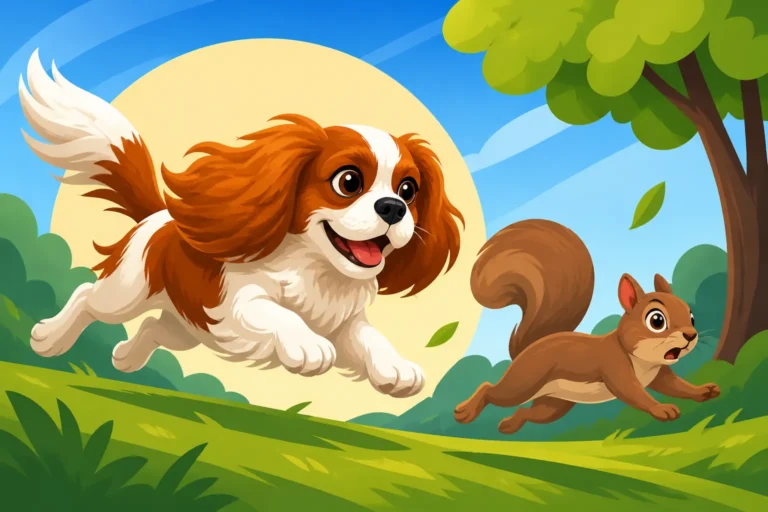
Beyond the scents, there are the sights and sounds. A fluttering leaf, a distant squirrel, another dog across the street, a child on a scooter, the chirping of birds – each of these registers as immensely interesting and, frankly, often more engaging than the human holding the leash. Cavaliers, despite their gentle nature, retain many The Spaniel Instincts Left in a Cavalier, including a strong prey drive that kicks into high gear when they spot something small and fast. This innate curiosity and drive mean their brains are constantly processing a huge amount of external information, making it incredibly hard for them to focus on you.
The "Velcro Dog" Paradox Outdoors
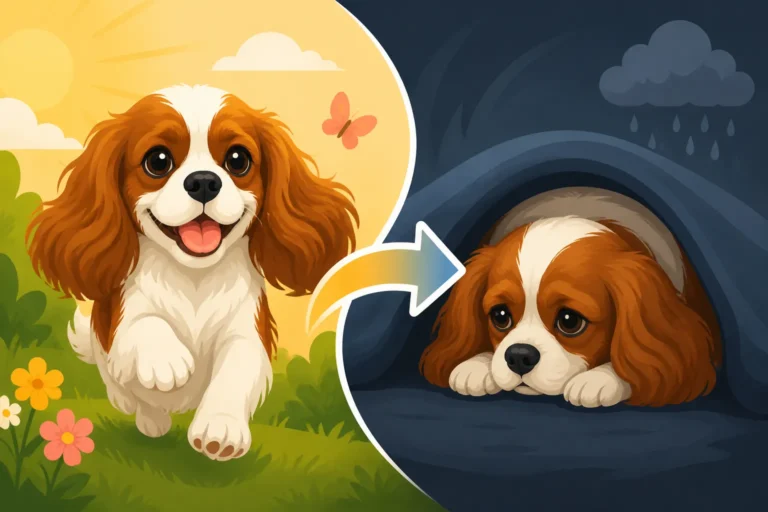
One of the most endearing traits of a Cavalier King Charles Spaniel is their "Velcro dog" tendency. Indoors, they often follow you from room to room, happy to be within touching distance, resting their chin on your foot while you cook, or snuggled up on the sofa. This constant companionship is part of their charm, and it makes you feel deeply loved and appreciated. You might think, "If they're so attached to me inside, why do they act like they've never met me the moment we step outside?"
This is the "Velcro dog" paradox. While they crave your presence and affection, their natural environment is designed for sensory overload, and their instincts sometimes override their desire to stick by your side. It’s not a reflection of their bond with you, but rather a testament to how powerful these external stimuli are. They're not being rude; they're being dogs, trying to take in all the amazing information the world has to offer. Understanding this can help you approach training with more patience and less frustration, knowing you're working with their natural predispositions, not against them.
Laying the Groundwork: Before You Even Step Outside
Teaching your Cavalier to watch you on walks isn't something that happens magically once you're out the door. It starts with careful preparation and building foundational skills in a controlled environment. Think of it like building a house – you wouldn't start with the roof, would you?
Building a Strong Foundation of Attention Indoors
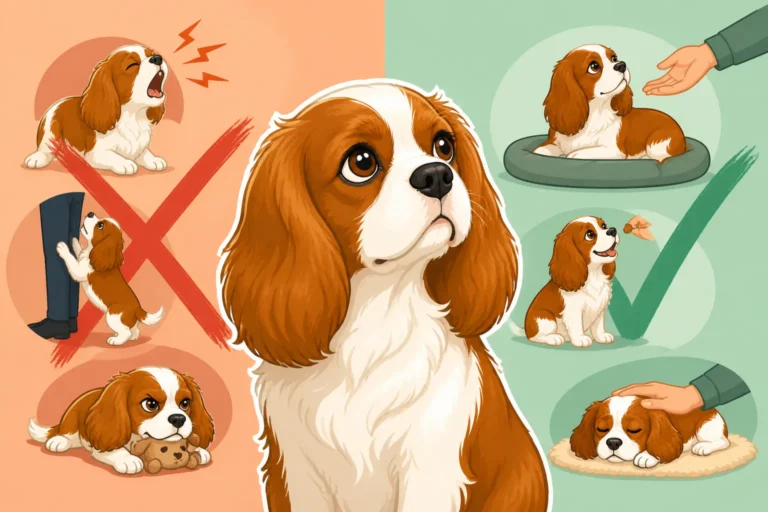
The first step, and arguably the most important, is to practice getting your Cavalier's attention indoors, where distractions are minimal. This is where you introduce and solidify your "watch me" or "look" cue. Start by holding a high-value treat (something your Cavalier absolutely adores, like tiny pieces of cheese, cooked chicken, or a special soft chew) near your face, just above your nose. The moment your Cavalier's eyes meet yours, even for a split second, say "yes!" or click a clicker, and immediately give them the treat. Repeat this many, many times in short, fun sessions. The goal is for them to associate looking at you with something wonderful happening.
Consistency is key here. Every time you ask for "watch me" and they give you eye contact, reward them generously. Keep sessions brief, perhaps 5-minute bursts a few times a day, to prevent them from getting bored or overwhelmed. As they get better, you can start to delay the reward slightly, asking for a fraction longer of eye contact before the treat appears, building duration. This indoor practice is the bedrock. If they can't focus on you in your living room, they certainly won't be able to outside. Remember, Reward-Based Training With a Cavalier is incredibly effective for this breed, leveraging their desire to please and their love of tasty things.
The Right Gear Makes a Difference
While training is paramount, the right equipment can significantly aid your efforts and ensure comfort and safety for your Cavalier. A standard collar, while fine for ID tags, can put pressure on their delicate neck and throat if they pull or lunge, especially for a small breed like a Cavalier. This is particularly relevant if your dog has any underlying neck issues, which can sometimes be the case with a breed prone to conditions like Syringomyelia.
For walks, I highly recommend a comfortable, well-fitting harness. Look for one that clips in the front (on the chest) as this can gently redirect your dog back towards you if they start to pull, making it harder for them to gain momentum and giving you more control without discomfort. An H-style or Y-front harness is often a good choice, as it doesn't restrict shoulder movement or put pressure on the trachea. You'll want to ensure it's snug enough that they can't back out of it, but loose enough that it doesn't chafe. Brands like Ruffwear or Easy Walk (available on Amazon, for example) are popular choices, but the best harness is the one that fits your individual Cavalier comfortably and securely. Consider reading Harnesses Suited to a Cavalier's Neck for more details on finding the perfect fit.
Step-by-Step: Teaching Your Cavalier to Check In
Now that you've got your foundation skills solid indoors and the right gear, it's time to take your training outdoors. This transition needs to be gradual and thoughtful, respecting your Cavalier's natural tendencies.
Starting in Low-Distraction Environments
The mistake many people make is going straight from the living room to a bustling park. That's like expecting a beginner swimmer to win an Olympic medal on their first day! Instead, choose a very low-distraction environment for your first outdoor sessions. Your own backyard is ideal. If you don't have one, a very quiet street during off-peak hours, or a secluded corner of a park where there's little activity, will work. The goal is to set your Cavalier up for success, not overwhelm them.
In this quiet setting, start by simply walking. Every few steps, or whenever your Cavalier naturally glances your way, mark the behavior with your verbal cue ("yes!") or clicker, and immediately reward them with a high-value treat. Don't ask for "watch me" yet; just reward those spontaneous check-ins. Once they're consistently glancing at you, start to introduce your "watch me" cue from indoors. Say "watch me," and the moment they look, reward. If they don't look, gently use the treat to lure their eyes to yours, then reward. Keep these sessions short and sweet, perhaps just five minutes. End on a positive note before your Cavalier gets overstimulated or bored.
Gradually Increasing Distractions
Once your Cavalier is consistently offering you eye contact in a low-distraction environment, it's time to slowly increase the challenge. This is not about rushing; it's about thoughtful progression. Move to slightly busier areas: maybe a street with a few more people, or a park during a slightly more active time. The key is to add one new type of distraction at a time, rather than a whole slew of them.
If you introduce a new environment and your Cavalier struggles, it means you've moved too fast. Simply go back to the previous, easier environment for a few more sessions. Remember, you want to keep them under their "threshold" – the point at which they become too overwhelmed to learn. Practice Five-Minute Training Sessions With a Cavalier frequently throughout the day rather than one long, arduous session. This allows their brain to process and solidify the new information without getting fatigued. Reward generously for any focus they offer you amidst these new distractions. When you see another dog, a person, or a bird, ask for "watch me" before your Cavalier becomes fixated, and reward them for choosing to look at you instead.
Rewarding for Spontaneous Check-Ins
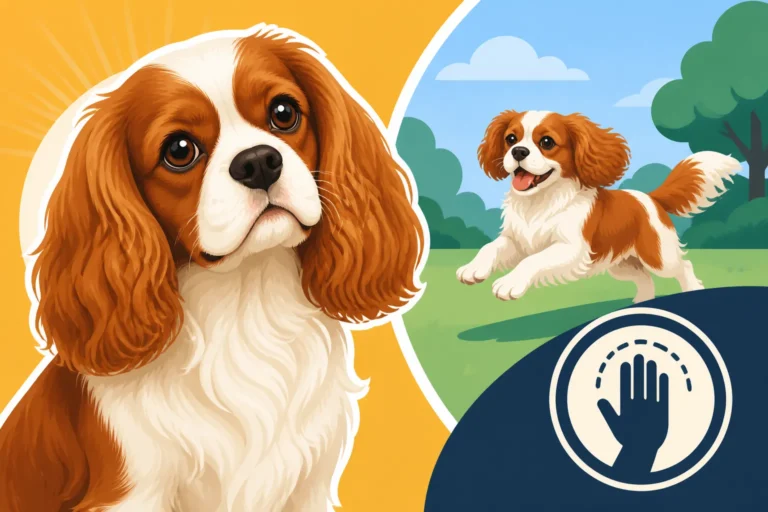
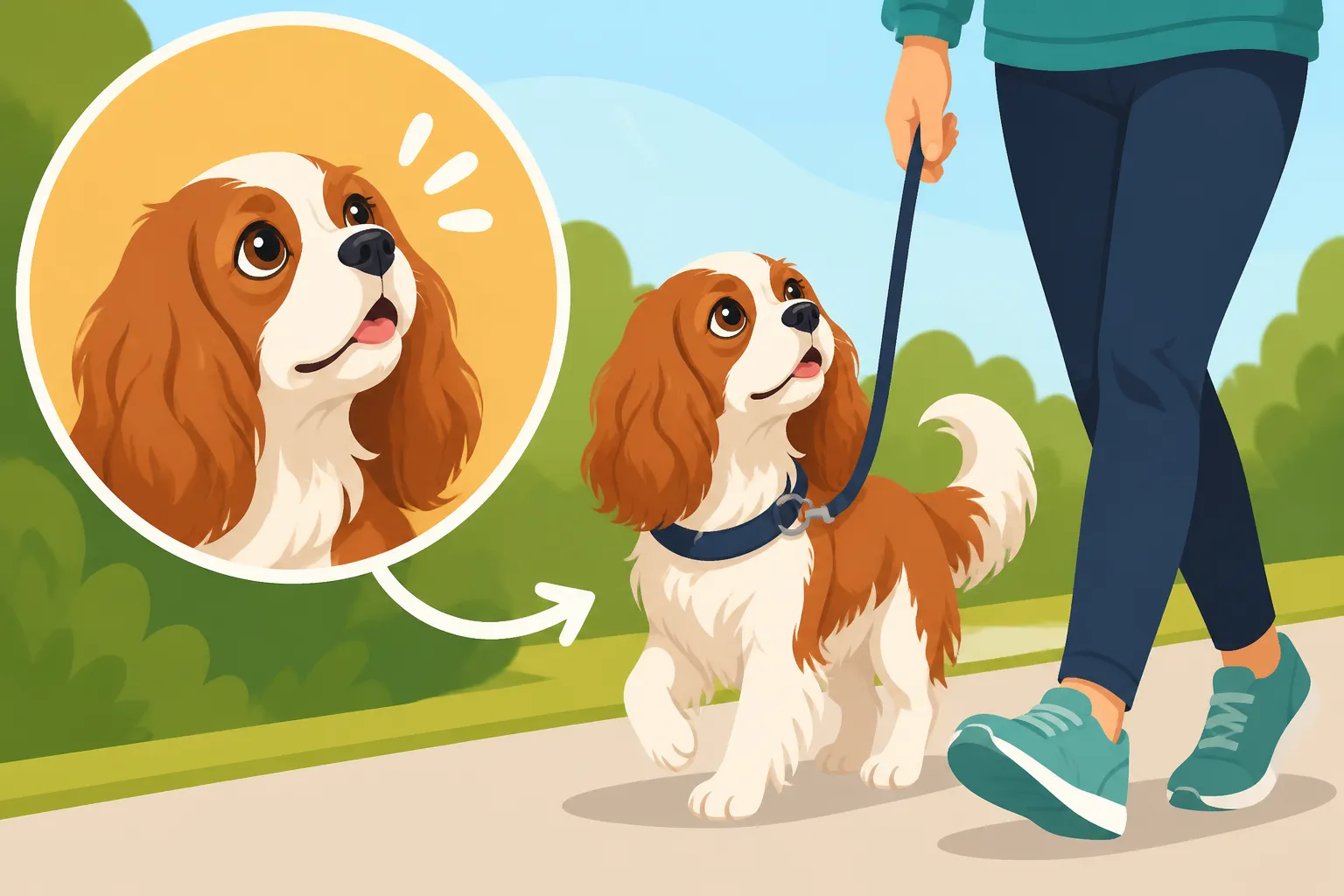
While asking for "watch me" is an important command, the ultimate goal is for your Cavalier to offer you their attention spontaneously. This is where you see true engagement and a strong bond. As you walk, continue to reward those moments when your Cavalier voluntarily looks back at you, even if it's just a quick glance. They might be checking in, wondering where you are, or simply pausing to process their surroundings. Those are golden opportunities for positive reinforcement.
Don't wait for a formal cue. The moment their eyes flick to yours, say "yes!" or click, and deliver that treat right to their nose. This teaches them that choosing to pay attention to you is highly rewarding. It builds a habit of checking in, making you the most interesting thing on the walk, even amidst all the exciting smells and sights. Over time, you'll find your Cavalier looking back at you more and more often, making your walks a much more enjoyable and connected experience. This process of Rewarding a Cavalier for Checking In strengthens your relationship and makes them a more confident, focused walker.
Common Challenges and Troubleshooting
Even with the best intentions and consistent training, you'll inevitably encounter bumps in the road. Cavaliers, for all their charm, can be notoriously single-minded when it comes to certain distractions. Don't get discouraged!
The Bird/Squirrel Chase That Overrides All
Ah, the siren song of the squirrel or the fluttering of a pigeon – a classic Cavalier Achilles' heel. It's often impossible to get their attention once they've locked onto one of these tiny, fast-moving creatures. The Bird Chase a Cavalier Cannot Resist is deeply ingrained in their spaniel heritage. If your Cavalier is particularly prone to becoming a feathered missile, you need a different strategy.
First, try to anticipate these triggers. If you see a squirrel before your Cavalier does, immediately ask for "watch me" and generously reward them. The goal is to interrupt their focus before it becomes intense. If they're already locked on, sometimes the best strategy is simply to increase the distance or change direction. You can't out-compete a squirrel in a tree, but you can manage the environment. A long line can also be a valuable tool in a safe, open area, allowing them a bit more freedom while still giving you control if they attempt to bolt after a critter, helping to manage A Cavalier That Bolts After Pigeons. Consistency in redirection and rewarding calmness around these triggers will slowly, but surely, make a difference.
When They Seem to Forget Everything They Know
It's infuriating, isn't it? One day your Cavalier is a superstar, checking in beautifully, and the next, they're pulling like a freight train, nose glued to the ground, utterly deaf to your pleas. This "selective hearing" is a common frustration for dog owners. Usually, it's not forgetfulness, but rather that the environment is simply too stimulating for them at that moment. They've gone over their "threshold."
When this happens, don't get angry or frustrated. That will only make your Cavalier less likely to engage with you. Instead, view it as a signal that you've pushed too far, too fast. Immediately return to an easier environment – perhaps a quieter street, or even back into your yard. Revisit the basics in that less distracting setting. Shorten your walks or training sessions. Sometimes, taking a step back is actually taking two steps forward in the long run. Patience, consistency, and a realistic assessment of their environment are your best tools. If you're struggling to stay calm, online dog training platforms like BAXTER & Bella offer structured lessons and support that can guide you through these plateaus, helping you remember the steps and stay positive. They often provide helpful video examples and troubleshooting tips for common issues.
Table: Key Tools and Techniques for Cavalier Focus
| Tool/Technique | Description | Benefit for Cavalier | When to Use |
|---|---|---|---|
| High-Value Treats | Small, soft, extremely palatable treats (e.g., cheese, cooked chicken, freeze-dried meat). | Motivates intense focus and makes you more interesting than distractions. | Always, especially when first teaching "watch me" and in new, distracting environments. |
| Clicker/Verbal Marker | A distinct sound ("click" or "yes!") that pinpoints the exact moment your Cavalier does something right. | Clear, consistent communication helps your Cavalier understand what they're being rewarded for. | During all training sessions, both indoors and outdoors, to mark desired behaviors like eye contact or loose-leash walking. |
| Front-Clip Harness | A harness with an attachment ring on the chest, which gently redirects your dog if they pull. | Reduces pulling, minimizes strain on the neck, and offers better control without discomfort. | For all walks, especially if your Cavalier tends to pull or lunge at distractions. Look for options on Amazon. |
| Long Line (15-30 ft) | A lightweight, extra-long leash that allows your Cavalier more freedom to explore in a safe, open area. | Provides a sense of freedom while maintaining safety and control, useful for recall practice and managing chase instincts. | In securely fenced parks or open fields where you want to practice recall or allow more exploration without the risk of bolting. |
| Engagement Games | Short, fun games that involve you and your Cavalier (e.g., "find the treat," short recalls, tug with a favorite toy). | Builds your bond, teaches your Cavalier that you are a source of fun, and improves their responsiveness. | Before and during walks to get your Cavalier's brain engaged with you; ideal for Training a Cavalier Around Food Distraction. |
| Structured Training Programs | Online or in-person courses offering step-by-step guidance on various training aspects. | Provides clear instruction, troubleshooting, and a supportive community. | When you need a comprehensive plan or are struggling with specific behavioral challenges. Consider BAXTER & Bella for this. |
Learning to walk with a Cavalier who watches you isn't an overnight transformation; it's a journey built on patience, positive reinforcement, and a deep understanding of your dog's nature. Celebrate the small victories – the quick glance back, the moment they choose you over a distraction – and remember that every consistent effort you make strengthens the bond and communication between you both. Happy walking!
Disclaimer
This article is for general informational purposes only and does not constitute professional advice. Laws, prices and regulations vary by location and change over time. Consult a qualified professional for guidance on your specific situation.