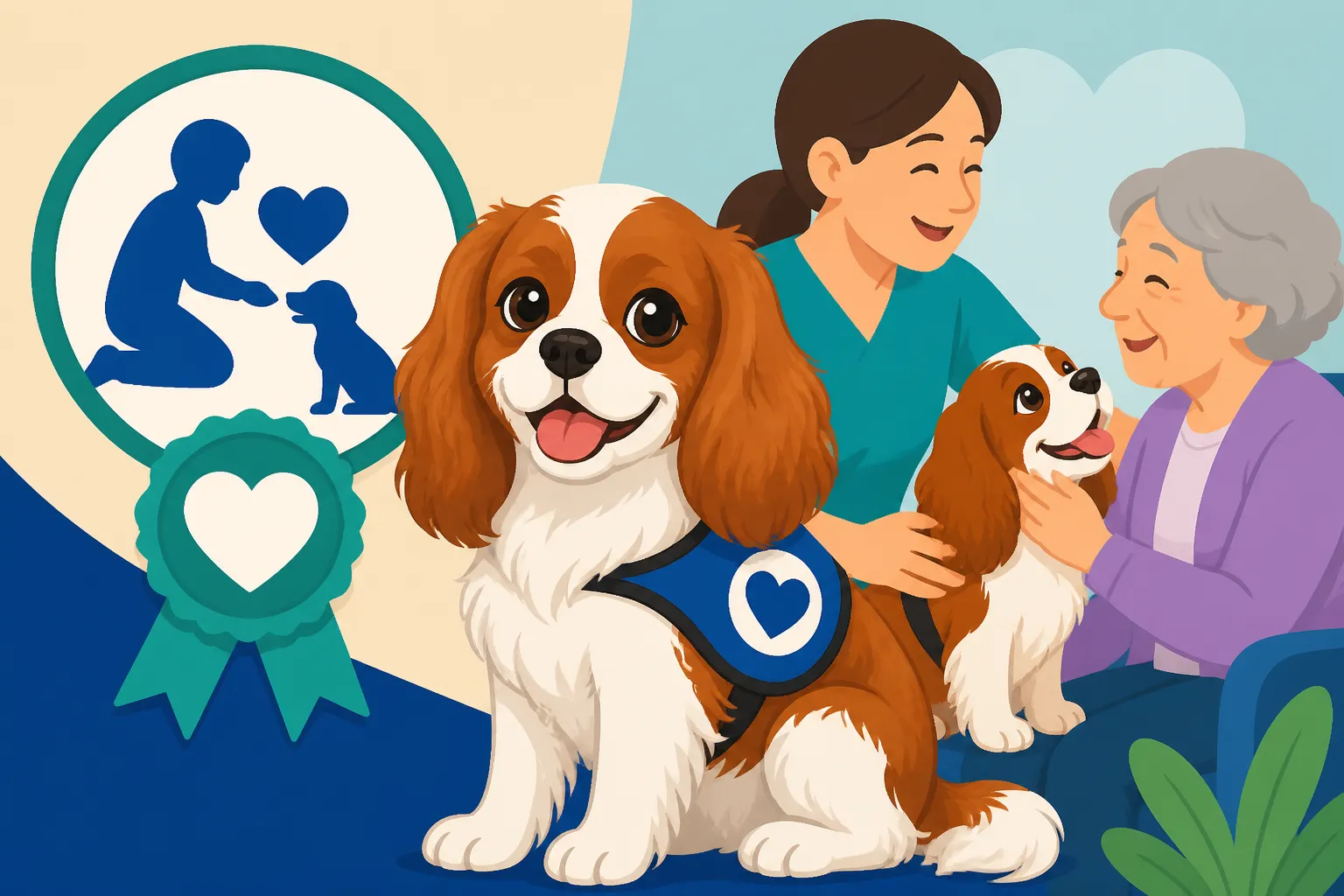
Getting a Cavalier Certified as a Therapy Dog
It's such a common dream for Cavalier owners: you know your sweet, gentle companion has a special way of connecting with people, and you yearn to share that unconditional love and comfort with others who need it most. The challenge, however, isn't just having a well-behaved dog; it's understanding the specific requirements, training, and temperament needed to officially become a therapy dog team and navigate the certification process. This guide will walk you through everything you need to know about getting your beloved Cavalier King Charles Spaniel certified as a therapy dog, helping you understand the journey from initial assessment to making a real difference in your community.
Understanding the Therapy Dog Role and What It Means for a Cavalier
Many people hear "therapy dog" and immediately think of a service animal, but these roles, while both incredibly valuable, are fundamentally different. A Cavalier King Charles Spaniel, with its innate charm and affectionate nature, is a natural fit for therapy work, but it's important to grasp the distinctions and the unique contributions your Cavalier can make.
Distinguishing Therapy Dogs from Service Dogs
Let's clear up a common misconception right away: a therapy dog is not a service dog. Service dogs are specifically trained to perform tasks for individuals with disabilities, granting them public access rights under laws like the Americans with Disabilities Act (ADA). They are highly specialized, often trained for years, and accompany their handler everywhere. Think of a guide dog for the blind or a mobility assistance dog. These dogs have legal protections that allow them into places most pets cannot go.
A therapy dog, on the other hand, is a beloved pet that, along with its owner (who is also its handler), volunteers to provide comfort, affection, and emotional support to people in various settings like hospitals, nursing homes, schools, or disaster areas. They do not have the same public access rights as service dogs and are only allowed into facilities where they have been specifically invited and are working under the auspices of a recognized therapy animal organization. The focus is on others' well-being, not the handler's. This distinction is crucial for understanding the training involved and the expectations placed upon both you and your Cavalier.
The Unique Strengths of a Cavalier in Therapy Settings
Cavaliers possess a remarkable combination of traits that make them exceptionally suited for therapy work. Their gentle, loving disposition is perhaps their most defining characteristic. They are renowned for their "Velcro dog" nature, thriving on human connection and touch, which is precisely what many people in therapy settings crave. Their soft, silky coats are delightful to pet, and their expressive, soulful eyes can melt even the most guarded heart.
Beyond their looks and affectionate demeanor, Cavaliers are typically adaptable and tolerant. They are often unfazed by new environments, strange noises, or different types of people, from rambunctious children to frail seniors. Their small to medium size is also a significant advantage; they are small enough to be comfortably held on a lap or sit gently on a bed without being intimidating, yet substantial enough to offer a comforting presence. This ability to connect deeply, coupled with their calm and adaptable nature, means that a well-socialized Cavalier can bring immense joy and a much-needed sense of peace to those they visit. They have a way of drawing people out, encouraging smiles, and providing a welcome distraction from pain or loneliness. This inherent willingness to engage and provide comfort is truly the cornerstone of a successful Cavalier therapy dog.
Essential Traits and Temperament for a Cavalier Therapy Dog
While all Cavaliers are generally sweet, not every Cavalier is destined to be a therapy dog. The demands of therapy work, while rewarding, require a specific set of temperament traits that go beyond typical good manners. Understanding these crucial characteristics will help you assess if your Cavalier is a good candidate.
Temperament Beyond the Breed Standard
The Cavalier King Charles Spaniel breed standard describes a "gentle, affectionate, fearless and sporting" dog. These are fantastic starting points, but therapy work demands even more specific nuances. A therapy dog must be consistently calm, even in unpredictable situations. This means not just tolerating, but actively enjoying being petted by strangers, sometimes clumsily or for long periods. They need to be patient when waiting, quiet when instructed, and able to recover quickly from startling noises or sudden movements without becoming anxious or reactive.
Consider a hospital environment: there might be beeping machines, sudden alarms, people in wheelchairs, or tubes and IV lines. A therapy Cavalier needs to be utterly unflappable, showing no fear or aggression towards medical equipment, loud unexpected noises, or people with unusual gaits or appearances. They must also be exceptionally friendly, displaying no shyness or aloofness. While a regular pet might occasionally prefer its own space, a therapy dog needs to be "on" and eager to engage when it's time to work. It’s not just about being good; it’s about being consistently stellar in a wide range of potentially stressful or overstimulating environments. A good therapy dog finds joy in giving comfort, not just receiving attention.
Assessing Your Cavalier's Natural Aptitude
Before embarking on extensive training, take a good, honest look at your Cavalier's innate personality. Does your dog genuinely love all people, not just your family? Think about how they react to strangers at the park, or visitors to your home. Do they approach eagerly with a loose, wagging tail, or are they hesitant? Do they tolerate handling well, even from children or people who might be less gentle than you? Can they stay calm if someone accidentally steps on their tail or pulls an ear? A Cavalier That Yelps When Picked Up or shows signs of discomfort with touch would not be a good candidate.
Observe their reaction to novel stimuli. If you drop a pan in the kitchen, do they jump and hide, or do they investigate with curiosity? How do they react to different floor surfaces, loud vehicles, or unusual smells? A robust therapy candidate will exhibit confidence and curiosity rather than fear or anxiety. Test their patience: can they settle quietly at your feet for an extended period in a busy cafe? Do they offer comfort instinctively when someone is upset? These subtle cues are far more telling than just basic obedience. A truly exceptional therapy Cavalier possesses an almost innate desire to soothe and connect, making them shine in these roles. If you find your Cavalier is timid, prone to barking at new things, or easily stressed, it might be better to consider other avenues for sharing their love, or focus on building their confidence in general rather than pushing them into therapy work.
Preparing Your Cavalier for Therapy Work: Training and Socialization
Once you've determined your Cavalier has the right temperament, the real work begins: thorough preparation. This isn't just about teaching tricks; it's about building a solid foundation of obedience, impeccable manners, and broad-spectrum socialization.
Fundamental Obedience and Manners
Every therapy dog needs to be a master of basic obedience. We're talking about rock-solid "sit," "stay," "down," "come," and "leave it." These commands aren't just for showing off; they are crucial for safety and control in diverse environments. For instance, "leave it" could prevent your Cavalier from snatching a dropped pill in a hospital or licking a patient's open wound. "Stay" ensures they remain calm by your side when you need to talk to staff or attend to a patient.
Beyond commands, impeccable manners are paramount. Your Cavalier must walk politely on a loose leash without pulling, even when excited. They cannot jump on people, no matter how friendly they are, as this could injure a frail patient or knock over a child. They should not bark excessively, nor should they demand attention. Positive reinforcement methods, focusing on rewarding desired behaviors, are key here. Consider online training programs like those offered by BAXTER & Bella, which provide structured lessons that can help build these foundational skills in a positive and engaging way, right from your home. This approach helps create a happy, willing learner rather than a dog that performs out of fear. Training a Cavalier With Praise Rather Than Pressure is the most effective way to foster the trust and cooperation needed for therapy work.
Exposure to Diverse Environments and Stimuli
Socialization isn't a one-time event; it's an ongoing process, especially for a therapy dog. Your Cavalier needs to be comfortable and confident in a vast array of situations, with many different types of people and sounds. This means exposing them to wheelchairs, walkers, crutches, oxygen tanks, medical uniforms, loud noises, sudden movements, and even different smells. Think about the sensory experience of a nursing home or a busy school.
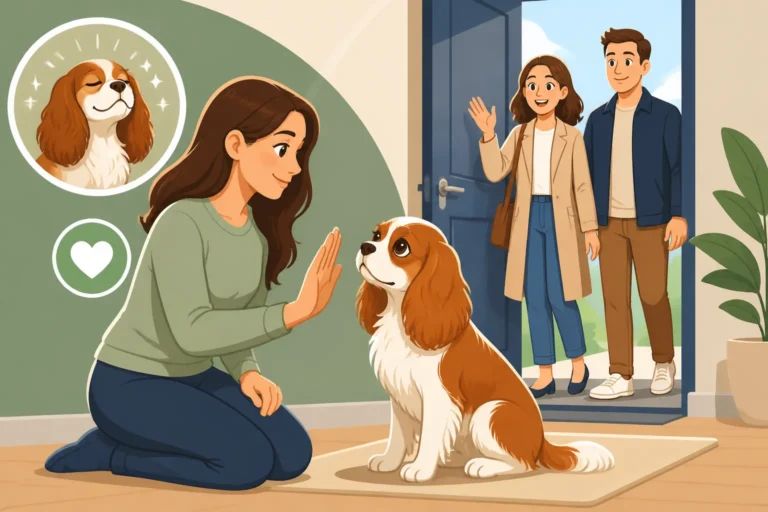
Take your Cavalier on field trips to pet-friendly stores, parks, and even quiet cafes. Gradually introduce them to people of all ages, sizes, and ethnicities. Encourage gentle interactions with children, ensuring both the dog and child are safe and comfortable. Practice having strangers approach and pet your dog in various ways, including from behind or while they're lying down. Gently tug on their ears or tail (very gently, of course!) to simulate accidental rough handling and gauge their reaction. Use positive associations, offering high-value treats (easily available on Amazon) and praise during these exposures. The goal is to build a resilient, adaptable dog that views new experiences as opportunities for positive interaction, rather than sources of stress. A Cavalier who is Socializing a Cavalier Puppy Gently from a young age will have a significant advantage in this area.
Advanced Skills and Desensitization
For a therapy Cavalier, going beyond basic obedience is essential. Think about what might happen in a real-world therapy visit. Can your Cavalier "leave it" even if a tasty treat falls to the floor in a patient's room? Can they perform a "down-stay" for an extended period while you chat with a patient or a nurse? What about ignoring other dogs or distractions in a waiting room? These require a higher level of focus and self-control.
Desensitization involves gradually exposing your dog to things that might make them nervous in a controlled, positive way. For example, if your Cavalier is a bit sensitive to loud noises, play recordings of hospital sounds or children screaming at a low volume while you play or feed them, slowly increasing the volume over time. Practice having them lie on different textures, like shiny linoleum floors, thick carpets, or even a crinkly blanket. You can even simulate medical procedures with gentle handling and praise. Teach them to tolerate having their paws handled, their mouth examined, and generally being poked and prodded gently, as a vet or nurse might do. This builds their tolerance and resilience, making them less likely to react negatively during an actual therapy visit. This meticulous preparation is what separates a well-behaved pet from a truly exceptional therapy animal.
Navigating the Certification Process for a Cavalier
Once your Cavalier has developed the necessary temperament and skills, the next step is formal certification. This process ensures that both you and your dog are ready to safely and effectively provide therapeutic support.
Choosing a Reputable Therapy Dog Organization
The landscape of therapy animal organizations can be a bit overwhelming, but choosing a well-established and reputable one is crucial. Look for organizations with clear guidelines, comprehensive testing procedures, and a strong emphasis on safety for both the animals and the people they visit. Some prominent organizations include Therapy Dogs International (TDI), Pet Partners, and Alliance of Therapy Dogs. Each organization has its own specific requirements, which might include a minimum age for the dog, a certain number of handler-dog training hours, and specific health clearances.
Do your research: check their websites, read their mission statements, and look for local chapters or evaluators in your area. Consider what type of facilities you might want to visit (hospitals, schools, nursing homes) and see which organizations have established relationships with those types of venues. Many organizations require that your dog first passes the AKC Canine Good Citizen (CGC) test, as this serves as an excellent foundation for therapy work. Whether a Cavalier Passes a Canine Good Citizen Test is a great indicator of their basic readiness. Don't hesitate to contact them with questions about their philosophy, training recommendations, and the support they offer their volunteer teams.
The Evaluation Process: What to Expect
The therapy dog evaluation is essentially a test of your Cavalier's temperament, manners, and your ability to handle them effectively in various simulated therapy situations. While each organization has its own specific test, they generally cover similar ground. Expect scenarios designed to assess:
- Acceptance of Strangers: Your Cavalier will be approached and petted by several strangers, sometimes gently, sometimes a bit clumsily.
- Reaction to Distractions: This might include loud noises, dropped objects, or people using mobility aids.
- Leash Manners: Walking politely through a crowd, navigating around obstacles.
- Leave It/Stay/Come: Proof that your Cavalier is under your control.
- Supervised Separation: The dog may be left with a trusted stranger for a few minutes while the handler steps out of sight, to ensure they remain calm.
- Reaction to Other Dogs: While therapy dogs work individually, they must be able to ignore other dogs calmly.
The evaluators are looking for a dog that is confident, calm, friendly, and predictable. They want to see a dog that genuinely enjoys the interaction and is not stressed by the environment. It's not about perfection, but about consistent good behavior and a solid temperament. Many organizations require a certain number of supervised visits with an experienced team before you are fully certified to visit independently. This helps new teams gain confidence and experience in real-world settings. What a Cavalier Therapy Dog Assessment Involves can give you more specific insights into the types of exercises you'll encounter.
Essential Paperwork and Health Clearances
Beyond passing the behavioral evaluation, there's a good deal of paperwork and health-related requirements to fulfill. Therapy dog organizations are very strict about the health of their visiting animals to ensure the safety and well-being of the people they interact with. Typically, you'll need:
- Proof of up-to-date vaccinations: This usually includes rabies, distemper, parvovirus, and often bordetella (kennel cough).
- A clean bill of health from your veterinarian: This might be a special form they need to fill out, confirming your Cavalier is free of contagious diseases and in good overall physical condition.
- Proof of regular parasite control: This means your Cavalier should be on a consistent flea, tick, and heartworm preventative.
- Licensing and Registration: Your dog must be properly licensed in your municipality.
Beyond the basics, some organizations may have age requirements (e.g., at least one year old), and some facilities might have specific additional requirements. For Cavaliers, known for certain genetic predispositions, ensuring your dog is healthy is particularly important. While not always a requirement for therapy dog certification, it's wise to ensure your Cavalier has had appropriate health screenings, especially if you adopted them from a breeder who performs The Heart Testing a Cavalier Breeder Must Do and genetic screenings. A healthy dog is a happy therapy dog, and a happy therapy dog is an effective one.
| Therapy Dog Readiness Checklist | Yes/No | Notes |
|---|---|---|
| Temperament & Personality | ||
| Consistently friendly with strangers? | ||
| Tolerant of gentle, sometimes clumsy petting? | ||
| Calm and confident in new environments? | ||
| Recovers quickly from startling noises? | ||
| Not easily stressed or anxious? | ||
| Basic Obedience | ||
| Solid "Sit" and "Stay"? | ||
| Reliable "Come" when called? | ||
| Walks on a loose leash without pulling? | ||
| Knows "Leave It" reliably? | ||
| Socialization | ||
| Comfortable with diverse people (ages, appearances)? | ||
| Exposed to wheelchairs, walkers, medical equipment? | ||
| Tolerates different floor surfaces? | ||
| Non-reactive to other dogs? | ||
| Health & Management | ||
| Up-to-date on all vaccinations? | ||
| On consistent parasite prevention? | ||
| Regular vet check-ups? | ||
| Groomed and clean? |
Maintaining Your Cavalier's Readiness and Enjoying the Journey
Achieving therapy dog certification is a significant accomplishment, but it's not the end of the road. Maintaining your Cavalier's skills, ensuring their well-being, and actively engaging in therapy visits are ongoing commitments that bring immense joy.
Ongoing Training and Enrichment
Just like athletes need to stay in shape, therapy dogs need to keep their skills sharp. Continue practicing basic obedience and advanced commands regularly, not just before visits. Integrate short, fun training sessions into your daily routine. This keeps your Cavalier engaged, reinforces good habits, and strengthens your bond. Exposure to novel environments should also continue. Don't let their world shrink between visits; keep taking them to new places, even if it's just a different park or a pet-friendly outdoor market.
Mental stimulation is just as important as physical exercise. Engage your Cavalier with puzzle toys (many excellent options available on Amazon) or scent work games. This keeps their minds active and prevents boredom, which can lead to behavioral regressions. Even experienced therapy dogs can benefit from refresher courses or new challenges, such as learning new tricks that can delight patients. Regular grooming, especially for a Cavalier's beautiful coat, is also part of maintaining their professional appearance and comfort. Keeping up with Cavalier Grooming Costs Every Six to Eight Weeks is essential to prevent mats and ensure they are always presentable.
Self-Care for the Cavalier Therapy Dog and Handler
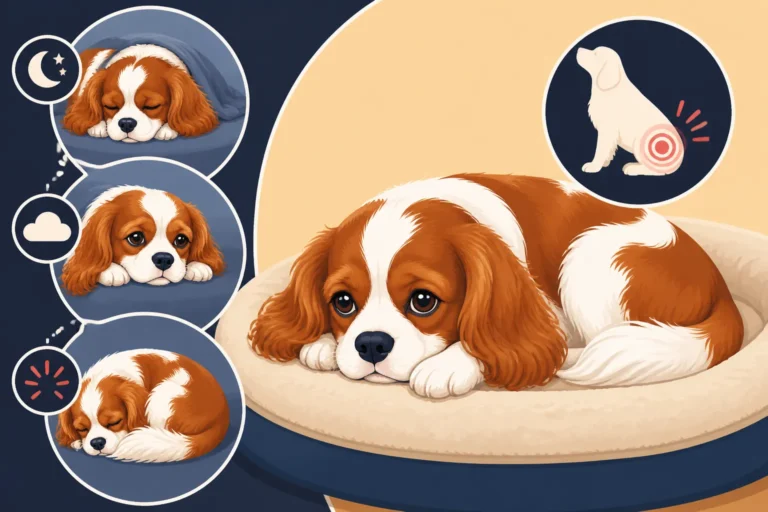
Therapy work, while rewarding, can be tiring for both the dog and the handler. It’s crucial to recognize the signs of fatigue in your Cavalier and ensure they have ample downtime. A therapy visit might involve a lot of petting, navigating busy hallways, and being "on" for an extended period. Look for subtle cues like excessive yawning, lip-licking, turning away, or seeking your side. A good rule of thumb is that shorter, more frequent visits are often better than one long, exhausting session.
As the handler, you also need to practice self-care. Therapy visits can be emotionally demanding, especially when working with vulnerable populations. Don't overschedule yourselves. Allow time to debrief after visits, reflect on the impact you've made, and recharge. Ensure your Cavalier still gets to be a normal dog, with playtime, relaxed walks, and cuddles at home, separate from their "job." The partnership between you and your Cavalier is a precious one, and nurturing both your well-being is paramount for a long and fulfilling therapy career. Living With a Cavalier That Has Syringomyelia or any other chronic health condition might require even more careful management of energy levels and visit lengths.
Finding Opportunities and Making a Difference
Once certified, your organization will typically help connect you with facilities that welcome therapy teams. Start with venues that feel comfortable and less overwhelming, perhaps a quieter nursing home before moving to a busy hospital. Many teams begin with short visits to just one or two individuals, gradually building up to larger groups or more complex environments. The beauty of therapy work is its versatility. You might find yourselves reading with children at a library, comforting veterans, bringing smiles to seniors, or providing a calming presence to stressed students during exam periods.
Every visit, no matter how brief, has the potential to make a profound impact. A simple nuzzle from your Cavalier, a soft lick, or the warmth of their body resting on a lap can provide comfort, reduce anxiety, and even ease pain. Cherish these moments. Take mental snapshots of the smiles, the quiet moments of connection, and the difference your beloved Cavalier is making. This journey is a testament to the incredible bond between humans and dogs, and the unique healing power that our Cavalier King Charles Spaniels so readily share.
Disclaimer
This article is for general informational purposes only and does not constitute professional advice. Laws, prices and regulations vary by location and change over time. Consult a qualified professional for guidance on your specific situation.