Night Waking in a Cavalier Puppy
Bringing home a Cavalier puppy is such a joyful, heartwarming experience. Those soft ears, the big, soulful eyes, that wagging tail – it’s pure love. But let’s be real, that initial honeymoon period can sometimes be shattered by the reality of sleepless nights when your sweet little Cavalier decides that 3 AM is the perfect time for a party, a potty break, or just some good old-fashioned whining. You’re exhausted, frustrated, and wondering if you’ll ever get a full night’s sleep again. This comprehensive guide is here to walk you through the most common reasons your Cavalier puppy is waking at night and, more importantly, equip you with actionable strategies to help both of you get some much-needed rest.
Unraveling the Mystery: Why Your Cavalier Puppy is Waking You Up
It's tempting to think your puppy is just being naughty when they cry in the middle of the night, but more often than not, there's a legitimate reason behind their nighttime awakenings. Understanding these core needs is the first step toward finding a solution and fostering a sense of security for your new family member.
Tiny Bladders and Urgent Potty Needs
Let’s start with the most common culprit: a small bladder. Cavalier puppies, especially those under four or five months old, simply cannot hold their bladder for an entire night. Their little systems are still developing, and what might seem like a long stretch to you is an eternity for them. It’s not a choice; it’s a physiological necessity.
Imagine yourself waking up in the dead of night, needing to use the restroom desperately, but being unable to get out of bed. That’s essentially what your puppy is experiencing. If they’ve had a drink close to bedtime, or if their last potty break was hours ago, a middle-of-the-night wake-up call for relief is almost guaranteed. Ignoring these legitimate signals can lead to accidents in their sleeping area, which is detrimental to potty training progress and can cause stress for your puppy, who instinctively wants to keep their den clean.
Hunger Pangs and Thirsty Throats
Puppies, like human babies, need to eat and drink frequently throughout the day. Their rapid growth and high energy levels mean their metabolism is working overtime. If your puppy hasn’t eaten enough during the day, or if their dinner was hours before bedtime, hunger can easily be the reason for their cries. They might genuinely feel a rumbling in their tummy that's too uncomfortable to sleep through.
Similarly, access to fresh water is crucial. While you might be tempted to pull the water bowl an hour or two before bed to reduce nighttime potty breaks, a truly thirsty puppy will wake up and vocalize their need. Dehydration, even mild, can be uncomfortable and disrupt sleep. Finding the right balance between hydration and timing is key; ensure they have access to water for most of the evening but perhaps pull it an hour before the absolute last potty break, especially for younger puppies.
Loneliness, Fear, and the Anxiety of a New Home
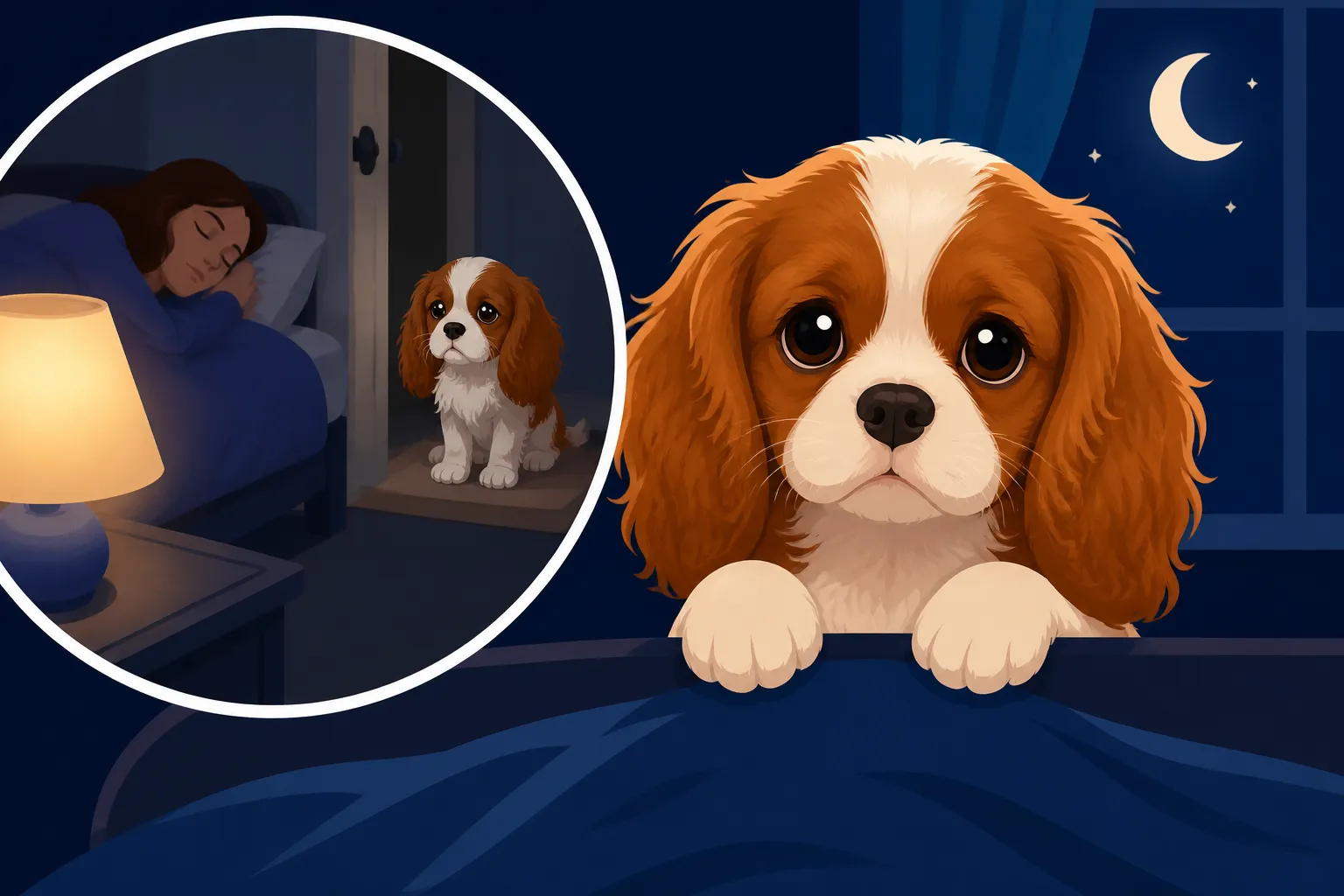
Cavaliers are renowned for being "Velcro dogs," happiest when they're right by your side. They thrive on companionship and can develop strong attachments very quickly. This sweet trait, however, can make nighttime particularly challenging when they’re suddenly separated from their littermates and their human family. They’ve gone from a warm pile of siblings and a constant maternal presence to a quiet, often dark, and unfamiliar space. It’s incredibly disorienting and frankly, a little scary for them.
This separation anxiety is a very real emotion for a young puppy. Their crying isn’t an attempt to manipulate you; it’s a genuine plea for comfort and reassurance. They might feel lost, vulnerable, or just plain lonely. Understanding this innate need for proximity and security is crucial to addressing their cries with empathy rather than irritation. It’s also important to remember that this feeling of isolation can be exacerbated if they're not fully comfortable in their crate or designated sleeping area. Why Cavaliers Are Called Velcro Dogs delves deeper into this inherent trait.
Environmental Discomforts
While we often focus on the puppy's internal state, external factors can play a huge role in night waking. Your puppy’s sleeping environment needs to be just right for them to settle and stay asleep. Is their crate too big, making them feel insecure? Is it too small and cramped? Is the room too hot, causing them to pant, or too cold, making them shiver? Cavaliers, with their beautiful coats, can sometimes overheat easily, especially in warmer climates or if their bed is too thick.
Loud or unfamiliar noises can also startle a sleeping puppy awake. A heating system kicking on, traffic outside, or even another pet moving around in the house can be enough to disrupt their slumber. Even something as simple as an uncomfortable bed or the wrong bedding can prevent them from truly relaxing. Think about your own sleep; if your pillow isn't right or your room is too bright, you'll struggle to get a good night's rest. Your puppy is no different.
Crafting a Nighttime Routine for Peaceful Slumber
Consistency is the cornerstone of successful puppy training, and nowhere is this more true than with nighttime routines. Establishing a predictable schedule helps your Cavalier puppy understand what’s expected of them and signals that it’s time to wind down.
The Power of a Consistent Schedule
Puppies thrive on routine. A consistent schedule for feeding, potty breaks, playtime, and sleep cues their internal clock. If your puppy knows roughly when meals are, when they’ll have their last potty break, and what happens before bed, they’ll feel more secure and less anxious. This predictability reduces the unknown, which is a significant source of stress for a young dog in a new environment.
Aim for a regular feeding schedule that allows enough time for digestion and subsequent potty breaks before bed. Their last meal should ideally be several hours before the final potty trip to minimize overnight hunger and reduce the chance of needing to go in the middle of the night. Similarly, ensure their water is available but consider removing it an hour or so before bed once they've had their fill, to manage bladder control.
Making the Crate a Haven, Not a Prison
For many Cavalier owners, crate training is an invaluable tool for potty training and ensuring safe, quiet sleep. However, it's crucial that the crate is perceived as a comfortable, den-like sanctuary, not a punishment or a scary box. Introduce the crate gradually, making it a positive experience with treats, toys, and short, supervised stays during the day.
Ensure the crate is appropriately sized – just big enough for your puppy to stand up, turn around, and lie down comfortably. If it's too large, they might feel comfortable using one end as a potty area. You can use a divider to adjust the size as they grow. Place a soft, comfortable bed inside, along with a safe chew toy or blanket that smells like you. Covering the crate with a light blanket can also create a cozy, den-like atmosphere, blocking out visual distractions and mimicking the dark, secure space a dog would naturally seek. For more guidance, see Choosing a Crate a Cavalier Will Rest In.
Wind-Down Rituals to Signal Bedtime
Just like humans, puppies benefit from a calming wind-down routine before bed. This isn't the time for boisterous play or exciting training sessions. Instead, focus on quiet activities that help your Cavalier puppy relax and transition into sleep mode. A gentle cuddle session, a soft massage, or a quiet chew toy can all be excellent ways to signal that the day is ending.
Dim the lights, lower the volume of the TV or music, and speak in soft, calm tones. Take them out for one last potty break right before putting them in their crate, ensuring they have completely emptied their bladder and bowels. This final potty trip should be quick, boring, and all business – no playtime, just do their business and come back inside. This routine, consistently followed, will help your puppy learn to associate these actions with bedtime and a peaceful night's rest.
Troubleshooting Common Night Waking Scenarios
Even with the best routine, puppies can throw curveballs. Knowing how to interpret their cries and respond appropriately is crucial to avoid reinforcing unwanted behaviors while still addressing genuine needs.
Differentiating Potty Needs from Attention Seeking
This is often the trickiest part of night waking. Is your puppy crying because they genuinely need to go out, or are they trying to get your attention? The key is in your response. If you suspect it’s a potty break, respond promptly but minimally. Get up, take them directly outside on a leash (even if it’s a fenced yard), give them a quiet command like "go potty," and once they’ve finished, immediately bring them back inside and put them back in their crate with no fanfare, play, or treats.
If they don’t potty outside after a few minutes, it’s likely they were seeking attention. In this case, bring them back in and place them quietly back in their crate. Your lack of excitement, interaction, or reward for not pottying helps them understand that nighttime is for sleep, not for social calls. It’s a tough lesson but a necessary one to teach them to hold it and distinguish true urgency. For tips on daytime training that translates to nighttime, check out Cavalier Puppy Toilet Training Indoors.
Navigating the Crying and Whining: When to Ignore, When to Intervene
This is where your resolve will truly be tested. When your puppy is crying, it pulls at your heartstrings. However, if you've ruled out potty, hunger, or physical discomfort, and you're confident it's attention-seeking, ignoring the whining can be necessary to teach them independence. This doesn't mean leaving them to cry for hours, but rather being strategic about your response.
If the crying persists beyond a few minutes and escalates, or if you haven't recently taken them out for a potty break, it's always safer to err on the side of caution and take them out for a quick, "business-only" trip. However, if you've just taken them out, and they've gone potty, and now they're back in the crate whining, it's likely they want attention. In these instances, returning to bed and waiting for a lull in the crying before checking on them (if you feel you must) can be effective. This teaches them that crying doesn't immediately get your attention, but quiet behavior might. Remember, a quick check of the environment to ensure no obvious discomfort (like a toy blocking the door or the crate cover falling off) is always wise before settling back in.
Building Gradual Independence and Alone Time
Cavaliers are clingy by nature, so teaching them to be comfortable alone, even for short periods, is vital. This process starts during the day, not just at night. Practice short periods of separation throughout the day. Put them in their crate with a chew toy or a treat-filled Kong while you’re in another room, gradually increasing the duration. This helps them build confidence that you will always return.
You can also use a playpen during the day for independent play, still within eyesight initially, but slowly moving out of their direct line of sight. Reward calm, quiet behavior when they are alone. Over time, these small steps build up their tolerance for being by themselves, making nighttime separation less jarring. Building a Cavalier's Tolerance for Being Left offers more strategies for this crucial training.
Tools and Strategies to Aid Peaceful Nights
Sometimes, a little extra help or a different approach can make all the difference in achieving those elusive full nights of sleep for both you and your Cavalier puppy.
Comfort Items and Soothing Aids
Bringing a new puppy home is a big transition, and anything that can provide a sense of comfort and familiarity can be incredibly helpful. A soft blanket from their litter, if available, can offer a familiar scent. Otherwise, a cozy, puppy-safe blanket or a small, plush toy can provide something to cuddle with. Consider a "heartbeat toy" which mimics the sound and feel of a mother dog or littermate, providing a soothing presence in the crate.
Another option is a worn t-shirt or blanket that smells strongly of you. Placing this in their crate can provide a sense of your presence, even when you're not physically there. You can often find a variety of these comfort items available on platforms like Amazon, making it easy to experiment and find what your puppy responds to best. The goal is to create a secure, comforting environment that helps them feel less alone.
Exploring Calming Aids and Products
For some puppies, especially those with higher anxiety levels, calming aids can offer a gentle helping hand. These are not sedatives, but rather products designed to promote relaxation. Pheromone diffusers or collars, which release synthetic versions of the appeasing pheromones a mother dog produces, can have a calming effect on puppies. These can be particularly useful in the area where your puppy sleeps.
There are also various natural supplements containing ingredients like L-theanine or chamomile, designed to reduce anxiety. Always consult your veterinarian before starting any supplement to ensure it's safe and appropriate for your puppy's age and health. While these aids are not a substitute for proper training and routine, they can certainly complement your efforts to create a calmer environment. For more in-depth information, you might find Calming Supplements for an Anxious Cavalier helpful.
When Professional Guidance is Needed
If you've diligently tried all the above strategies and your Cavalier puppy is still struggling with night waking, or if their anxiety seems severe, it might be time to seek professional help. Your veterinarian is always the first stop to rule out any underlying medical issues that could be causing discomfort or frequent urination. A urinary tract infection, for example, could certainly explain frequent night wakings.
If health issues are ruled out, a certified professional dog trainer or a veterinary behaviorist can provide tailored advice and support. They can observe your puppy's behavior, assess your home environment, and develop a personalized training plan. Sometimes, an experienced eye can spot subtle cues or offer different approaches that make a huge difference. For instance, programs like BAXTER & Bella offer comprehensive online puppy training that can guide you through crate training, routine establishment, and managing separation anxiety with expert-led instruction. Don't hesitate to reach out for help if you feel overwhelmed; it's a sign of a responsible pet owner committed to their puppy's well-being. Thinking about costs for this? Trainer Rates for Cavalier Separation Anxiety explores what you might expect.
Summary of Night Waking Strategies
Let's put it all together to give you a clear roadmap for tackling those nighttime interruptions. Remember, consistency and patience are your best friends on this journey.
| Strategy Category | Key Action | Purpose | Expected Outcome |
|---|---|---|---|
| Routine & Schedule | Establish consistent feeding and potty times | Regulate puppy's bodily functions and internal clock | Fewer unexpected potty breaks, reduced hunger |
| Last potty break right before bed, no play | Ensure bladder/bowels are empty, signal quiet time | Longer sleep stretches | |
| Environment | Crate train positively; ensure correct size | Create a safe, secure, den-like sleeping space | Puppy feels comfortable and safe alone at night |
| Provide comfort items (blanket, heartbeat toy) | Reduce feelings of loneliness and anxiety | Puppy self-soothes and settles easier | |
| Response | Distinguish potty from attention seeking | Respond appropriately to genuine needs vs. reinforced behaviors | Puppy learns effective communication, not just noise |
| Minimize interaction during night potty breaks | Avoid reinforcing night waking as a fun social event | Puppy returns to sleep quickly after potty | |
| Gradual daytime independence training | Build confidence in being alone for short periods | Reduces overall separation anxiety, leading to better night sleep | |
| Support | Consult vet for health concerns | Rule out medical reasons for frequent waking or excessive whining | Address underlying health issues for better sleep |
| Consider calming aids (pheromones, supplements) | Help anxious puppies relax and feel more secure in their environment | Supplement training efforts, promote calmness |
It's important to remember that every Cavalier puppy is an individual. What works perfectly for one might need a slight adjustment for another. Be patient with your puppy, and just as importantly, be patient with yourself. You're both learning, and with consistent effort, those peaceful, uninterrupted nights will become the norm. Bringing a puppy home is a big life change, and getting equipped with What to Buy Before a Cavalier Puppy Arrives can set you up for success. Remember, The Age a Cavalier Reaches Full Size takes time, and so does establishing perfect habits.
This period of intense puppy care, including night waking, is temporary. Your dedication now will lay the foundation for a well-adjusted, confident, and much-loved Cavalier companion for many years to come. Think of Years One With a Cavalier From a Tested Litter as an investment in a happy, healthy dog.
Disclaimer
This article is for general informational purposes only and does not constitute professional advice. Laws, prices and regulations vary by location and change over time. Consult a qualified professional for guidance on your specific situation.