Cavalier Therapy Work and Temperament Testing
It's no secret that our Cavaliers have a special way of melting hearts. Their gentle nature, soulful eyes, and unwavering desire to be close to people make them utterly irresistible. Many Cavalier owners find themselves constantly being told by strangers, "Oh, your dog would make a great therapy dog!" And it's true, the thought often crosses our minds. But what does it truly mean for your beloved Cavalier to be a therapy dog? It's much more than just being friendly; it's a commitment to training, temperament, and a deep understanding of what this rewarding work entails. This comprehensive guide will walk you through everything you need to know about preparing your Cavalier for therapy work, from understanding the role to mastering the temperament test.
Understanding Therapy Work: More Than Just Cuddles
When you envision a therapy dog, you probably picture a calm, fluffy companion bringing smiles to hospital patients or residents in a nursing home. While that image is certainly part of it, therapy work is a structured, often challenging, and incredibly fulfilling role for both dog and handler. It's not just about a dog being cute; it's about a dog being consistently reliable, well-behaved, and resilient in a variety of environments.
Defining a Therapy Dog's Role
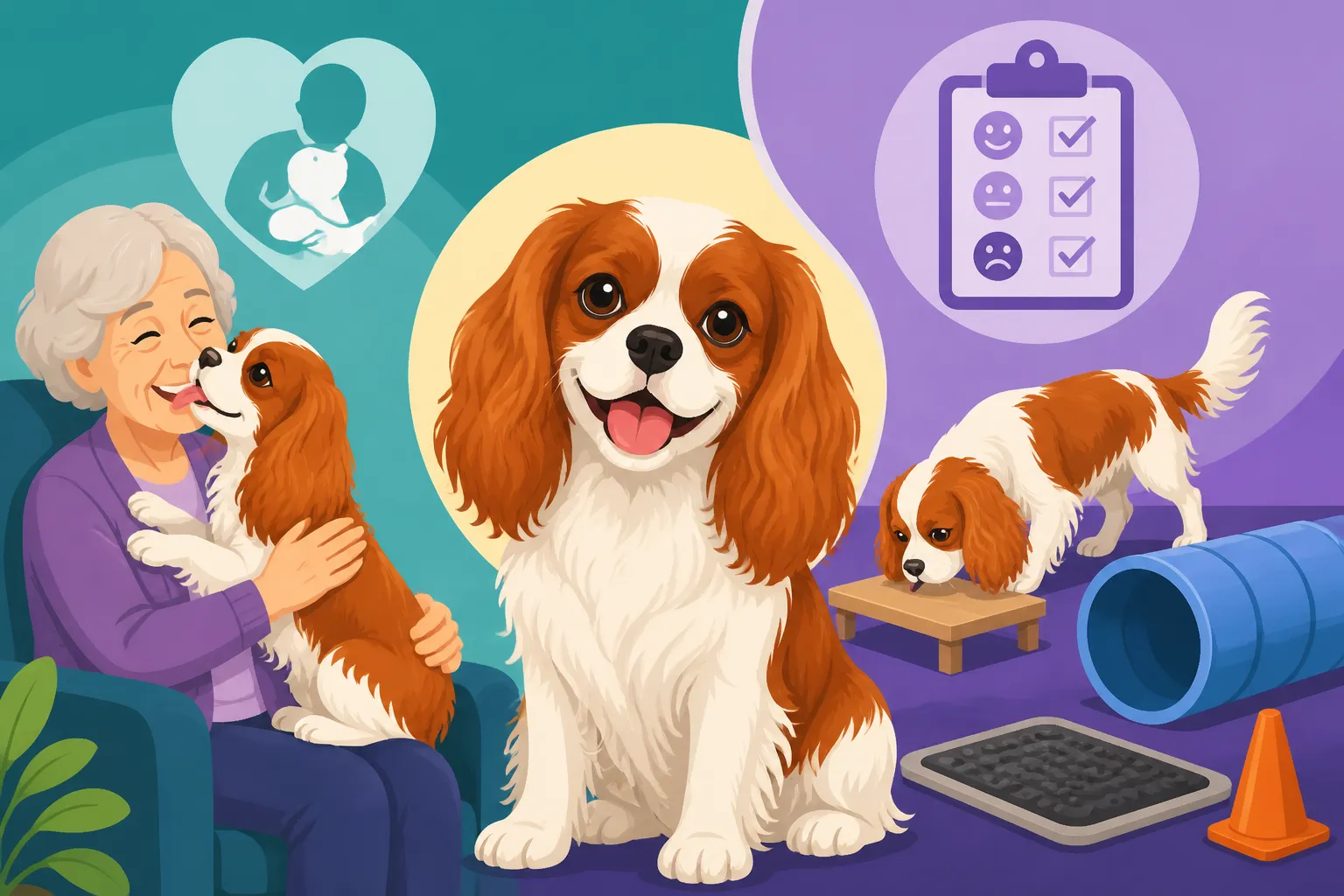
A therapy dog's primary role is to provide comfort, affection, and emotional support to individuals in settings where they might be feeling stressed, lonely, or anxious. This can include hospitals, nursing homes, rehabilitation centers, schools, libraries, and even disaster areas. The presence of a calm, friendly dog has a remarkable ability to lower stress levels, improve mood, and provide a welcome distraction from difficult circumstances. Think of the simple joy a wagging tail can bring to someone facing a long recovery, or the way a soft muzzle resting on a lap can ease the tension of a child reading aloud in a classroom. Therapy dogs are ambassadors of comfort, bringing a touch of home and unconditional love wherever they go. They work alongside their handlers, who are equally important in facilitating these interactions and ensuring a safe, positive experience for everyone involved.
Therapy Dog vs. Service Dog vs. Emotional Support Animal
This is a really important distinction, and one that often causes confusion. While all three roles involve animals providing support, their legal definitions, training requirements, and public access rights are vastly different.
- Service Dogs: These are individually trained to do work or perform tasks for people with disabilities. Their training is highly specific to mitigate their owner's disability, such as guiding a visually impaired person, alerting a deaf person to sounds, or retrieving items for someone in a wheelchair. They have public access rights under the Americans with Disabilities Act (ADA) and are allowed in most public places where pets are generally prohibited. A service dog is not a pet; it is a working animal.
- Emotional Support Animals (ESAs): An ESA provides comfort and emotional support to its owner simply by its presence, often alleviating symptoms of a mental or emotional disability. Unlike service dogs, ESAs do not require specific task training and do not have public access rights under the ADA. They are generally only recognized in housing (under the Fair Housing Act) and sometimes for air travel, though regulations for the latter have tightened significantly.
- Therapy Dogs: This is where our Cavaliers come in! Therapy dogs are pets that, along with their handlers, volunteer in various settings to provide comfort and affection to many different people. They are rigorously trained and tested for their temperament and obedience, but they do not have the same public access rights as service dogs. When a therapy dog visits a hospital, they are there by invitation and with specific permission from the facility. They bring joy to many, but their role is distinct from the individualized support of a service dog.
It's crucial to understand these differences to ensure your Cavalier is properly trained and you avoid any misunderstandings about their rights and roles in public.
The Impact of a Therapy Dog on People
The impact a well-trained therapy dog can have is truly profound. I’ve seen firsthand how a gentle nudge from a Cavalier’s nose can coax a smile from someone who hasn't smiled all day. In hospital settings, therapy dogs can help reduce blood pressure and anxiety, distract from pain, and even motivate patients during physical therapy. Imagine a child recovering from surgery, scared and alone, suddenly having a soft, warm Ruby and Black Cavalier Coats Compared dog to pet. The shift in their demeanor can be instantaneous and deeply healing. In schools, therapy dogs often participate in "Read to a Dog" programs, where children who struggle with reading can practice aloud without fear of judgment, building confidence one furry listener at a time. The simple, non-judgmental presence of a dog fosters connection, happiness, and a sense of calm that human interaction sometimes struggles to achieve. It’s a remarkable testament to the human-animal bond.
Why Cavaliers Excel as Therapy Dogs
If there’s one breed that seems almost purpose-built for therapy work, it’s our beloved Cavalier King Charles Spaniel. Their entire history and inherent disposition lean perfectly into the requirements of a comforting companion. You don't have to look far to see why they shine in this role.
The Cavalier Temperament: A Natural Fit
The Cavalier Temperament and the Sporting Spaniel Beneath It is truly a gift when it comes to therapy work. They are renowned for their sweet, gentle, and affectionate nature. Cavaliers are bred to be companion dogs, thriving on human interaction and connection. They possess an almost uncanny ability to sense emotions, often gravitating towards someone who needs a little extra comfort without being intrusive. This inherent empathy is invaluable. They're typically calm and patient, even with unfamiliar people, and rarely show aggression or excessive timidity. Their desire to please, combined with their loving disposition, means they genuinely enjoy the attention and interaction that therapy visits bring. They don't just tolerate being petted; they actively solicit it and revel in it, making every interaction feel genuine and warm.
Many breeds can be good therapy dogs, but the Cavalier's particular blend of friendliness, lack of strong prey drive (though a squirrel might tempt them!), and profound attachment to people puts them at the top of the list. They want to be with you, and they want to make you happy – and that extends wonderfully to everyone they meet on their therapy visits.
Size and Manageability in Diverse Settings
Another huge advantage of the Cavalier for therapy work is their size. As a small to medium toy breed, usually ranging from 12 to 18 pounds, they are incredibly manageable in almost any setting.
- Lap-Sized Comfort: They are perfectly sized to sit comfortably on a lap, be held by children or elderly individuals, or rest gently beside someone in a bed or wheelchair. This physical proximity is a key part of the comfort they provide.
- Easy to Transport: Their compact size makes them easy for handlers to transport, whether in a carrier in the car or simply walking them into a facility. You don't need special arrangements or large vehicles to bring your Cavalier to their appointments.
- Less Intimidating: For many people, especially those who might be nervous around larger dogs or have had negative experiences, a smaller, gentle Cavalier is far less intimidating. Their soft appearance and non-threatening size immediately put people at ease, allowing for easier and more relaxed interactions.
This manageability means they can access a wider variety of environments and interact comfortably with a broader range of individuals, maximizing their potential to bring comfort and joy.
Cavalier Adaptability to Different Environments
Cavaliers are generally highly adaptable dogs, which is a fantastic trait for therapy work. They are not typically high-strung or overly sensitive to changes in routine or environment, especially if they’ve been properly socialized from a young age.
- Noise and Activity: A therapy dog needs to remain calm in environments with varying noise levels and activity – from the quiet hushed tones of a library story hour to the bustling sounds of a hospital ward. Cavaliers, with their generally laid-back nature, often take these changes in stride.
- New Sights and Smells: Hospitals and care facilities have unique sights, sounds, and smells. There might be medical equipment, wheelchairs, unfamiliar uniforms, and different cleaning product scents. A Cavalier who has been gently introduced to a variety of stimuli during their formative months is more likely to navigate these new experiences without becoming stressed or overly reactive.
- Variable Interactions: One moment they might be gently nudging a hand for pets, the next they might be lying patiently by a bedside. This ability to switch gears and respond appropriately to different types of human interaction is crucial.
Their natural curiosity, paired with their desire for connection, helps them approach new situations with an open, friendly attitude. Of course, individual personalities vary, but the breed standard temperament makes a great starting point for Socializing a Cavalier Puppy Gently for this kind of flexible work.
Essential Traits for a Successful Cavalier Therapy Dog
While the Cavalier breed profile offers a strong foundation, not every Cavalier (or every dog, for that matter) is cut out for therapy work. It requires a specific combination of temperament, health, and a solid base of training.
Unflappable Temperament: The Cornerstone
This is arguably the most critical trait. A therapy dog must be absolutely bombproof in terms of temperament. They need to be:
- Calm and Gentle: They should never be overly excitable, jumpy, or boisterous, even when meeting new people or in stimulating environments. Their presence should soothe, not agitate.
- Patient and Tolerant: Therapy dogs will encounter people who might be clumsy, loud, or unpredictable. They need to tolerate being petted awkwardly, having their ears gently tugged (under supervision, of course!), or being approached suddenly without reacting negatively. This means no snapping, growling, or even shrinking away nervously.
- Confident, Not Anxious: A dog that is easily startled, fearful of strangers, or prone to separation anxiety will not enjoy or excel at therapy work. They need to be confident enough to walk into a new room, meet new people, and handle novel situations without stress. If your Cavalier tends to be A Timid Cavalier That Hides From Visitors, therapy work might not be the best fit for their comfort.
- Non-Reactive: They must not react to other dogs, loud noises, medical equipment (like wheelchairs or IV poles), or sudden movements. This "unflappable" quality is paramount for safety and effectiveness.
This kind of stable temperament is innate, but it's also built upon careful socialization and positive experiences from puppyhood.
Robust Health for the Demands of the Job
Therapy work, while rewarding, can also be physically and mentally demanding. Visits can involve walking on different surfaces, prolonged periods of interaction, and exposure to various environments. Therefore, a therapy dog needs to be in excellent health.
- Overall Physical Well-being: Your Cavalier should have a clean bill of health from your veterinarian. This means no chronic pain issues, debilitating joint problems like Loose Kneecaps in a Thirteen-Pound Cavalier, or other conditions that might make prolonged activity or handling uncomfortable.
- Cardiac Health: This is particularly important for Cavaliers, given the breed's predisposition to Mitral Valve Disease (MVD). Regular cardiac check-ups are essential. A dog with advanced heart disease might struggle with the energy demands or stress of therapy visits. Always consult with your vet or a veterinary cardiologist to ensure your Cavalier is fit for therapy work, especially if they have even The Age a Cavalier Murmur Usually Appears.
- Hygiene and Grooming: Therapy dogs need to be meticulously clean and well-groomed. This isn't just for appearance but also for hygiene in sensitive environments like hospitals. Regular bathing, Brushing a Cavalier's Feathering Three Times a Week, and nail trims are essential. Dogs with chronic skin issues or severe allergies that cause constant scratching might not be suitable.
- Mental Stamina: Beyond physical health, therapy work requires mental stamina. Dogs need to be able to focus, remain calm, and engage for extended periods. A dog that tires easily or becomes overwhelmed quickly might find the work too stressful.
Regular vet visits and proactive care are crucial. If you notice any Behavior Changes That Mean a Cavalier Hurts, addressing them immediately is paramount, as pain will severely impact their ability to perform therapy work safely and comfortably.
Solid Basic Obedience and Socialization
Beyond temperament and health, a therapy dog absolutely must have rock-solid basic obedience skills and extensive socialization.
- Reliable Obedience Cues: Commands like "sit," "stay," "down," "come," and "leave it" need to be second nature, performed reliably even with distractions. A dog that can't hold a "stay" for a minute or struggles with "come" on cue will pose a safety risk and disrupt visits. Training a Cavalier With Praise Rather Than Pressure is the most effective way to build these skills.
- Loose-Leash Walking: A therapy dog must walk politely on a leash without pulling, even when passing other dogs, people, or tempting smells. This shows control and respect for the environment. Consider a comfortable harness like those found on Amazon that won't put pressure on their delicate necks.
- "No Jumping": Jumping on people, even out of excitement, is unacceptable for a therapy dog. They must greet people calmly with all four paws on the floor.
- Socialization is Key: From puppyhood, your Cavalier should be exposed to a wide variety of people (different ages, genders, appearances), sounds (loud noises, medical equipment sounds), sights (wheelchairs, crutches, hats, umbrellas), and environments. This broad exposure helps them become comfortable and confident in novel situations. A good online training program, like those offered by BAXTER & Bella, can provide a structured approach to early socialization and obedience, laying a strong foundation for therapy work.
Without these foundational skills, even the sweetest Cavalier temperament won't be enough. The obedience and socialization are what allow their wonderful nature to shine through in a controlled and safe manner.
The Journey to Becoming a Certified Therapy Team
Deciding to pursue therapy work with your Cavalier is an exciting step! It's a journey that requires commitment, patience, and often a fair bit of training. It's not a race, but a thoughtful progression of building skills and confidence in both you and your dog.
Starting Early: Puppy Foundations and Socialization
The best time to start preparing a potential therapy dog is during puppyhood. Those early weeks and months are critical for shaping a confident, well-adjusted adult.
- Exposure to Variety: As mentioned, introduce your Cavalier puppy to as many different positive experiences as possible. This means meeting a diverse range of people – children, seniors, people in hats, people with canes – in a controlled and positive way. Take them to different safe environments: bustling parks (from a distance at first), quiet stores that allow dogs, and even just sitting outside a coffee shop to observe the world go by.
- Handling Exercises: Get your puppy comfortable with being touched all over, including their ears, paws, mouth, and tail. Practice gently examining them as a vet or groomer would. This helps them tolerate unexpected touches during therapy visits. Handling Exercises for a Cavalier Puppy are incredibly important.
- Positive Reinforcement: Keep all experiences positive. Use treats, praise, and gentle encouragement. If your puppy seems overwhelmed, back off and try again later or in a less intense situation. The goal is to build positive associations, not create fear.
- Puppy Classes: Enroll in a good puppy kindergarten class. These classes not only teach basic obedience but also provide structured socialization opportunities with other puppies and people, under the guidance of a professional trainer.
This early foundation is invaluable. It builds resilience and confidence, making future training much smoother and more effective.
Mastering Basic Obedience Commands
Before you even think about therapy dog specific training, your Cavalier needs to be a stellar student of basic obedience. This isn't just about knowing the commands; it's about executing them reliably and consistently, even with distractions.
- The Core Commands: Focus on "sit," "down," "stay" (with increasing duration and distance), "come," "leave it," and polite leash walking. Your Cavalier should walk calmly by your side, without pulling or lagging, and ignore most distractions.
- Proofing Behaviors: Practice these commands in a variety of locations, with different levels of distraction. Start in a quiet home, then move to a backyard, a park during off-peak hours, and eventually busier public spaces. The more places your Cavalier can perform reliably, the better prepared they'll be for the unpredictable nature of therapy visits.
- Greeting Manners: Teach your Cavalier to greet people calmly, preferably with a "sit" rather than jumping. This is non-negotiable for therapy work.
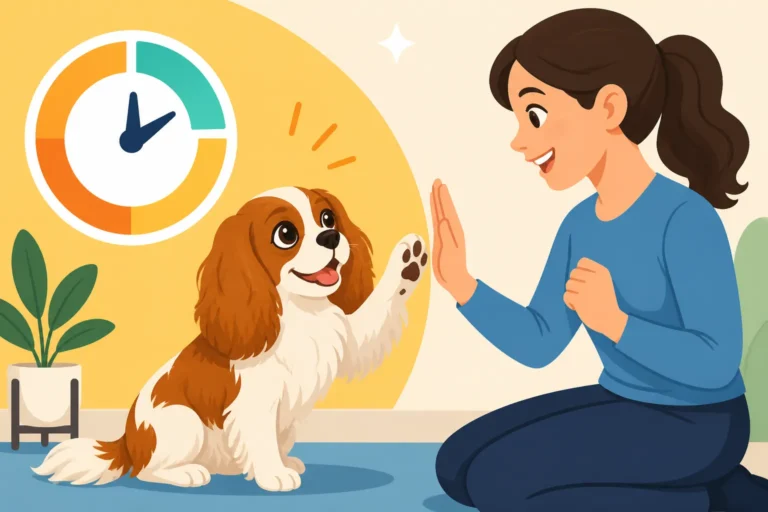
- Practice Makes Perfect: Short, frequent training sessions are more effective than long, infrequent ones. Use high-value treats and enthusiastic praise to motivate your Cavalier. Remember, Cavaliers respond best to Training a Cavalier With Praise Rather Than Pressure.
Consider advanced obedience classes or working with a certified professional dog trainer if you're struggling to achieve consistent results. Websites like BAXTER & Bella can offer valuable resources and structured online courses that cover these essential foundational skills, which you can work through at your own pace.
Finding a Reputable Therapy Dog Organization
Once your Cavalier has excellent basic obedience and a stellar temperament, the next step is to find a therapy dog organization to join. These organizations provide certification, insurance, and often facilitate visits to facilities.
- Research Local Chapters: Look for national therapy dog organizations that have local chapters in your area. Well-known organizations include Pet Partners, Therapy Dogs International (TDI), and Alliance of Therapy Dogs. Each organization has its own specific requirements, testing procedures, and focuses.
- Understand Requirements: Review each organization's eligibility criteria. They will typically have age requirements for dogs (often at least one year old), health requirements (up-to-date vaccinations, vet clearance), and specific obedience and temperament test standards.
- Attend Informational Sessions: Many organizations offer introductory sessions or classes where you can learn more about their programs and what’s involved. This is a great way to ask questions and get a feel for the organization's approach.
- The Certification Process: Certification usually involves an evaluation by a qualified tester. This evaluation assesses your Cavalier's temperament, your handling skills, and how well you function as a team. Once certified, you'll typically receive identification for your dog and yourself, and be connected with facilities seeking therapy dog visits.
It's vital to choose an organization that provides proper support, guidance, and insurance for your therapy work. They are your partners in ensuring safe and meaningful visits.
What Happens During Temperament Testing
The temperament test is the gateway to becoming a certified therapy dog team. It’s designed to assess your Cavalier’s stability, predictability, and ability to handle common scenarios they might encounter during actual therapy visits. Don't let the idea of a "test" stress you out too much; it's more about observing natural behavior than perfection.
The "Meet & Greet" Scenario: Assessing Canine Manners
One of the first things a tester will look for is how your Cavalier greets strangers. This isn't just about being friendly; it's about being appropriately friendly.
- Calm Approach: Your Cavalier should approach new people calmly, without jumping, excessive barking, or pushing. A polite sniff, a gentle tail wag, and looking to you for guidance are ideal.
- Accepting Petting: The tester, or simulated strangers, will approach and pet your dog in various ways – gently, perhaps a bit clumsily, and sometimes even simultaneously by multiple people. Your Cavalier must remain relaxed and enjoy the interaction, showing no signs of shyness, fear, or irritation.
- Ignoring Distractions: During these greetings, there might be other dogs, people walking by, or sounds happening in the background. Your Cavalier should maintain their focus on the person they are interacting with, or at least quickly reorient to the interaction without becoming overly distracted.
This scenario truly tests the Why Cavaliers Greet Strangers Like Friends aspect of their nature, ensuring it's channelled into a controlled and reassuring interaction.
Reacting to Distractions and Unfamiliar Sights/Sounds
Therapy environments are rarely perfectly quiet or predictable. A good therapy dog must be able to handle unexpected stimuli without fear or aggression.
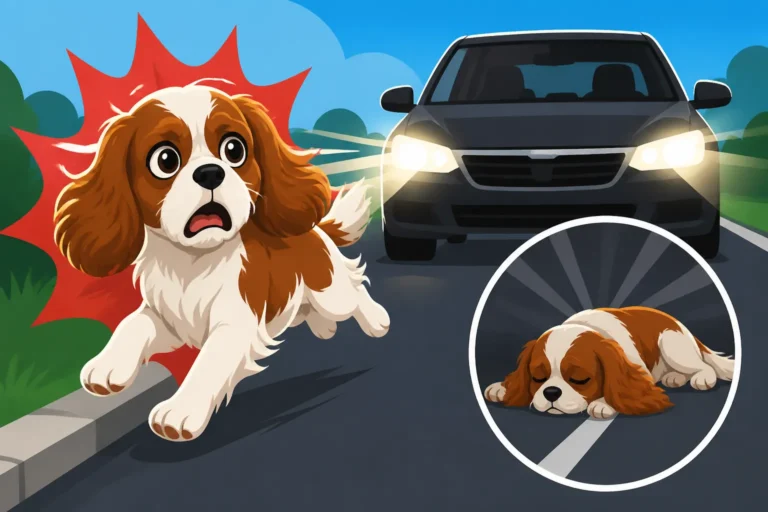
- Unexpected Noises: The test might involve dropping a set of keys, an abrupt cough, or even someone walking past with a clattering cart. Your Cavalier should show a startle response (it's natural!), but quickly recover and remain calm, looking to you for reassurance rather than panicking or barking excessively.
- Unusual Sights: This can include people using crutches, wheelchairs, walkers, or wearing unusual hats or uniforms. The dog should acknowledge these sights but not react with fear or curiosity that leads to pulling on the leash. Getting a Cavalier Used to a Dog Walker or other similar figures in practice can really help prepare them.
- Crowds and Commotion: Some tests simulate a busy hallway or a group of people moving around. Your Cavalier should be able to navigate these situations calmly, staying close to you and maintaining their composure.
The key here is resilience and recovery. It’s okay for a dog to notice something new, but they must be able to quickly settle back down and continue their work.
Handling, Grooming, and Unexpected Touches
Therapy dogs will be touched by many hands, and often by people who aren't familiar with how to interact with dogs. They must be completely comfortable with all forms of handling.
- Full Body Exam: The tester will likely simulate a brief "vet exam," checking ears, paws, mouth, and running hands all over their body. Your Cavalier should accept this without flinching, pulling away, or showing any signs of discomfort.
- Grooming Simulation: A brush might be run over their coat. This ensures they are comfortable with basic grooming, which is important for maintaining hygiene during visits.
- Awkward Petting: Sometimes, people in therapy settings might pet clumsily or in an unusual way due to their physical limitations. Your Cavalier must tolerate this without complaint. This might include leaning on them slightly, or petting a sensitive area.
This section of the test highlights the importance of consistent positive Handling Exercises for a Cavalier Puppy and Getting a Cavalier Used to Ear Cleaning from a young age.
Witnessing Calmness Around Medical Equipment or Crutches
A critical part of therapy dog work in medical settings is accepting medical equipment.
- Wheelchairs and Walkers: The dog should be able to walk calmly alongside a person in a wheelchair or using a walker, without lunging at the wheels, being fearful of the equipment, or getting tangled.
- Crutches and IV Poles: Similarly, they need to be unfazed by crutches or IV poles. These items can appear strange or produce unusual sounds, and the therapy dog must be able to ignore them.
- "Accidental" Drops: Sometimes the test will involve an object like a crutch "accidentally" falling near the dog. This tests the dog's startle response and recovery. A slight flinch is normal, but panicking, barking, or running away is not acceptable.
The best way to prepare your Cavalier for these specific scenarios is to expose them to such items beforehand. If you have a friend or family member who uses a wheelchair or crutches, arrange a calm, positive introduction. Otherwise, many therapy dog organizations will use props during their training classes to help dogs become accustomed.
Training Beyond Basic Obedience for Therapy Work
Even with an excellent temperament and solid basic obedience, there’s often another layer of training needed to excel in therapy work. This goes beyond the basics and focuses on fine-tuning behavior for specific therapy environments and ensuring the handler is equally skilled.
Practicing Advanced Cues and Good Public Manners
Therapy work demands more than just a sit-stay. It requires a dog with impeccable manners and a handler who can guide them seamlessly.
- Extended Stays: Your Cavalier might need to hold a "down-stay" for several minutes while you chat with a patient or a group. Practice holding stays with increasing duration and distance, with you out of sight for short periods.
- "Leave It" on Steroids: In a facility, your Cavalier might encounter dropped food, medications, or other tempting (and potentially dangerous) items. Their "leave it" command must be absolutely foolproof. This also applies to ignoring other patients, even if they are making noises or movements that would normally draw attention.
- Targeting and "Visit": Some handlers teach a "target" command (e.g., touch a hand with their nose) or a "visit" cue (go to a specific person for petting). This helps guide their interactions and ensures they are polite and intentional in their greetings.
- Walking Through Crowds: Practice navigating through groups of people politely, staying close to your side and not bumping into anyone. This is especially important in busy hospital hallways or community events.
Remember, every interaction your Cavalier has during a visit reflects not just on them, but on the entire therapy dog program. Their manners truly matter.
Desensitization to Novel Stimuli
The world outside your home is full of new and potentially startling things. A therapy dog needs to be unfazed by most of it.
- Varied Footing: Practice walking on different surfaces: tile, carpet, linoleum, even grates or ramps. Some facilities have slippery floors or unusual textures.
- Medical Sounds and Sights: If possible, expose your Cavalier to the sounds of beeping machines (many sound effects are available online), wheelchairs rolling, and even the smell of hand sanitizer or cleaning solutions. Start gently and make it a positive experience with treats.
- Unusual People: As mentioned earlier, continued exposure to people of all shapes, sizes, and assistive devices (canes, oxygen tanks) is key. Don't force interactions, but allow your Cavalier to calmly observe and associate these sights with positive experiences.
- Being Handled by Strangers: While the temperament test covers this, regularly having trusted friends or family gently handle your Cavalier in slightly awkward ways (e.g., from behind, with slightly less gentle pats) can reinforce their comfort level. This builds on early getting a Cavalier used to grooming and Handling Exercises for a Cavalier Puppy.
The goal is to broaden their comfort zone so that very little can truly rattle them during a therapy visit.
Developing Your Skills as a Handler
Being a therapy dog team is a partnership, and your skills as a handler are just as important as your Cavalier's. You are your dog's advocate, interpreter, and guide.
- Reading Your Dog's Cues: You need to become an expert at understanding your Cavalier's body language. Learn to recognize subtle signs of stress, fatigue, or discomfort (e.g., lip licking, yawning, looking away, panting, stiffness). Knowing when your dog needs a break, or when a particular interaction is too much, is crucial for their well-being and the safety of the people they visit. This is especially vital since Whether Syringomyelia Changes a Cavalier's Temperament or other health issues can impact behavior.
- Effective Communication: You need to be able to communicate clearly and calmly with your Cavalier, often with subtle cues. Your voice and body language are powerful tools.
- Navigating Human Interactions: You'll be interacting with patients, staff, and visitors. You need to be able to politely explain your dog's role, manage interactions, and educate people on appropriate ways to pet the dog. You're the human half of the comforting equation.
- Adherence to Protocols: Every facility will have its own rules and protocols (e.g., hand sanitizing, specific routes, restricted areas). You must understand and strictly adhere to these.
- Advocacy for Your Dog: Be prepared to step in and protect your Cavalier if an interaction becomes too overwhelming or inappropriate. You are their voice and their shield.
Many therapy dog organizations offer handler training courses and mentorship programs. Take advantage of these resources! Getting a Cavalier Certified as a Therapy Dog is as much about you as it is about your wonderful Cavalier.
Maintaining Your Cavalier's Therapy Dog Status
Certification isn't a one-and-done deal. Therapy work is an ongoing commitment to your Cavalier's well-being, continued training, and responsible volunteering.
Continuing Education and Refreshers
Even the most well-trained Cavalier can benefit from refreshers, and new situations always arise.
- Regular Practice: Continue practicing basic obedience and advanced cues regularly at home and in various public settings. This keeps your Cavalier sharp and responsive.
- Annual Re-certification/Evaluations: Most therapy dog organizations require annual or biennial re-evaluations to ensure the team still meets the standards. This often involves a condensed version of the initial temperament test.
- Workshops and Advanced Classes: Look for workshops on specific topics like advanced distraction training, stress signals in dogs, or even specific therapy dog scenarios. Continuous learning benefits both you and your Cavalier.
- Mentoring New Teams: If your organization offers it, consider mentoring a new therapy team. This not only reinforces your own knowledge but also helps foster a stronger therapy dog community.
Just like any skill, if you don't use it, you lose it. Keeping up with training ensures your team remains confident and capable.
Prioritizing Your Cavalier's Well-being
Your Cavalier is a volunteer, and their comfort and happiness should always come first.
- Listen to Your Dog: Pay close attention to your Cavalier’s body language during visits. If they show signs of stress, fatigue, or disinterest, it's time for a break or to end the visit. Never push your dog beyond their comfort level.
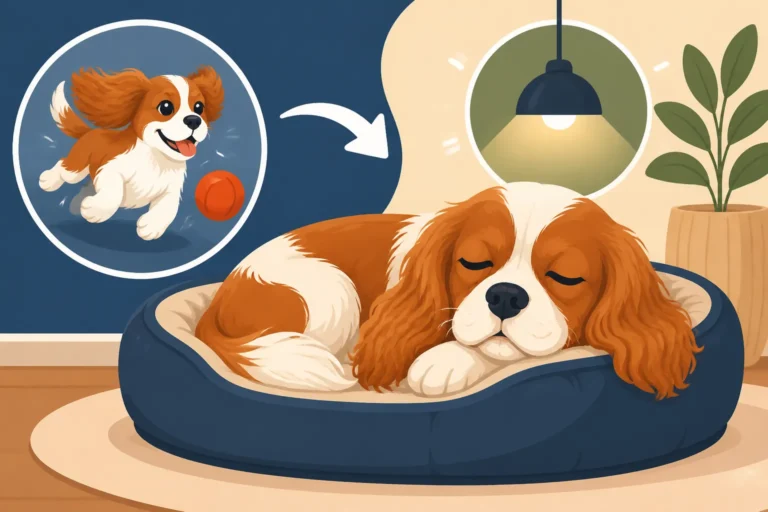
- Adequate Rest: Therapy visits can be tiring. Ensure your Cavalier gets plenty of rest before and after visits. Don't overschedule them.
- Regular Vet Check-ups: Maintain a schedule of regular veterinary visits to ensure your Cavalier remains in peak physical health. Any health issue, no matter how minor, could impact their ability to perform comfortably and safely. This includes discussions about their Cavalier Dental Disease in a Crowded Jaw and any changes to their Cavalier Weight Gain and What It Costs the Heart.
- Maintain Their "Pet" Life: Remember, first and foremost, your Cavalier is your beloved pet. Ensure they still have plenty of time for walks, play, cuddles on the couch, and just being a dog. Their therapy work should enhance their life, not overshadow it.
- Nutritional Support: Ensure your Cavalier is on a high-quality diet that supports their energy levels and overall health. Consult your vet if you have questions about specific dietary needs or supplements.
Burnout is real for both human and canine therapy partners. Being mindful of your Cavalier’s limits ensures they continue to enjoy and thrive in their important role.
Enjoying the Rewards of Therapy Work
Despite the training and commitment, the most important part of therapy work is the immense joy and satisfaction it brings.
- Making a Difference: There's nothing quite like seeing the positive impact your Cavalier has on someone's day. Whether it's a child's giggle, a senior's shared memory, or a moment of calm for an anxious person, knowing you and your dog made that difference is incredibly rewarding.
- Strengthening Your Bond: The shared experience of therapy work deepens the bond you have with your Cavalier. You learn to trust and understand each other on a whole new level.
- Community and Connection: You'll become part of a community of dedicated therapy dog teams, sharing experiences and supporting each other.
- Personal Growth: As a handler, you'll develop valuable communication skills, empathy, and a greater understanding of both canine and human behavior.
Therapy work with your Cavalier King Charles Spaniel is a truly special journey. It's an opportunity to share the boundless love and comfort our Cavaliers possess with those who need it most, enriching countless lives along the way.
Disclaimer
This article is for general informational purposes only and does not constitute professional advice. Laws, prices and regulations vary by location and change over time. Consult a qualified professional for guidance on your specific situation.