Why Cavaliers Greet Strangers Like Friends
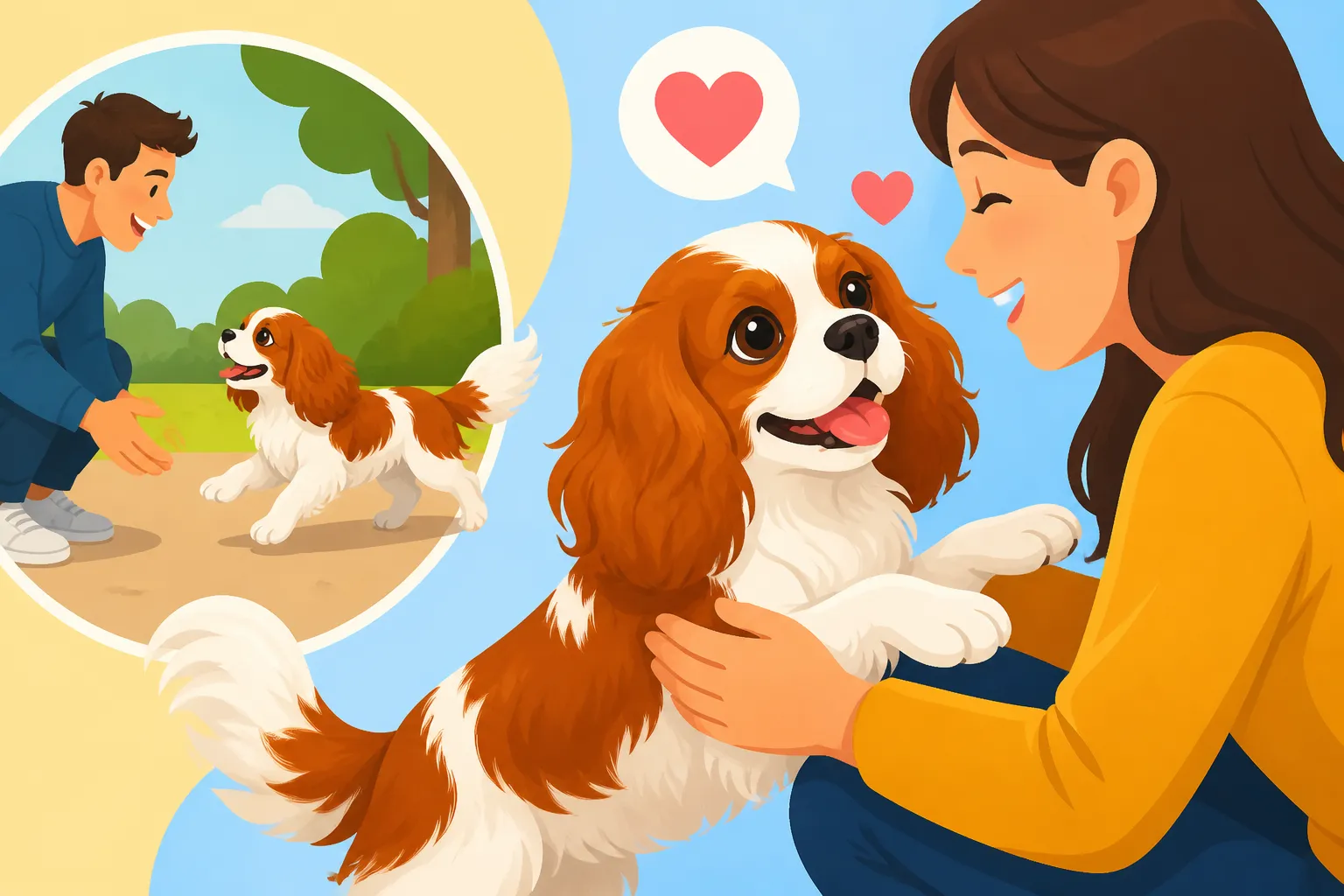
If you've ever owned a Cavalier King Charles Spaniel, you've likely experienced the phenomenon: that boundless, tail-wagging enthusiasm they reserve for absolutely everyone, whether they've known them five minutes or five years. It’s wonderful, and also sometimes a bit bewildering, as they approach every stranger like a long-lost friend. This guide will delve into why your Cavalier is so universally welcoming and how to manage that incredible friendliness.
The Inherited Temperament of a Cavalier
Cavaliers are renowned for their sweet, gentle, and affectionate nature. It's not just a happy coincidence; this temperament is deeply ingrained in their breed history and genetic makeup. They were literally bred to be companions, and that historical purpose still shines through in their interactions today.
A History of Companionship
Think about the origins of the Cavalier King Charles Spaniel. These weren't dogs bred for hunting big game, guarding castles, or herding sheep across vast fields. No, these were the beloved lapdogs of royalty, gracing the laps of kings and queens, notably King Charles II. Their primary job was to be affectionate, charming, and constantly available for cuddles and companionship. This meant they needed to be inherently trusting and amiable towards people. A dog that was aloof or aggressive wouldn't have lasted long as a court favorite! This long lineage of being cherished companions has cultivated a breed that naturally seeks out human connection and views strangers not as potential threats, but as potential sources of affection and belly rubs. It's almost as if they're programmed to believe every human they meet is there to dote on them, just as their ancestors were doted upon by royalty. This history is why The Court Spaniels the Cavalier Descends From is such an important part of understanding their modern behavior.
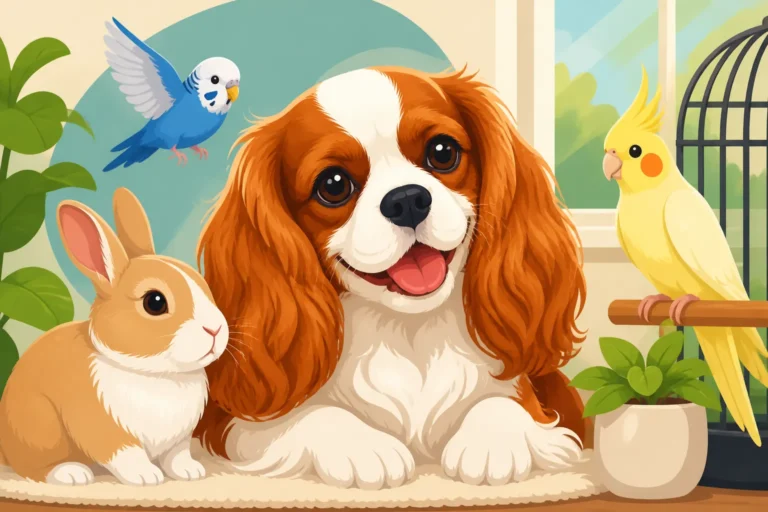
It’s easy to romanticize this history, but it’s also important to acknowledge its impact. Imagine generations of dogs whose survival and success depended on their ability to be utterly charming and approachable to anyone in their owner's circle. This isn't just about training; it's about a deeply embedded genetic predisposition. When your Cavalier rushes up to a new person with a wiggling body and an eager kiss, they are simply fulfilling their ancient purpose. They are, quite literally, being a Cavalier. This makes them incredibly adaptable to various family dynamics and often wonderful with children and other pets, always keen to make a new friend.
The "Merry" Spaniel Disposition
Cavaliers often carry the description "merry" in their breed standards, and it's a wonderfully apt word. This isn't just about being happy; it implies an upbeat, optimistic, and generally unreserved approach to life and all its inhabitants. This merry disposition often translates into a lack of suspicion towards new people or situations. Unlike some breeds that are naturally reserved or cautious, a Cavalier’s default setting is usually "friend." They are often fearless in their pursuit of affection, which is why Why Cavaliers Greet Strangers Like Friends is such a common topic.
This inherent cheerfulness means they're often not easily ruffled by new faces, loud noises (within reason, of course, as they can be sound-sensitive), or unfamiliar environments. They tend to assume the best in everyone and everything. This can be a huge advantage for owners, making them excellent travel companions or visitors to nursing homes, where their genial nature is a true gift. However, this same trait means they don't always possess a strong "stranger danger" instinct, making early training crucial for their safety and for teaching them appropriate greeting manners. It’s a double-edged sword: a joy, but one that requires responsible management from their human companions.
Socialization and Early Experiences
While genetics play a massive role in a Cavalier's friendly disposition, how they are raised and socialized during their formative months significantly shapes the expression of that friendliness. A well-socialized Cavalier learns appropriate ways to interact, while one lacking exposure might become overstimulated or even fearful despite their natural leanings.
The Critical Puppy Period
The period from about 3 to 16 weeks of age is absolutely vital for a Cavalier puppy's social development. During this time, every positive interaction with diverse people, sights, sounds, and gentle experiences lays the groundwork for a confident, well-adjusted adult. If a Cavalier puppy meets a wide array of friendly strangers – different ages, genders, hats, glasses, beards – and each encounter is positive, it reinforces their natural inclination to view people as good things. Conversely, a lack of varied exposure during this window, or negative experiences, can create shyness or over-excitement later on, even in a naturally friendly breed. This is also when you're laying the foundation for Socializing a Cavalier Puppy Gently.
It’s not just about meeting people, though; it’s about quality interactions. Short, positive encounters where the puppy isn’t overwhelmed or forced into interactions they're uncomfortable with are key. For instance, letting a puppy approach a calm stranger who offers a gentle pet and a treat, then letting the puppy disengage when they're ready, builds trust. Avoiding situations where people rush at the puppy or handle them roughly is equally important. This gentle, positive exposure during the critical window helps them differentiate between genuinely kind strangers and those whose intentions might be less benign, or at least, less sensitive to a small puppy's needs.
Positive Reinforcement and Exposure
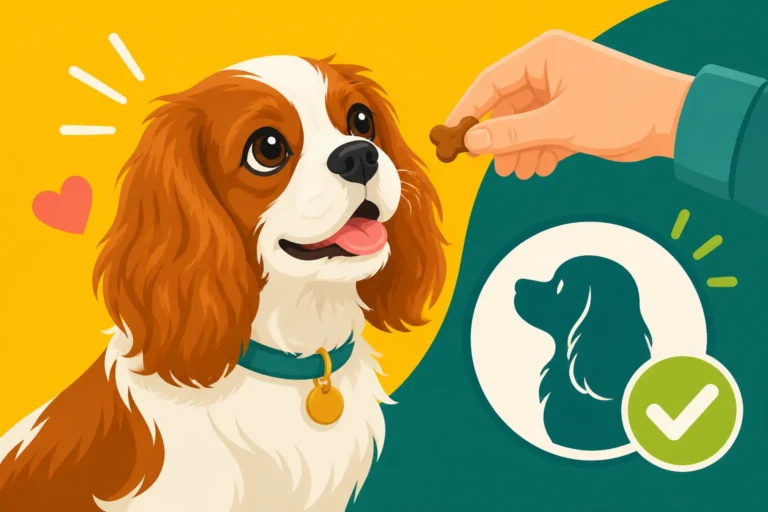
Beyond the initial puppy months, ongoing positive reinforcement and managed exposure continue to shape your Cavalier's friendliness. Every time your Cavalier offers a calm, polite greeting to a new person and is rewarded with praise or a small treat, that behavior is strengthened. It teaches them that a moment of calm before the enthusiastic greeting is the most rewarding path. Tools like the online puppy training program from BAXTER & Bella can be incredibly helpful here, as they often emphasize positive, reward-based methods for teaching social manners. You can find many wonderful training aids and high-value treats on Amazon to help with this.
The goal isn't to suppress their natural friendliness – that would be a disservice to the breed – but rather to channel it into appropriate and safe behaviors. For instance, teaching a "sit" or "four on the floor" before greeting someone prevents jumping and overly exuberant displays. Repeated, positive experiences in various settings (parks, pet stores, friends' homes) where they meet calm, dog-savvy people solidify their confidence and good manners. This continuous process helps them generalize their good behavior, understanding that good manners are expected with all strangers, not just the ones they meet at home. It’s all part of ensuring their inherent sociability is a joy, not a challenge.
Understanding the Cavalier's Communication
While a Cavalier's friendliness is endearing, it’s important for owners to understand the nuances of their dog's body language. Sometimes, what looks like sheer joy can also be a sign of over-excitement, a touch of anxiety, or simply a lack of appropriate greeting etiquette. Learning to read your Cavalier helps you advocate for them and manage interactions effectively.
Reading Body Language
A truly happy, friendly Cavalier will display clear signals: a loose, relaxed body, a soft gaze, a wagging tail that might involve their whole back end, and an open, slightly panting mouth. They might lean into pets, solicit attention with gentle nudges, or even offer a soft lick. Their ears will likely be relaxed, not pinned back in fear or rigid with tension. This is the classic "merry" Cavalier everyone loves, inviting connection without demand. It’s a beautiful thing to witness, and knowing Why Cavaliers Greet Strangers Like Friends really helps put it into context.
However, sometimes a greeting might look enthusiastic, but subtle cues can tell a different story. A tail wagging furiously but held low and tucked, a stiff body posture, averted eyes, or an attempt to quickly lick and then retreat could indicate underlying anxiety or overstimulation rather than pure joy. Some Cavaliers, especially those prone to panting and shivering when stressed, might even display stress signals during overwhelming greetings, despite their desire to be friendly. It’s crucial to observe the entire dog, not just the wagging tail, to truly understand their comfort level and intentions.
Here's a quick guide to differentiating truly friendly greetings from potentially over-the-top or anxious ones:
| Behavior Trait | Truly Friendly/Relaxed | Over-the-Top/Potentially Anxious |
|---|---|---|
| Body Posture | Loose, wiggly, often leaning in, relaxed muscle tone | Stiff, sometimes hunched, trembling, might dart in/out |
| Tail Wag | Broad, sweeping, happy circles, often whole body wag | Rapid, stiff, sometimes low/tucked, small arcs |
| Facial Expression | Soft eyes, blinking, relaxed mouth, gentle pant | Wide eyes, tense brow, panting hard, lip licking |
| Ear Position | Relaxed, natural drop | Pinned back, tense, or flicking rapidly |
| Approach | Confident, direct but not forceful, pauses to gauge | Rushes, jumps, barks, might circle or bounce nervously |
| Vocalization | Soft whines of excitement, happy grumbles | High-pitched yips, insistent barking, growling (rare) |
When Friendly Overlaps with Overstimulated
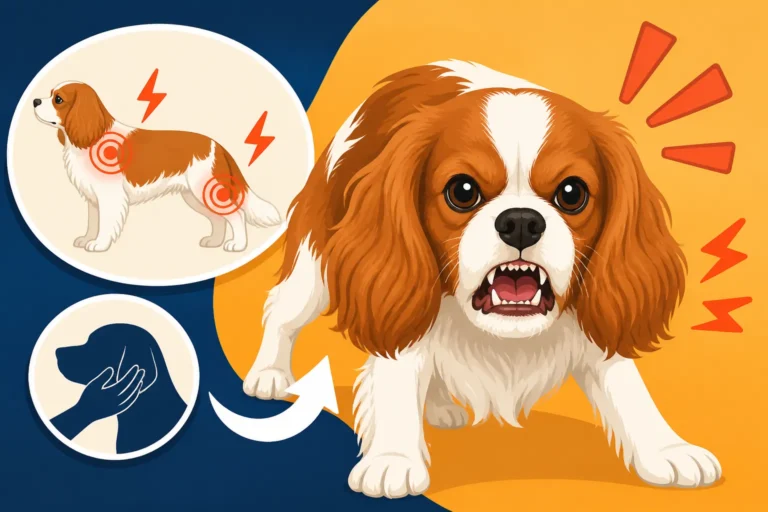
There's a fine line between boundless enthusiasm and becoming overstimulated. A Cavalier might be genuinely thrilled to meet someone new, but that excitement can quickly tip into a state where they're no longer thinking clearly or responding to cues. This is especially common in younger Cavaliers or those who haven't had consistent training on polite greetings. The classic "Cavalier zoomies" that appear after a particularly exciting interaction are a good indicator of this. An overstimulated Cavalier might jump uncontrollably, mouth hands, nip playfully (but uncomfortably), or ignore all commands. This isn't aggression; it's simply a brain that's gone into overdrive from too much good input.
Recognizing this state is vital. If your Cavalier is becoming frantic, pulling hard on the leash, or unable to focus on you, they've likely crossed the line from friendly to overstimulated. At this point, trying to correct them might be futile or even counterproductive. The best approach is often to gently remove them from the situation, let them decompress for a few moments, and then re-engage in a calmer manner, or simply end the interaction. This teaches them that calm behavior earns rewards, while frantic behavior leads to the fun stopping. It also connects to the importance of Training a Cavalier With Praise Rather Than Pressure, ensuring their positive experiences remain positive.
Managing Excessive Friendliness (When It Becomes a Problem)
While a friendly Cavalier is a dream, excessive or uncontrolled friendliness can sometimes become problematic. This might mean jumping on elderly relatives, startling small children, or simply making it hard to walk down the street without your dog attempting to greet every single passerby. The good news is, with consistent effort, you can channel that enthusiasm into polite and appropriate greetings.
Setting Boundaries and Expectations
The first step in managing an overly friendly Cavalier is to establish clear boundaries and expectations, both for your dog and for the people they meet. This means actively teaching your Cavalier how to greet appropriately, rather than expecting them to figure it out on their own. It's often helpful to have a designated "greeting zone" or a specific command you use, like "say hello," that signals when it's okay to approach. Using a comfortable harness for walks, like those you can find on Amazon that distribute pressure away from the neck, is also vital, especially if your Cavalier tends to pull towards new people. You also want to make sure your Cavalier is comfortable and secure during these interactions; learning about Harnesses Suited to a Cavalier's Neck can make a huge difference.
Crucially, you also need to set boundaries with strangers. It can be awkward to tell someone not to rush your cute Cavalier, but it’s essential for your dog's training and safety. A polite "Please let me get him settled first" or "Could you wait for him to sit?" can make a big difference. Many people, charmed by a Cavalier’s eager face, might inadvertently reinforce jumping or excessive behavior by bending down and making a fuss while the dog is still rambunctious. Taking control of the interaction ensures your dog learns the right way to behave.
Training for Calm Greetings
Teaching a Cavalier to greet calmly involves consistent, positive reinforcement training. The goal is to teach them that polite behavior (like sitting or keeping all four paws on the ground) is what earns them the reward of attention. A simple "sit" cue is a powerful tool here. When you see someone approaching, ask your Cavalier to sit, and only allow the greeting to proceed if they maintain the sit or at least keep all four paws on the floor. Start this training in low-distraction environments and gradually increase the challenge. Reward-Based Training With a Cavalier works wonders for this breed.
Using a short leash during greetings can also help manage their excitement and prevent jumping. As the stranger approaches, keep your Cavalier on a relatively short leash, allowing just enough slack for them to sit comfortably but not enough to spring upwards. If they jump, gently guide them back down, reset, and try again. Practice makes perfect, and with a breed as eager to please as the Cavalier, they'll quickly learn that a calm demeanor unlocks the floodgates of affection they so desperately crave. Remember, consistency is key, and every successful calm greeting reinforces the desired behavior. The BAXTER & Bella program has excellent modules on leash manners and polite greetings that can guide you through these steps effectively.
Disclaimer
This article is for general informational purposes only and does not constitute professional advice. Laws, prices and regulations vary by location and change over time. Consult a qualified professional for guidance on your specific situation.