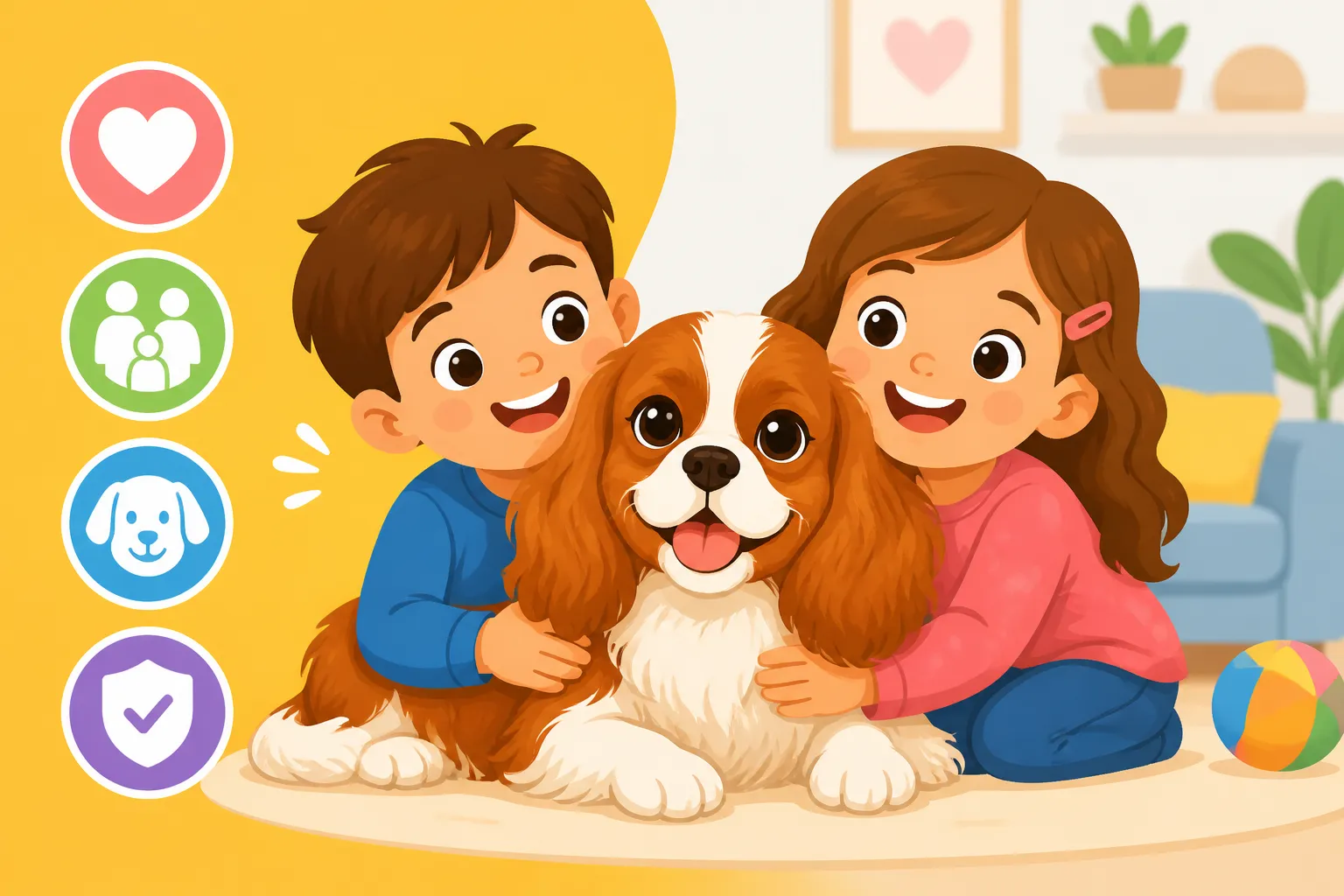
Why Cavaliers Suit Households With Children
Many families dream of adding a dog to their household, but the challenge often lies in finding a breed that can truly thrive alongside children, matching their energy, handling their exuberance, and offering gentle companionship. It's a valid concern, worrying if a dog will be too boisterous, too fragile, or simply not tolerant of the joyful chaos that kids bring. This comprehensive guide will delve into why the Cavalier King Charles Spaniel often emerges as an outstanding choice for families with children, exploring their unique attributes and offering practical advice for fostering a harmonious home environment.
The Cavalier's Inherently Gentle and Patient Nature
Cavaliers are celebrated for their incredibly sweet, affectionate dispositions, making them a top contender for families. Their breed standard itself highlights a gentle and fearless temperament, qualities that translate beautifully into interactions with children. These dogs are generally not prone to aggression or excessive excitability, which offers immense peace of mind for parents concerned about potential nips or overly rambunctious play that could accidentally overwhelm or even injure a child. This inherent calm allows them to handle the unpredictable nature of kids with remarkable grace.
Their Innate Sweetness
From the moment a Cavalier enters your home, whether as a curious puppy or a settled adult, their loving disposition shines through. They thrive on companionship and genuinely relish being an active part of family activities, rarely preferring to be aloof or independent. This natural inclination to connect means they're typically very open to being approached, petted, and snuggled by children, often seeking out affection themselves. You might envision your child curled up on the sofa reading, and your Cavalier gently nudging their hand before settling peacefully at their feet, simply content to be near. This isn't just a hopeful scenario; it's a common, heartwarming sight in many Cavalier homes.
This deep-seated sweetness also means they tend to be remarkably forgiving. Toddlers, with their developing motor skills, aren't always the most delicate with their expressions of affection. They might accidentally tug an ear too hard, lean a little too heavily, or even step on a paw. While it's imperative that no dog should ever be put in a position to be hurt or constantly annoyed, Cavaliers often demonstrate an impressive level of patience and tolerance. Instead of resorting to snapping or growling, they're more inclined to simply get up and move away, or perhaps offer a soft lick. This gentle response subtly teaches children about respecting an animal's personal space without the need for aggressive warnings. It's this soft approach that forms the bedrock of trust and a robust bond between dog and child.
Patience with Little Hands
The patience a Cavalier displays with children is truly one of its most commendable traits. They are generally not easily flustered by the sudden movements, loud noises, or persistent attention that often accompany young kids. Consider a child engrossed in play, dropping toys with a clatter, or singing off-key with enthusiastic abandon. Many dogs might react with anxiety, excessive barking, or by attempting to escape the room. A Cavalier, however, is far more likely to observe calmly, perhaps with a characteristic head tilt, before returning to a nap or watching the lively scene from a comfortable distance. This unflappable nature is an invaluable asset in a bustling family home.
This patience extends significantly to physical interactions. My own Cavalier, for instance, has patiently endured countless "vet check-ups" from my young niece, complete with gentle pats, ear inspections, and even earnest attempts to swaddle him in a blanket. He takes it all in stride, occasionally letting out a dramatic sigh, but never displaying any sign of malice. Naturally, all interactions require careful supervision, and children must be taught how to interact respectfully. But having a dog that inherently grasps the innocence and occasional clumsiness of childhood makes these foundational lessons much simpler and safer. It cultivates an environment where children learn empathy and gentle handling, knowing their furry friend will respond with affection rather than fear or aggression. For more insights on this, read Whether a Cavalier Tolerates a Toddler.
Predictable Reactions
One of the most significant concerns for parents introducing a dog into their home is the possibility of unpredictable behavior. Will the dog suddenly lash out? Will it display aggression around food or toys? Cavaliers, for the most part, offer a reassuring degree of predictability in their temperament. They are not typically known for being "resource guarders," meaning they seldom exhibit aggression over their food bowl, favorite toys, or even a coveted spot on the sofa. This is a crucial factor when children are part of the equation, as accidental approaches to a dog's personal space are common.
Their responses to new situations or meeting strangers are also generally calm and friendly. Instead of retreating with fear or barking aggressively, a well-socialized Cavalier will typically greet new faces, including unfamiliar children, with a wagging tail and an eagerness for attention. This consistent, amiable demeanor helps children feel secure and confident around their canine companion. It teaches them that their dog is a steady, reliable friend and a trustworthy presence in their lives, which, in turn, fosters a deeper and more meaningful relationship built on mutual understanding.
Adaptability and Companionable Size
Beyond their endearing personalities, Cavaliers possess physical attributes that make them exceptionally well-suited for families with children. Their moderate size and adaptable nature mean they integrate comfortably into a diverse range of living situations, from bustling suburban houses to cozy city apartments, without demanding excessive space or highly specialized care. This inherent ease of integration is a considerable advantage for busy households already managing a myriad of responsibilities.
Compact Companionship
Weighing typically between 13 to 18 pounds and standing about 12-13 inches at the shoulder, Cavaliers are truly compact companions. This manageable size makes them less intimidating for smaller children who might feel overwhelmed or even frightened by a larger, more powerful dog. A Cavalier can comfortably sit on a child's lap, curl up at their feet during story time, or snuggle into a small corner on the sofa without occupying an excessive amount of space. Their moderate stature also means they are significantly less likely to accidentally knock over a wobbly toddler or a small child during an enthusiastic burst of play.
Furthermore, their size offers practical advantages for family excursions and travel. They fit easily into most airline-approved pet carriers, can be comfortably walked on a leash by older children (always under responsible adult supervision, of course), and are generally welcomed in more public spaces where larger breeds might face restrictions. Imagine a family day trip to the local park; your Cavalier, secured in their comfortable harness (many excellent, well-fitting options are available on Amazon), can trot happily alongside a child on their scooter or simply enjoy a leisurely stroll. This portability ensures they truly become an integral part of family adventures, able to join in rather than being left behind.
Fitting Into Family Life
Cavaliers have earned the affectionate moniker "Velcro dogs" for a reason; they genuinely thrive on being at the very heart of family life. They sincerely desire to be wherever their people are, adapting their energy levels seamlessly to the rhythm of the household. If the children are engaged in a boisterous play session, the Cavalier might join in with some playful barks and bounces. When it's time for quiet activities, they are perfectly content to snooze nearby, soaking up the ambient family energy. This remarkable flexibility means they don't demand constant, high-intensity entertainment, which can be a significant drain on already busy parents.
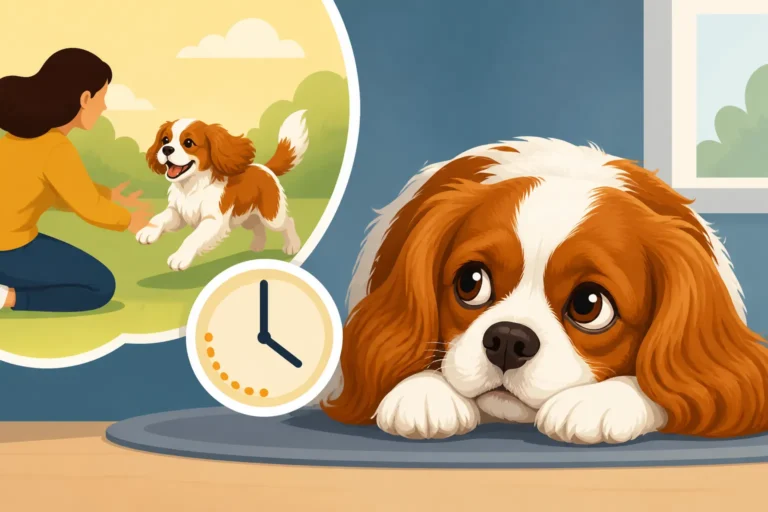
Their adaptable nature also extends to their exercise requirements. While they certainly appreciate and enjoy walks and playtime, they do not require miles of strenuous running or intense athletic endeavors daily. Typically, a couple of moderate walks combined with engaging indoor play and ample cuddle sessions are sufficient. This makes them an ideal fit for families who might not have the time or boundless energy for a high-drive working breed. They can comfortably settle into a routine that encompasses school drop-offs, afternoon homework sessions, and evening family time, always ready for a quick game or to simply offer their comforting presence. Why a Cavalier Cannot Be Left All Day highlights their profound need for companionship, which aligns perfectly with a busy family environment where there's usually someone around.
Managing a Smaller Dog Around Kids
While their compact size is generally a huge advantage, it also necessitates that children be taught to be especially gentle and mindful. A Cavalier, though sturdy for its size, is not impervious to accidental rough handling. It is absolutely crucial for parents to actively supervise all interactions and diligently educate children on how to safely and respectfully engage with their dog from an early age. This education should include understanding dog body language, learning to pet gently, avoiding pulling ears or tails, and recognizing when the dog needs space.
One highly effective practical strategy is to establish a designated "safe zone" for your Cavalier – this could be a comfortable crate, a dog bed tucked into a quiet corner, or even a playpen – where they can retreat undisturbed. Teaching children that when the dog is in its bed or crate, it is resting and should not be approached, is vital. This establishes clear boundaries and fosters harmonious coexistence within the home. Furthermore, ensuring your Cavalier wears a comfortable, well-fitting harness rather than just a collar can prevent accidental neck strain during walks, especially if a child is learning to walk them on a leash. This simple step also reinforces the idea that even small dogs deserve careful handling and respect.
Playfulness and Balanced Energy Levels
Cavaliers strike a truly delightful balance when it comes to their energy levels. They are undoubtedly playful and enjoy a good romp, but they are not typically hyperactive dogs that incessantly demand attention or bounce off the walls for hours on end. This perfect equilibrium makes them a fantastic match for families with children, offering both an enthusiastic playmate when desired and a calm, soothing companion when quiet time is needed.
Matching a Child's Play Drive
Children, particularly younger ones, often exhibit bursts of boundless energy, which are typically followed by periods of quiet relaxation. Cavaliers often mirror this pattern beautifully. They are almost always eager for a game of fetch in the yard, chasing a rolling ball, or engaging in a light tug-of-war with a soft toy. Their playful antics, frequently accompanied by a happy "Cavalier trot" and enthusiastic tail wags, are utterly delightful to observe and wonderfully infectious for children. They genuinely enjoy being an active part of the fun, whether it's a backyard scavenger hunt or an impromptu parade through the living room.
Crucially, once the play session winds down, they are equally content to settle and relax. They won't continue to pester for attention or bounce restlessly after a good play session. This unique ability to switch seamlessly from active play to calm relaxation prevents children from becoming overwhelmed or exhausted by a dog that never seems to stop. It also teaches children valuable lessons about appropriate play boundaries and the importance of rest, fostering a more natural and balanced relationship with their canine friend.
The Joy of Shared Activities
The moderate energy levels of a Cavalier open up a wonderful world of shared activities for children and their furry companion. Beyond simple fetch, they can enjoy short, gentle walks through the neighborhood, explore a local park's easy trails, or even participate in quiet indoor games like "hide and seek" with their favorite treats. For older children, teaching a Cavalier simple tricks can be an incredibly rewarding experience, building confidence in both the child's training abilities and the dog's learning capacity. Resources like Reward-Based Training With a Cavalier emphasize positive reinforcement, a method that is ideal for children to learn and apply with their pet.
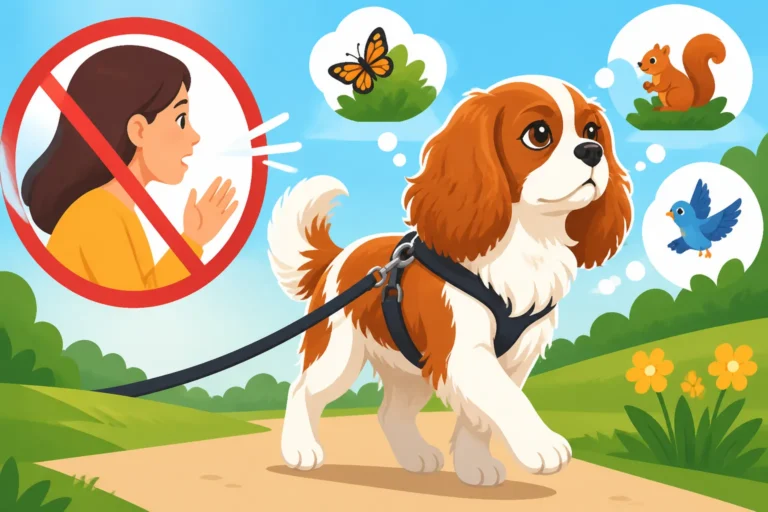
Picture a typical Saturday morning: your children are outside, perhaps riding their bikes or playing in the garden. Your Cavalier can be right there with them, trotting happily, observing the world, and simply soaking up the family atmosphere. They aren't likely to be pulling relentlessly on the leash or bolting after every squirrel (though a tantalizing squirrel chase can certainly be a strong temptation for any dog!). Instead, they are a calm, joyful presence, enhancing the fun without adding stress. This shared experience creates cherished, lasting memories and significantly strengthens the bond, truly integrating the dog as a beloved family member rather than just a pet.
Knowing When to Rest
Critically, Cavaliers have mastered the art of relaxation. After a lively bout of play or a refreshing walk, they are more than content to curl up on a soft bed, a warm lap, or a sunny spot on the floor and indulge in a nap. This characteristic is particularly vital in a busy family environment where quiet time is often a precious commodity. They do not demand constant stimulation, allowing both parents and children to engage in other activities without feelings of guilt or frequent interruptions.
This innate ability to settle is especially beneficial for very young children who still require substantial rest themselves. A Cavalier can become a peaceful, comforting presence during naptime, offering quiet companionship rather than disruptive energy. It teaches children that dogs, much like people, need their rest and that respecting this need is a fundamental and important part of caring for an animal. This balanced energy truly makes the Cavalier a quintessential family dog, capable of being both an enthusiastic playmate and a serene companion, adapting effortlessly to the natural ebb and flow of household life.
Their Profound Affectionate Nature
Cavaliers are perhaps most renowned for their deep and boundless capacity for affection. They were historically bred specifically as companion dogs, designed to warm laps and offer comfort, and this deeply ingrained instinct remains incredibly strong in the modern breed. This profound desire for connection and closeness makes them exceptional family dogs, eager and willing to bond deeply with every member of the household, including the smallest ones.
The Desire for Connection
A Cavalier's heart is truly devoted to its family. They form remarkably strong attachments and genuinely thrive on consistent human interaction. This isn't merely about receiving treats; it's fundamentally about being near their people, feeling included in daily life, and offering unconditional comfort. When a child is feeling sad, upset, or simply overwhelmed, a Cavalier is often among the first to sense it, offering a gentle nudge, a soft, reassuring lick, or simply settling quietly close by. This empathetic quality makes them incredible emotional support animals for children, intuitively providing solace when it's most needed.
This inherent desire for connection means they are rarely aloof or overly independent. Instead, they actively seek out affection and engagement, which makes them incredibly rewarding pets for children who yearn for a loving and responsive companion. They will happily follow children from room to room, sit patiently nearby while homework is being done, and cheerfully participate in any activity that involves being in close proximity to their family. This consistent, comforting presence consistently reinforces their role as a loyal, unwavering, and integral part of the family unit.
Lap Warmers and Cuddle Buddies
The nickname "Velcro dog" is truly well-earned by Cavaliers. They absolutely adore being on laps, nestled comfortably in arms, or snuggled close. This is an enormous draw for children who dream of a dog they can truly cuddle with. Unlike some breeds that might merely tolerate a brief pat, Cavaliers actively solicit affection and genuinely enjoy prolonged periods of close physical contact. Imagine a child recovering from a scraped knee or simply needing a quiet moment of comfort; a Cavalier is almost guaranteed to be there, offering a warm, furry, and comforting presence.
This isn't merely about passive acceptance; it's about mutual enjoyment and shared peace. Cavaliers exude a special kind of calm during these cuddle sessions, their soft fur and gentle breathing providing a uniquely soothing presence. This deep physical connection can be incredibly therapeutic for children, teaching them profound lessons about unconditional love and the simple, quiet joys of companionship. It is often during these intimate moments that children develop a deep and lasting sense of responsibility and care for their cherished pet.
Spreading Affection Evenly
Unlike some dogs that might form an intense, almost exclusive bond with one primary caregiver, Cavaliers tend to distribute their affection generously and evenly across the entire family. While they might occasionally have a favorite lap or a preferred snuggle partner, they are typically happy and eager to receive attention from anyone in the household. This particular trait is especially beneficial in homes with multiple children, as it significantly minimizes feelings of jealousy or the perception of being "chosen over" by the family dog. Each child can genuinely feel that the Cavalier is their special friend and companion.
This evenly distributed love helps to foster a deeper sense of unity and connection within the family dynamic. The Cavalier quickly becomes a shared source of immense joy and comfort, naturally strengthening the bonds between siblings as they learn to collaboratively care for and interact with their shared pet. Whether a Cavalier Grows Out of Being Clingy explores their innate need for closeness, confirming that this affectionate nature is a fundamental and enduring part of their being, something that children will benefit from throughout the dog's entire life.
Trainability and Positive Reinforcement
Despite their affectionate and sometimes seemingly pampered demeanor, Cavaliers are intelligent dogs that possess a strong eagerness to please their human companions. This inherent trait makes them highly trainable, which is a significant advantage for families who desire a well-behaved dog without needing to resort to harsh or intimidating training methods. Their remarkable responsiveness to positive reinforcement means that even children can be safely and effectively involved in their training, fostering a sense of responsibility and further strengthening the unique bond between child and pet.
Eagerness to Please
Cavaliers genuinely want to make their people happy. This powerful "eagerness to please" is a golden trait when it comes to training, as they are often highly motivated by praise, affection, and, of course, delicious treats. They tend to pick up on cues and commands quickly and respond exceptionally well to consistent, gentle guidance. This generally means that teaching basic manners such as "sit," "stay," "come," and "leave it" is a much smoother and more enjoyable process compared to training more stubborn or independent breeds. This inherent ease of training is a substantial benefit for busy parents who might not have endless hours to dedicate to complex or protracted training regimes.
Imagine the simple scenario of teaching your Cavalier to sit politely before receiving a favorite treat. With a little patience and consistent practice, a Cavalier will very quickly understand the expectation. This rapid responsiveness allows families to instill good habits early on, cultivating a polite, well-mannered, and easily manageable household companion. The goal here isn't necessarily to achieve perfect obedience for competitive sports, but rather to cultivate a dog that integrates seamlessly and harmoniously into daily family routines, making life easier and infinitely more enjoyable for everyone involved.
Making Training a Family Affair
Because Cavaliers are so responsive and thrive so well on positive reinforcement, their training can genuinely become a wonderful and engaging family activity. Older children can be effectively taught how to give commands, reward good behavior with praise and treats, and practice basic obedience skills. This active involvement teaches children invaluable lessons about responsibility, patience, and the critical importance of clear and consistent communication when interacting with animals. It also instills in them a profound sense of accomplishment as they witness their furry friend learn and master new things. Many reputable online training programs, such as those offered by BAXTER & Bella, are thoughtfully designed with family participation in mind, providing clear, step-by-step guidance that is easy for both adults and children to follow.
Even younger children can participate in simple yet meaningful ways, perhaps by handing over a treat after the dog successfully performs a "sit" or by practicing gentle, rewarding strokes as positive reinforcement. This shared experience of training strengthens the bond between the Cavalier and each individual family member, fostering mutual respect and a deeper understanding. It effectively transforms what might otherwise be perceived as a chore into a fun, educational, and bonding activity that benefits everyone in the household. Reward-Based Training With a Cavalier offers even more specific techniques that are particularly effective in this family-centric approach.
Addressing Common Puppy Behaviors
It's important to remember that no puppy is born perfect, and Cavaliers, like all dog breeds, will inevitably go through typical puppy stages. There will undoubtedly be some playful nipping (and those Cavalier Puppy Teeth Feel Like Needles!), some exploratory chewing, and the occasional potty accident indoors. However, their manageable size and generally biddable nature make these common developmental phases much easier to navigate and manage within a busy family setting. For instance, successfully redirecting puppy nipping to appropriate chew toys is typically very effective due to their inherent desire to please. Similarly, house-training is generally straightforward with consistent routines, frequent potty breaks, and plenty of positive reinforcement.
The fundamental keys to success during these phases are patience, consistency, and a unified approach from the entire family, which can quickly shape a well-mannered young dog. Instead of becoming overwhelmed by these temporary challenges, families can approach them as valuable learning opportunities, further reinforcing their bond with their Cavalier. Practical tools like puppy gates (which can be easily found and purchased on Amazon) can be incredibly helpful in managing a puppy's access to certain areas during house-training or when you need a moment to supervise children without simultaneously needing to manage a curious and energetic puppy.
Considerations and The Importance of Supervision
While Cavalier King Charles Spaniels undeniably possess many ideal traits that make them wonderful companions for families with children, it is absolutely crucial to approach dog ownership with realistic expectations and an unwavering commitment to ongoing supervision and education. No dog, regardless of breed or temperament, is a substitute for a responsible human babysitter, and even the most gentle and amiable breed requires responsible management, especially when children are involved in their daily lives.
The Importance of Canine-Child Education
Perhaps the single biggest factor in establishing a successful and harmonious family-dog relationship isn't solely the dog's temperament, but rather the comprehensive education of the children within the household. It is paramount to teach children how to interact respectfully, gently, and safely with their Cavalier from the very first day. This vital education involves understanding basic dog body language – knowing when a dog is happy and receptive, when it might be feeling stressed or anxious, or when it simply needs its own personal space. Teach them that a wagging tail doesn't always automatically mean "come pet me!" and that subtle cues like a dog turning its head away or offering a soft yawn might be a clear signal that it's asking for a much-needed break.
Establishing clear and consistent rules, such as "never disturb the dog while it's eating or sleeping," or "always pet gently on the back, not directly on the head," is critically important for everyone's safety and comfort. Role-playing these interactions with children and consistently reinforcing these guidelines will build a strong and secure foundation for a positive relationship. This comprehensive education empowers children to become responsible and empathetic pet owners and, perhaps most importantly, ensures that the Cavalier feels secure, understood, and respected in its home environment. Remember, a dog that feels respected and safe is far less likely to react negatively or defensively. For more valuable guidance on early training and socialization, explore Socializing a Cavalier Puppy Gently.
Managing Boundaries for Everyone
Setting appropriate boundaries isn't exclusively for the children; it is equally important for the dog. While Cavaliers undeniably thrive on companionship and close human interaction, they also require their own designated safe space where they can retreat, rest, and feel utterly secure and undisturbed. Providing a comfortable crate or a specific dog bed in a quiet, out-of-the-way corner of the house, and diligently teaching children that this area is the dog's "den" or sanctuary where they should never be disturbed, is absolutely essential. This proactive measure effectively prevents overstimulation for the dog and ensures that it always has a reliable refuge when household activities become too boisterous or overwhelming.
Consistent and vigilant supervision is absolutely non-negotiable, particularly when very young children are interacting with any dog. Even the most gentle Cavalier can react unpredictably if accidentally hurt, startled, or constantly bothered. Therefore, it is imperative that young children are never left unsupervised with any dog, regardless of its breed or perceived temperament. As children grow older, their understanding of animal behavior will naturally increase, but parental vigilance remains a key component of responsible pet ownership. It's about proactive management – teaching children, for example, how to greet politely (and teaching the dog to respond calmly to visitors – see A Cavalier That Jumps at Visitors) and establishing clear boundaries that create a predictable, safe, and respectful environment for every member of the family, both two-legged and four-legged.
Health Concerns and Their Impact
A responsible family embarking on Cavalier ownership also needs to be keenly aware of the breed-specific health concerns that can unfortunately affect Cavaliers, as these conditions can sometimes subtly (or overtly) impact a dog's behavior and their overall ability to comfortably interact with children. Mitral Valve Disease (MVD) is extremely prevalent in the breed, and conditions like Syringomyelia (SM) can cause chronic pain or neurological discomfort. A dog experiencing pain might become withdrawn, irritable, or less tolerant of touch, even from cherished family members.
It is critically important to choose a puppy from a reputable, ethical breeder who conducts extensive and verifiable health testing, including comprehensive cardiac screening performed by a board-certified veterinary cardiologist and, ideally, MRI scans for Syringomyelia in breeding dogs. Understanding the potential signs and symptoms of these common conditions, and seeking prompt veterinary care if any concerns arise, is paramount to ensuring your Cavalier remains comfortable, happy, and capable of maintaining their naturally wonderful temperament throughout their life. The Heart Testing a Cavalier Breeder Must Do and Getting a Cavalier Scanned for Syringomyelia are vital resources for any prospective Cavalier owner who wants to ensure they are making the most informed and responsible choices. Proactive health management is key to ensuring your Cavalier can continue to be the gentle, affectionate family member you envisioned.
Cavalier Traits for Family Life: A Snapshot
| Trait Category | Positive for Families | Requires Supervision/Education |
|---|---|---|
| Temperament | Gentle, affectionate, patient, predictable, rarely aggressive. | Can be sensitive to accidental rough handling; needs respectful interaction teaching. |
| Size & Build | Compact, less intimidating for small children, easily portable. | Small size means they can be accidentally hurt by clumsy children; requires safe spaces. |
| Energy Level | Balanced, playful but also enjoys resting; highly adaptable. | Can be tempted to chase fast-moving children or toys; needs impulse control training. |
| Affection | Craves companionship, loves to cuddle, spreads affection evenly. | May become overly dependent if not taught appropriate independence and alone time. |
| Trainability | Eager to please, highly responsive to positive reinforcement. | Requires consistent effort from all family members; typical puppy behaviors need managing. |
| Health | Generally hardy when healthy, good lifespan with proper care. | Prone to Mitral Valve Disease and Syringomyelia, which can impact comfort and behavior; requires diligent health screening. |
Disclaimer
This article is for general informational purposes only and does not constitute professional advice. Laws, prices and regulations vary by location and change over time. Consult a qualified professional for guidance on your specific situation.