Whether a Cavalier Should Be Clipped in Summer
It’s natural, especially when summer heats up, to look at your beautiful, feathered Cavalier and think, "Wouldn't they be so much cooler if I just shaved all that hair off?" You see other breeds with short clips in warmer months, and the idea of your sweet companion struggling with the heat tugs at your heartstrings. This guide is here to walk you through the nuances of that decision, debunk some common myths, and offer practical, Cavalier-specific advice on keeping your furry friend comfortable and healthy when the temperatures rise.
Understanding the Cavalier Coat and Its Purpose
When you gaze at your Cavalier King Charles Spaniel, you’re looking at a true masterpiece of canine genetics, particularly when it comes to their glorious coat. This isn't just a pretty layer of fur; it's a vital part of their anatomy designed to protect them from the elements year-round. Understanding its structure and function is key before considering any drastic changes like clipping.
The Double-Edged Sword of Feathering
Cavaliers are known for their soft, silky single coats, which are quite distinct from dogs with thick double coats like Huskies or German Shepherds. This single coat, while not possessing an insulating undercoat in the same way, still comes with a generous helping of feathering around the ears, chest, legs, and tail. This feathering is what gives them their regal and charming appearance, but it can also feel like a burden when you're trying to keep them cool.
The misconception often arises because people equate "more hair" with "more heat." While extreme length and matting can indeed trap heat, the natural, well-maintained coat of a Cavalier actually serves a crucial protective role. It acts as a barrier, shielding their delicate skin from direct sunlight and harmful UV rays, much like wearing a light, breathable long-sleeved shirt yourself in the sun. Without this natural barrier, their skin is left vulnerable.
How a Cavalier's Coat Regulates Temperature
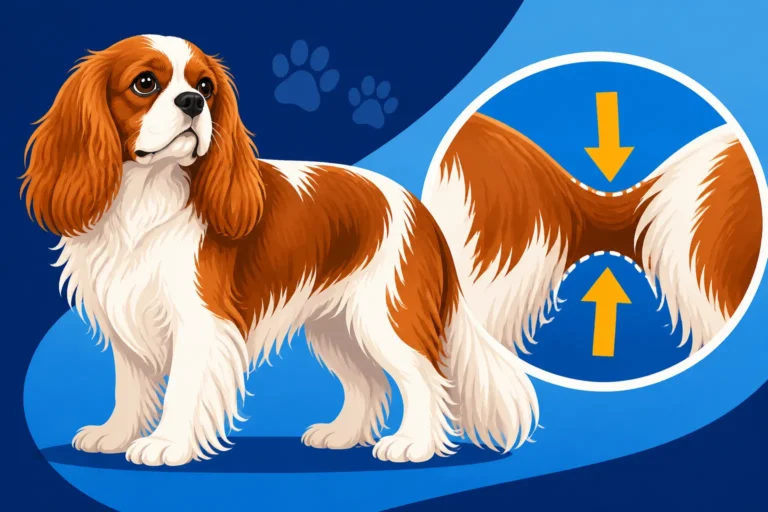
Think of your Cavalier's coat as a sophisticated, natural climate control system. It's not just there for warmth; it's also designed for cooling. The hair creates a layer of air between the skin and the outside environment. This air acts as insulation, slowing the transfer of heat both into and out of the body. In summer, this means it helps to keep the heat out.
When a Cavalier gets hot, their primary method of cooling down is panting. However, their coat also plays a passive role. The air trapped within the coat allows for a natural convection process; as the dog moves, or as air circulates, this layer helps dissipate heat from their body. Removing this coat can actually disrupt this delicate balance. Instead of feeling cooler, your Cavalier's skin becomes directly exposed to the sun's radiating heat, which can make them feel even hotter in direct sunlight than they would with their natural coat. It’s a bit counterintuitive, but nature designed it that way for a reason.
The Downsides of Clipping a Cavalier's Coat
While the intention behind clipping a Cavalier in summer is almost always to help them feel more comfortable, the reality is that it can often do more harm than good. Owners frequently express frustration and regret after seeing the impact on their dog's coat and overall well-being.
Risk of Sunburn and Skin Damage
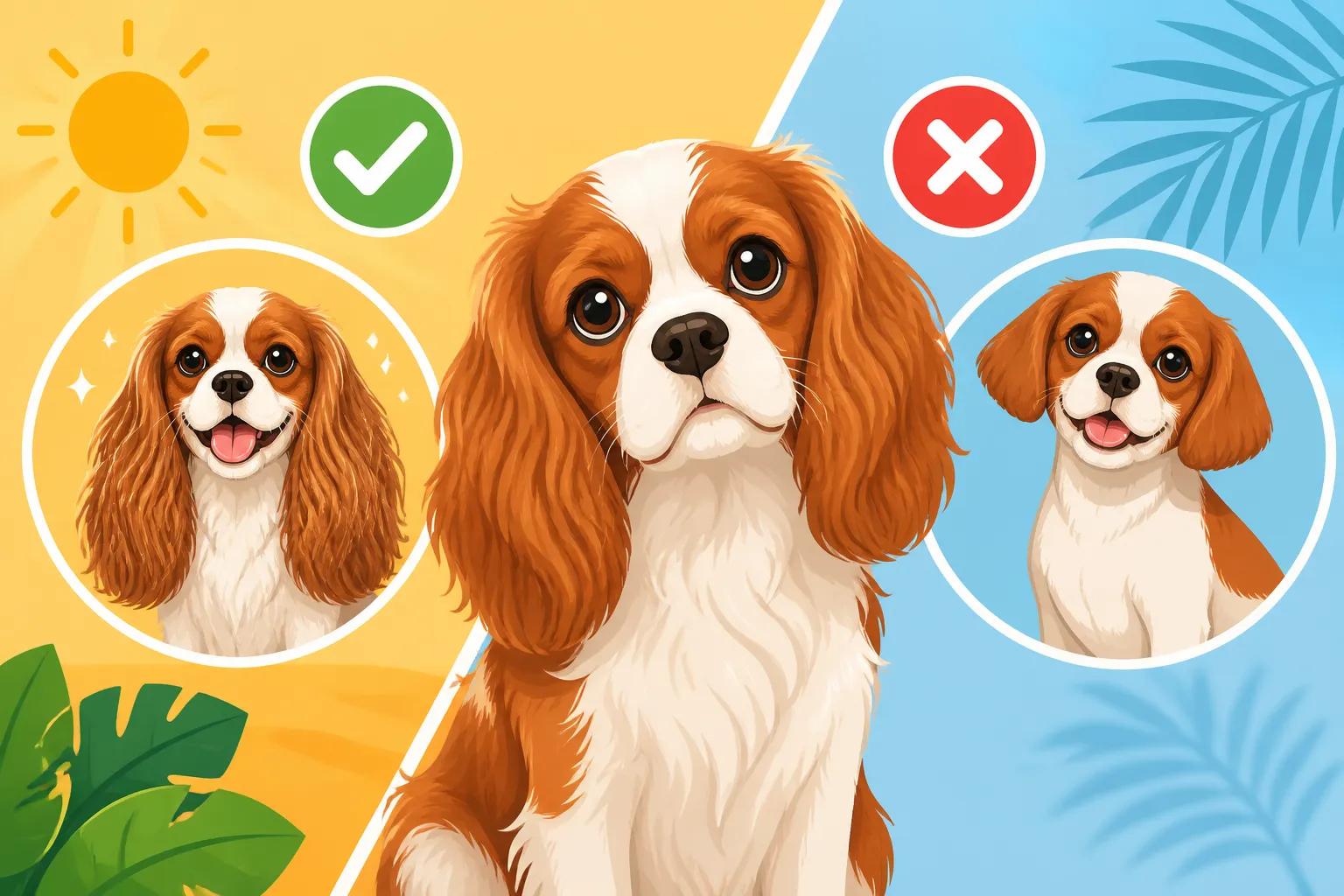
One of the most immediate and concerning risks of clipping a Cavalier's coat short, especially during the sunniest months, is sunburn. Their skin, particularly on the back and head, is not accustomed to direct sun exposure. The coat acts as a natural sunblock. When you remove that protection, you expose their delicate skin to harmful ultraviolet (UV) rays. Just like humans, dogs can get sunburned, leading to painful redness, peeling, and blistering. Beyond the immediate discomfort, repeated sunburn can increase the risk of skin cancer over time.
Imagine spending a day at the beach without sunscreen or a shirt – that's essentially what you're doing to your Cavalier. Their skin is light and sensitive beneath that fur. It's not built to withstand intense sun, and you might find yourself applying dog-safe sunscreen (if you can find one that doesn't upset their skin) or keeping them indoors more, which defeats the purpose of trying to make them more comfortable for outdoor summer activities.
Altering the Coat's Natural Function
As we discussed, a Cavalier’s coat isn't just fur; it's a critical part of their thermoregulation system. Clipping it short disrupts this natural function. Instead of the coat providing a layer of insulation that keeps heat out, their skin is directly exposed to the ambient heat and sun. This can lead to them absorbing more heat, rather than less.
Furthermore, clipping can interfere with the way air circulates around their body, making it harder for them to cool down through convection. Many owners report that their clipped Cavaliers seem to pant more or still seek shade just as much, indicating that the clip didn't provide the relief they hoped for. The coat, when properly maintained and un-matted, allows air to flow through it, creating a cooling effect. A shaved coat loses this crucial airflow dynamic, sometimes trapping heat closer to the skin, especially if the dog is then put into clothing or a harness that covers the shaved area. This can be a real headache for owners trying their best to manage their dog's comfort.
Impact on Coat Health and Texture
Perhaps one of the most disheartening consequences for Cavalier owners is the potential damage to their dog's beautiful coat. Unlike some breeds whose hair grows back exactly the same, clipping a Cavalier can permanently alter the texture of their silky fur. It might grow back coarser, thicker, and sometimes even a different shade. This is often referred to as "clipper alopecia" or "post-clipping alopecia," where the hair follicles are damaged, leading to patchy, uneven, or poor regrowth.
The characteristic soft, flowing feathering that makes a Cavalier so distinctive can be lost, replaced by a cottony, duller, or more wiry texture. This new texture can also be more prone to matting, making future grooming more challenging and less enjoyable for both you and your dog. It takes a very long time for a Cavalier's coat to fully grow back, and sometimes it never completely returns to its original state. Many owners express real regret after clipping their Cavaliers for the first time, wishing they had known about these long-term coat changes. Whether a Cavalier Coat Grows Back After Clipping goes into more detail on what to expect if you do decide to clip.
When Clipping Might Be Considered (and Alternatives)
While a routine summer clip is generally not recommended for Cavaliers, there are specific circumstances where it becomes necessary. More often, a targeted trim or alternative cooling strategies are the best approach.
Addressing Severe Matting or Medical Needs
There are times when clipping isn't a choice but a necessity. If your Cavalier's coat has become severely matted, particularly in areas like the armpits, behind the ears, or around the groin, it’s often more humane to clip the matted areas or even the entire coat short. Mats pull on the skin, causing pain, irritation, and can hide skin infections. Trying to brush out severe matting can be excruciating for your dog. In these cases, a full clip by a professional groomer is the kindest option.
Similarly, a veterinarian might recommend clipping certain areas for medical reasons – for surgery, to treat a skin condition, or to allow for easier application of medication to the skin. These are specific, health-driven decisions, not routine aesthetic choices. If you’re facing severe matting, don’t feel guilty; prioritize your dog’s comfort and health. A good groomer can help you understand the best approach. You can find essential grooming tools like detangling sprays and dematting combs on sites like Chewy or Amazon to help prevent these situations in the first place. Mats in a Cavalier's Armpits and Groin discusses these problem areas in more depth.
Practical Grooming for Summer Comfort
Instead of a full body clip, focus on strategic trimming to keep your Cavalier comfortable and hygienic in the heat. This approach respects the protective function of their coat while managing excess hair.
- Sanitary Trim: This involves carefully trimming the hair around their rear end and belly to prevent waste from sticking and to allow for better air circulation in these crucial areas.
- Paw Pad Trim: Hair between the paw pads can trap dirt, debris, and heat. Trimming this hair can improve grip, prevent matting, and allow heat to escape more easily.
- Hock and Armpit Tidying: While avoiding a full shave, you can ask a groomer to thin or tidy up the longer feathering around the hocks and armpits. These areas are prone to matting and can feel heavy when wet or hot.
- Ear Feathering Maintenance: Long ear feathering can get heavy, trap moisture, and collect debris. A light trim can make them feel lighter and cleaner, though avoid cutting them too short as this feathering also helps protect their ears. Cavalier Ear Care Under a Heavy Drop Ear is a great resource for maintaining ear health.
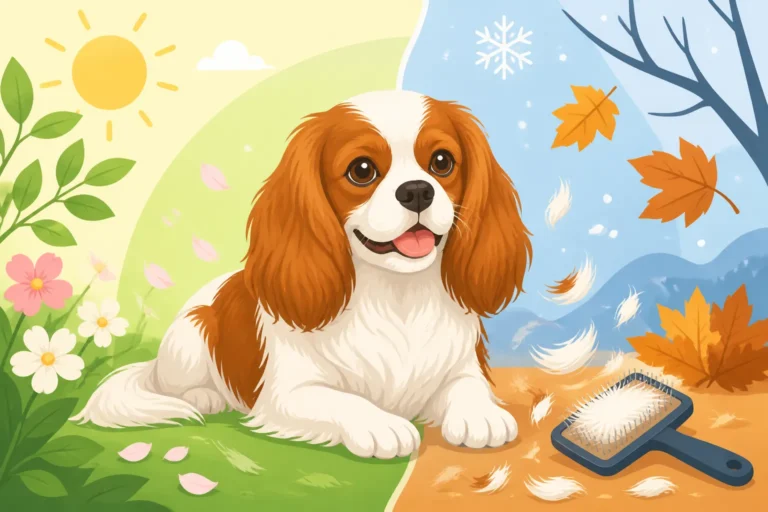
A professional groomer experienced with Cavaliers will know exactly What a Cavalier Groomer Should and Should Not Cut to ensure comfort without compromising the coat's integrity. Regular brushing, three times a week, is also crucial to prevent matting and remove loose hair, which helps with air circulation. Brushing a Cavalier's Feathering Three Times a Week provides a step-by-step guide to maintaining their beautiful coat.
Non-Clipping Cooling Strategies
There are many effective ways to help your Cavalier beat the summer heat without touching their protective coat. These strategies focus on environmental management and smart routines.
- Adjust Walk Times: Avoid walking your Cavalier during the hottest parts of the day. Early mornings and late evenings are much safer and more comfortable. Remember that asphalt and pavement can get incredibly hot, burning paw pads.
- Hydration is Key: Always provide access to fresh, cool water. Consider adding ice cubes to their bowl or offering a frozen treat. Portable water bottles are essential for walks.
- Cooling Products: Many products are designed to help dogs stay cool. Cooling mats are a fantastic option, often available on sites like Chewy or Amazon. Some dogs enjoy cooling bandanas that you soak in water. A damp towel draped over them can also provide temporary relief.
- Indoor Activities: On scorching days, keep playtime indoors in air conditioning or a fan-cooled room. Mental stimulation with puzzle toys can be just as tiring as a physical walk.
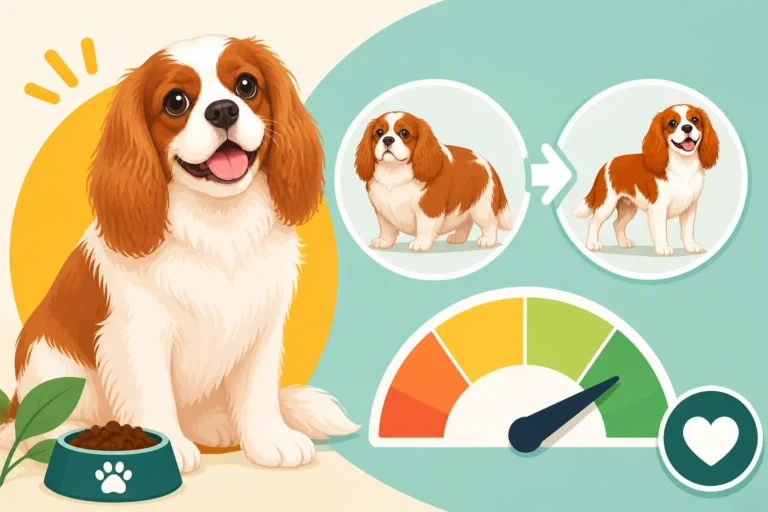
- Healthy Weight Management: An overweight Cavalier will struggle significantly more in the heat. Maintaining a healthy weight is paramount for their comfort and overall health, especially given their predisposition to heart issues. Keeping a Cavalier at a Weight Its Heart Can Carry offers advice on this vital topic. Consider fresh food services like Ollie which can help you portion meals precisely and manage ingredients, contributing to a healthier weight profile.
- Swimming/Wading: If your Cavalier enjoys water, a shallow kiddie pool in the shade or a swim in a safe, clean body of water can be a wonderful way to cool down. Always supervise closely.
By implementing these strategies, you can ensure your Cavalier stays comfortable and safe through the summer without resorting to a clipper. Whether a Cavalier Struggles in Heat delves deeper into managing your Cavalier in warmer weather.
Making the Best Decision for Your Cavalier
Ultimately, the decision regarding your Cavalier's summer grooming rests with you, but it should be an informed one that prioritizes their health and comfort above all else. Understanding your dog's specific needs and leaning on professional advice are crucial steps.
Consulting with a Professional Groomer or Vet
Before making any decisions about clipping your Cavalier, talk to a professional. A reputable groomer who has experience with Cavalier King Charles Spaniels can assess your dog's coat condition, discuss your concerns, and offer tailored advice. They can suggest appropriate trims that will provide relief without removing the necessary protective layer. They can also advise on the best brushes and combs to manage their coat through the summer months, which you can often purchase from local pet stores or online retailers like Amazon.
Your veterinarian is another invaluable resource. If your Cavalier has underlying health conditions, such as heart disease (which many Cavaliers are prone to, as discussed in Mitral Valve Disease in the Cavalier King Charles Spaniel), they might be more susceptible to overheating. Your vet can provide guidance on heat management tailored to their specific health profile and help you differentiate between normal panting and signs of distress.
Observing Your Cavalier's Individual Needs
Every Cavalier is an individual. While the breed standard suggests against clipping, some dogs might genuinely struggle more with heat due to their individual coat thickness, health status, or even where you live. Pay close attention to your Cavalier's behavior in warm weather.
Signs of overheating include:
- Excessive panting
- Drooling
- Rapid heart rate
- Red gums
- Lethargy or weakness
- Stumbling or incoordination
- Vomiting or diarrhea
If you observe any of these signs, move your dog to a cooler environment immediately, offer water, and contact your vet. Your Cavalier's comfort and safety are paramount. Trust your instincts as an owner, but always cross-reference them with expert advice to make the best, most loving choice for your cherished companion.
Summer Grooming Options for Cavaliers
| Grooming Action | Description | Pros | Cons | Best Use Case |
|---|---|---|---|---|
| Full Body Clip | Shaving the entire coat very short (e.g., 1/4 inch or less) | Immediate, drastic reduction of hair; can make medical treatments easier | High risk of sunburn; alters coat texture; can reduce natural cooling; potential for clipper alopecia | Severe matting; urgent medical necessity; specific vet recommendation |
| Strategic Trim | Trimming specific areas like sanitary, paw pads, hocks, ear feathering | Improves hygiene; reduces matting in high-friction areas; minimal disruption to coat's function | Less dramatic cooling than a full clip; still requires regular maintenance | General summer comfort; hygiene management; preventing matting |
| Natural Coat | Maintaining the coat at its natural length with regular brushing and care | Preserves natural protection from sun and heat; maintains coat texture | Requires consistent brushing to prevent mats; can feel heavy if not well-maintained | Most Cavaliers under normal circumstances; active, outdoor dogs (with care) |
Disclaimer
This article is for general informational purposes only and does not constitute professional advice. Laws, prices and regulations vary by location and change over time. Consult a qualified professional for guidance on your specific situation.