Why a Cavalier Coat Changes at a Year
It’s a common, and sometimes quite startling, experience for Cavalier King Charles Spaniel owners: your sweet, fluffy puppy suddenly hits the one-year mark, and their beautiful, soft coat starts to look… different. Maybe it’s a bit wavier, feels coarser, or seems prone to matting in ways it never was before. This shift is perfectly normal, but it can certainly catch you off guard, making you wonder if you’re doing something wrong. This guide is here to explain why your Cavalier’s coat changes around their first birthday, what to expect as they mature, and how best to care for their evolving locks.
The Puppy Fluff Fades: Why the Coat Matures
That adorable, cloud-like softness your Cavalier had as a puppy is, quite literally, a baby coat. Just like human children shed their fine baby hair for a more robust adult mane, your Cavalier undergoes a similar transformation. It’s a natural part of their development, signaling their transition from a frolicking youngster to a distinguished adult. Many owners are surprised because the change isn't always gradual; sometimes it feels like it happens overnight, or you suddenly notice new textures and challenges.
The "Baby" Coat vs. Adult Coat Structure
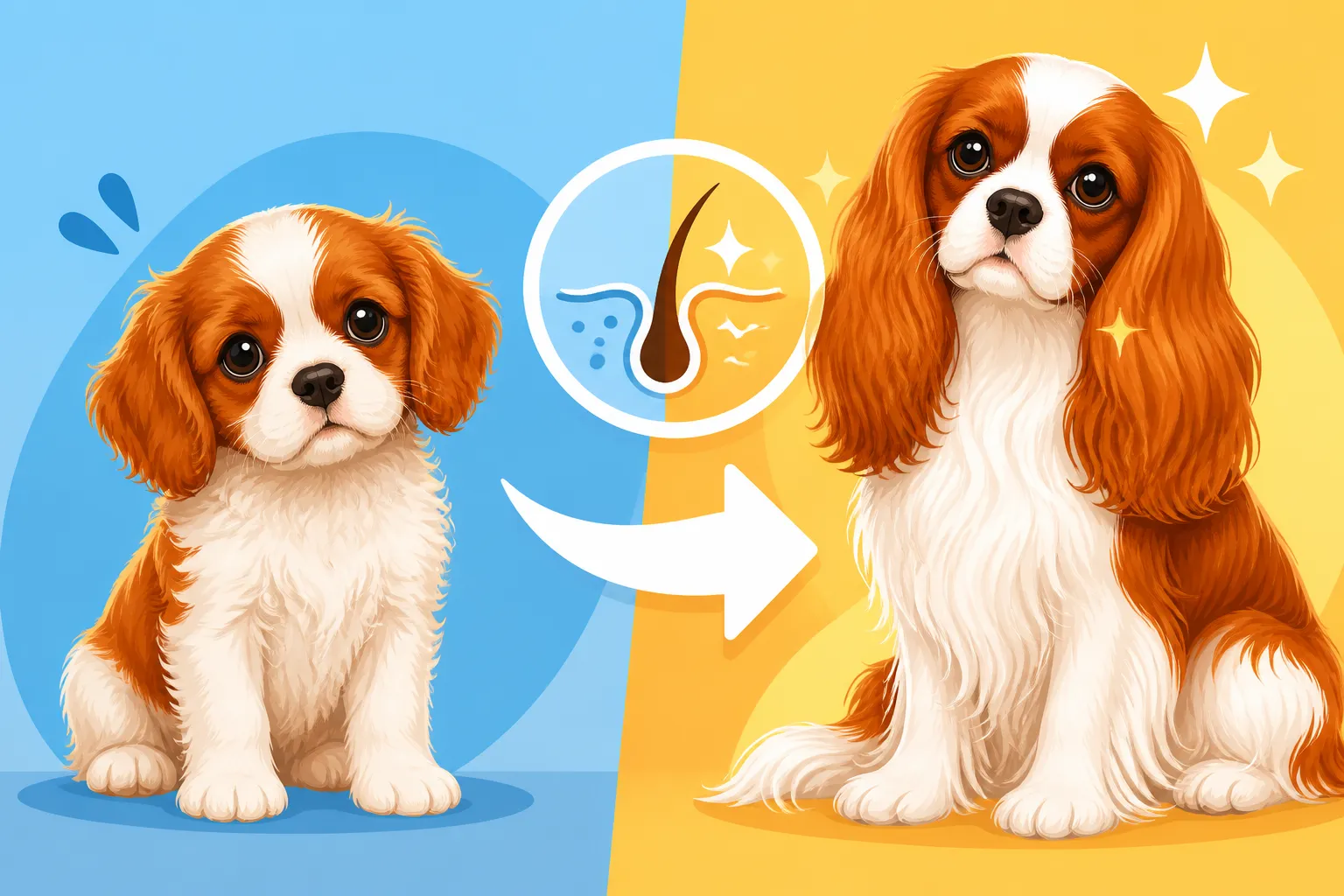
Think of a Cavalier puppy's coat as a single layer of fine, soft, wispy hair. It's relatively easy to manage, doesn't typically mat too badly (unless severely neglected), and feels incredibly silky to the touch. This "puppy fuzz" serves them well in their early months, providing warmth and protection without the full density or length of an adult coat.
As your Cavalier approaches their first birthday, and sometimes extending to 18 months or even two years, this puppy coat starts to shed out. In its place, the thicker, silkier, and often wavier adult coat begins to grow in. This adult coat is characterized by its longer feathering on the ears, chest, legs, and tail, which becomes the hallmark of the breed. It has a different texture – still soft and silky, but with more body and a natural wave that wasn’t as prominent in the puppy stage. It's denser and designed to offer better protection against the elements, reflecting the breed's historical role as a companion dog in various settings. This new growth also means new challenges, particularly when it comes to keeping those beautiful feathers free of tangles.
Timing of the Transition
While "around a year" is the general timeframe, the exact timing can vary from dog to dog. Some Cavaliers might start transitioning earlier, around eight or nine months, while others might hold onto their puppy fluff a bit longer, sometimes until they're nearly two years old. It’s not a uniform process, and you might notice different areas of the body changing at different rates. For instance, the feathering on their ears might start to lengthen and thicken long before their body coat truly matures.
During this transition, it’s not uncommon for your Cavalier’s coat to look a bit awkward. You might see patches of the finer puppy coat alongside the coarser new growth, or areas where it seems thinner than before. This "ugly duckling" phase is completely normal and temporary. It’s simply your dog's body making space for the grand, flowing adult coat that defines the breed. Understanding this timing helps manage expectations and ensures you don't panic thinking something is wrong with your dog's health when it's just nature taking its course.
Genetic Predisposition and Coat Type
Genetics play a significant role in not only when the coat changes but also how it ultimately looks and feels. Cavaliers can have slightly different coat types based on their genetic lineage. Some might develop an incredibly lush, thick coat with abundant feathering, while others might have a slightly sparser, flatter coat. Both are perfectly acceptable within the breed standard, but they will present different grooming needs.
For example, a Cavalier predisposed to a very thick, long coat might experience more dramatic matting during the transition phase because there's simply more hair to shed and regrow. A Cavalier with a naturally wavier coat might find their adult fur tangling more easily than one with a straighter, flatter coat. Observing your dog's parents, if possible, can sometimes offer clues as to what their adult coat might look like, but even then, individual variation exists. Whether Feathering Differs Between Cavalier Colors can also sometimes influence perceived thickness or texture, though the underlying genetic disposition is the primary factor. Knowing your dog's genetic tendencies can help you prepare for the specific grooming demands of their adult coat.
Hormonal Shifts and Their Impact on Coat Quality
Beyond simply shedding the puppy coat, your Cavalier's maturing hormones play a crucial role in the development and ultimate quality of their adult fur. These internal changes can significantly influence texture, density, and even the tendency for matting. It's not just about age; it's about what's happening inside their body.
Influence of Spaying/Neutering
One of the most noticeable hormonal impacts on a Cavalier's coat can come from spaying or neutering. While these procedures are vital for population control and preventing certain health issues, they can sometimes lead to a phenomenon known as "spay coat" or "neuter coat." This is particularly common in breeds with silky, medium-length coats like Cavaliers.
After spaying or neutering, the sudden shift in hormones (specifically the reduction of sex hormones) can cause the coat to grow thicker, longer, and often much softer, almost like a permanent puppy fluff. While this might sound lovely, it can also make the coat more challenging to manage. This softer, denser undercoat can become incredibly prone to matting, especially behind the ears, in the armpits, and around the tail. Owners often find themselves battling more frequent and stubborn tangles. This isn't a guaranteed outcome for every spayed or neutered Cavalier, but it's a common enough occurrence that it's worth being aware of. If you notice your dog's coat becoming particularly woolly or cottony after their surgery, you’re likely experiencing this common side effect, which necessitates more diligent grooming. Whether a Spayed Cavalier's Feathering Turns Fluffy goes into more detail on this specific phenomenon.
Natural Hormonal Development
Even if your Cavalier isn't spayed or neutered, their natural hormonal development as they mature from puppyhood to adulthood influences their coat. As they reach sexual maturity, their body starts producing adult levels of various hormones, which signal the end of puppy coat growth and the beginning of adult coat development. These hormones regulate hair growth cycles, affecting density, length, and texture.
For intact males, testosterone can lead to a slightly coarser, more robust coat compared to the often silkier coat of intact females or spayed/neutered dogs. Females, particularly if they go through heat cycles, might experience coat changes related to their reproductive hormones, sometimes shedding more heavily or having slight texture variations around their cycles. These are all part of a healthy, naturally developing dog. The key is recognizing that the coat is a living, growing part of your dog, influenced by their internal chemistry, much like our own hair changes with age or hormonal shifts.
Nutritional Needs During Coat Maturation
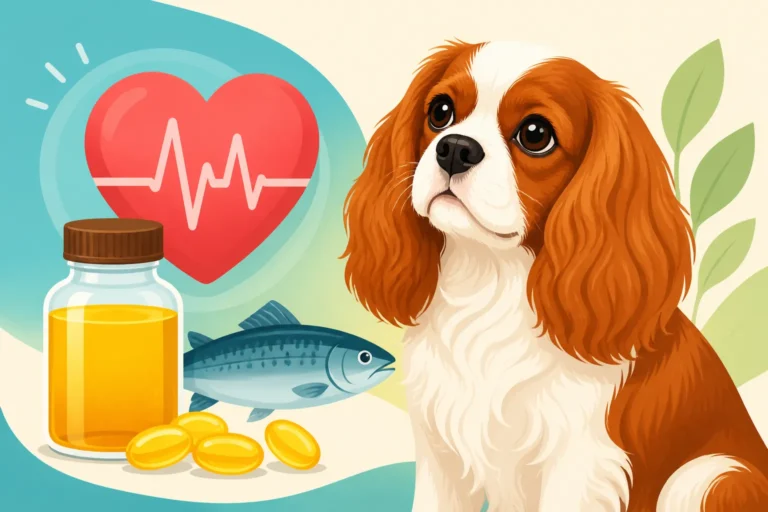
A healthy coat, regardless of its stage of development, relies heavily on good nutrition. As your Cavalier's coat transitions from puppy fluff to adult silk, their nutritional needs remain crucial for supporting healthy hair growth. A diet rich in high-quality protein, essential fatty acids (like Omega-3 and Omega-6), and vitamins is vital.
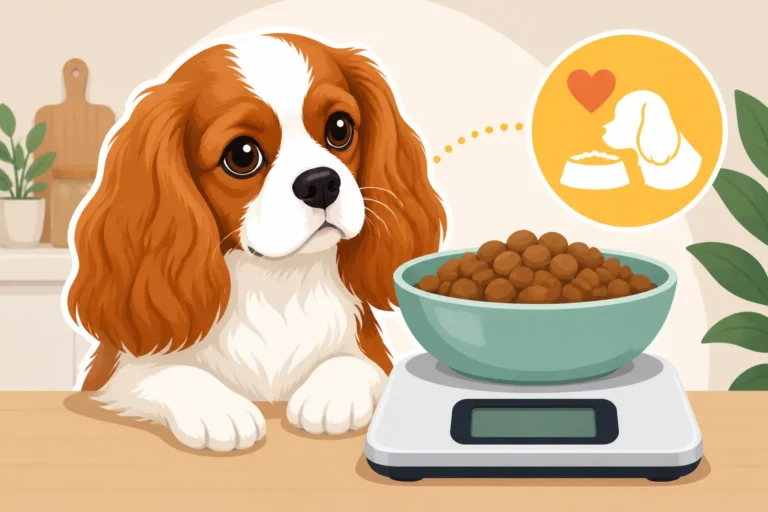
Consider ingredients like salmon oil, flaxseed, or specialized skin and coat supplements that contain biotin or zinc. These can help promote a strong, shiny coat and reduce dryness or excessive shedding. If your Cavalier is eating a kibble, check the ingredient list for quality protein sources and healthy fats. Some owners explore fresh food options, like those from Ollie, which can be tailored to specific needs and often contain nutrient-dense ingredients that benefit skin and coat health. Ensure your dog is getting the right amount of food for their age and activity level; How Much to Feed an Adult Cavalier Daily is a great resource. A poor diet, lacking in essential nutrients, can manifest as a dull, dry, brittle coat that mats more easily and sheds excessively, regardless of age or hormonal status. So, supporting their coat from the inside out is just as important as external grooming.
Caring for the Transitional and Adult Cavalier Coat
As your Cavalier's coat matures, your grooming routine needs to mature with it. That once-easy puppy fluff is now giving way to longer, denser feathering that demands a bit more attention. Without proper care, mats can form quickly and become quite stubborn, causing discomfort for your dog and a headache for you.
Grooming Strategies for the Changing Coat
The golden rule for a maturing Cavalier coat is consistent, thorough brushing. What might have been a quick five-minute brush every few days for a puppy might now need to be a more dedicated effort, ideally every other day, or even daily during peak shedding or matting periods. You'll need the right tools: a good quality pin brush for getting through the main body and feathering, and a metal comb (preferably a greyhound comb with both wide and narrow teeth) for detailing and finding hidden mats.
Start by line brushing: part the hair and brush in sections, ensuring you get right down to the skin. This prevents surface brushing that only smooths the top layer while mats form underneath. Pay particular attention to high-friction areas: behind the ears, under the armpits, in the groin, and around the tail. These are prime locations for mats to develop. If you find a mat, don't pull! Gently work it apart with your fingers, then use the wide teeth of your comb, followed by the pin brush. For really stubborn tangles, a detangling spray can be a lifesaver. You can find excellent quality brushes, combs, and detangling sprays on Amazon or Chewy. Brushing a Cavalier's Feathering Three Times a Week offers a more in-depth look at this essential routine.
Dealing with Matting and Shedding
Matting is the bane of many Cavalier owners' existence, especially during the coat transition and in dogs with "spay coat." When the finer puppy hair sheds out but gets caught in the new adult growth, or when the adult coat itself tangles, mats form. These aren't just cosmetic issues; mats can pull on the skin, causing pain, irritation, and even skin infections if left untended. Severe matting might necessitate a professional groomer to shave the affected areas, which can be upsetting for owners who cherish their Cavalier's flowing coat. Mats in a Cavalier's Armpits and Groin focuses on these common trouble spots.
Shedding also changes. While Cavaliers aren't heavy seasonal shedders like some double-coated breeds, they do shed year-round, and you might notice an increase during the coat change phase. Regular brushing helps to remove loose hair, distributing natural oils and stimulating new, healthy growth. It also means less hair on your furniture and clothes! If you notice excessive shedding that seems unusual, or bald patches, it's always worth a vet check to rule out underlying health issues, but generally, increased shedding during the transition is normal. Cavalier Shedding on Dark Furniture discusses managing this.
Product Recommendations for a Healthy Coat
Beyond brushes and combs, a few other products can make a huge difference in maintaining your Cavalier's coat health and appearance:
- Shampoo and Conditioner: Choose mild, moisturizing shampoos and conditioners formulated for dogs. Avoid harsh chemicals that can strip natural oils, leading to dry, brittle hair that mats more easily. A good conditioner helps detangle and adds shine. Shampoo for a Cavalier's Silky Coat gives specific advice.
- Detangling Spray: These are invaluable for working through minor tangles or using as a preventative measure during brushing. Spritz a little on problem areas before you start combing.
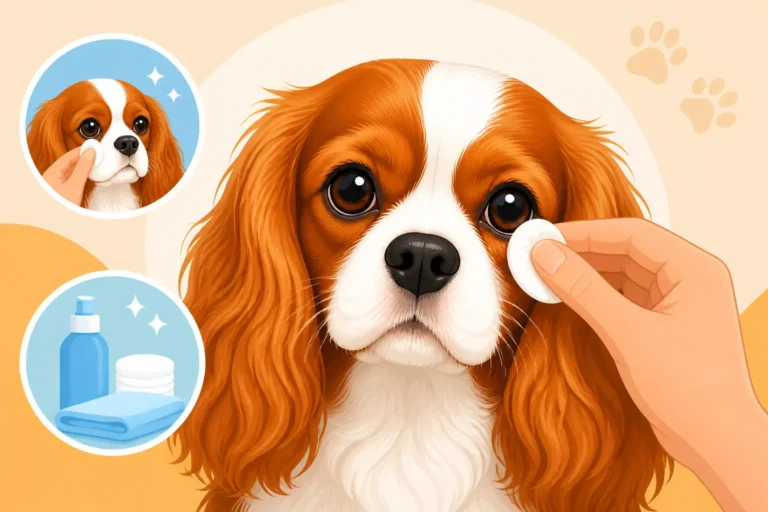
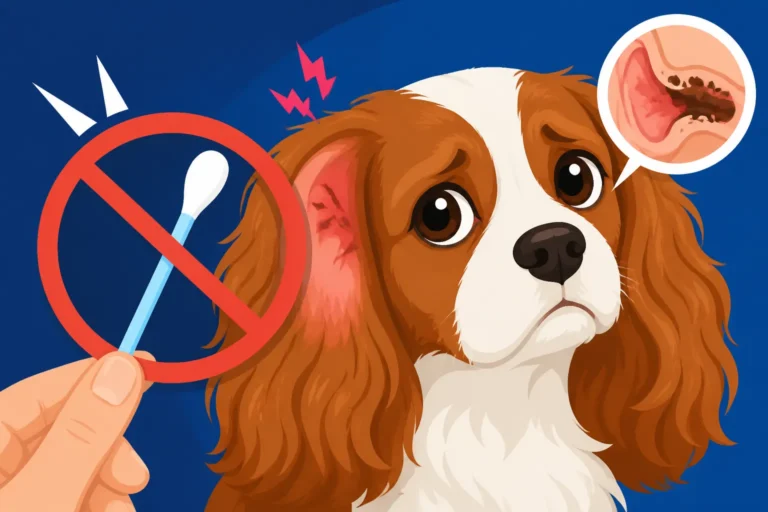
- Ear Cleaners: With that glorious ear feathering, Cavalier ears need regular attention. Cleaning under the ear flap and ensuring the canal is clear is crucial to prevent infections, which can sometimes be mistaken for other issues. Cavalier Ear Care Under a Heavy Drop Ear is an excellent resource here.
- Snoods: For meals, walks in damp weather, or simply keeping those beautiful ear feathers out of trouble, a snood is a must-have for many Cavalier owners. It protects the ears from food, dirt, and matting.
You don't need dozens of products, but having a few high-quality basics and using them consistently will ensure your Cavalier’s coat remains healthy, beautiful, and manageable throughout their adult life. Embracing this new grooming routine is part of the joy and responsibility of owning such a wonderfully coated breed.
What to Expect: Common Coat Changes and Concerns
As your Cavalier's coat matures, you'll witness a fascinating transformation. While generally a positive development towards their signature look, it also brings specific changes and sometimes raises concerns for owners. Being prepared for these can make the journey smoother.
Changes in Texture and Volume
The most evident change will be in texture and volume. That fine, almost wispy puppy coat gives way to a denser, silkier adult coat that often has a more pronounced wave, particularly over the back and on the feathering. The feathering on the ears, chest, legs, and tail will become significantly longer and fuller, creating the classic Cavalier silhouette. This increased volume is beautiful, but it's also why those key areas become more prone to matting.
You might also notice the coat appears shinier once it fully matures, as the adult hair shafts are often healthier and reflect light better. However, a dense, voluminous coat also means more shedding, even if it's not a heavy, seasonal "blow-out." Consistent brushing helps manage this, pulling out dead hair before it falls around your home.
| Characteristic | Puppy Coat | Adult Coat |
|---|---|---|
| Texture | Fine, soft, wispy | Silky, denser, often with a natural wave |
| Length | Shorter overall, minimal feathering | Longer feathering on ears, chest, legs, tail |
| Volume | Less dense, lighter | More voluminous, richer body to the coat |
| Matting Tendency | Low (unless severely neglected) | Higher, especially in feathering and friction areas |
| Grooming Needs | Less frequent, lighter brushing | More frequent, thorough brushing; detangling tools essential |
Color Variations and Pigmentation
While the primary colors and markings of your Cavalier were established at birth, some subtle color variations can occur as the coat matures. For Blenheim Cavaliers, the chestnut markings might deepen slightly in richness. Tricolors might see their black patches become a more intense, glossy black, and the tan points become more defined. Rubies and Black and Tans might also develop a richer, deeper hue as their adult coat grows in.
You might also notice slight changes in nose or paw pad pigmentation, though this is less common than coat color shifts. Sometimes, a puppy with a slightly pinkish nose might see it darken to solid black as they mature. These subtle changes are part of their overall development and are usually nothing to worry about. However, any sudden or dramatic loss of pigmentation in the nose or around the eyes (unless age-related in a very senior dog) should always be mentioned to your vet.
When to Consult Your Vet or Groomer
While most coat changes at the one-year mark are normal and healthy, there are instances where professional advice is warranted.
- Excessive Hair Loss or Bald Patches: If your Cavalier is losing significant amounts of hair in specific areas, or developing bald spots, this is not a normal part of coat maturation. It could indicate skin allergies, parasites, hormonal imbalances (beyond normal maturation), or even an underlying medical condition. A vet visit is essential to diagnose and treat this.
- Dull, Brittle, or Greasy Coat: A healthy Cavalier coat should be shiny and soft. If it appears consistently dull, feels brittle, or is excessively greasy despite regular bathing and a good diet, it could signal nutritional deficiencies, skin issues, or other health problems.
- Persistent Skin Irritation: If your dog is constantly scratching, licking, or biting at their coat, and you see redness, flakiness, or sores, there's likely an issue beyond normal coat change. This could be allergies, infections, or external parasites.
- Severe Matting You Cannot Manage: While mats are common, if you find yourself unable to keep up with them, and they are causing your dog discomfort or skin issues, it's time to call a professional groomer. They can humanely remove the mats and advise you on a more manageable grooming routine, potentially even suggesting a shorter clip in heavily matted areas to allow healthy regrowth. Remember, a groomer is there to help, not to judge. They have specialized tools and techniques for safely dealing with tangled coats. Grooming a Cavalier That Hates the Table can also provide tips if your dog is resistant to grooming.
By being observant and proactive, you can ensure your Cavalier's coat remains a source of pride and comfort for them, beautifully reflecting their health and happiness as they enter adulthood.
Disclaimer
This article is for general informational purposes only and does not constitute professional advice. Laws, prices and regulations vary by location and change over time. Consult a qualified professional for guidance on your specific situation.