A Cavalier That Skips on One Back Leg
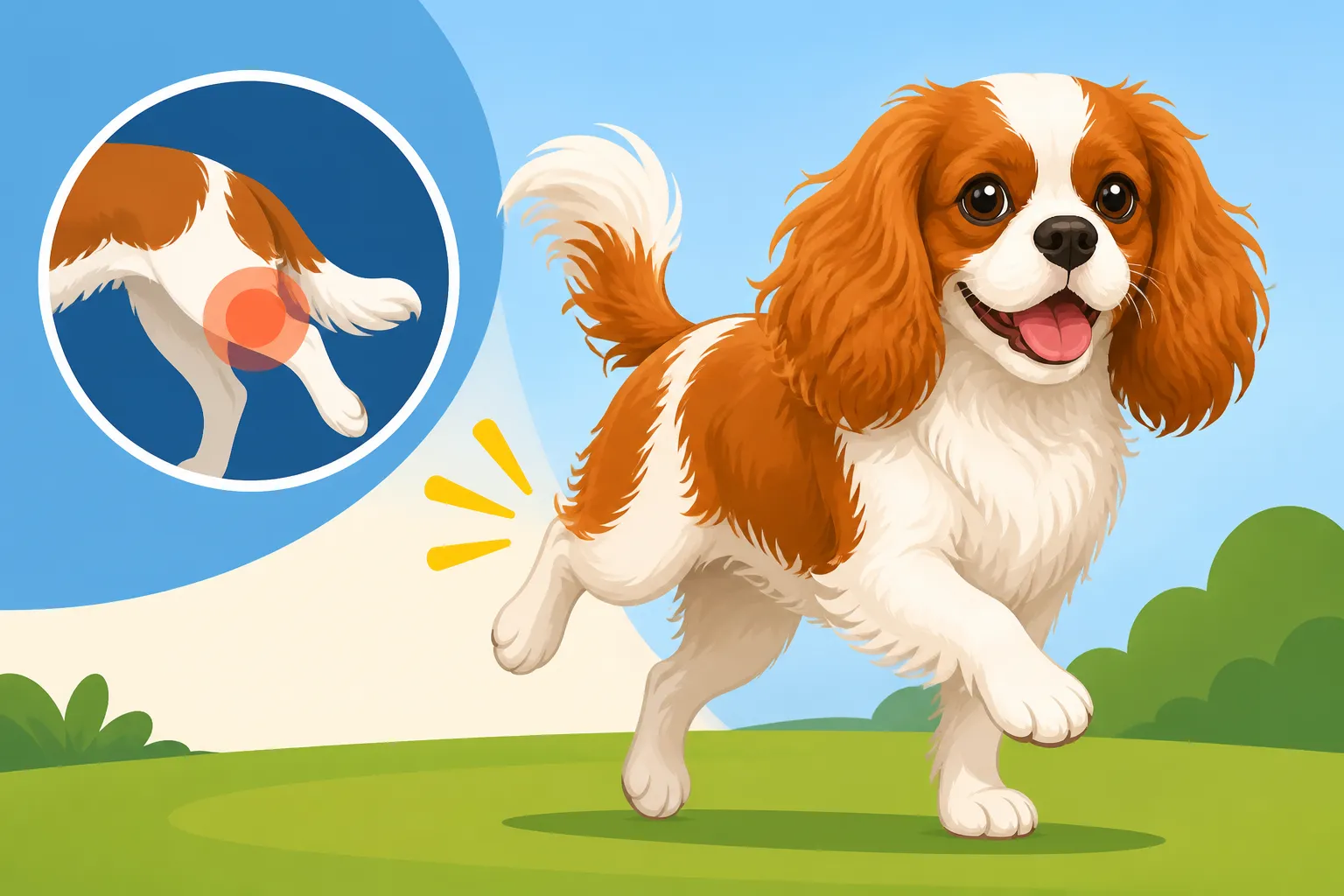
It can be truly alarming and heartbreaking to watch your precious Cavalier King Charles Spaniel suddenly pick up a back leg, skip a few steps, and then carry on as if nothing happened, only to repeat the motion again later. This seemingly quirky hop, often dismissed initially, is a common red flag for a condition known as patellar luxation, and understanding what's going on and how to help your beloved companion is crucial for their long-term comfort and mobility.
Understanding Patellar Luxation in Cavaliers
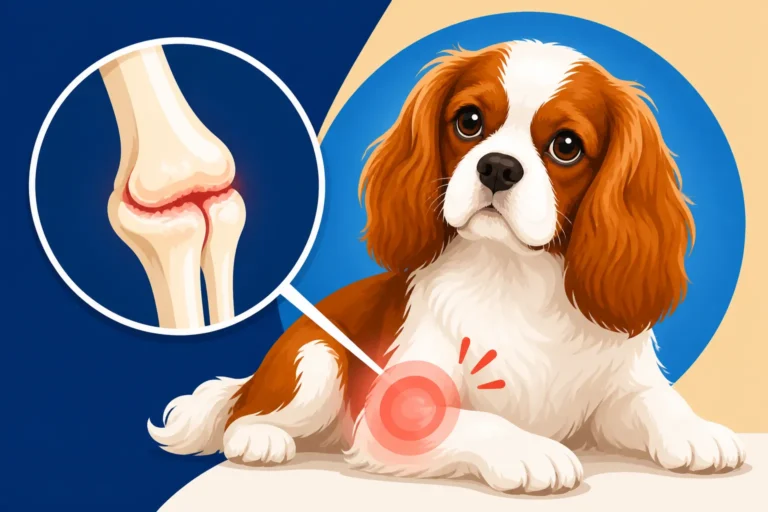
Patellar luxation is a fancy term for a kneecap that slips out of its normal groove. Imagine your own kneecap; it's designed to track smoothly up and down a little valley at the end of your thigh bone (femur) when you bend and straighten your leg. In Cavaliers, especially due to their small size and often inherited structural predispositions, this groove can be too shallow, or the alignment of the bones in the leg can be off, causing the kneecap (patella) to pop out of place. It’s a bit like a train jumping its tracks.
This condition is incredibly prevalent in toy breeds, and our sweet Cavaliers are certainly no exception. It's often genetic, meaning puppies can be born with the anatomical quirks that make them susceptible. While you might not see signs immediately in a young puppy, the issue can become more apparent as they grow and put more strain on their joints. It’s not just an inconvenience; it can lead to pain, arthritis, and even more serious orthopedic issues down the line. Many owners worry about general joint issues, and it's important to differentiate specific problems. For a broader look at common orthopedic concerns, check out our guide on Cavalier Knees, Hips and Joint Problems.
Why Cavaliers Are Prone to This Condition
The Cavalier King Charles Spaniel, like many small breeds, has certain conformational traits that increase their risk of patellar luxation. Their small stature often means slightly altered bone angles compared to larger dogs, and a shallow trochlear groove (that "valley" where the kneecap sits) is a common inherited characteristic. Breeders who are dedicated to the health of the breed work diligently to screen their dogs, but it's a persistent issue in the toy dog world.
The kneecap can luxate (slip) either medially (towards the inside of the leg) or laterally (towards the outside). Medial luxation is far more common in Cavaliers and other small breeds. When the patella slips out, it can cause the leg to lock up briefly, which is why you see that characteristic skip or bunny hop. The dog will often extend the leg backward to pop the kneecap back into place, and then they're off again. While it might look minor, each time the kneecap slips, it can cause wear and tear on the cartilage and bones, leading to inflammation and discomfort over time.
The Genetic Component and Early Development
Because patellar luxation is largely hereditary, if you're looking for a Cavalier puppy, it's vital to choose a breeder who actively screens their breeding dogs. Responsible breeders will have their dogs examined by a veterinarian, often an orthopedic specialist, to check for patellar luxation and other genetic conditions. They should be able to provide health clearances for the parents. Even with careful breeding, sometimes the genetics are complex, and a puppy from seemingly clear parents might still develop the condition.
The problem usually starts to manifest between 4 months and 2 years of age, but sometimes earlier or later. It might be a mild, occasional skip at first, which many owners initially miss or attribute to puppy exuberance. However, it's important not to ignore these early signs, as early intervention or management can make a significant difference in your Cavalier's long-term well-being. This early stage is also why some owners don't realize their dog might have a pre-existing condition when they go to get pet insurance, which can be a real headache. To understand the importance of early coverage, you might want to read about Insuring a Cavalier Before the Murmur Arrives.
Signs and Symptoms: Beyond Just a Skip
While the "skip" is the most iconic sign of patellar luxation, it's certainly not the only one. Cavaliers are often stoic, and they might try to hide their discomfort. Being observant of their movement and behavior can help you catch the issue early and seek veterinary attention promptly. The progression of symptoms can vary greatly from dog to dog, depending on the severity of the luxation and how long it has been present.
Sometimes, the skip is very subtle, almost like they just stumble for a second. Other times, it's a dramatic hop, where they hold up the leg for several steps before putting it down again. You might notice them favoring a leg, or even trying to avoid putting weight on it altogether after a particularly vigorous play session. It's essential to understand that this isn't just a funny habit; it's a physical symptom of an underlying issue.
Recognizing the Tell-Tale Skip and Other Gait Abnormalities
The classic sign is the intermittent "skip," where your Cavalier will suddenly hold one back leg up for a few steps, then extend it backwards or shake it, and put it back down, resuming normal movement. This is typically when the kneecap pops out and then pops back in. For some Cavaliers, this might only happen occasionally, perhaps after a burst of excitement or when getting up from a nap. For others, it can happen multiple times during a single walk.
Beyond the skip, look for other changes in their gait:
- Intermittent lameness: They might limp occasionally, especially after exercise. This is a common indicator, and you can learn more about it in A Cavalier Limping After Play.
- Reluctance to jump: They might hesitate before jumping onto furniture, into the car, or even up stairs.
- "Bow-legged" or "knock-kneed" appearance: In some cases, chronic patellar luxation can lead to a visible change in leg conformation.
- Pain signals: Whining, yelping when touched near the knee, or excessive licking of the knee area.
- Reduced activity: They might seem less enthusiastic about walks or playtime.
It’s easy to dismiss these things, especially if your Cavalier is otherwise happy and active, but consistent observation is key. Many owners report seeing their Loose Kneecaps in a Thirteen-Pound Cavalier manifest with exactly these subtle signs.
Progression of Symptoms and Associated Issues
If left untreated, patellar luxation can worsen over time. The constant rubbing of the kneecap over the bone can erode cartilage, leading to painful osteoarthritis. This isn't a quick process, but it's an inevitable one with untreated luxation. The body tries to compensate, leading to muscle imbalances and strain on other joints. In severe cases, it can even predispose your Cavalier to a cranial cruciate ligament tear, which is a much more complex and painful injury that often requires extensive surgery.
A Cavalier with chronic patellar luxation might also develop a reluctance to bear weight on the affected limb, leading to muscle atrophy (wasting) in that leg. You might notice one thigh looks thinner than the other. This muscle weakness, in turn, can make the kneecap even more prone to luxation, creating a vicious cycle. Addressing the issue early can help prevent these secondary complications and ensure your Cavalier enjoys a comfortable, active life for as long as possible.
Diagnosis and Grading Your Cavalier's Condition
When you notice your Cavalier skipping, the first and most important step is a visit to your veterinarian. They will perform a thorough physical examination, focusing on orthopedic assessment. Don't be surprised if your vet gently manipulates your dog's kneecaps; this is a standard part of diagnosing patellar luxation. They're feeling to see if the kneecap slips out of its groove and, if so, how easily.
This manual examination is often sufficient to diagnose patellar luxation, but X-rays might also be recommended. While X-rays don't directly show the kneecap slipping, they can provide valuable information about the overall bone alignment, the depth of the trochlear groove, and any signs of arthritis that may have developed. This comprehensive assessment allows your vet to accurately grade the severity of the luxation.
The Veterinary Examination: What to Expect
During the physical exam, your vet will observe your Cavalier's gait, check their range of motion, and palpate (feel) their stifle (knee) joint. They'll gently extend and flex the knee, applying pressure to try and displace the patella. This helps them determine if the kneecap is luxated and, if so, in which direction (medial or lateral) and how easily it can be moved. They'll also be looking for any signs of pain or discomfort during this process.
It's helpful to describe to your vet exactly what you've observed: when the skipping occurs, how often, if it seems painful, and if there are any other behavioral changes. Sometimes, luxation can occur in both knees, even if you've only noticed signs on one side. Your vet will examine both hind legs to get a complete picture. This hands-on assessment is crucial for understanding the extent of the problem and forming a diagnostic plan.
Understanding the Four Grades of Patellar Luxation
Patellar luxation is graded on a scale of 1 to 4, with Grade 1 being the mildest and Grade 4 the most severe. This grading system helps veterinarians determine the best course of action and gives you an idea of what to expect. You can delve deeper into this in our detailed article, The Four Grades of Cavalier Patellar Luxation.
Here's a quick overview:
| Grade | Description | Clinical Signs |
|---|---|---|
| Grade 1 | The patella can be manually luxated but returns to its normal position spontaneously when released. | Usually asymptomatic, or occasional skipping, especially when excited. May be difficult to detect without careful palpation. |
| Grade 2 | The patella luxates spontaneously with joint movement or manual manipulation, and remains luxated until manually replaced or the dog extends the leg. | Frequent skipping, sometimes holding the leg up for longer periods. May develop mild lameness and early signs of arthritis. |
| Grade 3 | The patella is luxated most of the time but can be manually returned to its normal position. | Persistent lameness, a crouching gait, or bowing of the legs. Significant discomfort and noticeable functional impairment. |
| Grade 4 | The patella is permanently luxated and cannot be manually returned to its normal position. | Severe, chronic lameness, inability to extend the knee joint, significant limb deformity, and severe osteoarthritis. |
Your vet will explain which grade your Cavalier falls into and what that means for their prognosis and treatment options. It's important to remember that these grades aren't always static; a Grade 1 can progress to a Grade 2 over time, especially without proper management.
Management and Treatment Options
Once your Cavalier has been diagnosed with patellar luxation and the grade has been determined, your vet will discuss the various management and treatment options. These generally fall into two categories: conservative management (non-surgical) and surgical correction. The best approach for your Cavalier will depend on the grade of luxation, your dog's age, overall health, and your family's lifestyle.
It's a big decision, and you might feel overwhelmed, especially if surgery is recommended. Take your time, ask questions, and make sure you understand all the pros and cons. Remember, the goal is always to improve your Cavalier's quality of life and prevent further deterioration of the joint.
Conservative Management for Mild Cases
For Cavaliers with Grade 1 or sometimes Grade 2 patellar luxation, especially if they are not showing significant pain or lameness, conservative management might be the first line of defense. This approach focuses on strengthening the muscles around the knee, weight management, and pain relief.
Key components of conservative management include:
- Weight Management: Keeping your Cavalier at a healthy weight is paramount. Excess weight puts additional strain on all joints, including the knees, exacerbating luxation and accelerating arthritis. If your Cavalier tends to gain weight easily, discuss a low-calorie diet plan with your vet. We have an article on Diets Aimed at an Old Cavalier's Knees that offers some great insights into joint-friendly nutrition.
- Controlled Exercise: Low-impact exercises, like leash walks on even surfaces and swimming, can help strengthen the quadriceps muscles that support the kneecap without putting undue stress on the joint. Avoid activities that involve a lot of jumping, twisting, or sudden stops and starts, which can make the patella slip.
- Physical Therapy: A veterinary physical therapist can design a tailored exercise program to strengthen supporting muscles and improve flexibility. This might include specific stretches, exercises, and even hydrotherapy.
- Joint Supplements: Supplements containing glucosamine, chondroitin, and MSM can help support joint cartilage health and reduce inflammation. Omega-3 fatty acids are also beneficial for their anti-inflammatory properties.
- Pain Relief: If your Cavalier experiences discomfort, your vet might prescribe non-steroidal anti-inflammatory drugs (NSAIDs) or other pain relievers. Always use medication under veterinary guidance. For more information on general pain management, you can refer to Pain Management for a Senior Cavalier.
Conservative management is about supporting the joint and minimizing discomfort, but it typically doesn't correct the anatomical issue itself. It's a long-term commitment that requires diligence from owners.
Surgical Correction: When It's Necessary
For Cavaliers with Grade 2 luxation that causes significant lameness or pain, Grade 3, or Grade 4 luxation, surgery is often the recommended, and sometimes only, effective treatment. The goal of surgery is to realign the structures of the knee to keep the patella in its proper groove. The specific surgical technique or combination of techniques will depend on the underlying cause of the luxation in your individual Cavalier.
Common surgical procedures include:
- Trochleoplasty: This involves deepening the trochlear groove where the kneecap sits, so it has a more stable track.
- Tibial Tuberosity Transposition (TTT): The tibial tuberosity (the bony prominence where the patellar ligament attaches on the shin bone) is moved and reattached to correct the alignment of the quadriceps muscle, patella, and patellar ligament.
- Fascial Release/Capsulectomy: Releasing tight soft tissues on one side of the joint and tightening them on the other can help balance the forces acting on the kneecap.
- Femoral Osteotomy: In more severe cases with significant bone deformities, a section of the thigh bone (femur) might need to be cut and realigned.
For a comprehensive look at what surgery entails, consider reading Surgery for a Cavalier Kneecap. It’s a serious decision, and you’ll want to be as informed as possible. Surgical correction typically has a very good success rate, especially when performed by an experienced veterinary orthopedic surgeon. Recovery involves a period of strict rest, followed by controlled rehabilitation, which might include physical therapy. Pet insurance, such as a comprehensive plan from providers like Healthy Paws, can be incredibly helpful in covering the substantial costs associated with these procedures, as Knee Surgery Costs for a Cavalier can be significant. It's also vital to consider Anesthesia Risk in a Cavalier With a Murmur if your Cavalier has a heart murmur, a common concern in the breed, before any surgery.
Living with Patellar Luxation: Long-Term Care
Whether your Cavalier undergoes conservative management or surgery, long-term care is essential to ensure their comfort and mobility. This involves ongoing monitoring, maintaining a healthy lifestyle, and being proactive about any new symptoms or changes. Patellar luxation, even after successful surgery, requires attention throughout your Cavalier’s life.
It's a marathon, not a sprint, and your dedication to your Cavalier's well-being will make all the difference. Regular communication with your veterinarian is key to adjusting management plans as needed, especially as your Cavalier ages.
Post-Surgery Rehabilitation and Recovery
If your Cavalier undergoes surgery, the recovery period is critical. Your vet will provide detailed post-operative instructions, which typically include:
- Strict Rest: Limiting activity to short, controlled leash walks for bathroom breaks for several weeks. No jumping, running, or stair climbing.
- Pain Management: Administering prescribed pain medication to keep your Cavalier comfortable.
- Incision Care: Keeping the surgical site clean and dry and monitoring for any signs of infection. An Elizabethan collar (cone) will likely be necessary to prevent licking.
- Rehabilitation Exercises: Gradually introducing gentle range-of-motion exercises and later, strengthening exercises, often under the guidance of a veterinary physical therapist. This is where dedicated care makes a huge impact on outcomes.
Full recovery can take several months, but with proper care and rehabilitation, most Cavaliers regain excellent function of their limb. It's a commitment, but seeing your furry friend running and playing without pain is incredibly rewarding. Again, a robust pet insurance plan like those offered by Healthy Paws can significantly ease the financial burden of these essential follow-up care and rehabilitation sessions.
Preventing Worsening and Managing Arthritis
Even with successful treatment, vigilance is key. Regular veterinary check-ups are important to monitor the joint health and detect any early signs of arthritis, which can still develop over time, especially in higher-grade luxations or older dogs.
To help prevent recurrence or worsening of the condition and manage potential arthritis:
- Maintain Ideal Weight: This cannot be stressed enough. It reduces strain on all joints and slows the progression of arthritis.
- Consistent, Low-Impact Exercise: Daily walks, gentle swimming, and avoiding high-impact activities are best.
- Joint Supplements: Continuing with quality joint supplements can help support cartilage health.
- Comfortable Environment: Provide orthopedic beds, ramps to access furniture, and non-slip surfaces to prevent falls or sudden twists that could re-injure the knee.
- Early Intervention for Pain: If you notice any limping, stiffness, or reluctance to move, contact your vet. Early treatment of arthritis flare-ups can significantly improve your Cavalier's comfort.
- Regular Grooming and Paw Care: Keeping paw pads free of excessive hair can prevent slipping on smooth floors, which could lead to joint stress.
Remember, your Cavalier relies on you to be their advocate. By being informed, observant, and proactive, you can ensure they live their happiest, most comfortable life, even with a history of patellar luxation. This comprehensive approach ensures that they can continue to bring joy and companionship to your home for many years.
Disclaimer
This article is for general informational purposes only and does not constitute professional advice. Laws, prices and regulations vary by location and change over time. Consult a qualified professional for guidance on your specific situation.