Curly Coat Syndrome in a Cavalier Puppy
Finding out your adorable Cavalier puppy isn't just a little scruffy but might be facing a serious, painful genetic condition like Curly Coat Syndrome can be absolutely heartbreaking and incredibly overwhelming. It's a moment when your dreams of a perfect companion can feel shattered, replaced by worry and a mountain of questions about their future. This comprehensive guide will walk you through what Curly Coat Syndrome, often known as Curly Coat Dry Eye Syndrome (CKCSID), truly means for your Cavalier, how to recognize its signs, what to expect in terms of care, and how ethical breeders are working to prevent this devastating condition.
Understanding Curly Coat Dry Eye Syndrome in Cavaliers
Curly Coat Dry Eye Syndrome, or CKCSID, is a challenging genetic condition that affects Cavalier King Charles Spaniels, and it's far more than just a quirky coat texture. It's a lifelong, inherited disorder that impacts two major systems in your dog's body: their skin and their eyes. It’s caused by a recessive gene, meaning a puppy must inherit a copy of the gene from both its mother and father to be affected. If they only get one copy, they're a carrier and won't show symptoms, but they can pass it on. This dual condition manifests as both ichthyosiform dermatosis (the skin and coat issues) and keratoconjunctivitis sicca (KCS), which is essentially severe dry eye. It’s crucial to understand this isn't just a cosmetic issue; it leads to chronic discomfort and requires dedicated, ongoing management.
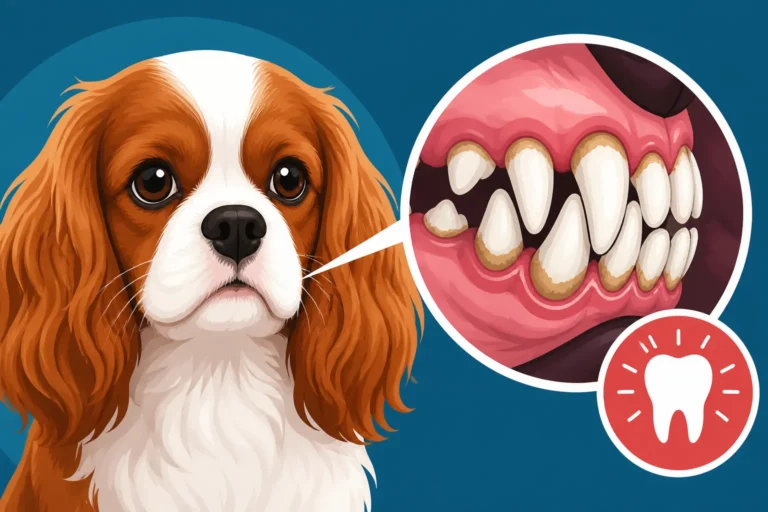
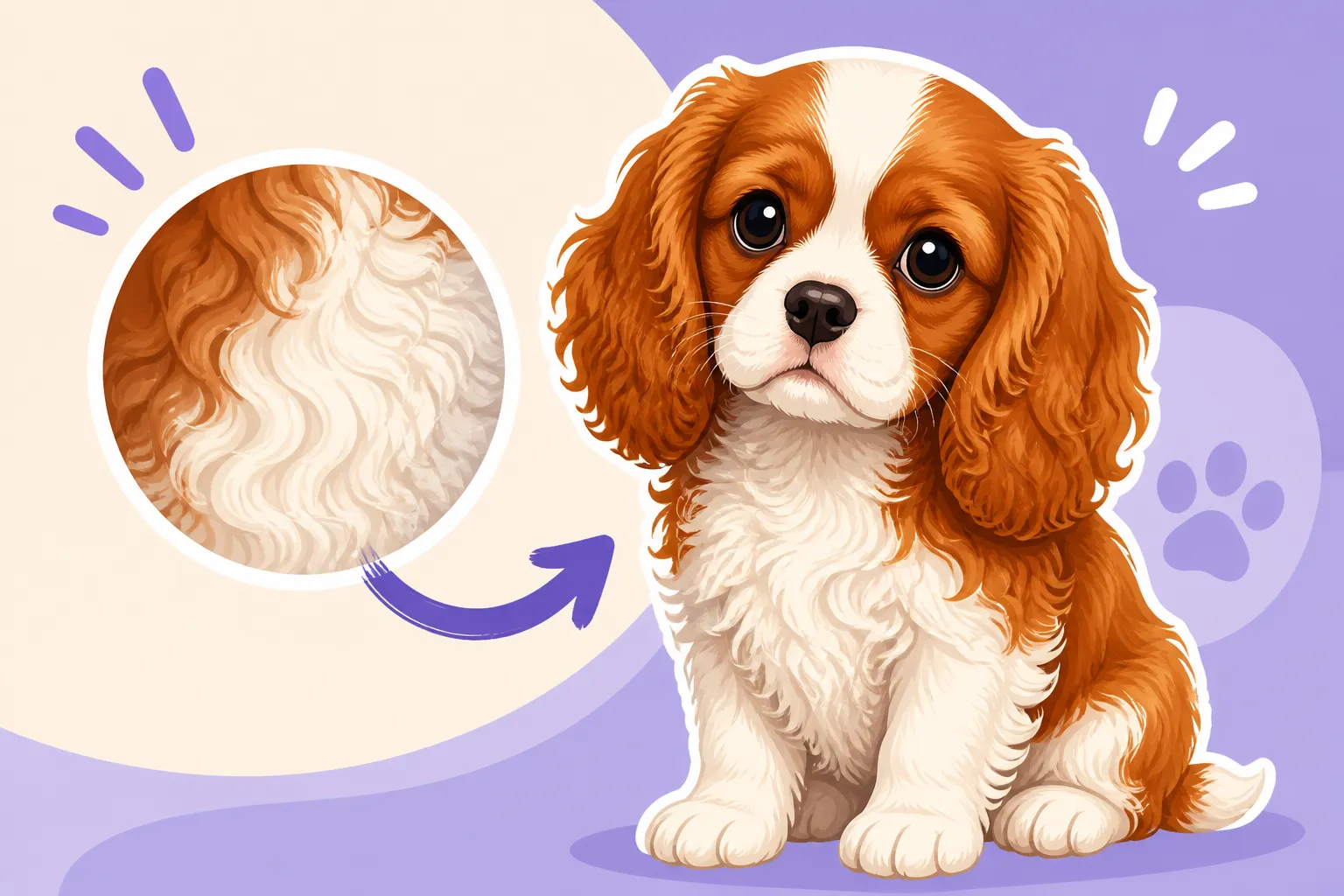
For new puppy owners, the appearance of a Cavalier with CKCSID can be quite startling. Instead of the soft, silky, flowing coat that's characteristic of the breed, affected puppies will have a coarse, very curly, often rough coat texture. This isn't just an aesthetic difference; the skin beneath is usually flaky, greasy, and prone to irritation and infection. Imagine dealing with persistent dandruff, itchiness, and skin that just never feels healthy. Beyond the skin, the dry eye component is equally, if not more, distressing. These puppies produce very few tears, if any, leading to chronically dry, painful, and often infected eyes. This lack of lubrication means the eye surface is constantly irritated, can ulcerate, and may even lead to blindness if not managed aggressively. It's a heavy burden for such tiny, sweet dogs and their devoted families.
Recognizing the Early Signs of Curly Coat Syndrome
Identifying Curly Coat Syndrome early is absolutely vital for managing the condition and ensuring your Cavalier puppy has the best possible quality of life. The signs usually become apparent within the first few weeks or months of a puppy's life, often right when you're bringing them home and expecting nothing but joyful puppy antics. It's not always obvious to an untrained eye, which is why working with a reputable breeder who understands genetic health is so important.
The most prominent early indicator is, of course, the coat. Instead of a smooth, soft puppy coat, you'll notice a distinctively harsh, curly, and often greasy texture that doesn't feel quite right for a Cavalier. This curly coat is usually accompanied by flaky, hyperpigmented, and sometimes thickened skin, particularly on the belly, groin, and paw pads. Owners often report their puppies seem persistently itchy or uncomfortable, rubbing against furniture or scratching more than expected. The skin might also have a peculiar, almost rancid odor due to the excessive oil production and potential yeast overgrowth. You might notice their paw pads feel unusually thick, hard, or even cracked, making walking uncomfortable. This constant skin irritation means they might chew at their paws or body.
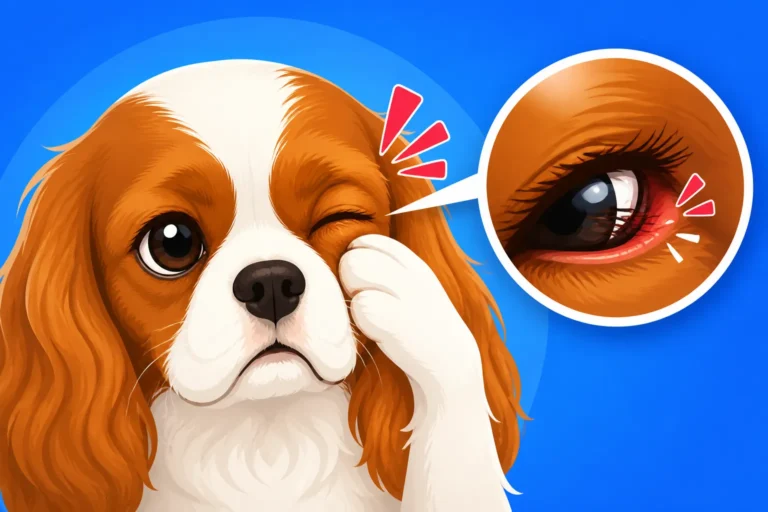
Beyond the skin and coat, the dry eye component is a significant red flag. Puppies with CKCSID often have eyes that appear dull, goopy, or persistently red. They might blink excessively or squint, indicating discomfort. You might notice a thick, yellowish-green discharge around their eyes, a common sign of secondary bacterial infections that thrive in dry, irritated conditions. If your puppy has a dry, crusty nose or seems to rub its face frequently, these can also be subtle indicators of the ocular issues at play. It's common for these puppies to experience recurrent eye infections because their natural tear film, which helps wash away irritants and bacteria, is severely compromised. A trip to the vet is crucial if you observe any of these symptoms. Remember, a normal Cavalier puppy's coat should be soft and silky, and their eyes should be bright and clear, not perpetually weepy or inflamed. If you're observing symptoms like a Cavalier born without tears or a particularly curly coat, it's time for a vet visit and possibly further investigation.
Initial Veterinary Assessment and Diagnosis
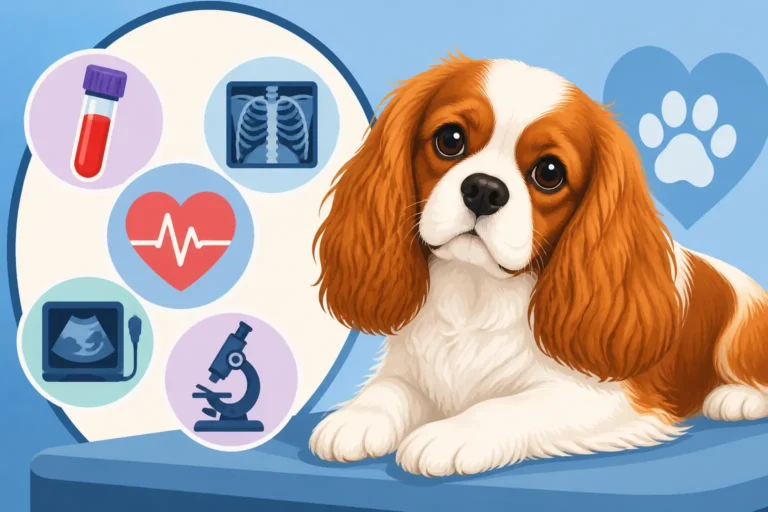
When you bring a Cavalier puppy showing these symptoms to your veterinarian, they'll perform a thorough physical examination, paying close attention to the skin, coat, and eyes. The most definitive diagnostic tool for the eye component is a Schirmer Tear Test (STT). This simple test involves placing a small strip of specialized paper under the eyelid for a minute to measure tear production. For puppies with KCS, the readings will be significantly lower than normal, often approaching zero. Your vet may also use fluorescein stain to check for corneal ulcers, which are common with severe dry eye.
For the skin component, the veterinary team will assess the coat texture, look for signs of scaling, greasiness, inflammation, or infection. They might take skin scrapes or biopsies to rule out other dermatological conditions or identify secondary infections (bacterial or yeast) that frequently accompany CKCSID. However, the most accurate diagnosis for Curly Coat Syndrome itself is a DNA test. A cheek swab is all that's needed to send to a specialized lab for genetic analysis. This test can confirm if the puppy has two copies of the defective gene. This is especially important because symptoms alone, particularly early on, might be confused with other skin conditions or allergies. Knowing definitively allows for targeted treatment and helps inform decisions about managing their long-term care. Labs like Embark or Paw Print Genetics offer comprehensive panels that include this test, which is also useful for breeders to screen potential breeding dogs.
Managing and Living with Curly Coat Syndrome
Living with a Cavalier diagnosed with Curly Coat Syndrome is a commitment to lifelong, diligent care. This isn't a condition that resolves; it requires ongoing management to alleviate discomfort, prevent secondary complications, and maintain your dog's quality of life. Owners of CKCSID Cavaliers become experts in a routine that blends medical treatments with meticulous daily grooming and hygiene. The emotional and financial toll can be significant, which is why understanding the scope of care upfront is so important.
The cornerstone of managing the dry eye component is consistent, daily ophthalmic treatment. This typically involves applying prescription artificial tears, tear stimulants like cyclosporine or tacrolimus (often in ointment or drop form), and sometimes lubricating gels several times a day. These medications work to either provide lubrication directly or stimulate the sparse tear production your dog might still have. It’s a constant battle against dryness, irritation, and potential infection. You'll need to be vigilant for signs of worsening redness, discharge, or squinting, which could indicate a corneal ulcer—a medical emergency requiring immediate veterinary attention. These daily eye drops for a Cavalier every day can be quite a commitment, both in time and cost.
For the skin and coat issues, a regimen of specialized shampoos, conditioners, and topical treatments is essential. Your vet might prescribe medicated shampoos containing ingredients like salicylic acid, coal tar, or benzoyl peroxide to help manage the scaling, greasiness, and prevent bacterial or yeast overgrowth. Regular bathing, often several times a week, might be necessary, followed by thorough conditioning to try and soften the coarse hair and hydrate the skin. Brushing, while important for all Cavaliers, needs to be done gently to avoid irritating already sensitive skin. Due to the excessive ear hair and wax production that can also accompany this condition, Cavalier Ear Infections and Why They Recur are common, requiring regular cleaning and monitoring. Some owners find that a regular professional groomer experienced with special needs dogs can be a huge asset in keeping their Cavalier comfortable.
The Financial and Emotional Realities of Lifelong Care
The financial implications of managing CKCSID are considerable. From the initial diagnostic tests to ongoing prescription medications, specialized shampoos, frequent veterinary check-ups, and potential emergency visits for eye ulcers or severe skin infections, the costs can add up quickly. A good pet insurance plan, especially one like Healthy Paws that covers chronic conditions, can be a lifesaver, provided you enroll your puppy before any symptoms are officially diagnosed or noted in their vet records. If not, the condition may be considered pre-existing, and coverage might be denied. Investing in Insuring a Cavalier Before the Murmur Arrives or other health issues is always a wise decision.
Beyond the financial strain, there's the emotional impact on the family. Watching your beloved pet deal with chronic discomfort, even with the best care, can be draining. It requires immense patience, dedication, and a deep well of love to maintain their quality of life. Many owners find immense joy in caring for their CKCSID Cavaliers, forming incredibly strong bonds, but it's important to acknowledge that it's a journey filled with challenges. Support groups for owners of dogs with chronic conditions can provide valuable advice and emotional solace.
Preventing Curly Coat Syndrome Through Ethical Breeding
The most effective way to eliminate Curly Coat Syndrome is through responsible, ethical breeding practices. Since CKCSID is an inherited genetic condition, it can be entirely avoided by ensuring that breeding dogs do not carry the gene. This is where genetic health testing becomes not just important, but absolutely critical for any breeder of Cavalier King Charles Spaniels.
Reputable breeders will routinely screen their breeding stock for a range of genetic conditions, including CKCSID, using readily available DNA tests. These tests can identify if a dog is clear, a carrier, or affected. A "clear" dog has no copies of the gene and cannot pass it on. A "carrier" dog has one copy of the gene; they won't develop the disease themselves but can pass the gene to their offspring. An "affected" dog has two copies and will develop the disease.
The ethical breeding protocol for CKCSID is straightforward: never breed two carriers together. If two carriers are bred, there's a 25% chance that each puppy in the litter will inherit two copies of the gene and be affected, a 50% chance they will be carriers, and a 25% chance they will be clear. A responsible breeder will either only breed clear dogs, or breed a clear dog with a carrier. In the latter case, all puppies will be either clear or carriers, meaning none will actually develop the disease, though carriers would need to be identified before being bred themselves. This proactive approach helps to gradually reduce the prevalence of the gene in the breed without losing valuable genetic diversity.
The Role of DNA Testing in Breeding Decisions
Before any Cavalier is considered for breeding, they should undergo comprehensive DNA testing. This isn't just for CKCSID, but also for other known genetic issues such as Episodic Falling Syndrome in a Cavalier and The DNA Tests Every Cavalier Should Have. A transparent breeder will be able to provide clear documentation of these genetic test results for both parent dogs. This evidence is a hallmark of a breeder who prioritizes the health and well-being of their puppies above all else. They understand that while a puppy might be adorable and seem perfectly healthy at eight weeks, genetic predispositions can lead to heartbreaking and costly health problems down the line.
When you are looking for a Cavalier puppy, don't be shy about asking breeders about their health testing protocols, especially regarding CKCSID. A good breeder will be open, honest, and proud to share their results and explain their breeding philosophy. They'll emphasize the importance of genetic health and why they invest time and resources into ensuring their puppies have the best possible start. They understand that preventing these diseases is not just about avoiding suffering for individual dogs, but about safeguarding the future health of the entire Cavalier King Charles Spaniel breed. Avoiding breeders who claim they "don't believe in" DNA testing or who cannot provide verifiable health clearances is one of the most critical steps you can take to ensure you bring home a healthy puppy.
| Symptom Category | Common Signs of CKCSID | Typical Onset Time | Management Strategy |
|---|---|---|---|
| Coat & Skin | Coarse, curly, greasy coat; flaky, hyperpigmented skin; excessive scratching/itching; thickened paw pads; musty odor | Weeks to 3 months | Medicated shampoos, topical treatments, regular gentle grooming, moisturizing conditioners |
| Eyes | Chronic dry eyes (low tear production); redness, inflammation; thick, yellow-green discharge; frequent blinking/squinting; recurrent infections | Weeks to 6 months | Prescription artificial tears, tear stimulants (cyclosporine/tacrolimus), lubricating gels, vigilance for ulcers |
| General | Discomfort, rubbing face/body; secondary infections (bacterial/yeast); potential for corneal ulcers | Early puppyhood | Regular vet check-ups, prompt treatment of infections, DNA testing for diagnosis |
It's a testament to the dedication of Cavalier enthusiasts and ethical breeders that progress is being made in reducing the incidence of CKCSID. By insisting on thorough health testing and supporting breeders who adhere to these high standards, prospective owners play a crucial role in promoting a healthier future for this beloved breed. While we love our Cavaliers unconditionally, working towards a future where conditions like Curly Coat Syndrome are rare or non-existent is a goal every owner and breeder should share.
Disclaimer
The information provided in this article is for educational and informational purposes only and does not constitute veterinary advice. Always consult with a qualified veterinarian for any health concerns or before making any decisions about your pet's medical care.