Outcrossing Programs Aimed at Cavalier Hearts
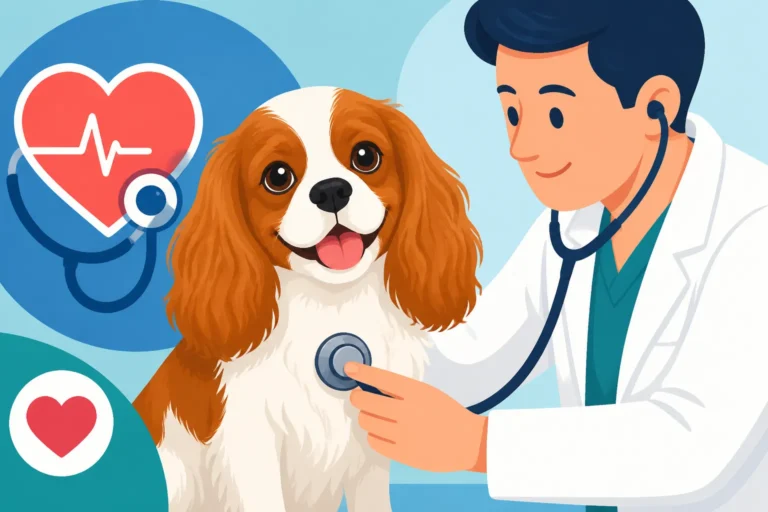
It’s a heartbreaking reality that so many Cavalier King Charles Spaniel owners face: that moment when your vet delivers the news of a heart murmur, often far too early in your beloved companion’s life. This guide will delve deep into outcrossing programs, a controversial yet increasingly discussed approach aimed at introducing healthier genetics into the Cavalier breed to combat the devastating prevalence of Mitral Valve Disease.
Why Cavalier Hearts Need a New Approach: The MVD Crisis
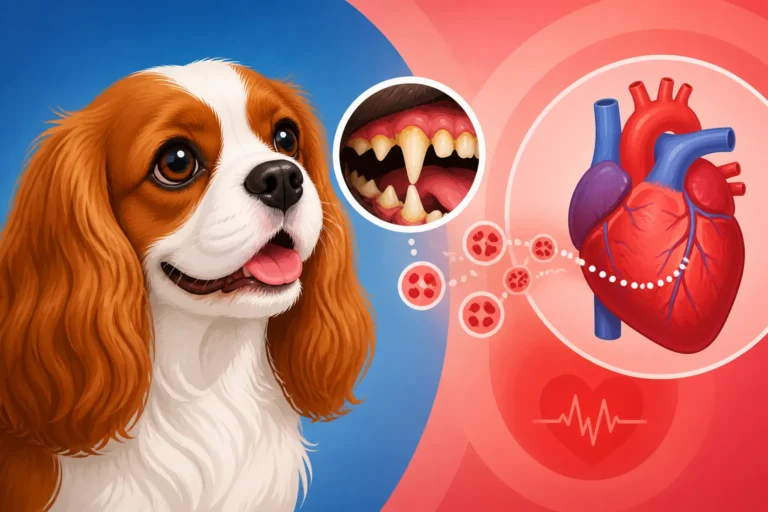
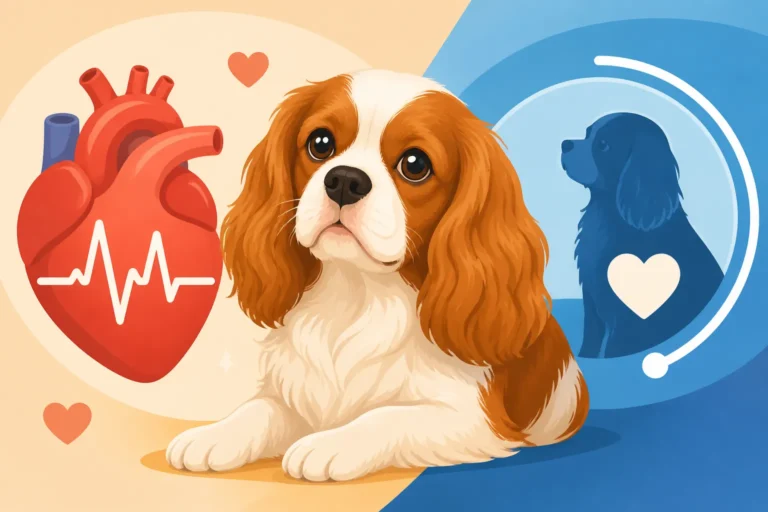
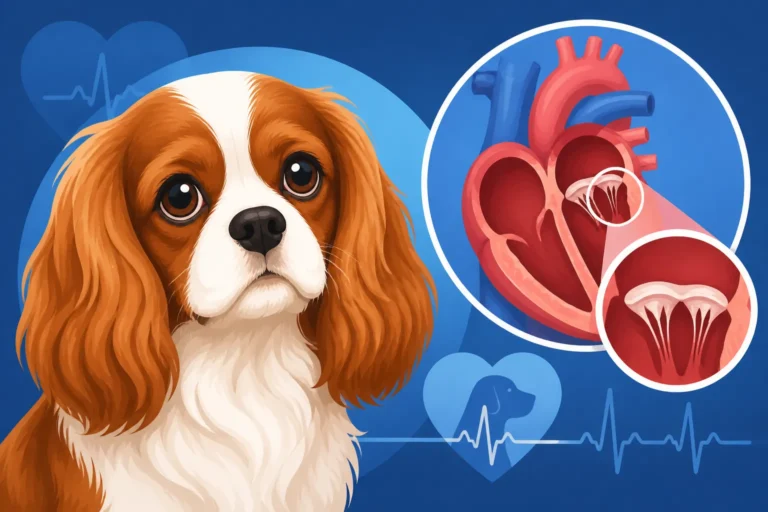
For generations, the Cavalier King Charles Spaniel has captured hearts with its sweet disposition, gentle nature, and melting eyes. They are truly the quintessential companion dog, bred specifically to be loving lap warmers. However, this beautiful breed carries a heavy burden: an alarmingly high predisposition to Mitral Valve Disease (MVD), a progressive heart condition that is the leading cause of death for Cavaliers. It’s a gut-wrenching experience to watch your vibrant, playful pup slow down, struggle to breathe, or develop that tell-tale cough because their heart is failing them prematurely. Many wonder, "Why are these precious dogs so prone to this disease?"
The Unfortunate Prevalence of Early-Onset MVD
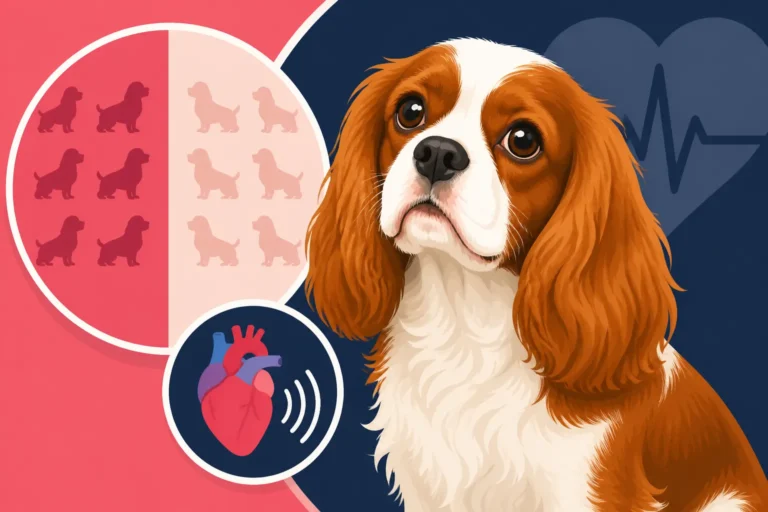
The statistics surrounding MVD in Cavaliers are truly sobering. It's estimated that a significant percentage of Cavaliers will develop a heart murmur by the age of five, and almost all will by age ten. This isn't just a minor health concern; it often significantly impacts the Cavalier lifespan and what cuts it short. Unlike many other breeds where MVD might appear as a senior ailment, in Cavaliers, it frequently strikes in their prime, sometimes even as early as two or three years old. This early onset MVD is particularly aggressive and reduces their quality of life dramatically.
The issue stems largely from a genetic bottleneck combined with historical breeding practices. The breed's foundation stock was quite small, leading to a limited gene pool. Desirable traits like their endearing appearance were prioritized, often inadvertently selecting for genetic predispositions to diseases like MVD. Every Cavalier owner holds their breath during annual vet check-ups, hoping not to hear that tell-tale whoosh that signifies the start of a murmur. It's a constant, underlying worry that overshadows the joy these dogs bring, and it’s why many people feel a sense of urgency to find more effective solutions.
The Limitations of Traditional Breeding Protocols
Historically, responsible Cavalier breeders have tried to combat MVD through careful selection, adhering to strict breeding protocols. The most well-known is the Cavalier MVD Breeding Protocol, which recommends that breeding dogs not be bred before five years of age and be screened annually by a board-certified veterinary cardiologist. The idea is to breed only from dogs whose hearts remain clear of murmurs for as long as possible, hoping to pass on better genes to their offspring.
However, even with diligent adherence to these protocols, progress has been slow and frustratingly limited. While these efforts are commendable and absolutely essential, they haven't been enough to significantly reduce the overall prevalence of MVD or push back the age of onset across the entire breed in a truly impactful way. This is partly because MVD is a polygenic disease, meaning multiple genes are involved, making it incredibly complex to breed out. Furthermore, even a dog with a clear heart at five might still carry genes that predispose their offspring to earlier onset disease. This creates a difficult situation for breeders who are passionately dedicated to improving the breed's health, leaving many to feel that a more drastic, yet potentially more effective, intervention might be necessary. This is where the concept of outcrossing comes into the conversation.
Demystifying Outcrossing: A Path to Stronger Cavalier Hearts
The word "outcrossing" can sound a bit daunting, even controversial, to those deeply invested in purebred dogs. However, when discussed in the context of critical health issues like MVD in Cavaliers, it represents a bold, scientifically-driven attempt to safeguard the breed's future. It's not about creating a new breed entirely, but rather a strategic, multi-generational effort to introduce genetic diversity to address specific health problems while carefully retaining the beloved characteristics of the Cavalier King Charles Spaniel.
What Exactly is Outcrossing?
At its core, outcrossing involves breeding a purebred dog of one breed with a purebred dog of an entirely different breed. The primary goal in the context of Cavalier heart health is to bring in genes from a breed that has a very low incidence of MVD, thereby diluting the high concentration of MVD-predisposing genes within the Cavalier gene pool.
Think of it like this: if the Cavalier gene pool is a small, isolated island where a particular health issue has become widespread due to limited genetic variety, outcrossing is like building a bridge to a larger, healthier mainland to introduce fresh, strong genetic material. The first generation (F1 cross) will be a mix of both breeds, inheriting half its genes from the Cavalier parent and half from the outcross parent. These F1 crosses are then carefully bred back to purebred Cavaliers, a process called backcrossing, over several generations. Each subsequent generation is rigorously selected for both improved health markers (like clear hearts) and the retention of Cavalier type, temperament, and appearance. It's a slow, deliberate process guided by genetic science, not a quick fix or a casual cross-breed experiment.
Choosing the Right Outcross Breed
The selection of an appropriate outcross breed is absolutely critical to the success of such a program. This isn't just about picking any breed; it requires extensive research, genetic analysis, and careful consideration of multiple factors. Breeders and geneticists typically look for a breed that:
- Has a very low incidence of MVD: This is paramount. The chosen breed must be known for its robust heart health.
- Is of a similar size and build: While not strictly necessary for genetic purposes, it helps in maintaining the Cavalier's physical standard.
- Possesses a compatible temperament: Cavaliers are known for their gentle, affectionate nature. The outcross breed should ideally have a non-aggressive, friendly disposition that aligns with the Cavalier's character.
- Has a coat type that is manageable or complementary: To minimize drastic changes to the Cavalier's iconic silky coat.
- Is relatively healthy overall, without other major breed-specific health issues that could be inadvertently introduced.
For example, breeds that have been discussed as potential outcross candidates in various health initiatives (not exclusively MVD) include the Miniature Poodle or the Bichon Frise, largely due to their relatively healthy hearts and manageable size/temperament. However, the specific choice is always based on rigorous data and expert consultation. It's a decision that requires a deep understanding of canine genetics and breed standards.
The Stages of an Outcrossing Program
An outcrossing program is a long-term commitment, typically spanning several generations. Here’s a simplified breakdown of the common stages:
- Stage 1: The Initial Cross (F1 Generation): A carefully selected purebred Cavalier (meeting strict health and temperament criteria) is bred to a chosen purebred dog of the outcross breed. The resulting puppies (F1) will be 50% Cavalier and 50% outcross breed. These puppies are closely monitored for health, temperament, and physical traits.
- Stage 2: First Backcross (F1 x Cavalier): The healthiest and most type-correct F1 individuals are then bred back to purebred Cavaliers. The offspring of this generation will be approximately 75% Cavalier and 25% outcross. At this stage, you start to see more Cavalier characteristics re-emerge, alongside the desired health improvements.
- Stage 3: Subsequent Backcrosses (Fn x Cavalier): This process continues, with each subsequent generation (F2, F3, F4, etc.) being bred back to a purebred Cavalier. With each backcross, the percentage of Cavalier genetics increases (e.g., 87.5%, 93.75%, etc.), and the goal is to progressively select for dogs that look, act, and are genetically almost identical to a Cavalier, but with significantly reduced risk of MVD.
Throughout these stages, rigorous health testing, including cardiac evaluations like echocardiograms, is paramount for every breeding prospect. Genetic markers are identified and tracked. It’s a painstaking process that demands unwavering dedication from breeders, geneticists, and supporting organizations. Without this multi-generational commitment, the benefits of outcrossing would be lost, and the goal of establishing healthier lines would not be achieved.
Navigating the Complexities: Pros, Cons, and Realities of Outcrossing Programs
The concept of outcrossing for breed health improvement, while offering significant hope, is rarely straightforward. It involves a delicate balance of scientific goals, ethical considerations, and the passionate perspectives of breeders and owners. Understanding these complexities is crucial for anyone considering supporting or participating in such initiatives.
Potential Health Advantages
The primary and most compelling advantage of outcrossing for Cavaliers is the potential for a dramatic reduction in the incidence and severity of MVD. By introducing robust, healthy heart genes, the goal is to produce Cavaliers who live longer, healthier lives, free from the shadow of early-onset heart failure.
- Reduced MVD Prevalence: Geneticists believe that by introducing new, healthy genes, the frequency of MVD-causing genes in the overall population could be significantly lowered over time.
- Increased Lifespan and Quality of Life: Imagine a world where the majority of Cavaliers don't develop a murmur until much later in life, or even not at all. This would mean more years of joy for families and less suffering for the dogs. This aligns directly with the goal of improving the Cavalier lifespan and what cuts it short.
- Boosted Genetic Diversity: Beyond MVD, outcrossing can broaden the breed's overall genetic diversity, potentially making them more resilient to other genetic conditions and improving overall vitality. A healthier gene pool means less susceptibility to a whole host of issues.
- Faster Progress than Traditional Methods: While slow, outcrossing is generally believed to achieve significant health improvements more quickly than trying to breed out a complex polygenic disease solely within a highly bottlenecked gene pool.
For families budgeting a Cavalier from puppy to senior, the prospect of a healthier dog can also mean a significant reduction in future veterinary expenses, particularly those related to the considerable financial burden of What Cavalier Heart Disease Costs to Treat.
Considerations and Controversies
Despite the potential benefits, outcrossing is not without its challenges and generates considerable debate within the purebred dog community.
- Maintaining Breed Type: This is often the most contentious point. Critics worry that outcrossing will dilute the distinctive Cavalier look and temperament that make the breed so unique. While backcrossing aims to restore these traits, there's always a risk of subtle changes. Will the resulting dogs still "feel" like Cavaliers? This is a question many devoted owners grapple with.
- Acceptance by Breed Clubs and Owners: Traditional breed clubs often have strict rules against outcrossing, making it difficult for these programs to gain official recognition. This can mean dogs from outcross programs may not be eligible for traditional show rings or registration. Public acceptance is also a hurdle; some prospective owners might be wary of a dog that isn't "100% purebred."
- Long-Term Commitment: Outcrossing is a multi-generational project that requires immense dedication, meticulous record-keeping, and consistent genetic testing. It's not a program for the faint of heart, as it takes years, even decades, to see the full results and stabilize the desired traits.
- The Introduction of New Health Issues: While the goal is to eliminate MVD, there's always a theoretical risk of inadvertently introducing new, undesirable health traits from the outcross breed if selection is not stringent enough. This is why the selection of the outcross breed and comprehensive health testing across generations are so vital.
- Ethical Dilemmas: Some purists argue that outcrossing fundamentally changes the breed and goes against the very definition of a "purebred." However, proponents argue that neglecting to address severe health issues like MVD through all available means is a greater ethical failing. This leads to a larger discussion about Whether Cavalier Heart Disease Can Be Bred Out through any means.
These programs must be transparent and educate the public on their goals and methods to gain widespread support.
Supporting Your Cavalier's Heart Health Journey
Whether you obtain a Cavalier from traditional lines or eventually from an outcross program, supporting your dog's heart health is a lifelong commitment. Regular veterinary care, including annual check-ups and cardiac screenings as recommended by your vet, is essential. This is especially true given that Why Half of Cavaliers Have a Murmur by Five.
- Proactive Veterinary Care: Establish a strong relationship with your veterinarian. They can guide you through appropriate testing, interpret results, and advise on lifestyle adjustments that can support heart health.
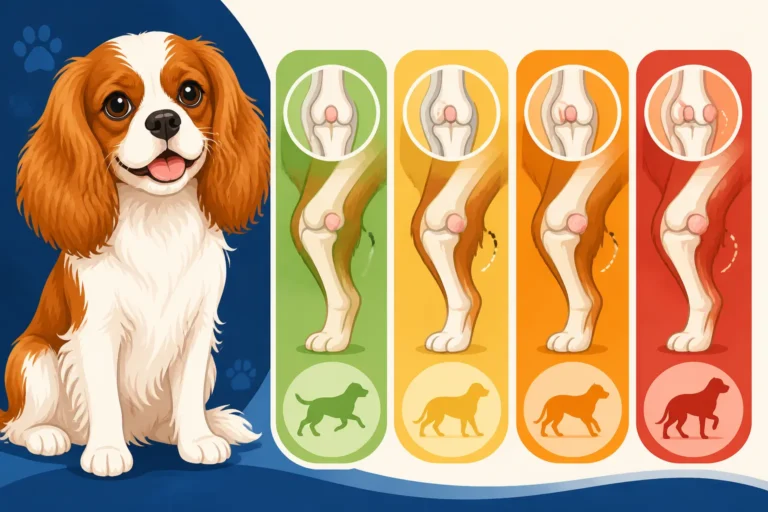
- Cardiac Screening: Even if your Cavalier appears healthy, routine heart testing a Cavalier breeder must do, and regular check-ups with your vet can help detect a murmur early. If a murmur is found, your vet will likely recommend further diagnostics, such as an echocardiogram, to determine How Cavalier Heart Disease Progresses Stage by Stage.
- Pet Insurance: Given the potential for significant health issues in Cavaliers, investing in pet insurance is a wise decision. Companies like Healthy Paws offer comprehensive coverage that can help offset the substantial costs of diagnostics, medications, and specialized veterinary care for chronic conditions. It’s important to Insure a Cavalier before the murmur arrives, as MVD typically becomes a pre-existing condition once diagnosed, which most policies won't cover. Healthy Paws is known for its strong reputation and comprehensive coverage options, providing peace of mind when facing unexpected health challenges.
- Lifestyle Management: Maintain a healthy weight for your Cavalier, provide appropriate exercise (guided by your vet if they have a murmur), and feed a high-quality diet. These factors, while not preventing MVD, can support overall well-being.
The Future of Cavalier Heart Health Through Responsible Breeding
The debate around outcrossing programs highlights a critical juncture for the Cavalier King Charles Spaniel breed. It’s a conversation driven by deep love for these dogs and a desire to ensure their long-term health and vitality. The path forward will undoubtedly involve continued dedication, scientific rigor, and open dialogue among all stakeholders.
The Role of Dedicated Breeders
The success of any breeding program, especially one as ambitious as outcrossing, hinges on the integrity and dedication of its breeders. Ethical breeders involved in outcrossing programs are not cutting corners; they are undertaking immense challenges to improve the breed's health. They meticulously track pedigrees, perform extensive health testing (often far beyond minimum recommendations), and are transparent about their goals and the health outcomes of their puppies.
These breeders understand that the commitment to breed is a commitment to the entire lifespan of the dogs they produce. They are often collaborating with veterinary geneticists and cardiologists, utilizing every tool available to make informed decisions. Their goal is to produce dogs that are not only beautiful and sweet-natured but also robust and long-lived, fulfilling the promise of a truly healthy companion. They are the ones putting in the tireless work, often against significant pushback, to ensure that the Cavaliers of tomorrow are healthier than the Cavaliers of today. They also understand the importance of Why a Cavalier Should Not Be Bred Before Five to minimize the risk of passing on early-onset MVD.
Advocating for Healthier Lines
As Cavalier owners and enthusiasts, our role extends beyond simply loving our dogs. We have the power to advocate for and support healthier breeding practices, whether through traditional improved protocols or carefully managed outcrossing programs.
- Educate Yourself: Learn about the health issues facing the breed, including Mitral Valve Disease in the Cavalier King Charles Spaniel. Understand the breeding protocols and the science behind genetic health.
- Support Ethical Breeders: Seek out breeders who prioritize health testing, transparency, and continuous improvement. Ask to see health clearances, including cardiology reports and genetic testing results. Be prepared to pay a fair price for a puppy from such a breeder, as these costs reflect the significant investment in health.
- Consider Pet Insurance: As mentioned, robust pet insurance from a provider like Healthy Paws can be a lifesaver. It empowers owners to make the best healthcare decisions for their Cavaliers without financial constraints becoming the primary factor. Ensuring your Cavalier from a young age can help protect against future unexpected costs. Healthy Paws is a strong consideration for comprehensive coverage for both routine and unexpected vet visits.
- Join the Conversation: Engage with breed clubs, online communities, and veterinary professionals who are working towards solutions. Your voice and support can make a difference in driving positive change. Understanding Why Some Vets Advise Against Buying a Cavalier sheds light on the urgency of these discussions.
Outcrossing programs aimed at Cavalier hearts represent a bold and hopeful vision for the future of this beloved breed. While challenging, they offer a tangible pathway to addressing a pervasive health crisis, ensuring that future generations of Cavaliers can live the long, healthy, and happy lives they so richly deserve alongside their devoted families.
| Aspect | Traditional Breeding (MVD Protocol) | Outcrossing Program (MVD Focus) |
|---|---|---|
| Primary Goal | Delay MVD onset, reduce severity within existing gene pool. | Introduce healthy genes, drastically reduce MVD prevalence. |
| Genetic Approach | Selective breeding within the Cavalier gene pool. | Introduce genes from another healthy breed, then backcross. |
| Gene Pool Impact | Stays largely the same; slow genetic change. | Broadens genetic diversity significantly. |
| Speed of Progress | Slow, incremental progress; MVD still highly prevalent. | Potentially faster and more impactful reduction in MVD risk. |
| Breed Type Impact | Maintains existing Cavalier type and temperament. | Careful management needed to restore and maintain Cavalier type. |
| Acceptance | Widely accepted within breed clubs. | Often controversial; may face resistance from traditionalists. |
| Required Commitment | Diligent health testing & age protocols. | Multi-generational commitment, extensive testing, genetic tracking. |
| Cost Implications | Standard breeding costs + cardiologist exams. | Higher initial setup costs, ongoing genetic analysis & health tests. |
Disclaimer
The information provided in this article is for educational and informational purposes only and does not constitute veterinary advice. Always consult with a qualified veterinary professional for any health concerns or before making any decisions related to your Cavalier King Charles Spaniel's care. Breeding decisions, especially those involving outcrossing, should always be made in consultation with experienced geneticists and veterinary specialists.