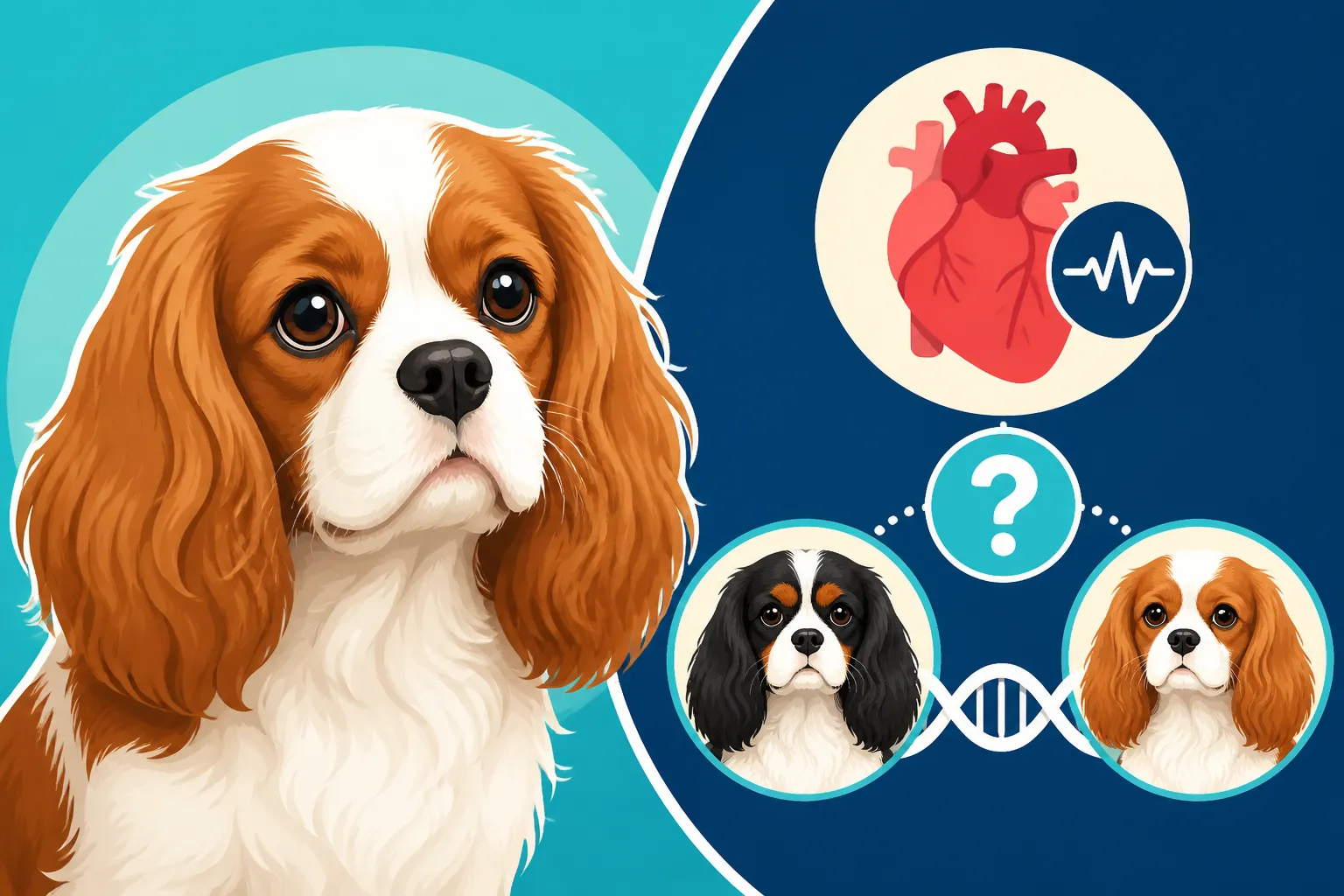
Whether Cavalier Heart Disease Can Be Bred Out
The heartbreak of a Cavalier King Charles Spaniel developing mitral valve disease (MVD) far too young is a common, painful reality for many owners. It’s a crushing blow to discover that this sweet, loving companion, often still a puppy, already carries the genetic predisposition for a condition that will likely shorten their precious life. This guide delves deeply into the complex question of whether Cavalier heart disease can truly be "bred out" and what dedicated breeders and owners are doing to combat this pervasive health challenge.
The Deep-Seated Genetic Challenge of Cavalier Heart Disease
Mitral Valve Disease isn't just a random ailment that affects a few unlucky Cavaliers; it's practically woven into the breed's genetic fabric. For those unfamiliar, MVD is a progressive condition where the mitral valve in the heart degenerates, leading to a leaky valve. This leakage causes blood to flow backward, straining the heart and eventually leading to congestive heart failure. The frustrating reality is that it's the leading cause of death in Cavaliers, and its widespread prevalence makes addressing it through breeding incredibly complex.
The Widespread Prevalence of MVD in Cavaliers
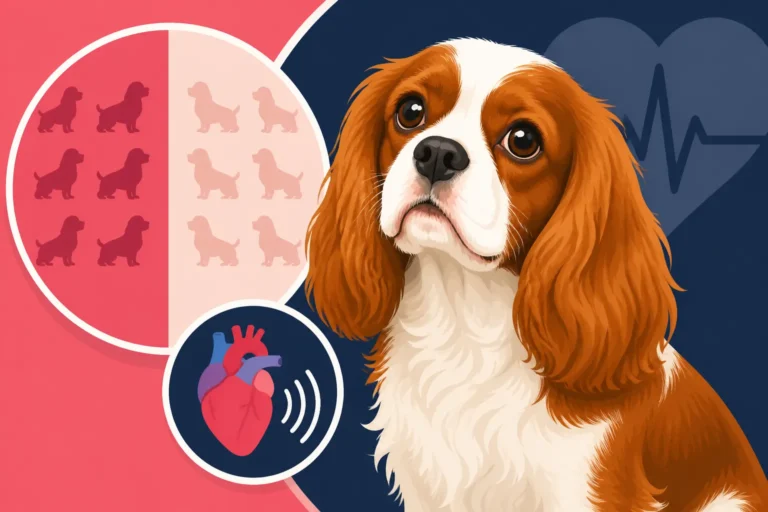
It's a stark truth that more than half of all Cavaliers will develop a heart murmur by the age of five, and almost all will have one by ten years old. This isn't a minor issue; it's a defining health characteristic of the breed. When you understand the sheer numbers, the challenge of breeding it out becomes clear. It's not about identifying a single, rare carrier; it's about shifting the entire breed's predisposition.
The early onset of murmurs is particularly devastating. While some breeds might develop heart conditions in old age, a Cavalier showing signs at three, four, or five years old means their prime years are overshadowed by medical concerns and the looming threat of heart failure. This is why discussions around Why Half of Cavaliers Have a Murmur by Five are so critical, highlighting the need for immediate and sustained efforts from breeders.
Polygenic Inheritance and Its Complications
One of the biggest hurdles in eliminating MVD is that it's not caused by a single, easily identifiable gene. Instead, it's a polygenic condition, meaning multiple genes, along with environmental factors, contribute to its development. This makes it incredibly difficult to simply "test" for and remove from the breeding pool. Imagine trying to fix a complex machine when you don't know exactly which ten tiny cogs are faulty or how they interact. It's not like the clear-cut genetic tests available for conditions like Episodic Falling Syndrome.
Because it's polygenic, breeders can't just DNA test a dog and declare it "MVD-free" for its offspring's future. They have to rely on phenotypic screening—observing the physical manifestation of the disease (the murmur, and later, structural changes to the heart)—and then making breeding decisions based on those observations over generations. This slow, arduous process means progress is incremental, and setbacks are common.
The Urgency of Early Onset MVD
While MVD might be almost inevitable in a Cavalier's lifetime, the age of onset is where breeders can make the most significant impact. A Cavalier developing a murmur at 10 or 12 years old is a very different scenario from one developing it at 3 or 4. The goal, therefore, isn't necessarily to eliminate all MVD—which is likely impossible with current knowledge—but to drastically push back the age at which it appears and the speed at which it progresses.
This focus on delaying onset requires breeders to prioritize longevity in their breeding stock. They need to select dogs from lines where MVD appears much later, ideally past the age of five, and that means maintaining meticulous records and being incredibly patient. It's a commitment that stretches across many generations and requires significant dedication and financial investment in health testing.
Breeding Protocols and Their Impact on MVD
Despite the challenges of polygenic inheritance, responsible breeders aren't sitting idly by. They are actively engaged in established breeding protocols designed to reduce the incidence and delay the onset of MVD. These protocols, while not a magic bullet, are the best tools available to us right now for improving the health outlook for future generations of Cavaliers.
The MVD Breeding Protocol
The cornerstone of responsible Cavalier breeding for MVD is often referred to as the "MVD Breeding Protocol" or "Heart Protocol." This protocol, developed by veterinary cardiologists and breed clubs, recommends specific age-based guidelines for breeding dogs. Primarily, it dictates that dogs should not be bred until they are at least 2.5 years old and have had a clear heart certification from a board-certified veterinary cardiologist. Even more stringently, some protocols suggest not breeding until the parents are at least five years old, ensuring they are free from murmurs that would indicate early-onset MVD.
The protocol asks breeders to:
- Only breed dogs that have been examined annually by a board-certified veterinary cardiologist and found clear of a murmur.
- Prioritize breeding from dogs that remain clear of a murmur until they are at least five years of age.
- Avoid breeding dogs that develop a murmur before the age of five, even if they show no symptoms.
- Carefully consider the cardiac health of the entire pedigree, not just the breeding pair.
This rigorous approach is central to discussions around The Cavalier MVD Breeding Protocol and is intended to select against the genes responsible for early-onset disease. It's a long game, but it's the only ethical path forward.
| MVD Breeding Protocol Guideline | Rationale | Impact on Breeding |
|---|---|---|
| Breeders must scan dogs annually | Detect murmurs as early as possible. | Requires consistent vet visits and financial investment. |
| Breed from dogs clear at 2.5 years | Screens out very early onset MVD. | Delays breeding, requires careful planning. |
| Ideally breed from dogs clear at 5 years | Significantly reduces risk of early onset in offspring. | Further delays breeding, limits number of litters. |
| Evaluate entire pedigree | Understand genetic predisposition of lines. | Demands thorough record-keeping and transparency. |
| Do not breed affected dogs | Prevents passing on known MVD genes. | Removes otherwise healthy dogs from breeding pool. |
The Challenge of Limited Genetic Diversity
While strict adherence to MVD breeding protocols is crucial for reducing disease, it does introduce another potential challenge: the narrowing of the gene pool. If breeders only select dogs that meet very stringent health criteria, they inadvertently limit the genetic diversity within the breed. This can, over time, make the breed more susceptible to other genetic conditions, or make it harder to introduce new, healthy genes.
It's a delicate balancing act. Breeders strive to produce healthy dogs, but excessive "bottlenecking" of the gene pool can have unintended consequences. Finding a dog that is clear of MVD at an advanced age, free from Syringomyelia, has good hips and eyes, and also possesses excellent temperament and conformation, is incredibly difficult. This is why some discussions are emerging about broader strategies, including careful outcrossing, which we'll touch on later. For prospective owners, understanding that even the most diligent breeders face these complex decisions is important; no dog breed is perfect.
The Role of Cardiac Screening and Pedigree Analysis
For any responsible Cavalier breeder, annual cardiac screening by a board-certified veterinary cardiologist isn't just a suggestion; it's a fundamental commitment. This involves not just listening for a murmur with a stethoscope, but often includes an echocardiogram, which allows the cardiologist to visualize the heart's structure and function. This provides a much more detailed picture of the valve's health and the heart's overall condition, as detailed in What a Cavalier Echocardiogram Shows.
Beyond individual dog screening, pedigree analysis is vital. Good breeders don't just look at the health clearances of the sire and dam; they delve into the health history of grandparents, great-grandparents, and siblings. This helps them identify lines that consistently produce healthy, long-lived Cavaliers, as well as those that might have a higher incidence of early-onset MVD. It's about looking at the bigger picture of genetic health, not just a snapshot of two parents. For families considering a Cavalier, inquiring about The Heart Testing a Cavalier Breeder Must Do and reviewing generations of health certificates is essential. This information can also be crucial when looking into pet insurance options like Healthy Paws, as they will assess a dog's health history when determining coverage and pre-existing conditions.
The Future: Beyond Traditional Breeding Methods
While current breeding protocols are essential, the inherent complexities of MVD mean that fully "breeding it out" might require advancements beyond traditional selection methods. The scientific community and dedicated breed enthusiasts are exploring various avenues to gain a deeper understanding and develop more effective strategies.
Genomic Research and Genetic Markers
The most promising long-term solution lies in unlocking the genetic code of MVD. Researchers are actively working to identify specific genetic markers associated with the disease. If a reliable DNA test could be developed to identify dogs at high risk for early-onset MVD, or even dogs that are carriers of certain problematic gene combinations, it would revolutionize breeding practices. Instead of waiting for a murmur to appear, breeders could make informed decisions based on a puppy's genetic makeup.
Projects aimed at mapping the canine genome and specifically studying MVD in Cavaliers are ongoing at institutions like the Cavalier King Charles Spaniel Club, USA. While progress can be slow and requires significant funding, the potential payoff is immense. Such a breakthrough would provide a precise tool that current phenotypic screening cannot offer, allowing for more targeted breeding and a faster reduction in MVD prevalence. This is a topic that resonates deeply within the breed community, driving efforts to find a definitive answer to Whether Cavalier Heart Disease Can Be Bred Out.
Outcrossing Programs and Their Controversy
Another, more controversial, approach being discussed is outcrossing. This involves breeding Cavaliers with another, healthier breed, and then carefully breeding back to Cavaliers over several generations, selecting for desired Cavalier traits while retaining the healthier heart genes from the outcross breed. The idea is to introduce new genetic diversity and dilute the genes responsible for MVD.
While outcrossing has shown promise in reducing the incidence of certain genetic diseases in other breeds, it's not without its challenges and strong opinions. Purists argue it compromises breed integrity and could introduce new, unknown health problems. It's a complex ethical and practical debate within the Cavalier community, with proponents pointing to the severe health crisis of MVD as justification for radical solutions. Should such a program gain wider acceptance, it would involve meticulous genetic tracking and very careful selection to ensure that the unique characteristics of the Cavalier are preserved.
Owner Responsibility and Support
Ultimately, while breeders bear the primary responsibility for genetic health, owners also play a critical role in supporting healthy breeding practices and managing the health of their own Cavaliers. Choosing a puppy from a reputable breeder who adheres strictly to health protocols, including Annual Cardiologist Exams for a Cavalier and age-appropriate breeding, is the first and most crucial step. This means asking tough questions, reviewing health certificates (especially for MVD and Syringomyelia), and being prepared to pay a fair price for a well-bred dog.
For existing Cavalier owners, regular veterinary check-ups, monitoring for signs of heart disease (like coughing or reduced exercise tolerance), and maintaining a healthy weight are essential. If a murmur is detected, working with a veterinary cardiologist to monitor progression and discuss options like medication for How Cavalier Heart Disease Progresses Stage by Stage or Medication for a Cavalier With Heart Disease can significantly improve quality of life and potentially extend lifespan. Understanding the financial implications, perhaps by exploring pet insurance options from providers like Healthy Paws before any symptoms arise, is also a wise decision, as MVD can quickly become a pre-existing condition, affecting coverage.
Even if MVD cannot be entirely "bred out" in the near future, continued dedication from breeders, ongoing scientific research, and diligent care from owners can collectively work towards a future where Cavaliers live longer, healthier lives, with heart disease becoming a concern of old age rather than early maturity.
Disclaimer
This article is for general informational purposes only and does not constitute professional advice. Laws, prices and regulations vary by location and change over time. Consult a qualified professional for guidance on your specific situation.