How Long a Cavalier Lives in Heart Failure
Discovering that your beloved Cavalier King Charles Spaniel has been diagnosed with heart failure, specifically Mitral Valve Disease (MVD), is absolutely heartbreaking and often leaves you reeling with so many questions. One of the most common and pressing concerns that weighs heavily on every owner's mind is, "How much time do we have left?" This guide aims to gently walk you through understanding the progression of heart failure in Cavaliers and what factors can influence their life expectancy after diagnosis, helping you navigate this challenging journey with more clarity and preparedness.
Understanding Cavalier Heart Failure (MVD) and Its Stages
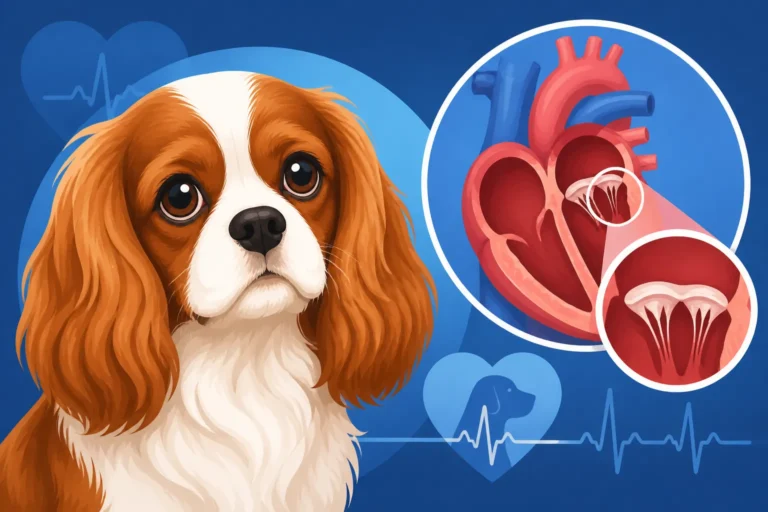
For Cavaliers, "heart failure" almost universally refers to Mitral Valve Disease (MVD), a degenerative condition where the mitral valve in the heart starts to thicken and leak. This leakage causes blood to flow backward into the left atrium instead of moving forward into the body, eventually leading to fluid buildup and the heart working harder to compensate. It's a progressive disease, and unfortunately, it's incredibly prevalent in our sweet Cavaliers. The thought of it can be terrifying, especially when you consider that Mitral Valve Disease in the Cavalier King Charles Spaniel is the leading cause of death in the breed.
The Progression of Mitral Valve Disease
MVD doesn't just appear overnight; it's a gradual process. Initially, you might not notice any signs at all. Your vet might pick up a subtle heart murmur during a routine check-up, long before your Cavalier shows any symptoms. This is often the first real indicator that something is changing within their tiny heart. The murmur signifies the turbulent blood flow caused by the leaky valve. As the disease advances, the heart's left atrium and ventricle enlarge, trying desperately to pump enough blood to the body.
Many owners recall their vet mentioning a "murmur" for years before it escalated to actual heart disease. This period of "silent" disease can last a significant amount of time, sometimes years, where your dog feels completely fine. But beneath the surface, the heart is slowly remodeling. Eventually, if left unchecked or as the disease progresses, the heart can no longer compensate, leading to fluid accumulation in the lungs, which is what we commonly refer to as congestive heart failure. Understanding How Cavalier Heart Disease Progresses Stage by Stage can provide a clearer picture of this journey.
Official Staging: ACVIM Guidelines
Veterinary cardiologists use a standardized system, established by the American College of Veterinary Internal Medicine (ACVIM), to classify the severity of MVD. This isn't just a clinical formality; it's a crucial tool for determining prognosis and guiding treatment. There are four main stages:
- Stage A: Cavaliers at high risk for MVD but currently have no structural heart changes (e.g., all Cavaliers).
- Stage B1: Cavaliers with a heart murmur due to MVD but no evidence of heart enlargement on X-rays or echocardiogram, and no clinical signs.
- Stage B2: Cavaliers with a heart murmur due to MVD and evidence of heart enlargement, but still no clinical signs of heart failure. This is often when a cardiologist might recommend starting medication like Pimobendan.
- Stage C: Cavaliers with current or previous clinical signs of congestive heart failure (e.g., coughing, difficulty breathing, exercise intolerance) that are due to MVD. This is the stage where the term "heart failure" truly applies in its symptomatic sense.
- Stage D: Cavaliers with end-stage MVD, where their congestive heart failure is refractory to standard treatments.
Knowing which stage your Cavalier is in offers a realistic framework for expectations regarding treatment and prognosis. A dog diagnosed in Stage B2, for instance, typically has a longer outlook than one presenting acutely in Stage C or D.
The Impact on Daily Life
When a Cavalier enters Stage C, the impact on their daily life, and yours, becomes undeniably clear. The persistent cough, which often sounds like a soft honk or a gag, can disrupt their sleep and yours. They might start to tire more easily on walks, refusing to go as far or as fast as they used to. Even simple activities like greeting you at the door or playing with a favorite toy might leave them breathless.
These changes are hard to witness, especially in such a naturally happy and energetic breed. You might notice your Cavalier becoming less interested in food, or struggling to find a comfortable position to rest. It's during these times that the reality of heart failure hits hardest, making you acutely aware of their fragile condition. The goal of all treatments at this stage is to alleviate these symptoms and improve their quality of life, allowing them to enjoy their remaining time as comfortably as possible.
Factors Influencing Lifespan After Diagnosis
The question of "how long" is deeply personal and depends on a multitude of individual factors. There's no single answer that fits every Cavalier, and it's important to remember that each dog's journey is unique. While it's impossible to predict an exact timeline, understanding the variables involved can help set realistic expectations.
Stage at Diagnosis and Treatment Adherence
The stage at which your Cavalier is diagnosed with symptomatic heart failure (Stage C) plays a critical role in their prognosis. Cavaliers diagnosed in earlier stages, particularly B2 where proactive medication like Pimobendan is often started, tend to have a longer symptom-free period and may live longer once they eventually progress to Stage C. For instance, studies have shown that initiating treatment for an enlarged heart in Stage B2 can significantly delay the onset of clinical signs and extend overall survival.
Once a Cavalier reaches Stage C and is showing signs of heart failure, the average life expectancy can range from about 6 months to 2 years, sometimes even longer with optimal management. However, this is a broad average. Strict adherence to the prescribed medication regimen is paramount. Missing doses or delaying refills can rapidly destabilize their condition. Your veterinarian and cardiologist will emphasize the importance of giving all medications exactly as directed to maintain stability and maximize their time. Many owners find setting daily alarms or using pill organizers essential to keep track of complex medication schedules.
Individual Cavalier Health and Comorbidities
Just like in humans, a Cavalier's overall health and the presence of other medical conditions can significantly influence their longevity after a heart failure diagnosis. A Cavalier who is otherwise healthy, maintaining a good weight, and without other chronic illnesses like kidney disease, diabetes, or severe arthritis, generally has a better prognosis. Their body is simply better equipped to handle the stress of heart failure and the side effects of medications.
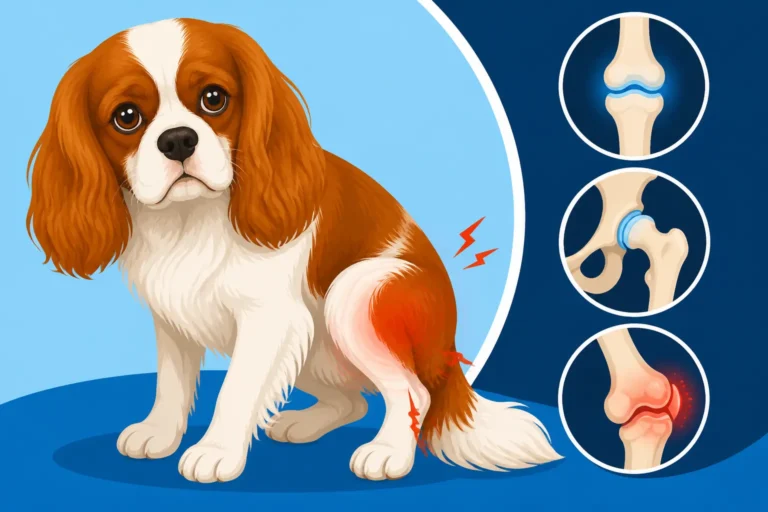
Conversely, a Cavalier with pre-existing conditions might have a tougher road. For example, a Cavalier struggling with Cavalier Knees, Hips and Joint Problems might have reduced mobility, leading to lower activity levels which can further impact heart health. Kidney disease is particularly concerning because many heart medications are processed by the kidneys, and heart failure can also affect kidney function. Your vet will carefully consider these comorbidities when devising a treatment plan, often requiring regular blood tests to monitor organ function. These additional health issues can complicate treatment and potentially shorten their time with you. This is where comprehensive pet insurance like Healthy Paws can truly be a lifesaver, helping to cover the costs of managing multiple conditions.
The Role of Regular Monitoring
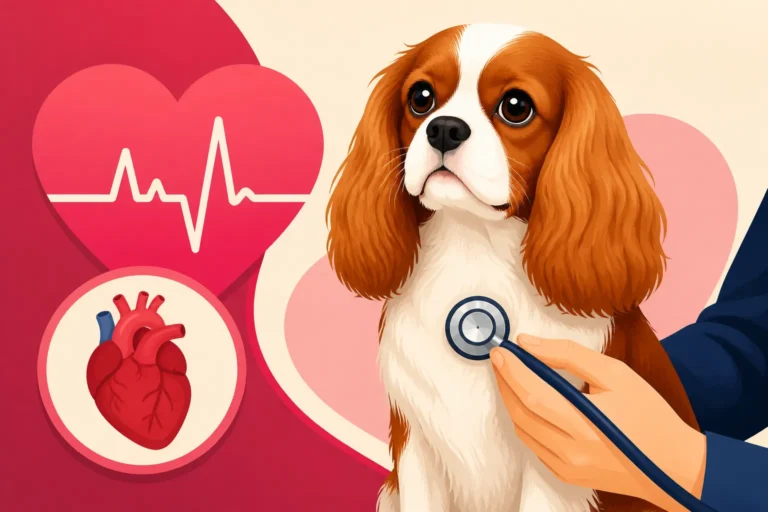
Consistent, regular monitoring by both you at home and your veterinary team is arguably one of the most impactful factors in extending a Cavalier's life in heart failure. Your cardiologist will recommend routine check-ups, often every 3-6 months, or more frequently if their condition changes. These visits typically involve physical exams, chest X-rays to check for fluid in the lungs, and sometimes repeat echocardiograms to assess heart function and size. Blood tests are also crucial to monitor kidney function and electrolyte balance, especially when your dog is on diuretics.
At home, you become an integral part of the monitoring team. Learning to count your Cavalier's resting respiratory rate is a simple yet powerful tool. An elevated resting breath rate can be an early indicator of fluid buildup in the lungs, allowing you to seek veterinary attention before a full-blown crisis. Tracking their energy levels, appetite, and any changes in coughing frequency are also vital. Early detection of worsening symptoms means quicker intervention, which can often prevent severe episodes and prolong stable periods. This proactive approach is key to managing the unpredictable nature of heart failure.
| ACVIM Heart Failure Stage | Description | Typical Prognosis (Post-Diagnosis of CHF) | Common Interventions |
|---|---|---|---|
| Stage A | High risk, no structural disease. | N/A (Preventative Focus) | Monitoring, lifestyle advice. |
| Stage B1 | Murmur present, no heart enlargement or symptoms. | Excellent (Years) | Regular vet checks, echo monitoring. |
| Stage B2 | Murmur, heart enlargement, no symptoms. | Good (1-3+ years before CHF onset) | Pimobendan often initiated, regular echo/X-rays. |
| Stage C | Current/previous signs of congestive heart failure. | Fair to Guarded (6 months – 2 years) | Diuretics, Pimobendan, ACE inhibitors, low-sodium diet, regular monitoring. |
| Stage D | End-stage, refractory to standard treatment. | Poor (Weeks to a few months) | Increased medication doses, additional diuretics, hospice care, quality of life focus. |
Note: These are general guidelines; individual results may vary widely.
Managing Life with a Cavalier in Heart Failure
Once a Cavalier is diagnosed with symptomatic heart failure (Stage C), the focus shifts significantly to managing their condition to ensure the best possible quality of life for the time they have left. This involves a multi-pronged approach encompassing medication, diet, and careful observation at home.
Medication Protocols and Their Importance
Medical management is the cornerstone of treating heart failure in Cavaliers. Your veterinary cardiologist will prescribe a cocktail of medications designed to reduce fluid buildup, improve heart function, and alleviate symptoms. Commonly prescribed drugs include:
- Diuretics (e.g., Furosemide, Torsemide): These are essential for removing excess fluid from the body, particularly from the lungs, to ease breathing. Finding the right dose is often a balancing act, and it may need adjustment over time. Diuretics for a Cavalier in Heart Failure are critical for symptom control.
- Pimobendan (Vetmedin): This "miracle drug" helps the heart pump more efficiently and dilates blood vessels, making it easier for the heart to move blood. It’s often started in Stage B2 and is continued through Stage C and D. For many Cavaliers, Pimobendan for a Cavalier With an Enlarged Heart can make a profound difference in their comfort and energy levels.
- ACE Inhibitors (e.g., Enalapril, Benazepril): These medications help to relax blood vessels, reducing the workload on the heart.
- Spironolactone: A mild diuretic that also helps block some of the harmful hormonal effects activated by heart failure.
These medications are not curative, but they are incredibly effective at managing symptoms and prolonging life. It's vital to administer them exactly as prescribed, without missing doses, even if your Cavalier seems to be doing well. Consistent medication keeps the heart stable and prevents setbacks.
Dietary Adjustments and Lifestyle Modifications
Beyond medication, diet and lifestyle play a supporting, but important, role. Your vet will likely recommend a low-sodium diet. Excess sodium can cause fluid retention, making the heart work harder and potentially worsening congestive heart failure. While completely salt-free food is unpalatable, specially formulated prescription cardiac diets are available that balance low sodium with essential nutrients. If your Cavalier is picky, your vet might guide you on how to gradually transition them or how to choose low-sodium alternatives. Avoid feeding table scraps, as many human foods are surprisingly high in sodium.
Exercise modification is also key. While keeping your Cavalier active is important for their mental and physical well-being, strenuous exercise should be avoided once they are in heart failure. Instead, opt for shorter, more frequent, and gentler walks. Observe your Cavalier closely; if they seem to tire easily or start coughing, it's time to rest. The goal is to avoid overexertion, which can stress the heart. Many Cavaliers with heart failure will naturally self-regulate their activity, becoming A Cavalier That Tires on Short Walks. Providing a calm, predictable home environment also reduces stress, which can indirectly benefit their heart health.
Monitoring at Home: Respiratory Rate and Behavior
As a Cavalier owner, you become your dog's most observant caretaker, and your vigilance at home is invaluable. One of the most critical things you can do is learn to monitor their resting respiratory rate (RRR). This involves counting how many breaths your Cavalier takes in one minute while they are completely at rest or asleep. A normal resting respiratory rate for a dog is typically between 15-30 breaths per minute. An elevated rate (consistently over 30-35 breaths per minute) can be an early warning sign of fluid accumulating in the lungs, indicating worsening heart failure. Many owners keep a log, tracking the RRR daily, usually while their Cavalier is sleeping soundly. Learning Counting a Cavalier's Resting Breaths empowers you to catch issues early.
Beyond respiratory rate, pay close attention to subtle changes in your Cavalier's behavior. Are they coughing more frequently, especially at night or when excited? Are they less interested in food or treats? Do they seem restless, or struggle to get comfortable? Are they hiding or less interactive than usual? Any deviation from their normal routine, such as lethargy, increased panting, or a reluctance to play, warrants a call to your vet. These observations, combined with regular vet visits, where your vet performs a thorough What a Cavalier Cardiologist Visit Involves, create a comprehensive picture of your Cavalier's health and allow for timely adjustments to their care plan.
Quality of Life and End-of-Life Considerations
Living with a Cavalier in heart failure means constantly balancing treatment with their overall well-being. As the disease progresses, it's natural to worry about their comfort and when it might be time to make difficult decisions. This is perhaps the hardest part of the journey.
Assessing Your Cavalier's Comfort
Maintaining a good quality of life is paramount. This isn't just about prolonging days, but about ensuring those days are filled with comfort and joy. Regularly assess your Cavalier's "good days" versus "bad days." Are they still enjoying their favorite activities, even if in a modified way? Are they eating, drinking, and interacting with the family? Do they seem comfortable, or are they constantly struggling to breathe, coughing, or showing signs of pain or anxiety? Tools like the HHHHHMM scale (Hurt, Hunger, Hydration, Hygiene, Happiness, Mobility, More Good Days Than Bad) can be helpful in objectively evaluating their well-being.
Your vet will guide you in recognizing signs of discomfort that might be difficult to spot. For instance, subtle restlessness, panting even when cool, or an inability to lie down comfortably could all be indicators that their heart failure is progressing and causing them distress. Open and honest conversations with your veterinary team about your Cavalier's comfort level are crucial, as they can help you interpret these signs and make informed decisions about increasing pain relief or adjusting other medications.
When to Consider Palliative Care or Hospice
As heart failure progresses to its End-Stage Heart Failure in a Cavalier, despite maximal medical therapy, there often comes a point where the medications become less effective, and their quality of life inevitably declines. This is when considering palliative care or hospice services becomes incredibly important. Palliative care focuses on comfort rather than cure, aiming to relieve suffering and improve the remaining time. This might involve additional medications for pain, anxiety, or nausea, as well as nutritional support and environmental adjustments to make your Cavalier as comfortable as possible.
Many veterinary practices now offer Hospice Care for a Cavalier in Heart Failure, which can provide invaluable support during this time. A hospice vet can visit your home, minimizing stress for your dog, and help you manage symptoms, providing guidance and emotional support. They can assist with practical aspects of care, ensure all needs are met, and help you prepare for what's to come. This approach allows your Cavalier to remain in their familiar, loving environment, surrounded by family, as they near the end of their journey. Financial planning for these stages, and knowing The Bills That Land Once a Cavalier's Heart Fails, can be less stressful if you have pet insurance like Healthy Paws.
Making Difficult Decisions
Making the decision to say goodbye is undoubtedly the hardest part of being a pet owner, and it's a burden that no one should have to carry alone. When your Cavalier's bad days consistently outweigh their good days, and their suffering can no longer be adequately managed, it's a compassionate choice to consider euthanasia. Your veterinary team, particularly if you have a strong relationship with your primary vet or a hospice vet, can offer guidance and support in evaluating your Cavalier's quality of life and helping you determine if it's the right time.
It’s often recommended to plan for this difficult moment in advance, discussing options for in-home euthanasia to allow your Cavalier to pass peacefully in their most comfortable and familiar setting. This decision comes from a place of deep love, aiming to prevent further suffering. While the grief is immense, knowing you prioritized their comfort and peace can bring a measure of solace during an incredibly painful time.
Disclaimer
The information provided in this article is for general educational purposes only and is not a substitute for professional veterinary advice. Every Cavalier's health journey is unique, and you should always consult with your veterinarian or a board-certified veterinary cardiologist regarding any medical conditions or treatment plans for your specific pet.