Traveling Out of State for Cavalier Heart Surgery
The diagnosis that your beloved Cavalier King Charles Spaniel might need complex heart surgery, specifically for Mitral Valve Disease, can feel like a punch to the gut. It's an incredibly specialized procedure, and for many of us, the immediate, heartbreaking reality is that there isn't a qualified veterinary surgical team equipped to perform it right in our hometown. This guide is here to walk you through the daunting, yet often necessary, journey of traveling out of state to access this life-saving surgery for your precious companion.
The Harsh Reality: Why Travel Becomes Necessary for Cavalier MVD Surgery
When your veterinarian delivers the news that your Cavalier has Mitral Valve Disease (MVD), it's already a lot to process. Then comes the even harder truth: while heart disease is incredibly common in the breed, advanced surgical intervention is rare and highly concentrated in only a handful of specialized veterinary centers across the country. This isn't like a routine spay or a common orthopedic surgery; it's cutting-edge medicine, and the expertise required is not something you'll find on every street corner.
The Limited Availability of Specialized Surgeons
Imagine the most complex human heart surgery, and you're getting close to the level of specialization involved in canine mitral valve repair. These aren't just any board-certified veterinary surgeons; they are highly skilled cardiothoracic surgeons who have dedicated years to mastering this intricate procedure on small dogs. They work with a dedicated team of veterinary cardiologists, anesthesiologists, and critical care specialists, all under one roof. The sheer volume of equipment, trained personnel, and post-operative intensive care needed means that only a few elite facilities can even offer this. It's a sad reality that while the need is great, the supply of these services is incredibly limited, often leading to long waiting lists and the necessity for desperate owners to look far beyond their local area. Understanding Mitral Valve Disease in the Cavalier King Charles Spaniel is the first step in this journey.
The Emotional and Logistical Toll of a "Now or Never" Decision
Finding out your Cavalier is a candidate for such a surgery often comes with a strong sense of urgency. MVD progresses, and there's a window of opportunity where surgery offers the best chance for a good outcome. Missing that window can mean the difference between a potentially normal lifespan and a life cut tragically short. This "now or never" pressure is immense. You're grappling with the hope of a cure against the fear of a complex, expensive, and distant procedure. Owners often describe feeling torn between their love for their dog and the overwhelming practicalities: How do I get there? Where will I stay? How will I afford it? It's a heavy burden, but the promise of more years with your cherished companion often outweighs the difficulties. It becomes less a question of "if" and more a question of "how."
Planning Your Journey: Logistics Beyond the Operation
Once you've made the brave decision to pursue out-of-state heart surgery for your Cavalier, the real planning begins. This isn't just about booking the surgery; it's about orchestrating an entire temporary life for yourself and your dog in an unfamiliar place. Every detail, from how you travel to where you sleep, needs careful consideration to minimize stress for both of you.
Transportation: Car vs. Plane with a Fragile Patient
Deciding how to travel with your Cavalier, who is likely already a bit frail due to their heart condition, is paramount.
- Driving: For many, driving offers more control and less stress for the dog. You can make frequent stops for potty breaks and stretches, manage the temperature, and bring all of your Cavalier's familiar bedding, toys, and food. However, long drives can still be exhausting, and if you're traveling across several states, the time commitment can be significant. Consider breaking up the journey with overnight stays at pet-friendly hotels. Ensure you have a comfortable, secure car seat or crate for your Cavalier and bring plenty of water, collapsible bowls, and a first-aid kit.
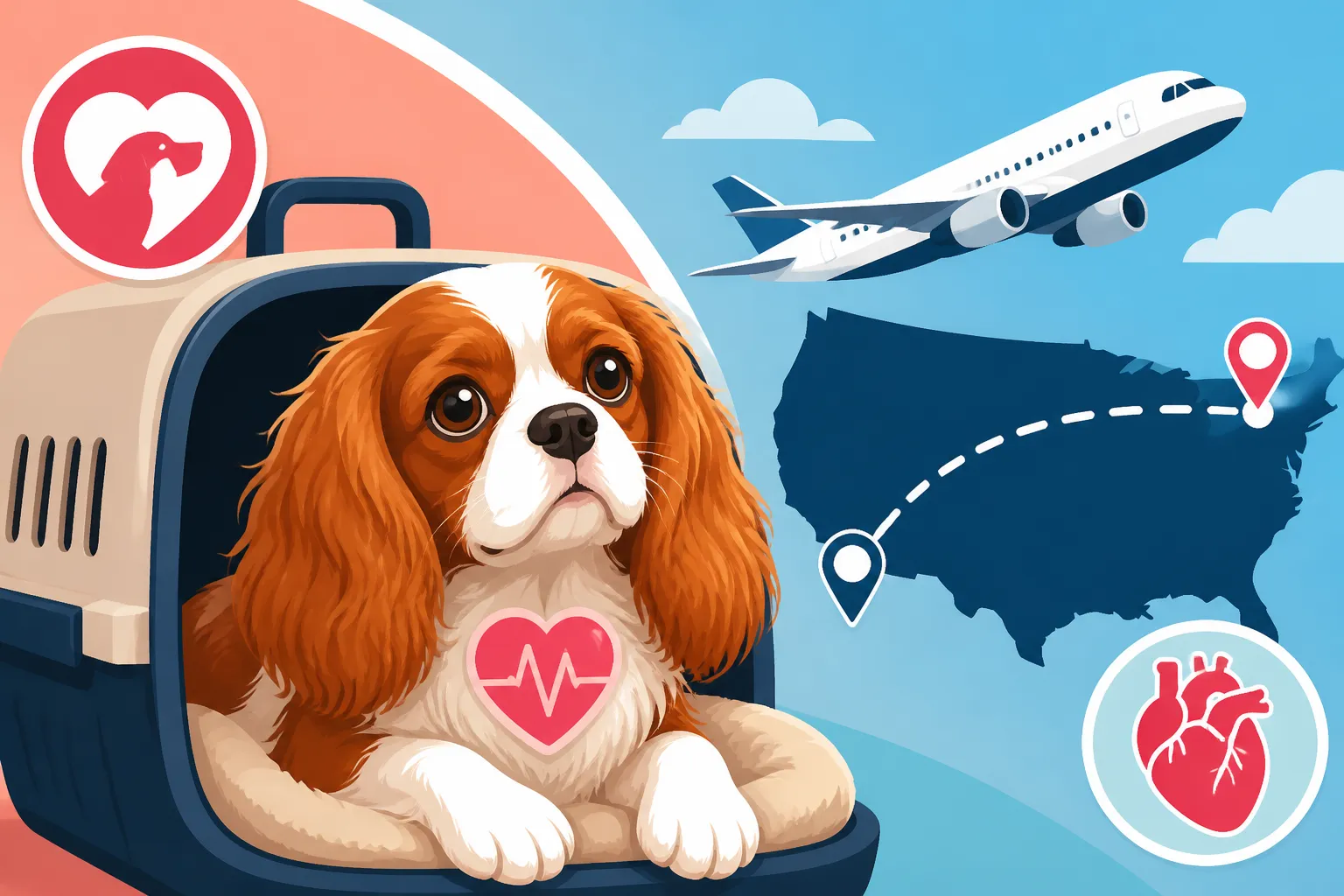
- Flying: Flying can drastically cut down travel time, which might be beneficial for a dog whose condition could worsen with prolonged stress. However, it comes with its own set of challenges. Most Cavaliers will be small enough to fly in-cabin under the seat in front of you, which is by far the safest option. Always confirm airline pet policies well in advance, as rules vary and space is limited. Dogs flying in cargo are exposed to greater risks of stress, temperature extremes, and air pressure changes, which can be particularly dangerous for a heart patient. A pre-flight vet check to ensure your Cavalier is fit to fly and obtain any necessary documentation is essential. Even in-cabin, the noise and confined space can be stressful, so consider talking to your vet about mild sedatives if appropriate, and always test them at home first.
Regardless of your chosen method, pack an emergency kit with your Cavalier's full medical records, current medications (with extra doses), and contact information for both your primary vet and the surgical facility.
Accommodation: Finding Pet-Friendly Stays Near the Surgical Center
You'll likely need to stay near the surgical facility for an extended period – potentially days before surgery for pre-op evaluations, during the surgery itself, and then for several days or even weeks during the crucial post-operative recovery phase. This isn't a quick overnight trip. Finding suitable pet-friendly accommodation is therefore a critical step.
- Hotels/Motels: Many major hotel chains offer pet-friendly rooms, but always confirm their specific policies regarding dog size, breed, and any additional fees. Ask about ground-floor rooms for easier access for potty breaks, especially if your Cavalier might be weak or have limited mobility post-op. Look for hotels with grassy areas nearby.
- Short-Term Rentals: Options like Airbnb or VRBO can offer more space, a kitchen to prepare meals (which can save money and allow for specialized diets), and a more home-like environment, which can be less stressful for your dog. Again, meticulously check their pet policies and inform the host of your specific needs (e.g., a quiet space, a recovering dog).
- Proximity to the Clinic: Try to find accommodation as close as possible to the surgical center. This minimizes travel time for daily visits, especially when your Cavalier is in critical care, and makes it easier for follow-up appointments once they are discharged. You'll want to be able to get there quickly if there's an emergency or if the surgical team calls.
Remember, your Cavalier will be recovering from major surgery. They'll need a quiet, comfortable space where they feel secure. Consider bringing their favorite bed, blankets, and toys to make the unfamiliar environment more comforting.
The Pre-Travel Veterinary Check and Packing List
Before you even hit the road or head to the airport, a thorough pre-travel veterinary check-up with your primary vet is non-negotiable. This isn't just a formality; it's a critical step to ensure your Cavalier is as stable as possible for the journey. Your vet can assess their current heart status, address any immediate concerns, and provide a health certificate if required for travel. They can also offer advice on managing travel stress and motion sickness.
Your packing list for this kind of trip will be extensive:
- Medications: All current medications, clearly labeled, with enough for the entire trip plus a few extra days, just in case.
- Food & Treats: Your Cavalier's regular food (especially if it's a prescription diet), water, and low-sodium treats suitable for a heart patient. Services like Chewy can be incredibly helpful if you need to order prescription food or other supplies directly to your temporary accommodation.
- Medical Records: A complete copy of your Cavalier's medical history, especially all cardiology reports and recent bloodwork.
- Comfort Items: Favorite bed, blankets, crate, toys, snoods to keep ears out of food/water.
- Grooming & Hygiene: Brushes, ear cleaner (Cavaliers are prone to ear issues!), paw wipes. Don't forget their harness, leash, and a backup.
- Emergency Contacts: Your regular vet, the surgical center, and a local emergency vet in your destination city.
It might seem excessive, but being over-prepared is always better when dealing with a fragile heart patient so far from home.
Financial Considerations: Understanding the True Cost of Travel Surgery
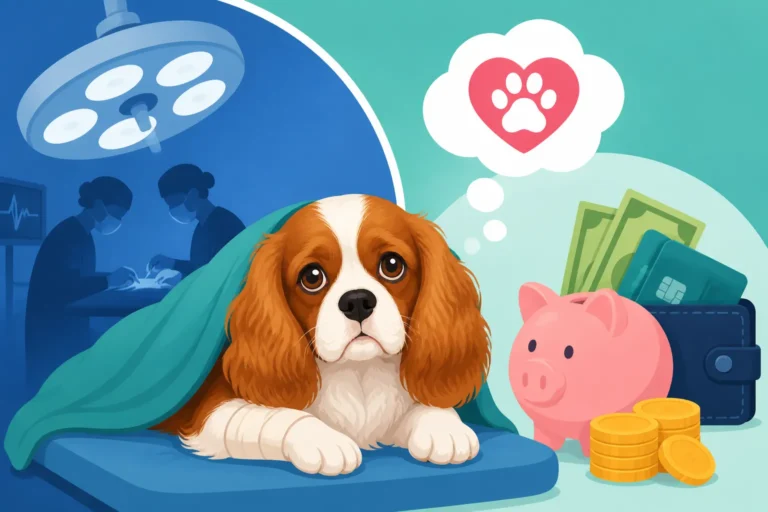
The cost of Cavalier heart surgery itself is substantial, often one of the highest veterinary expenses an owner can face. However, when you factor in traveling out of state for the procedure, the financial picture becomes even more complex. It's crucial to budget for far more than just the surgical fee, otherwise, you could find yourself in a very difficult position. You can explore What Mitral Valve Repair Costs a Cavalier Owner for specifics.
Beyond the Surgical Fee: Travel, Lodging, and Lost Income
The sticker price for mitral valve repair is just the beginning. You need to account for:
- Travel Expenses: This includes gas, tolls, airline tickets, baggage fees (especially for pet carriers), and potentially car rental at your destination.
- Accommodation Costs: As discussed, you'll be staying for several days to a few weeks. Hotel or short-term rental costs can quickly add up.
- Food and Daily Expenses: You'll still need to eat, and potentially eat out more often than at home. Budget for daily essentials, pet supplies you might run out of, and unexpected purchases.
- Lost Income/Time Off Work: Taking weeks off work for travel and recovery can mean a significant loss of income for many individuals. Factor this into your overall budget.
- Pre- and Post-Operative Care at Home: Don't forget the costs of initial diagnostics and follow-up care with your local cardiologist once you return.
This combined financial burden can easily double or even triple the cost of the surgery alone. It's a testament to the love Cavalier owners have that they undertake this.
The Role of Pet Insurance and Emergency Funds
For those who were proactive enough to enroll their Cavalier in pet insurance like Healthy Paws or a similar comprehensive policy before any heart murmur was detected, some aspects of the pre-operative diagnostics, post-operative care, or even travel-related veterinary emergencies might be covered. However, it's vital to remember that mitral valve disease is almost always considered a pre-existing condition if a murmur was noted before the policy's enrollment or waiting period. Most pet insurance policies do not cover pre-existing conditions. This is why having insurance from puppyhood is so frequently advised for Cavaliers. For more on this, consider Whether Pet Insurance Is Worth It for a Cavalier.
Regardless of insurance, an emergency fund is absolutely critical. This surgery is high-risk, and complications, though rare, can arise, requiring extended stays, additional medications, or unforeseen procedures. Having a significant financial cushion specifically for your Cavalier's health can make all the difference in these stressful situations. Many owners find themselves looking into options for Financing an Unplanned Cavalier Surgery when these costs hit.
Managing Medications and Specialized Diets Away From Home
After discharge, your Cavalier will likely be on a complex regimen of medications, potentially including diuretics, heart medications like Pimobendan, and pain relief. Sourcing these medications while traveling can be tricky. Ensure you have enough from your primary vet or the surgical clinic to last until you can get home and refill. If you're staying for an extended period, you might need to coordinate with a local pharmacy or vet clinic in your temporary location.
Some Cavaliers might also require specialized prescription diets, especially low-sodium options, which can be difficult to find in an unfamiliar grocery store. Plan ahead by either bringing enough with you or arranging for delivery services. Companies like Ollie offer fresh, pre-portioned, human-grade food that could be an appealing and easily digestible option for a recovering dog, though always check with your veterinary team about specific dietary needs post-surgery. Having these details sorted can reduce stress immensely.
Post-Operative Care Away From Home: The Recovery Period
The surgery is only half the battle; the recovery period is just as crucial, if not more so, for your Cavalier's long-term success. Navigating this delicate phase away from your familiar home environment adds another layer of complexity.
Immediate Post-Surgical Care and Monitoring at the Facility
Immediately after surgery, your Cavalier will be in the intensive care unit (ICU) at the specialized facility. This is where they receive round-the-clock monitoring by critical care veterinarians and nurses. They'll be on IV fluids, pain medication, and potentially oxygen. The surgical team will be diligently watching for any complications, managing their heart function, and ensuring their stability. Communication with the surgical team during this time is paramount. Don't be afraid to ask questions, even if you feel you're asking too many. Understanding their progress, what to expect, and any potential issues will help you prepare for their eventual discharge. This initial period, usually a few days to a week, is intensely critical, and your dog will be in the best possible hands.
Navigating Recovery in an Unfamiliar Environment
Once your Cavalier is stable enough to be discharged from the ICU, they'll still be in a delicate state. Their chest will have been opened, and they will have a significant incision and sutures. You'll be responsible for continuing their medication regimen, monitoring their appetite and bathroom habits, and restricting their activity. Doing this in a hotel room or short-term rental, rather than the comfort and familiarity of your own home, presents unique challenges.
- Activity Restriction: Your Cavalier will need strict rest. No jumping, no stairs, and only short, leashed potty breaks. This can be hard for a spirited Cavalier, so be prepared with gentle mental enrichment activities.
- Medication Management: You'll be administering multiple medications, often several times a day. Create a strict schedule and use pill organizers or reminder apps.
- Monitoring: Watch for any signs of discomfort, changes in breathing, lethargy, or issues with the incision site. Knowing what's normal and what's concerning is vital.
- Hygiene: Keeping the incision clean and dry, especially with a Cavalier's long coat, requires careful attention. A Cavalier Bathing and Drying a Single Coat guide might seem far off, but gentle cleaning will be important.
Having a strong support system back home, even if it's just friends or family checking in, can provide much-needed emotional support during this intensive period.
Follow-Up Appointments and the Journey Home
Before you are cleared to travel back home, your Cavalier will have several follow-up appointments with the surgical team. These typically involve checks of the incision, reassessment of heart function, and adjustments to medication. They will also provide you with detailed instructions for home care, including medication schedules, activity restrictions, and signs to watch for. Make sure you understand everything before you leave.
The journey home itself needs to be carefully planned to minimize stress on your recovering dog. Replicate the comfortable, controlled environment you created for the trip to surgery, but with an even greater emphasis on gentleness and rest. Once home, you will continue their recovery under the guidance of your local veterinarian and cardiologist. The surgical team will likely communicate directly with your primary care team, ensuring a seamless transition of care. This is a long road, but seeing your Cavalier regain their energy and zest for life after such a heroic journey is an unparalleled reward. For ongoing management, understanding Caring for a Cavalier Past Nine can offer valuable long-term perspectives.
Disclaimer
This article is for general informational purposes only and does not constitute professional advice. Laws, prices and regulations vary by location and change over time. Consult a qualified professional for guidance on your specific situation.