Where Therapy Cavaliers Actually Visit
Many Cavalier King Charles Spaniel owners quickly realize their sweet, affectionate companions possess a special calming presence. It's not uncommon to wonder if that gentle spirit could be shared with others, easing anxieties and bringing smiles where they're most needed. This guide will take a deep dive into the various places where these wonderful dogs, once certified, truly make a difference, helping you understand the diverse world of therapy work and where your Cavalier might fit in.
What Makes a Cavalier a Natural for Therapy Work?
Cavaliers, by their very nature, seem almost purpose-built for therapy work. Their disposition is one of the breed's most cherished traits, making them incredibly popular as companion animals. But beyond just being good house pets, these characteristics translate beautifully into the specific demands of a therapy dog, which requires a very particular set of skills and an even more particular personality.
The Inherent Gentle Temperament of the Cavalier
One of the first things anyone notices about a Cavalier is their unparalleled gentleness. They aren't prone to sudden bursts of aggression, nor do they typically possess the high prey drive or intense focus that might make them less approachable for vulnerable individuals. Instead, they offer a soft, warm, and inviting presence. Picture a child in a hospital bed, feeling scared and alone. A small, non-threatening dog, with big, soulful eyes and a wagging tail, approaching calmly and offering a quiet snuggle, can be profoundly comforting. This isn't something you can easily train; it's intrinsic to the breed. They thrive on human connection and are genuinely happy to be close, which is exactly what therapy recipients need. Their eagerness to please and soft mouth when taking treats also contribute to a safe and positive interaction for people of all ages and conditions. This natural empathy is what makes them such beloved Cavalier Temperament and the Sporting Spaniel Beneath It.
Adaptable Size and Low-Impact Nature
Cavaliers are perfectly sized for many therapy environments. They are small enough to be easily managed, whether they're sitting on a lap, resting beside a bed, or being gently held by someone with limited strength. They aren't intimidating in the way a large, boisterous dog might be, which is a huge advantage when interacting with people who might be fearful of dogs or physically frail. Think about navigating crowded hospital corridors or quiet library reading rooms; a Cavalier can do this with grace and minimal disruption. Their relatively low-impact activity level means they don't require constant strenuous exercise during a visit, allowing for prolonged, calm interactions. This quiet demeanor allows them to blend into diverse settings, providing comfort without overwhelming the space. Their calm energy is a huge asset when working with individuals who might be sensitive to noise or sudden movements, making them ideal companions in a variety of therapeutic roles.
A Breed That Craves Connection
Cavaliers are affectionately known as "Velcro dogs" for a reason – they absolutely adore being with their people. This deep desire for connection is a cornerstone of effective therapy work. A therapy dog isn't just a prop; it's an active participant, offering genuine companionship. A Cavalier will lean into a gentle touch, gaze up with adoring eyes, and soak up affection, returning it tenfold. This reciprocal interaction is incredibly powerful. For someone feeling isolated, depressed, or in pain, having a creature actively seek out and revel in their presence can be a profound affirmation of connection and worth. This strong bond-forming capability means they engage deeply with the people they meet, creating meaningful, albeit brief, moments of joy and solace. This innate sociability means they aren't easily stressed by new people or environments, making them reliably warm and open during visits.
Common Environments Where Therapy Cavaliers Shine
The versatility of the Cavalier's temperament and size allows them to excel in a wide array of settings, bringing comfort and companionship to people from all walks of life. These environments often highlight the specific ways a Cavalier's presence can alleviate stress, promote healing, and foster positive emotional states.
Hospitals and Rehabilitation Centers
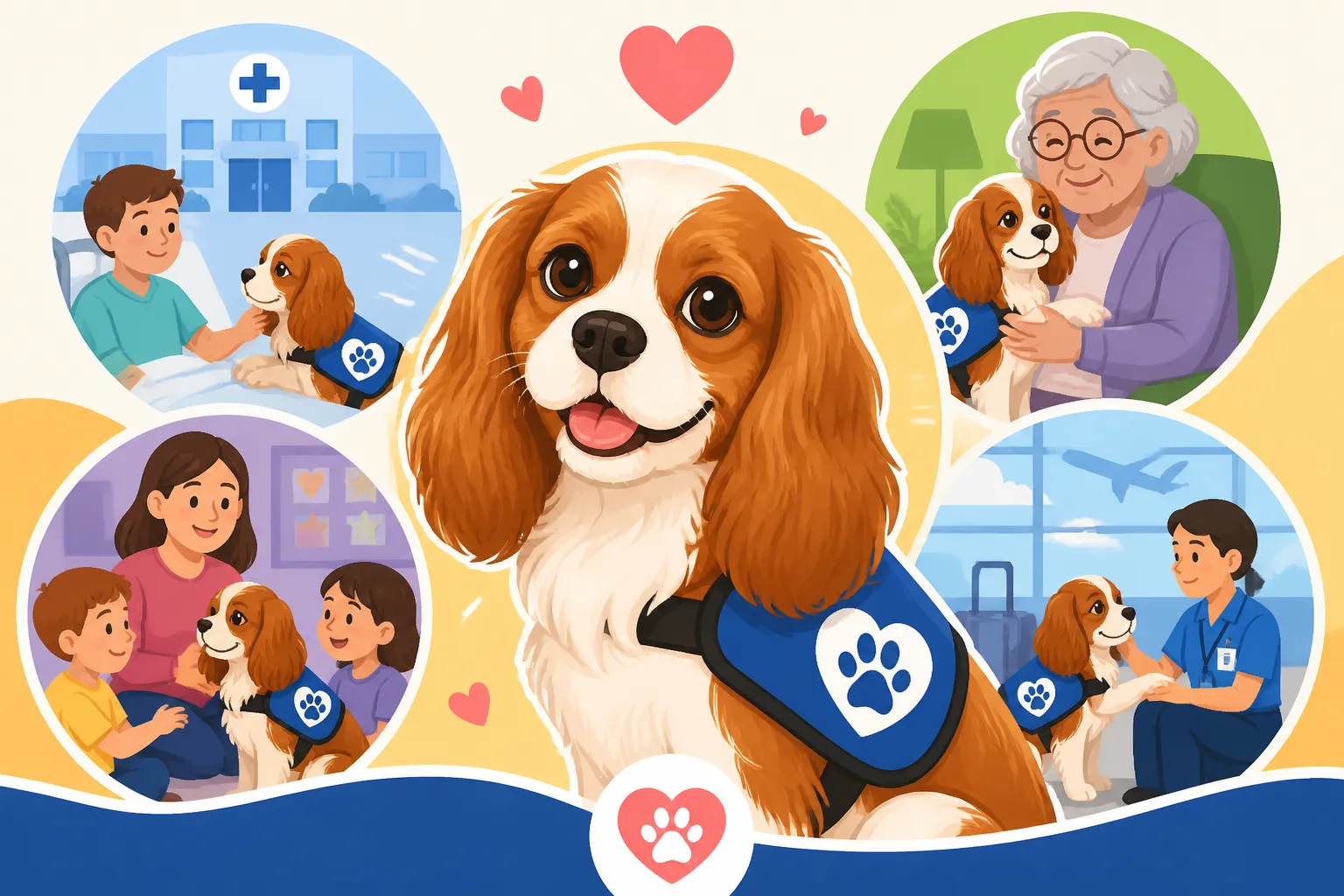
Hospitals and rehabilitation centers are some of the most common and impactful places for therapy Cavaliers. Here, patients are often grappling with illness, injury, or recovery, facing long days and sometimes painful treatments. A Cavalier can provide a much-needed distraction from discomfort and anxiety. Imagine a child recovering from surgery, feeling bored and scared. A Cavalier might hop onto their bed (with permission, of course), offer a soft head to stroke, and just be a quiet, warm presence. This interaction can lower blood pressure, reduce feelings of loneliness, and even encourage movement and interaction from patients who might otherwise be withdrawn. For adults in rehab, a Cavalier can motivate them to reach, pet, or walk a few extra steps, turning a mundane exercise into a joyful interaction. The small size of a Cavalier means they can easily navigate hospital rooms and are less likely to accidentally bump into sensitive medical equipment or tubes.
Nursing Homes and Assisted Living Facilities
Elderly residents in nursing homes and assisted living facilities often benefit immensely from therapy dog visits. Many residents miss their own pets or feel isolated from their families. A Cavalier brings a piece of home and unconditional affection right to their laps. The gentle act of stroking a Cavalier's soft fur can evoke happy memories, reduce agitation, and combat feelings of loneliness. For residents with dementia or Alzheimer's, the simple, sensory experience of interacting with a dog can often bypass cognitive barriers, sparking moments of clarity, smiles, or even conversation when other forms of communication are difficult. The quiet, calm nature of Cavaliers allows for intimate, one-on-one interactions that are deeply appreciated in these settings. They don't demand much, just a gentle hand to pet them, and in return, they offer a comforting presence and a moment of pure, uncomplicated joy.
Schools and Libraries
In educational settings, therapy Cavaliers serve a unique role, particularly in programs aimed at improving literacy and social-emotional learning. "Reading to dogs" programs have gained popularity, where children, especially those struggling with reading or confidence, read aloud to a non-judgmental Cavalier. The dog simply listens, providing a calm, encouraging presence that helps reduce anxiety associated with reading aloud in front of peers or teachers. This boosts confidence, makes reading fun, and can significantly improve literacy skills. Additionally, Cavaliers can visit schools to help children learn about responsible pet ownership, gentle interaction with animals, and even provide emotional support during stressful periods like exam weeks. Their friendly disposition makes them excellent ambassadors, teaching empathy and kindness. For children with special needs or anxiety, a Cavalier can be a grounding presence, helping them to feel safe and engaged in learning environments.
Less Obvious, Yet Impactful, Therapy Settings
While hospitals and schools are well-known havens for therapy dogs, Cavaliers also make significant contributions in some less conventional, but equally vital, environments. Their innate sensitivity and calming aura adapt beautifully to specialized needs that demand a nuanced approach.
Courtrooms and Legal Settings
This might sound surprising, but therapy dogs, including Cavaliers, are increasingly being utilized in courtrooms, particularly with children or vulnerable adults who are testifying in traumatic cases. Imagine a child facing a courtroom, surrounded by strangers, reliving a painful experience. The stress can be overwhelming. A quiet Cavalier sitting beside them, offering a soft ear to scratch or a comforting presence under the table, can help reduce anxiety, making it possible for them to speak more clearly and confidently. The dog acts as an emotional support, a silent, non-judgmental companion that helps ground the individual in a highly stressful situation. This isn't just about comfort; it's about facilitating justice by allowing a witness to give the best possible testimony. The Cavalier's small size means they can remain unobtrusive, a comforting presence without drawing undue attention from the proceedings.
Disaster Relief and Crisis Intervention
In the aftermath of natural disasters, acts of violence, or other traumatic events, emotional support is critically needed. Therapy dog teams, often including resilient little Cavaliers, deploy to shelters, community centers, and aid stations. These dogs offer moments of normalcy, distraction, and unconditional affection to victims, first responders, and aid workers who are all experiencing immense stress and grief. A Cavalier's gentle lean or soft lick can be a powerful reminder of connection and hope amidst chaos and despair. For those who have lost everything, the simple act of petting a warm, friendly dog can provide a vital emotional anchor, helping to process trauma and begin the long journey of healing. These are often brief, but intensely meaningful, interactions that can make a profound difference in someone's darkest hour. The calm, present nature of the Cavalier helps create a small bubble of peace in otherwise overwhelming situations.
Hospice and Palliative Care
Perhaps one of the most poignant roles for a therapy Cavalier is in hospice and palliative care. In these settings, dogs provide comfort to individuals nearing the end of their lives, and also to their grieving families. A Cavalier can offer gentle companionship, a warm body to hold, and a loving presence during a time of immense vulnerability. They don't ask questions, they don't judge, they simply are. For patients, this can reduce pain, anxiety, and feelings of isolation. For families, the dog can be a source of shared comfort, a silent witness to their grief, and a means to create peaceful, loving memories in the final stages of life. The serene and intuitive nature of Cavaliers allows them to sense emotional states and offer quiet support without being intrusive, providing a profound sense of peace and connection. The quiet presence of a Cavalier can be a beautiful gift in these tender moments.
Preparing Your Cavalier for Therapy Visits
Becoming a certified therapy dog team isn't just about having a sweet Cavalier; it involves dedicated training, ongoing socialization, and ensuring your dog is comfortable and healthy enough for the demands of the work. It's a journey that takes commitment, but the rewards are immeasurable.
Essential Training and Socialization
Before your Cavalier can embark on therapy visits, they need a solid foundation of obedience and impeccable manners. This means mastering commands like "sit," "stay," "down," "come," and "leave it," reliably and consistently, even amidst distractions. More importantly, they need to be socialized to a wide variety of sights, sounds, smells, and people, including those using wheelchairs, crutches, or medical equipment. They must be comfortable with gentle handling from strangers, even awkward pats, and not be startled by loud noises or unexpected movements. Many therapy organizations require dogs to pass the American Kennel Club's Canine Good Citizen (CGC) test as a prerequisite. This demonstrates basic obedience and good behavior in public. Consider exploring online training resources, such as those offered by BAXTER & Bella, which can provide structured programs to help you and your Cavalier build these crucial skills from puppyhood through advanced manners. Consistent, positive reinforcement training, as discussed in Training a Cavalier With Praise Rather Than Pressure, is key to building a confident, reliable therapy dog.
The Certification Process
Once your Cavalier has excellent manners and a calm disposition, the next step is to undergo formal therapy dog certification through a recognized organization. This usually involves an evaluation where a certified assessor observes your dog's temperament and obedience in simulated therapy scenarios. They'll look for signs of stress, aggression, or shyness, and confirm that your dog remains calm and friendly in various situations, such as being approached by strangers, being in a noisy environment, or being around medical equipment. You, as the handler, will also be evaluated on your ability to read your dog's body language, advocate for their needs, and manage them safely and effectively. This process ensures that both dog and handler are prepared for the unique challenges of therapy work. Each organization has its own specific requirements, so research different groups to find one that aligns with your values and your Cavalier's strengths. After passing, you'll typically be registered and receive identification for your therapy dog.
Ongoing Health and Well-being
A therapy Cavalier must be in excellent health. Regular veterinary check-ups, up-to-date vaccinations, and diligent parasite prevention are non-negotiable. Therapy organizations require proof of current health and vet records. Remember, your Cavalier will be interacting with vulnerable populations, so their hygiene and health are paramount. Beyond physical health, their emotional well-being is equally important. Therapy work, while rewarding, can be tiring for dogs. It's crucial to ensure your Cavalier enjoys the work, isn't stressed by visits, and gets plenty of downtime and enrichment at home. Watch for signs of fatigue or discomfort, and never push them beyond their limits. Think about comfortable gear like a well-fitting harness you might find on Amazon, ensuring it won't rub or pinch during long sessions. Maintaining their comfort and happiness ensures they can continue to bring joy to others for many years. Regular grooming, as outlined in Brushing a Cavalier's Feathering Three Times a Week, also contributes to their comfort and presentation during visits.
Here's a quick look at the suitability of Cavaliers for various therapy settings:
| Therapy Setting | Cavalier Suitability | Key Cavalier Traits Utilized | Considerations for Cavalier and Handler |
|---|---|---|---|
| Hospitals & Rehab | Excellent | Gentle nature, small size, calming presence, comfortable with diverse sensory inputs | Need to be comfortable with medical equipment, loud noises, many different people; handler vigilance required. |
| Nursing Homes & Assisted Living | Excellent | Affectionate, lap-loving, non-intimidating, evokes memories, patient with slow interactions | Must be able to tolerate being petted for extended periods; sensitive to diverse mobility aids. |
| Schools & Libraries | Excellent | Calm, quiet, non-judgmental listener, non-threatening to children, good for focus and confidence building | Must be tolerant of children's unpredictable movements and sounds; solid "leave it" command is a must. |
| Courtrooms & Legal | High | Quiet, stable presence, small and unobtrusive, provides emotional anchor in high-stress situations | Requires extreme calm and handler's ability to remain discreet; sensitive to the gravity of the situation. |
| Disaster Relief & Crisis | High | Offers unconditional comfort, distraction from trauma, a sense of normalcy, resilient temperament | Can be emotionally taxing; requires a resilient dog and handler; exposure to chaotic environments. |
| Hospice & Palliative Care | Excellent | Intuitive, serene, warm body for comfort, unobtrusive, provides peaceful companionship | Requires extreme sensitivity from both dog and handler; focus on quiet presence and gentle interaction. |
Continuing Education and Support
The journey doesn't end with certification. Many therapy dog organizations offer continuing education, workshops, and opportunities for handlers to connect and share experiences. This ongoing support is invaluable, helping you troubleshoot challenges, learn new skills, and stay motivated. Just like any volunteer role, being a therapy dog team requires dedication and a willingness to learn. Your Cavalier will benefit from regular practice sessions, refresher training, and continuous socialization to maintain their excellent demeanor. Consider topics like Socializing a Cavalier Puppy Gently if you are just starting, or even Caring for a Cavalier Past Nine if you have an older dog entering this fulfilling work. The goal is to ensure your Cavalier remains happy, healthy, and enthusiastic about sharing their love, making every visit a positive experience for everyone involved.
Disclaimer
This article is for general informational purposes only and does not constitute professional advice. Laws, prices and regulations vary by location and change over time. Consult a qualified professional for guidance on your specific situation.