Cavalier Temperament and the Sporting Spaniel Beneath It
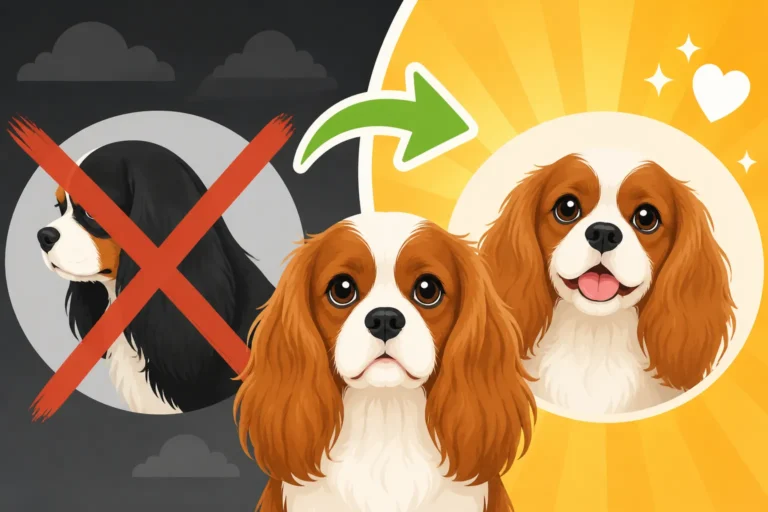
It's a common misconception that Cavalier King Charles Spaniels are just decorative lap warmers, perfectly content to recline on a silk cushion and be admired. While their sweet faces and gentle demeanor certainly lend themselves to that image, many new Cavalier owners quickly discover a lively, inquisitive spirit underneath all that silky fur. This guide will delve deep into the true Cavalier temperament, exploring the cherished "Velcro dog" traits alongside the sometimes-surprising hunting instincts that shape their behavior and make them such unique companions, helping you understand the delightful complexities of your furry friend.
The Cavalier's Signature Affection: Why They're Called "Velcro Dogs"
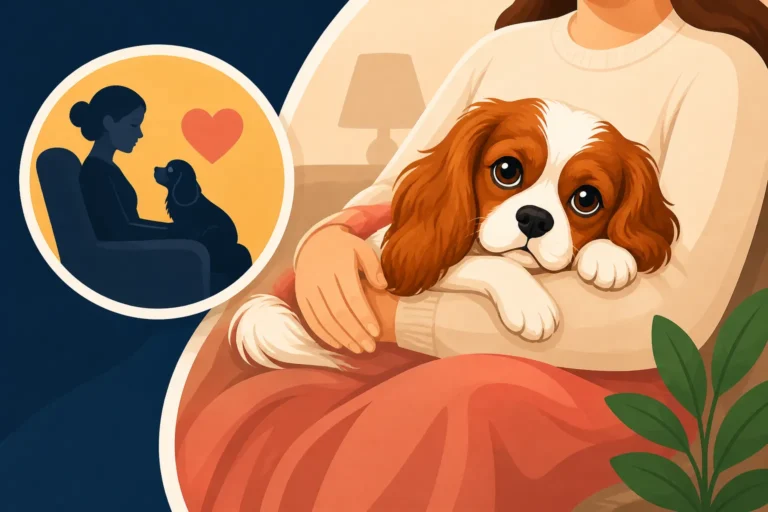
If you've ever owned a Cavalier, you know the term "Velcro dog" isn't an exaggeration – it's a badge of honor. These little spaniels are renowned for their profound attachment to their human families, a trait that makes them incredibly endearing but can also present a unique set of challenges. Their history as companions to royalty, specifically bred to sit on laps and provide comfort, has solidified this deep need for proximity. They genuinely thrive on being part of your every moment, whether you're working, relaxing, or moving from room to room.
The Irresistible Pull of Proximity: Following You Everywhere
The experience of having a Cavalier often means never truly being alone. You might find your shadow is a little fluffier, a little more prone to sighing contentedly at your feet, or gently nudging your hand for a stroke. This isn't just a quirky habit; it's deeply ingrained in their psychological makeup. They crave the warmth, the scent, and the simple presence of their chosen people. For many, this constant companionship is precisely what draws them to the breed, creating an almost therapeutic bond that feels incredibly special. It’s a love language spoken through soft gazes and gentle leans against your leg, a constant affirmation that you are their entire world.
However, this constant desire for closeness can sometimes feel overwhelming, especially if you're trying to accomplish tasks around the house. Imagine trying to cook dinner with a small, adoring supervisor weaving around your ankles, or attempting to use the restroom only to find a pair of big, brown eyes watching you from the doorway. It can be a genuine frustration, even for the most devoted owner, and it's something many first-time Cavalier guardians aren't quite prepared for. Understanding that this isn't manipulative behavior but an authentic expression of their breed's nature helps frame it differently, prompting us to find ways to meet their need without sacrificing our own space entirely. We've even discussed this in more detail in Why a Cavalier Follows You Room to Room.
Cavaliers in the Family: Children and Other Pets
Cavaliers generally excel in family environments, often demonstrating remarkable patience and a gentle nature with children and other animals. Their sweet disposition makes them wonderful playmates, always up for a game of chase or a quiet cuddle on the sofa. They typically aren't prone to aggressive tendencies, preferring to de-escalate situations or simply remove themselves if things get too rambunctious. This inherent amiability is one of the reasons they are frequently recommended for families looking for a loving, interactive companion that can integrate smoothly into a busy household.
However, it's crucial to remember that a Cavalier's delicate build means they can be easily injured by overly enthusiastic children. Supervision is always key to ensure that playtime remains safe and positive for everyone involved. While they are usually tolerant, even the most patient Cavalier can become overwhelmed if their boundaries are constantly pushed or if they feel threatened. Similarly, their desire for companionship can sometimes translate into a bit of jealousy if another pet seems to be monopolizing your attention. Introducing them carefully to new furry siblings and ensuring everyone gets their fair share of love and resources is vital for a harmonious home, as their feelings are genuinely hurt by perceived slights.
More Than Just a Lapdog: The Sporting Spaniel Within
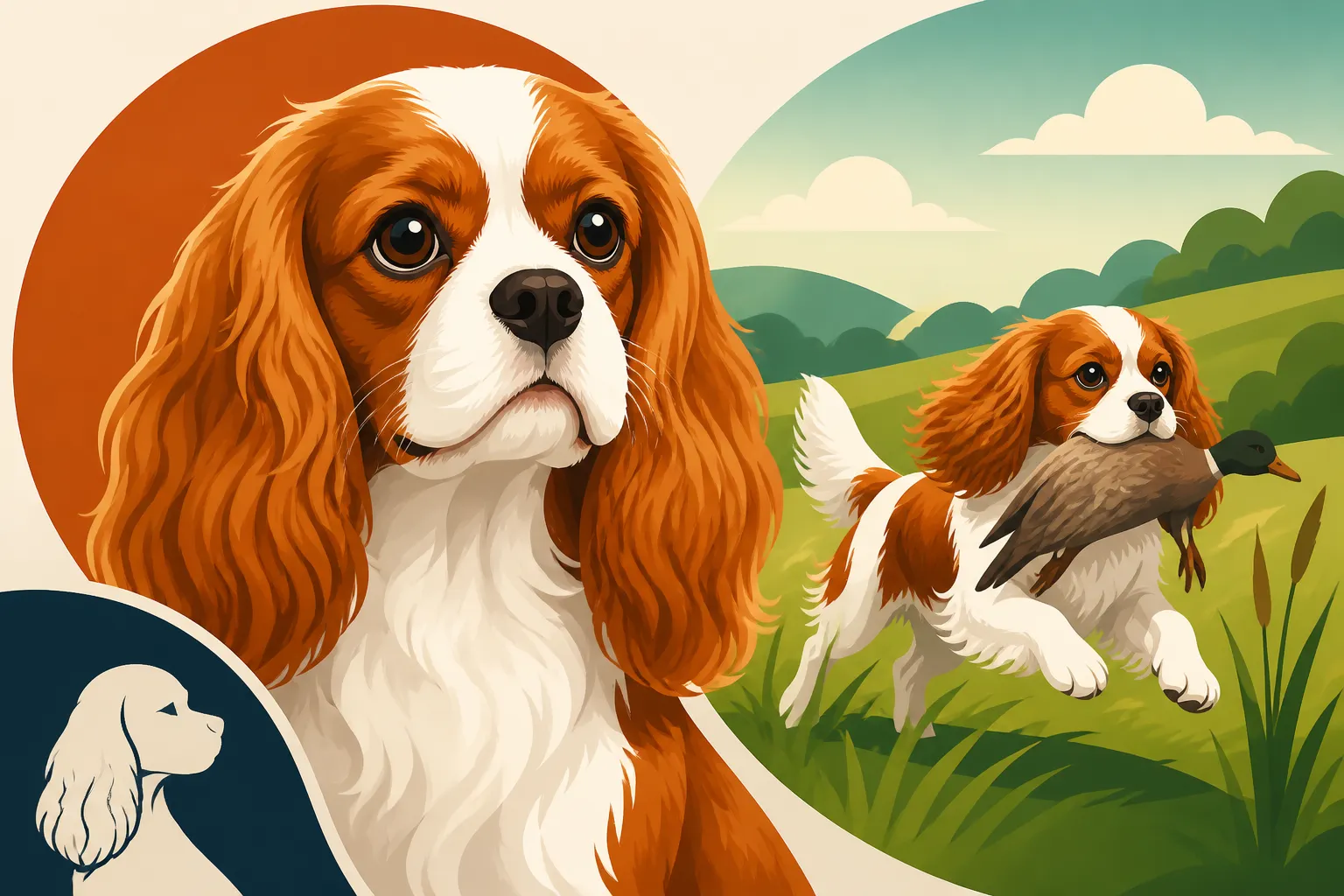
Beneath the velvet ears and soulful eyes lies the heart of a sporting spaniel, a lineage that often surprises those who only expect a pampered pet. While Cavaliers may not be built for long, arduous hunts like their larger spaniel cousins, they retain many of the instincts and drives that once made their ancestors invaluable in the field. Ignoring this aspect of their temperament can lead to frustrated owners and under-stimulated dogs, as these innate urges need an outlet. It's a key part of The Spaniel Instincts Left in a Cavalier that we often overlook.
The Chase Instinct: Birds, Squirrels, and the Open Road
That sudden lunge on the leash, the laser-like focus on a rustling bush, the unwavering stare at a distant bird – these are not random acts of defiance. These are powerful manifestations of the Cavalier's prey drive. Their ancestors were bred to flush out small game, and even generations of selective breeding for companionship haven't fully extinguished that spark. A Cavalier can go from serenely strolling beside you to a full-on, tunnel-vision sprint in pursuit of a squirrel, seemingly deaf to your frantic calls. This is a common and often terrifying frustration for Cavalier owners, especially given their lack of "street smarts" when a chase is on.
This strong chase instinct is why reliable recall is often a monumental challenge for the breed, and why off-leash privileges in unfenced areas are generally ill-advised. It's not that your Cavalier doesn't love you or isn't well-trained; it's that the primal urge to pursue a moving object can completely override their training in that moment. Understanding this helps you manage their environment and expectations, focusing on safe, enclosed spaces for off-leash fun and investing in long lines for supervised exploration in open areas. Their safety truly depends on you acknowledging this powerful, inherent drive.
Scent-Driven Explorers: Nose to the Ground
Another profound legacy of their sporting heritage is their highly developed sense of smell and an insatiable desire to explore the world through their noses. A Cavalier on a walk isn't just out for exercise; they are reading the intricate olfactory newspaper of their neighborhood. Every patch of grass, every lamppost, every discarded leaf tells a story, and they are absolutely compelled to decipher it. This can lead to walks that feel less like a brisk stroll and more like a series of abrupt stops and intense sniffing sessions, which can be exasperating when you're on a schedule.
This deep engagement with scent can also be a fantastic source of enrichment for them. Harnessing this instinct through activities like "nose work" games, where they have to find hidden treats or toys, can provide immense mental stimulation and satisfaction. It allows them to engage with their natural abilities in a safe, controlled environment, channeling that drive into a positive outlet. Without such opportunities, a Cavalier might resort to excessive sniffing indoors, or become overly frustrated and pull relentlessly on the leash as they try to follow every intriguing scent trail.
Energy Levels: More Than Just Couch Potatoes
While a Cavalier is perfectly happy to curl up on your lap for hours, equating this to a low energy level can be a mistake. These dogs do need regular exercise and mental stimulation to be truly content and well-behaved. A bored Cavalier, like any dog, can develop undesirable habits such as excessive barking, destructive chewing, or even anxiety. Their physical needs might not rival a Border Collie's, but they are certainly more than just sedentary ornaments.
Typically, two good walks a day, combined with some playtime or training sessions, will suffice. They enjoy brisk walks, exploring new parks, and engaging in games of fetch in the yard. Their energy is often characterized by bursts of playfulness followed by periods of deep relaxation. It's a balanced approach that helps them burn off steam and satisfy their natural desire for activity. If you notice your Cavalier becoming restless or exhibiting naughty behaviors, it's often a clear signal that they need more outlets for their inherent energy and curiosity, a topic we touch on in How Much a Cavalier Actually Sleeps.
Training a Cavalier: Gentle Guidance for a Sensitive Soul
Training a Cavalier King Charles Spaniel requires a particular approach that respects their sensitive nature and eager-to-please attitude. They are intelligent and generally quick learners, but they respond poorly to harsh corrections or intimidating methods. Their primary motivation is often to make their people happy, and tapping into that desire is the most effective path to success. Understanding their gentle spirit is key to building a strong, trusting relationship and achieving positive training outcomes.
Positive Reinforcement: The Key to Success
When it comes to training a Cavalier, positive reinforcement isn't just a preferred method; it's virtually essential. These dogs are exquisitely sensitive, and a harsh tone or a sharp yank on the leash can cause them to shut down, become fearful, or lose confidence. Instead, they blossom under encouragement, praise, and, of course, delicious treats. Think of it as a feedback loop where good behavior is immediately rewarded, making them much more likely to repeat it. This fosters a happy, enthusiastic learner who genuinely enjoys interacting with you.
For example, when teaching a "sit," as soon as your Cavalier's rear touches the ground, a cheerful "Yes!" or "Good sit!" followed by a small, high-value treat like a piece of cooked chicken or a favorite soft chew from a brand like Chewy, will make a lasting impression. The timing of the reward is crucial; it needs to be instantaneous to create a clear association between the action and the positive outcome. This method not only teaches them commands but also strengthens your bond, turning training into a fun and engaging activity for both of you, making it more about cooperation than compliance.
Consistency and Patience: The Long-Term Approach
Like all dogs, Cavaliers thrive on consistency. Establishing clear rules and routines from day one helps them understand what is expected of them and builds a sense of security. If "no jumping on the sofa" is sometimes enforced and sometimes ignored, your Cavalier will become confused, leading to frustration for both of you. Every member of the household needs to be on the same page regarding commands, boundaries, and rewards to ensure a unified message. This structure provides the framework within which their gentle personalities can flourish without uncertainty.
Patience is equally vital. There will be days when your Cavalier seems to have forgotten everything they've learned, or when a new distraction proves too enticing. It's during these moments that taking a deep breath and revisiting the basics with kindness is paramount. Rushing or becoming frustrated will only hinder progress. Remember, they are living, breathing creatures with their own personalities and learning curves. Celebrating small victories, breaking down complex tasks into smaller steps, and understanding that every dog learns at their own pace will lead to far greater long-term success and a happier, more confident Cavalier. For additional guidance, consider exploring Reward-Based Training With a Cavalier.
Early Socialization and Exposure: Building a Confident Puppy
Early socialization is a cornerstone of raising a well-adjusted Cavalier. From a young age, puppies should be exposed to a wide variety of sights, sounds, smells, people, and other friendly dogs in a controlled, positive manner. This helps them develop into confident adults who are comfortable navigating the complexities of the human world without undue fear or anxiety. Imagine a puppy being introduced to someone wearing a hat, a vacuum cleaner, or the sound of traffic – these experiences, when positive, build resilience.
Enrolling in puppy classes can be incredibly beneficial, providing a safe environment for your Cavalier to interact with other puppies and learn basic manners under professional guidance. Beyond classes, simply taking your puppy on short, positive outings to different locations – a quiet park, a friend's house, or a pet-friendly store (if allowed and safe) – can broaden their world. The goal isn't to overwhelm them, but to introduce them gently and gradually to the richness of life, ensuring each experience is positive and ends on a good note. This foundation prevents many common behavioral issues down the line, as a well-socialized Cavalier is a joy to live with.
Cavalier Socialization: Building a Confident Companion
A well-socialized Cavalier is a joy to behold: friendly, confident, and comfortable in a variety of situations. However, their natural sweetness doesn't mean socialization can be skipped. Without proper exposure, even the most inherently gentle Cavalier can become timid, fearful, or overly reactive when faced with novel stimuli. Effective socialization isn't just about meeting other dogs; it's about helping them understand and adapt to the world around them.
Meeting New People and Dogs: The Art of the Gentle Introduction
Cavaliers are generally lovers, not fighters, and tend to greet new people and friendly dogs with wagging tails and an eager sniff. This is a wonderful trait, but it still benefits from thoughtful management. When introducing your Cavalier to new individuals, whether two-legged or four, aim for calm, positive interactions. For people, this might mean having them offer a treat from a safe distance before approaching, or letting your Cavalier initiate contact when they feel ready. It reinforces that new people bring good things.
With other dogs, ensure initial meetings are on neutral ground and that both dogs are on leashes. Observe their body language carefully. Look for relaxed postures, loose tails, and gentle sniffing. Avoid forcing interactions if either dog seems uncomfortable. Group walks with known, calm dogs can be excellent for building confidence and practicing polite greetings. Remember, a single negative experience can leave a lasting impression on a sensitive Cavalier, so prioritize quality over quantity in these interactions. Their future comfort depends on these carefully curated early experiences.
Environmental Exposure: Navigating the World with Confidence
Socialization extends far beyond just meeting new beings; it encompasses exposing your Cavalier to a diverse range of environments, sounds, and textures. Think about the bustling city street, the quiet suburban park, the sound of a roaring dishwasher, or the feel of different surfaces under their paws. Each new experience, when positive, builds their confidence and reduces the likelihood of them becoming overwhelmed or fearful later in life. A Cavalier who has only known a quiet home might be terrified by the sounds of construction, whereas one who has been gradually exposed will take it in stride.
These exposures should always be positive and controlled. For example, if you introduce your Cavalier to a busy street, start by sitting on a bench a little distance away, offering treats as cars go by, gradually moving closer as they become more comfortable. The goal is to create positive associations with potentially overwhelming situations, helping them see the world as a safe and interesting place rather than a source of anxiety. Variety is the spice of life, and it’s certainly true for building a resilient Cavalier.
Managing Over-Stimulation: Knowing When to Retreat
Despite their generally outgoing nature, Cavaliers can sometimes become over-stimulated, especially as puppies or in particularly chaotic environments. A busy dog park, a loud party, or even an overly long training session can lead to sensory overload. Signs of over-stimulation might include excessive panting, frantic zooming, nipping, or even trying to hide. It's crucial for owners to recognize these signals and provide their Cavalier with an opportunity to disengage and decompress.
Creating a safe, quiet space for them to retreat to – like their crate covered with a blanket, or a specific dog bed in a less-trafficked room – is invaluable. This allows them to process new information and calm down without being constantly bombarded. It's also important to pace their experiences, gradually increasing the duration and intensity of exposure rather than throwing them into the deep end. Knowing when to call it a day, even if you had plans for more fun, shows respect for your Cavalier's emotional well-being and helps them learn to self-regulate, fostering a more balanced temperament overall.
Managing Cavalier Instincts: Everyday Challenges
Living with a Cavalier means embracing their wonderful qualities, but it also means intelligently managing their inherent instincts. What makes them charming can also present everyday challenges that, if not addressed, can lead to frustration for both dog and owner. Understanding these challenges is the first step toward developing effective strategies that work with their nature, rather than against it.
Leash Safety and Recall Challenges
As we've touched upon, the Cavalier's chase instinct and strong scent drive can make leash walks an exercise in vigilance. A sudden dart after a squirrel or the irresistible pull of a fascinating scent can turn a pleasant stroll into a stressful tug-of-war. This isn't naughtiness; it's pure, unadulterated instinct. The frustration of trying to keep them focused can be immense, especially when you're just trying to enjoy a quiet walk in the park. Why a Cavalier Chases Birds Into the Road is a harsh reality for many owners.
For this reason, a well-fitting harness is often a better choice than a collar for Cavaliers, as it distributes pressure more evenly and prevents strain on their delicate necks. Investing in a good quality, comfortable harness can make a significant difference. Furthermore, practicing recall in a highly secure, fenced area or on a long line is crucial. Start with minimal distractions and gradually increase the challenge, always making coming back to you the most rewarding choice possible. Remember, their safety often depends on your ability to manage these powerful instincts through careful planning and consistent training.
Dealing with Barking and Alerting
Cavaliers are generally not considered excessive barkers, but they are certainly not silent. Many will take on the role of "alert system" for their household, notifying you of everything from the mail carrier to a leaf blowing past the window. This can be particularly pronounced in apartments or homes where external sounds are easily heard. While a single "woof" to announce a visitor is one thing, a persistent barrage of barks at every minor perceived threat can quickly become irritating, impacting not only your peace but potentially your relationships with neighbors.
Addressing this requires understanding the triggers. Is it every dog walking past? Every knock at the door? Once you identify the pattern, you can begin to teach them an alternative behavior. Desensitization, where you gradually expose them to the trigger at a low intensity while rewarding quiet behavior, can be effective. Another strategy is to teach a "quiet" command, rewarding them lavishly when they stop barking on cue. It takes patience, but it’s possible to temper their natural alarm system into something more manageable, creating a calmer home environment for everyone, as explored in Why a Cavalier Announces Everyone Who Walks Past.
Managing Separation Sensitivity
The "Velcro dog" trait, while endearing, can unfortunately also predispose Cavaliers to separation sensitivity or even full-blown separation anxiety. Because they thrive on companionship, being left alone, even for short periods, can be incredibly distressing for some individuals. This isn't a sign of a spoiled dog; it's a genuine emotional response that can manifest as destructive chewing, incessant barking or howling, inappropriate urination or defecation, or even self-harm. The guilt an owner feels seeing their beloved companion so distressed is palpable.
Management strategies include gradually increasing alone time, starting with very short durations and always returning before they become anxious. Creating a comfortable, safe space (like a crate with a favorite bed and chew toy) can help. Leaving on a radio or TV can provide comforting background noise. For more severe cases, consulting with a veterinary behaviorist can be invaluable, as they may recommend specific training protocols or even medication to help your Cavalier cope. Addressing this challenge with empathy and practical steps is essential for their well-being and your peace of mind, as detailed in Living With a Cavalier That Panics When Alone.
The Cavalier in Different Households: Adapting Their Temperament
A Cavalier's adaptable nature is one of its most celebrated traits, allowing them to fit into a surprising variety of household types. However, "adaptable" doesn't mean "one-size-fits-all." Understanding how their temperament interacts with different living situations can help prospective owners determine if a Cavalier is the right fit, and help current owners tailor their care to meet their specific dog's needs.
Apartment Living vs. Houses with Yards
Cavaliers are often cited as excellent apartment dwellers, and this is largely true. Their smaller size and moderate exercise needs mean they don't require vast outdoor spaces to thrive. As long as they receive their daily walks and mental stimulation, they can be perfectly content in a cozy apartment. Their love for human companionship means they'd much rather be inside with you than alone in a large yard. Many owners living in urban environments find them to be ideal companions.
However, owning an apartment-dwelling Cavalier means you're solely responsible for meeting their elimination and exercise needs through regular outings. You don't have the convenience of simply letting them out into a fenced yard. This can be a commitment, particularly during inclement weather. For Cavaliers in houses with yards, the fenced area offers a safe space for potty breaks and some supervised outdoor playtime, but it's crucial to remember that a yard is not a substitute for engaging walks and quality time with their humans. Regardless of the living space, a Cavalier thrives on interaction and being an integral part of family life.
Solo Companions vs. Multi-Pet Homes
A Cavalier can thrive as an only dog, receiving all your attention and companionship. In fact, many relish this role, basking in the undivided affection of their human. For individuals or couples seeking a devoted shadow, a Cavalier can fill this role beautifully, offering unwavering loyalty and warmth. However, for owners who work long hours, an only Cavalier might struggle with separation, as all their social needs are centered on that single human presence.
In multi-pet homes, Cavaliers generally integrate well, often forming strong bonds with feline friends and other canine companions. Their gentle nature usually means they avoid conflict, preferring peaceful coexistence. Having another pet can sometimes alleviate loneliness for a Cavalier when their humans are away, offering a source of companionship and play. However, as mentioned earlier, owners still need to manage potential jealousies and ensure each pet receives adequate individual attention. The key is careful introduction and ensuring that the Cavalier's unique needs for human connection are still met, even when other furry friends are around.
Active vs. Quieter Lifestyles
While not extreme athletes, Cavaliers can adapt to surprisingly active lifestyles, enjoying hiking, long walks, and even some low-impact dog sports like rally or scent work. They are often enthusiastic participants in family outings, happy to tag along on adventures as long as they get to be with their people. For an active family, a Cavalier can be a wonderful companion for gentle outdoor pursuits, adding joy to every excursion. Just remember their limits – they aren't built for marathons, especially as they age or if they develop Mitral Valve Disease in the Cavalier King Charles Spaniel.
Conversely, Cavaliers also fit seamlessly into quieter, more sedentary households, making them popular choices for seniors or individuals with limited mobility. Their primary joy comes from being close to their humans, making a gentle stroll around the block and plenty of couch cuddles perfectly acceptable for meeting their needs. The most important factor is consistency and connection. Whether you're an avid walker or a dedicated Netflix binger, as long as your Cavalier feels loved, included, and gets appropriate physical and mental stimulation for their individual needs, they will adapt and thrive. It's truly about finding that balance that suits both you and your sweet Cavalier.
When Temperament Shifts: Recognizing Underlying Issues
It's tempting to think of a dog's temperament as static, but it can, and sometimes does, shift. A sudden or gradual change in your Cavalier's behavior or disposition can be incredibly concerning and is often a red flag that something deeper is going on. Unlike humans, dogs cannot articulate their discomfort or distress with words, so changes in temperament are often their primary way of signaling a problem. As a devoted owner, learning to recognize these shifts is paramount to their well-being.
Behavioral Changes Due to Pain or Illness
One of the most common reasons for a sudden change in a Cavalier's temperament is pain or illness. A previously outgoing and friendly dog might become withdrawn, irritable, or even snap when touched if they are experiencing discomfort. Conditions like Syringomyelia and Chiari Malformation in Cavaliers can cause severe head and neck pain, leading to a dog who yelps when picked up, sleeps with their head raised, or avoids certain movements. Similarly, dental pain from rotting teeth, joint pain from arthritis, or even the discomfort of an ear infection can make a dog grumpy and less tolerant than usual.
It's vital not to dismiss these changes as "old age" or simply a "bad mood." Any unexplained aggression, fearfulness, lethargy, or reluctance to engage in activities they once enjoyed warrants a trip to the veterinarian. A thorough physical exam, and potentially diagnostic tests, can help pinpoint the underlying medical issue. Addressing the pain or illness is not only crucial for their physical health but will often restore their true, loving temperament. Understanding Behavior Changes That Mean a Cavalier Hurts is key for every Cavalier owner.
Anxiety and Fear-Based Behaviors
Cavaliers, despite their generally sunny dispositions, are not immune to anxiety and fear-based behaviors. These can stem from a variety of sources, including insufficient socialization, traumatic experiences, genetic predispositions, or even certain medical conditions. A Cavalier who was once confident might suddenly develop a fear of loud noises, strange people, or being left alone. This fear can manifest as trembling, hiding, excessive barking, destructive behavior, or even defensive aggression if they feel trapped or threatened.
Identifying the triggers for their anxiety is the first step. Is it specific sounds, certain people, or being in new environments? Once you understand the cause, you can begin to implement management strategies. This might involve desensitization and counter-conditioning protocols, creating a safe "den" for them to retreat to, or using calming aids like pheromone diffusers or anxiety vests. In more severe cases, working with a certified professional dog trainer or veterinary behaviorist is highly recommended. They can develop a tailored plan, which may include behavioral modification techniques and, if necessary, anti-anxiety medication to help your Cavalier cope and regain their confidence.
Age-Related Temperament Evolution
Just like humans, Cavaliers experience changes as they age, and their temperament can evolve. A once-exuberant dog might become calmer and prefer more rest, while others might become a bit "grumpy old man/lady" as they experience discomfort or cognitive decline. It's a natural part of the aging process, but it still requires careful observation and adaptation from their owners. What changes in a Cavalier after eight can be profound, and owners must be ready for it.
For instance, an older Cavalier might be less tolerant of boisterous children or energetic puppies, simply because their patience or physical resilience isn't what it used to be. They might sleep more, have reduced hearing or vision, or become disoriented at times. Cognitive Dysfunction Syndrome (CDS), often compared to Alzheimer's in humans, can lead to confusion, changes in sleep-wake cycles, house-soiling, and altered social interactions. It's important to provide a senior Cavalier with a comfortable, predictable routine, easy access to necessities like water and potty areas, and adjust activities to suit their changing capabilities. Regular vet check-ups are essential to differentiate between normal aging and treatable medical conditions, ensuring their comfort and dignity in their golden years, a topic also discussed in Caring for a Cavalier Past Nine.
Nurturing the Cavalier Temperament for a Harmonious Home
Ultimately, understanding and nurturing the Cavalier temperament is about creating a harmonious home where both dog and human can thrive. It’s about appreciating their deep affection, acknowledging their inherent instincts, and providing consistent, compassionate guidance throughout their lives. When you grasp the delightful blend of pampered companion and eager spaniel, you unlock the full potential of this wonderful breed.
Meeting Their Need for Connection
The Cavalier's profound need for connection is perhaps their most defining trait. They are not dogs who do well being isolated or left alone for extended periods. Their happiness is intricately woven into their relationship with their human family. This means actively including them in your daily life, making them feel like a cherished member of the pack. If your lifestyle prevents you from providing this consistent companionship, whether due to long work hours or frequent travel, it's worth considering whether a Cavalier is truly the right fit, or exploring options like dog walkers or trusted pet sitters.
Practical ways to meet this need include inviting them to sit with you while you work, letting them snooze at your feet during an evening, or simply engaging in quiet cuddle sessions. These small acts of inclusion reinforce their sense of belonging and fulfill their deep-seated desire for closeness. Providing an abundance of love and attention will be repaid tenfold in loyalty and affection, truly solidifying that special Cavalier bond that owners adore. This is why Why Cavaliers Are Called Velcro Dogs really resonates with those who know the breed.
Channeling Their Sporting Drives Positively
Rather than trying to suppress their natural sporting instincts, the key to a happy Cavalier (and a less frustrated owner) is to channel these drives into positive, appropriate outlets. Their chase instinct can be satisfied with games of fetch in a secure yard, or with supervised playtime using a flirt pole. This allows them to run, pounce, and "hunt" a toy without endangering themselves or local wildlife. Remember that Chewy offers a great selection of durable fetch toys that can stand up to enthusiastic play.
Their keen sense of smell can be engaged through enrichment toys, such as puzzle feeders or snuffle mats, where they have to use their nose to find hidden treats. Even simple "find it" games around the house can provide immense mental stimulation. Regular, engaging walks that allow for ample sniffing opportunities are also crucial. By providing these outlets, you validate their natural inclinations and prevent them from becoming bored or resorting to less desirable behaviors to satisfy their innate drives. It makes them feel useful and fulfilled.
Adaptability and Continuous Learning
Cavaliers are remarkably adaptable, but this adaptability is best supported by a foundation of consistent training and ongoing socialization. They are lifelong learners, and continuing to engage them in short, fun training sessions, even as adults, keeps their minds sharp and strengthens your bond. Introducing them to new, positive experiences throughout their lives, whether it's a new walking trail or a novel chew toy, helps them remain confident and well-adjusted.
Understanding that their temperament might evolve with age or health changes also allows you to be proactive and responsive to their needs. A senior Cavalier might need softer bedding, shorter walks, or dietary adjustments, while a young adult might thrive on more active games. By remaining attentive, empathetic, and willing to adjust your care, you ensure that your Cavalier lives their happiest, healthiest life, celebrating every facet of their unique and endearing temperament.
| Trait Aspect | Description | Management/Nurturing Strategy |
|---|---|---|
| Affection/Clingy | Deep need for human companionship, often following owners from room to room. Can lead to separation sensitivity. | Provide consistent presence, include in daily activities. Gradually desensitize to alone time. Offer calming chews or puzzle toys (e.g., from Chewy). |
| Prey Drive | Strong instinct to chase small, moving objects (birds, squirrels). Can override recall outdoors. | Keep on leash or long line in unfenced areas. Play supervised fetch/flirt pole games in secure locations. |
| Scent Drive | Loves to explore the world through smell, leading to frequent stops on walks. | Allow ample sniffing time on walks. Introduce nose work games (e.g., snuffle mats, treat-finding). |
| Energy Level | Moderate; happy to cuddle but needs daily exercise and mental stimulation. Not a couch potato. | Two daily walks (20-30 min), plus playtime. Engage in training sessions and enrichment activities. |
| Sensitivity | Responds poorly to harsh corrections; easily becomes fearful or withdrawn. | Use positive reinforcement only (treats, praise). Maintain a calm, consistent approach to training. |
| Social Nature | Generally friendly with people and other pets, but requires careful, positive socialization. | Early, controlled exposure to various sights, sounds, people, and friendly dogs. Supervise interactions with children. |
| Alert Barking | May bark to alert owners to sounds or visitors. | Identify triggers. Teach a "quiet" command. Desensitize to common triggers with positive reinforcement. |
| Adaptability | Can thrive in apartments or houses, active or quiet homes, with proper attention to their specific needs. | Tailor exercise and mental stimulation to their environment and your lifestyle. Ensure consistent companionship. |
Disclaimer
This article is for general informational purposes only and does not constitute professional advice. Laws, prices and regulations vary by location and change over time. Consult a qualified professional for guidance on your specific situation.