What Cavalier Health Testing Adds to a Puppy Price
It's incredibly frustrating, isn't it, when you're dreaming of bringing home a sweet Cavalier King Charles Spaniel puppy, only to see vastly different price tags and often a vague explanation of "health tested parents"? You know health is important, but what exactly does that mean for your wallet right now, and more importantly, for your puppy's future? This guide will meticulously break down the specific health tests reputable Cavalier breeders invest in and how these essential screenings contribute to the upfront cost of a well-bred puppy, setting the stage for a healthier life.
Understanding the "Why" Behind Health Testing Costs
Bringing a Cavalier puppy into your home is a commitment of love, time, and, let's be honest, significant financial investment. When you see a higher price tag from a responsible breeder, it's not just arbitrary; a substantial portion of that reflects the extensive, often lifelong, health screening they've done on the parent dogs. This isn't just a nicety; it's a critical effort to reduce the likelihood of passing on devastating genetic conditions that are sadly prevalent in the breed. Without this foundational work, you might save a little upfront, but you could face astronomical veterinary bills and heartbreaking emotional distress down the line.
The reality for Cavaliers is that they are prone to some serious inherited health issues. Any ethical breeder understands that their primary responsibility is to strive to produce the healthiest puppies possible, and that means putting their breeding dogs through rigorous testing. This is a continuous, expensive process that touches on several body systems, from the heart and brain to eyes and joints. When you choose a puppy from a breeder who genuinely commits to this, you're not just buying a dog; you're investing in decades of careful breeding practices designed to give your future companion the best possible start. It’s an investment in peace of mind and potentially fewer vet visits down the road, making the seemingly high initial cost a crucial preventative measure.
The Core Health Challenges in Cavaliers
Cavalier King Charles Spaniels are, by nature, one of the sweetest, most loving breeds you could ever hope to share your home with. However, they are also, unfortunately, predisposed to several significant health concerns. Mitral Valve Disease in the Cavalier King Charles Spaniel (MVD) is perhaps the most well-known, with a staggering number of Cavaliers developing a heart murmur in their lifetime. Then there's Syringomyelia and Chiari Malformation in Cavaliers (SM/CM), a painful neurological condition where the brain is too large for the skull, leading to fluid-filled cavities in the spinal cord.
Beyond these major concerns, Cavaliers can also be susceptible to Cavalier Eye Disease From Dry Eye to Cataracts, various joint problems like patellar luxation (loose kneecaps) and hip dysplasia, and certain genetic conditions like Episodic Falling Syndrome. It’s a heavy list, and it means that a responsible breeder cannot just breed two healthy-looking dogs and hope for the best. They must actively screen for these conditions, meticulously track pedigrees, and make informed breeding decisions to try and minimize the risk in future generations. This diligent approach is what differentiates a responsible breeder from someone merely selling puppies.
The Ethical Breeder's Investment in the Breed
An ethical breeder views their work as a guardianship of the breed, not just a business. This means their investment goes far beyond simply feeding and housing their dogs. They are continuously educating themselves on current veterinary research, participating in breed-specific health registries, and often traveling considerable distances to access top-tier veterinary specialists for their testing. This commitment means they aren't just getting a general vet check-up; they're consulting with board-certified cardiologists, neurologists, and ophthalmologists.
Each of these specialist visits comes with its own set of fees, adding up quickly for every single breeding dog they own. Consider a breeder with multiple dogs; the cost escalates exponentially. This isn't a one-time thing either; many tests need to be repeated annually or every few years to ensure the breeding dog remains clear of certain conditions before future litters. Their investment trickles down to your puppy's price, ensuring that the health guarantees they offer are backed by actual, documented medical evidence, rather than just good intentions. It’s a proactive, rather than reactive, approach to breed health, aiming to prevent problems instead of just dealing with them after they arise.
The Price Tag of Cardiac Clearances
For Cavalier King Charles Spaniels, heart health is paramount. Mitral Valve Disease is tragically common, and responsible breeders are on the front lines, fighting to breed healthier hearts. This fight, however, comes with a significant financial cost, which is directly reflected in the price of a well-bred puppy. You might hear about "heart-clear parents" and wonder what goes into that declaration, but it's a rigorous, ongoing process that demands specialist attention.
The goal isn't just to know if a dog has MVD, but to use that knowledge to make informed breeding decisions that genuinely improve the breed's health over generations. This means following specific protocols and seeking out the best diagnostic tools available. A breeder who cuts corners on cardiac testing is taking a massive gamble with the health of their puppies, and ultimately, with the emotional and financial well-being of the families who adopt them.
Specialist Cardiology Exams and Echocardiograms
The cornerstone of cardiac health testing for a Cavalier is a thorough examination by a board-certified veterinary cardiologist. This isn't your regular vet listening with a stethoscope; a specialist has advanced training and equipment to detect even the most subtle signs of heart disease. The initial step is usually an auscultation, where the cardiologist carefully listens for heart murmurs. If a murmur is detected, or if the dog is being considered for breeding, a full echocardiogram is performed.
An echocardiogram is essentially an ultrasound of the heart. It allows the cardiologist to visualize the heart's structure, measure the thickness of its walls, check the function of the valves – particularly the mitral valve – and assess blood flow. This detailed scan can reveal early signs of Mitral Valve Disease, even before a pronounced murmur develops. These specialist consultations and echocardiograms can range significantly in price, often between $300 to $800 or more per dog, per visit, depending on your location. This cost is incurred for every breeding dog, annually, under responsible breeding guidelines, making it a substantial recurring expense.
The "Five-Year Breeding Protocol" and Its Implications
One of the most crucial elements in ethical Cavalier breeding for heart health is adhering to the MVD Breeding Protocol, often referred to as the "Five-Year Breeding Protocol." This protocol, developed by leading veterinary cardiologists, recommends that Cavaliers should not be bred until they are at least five years old and have had annual, clear heart examinations by a board-certified cardiologist. Furthermore, their parents should also have been free of MVD at age five or older.
You can imagine the implications for a breeder: they must wait five years before they can even consider breeding a dog, meaning years of care, feeding, and annual specialist heart exams without any return on that investment. This dramatically reduces the number of litters a female can ethically have in her lifetime, as she's often reaching her prime breeding years much later than in other breeds. This protocol significantly drives up the cost of responsibly bred puppies because it requires a long-term commitment and considerable expense for a breeder to maintain and test breeding stock for such an extended period. It’s a testament to their dedication to reducing the prevalence of early-onset MVD, but it's far from a quick or cheap path. This long-term commitment directly factors into What a Cavalier Breeder's Heart Clearance Is Current and how it impacts puppy pricing.
Unpacking Neurological and Orthopedic Screening Expenses
While heart health often takes center stage for Cavaliers, neurological and orthopedic conditions are equally critical concerns that demand significant attention and financial outlay from responsible breeders. These issues, particularly Syringomyelia (SM), can cause chronic pain and severely impact a dog's quality of life. Understanding the costs associated with screening for these conditions helps illustrate why reputable breeders invest so much.
The tests for these conditions are often more complex and invasive than a simple blood test, requiring specialized equipment and veterinary expertise. Again, this is about prevention and responsible stewardship of the breed, aiming to produce puppies that are free from the debilitating effects of these inherited conditions.
MRI Scans for Syringomyelia and Chiari Malformation
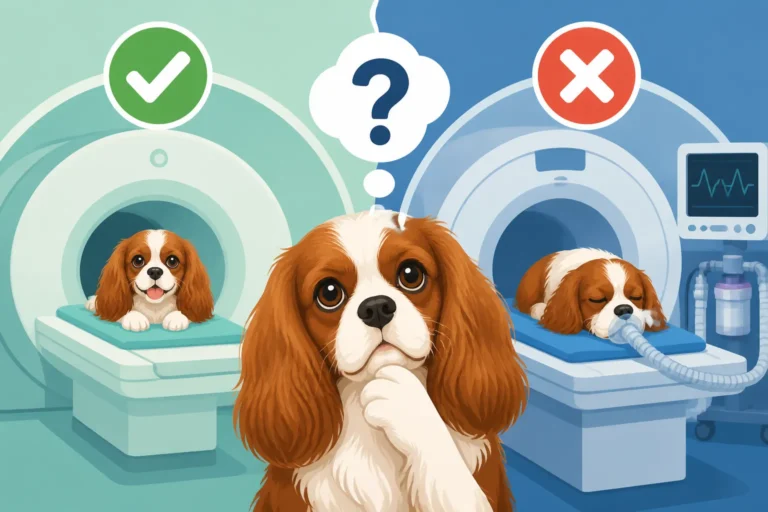
Syringomyelia and Chiari Malformation are devastating neurological conditions in Cavaliers, causing symptoms ranging from phantom scratching (air scratching) and yelping when picked up, to severe chronic pain and neurological deficits. The only definitive way to diagnose CM and SM is through an MRI scan of the brain and spine. This is a complex procedure that requires general anesthesia, adding to the risk and cost.
An MRI scan is not a routine veterinary procedure. It requires specialized equipment typically found only at larger veterinary hospitals or specialty clinics. The cost for a single MRI scan to evaluate a Cavalier for SM/CM can range from $1,500 to upwards of $3,000, depending on the facility and region. Ethical breeders undertake these scans for their breeding dogs, often around two to four years of age, to ensure they are clear of these conditions before breeding. This one test alone represents a huge financial commitment, and it's a primary reason why puppies from health-tested lines command a higher price. Without this vital screening, you're essentially buying a puppy without knowing the painful neurological risks hidden within its lineage.
Hip and Patella Evaluations
Beyond neurological issues, Cavaliers can also be prone to orthopedic problems, notably hip dysplasia and patellar luxation (loose kneecaps). While not as universally prevalent as MVD or SM, these conditions can still lead to pain, lameness, and costly surgeries later in life. Responsible breeders take proactive steps to screen for these issues to minimize their occurrence in future generations.
Hip evaluations are typically conducted using X-rays, often submitted to organizations like the Orthopedic Foundation for Animals (OFA) for expert grading. Patellar luxation, or "loose knees," is usually diagnosed through a physical examination by a veterinarian, though X-rays may be used to confirm severity. OFA certifications for hips and patellas typically cost around $50-$100 per dog for submission and review, plus the cost of the veterinary exam and X-rays (which can be $100-$300). While these costs might seem smaller than an MRI, they add up when performed on multiple breeding dogs, year after year, as part of a comprehensive health program. Ensuring sound joints is a critical aspect of The Heart Testing a Cavalier Breeder Must Do, ensuring a holistic approach to health.
Essential Genetic and Ophthalmic Tests
Beyond the major structural and cardiovascular concerns, modern veterinary science allows for genetic screening for several inherited diseases and meticulous eye examinations. These tests, while sometimes overlooked by less diligent breeders, are crucial components of a comprehensive health testing program and add to the overall cost of producing healthy Cavalier puppies. They address issues that might not be immediately visible but can significantly impact a dog's health and quality of life.
The beauty of genetic testing is its ability to identify carriers of certain conditions, allowing breeders to make informed pairing decisions to avoid producing affected puppies. Ophthalmic exams ensure that the beautiful, expressive eyes of a Cavalier remain healthy throughout their lives, preventing preventable blindness or chronic discomfort.
DNA Panels for Inherited Conditions
Thanks to advancements in genetic testing, breeders can now screen for several inherited conditions at the DNA level, even before symptoms appear. For Cavaliers, this includes conditions like Episodic Falling Syndrome, Dry Eye and Curly Coat Syndrome (which can manifest together), and Macrothrombocytopenia (a platelet disorder). The DNA Tests Every Cavalier Should Have involve sending a cheek swab or blood sample to a specialized lab.
A comprehensive DNA panel for a Cavalier can cost anywhere from $100 to $250 per dog, often performed once in a dog's lifetime. While this is a one-time cost for each breeding dog, it provides invaluable information. It allows breeders to identify carriers of these conditions and avoid breeding two carriers together, which would result in affected puppies. For example, knowing a dog is a carrier for Episodic Falling Syndrome can prevent the birth of puppies that suffer from this debilitating muscle stiffening condition. This foresight and preventative action is a key part of responsible breeding, and the cost of these tests is an integral part of the puppy's price.
Veterinary Ophthalmologist Examinations
Cavaliers are known for their large, expressive eyes, but these can also be prone to specific inherited conditions. Responsible breeders schedule regular examinations with a board-certified veterinary ophthalmologist. These are not just quick peeks at the eyes; they are thorough examinations using specialized equipment to detect conditions like cataracts, retinal dysplasia, and dry eye syndrome.
A comprehensive eye exam by a specialist is typically recommended annually for breeding dogs and costs approximately $100 to $200 per dog, per visit. These exams help ensure that breeding dogs are free from hereditary eye diseases that could be passed on to their offspring. Early detection of issues like early-onset cataracts or retinal problems allows a breeder to make informed decisions about whether to breed a particular dog. Without these regular, specialized checks, owners might find themselves managing serious eye conditions in their puppies, such as those covered in Cavalier Cataracts and Retinal Disease, which can be expensive and distressing. This continuous monitoring is a non-negotiable part of responsible Cavalier breeding.
The Hidden Costs: Time, Travel, and Repeat Testing
The direct costs of veterinary specialists, MRI scans, and DNA tests are easy to itemize, but the true financial burden on an ethical Cavalier breeder goes much deeper. There are significant "hidden costs" that aren't printed on a lab invoice but are absorbed into the breeder's overall operation and ultimately factored into the puppy price. These include the considerable time investment, the logistical challenges of travel, and the necessity of repeat testing, all of which underscore the immense dedication required.
This isn't a quick or convenient process; it's a lifestyle. Breeders spend countless hours coordinating appointments, interpreting results, and adjusting their breeding plans based on expert recommendations. This unseen labor is a critical component of ensuring a healthy future for the breed, making the higher price for a responsibly bred puppy a reflection of this profound commitment.
Logistics and Frequency of Testing
Imagine juggling multiple appointments for several dogs, sometimes requiring travel to specialty veterinary clinics that might be hours away. Many specialist cardiologists or neurologists are not located in every town, meaning breeders often incur significant travel expenses, including fuel, overnight stays, and time off work. This isn't a one-and-done deal for many tests. As mentioned, cardiac exams are often annual, eye exams are typically annual, and some genetic tests, while one-time, require careful record-keeping and analysis for every dog in the breeding program.
This relentless schedule and geographical challenge translate into substantial non-monetary costs. The breeder's time is a finite resource, and every hour spent on health testing is an hour that could be spent elsewhere. This dedication to ensuring their dogs are thoroughly screened, despite the logistical hurdles, is a hallmark of a breeder truly committed to the breed's well-being. It’s far more involved than simply getting a basic vet check-up at the local clinic; it’s a commitment to specialist-level care across the board.
Impact on Litter Planning and Availability
The extensive health testing protocols also have a direct impact on how many litters a breeder can produce and, consequently, the availability and price of puppies. When a breeder adheres to the MVD breeding protocol, for example, waiting until a female is at least five years old before breeding means fewer litters over her lifetime. This is a deliberate choice to prioritize health over quantity, but it naturally limits the supply of ethically bred puppies.
Furthermore, unexpected test results can derail an entire breeding plan. A dog might be a fantastic example of the breed in every other way, but if a health test reveals a concern, an ethical breeder will remove that dog from their breeding program, even if they've invested thousands in its care and showing. This means lost time, lost potential litters, and the emotional toll of making such difficult decisions. The limited availability of truly health-tested puppies, combined with the significant investment in the parent dogs, naturally drives up their price. This scarcity isn't artificial; it's a direct result of painstaking, ethical breeding practices focused on long-term health, as detailed in The Cavalier MVD Breeding Protocol.
The True Cost: A Comprehensive Overview
To give you a clearer picture, let's break down the typical costs associated with a comprehensive health testing program for a single Cavalier King Charles Spaniel breeding dog. These figures are estimates and can vary widely by region, specific veterinary clinics, and the individual needs of the dog. Remember, many of these are annual or semi-annual costs, multiplying for each dog in a breeding program.
| Test Category | Specific Test | Frequency | Estimated Cost (per dog) |
|---|---|---|---|
| Cardiac | Board-Certified Cardiologist Exam | Annually | $300 – $800 |
| Echocardiogram | Annually | (often included in exam) | |
| Neurological | MRI Scan (CM/SM) | Once (or more if needed) | $1,500 – $3,000+ |
| Orthopedic | OFA Hip Evaluation (X-rays + submission) | Once (after 2 years old) | $150 – $400 |
| OFA Patella Evaluation (Exam + submission) | Once (after 1 year old) | $75 – $200 | |
| Ophthalmic | Board-Certified Ophthalmologist Exam | Annually | $100 – $200 |
| Genetic | Comprehensive DNA Panel (EF, CC/DE, DE, Macro) | Once | $100 – $250 |
| Total Estimated Initial Investment (per dog, if all done once) | $2,225 – $4,850+ | ||
| Total Estimated Annual Recurring Costs (per dog, after initial) | $400 – $1,000+ |
This table clearly illustrates that bringing a healthy, well-screened Cavalier into a breeding program represents an initial investment of thousands of dollars, followed by hundreds of dollars annually, per dog. This doesn't even account for general veterinary care, high-quality food, showing expenses (if applicable), or the invaluable time and effort the breeder pours into their dogs. When considering the prices, it's easy to see why reputable breeders have higher puppy costs; they are quite literally recouping a fraction of this extensive, ongoing investment. This is a stark difference from buying a puppy from a source that doesn't provide Reading a Cavalier Puppy's Health Certificates from specialists.
The emotional labor is also immense. Breeders live with the constant anxiety of waiting for test results, the heartbreak if a beloved dog fails a crucial screening, and the responsibility of making difficult decisions for the betterment of the breed. This dedication is what distinguishes a true advocate for the Cavalier from someone merely looking to profit.
Choosing a Puppy: Beyond the Price Tag
When you're looking for a Cavalier puppy, it's natural to compare prices. However, the true value of a puppy often goes far beyond its initial purchase price. A "cheap" puppy might seem like a bargain, but if it comes from parents who haven't undergone proper health testing, you could be setting yourself up for significant emotional and financial distress down the road. The goal is not just to acquire a puppy, but to welcome a healthy, happy companion who will be a part of your family for many years to come.
Understanding what Cavalier health testing adds to a puppy price empowers you to make an informed decision. It allows you to appreciate the dedication and investment of responsible breeders and to ask the right questions. Remember, the price reflects the care, foresight, and ethical commitment that has gone into that puppy's lineage, aiming to give you the best possible chance at a long, healthy life together.
The Long-Term Savings of a Healthy Puppy
While the upfront cost of a health-tested Cavalier puppy might be higher, consider it an investment in long-term savings. The potential costs of treating severe conditions like advanced MVD, Syringomyelia, or complicated orthopedic issues can easily run into thousands, or even tens of thousands, of dollars over a dog's lifetime. Think about the potential for expensive surgeries, ongoing specialist consultations, daily medications, and even palliative care.
By choosing a puppy from parents who have been rigorously screened, you significantly reduce the risk of inheriting these costly and often heartbreaking conditions. This isn't a guarantee that your puppy will never have a health issue, as no living creature is immune, but it dramatically stacks the odds in your favor. This proactive approach can mean a healthier pet insurance profile with companies like Healthy Paws, potentially avoiding issues being deemed pre-existing conditions if you enroll early. It also means more years of joy and fewer years of veterinary emergencies, which is truly priceless.
Asking the Right Questions and Verifying Health Clearances
When you contact a breeder, don't be shy about asking direct, specific questions about their health testing protocols. A responsible breeder will welcome these questions and be eager to share their documentation. They should be able to provide clear proof of:
- Cardiac Clearances: Documentation from a board-certified veterinary cardiologist (ACVIM) for both parents, showing annual exams and echocardiograms, ideally following the MVD breeding protocol (no murmur at age 5+). You can learn more about Annual Cardiologist Exams for a Cavalier.
- Neurological Clearances: MRI reports showing clear results for Syringomyelia and Chiari Malformation, typically done between 2-4 years of age. A breeder should be able to explain Getting a Cavalier Scanned for Syringomyelia.
- Orthopedic Clearances: OFA certificates for hips and patellas, showing acceptable grades.
- Ophthalmic Clearances: Annual eye exam results from a board-certified veterinary ophthalmologist (ACVO).
- Genetic Clearances: DNA test results for conditions like Episodic Falling Syndrome, Dry Eye/Curly Coat Syndrome, and Macrothrombocytopenia.
A reputable breeder will not only have these documents but will also be able to explain what they mean and how they inform their breeding decisions. They will be transparent about any dogs they've had to remove from their program due to health concerns. Beware of breeders who only claim "vet checked" or provide vague assurances without verifiable documentation. This transparency and dedication to evidence-based health practices are what truly defines a responsible breeder, ensuring you're getting a puppy that has had the very best start in life, and helping you budget for ongoing care, including quality food from providers like Chewy or Ollie.
Disclaimer
Please remember that this article provides general information and guidance. While we strive to be as accurate and helpful as possible, we are not veterinarians or financial advisors. The information here should not replace professional veterinary advice. Always consult with a qualified veterinarian regarding your specific pet's health and treatment options, and a financial advisor for personal financial planning. Costs mentioned are estimates and can vary significantly based on location, provider, and specific circumstances.