Leaving a Cavalier on Heart Medication With Someone
Leaving your beloved Cavalier King Charles Spaniel when they're on regular medication can feel like an impossible task. The anxiety of ensuring their delicate heart meds are given precisely, on time, every time, is enough to make many of us cancel plans. You worry about missed doses, incorrect administration, or what happens if an emergency strikes while you're away. This guide is here to walk you through everything you need to know and prepare for, so you can leave your Cavalier with confidence, knowing they'll receive the best possible care.
The Unique Challenges of a Medicated Cavalier
Cavaliers, as we all know and love them, are prone to certain health issues that often require ongoing medication. This isn't just about giving a treat occasionally; it's about a strict regimen that supports their well-being, sometimes even their very life. Handing over that responsibility to someone else, no matter how well-meaning, introduces a whole new layer of stress.
Understanding the Regimen's Importance
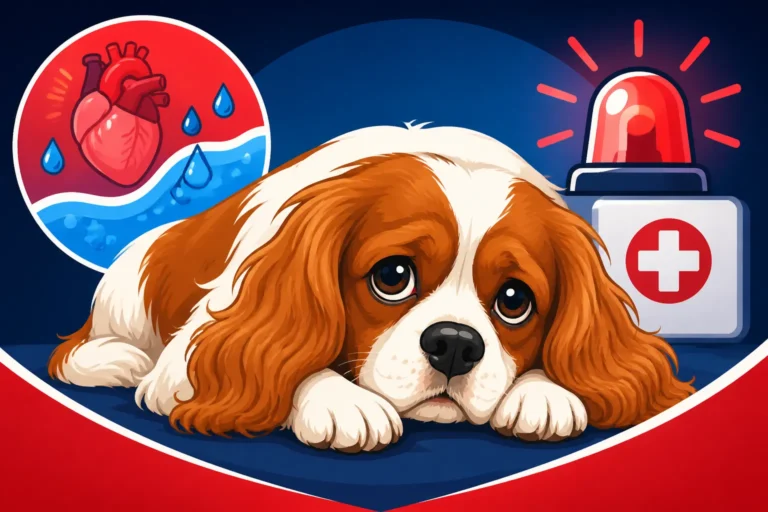
When your Cavalier is on heart medication, or indeed any critical daily drug, the timing and dosage aren't suggestions; they're essential. Missing a dose, or administering it late, isn't just a minor inconvenience; it can have real, detrimental effects. For a Cavalier with mitral valve disease (MVD), for instance, consistency with medications like pimobendan and diuretics is paramount to managing their condition and preventing fluid buildup. Imagine if a dose of their diuretic is missed, or given too late – the body starts to retain fluid, placing extra strain on their already compromised heart. It’s a delicate balance that relies on unwavering adherence. This isn't like forgetting to give a vitamin; it's about maintaining a stable internal environment for a dog whose health might already be precarious. The frequency, whether it’s once, twice, or even three times a day, often dictates the presence of the drug in their system, and disrupting that can set back their progress or even trigger a crisis.
Cavalier-Specific Health Concerns and Their Medications
Our sweet Cavaliers are, unfortunately, predisposed to a handful of significant health issues that frequently necessitate ongoing medication. The most common, of course, is Mitral Valve Disease in the Cavalier King Charles Spaniel, which often means daily heart medications. You might be familiar with your vet prescribing drugs like Pimobendan for a Cavalier with an enlarged heart, which helps the heart pump more efficiently, or diuretics for a Cavalier in heart failure, which help to remove excess fluid from their lungs. Then there's Syringomyelia and Chiari Malformation in Cavaliers, a neurological condition that can cause immense pain and discomfort. Dogs with SM might be on pain management drugs like gabapentin for a Cavalier with neck pain, often given on a strict schedule to keep their pain levels stable. Some Cavaliers might also suffer from conditions like dry eye, requiring daily eye drops, or chronic ear infections, needing regular ear treatments. Each of these conditions, and their corresponding medications, comes with its own set of instructions, potential side effects, and critical administration protocols. It's a lot for us owners to manage, let alone someone else unfamiliar with the nuances of your Cavalier's specific needs.
Who Can You Trust? Assessing Potential Caregivers
Deciding who will care for your medicated Cavalier is a monumental decision. It's not just about finding someone who loves dogs; it's about finding someone meticulous, reliable, and capable of handling potential emergencies. You have a few main avenues, each with its own set of advantages and drawbacks.
Family, Friends, and Neighbors: Pros and Cons
Entrusting your Cavalier to family, friends, or even a trusted neighbor can feel like the most natural choice. These are people who likely know your dog, and perhaps even your routines. There's a built-in comfort level, both for you and your Cavalier, in being cared for by someone familiar in a familiar environment. They might not charge you, or charge significantly less, making it a budget-friendly option.
However, the "cons" here can be significant, especially with a medicated dog. While well-meaning, a family member might not fully grasp the critical importance of a precise medication schedule. They might get distracted, run late, or simply forget a dose amidst their own busy lives. There's also the emotional dynamic; it can be harder to be assertive with a friend or relative if you feel their care isn't up to par. They might not be equipped to recognize subtle signs of distress or adverse reactions to medication, which is crucial for a Cavalier who might be progressing through heart disease or managing pain. And if an emergency arises, do they know your vet's number by heart, or the nearest 24-hour emergency clinic? Do they have a plan to transport your dog? These are serious questions that need to be addressed upfront, and sometimes, the informal nature of these arrangements can make such detailed discussions awkward or less thorough.
Professional Pet Sitters and Boarding Facilities
When your Cavalier is on medication, opting for professional care often provides a higher level of peace of mind. Professional pet sitters, whether they come to your home or offer in-home boarding, and reputable boarding facilities are in the business of animal care. They typically have protocols in place for medication administration, emergency situations, and client communication.
Professional Pet Sitters: A pet sitter who comes to your home allows your Cavalier to stay in their familiar environment, which can reduce stress, especially for dogs with conditions like Syringomyelia where a change in routine can exacerbate symptoms. Many professional sitters are bonded and insured, and some even have veterinary technician experience. They should be experienced in administering various types of medications, including pills, liquids, and even injections. When interviewing a pet sitter, don't be shy about asking specific questions:
- How do you ensure medications are given on time? Do you have a system or checklist?
- What is your protocol if my dog refuses medication?
- Are you trained in pet first aid?
- What is your emergency plan? Do you have a primary vet you work with, or do you always go to my vet?
- Can you provide daily updates on my Cavalier's eating, drinking, and overall demeanor?
- What is your experience with dogs on complex medication regimens, specifically for conditions like MVD?
Boarding Facilities: While boarding means your Cavalier leaves home, many high-quality facilities are excellent at handling special needs. Look for facilities with dedicated staff for medication administration, ideally with a vet tech on staff or strong relationships with local veterinary clinics. The benefits include round-the-clock supervision and the ability to react quickly if an issue arises. Again, ask specific questions:
- Who administers medications, and what is their training?
- Is there a separate charge for medication administration? (Often, there is, but it’s worth it for the peace of mind.)
- How frequently are the dogs checked, especially overnight?
- What is their emergency protocol, and which veterinary clinic do they use?
- Can they accommodate specific dietary needs, such as low-sodium foods for a Cavalier with heart disease?
- How do they handle stress or anxiety in new dogs, as this can affect a Cavalier's health?
When considering any professional, always ask for references and check online reviews. A good professional will be happy to provide them and will have clear, written policies regarding medication, emergencies, and communication.
Preparing for Your Cavalier's Time Away
Preparation is key when leaving a medicated Cavalier. The more thorough you are, the less stress you'll experience, and the smoother the experience will be for your dog and their caregiver. Think of it as creating a "Cavalier Care Bible" for your time away.
Creating a Detailed Medication Schedule and Instructions
This is arguably the most critical piece of preparation. Don't just jot down "heart pills twice a day." You need to create a clear, unambiguous, and comprehensive document. Here's what to include:
- Medication Name: Write the full name of the medication.
- Dosage: Specify the exact dosage (e.g., 1.25 mg, 0.5 ml). If it's a liquid, provide the syringe and mark the precise amount.
- Frequency: State how many times a day it needs to be given (e.g., every 12 hours, once daily).
- Timing: Be extremely specific about the time. Instead of "morning and evening," write "8:00 AM and 8:00 PM." If it needs to be given with food, before food, or on an empty stomach, make that explicit. For instance, some heart medications, like pimobendan, are often most effective when given an hour before a meal.
- Administration Method: How should the medication be given?
- Pills: "Hidden in a Pill Pocket" or "wrapped in a small piece of cheese." (Consider using a specific brand like Greenies Pill Pockets for consistency).
- Liquids: "Administer directly into mouth using the provided syringe."
- Drops: "Two drops in each eye."
- Purpose: Briefly explain what the medication is for. This helps the caregiver understand its importance (e.g., "This prevents fluid buildup in her lungs due to her heart condition").
- Potential Side Effects: List any known side effects to watch for (e.g., "May cause increased thirst and urination," "If she seems excessively dizzy, call me").
- Refill Information: Where can more medication be obtained if necessary? Provide the vet clinic's name and phone number.
Consider creating a checklist for each day, where the caregiver can tick off each medication as it's given. Visual aids are incredibly helpful—take photos of the pills next to a ruler for size, or show exactly where to fill a syringe. Place all medications in a clearly labeled daily pill organizer if possible. This minimizes confusion and ensures nothing is missed.
Packing Essentials for a Medicated Cavalier
Beyond their medication, your Cavalier needs a thoughtfully packed bag. This isn't just about comfort; it's about continuity of care.
- Medications: The absolute priority. Pack more than enough for the duration of your trip, plus a few extra days' buffer in case of travel delays or unforeseen circumstances. Keep them in their original prescription bottles for clarity.
- Measuring Tools: If liquid medications are involved, provide the exact syringe or dropper. Don't assume the caregiver will have one, or that theirs will be the correct size.
- Food: Pack your Cavalier's regular food, portioned for each meal if possible. A sudden change in diet can cause stomach upset, which is the last thing you need with a medicated dog. If your Cavalier is on a special diet, such as a prescription cardiac diet or a fresh food diet from a brand like Ollie, ensure you provide clear instructions on preparation and portion size. Also, include any low-calorie treats you use for medication administration.
- Comfort Items: A favorite blanket, bed, or toy can provide immense comfort and reduce anxiety, especially if your Cavalier is staying in an unfamiliar environment.
- Leash and Harness: Ensure their regular walking gear is packed. Remember, for Cavaliers with conditions like Syringomyelia, a harness is often preferred over a collar to avoid neck pressure.
- Grooming Supplies: A comb or brush, especially for a Cavalier's feathering, and ear cleaning supplies if your dog requires regular ear care.
- Snoods: If your Cavalier tends to get their long ears in their food or water, a snood is a must-have to keep them clean and dry.
- Health Records: A copy of recent vet records, especially those pertaining to their heart condition or any other chronic ailments. This can be invaluable in an emergency.
Emergency Protocols and Veterinary Contacts
This is the "what if" plan, and it's essential to have it clearly laid out.
- Your Veterinarian's Information: Full clinic name, address, and phone number.
- Emergency Veterinary Clinic Information: The nearest 24/7 emergency vet, including address and phone number. Explain to your caregiver where it is and how to get there.
- Your Contact Information: Your cell phone number, and any other numbers where you can be reached (e.g., a travel companion's phone, hotel phone).
- Emergency Contacts: One or two trusted friends or family members who can act as backup if you're unreachable.
- Veterinary Release Form: Crucially, leave a signed and dated letter authorizing your caregiver to seek veterinary care for your Cavalier in your absence. This should state that you are responsible for all costs. Without this, some vets may hesitate to treat your dog in an emergency.
- Specific Emergency Scenarios:
- Missed Dose: What should the caregiver do if they realize a dose was missed? (e.g., "If you miss an 8 AM dose by an hour, give it immediately. If it's more than 3 hours late, skip that dose and resume the next scheduled dose.") Always advise them to call you or the vet immediately for guidance.
- Adverse Reaction: What if your Cavalier vomits, becomes lethargic, or shows a severe reaction after medication? Instruct the caregiver to call you and the vet immediately.
- Worsening Symptoms: If your Cavalier's cough (common in MVD) worsens significantly, or they are struggling to breathe, or their resting respiratory rate increases, these are all signs to seek immediate veterinary attention. Explain how to count a Cavalier's resting breaths so they know what to look for.
- Syringomyelia Flare-up: If your Cavalier with SM shows sudden increased "air scratching," yelps when picked up, or has changes in mobility, these are reasons for concern.
Having these protocols in writing and reviewing them with your caregiver ensures everyone is on the same page and can act swiftly if needed.
Overcoming Common Hurdles in Medication Administration
Even with the best intentions, administering medication to a dog, especially a small and sometimes finicky Cavalier, can present challenges. It's helpful to anticipate these and equip your caregiver with strategies.
The Finicky Eater or Pill-Averse Cavalier
Many Cavaliers are absolute foodies, but even they can turn their noses up at a pill. And for those less enthusiastic about food, getting a pill down can be a real struggle.
- Pill Pockets and Treats: These are often a lifesaver. Brands like Greenies make excellent pill pockets that effectively disguise medication. Experiment beforehand to find what your Cavalier likes best. Small pieces of cheese, a dollop of peanut butter (xylitol-free!), or even a bit of cooked chicken can work wonders. The key is to make it a high-value treat your Cavalier will swallow without chewing.
- The "Trick" Method: Give one "empty" treat first, then the pill-filled treat immediately after, followed quickly by another empty treat. This often works on the principle that they're so eager for the next tasty morsel, they don't scrutinize the middle one.
- Direct Administration: Sometimes, the simplest way is to directly administer the pill. Show your caregiver exactly how you do this:
- Open your Cavalier's mouth by gently holding their muzzle.
- Place the pill as far back on their tongue as possible.
- Close their mouth and gently hold it shut, pointing their nose upwards.
- Gently stroke their throat or blow on their nose to encourage swallowing.
- Offer praise and a small, desirable treat immediately afterward.
This takes practice and confidence, so if your caregiver isn't comfortable, provide alternatives.
- Liquid Medications: These can be easier for some dogs, but measuring the precise dose and preventing spillage can be tricky. Provide marked syringes and instruct the caregiver to administer it slowly into the side of the mouth, between the cheek and gums, to prevent aspiration.
- Food Mixing: For some medications that can be crushed (always check with your vet first!), mixing them into a small amount of highly palatable wet food or plain yogurt can work. The trick is to ensure they eat the entire portion to get the full dose.
Remind your caregiver not to get frustrated. Patience and a calm demeanor are crucial. If a dose is truly missed because the dog won't take it, they should contact you immediately.
Monitoring for Changes and Side Effects
Even if your Cavalier takes their medication without a fuss, it's vital for their caregiver to be vigilant for any changes in behavior or physical signs that might indicate a problem.
- Changes in Appetite and Thirst: Medications can sometimes alter these. Increased thirst and urination are common with diuretics. A sudden refusal to eat or drink could be a sign of nausea or a worsening condition.
- Lethargy or Increased Restlessness: While some medications might cause mild sedation, excessive lethargy or unusual restlessness could be a concern. A Cavalier that tires on short walks more easily than usual, or seems unusually subdued, needs attention.
- Coughing: For Cavaliers with MVD, a cough is a significant symptom. While some may have a baseline cough, any increase in frequency, severity, or a new onset of coughing at night in a Cavalier could indicate fluid buildup in the lungs and warrants immediate veterinary consultation.
- Breathing Pattern: Teaching your caregiver how to count a Cavalier's resting breaths is incredibly valuable. A normal resting respiratory rate is usually between 15-30 breaths per minute. A consistent increase above this could be a critical sign of heart failure progression. They should count breaths while your Cavalier is sleeping peacefully.
- General Demeanor: Is your Cavalier playing as usual (within their limits)? Are they interacting normally? A sudden change in temperament, such as withdrawal or unusual irritability, could indicate pain (especially relevant for SM) or general discomfort.
- Mobility: For Cavaliers with orthopedic issues or Syringomyelia, watching their gait, how they get up, or if they're refusing stairs is important.
Encourage the caregiver to keep a simple log of these observations. Even small changes, when communicated to you, can help your vet make informed decisions if a check-up is needed upon your return.
Communication and Follow-Up for Peace of Mind
Effective communication is the bridge that connects you with your Cavalier and their caregiver while you're away. It alleviates worry and ensures timely action if needed.
Establishing Clear Communication Channels
Before you leave, sit down with your caregiver and establish how and when you'd like to receive updates.
- Frequency: Daily updates are often ideal for medicated dogs. This could be a quick text message after morning meds, a photo of your Cavalier relaxing, or a brief phone call.
- Method: Agree on the best way to communicate. Is it text, WhatsApp, email, or a phone call? Ensure everyone is comfortable with the chosen method.
- What to Report: Beyond confirming medication has been given, ask for updates on key aspects: appetite, water intake, urination/defecation, energy levels, any coughing, and overall mood. A simple "All good here! Rosie ate all her food, took her pills, and is snoozing on the sofa" can mean the world.
- Emergency Contact: Reiterate your primary contact number and the backup numbers. Emphasize that they should never hesitate to contact you, even for seemingly small concerns. It's far better to over-communicate than to under-communicate when it comes to your Cavalier's health.
Consider setting up a shared document or an app where daily logs can be kept, including medication times and any observations. This creates a transparent record for everyone involved.
Post-Return Check-Up and Observation
Even with excellent care, coming home after a trip always warrants a careful check-up on your Cavalier.
- Initial Assessment: When you first return, take a moment to observe your Cavalier. Are they happy to see you? Are they moving normally? Check their eyes, nose, and ears for any discharge or irritation.
- Review Logs: Go over any daily logs the caregiver kept. Note any skipped doses, unusual observations, or specific incidents they reported.
- Monitor for Changes: Over the next few days, keep a close eye on your Cavalier's energy levels, appetite, water intake, and especially their breathing. Sometimes, changes can be subtle and only become apparent once they're back in their normal routine with you.
- Consult Your Vet: If the caregiver reported any missed doses, adverse reactions, or significant changes in your Cavalier's condition, or if you notice anything concerning upon your return, schedule a follow-up with your veterinarian. It’s always best to be proactive, especially with a Cavalier on chronic medication. This might involve a check of their heart sounds if they have MVD, or a discussion about adjusting their Medication for a Cavalier With Heart Disease.
Financial Considerations and Pet Insurance
The cost of caring for a medicated Cavalier, especially when you need to leave them with someone, can add up quickly. Understanding these costs and having a financial safety net in place is crucial for peace of mind.
Cost Implications of Specialized Care
Let's be realistic: specialized care for a medicated dog will almost always come with a higher price tag.
- Professional Pet Sitters: Most professional pet sitters charge an additional fee for administering medications, especially if it requires multiple visits or complex administration (like injections). This is reasonable, as it requires extra time, attention to detail, and responsibility. These fees can range depending on the number of medications and frequency.
- Boarding Facilities: Similarly, boarding kennels will often have an "add-on" fee for medication administration. High-end facilities with veterinary staff on site might charge more, but they also offer a higher level of expertise and immediate response capability.
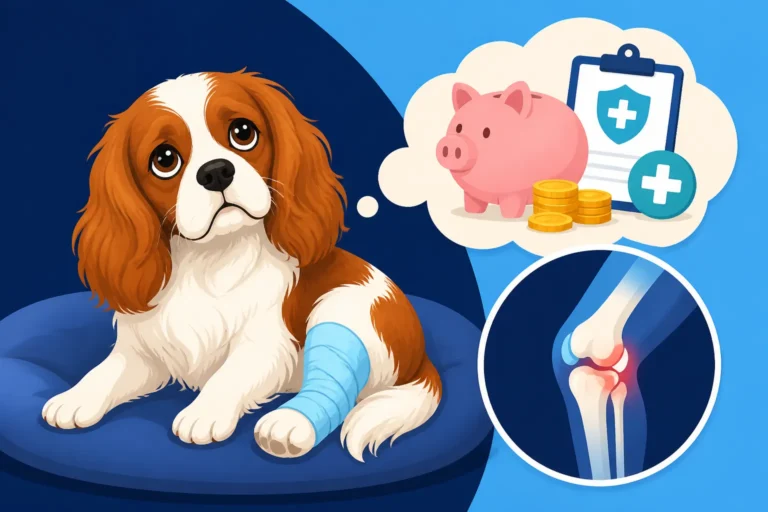
- Emergency Fund: It's absolutely essential to have an emergency fund specifically for your Cavalier's health. What if they need an emergency vet visit while you're away? Your caregiver needs to know that financial considerations won't delay critical care. This could involve pre-authorizing a certain spending limit with your vet or setting aside dedicated funds.
When you're budgeting for your trip, remember to factor in these additional care costs. It's an investment in your Cavalier's health and your peace of mind.
How Pet Insurance Can Offer a Safety Net
Pet insurance can be an absolute lifesaver for Cavalier owners, especially given the breed's predisposition to costly chronic conditions like MVD and SM. However, the timing of enrollment is critical.
- Pre-Existing Conditions: The biggest hurdle with pet insurance is the "pre-existing condition" clause. If your Cavalier already has a heart murmur or a diagnosis of Syringomyelia before you enroll them, those conditions (and their related medications and treatments) will likely not be covered. This is why it's highly recommended to consider whether pet insurance is worth it for a Cavalier and enroll them as early as possible, ideally as a puppy. Check out The Age to Insure a Cavalier for more on this.
- Benefits: For conditions that are not pre-existing, pet insurance policies from providers like Healthy Paws can significantly offset the costs of specialist visits (like an annual cardiologist visit for a Cavalier), diagnostic tests (like echocardiograms or MRIs), and prescription medications. This means that if your Cavalier develops a new, covered condition while insured, you won't have to shoulder the full burden of those bills.
- Unexpected Emergencies: Even if your Cavalier's main chronic condition isn't covered, insurance can still provide a safety net for unexpected accidents or new illnesses that arise while you're away. Imagine your Cavalier suddenly develops an allergic reaction or a mysterious lameness; a good policy can help with those bills. This is particularly relevant when an Anesthesia Risk in a Cavalier With a Murmur might make even minor procedures more complex.
- Choosing a Policy: When researching policies, pay close attention to the annual limits, reimbursement percentages, and deductibles. Understand exactly what is and isn't covered. Reading your policy documents thoroughly is key to avoiding disappointment later. For more on what makes a condition pre-existing, you can look at Why a Cavalier Murmur Becomes Pre-Existing.
While it might seem like an added expense, the peace of mind that pet insurance offers, especially for a breed with such known health vulnerabilities, can be invaluable when life calls you away from your medicated best friend.
| Caregiver Type | Pros | Cons | Key Considerations for Medicated Cavaliers |
|---|---|---|---|
| Family/Friends | Familiarity for your Cavalier, often free/low cost, personal trust. | May lack formal training, less structured routine, harder to correct. | Ensure clear written instructions, emphasize critical timing, review emergency plan repeatedly. |
| Professional Sitter | Experienced, often bonded/insured, dedicated care in your home, regular updates. | Can be expensive, need to vet thoroughly, may book up quickly. | Confirm experience with complex meds, ask about backup sitters, verify emergency protocols. |
| Boarding Facility | 24/7 supervision, dedicated staff, established emergency procedures. | Unfamiliar environment can be stressful, potential for exposure to illness. | Inquire about staff-to-dog ratio, medication administration protocols, vet access. |
Ultimately, leaving your Cavalier, especially one who relies on daily medication, requires careful planning and clear communication. With the right caregiver and a solid plan in place, you can enjoy your time away knowing your beloved furry family member is in capable and loving hands.
Disclaimer
This article is for general informational purposes only and does not constitute professional advice. Laws, prices and regulations vary by location and change over time. Consult a qualified professional for guidance on your specific situation.