Snoods and Feeding Bibs for a Cavalier
If you're a Cavalier King Charles Spaniel owner, you know the absolute joy these sweet, affectionate dogs bring. But you also know the unique challenges, and one of the most common, and frankly, messiest, is mealtime. Those glorious, long, silken ears that frame their expressive faces become an instant magnet for kibble, gravy, and water, leading to soggy, matted fur and a perpetual cycle of cleaning. This guide is all about tackling that exact problem head-on, exploring the world of snoods and feeding bibs designed specifically to keep those beautiful ears out of the dinner bowl and your Cavalier cleaner and healthier.
The Perennial Problem of Cavalier Ears at Mealtime
Anyone who shares their life with a Cavalier King Charles Spaniel understands the irresistible charm of those long, flowing ears. They're a signature feature, often adorned with luxurious feathering that simply begs for a gentle stroke. But as beautiful as they are, they come with a distinct set of practical difficulties, especially when it's time for breakfast, lunch, or dinner.
The Beautiful Burden of Long Feathered Ears
Imagine your Cavalier, tail wagging, enthusiastically dipping their head into their food bowl. In that split second, those magnificent ears, trailing gracefully, dive right in alongside their muzzle. Whether it's dry kibble, wet food, or even just water, their ears become instant sponges and collectors. The delicate feathering acts like a magnet, picking up every crumb, smear, and drop. It’s not just a little bit of food; it can be an entire ear-tip caked in a culinary disaster. You find yourself constantly wiping, brushing, and sometimes even rinsing their ears after every single meal, which quickly turns into a chore rather than a joy. This constant exposure to moisture and food debris can also be a breeding ground for other issues, making diligent Cavalier Ear Care Under a Heavy Drop Ear even more critical.
This isn't just about aesthetics, though a matted, food-crusted ear certainly isn't pretty. It’s about the fundamental design of the Cavalier. Their ears are low-set, long, and naturally hang forward, perfectly positioned to scoop up anything in their path. Unlike some breeds with shorter, higher-set ears, Cavaliers are almost engineered to get their ears dirty during feeding. Owners often lament that their dogs look like they've styled their ears with their dinner, and while it might be a humorous image for a moment, the reality of the cleanup is anything but.
Hygiene and Health Concerns from Dirty Ears
Beyond the immediate mess, the constant saturation of a Cavalier's ears with food and water poses real hygiene and health risks. Wet, warm environments are perfect incubators for bacteria and yeast, leading to unpleasant and sometimes painful ear infections. It's a common struggle for Cavalier owners, and one of the reasons many seek solutions. When food particles get stuck deep in the feathering, they can begin to decompose, creating an odor and further encouraging microbial growth. This can irritate the delicate skin underneath, leading to redness, itching, and discomfort for your beloved pet.
A Cavalier with chronically dirty or infected ears might start shaking their head excessively, scratching at their ears, or even holding their head at an unusual angle. These are all signs of discomfort that can stem from neglected ear hygiene. While Recurrent Ear Infections in a Cavalier can have multiple causes, food and water contamination at mealtime is undoubtedly a significant contributing factor. Preventing this kind of exposure goes a long way in maintaining ear health and reducing those frequent, costly vet visits for ear treatments. It means less stress for both you and your Cavalier.
The Mess Factor: Beyond Health
Let's be honest, beyond the health implications, there's the sheer mess. A Cavalier who has just eaten will often emerge from their bowl with gravy-laden ears, ready to shake their head, scattering bits of food and water across your kitchen floor, onto your furniture, and sometimes even up the walls. For those with light-colored carpets or meticulous cleaning routines, this daily occurrence can be a source of constant frustration.
Imagine a Blenheim Cavalier with pristine white feathering, suddenly sporting streaks of brown kibble dust or orange pumpkin puree. It’s not the end of the world, of course, but it adds to the daily cleaning burden. If your Cavalier loves to then rub their head on your sofa or even worse, on your freshly laundered clothes, you'll quickly understand why many owners are desperate for a simple, effective solution. It’s about making mealtime less of a battlefield and more of a peaceful, enjoyable routine for everyone.
Understanding Snoods: The Elegant Solution
When I first heard the word "snood" years ago, I pictured something medieval, but in the world of dog ownership, especially for long-eared breeds like Cavaliers, it's a modern marvel! It's truly an elegant, practical answer to the mealtime mess.
What Exactly is a Snood?
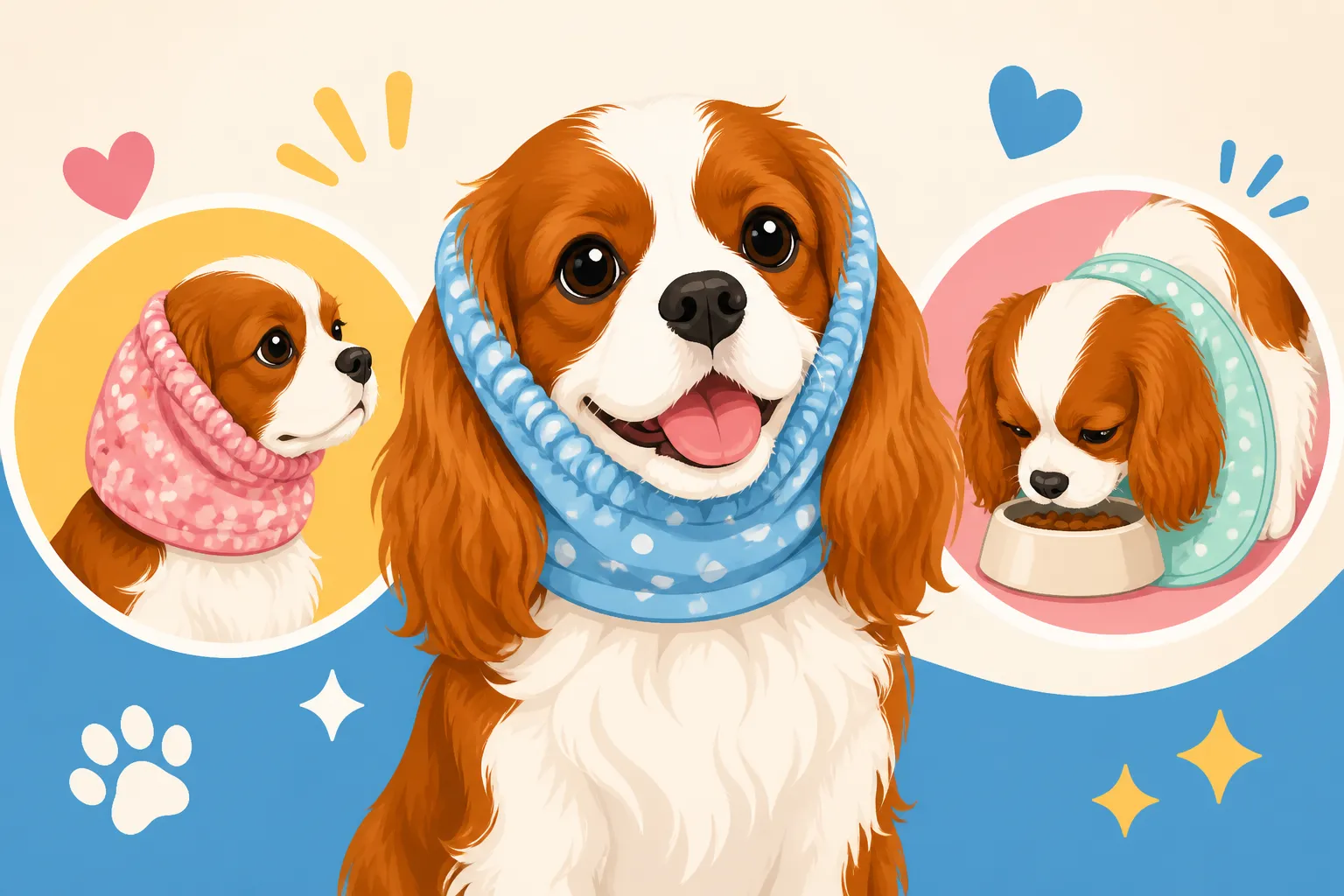
At its heart, a snood is essentially a fabric tube, often with elastic at both ends, designed to hold your dog's ears up and out of the way. Think of it like a chic head-scarf or a hairnet, specifically tailored for your Cavalier's glorious ear feathering. When your Cavalier is eating, drinking, or even having a bath, you slip the snood over their head, gently tucking their ears inside the fabric tube. This keeps them clean, dry, and protected.
Snoods come in a variety of materials, each suited for different purposes. You'll find lightweight cotton or silky fabrics for everyday meal use, which are breathable and comfortable. For outdoor adventures, especially in muddy or wet conditions, some snoods are made from water-resistant materials like fleece or nylon. The key is the fit: it needs to be snug enough to stay on and keep the ears contained, but not so tight that it's uncomfortable or restricts blood flow. A well-fitting snood should cover the ears completely, extending a little beyond their length, while sitting comfortably around the neck and crown of the head.
Types of Snoods and Their Uses
Just like human accessories, snoods offer a range of styles and functionalities.
- Everyday Mealtime Snoods: These are typically made from soft, washable fabrics like cotton jersey, flannel, or a silky blend. They're designed for comfort during the few minutes your Cavalier spends at their bowl. Many come in fun patterns and colors, adding a touch of personality to mealtime. A good quality snood in this category should hold up to frequent washing, as it will get dirty!
- Grooming Snoods: Some snoods are made from a smoother, non-absorbent material, perfect for keeping ears out of the way during a bath or while you're brushing your Cavalier. Imagine trying to give your Cavalier a good scrub without those ears getting in the way – a snood makes it so much easier. They can also protect the feathering when you're applying ear cleaner as part of Cavalier Ear Care Under a Heavy Drop Ear.
- Outdoor/Adventure Snoods: For the Cavalier who loves to explore, a more robust snood made from water-resistant or quick-drying fabric can be a game-changer. These help prevent mud, burrs, and general grime from accumulating in the ear feathering during walks, especially in tall grass or after a rain shower. They also keep the ears warmer in colder weather.
Beyond these types, you'll also find varying levels of elasticity and width. Some snoods are very simple tubes, while others have a wider head opening and a narrower ear section. The choice often comes down to personal preference and what your Cavalier tolerates best.
Choosing the Right Snood for Your Cavalier
Picking the perfect snood isn't rocket science, but a few considerations can make all the difference for your Cavalier's comfort and your success.
- Size Matters: The most crucial factor is size. You'll want to measure your Cavalier's head circumference (just in front of the ears) and the length of their ears. Most snood manufacturers provide sizing charts based on breed or measurements. A snood that's too tight will be uncomfortable and could rub, while one that's too loose will slip off or allow ears to escape. Remember, Cavaliers vary in size; a larger male might need a different size than a petite female.
- Material Selection:
- Cotton/Flannel: Great for everyday feeding due to breathability and softness. Easy to wash.
- Silky/Satin: Excellent for preventing matting, especially for Cavaliers with very delicate feathering, and often comfortable.
- Fleece/Water-resistant: Ideal for colder weather or outdoor activities where you want extra protection from dampness or debris.
- Durability and Washability: Snoods will get dirty, so choose one that can withstand frequent machine washing without losing its shape or elasticity. Good quality stitching and robust elastic are key to longevity. You want something that will last, not fall apart after a few meals. I've found that purchasing a few snoods in rotation makes laundry easier!
Many pet supply retailers, including online giant Chewy, offer a wide selection of snoods in various sizes, colors, and materials. It's a good place to start browsing to see what options are out there and read reviews from other Cavalier owners.
Feeding Bibs: A Simpler Alternative or Complement
While snoods are fantastic for ear protection, sometimes a different approach is needed, or a combination of solutions works best. This is where feeding bibs come into play, offering a simpler way to keep the chest and some ear areas clean.
When a Bib Might Be Better (or Used Alongside)
Snoods are brilliant for keeping those long ears completely out of the bowl. However, they don't always protect the chest feathering from messy eaters, especially if your Cavalier tends to push their muzzle deep into the food or water. This is where a feeding bib can be incredibly useful.
- Water Bowl Splashing: If your Cavalier is a particularly enthusiastic drinker, splashing water everywhere and soaking their chest, a bib is an excellent preventative measure. Their ears might still get a little wet, but the bib will absorb or repel the majority of the splash.
- Messy Eaters: Some Cavaliers are simply more exuberant with their food. If your dog tends to get food on their chest and around their chin, a bib provides a protective barrier.
- Cavaliers Who Dislike Snoods: While many Cavaliers tolerate snoods well, some simply do not like anything on their heads. For these dogs, a bib might be a less intrusive option, providing at least partial protection. It’s always about finding what works best for your individual dog, even if that means a compromise.
- Combined Approach: For the ultimate protection against mealtime chaos, some owners use both a snood and a bib! The snood keeps the ears pristine, and the bib catches any drips, crumbs, or splashes that might otherwise land on the chest. This is particularly useful if your Cavalier enjoys fresh, delivered food services like Ollie, which, while incredibly nutritious, can sometimes be a bit wetter than traditional kibble.
Different Bib Styles and Features
Feeding bibs for dogs come in designs reminiscent of baby bibs, but tailored for canine anatomy.
- Material: Most are made from waterproof or highly water-resistant materials like nylon, PUL (polyurethane laminate), or silicone. This ensures that any liquid or food doesn't soak through to the fur underneath.
- Adjustable Necklines: A good bib will have an adjustable neckline, often with Velcro, snaps, or ties, to ensure a snug but comfortable fit for different neck sizes. You want it to be secure enough not to slip, but not so tight that it chokes or rubs.
- Coverage: Bibs vary in how much coverage they offer. Some are smaller, just covering the immediate chest area, while others are longer and wider, extending further down the chest and offering a bit more protection around the neck and chin.
- Easy to Clean: This is paramount. Look for bibs that can be easily wiped clean or thrown into the washing machine. Silicone bibs are fantastic for simply rinsing off in the sink.
When choosing a bib, consider your Cavalier's typical eating style. Do they dive straight in? Do they tend to lift their head and drop food? This will help you decide on the appropriate coverage and material.
Integrating Bibs into Your Routine
Introducing a bib, like a snood, should be a positive experience. Start slowly and use plenty of praise and treats.
- Introduce Gradually: Let your Cavalier sniff the bib. Offer a treat.
- Short Wear Times: Put the bib on for just a few seconds, then remove it and reward them. Gradually increase the time.
- Associate with Food: Start putting the bib on just before mealtime. Your Cavalier will quickly associate it with something good – food! This makes them much more cooperative.
- Comfort First: Always ensure the bib is comfortable and not restrictive. If your Cavalier seems distressed, take it off and try a different style or size.
By making the bib a normal, positive part of their mealtime ritual, your Cavalier will soon accept it without fuss. It’s a small effort that pays dividends in cleanliness and reduced stress for you!
| Feature | Snoods | Feeding Bibs |
|---|---|---|
| Primary Purpose | Keep long ears out of food/water | Protect chest and neck from food/water splashes |
| Coverage | Ears completely covered, neck area may be partially covered | Chest and neck covered, some chin protection |
| Key Benefit | Prevents matted, dirty, wet ears, reduces ear infection risk | Prevents chest fur from getting sticky/wet, reduces floor mess |
| Typical Material | Soft fabrics (cotton, silk, flannel), sometimes water-resistant | Waterproof/water-resistant fabrics (nylon, PUL, silicone) |
| Ease of Use | Slips over head, tucks ears inside; requires some cooperation | Fastens around neck; generally less intrusive to introduce |
| Cleaning | Machine washable (most fabric types) | Wipe clean, rinse, or machine washable (depending on material) |
| Best For | Long-eared breeds, preventing ear infections, messy outdoor activities | Splashing drinkers, messy eaters, protecting chest feathering |
| Cons | Some dogs resist headwear, can feel warm in hot weather | Less effective at keeping all ear feathering completely dry |
Practical Tips for Snood and Bib Success
Getting your Cavalier to happily wear a snood or bib isn't always instant, but with patience and the right approach, it becomes a seamless part of their routine.
Introducing the Gear to Your Cavalier
The key to acceptance is positive reinforcement. Remember, anything new on their head or around their neck can feel strange, even a little alarming, to your dog at first.
- Start Small: Don't just plop it on and expect them to eat. Let them investigate the snood or bib first. Let them sniff it, perhaps even present a treat near it.
- Short Bursts of Wear: Begin by putting the snood or bib on for only a few seconds, then immediately take it off and reward them with their favorite high-value treat and enthusiastic praise. Repeat this several times a day.
- Gradual Increase: Slowly extend the time the gear is on. Maybe they wear it for a minute, then two, then five. Always end on a positive note before they show any signs of discomfort or stress.
- Associate with Good Things: Always put the snood or bib on right before something pleasant happens – like getting their meal, a favorite game, or going for a walk (if you're using an outdoor snood). They'll quickly learn that "snood/bib time" means good things are coming!
- Comfort is Key: Ensure the snood or bib fits properly. It should be snug enough to stay on but never tight, constricting, or itchy. If your Cavalier is constantly trying to paw it off, it might be uncomfortable or the wrong size.
- Consistency: Use it every single mealtime from the start. Consistency helps them understand that this is the new routine, not just an occasional annoyance.
If your Cavalier is particularly sensitive to things on their head, it might take a few extra days or even weeks. Patience is truly a virtue here. Never force it, as that can create a negative association that's hard to break.
Maintenance and Cleaning
Just like anything else that touches food and water, snoods and bibs need regular cleaning to remain hygienic.
- Daily Wipe-Down: For bibs, especially silicone ones, a quick wipe or rinse under the tap after each meal is often sufficient. Fabric bibs can be wiped, but will eventually need a deeper clean.
- Regular Washing: Snoods and fabric bibs should be washed frequently. Depending on how messy your Cavalier is, this could be daily or every few days. I always recommend having a few on hand so you can rotate them. Use a gentle, pet-safe detergent and wash on a delicate cycle, then air dry or tumble dry on low. This helps prevent odors and bacterial buildup, which is crucial for preventing potential Cavalier Ear Infections and Why They Recur.
- Check for Wear and Tear: Regularly inspect the elastic and fabric for signs of wear. Stretched-out elastic won't hold the ears up effectively, and frayed fabric can be irritating. Replace worn-out items to ensure continued comfort and effectiveness.
Keeping these items clean not only extends their life but also protects your Cavalier’s health. Dirty snoods and bibs can harbor bacteria and yeast, completely defeating their purpose.
Beyond Mealtime: Other Uses
While mealtime is the primary reason most Cavalier owners invest in snoods and bibs, their utility extends beyond the food bowl.
- Grooming Sessions: A snood can be invaluable during grooming. When you're Brushing a Cavalier's Feathering Three Times a Week, particularly around the neck and chest, a snood keeps those long ear fringes out of the way, preventing accidental snagging or getting coated with detangling spray. It also makes it easier to clean their ears thoroughly without interference. When you're attempting to get drops into a Cavalier's ear canal, a snood can prevent the ears from flapping back and getting the medication everywhere.
- Muddy Walks: For Cavaliers who love to plunge through puddles or explore muddy trails, a water-resistant snood can save their ear feathering from becoming caked in mud. It's much easier to clean a snood than to give your entire dog an emergency bath!
- Protection from Burrs and Stickers: If you live in an area with thorny plants or burs, a snood provides a layer of protection against these annoying nuisances getting tangled in delicate ear feathering.
- Post-Ear Medication: If your Cavalier is on ear drops for an infection, a lightweight snood can help keep the medication localized in the ear canal and prevent it from being shaken out prematurely or getting on furniture. This can also prevent the ear from getting messier if your Cavalier also has Managing Dry Eye in a Cavalier and eye drops are frequently used.
- Cooling (with caution): In very hot weather, some owners lightly dampen a breathable cotton snood and put it on their Cavalier to help keep them cool, similar to a cooling vest. However, this should be done with extreme caution and supervision to avoid overheating, and always ensure the material is breathable and not too heavy. Remember to consider Whether a Cavalier Struggles in Heat.
By making snoods and bibs a regular part of your Cavalier's life, you're not just solving a mealtime problem; you're contributing to their overall hygiene, comfort, and health, making life a little cleaner and easier for both of you. Many online retailers, including Healthy Paws (which focuses on pet wellness products), also carry a variety of accessories that can complement these practical items.
Disclaimer
This article is for general informational purposes only and does not constitute professional advice. Laws, prices and regulations vary by location and change over time. Consult a qualified professional for guidance on your specific situation.