Grooming Prices for a Matted Cavalier
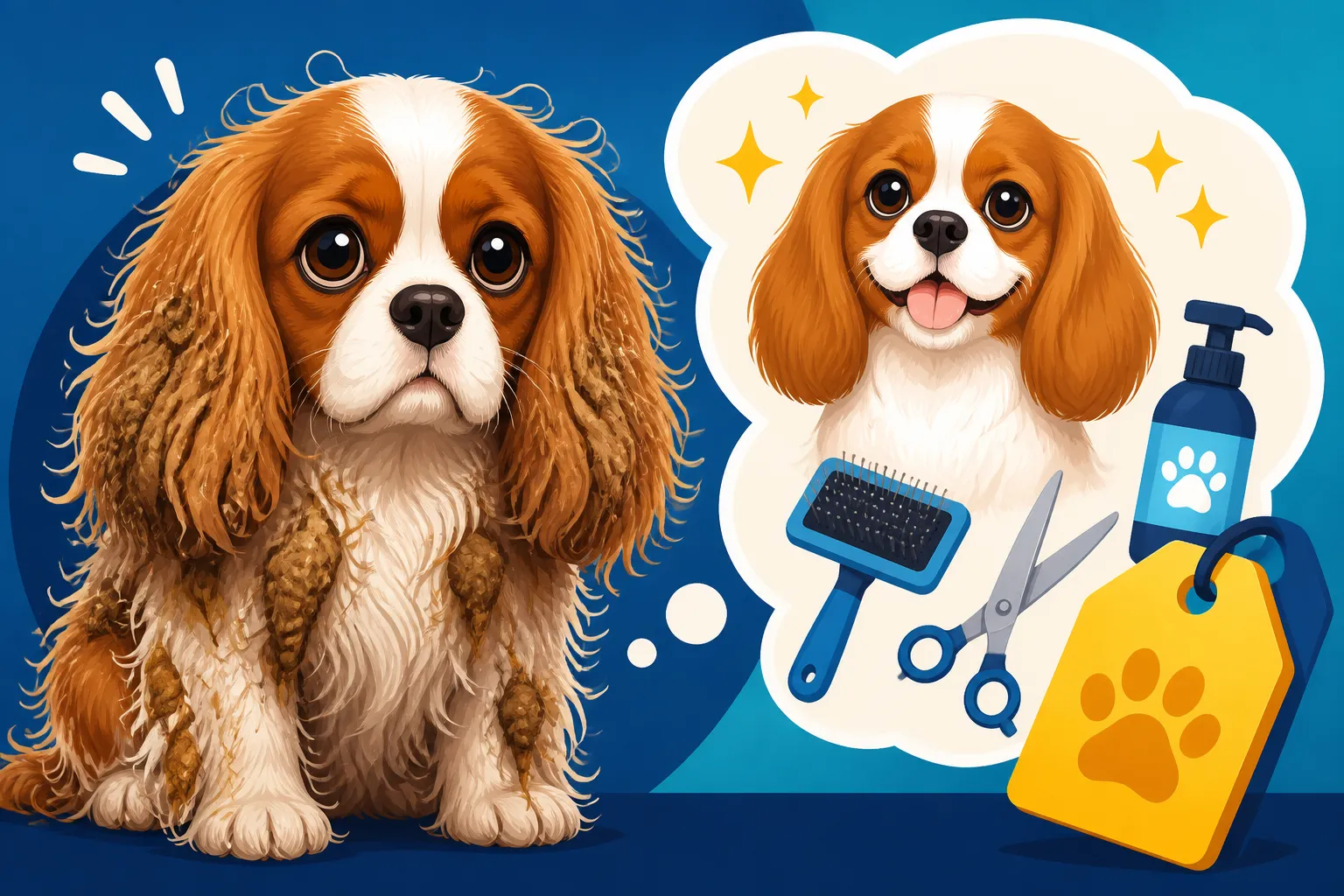
Finding a mat in your Cavalier's gorgeous, silky coat can be a truly heart-sinking moment, especially when you realize it's not just a small tangle but a dense knot pulling at their delicate skin. The immediate worry often jumps to how uncomfortable your sweet companion must be, quickly followed by a pang of dread about the grooming bill, wondering just how much more a matted coat will cost. This guide will walk you through the factors that influence grooming prices for a matted Cavalier, helping you understand the charges and how to prevent those costly tangles in the future.
The Unseen Costs: Why Matted Cavalier Grooming Isn't Standard
When you bring a matted Cavalier to a professional groomer, it's not just a regular bath and trim appointment. Mats, especially severe ones, present a whole different challenge that requires more time, specialized skills, and often, tough decisions that impact both your dog's comfort and your wallet. Understanding these underlying factors can help you appreciate why the price tag can sometimes be significantly higher.
The Time and Effort Investment
Imagine trying to untangle a ball of yarn that's been pulled through a thorny bush – that's often what a matted Cavalier's coat feels like to a groomer. Each mat needs careful, patient attention. It’s not just about brushing; it might involve meticulously separating sections, applying detangling products, and working through hardened fur with specialized tools. This process can take hours, even for experienced groomers, pushing a standard 2-3 hour appointment into a much longer, labor-intensive session. The groomer is essentially performing a rescue mission on your dog's coat, and that extra time is directly reflected in the cost. If your Cavalier is particularly anxious or uncooperative due to the discomfort of the mats, this also extends the time required, as the groomer must work slowly and gently to avoid causing further stress or injury.
Risks to Your Cavalier's Skin and Temperament
Beyond the time commitment, working on a matted coat carries significant risks. Mats pull on the skin, causing irritation, redness, and sometimes even open sores or skin infections that can be hidden beneath the dense fur. When a groomer tries to demat, they must be incredibly careful not to nick or cut the skin, which can be paper-thin and fragile directly under a tight mat. This often means working very slowly, using clippers almost flush with the skin, which is a delicate procedure.
Furthermore, a dog that is already uncomfortable or in pain from mats can become fearful or even aggressive during grooming. This isn't your Cavalier being "naughty"; it's a natural reaction to pain and discomfort. A skilled groomer prioritizes your dog's well-being and will take extra precautions, including more frequent breaks, gentle handling, and perhaps even deciding that dematting is too painful and shaving is the only humane option. This extra care, time, and potential need for an additional helper to keep your dog calm, all contribute to the increased cost. For Cavaliers with conditions like Syringomyelia, where neck pain is common, the handling required for severe matting can be particularly distressing, making the groomer's job even more challenging.
Specialized Tools and Techniques
Regular grooming tools just won't cut it (pun intended!) for severe matting. Groomers often invest in high-quality, professional-grade detangling sprays, conditioning treatments designed to loosen mats, and heavy-duty clippers with various blades. Clippers need to be kept sharp and cool to prevent "clipper burn" on the skin, especially when working through tough, matted areas. Dematting tools, while effective for minor tangles, can be harsh if used incorrectly or on very dense mats, further stressing the skin.
The technique itself is specialized. It’s not simply brushing; it’s a systematic approach to carefully splitting, picking, and sometimes even carefully shaving under the mats to remove them without harming the dog. This expertise is a significant part of what you're paying for. A groomer who understands the Cavalier's delicate coat and skin, and who knows how to handle severe matting safely and effectively, has invested in both their tools and their continuous education, and their pricing reflects that.
What Happens When Your Matted Cavalier Walks Into the Salon?
Bringing in a matted Cavalier can be daunting, but a professional groomer is there to help. They'll have a systematic approach to assess the situation, discuss options with you, and proceed in the most humane way possible. It's a team effort between you, your dog, and the groomer to get your Cavalier comfortable again.
Initial Assessment and Consultation
The first thing a good groomer will do is a thorough "pat-down" and visual inspection of your Cavalier's coat. They'll feel for the extent and severity of the mats, noting areas like behind the ears, in the armpits, on the belly, and under the collar – places where mats notoriously form. They'll look for skin irritation, hot spots, or embedded debris. This initial assessment is crucial. They'll ask you questions: when was the last professional groom? How often do you brush at home? What's your Cavalier's temperament like with handling?
Based on this, they'll sit down with you for a consultation. This is where they explain what they've found, the potential approaches (dematting vs. shaving), the associated risks, and, importantly, the estimated cost and time involved. It's a moment to be honest about your home grooming routine and to listen carefully to their professional advice. They might even suggest that attempting to demat would be too painful or stressful for your specific dog.
Dematting vs. Shaving: The Tough Choices
This is often the most difficult conversation to have. While we all want our Cavaliers to keep their beautiful long coats, sometimes dematting is simply not an option, or it's not the kindest one.
- Dematting: If the mats are minor, loose, and not too close to the skin, a groomer might attempt dematting. This involves using detangling products and carefully working them out with combs and brushes. It's time-consuming, can still be uncomfortable, and is usually charged at an hourly rate on top of the regular groom. It requires your Cavalier to be patient and tolerate the process. Many groomers have a "15-minute rule" – if a mat can't be safely and comfortably removed within 15 minutes, or if the dog becomes too stressed, they'll recommend shaving. You can learn more about managing tangles at home by reading Working a Mat Out of Cavalier Feathering.
- Shaving (Clipping Down): For severe, pelted, or tight mats, shaving is often the only humane option. This means taking the coat very short, sometimes down to a ¼ inch or less, using clippers that get under the mats. While it can be shocking to see your fluffy Cavalier with a short coat, it's often an immense relief for them. Shaving removes the discomfort, allows the skin to breathe and heal, and gives you a fresh start. The groomer will carefully explain this, outlining that the coat will grow back, but it might take some time to achieve its previous length and texture. Sometimes, you have no choice but to opt for When a Matted Cavalier Has to Be Shaved.
The decision will always be made with your Cavalier's comfort and health as the top priority.
The Grooming Process for a Matted Coat
Once a decision is made, the groomer proceeds. If dematting is feasible, they'll use professional-grade sprays and conditioners to try and loosen the mats before carefully combing them out. They might work in small sections, allowing the dog breaks.
If shaving is necessary, the groomer will use appropriate clipper blades to get under the mats safely. This requires immense skill and caution to avoid cutting the delicate skin trapped beneath the matted fur. After the initial clip-down, your Cavalier will receive a bath to clean the skin, remove any loose hair, and apply a soothing conditioner. The drying process will be gentle, often using a low-velocity dryer to avoid stressing the now-exposed skin. Finally, a thorough check will be done for any remaining small mats, skin irritations, or nicks that need attention. It's a full-service approach aimed at restoring comfort and health to your beloved Cavalier.
Understanding the Pricing Structure for Matted Cavaliers
It's no secret that a matted coat will incur additional charges. Groomers are running a business, and the extra time, effort, and risk involved in handling a matted Cavalier translate directly into higher fees. Being prepared for these costs and understanding their breakdown can prevent sticker shock.
Standard Grooming vs. Dematting Fees
Most grooming salons have a base price for a full-service groom for a Cavalier King Charles Spaniel. This usually includes a bath, blow-dry, brush-out, ear cleaning, nail trim, and perhaps a light trim of the feet or feathering. This standard price assumes a relatively well-maintained coat with minimal tangles. For an idea of general costs, you can look into Professional Grooming Rates for a Cavalier or Cavalier Grooming Costs Every Six to Eight Weeks.
However, when matting is present, additional fees are almost always applied. These can be structured in a few ways:
- Hourly Dematting Fee: Many groomers charge an extra hourly rate for dematting on top of their standard grooming fee. This rate can vary significantly, reflecting the skill and specialized effort required. If a groomer spends an extra hour or two carefully working out mats, this fee can add substantially to the total.
- Matting Surcharge (Flat Fee): Some salons might have a tiered matting surcharge based on the severity. For example, a small dog with light matting might incur a $25 extra fee, while a dog with severe, all-over matting might have a $75-$100 (or more) surcharge. This is often applied when the decision is made to shave down the coat, as even shaving through dense mats is more challenging and time-consuming than a regular clip.
- "Pelting" Fee: In extreme cases where the coat is so matted it forms a solid "pelt" close to the skin, a groomer might quote an even higher specific fee. This indicates a level of neglect that requires maximum effort and care to remove safely.
- Sedation Add-on: In very rare cases, if a Cavalier is severely matted, in extreme pain, and too aggressive or fearful to be groomed safely, a vet might need to administer light sedation. This is not typically done at a grooming salon, but would require a visit to a veterinary clinic for grooming under sedation, which would be a separate, much higher veterinary bill. Pet insurance providers like Healthy Paws generally cover medical procedures and emergencies, but routine grooming, even for matted coats, is almost universally excluded from standard pet insurance policies. It's important to clarify any potential veterinary costs with your vet, should such a drastic measure be necessary.
Factors That Increase the Final Bill
Several elements beyond the sheer volume of mats can drive up the cost:
- Dog's Temperament: A calm, cooperative Cavalier makes the groomer's job easier, even with mats. An anxious, squirmy, or nippy dog requires more time, patience, and sometimes two groomers for safety, which can increase the cost.
- Size of the Mats: A few small mats are easier to address than large, dense sheets of matting.
- Location of Mats: Mats behind the ears or in the armpits are tricky but generally more accessible than mats around the delicate genital area or on the belly, which require careful positioning and extra care.
- Embedded Debris: If the mats contain burrs, twigs, or other foreign objects, removal becomes even more complex and time-consuming.
- Skin Condition: If severe matting has led to irritated skin, hot spots, or infections, the groomer might need to use medicated shampoos or creams, or even recommend a vet visit before completing the groom, adding to your overall expense.
Geographic and Salon-Specific Variations
Just like everything else, grooming prices can vary based on where you live. Salons in urban, high-cost-of-living areas often charge more than those in rural settings. High-end boutiques or salons with specialized equipment might have higher rates than smaller, independent groomers. It always pays to call around and get quotes, but be sure to be upfront about your Cavalier's matted condition to get an accurate estimate. Don't try to hide it; a groomer will find it, and it's always better to be transparent from the start.
| Matting Severity | Description | Grooming Approach | Likely Price Impact (Relative to Standard Groom) |
|---|---|---|---|
| Light | Few small, loose tangles, easily brushed out, mostly surface level. | Gentle dematting, thorough brush-out. | Minor surcharge or part of standard (if quick). |
| Moderate | Several medium-sized tangles, slightly tight, some near skin, isolated. | Dedicated dematting time, specialized products. | Moderate surcharge (hourly or flat fee). |
| Severe | Numerous tight, dense mats, close to skin, widespread. | Extensive dematting (if possible) or full shave-down. | Significant surcharge, potentially multiple hours. |
| Pelted | Coat is a solid, felt-like mass, pulling skin, covers large areas. | Mandatory full shave-down for humane reasons. | Highest surcharge, very delicate work. |
Prevention is Key: Reducing Future Matting and Costs
No one wants to see their Cavalier uncomfortable or pay a hefty bill for matted grooming. The good news is that most matting is preventable with consistent home care and regular professional maintenance. This proactive approach not only saves you money but also keeps your Cavalier happy and healthy.
Establishing a Regular At-Home Grooming Routine
This is the cornerstone of mat prevention. Cavaliers have beautiful, long, silky coats with feathering that is prone to tangling. Daily or every-other-day brushing is absolutely essential. Don't wait until you see a mat to pick up the brush! By then, it's often too late for easy removal.
Focus on areas where mats love to hide: behind the ears, under the collar, in the armpits, on the belly, and the "pantaloons" on their back legs. Use a line-brushing technique, parting the hair and brushing in small sections from the skin out, making sure your brush and comb reach all the way through the coat to the skin. This ensures you're not just brushing the surface. A simple five-minute routine can make a world of difference. You might find our guide Brushing a Cavalier's Feathering Three Times a Week incredibly helpful for getting started. Even if your Cavalier receives quality food from a brand like Ollie, which can contribute to a healthy coat, regular physical grooming is irreplaceable for preventing mats.
The Right Tools Make All the Difference
You wouldn't try to hammer a nail with a screwdriver, and the same goes for grooming tools. Having the right equipment for a Cavalier's coat is crucial.
- Slicker Brush: A good quality slicker brush is excellent for removing loose hair and small tangles from the main body of the coat.
- Metal Comb: A sturdy metal comb with both wide and narrow teeth is indispensable. It helps you check your work after brushing, ensuring no small knots are left behind. It’s also vital for working out tiny tangles gently.
- Detangling Spray: Keep a pet-safe detangling spray on hand. A light mist before brushing can help loosen small knots and protect the hair.
- Blunt-nosed Scissors: For emergency situations (like a burr that's really embedded, or a tiny, isolated mat that you can't brush out), a pair of blunt-nosed scissors can be used carefully to cut through the mat itself, not into the hair around it. Always point the scissors away from the skin. For detailed instructions on this, see Cutting a Mat Out of a Cavalier Safely.
Investing in these tools might seem like an upfront cost, but it pales in comparison to a professional dematting bill. You can find many of these essential items on platforms like Chewy, making it easy to stock up. To learn more about selecting the best tools for your Cavalier, check out The Brush and Comb a Cavalier Coat Needs.
Choosing the Right Professional Groomer
Even with excellent home care, regular professional grooming is highly recommended for Cavaliers every 6-8 weeks. A professional groomer can give your Cavalier a thorough bath, blow-dry (which gets out more loose hair than air drying), and a precise trim of their feet, ears, and sanitary areas. They can also spot tiny mats you might have missed and address them before they become a big problem.
When choosing a groomer, look for one who understands the Cavalier coat type. Ask about their approach to matted coats and their pricing structure. A good groomer will also offer advice and tips for maintaining your Cavalier's coat at home, essentially becoming a partner in your dog's care. If you're wondering whether a full professional groom is necessary, Whether a Cavalier Needs a Full Groom offers more insights. Finding a groomer who truly cares and communicates well can be invaluable in keeping your Cavalier's coat beautiful and mat-free, saving you stress and money in the long run.
Disclaimer
This article is for general informational purposes only and does not constitute professional advice. Laws, prices and regulations vary by location and change over time. Consult a qualified professional for guidance on your specific situation.