Whether a Cavalier Passes a Canine Good Citizen Test
It's completely natural to wonder if your sweet, often thought of as a lapdog, Cavalier King Charles Spaniel can actually excel in something like the Canine Good Citizen (CGC) test. Many people assume these affectionate companions are too docile or too focused on cuddling to master formal obedience and good manners in public. But I'm here to tell you that with the right approach and a deep understanding of their unique personality, your Cavalier absolutely has the potential to not only pass but shine. This guide will walk you through what the CGC entails and how to harness your Cavalier's inherent charm and intelligence to help them become a truly well-mannrounded, polite member of society.
Understanding the Canine Good Citizen Test: What It Really Means
The Canine Good Citizen (CGC) program, often considered the gold standard for dog behavior, is far more than just a fancy certificate. It's a foundational set of ten skills that demonstrate your dog is a reliable, well-mannered companion in everyday situations. When your Cavalier passes the CGC, it means they can handle common distractions, respond politely to strangers, and walk calmly on a leash, among other things. This isn't about being a show dog or an agility champion; it's about being a great neighbor, a pleasure to take out, and a dog who truly integrates seamlessly into your life and community. It builds confidence in your dog and trust in your relationship.
The Ten Test Items: A Glimpse into Canine Etiquette
The CGC test is comprised of ten specific exercises, each designed to evaluate a different aspect of your dog's good manners and responsiveness. They range from simple leash walking to more nuanced interactions. For instance, your Cavalier will need to gracefully accept a friendly stranger, showing no shyness or over-exuberance. They'll walk through a small crowd, demonstrating their ability to navigate distractions without pulling or jumping. A quick "sit" and "stay" on command, even when you walk a short distance away, is also on the list. These aren't just tricks; they're essential life skills that prevent everyday frustrations.
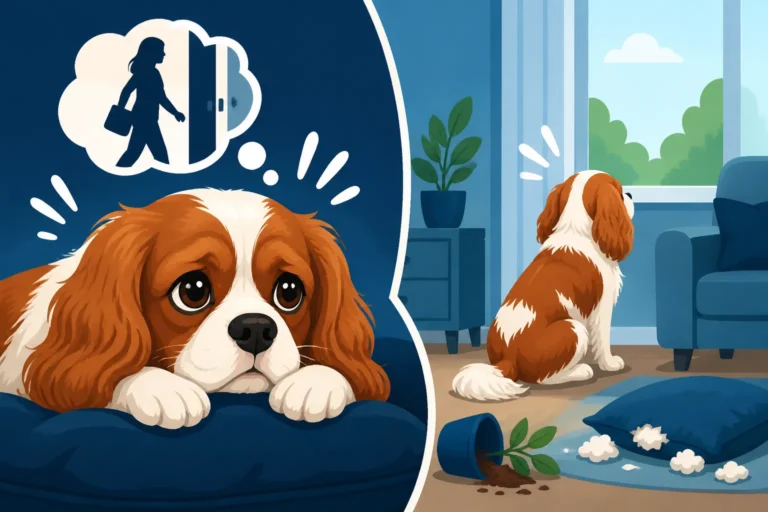
One of the key elements is the "reaction to distractions" test, where your Cavalier will need to remain calm when presented with common stimuli like a dropped object or a passing jogger. Then there's the "supervised separation," where your dog must remain with a trusted person (the evaluator) for a few minutes while you're out of sight. This tests their ability to cope with short periods of being left, a crucial skill for a breed often prone to Why a Cavalier Follows You Room to Room. It really covers a broad spectrum of what makes a dog a "good citizen."
Beyond Basic Obedience: The Temperament Factor
While knowing commands like "sit" and "stay" is certainly part of the CGC, the test also heavily emphasizes temperament. It assesses your Cavalier's overall demeanor, their willingness to cooperate, and their ability to remain calm and confident in various social settings. A dog might know all the commands, but if they react fearfully or aggressively to a stranger, they won't pass. The CGC is looking for a dog that is friendly, stable, and predictable. This means ensuring your Cavalier is comfortable being touched by a stranger, isn't easily spooked by new sounds or sights, and can maintain composure even when another dog passes by.
It’s about showing that your Cavalier is not just trained, but well-adjusted. This holistic approach ensures that certified dogs are a joy to be around, whether at the park, in a vet's waiting room, or simply on a busy sidewalk. For Cavaliers, whose reputation is built on their sweet nature, this aspect of the test often comes quite naturally, but it still requires thoughtful exposure and positive reinforcement to build that solid, confident foundation.
Why the CGC Matters for Any Dog, Even a Cavalier
You might think, "My Cavalier is already so sweet, why do we need a CGC?" The truth is, the benefits extend far beyond bragging rights. Achieving a CGC title strengthens the bond between you and your Cavalier, as it's a journey of communication, trust, and shared learning. It also opens doors – some apartment complexes or rental properties may favor or even require CGC-certified dogs, and certain pet insurance providers might offer discounts. More importantly, it provides a structured framework for ensuring your Cavalier is genuinely prepared for all of life's adventures.
For a Cavalier, who can be quite sensitive, the structured training required for the CGC can be incredibly beneficial for building confidence and resilience. It teaches them to focus on you even amidst tempting distractions like squirrels or other dogs, skills that are invaluable in preventing potential dangers. A CGC-certified Cavalier is a happier, safer, and more welcome companion wherever you go, truly embodying the ideal of a "good citizen."
The Cavalier Temperament: Strengths and Challenges for CGC
Cavalier King Charles Spaniels are renowned for their gentle, affectionate, and eager-to-please nature. These traits are massive assets when it comes to training for something like the Canine Good Citizen test. However, like all breeds, they also come with certain characteristics that can present unique challenges. Understanding both their strengths and potential hurdles is key to designing an effective and enjoyable training program that truly sets your Cavalier up for success.
Natural Affection and Willingness to Please
The most significant advantage of training a Cavalier is their profound desire to please their humans. They thrive on connection and positive interaction, making them incredibly receptive to reward-based training. They genuinely want to make you happy, which translates into a strong motivation to learn and perform commands. This inherent sweetness means that, unlike some more independent breeds, a Cavalier is usually eager to engage with you in training sessions, seeing it as another opportunity for shared activity and praise. Their soft eyes and wagging tails are often an open book, showing their attentiveness.
This deep affection also means they generally take well to the "friendly stranger" and "accepting petting" components of the CGC. Most Cavaliers greet new people with an enthusiastic but gentle disposition, truly living up to their "merry little spaniel" reputation. This foundational characteristic is a huge head start for many of the CGC exercises that rely on calm, polite social interactions. They're often naturals at making friends, which is exactly what the test looks for.
Distractibility and the Spaniel Instincts
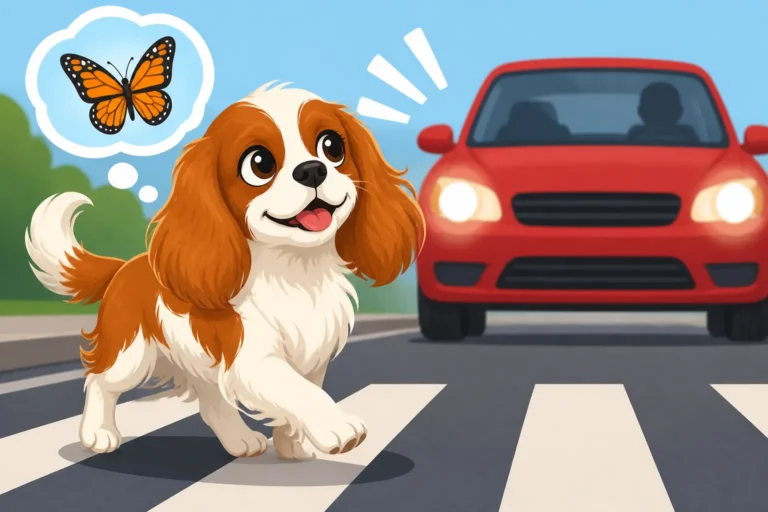
Despite their love for cuddles, Cavaliers are still spaniels at heart, and that means they come with a certain level of distractibility, especially when it comes to interesting smells or potential prey. The smallest rustle in the bushes, the scent of another dog that passed by minutes ago, or a distant bird can quickly capture their attention, making it challenging to maintain focus during training, particularly outdoors. This isn't naughtiness; it's simply The Spaniel Instincts Left in a Cavalier kicking in. Their world is full of fascinating sensory input, and sometimes, you just aren't as interesting as that leaf blowing across the path.
For the CGC, where focus and attention are paramount, this can be a hurdle. Tasks like "walking through a crowd" or "reaction to distractions" require your Cavalier to remain engaged with you despite tantalizing external stimuli. Overcoming this requires consistent, patient training, starting in low-distraction environments and gradually building up to more complex settings. It also means using high-value rewards to keep your Cavalier's attention squarely on you, even when their nose is telling them otherwise.
Sensitivity and Training Approaches That Work
Cavaliers are generally quite sensitive dogs. They don't respond well to harsh corrections, loud voices, or intimidation tactics. In fact, such methods can easily shut them down, making them fearful, anxious, and less willing to participate in training. Their soft nature requires a gentle hand, a patient demeanor, and an abundance of positive reinforcement. If you've ever tried to scold a Cavalier, you've probably seen their crestfallen expression and immediate withdrawal; they just aren't built for tough love.
This sensitivity is why Training a Cavalier With Praise Rather Than Pressure is so effective. They thrive on praise, tasty treats, and happy encouragement. When approaching CGC training, focusing on making every session a positive experience will yield the best results. If a Cavalier makes a mistake, redirect gently rather than punishing. Celebrate successes, even small ones, with enthusiasm. Using positive methods helps build their confidence, reinforces good choices, and keeps them eager to learn, rather than dreading the next command. Online programs like those offered by BAXTER & Bella often emphasize these positive, science-based methods, which are ideal for the sensitive Cavalier.
Preparing Your Cavalier for the CGC: A Step-by-Step Approach
Getting your Cavalier ready for the Canine Good Citizen test isn't a race; it's a marathon of consistent, positive training that builds on fundamental skills. It's about breaking down each test item into manageable steps and practicing regularly, gradually increasing the difficulty and distractions. Think of it as building a strong house brick by brick, rather than trying to put the roof on first. The key is patience, understanding your Cavalier's learning style, and celebrating every little victory along the way.
Starting Early: Foundation Skills for Cavalier Puppies
The best time to start preparing for the CGC, or any training for that matter, is when your Cavalier is a puppy. Early socialization is absolutely crucial. Exposing your puppy gently to a variety of sights, sounds, people, and other friendly dogs helps them grow into a confident, well-adjusted adult. This means taking them to puppy classes, carefully managed public spaces, and introducing them to different surfaces and environments. A well-Socializing a Cavalier Puppy Gently from a young age will be much less likely to be fearful or overly reactive to the distractions encountered in the CGC test.
Beyond socialization, focus on basic obedience commands like "sit," "stay," "down," and "come." Teach them to walk politely on a leash without pulling. Use high-value treats and enthusiastic praise to make learning fun. Short, frequent training sessions are far more effective for puppies than long, tedious ones. Remember, puppies have short attention spans! These foundational skills are the building blocks for every single item on the CGC test and will make the later stages of training much smoother. You want to establish a strong bond and clear communication early on.
Mastering Each Test Item: Tailoring to Cavalier Traits
Once your Cavalier has a good grasp of basic commands, you can start working specifically on the ten CGC test items, always keeping their unique traits in mind. For instance, when practicing "walking on a loose leash," remember their spaniel nose. Start in a quiet area, and as they improve, gradually introduce more tempting smells. Reward heavily for moments of focus on you, using a consistent training approach like the one outlined in Reward-Based Training With a Cavalier.
For the "friendly stranger" test, encourage polite greetings without jumping, perhaps by teaching a "four on the floor" command. Practice having various people approach and greet your Cavalier calmly. When it comes to "reaction to other dogs," begin with controlled encounters from a distance, rewarding your Cavalier for remaining calm and looking at you instead of lunging or barking. The key is to break down each test item into tiny, achievable steps, and only move on when your Cavalier is consistently successful at the current level.
Practice Makes Perfect: Realistic Training Scenarios
Consistent practice in a variety of environments is what truly solidifies CGC skills. Don't just practice in your living room; take your Cavalier to a park during off-peak hours, a quiet shopping center, or a friend's house. Each new location presents different distractions and stimuli, helping your Cavalier generalize their learned behaviors. If they can perform a perfect "stay" in your quiet backyard, try it at a slightly busier park bench. This gradual exposure helps them understand that commands apply everywhere, not just at home.
| CGC Test Item | Cavalier Consideration | Practice Scenario |
|---|---|---|
| Accepting a Friendly Stranger | Generally good, but can be overly enthusiastic or a bit shy if not well-socialized. | Have friends or family members (who your dog doesn't see every day) calmly approach and pet your Cavalier. Reward for calm greetings, keeping all four paws on the ground. |
| Sitting Politely for Petting | Often enjoy petting but might try to climb into laps or be bouncy. | Practice "sit" and "stay" while someone gently pets them. If they get too excited, stop petting, wait for them to settle, then resume. Use a consistent phrase like "all done" to signal the end of interaction. |
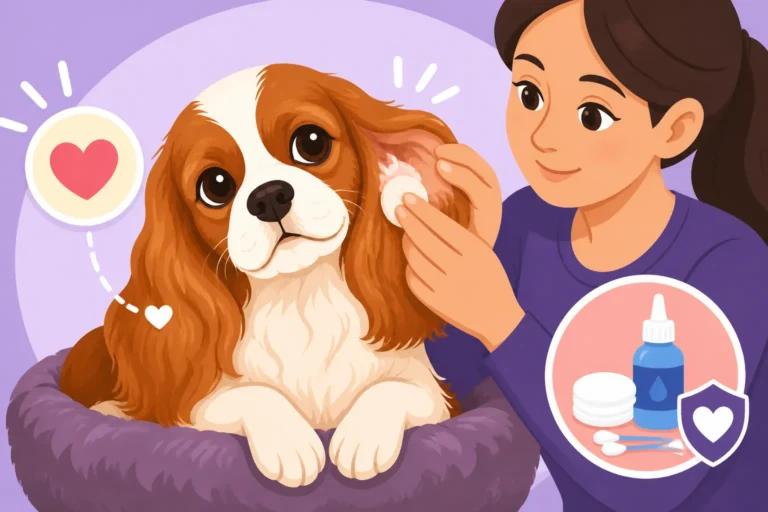
| Appearance and Grooming | Can be sensitive to handling, especially ears and feet. | Regularly handle your Cavalier's paws, ears, and mouth from puppyhood. Make it a positive experience with treats. Practice letting someone else (like a trusted friend) gently examine them. |
| Out For a Walk (Loose Leash) | Can be prone to pulling due to curiosity about smells or seeing other dogs. | Practice Leash Manners for a Cavalier That Pulls in low-distraction areas, using turns and changes of pace. Gradually introduce more distractions like a walking path, rewarding frequently for a loose leash. A front-clip harness can be helpful. |
| Walking Through a Crowd | Can be distracted by new people, sights, and sounds. | Walk your Cavalier through a quiet park or a farmer's market during off-peak hours. Keep sessions short and positive, rewarding for focus on you and calm navigation of people. |
| Sit and Down on Command | Generally pick these up quickly due to eagerness to please, but consistency is key. | Practice these commands daily in different rooms of your house and then in various outdoor settings. Use hand signals along with verbal cues. |
| Staying in Place | Can struggle with duration and distance, especially their desire to be close to you. | Start with very short "stays" (a few seconds) and small distances (one step away), gradually increasing both. Use a release cue. Practice the "long stay" in various places, always returning to reward them. |
| Come When Called | Often have good recall in low-distraction environments but can be easily distracted outside. | Practice "come" in a secure, fenced area with high-value treats. Use a long line in open spaces to practice The Recall Word a Cavalier Learns Fastest safely. Reward enthusiastically every single time they come, even if it's slow. |
| Reaction to Another Dog | Can be overly friendly or sometimes shy; need to remain calm and neutral. | Practice with a calm, known dog from a distance, rewarding your Cavalier for calm behavior. Gradually decrease distance. Ensure no direct interaction during the test; it's about polite disinterest. |
| Supervised Separation | This can be the trickiest for Velcro Cavaliers; many struggle with being alone. | Start with very brief separations at home, gradually increasing duration. Have a trusted friend hold your Cavalier while you step out of sight for a minute or two, returning quickly to praise calm behavior. Building a Cavalier's Tolerance for Being Left is crucial. |
Don't forget to incorporate proofing – practicing skills when you're tired, when your Cavalier is a little distracted, or when the weather isn't perfect. Real life isn't always ideal, so your training shouldn't be either. You can even find comprehensive online programs like those from BAXTER & Bella that provide structured lessons and support for each CGC item, making it easier to follow a consistent plan.
Common Hurdles for Cavaliers in the CGC Test (and How to Overcome Them)
While Cavaliers have many wonderful qualities that make them ideal candidates for the Canine Good Citizen test, there are a few common areas where they might need a bit more focus and understanding from their owners. Recognizing these potential sticking points early allows you to address them proactively, turning potential weaknesses into strengths with targeted training and patience.
The 'Friendly Stranger' Item: Over-Enthusiasm or Shyness
The "friendly stranger" item requires your Cavalier to politely accept an approach from a person they don't know, without showing shyness or excessive exuberance. For many Cavaliers, the challenge here isn't aggression, but rather their boundless affection. They often want to jump up to greet, lick faces, or lean in for immediate cuddles, which, while endearing, isn't considered "good citizen" behavior. On the flip side, some Cavaliers, especially those not well-socialized as puppies, might display a touch of shyness or withdrawal, preferring to hide behind your legs.
To manage over-enthusiasm, teach your Cavalier a "four on the floor" command. Practice having friends approach, and as they get close, ask your Cavalier to "sit" or "down," rewarding them for staying put and accepting gentle petting. If they jump, the person should immediately turn away, withdrawing attention. For shyness, focus on positive exposure. Have strangers offer high-value treats gently, without forcing interaction. Never force your Cavalier to greet someone they're unsure of; instead, create positive associations from a distance. Teaching a Cavalier to Greet Guests Calmly can start from puppyhood.
Reaction to Other Dogs: The Social Butterfly Challenge
Cavaliers are generally social creatures and often love other dogs. However, this sociability can become a challenge during the "reaction to another dog" portion of the CGC test. Here, your Cavalier needs to remain calm and show only polite interest (or disinterest) as another dog and handler pass by at a short distance. This means no barking, lunging, whining, or trying desperately to play. Their natural inclination to greet every canine they see can lead to over-excitement, making it hard for them to stay focused on you.
The key here is controlled exposure and redirection. Start practicing in an environment where you can maintain a significant distance from other dogs. As a dog approaches, immediately ask your Cavalier for a "sit" or "watch me" command, and reward them heavily for any moment of calm focus on you. Gradually decrease the distance as they improve. The goal isn't to prevent them from seeing the other dog, but to teach them that your presence and the rewards you offer are more valuable than interacting with the passing dog. Remember, this test is about polite neutrality, not a playdate.
Supervised Separation: Tackling the Velcro Tendency
This is arguably the toughest item for many Cavaliers, who are affectionately known as "Velcro dogs" due to their strong desire to be close to their people. The supervised separation test requires your Cavalier to be left with a trusted person (the evaluator) for three minutes, while you walk out of sight. During this time, your dog should remain calm, showing no signs of distress such as whining, barking, or pacing. This directly challenges their innate clinginess.
Preparing for this requires systematic desensitization to being alone, starting at home. Begin by leaving your Cavalier for very short periods, literally seconds, rewarding calm behavior upon your return. Gradually extend the time. Create a comfortable, safe space for them, perhaps with a favorite chew toy. Practice with a friend or family member holding their leash while you step out of the room, gradually extending your absence. It's vital to make these separations positive experiences. Avoid making a big fuss when you leave or return. The aim is to teach them that you always come back and that being left is not a cause for panic. This directly relates to strategies for Building a Cavalier's Tolerance for Being Left. Some owners find crate training, done positively, can assist with this, providing a safe den for separation.
Training Resources and Tools to Aid Your Cavalier's Journey
Embarking on the Canine Good Citizen journey with your Cavalier can be incredibly rewarding, but it’s okay to seek out help and utilize the many resources available. From foundational training philosophies to practical gear, having the right tools and support system can make all the difference in turning potential challenges into triumphs. Remember, you don't have to reinvent the wheel, and there are many proven methods and products designed to help you succeed.
Positive Reinforcement: The Cavalier's Best Friend
As we've discussed, positive reinforcement is absolutely critical for the sensitive Cavalier. This training philosophy focuses on rewarding desired behaviors rather than punishing unwanted ones. When your Cavalier does something right – sits when asked, walks politely, ignores a distraction – you immediately reward them with something they love, whether it's a high-value treat, enthusiastic praise, a favorite toy, or a quick game. This makes them more likely to repeat that behavior in the future because they associate it with something good.
Consistency is key with positive reinforcement. Everyone in the household needs to be on the same page, using the same commands and rewarding the same behaviors. This clear communication helps your Cavalier understand what's expected of them. You'll find that not only is it more effective, but it also strengthens the bond of trust between you and your sweet companion. For more on this, check out Reward-Based Training With a Cavalier.
Effective Training Aids: Leashes, Harnesses, and Treats
Having the right equipment can significantly enhance your training efforts. For loose-leash walking, a comfortable, well-fitting harness (especially a front-clip harness) can be a game-changer for a Cavalier who pulls. It discourages pulling by redirecting their momentum without putting pressure on their delicate neck. Flat buckle collars are fine for ID tags, but for active training, a harness often provides better control and comfort. Look for options on Amazon that offer good adjustability for their small but often deep chests.
Treats are an essential tool for positive reinforcement. Invest in a variety of high-value, small, soft treats that your Cavalier absolutely adores. Think tiny pieces of cooked chicken, cheese, or specialized training treats. Keep them easily accessible in a treat pouch during training sessions. A long line (a lightweight lead 15-30 feet long) is also invaluable for practicing recall in an open but safe area, allowing your Cavalier some freedom while still under your control. Remember, the goal is to make training feel rewarding and fun, and tasty treats certainly help!
When to Seek Professional Guidance for Specific Challenges
While many Cavalier owners can successfully train for the CGC on their own, there's absolutely no shame in seeking professional help, especially if you encounter a persistent challenge. A certified professional dog trainer or a behavior consultant can provide personalized guidance, identify specific issues, and offer tailored strategies that might be difficult for an owner to figure out alone. For instance, if your Cavalier struggles intensely with supervised separation, a professional can offer specialized techniques and support.
Look for trainers who use positive reinforcement methods and have experience with companion breeds like Cavaliers. Many offer group CGC preparation classes, which provide excellent opportunities for your Cavalier to practice in a distracting environment with other dogs and people – a perfect simulation of the actual test day. Online training platforms, like those from BAXTER & Bella, also offer virtual coaching and comprehensive modules that can complement in-person training or serve as a fantastic starting point for dedicated owners. Investing in professional guidance is investing in your Cavalier's success and your peace of mind.
Disclaimer
This article is for general informational purposes only and does not constitute professional advice. Laws, prices and regulations vary by location and change over time. Consult a qualified professional for guidance on your specific situation.