When a Matted Cavalier Has to Be Shaved
It's truly heartbreaking to discover your beautiful Cavalier, with their flowing, silky coat, has developed severe matting. You've tried everything, from gentle brushing to specialized sprays, but sometimes the tangles become so tight and extensive that you're left wondering if there's any other option but a complete shave. This guide will walk you through understanding why mats get so bad, how to recognize when the situation has progressed beyond simple detangling, and why shaving, though a drastic step, is often the kindest and most responsible choice for your beloved companion.
Understanding the Cavalier Coat and the Matting Menace
The Cavalier King Charles Spaniel is renowned for its luxurious, silky coat, often described as soft and flowing. While undeniably gorgeous, this single coat, which lacks a dense undercoat, is unfortunately a prime candidate for matting if not diligently maintained. It's not like a double-coated breed where the undercoat does most of the shedding and can sometimes protect against topcoat tangles; with a Cavalier, every hair is exposed and eager to latch onto its neighbor.
Why Cavalier Coats Are So Prone to Tangling
Imagine fine silk threads, delicate and easily intertwined. That's essentially what your Cavalier's coat is like. Unlike coarser coats that might resist knotting, the Cavalier's long, fine hair, especially the feathering on their ears, legs, chest, and tail, is incredibly susceptible to friction and moisture. Everyday activities like sleeping, rolling around, or even just wearing a harness can create friction points that start tiny tangles. These small knots, if not immediately addressed, quickly gather more loose hair, tighten with movement, and snowball into larger, more formidable mats. It's a cruel irony that such a beautiful feature can also be a source of so much discomfort for our furry friends. You might think you've brushed them just yesterday, only to find a new knot forming with alarming speed, especially behind the ears after a good ear flap or under the armpits from running around.
Common Hotspots for Cavalier Mats
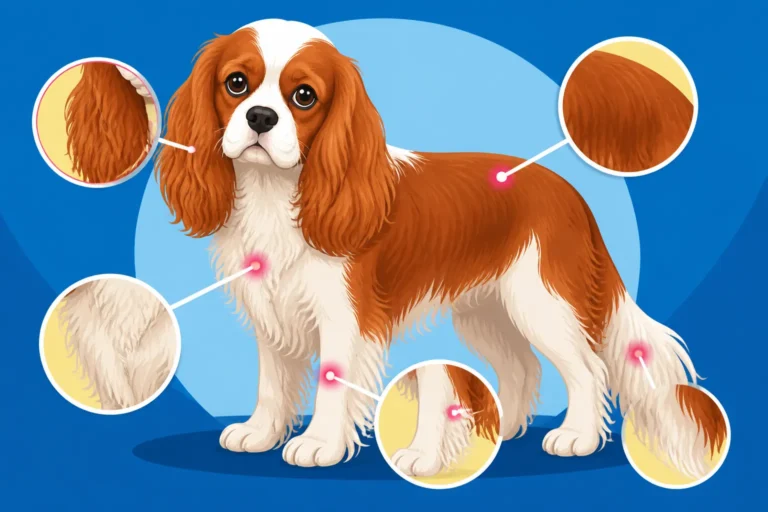
Certain areas on a Cavalier's body are practically mat magnets. The long, silky ear feathering is perhaps the most notorious. Every time your Cavalier shakes their head, dips their ears in their water bowl, or rubs against furniture, those delicate hairs are at risk. Similarly, the "armpits" (the area behind their front legs) and the "britches" (the feathering on their hindquarters) are high-friction zones. These spots are constantly moving and rubbing, making them prime real estate for mats to take hold and tighten. Even the areas under their collar or harness can become matted if not checked daily. We've all been there, reaching for a quick cuddle, only to discover a hard, solid lump of matted fur that wasn't there what felt like five minutes ago. It's a constant battle, and it feels like the coat has a mind of its own sometimes. For more on preventing these knots, you might find Where a Cavalier Coat Mats First helpful.
The Progression from Tangle to Tight Mat
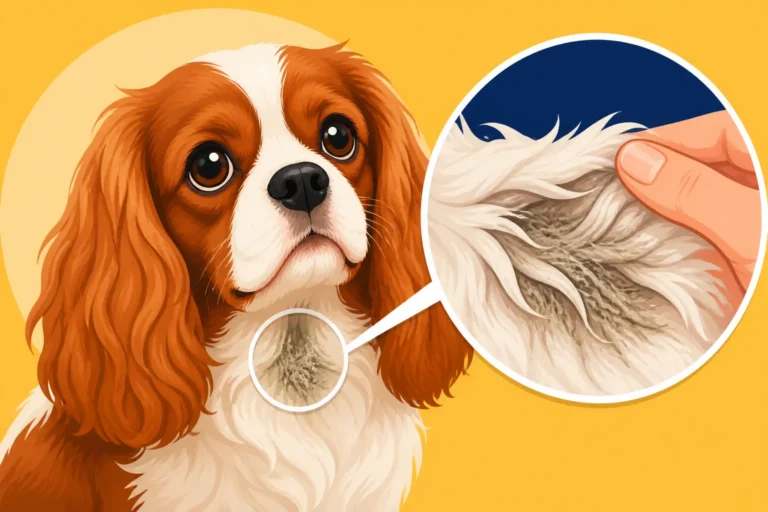
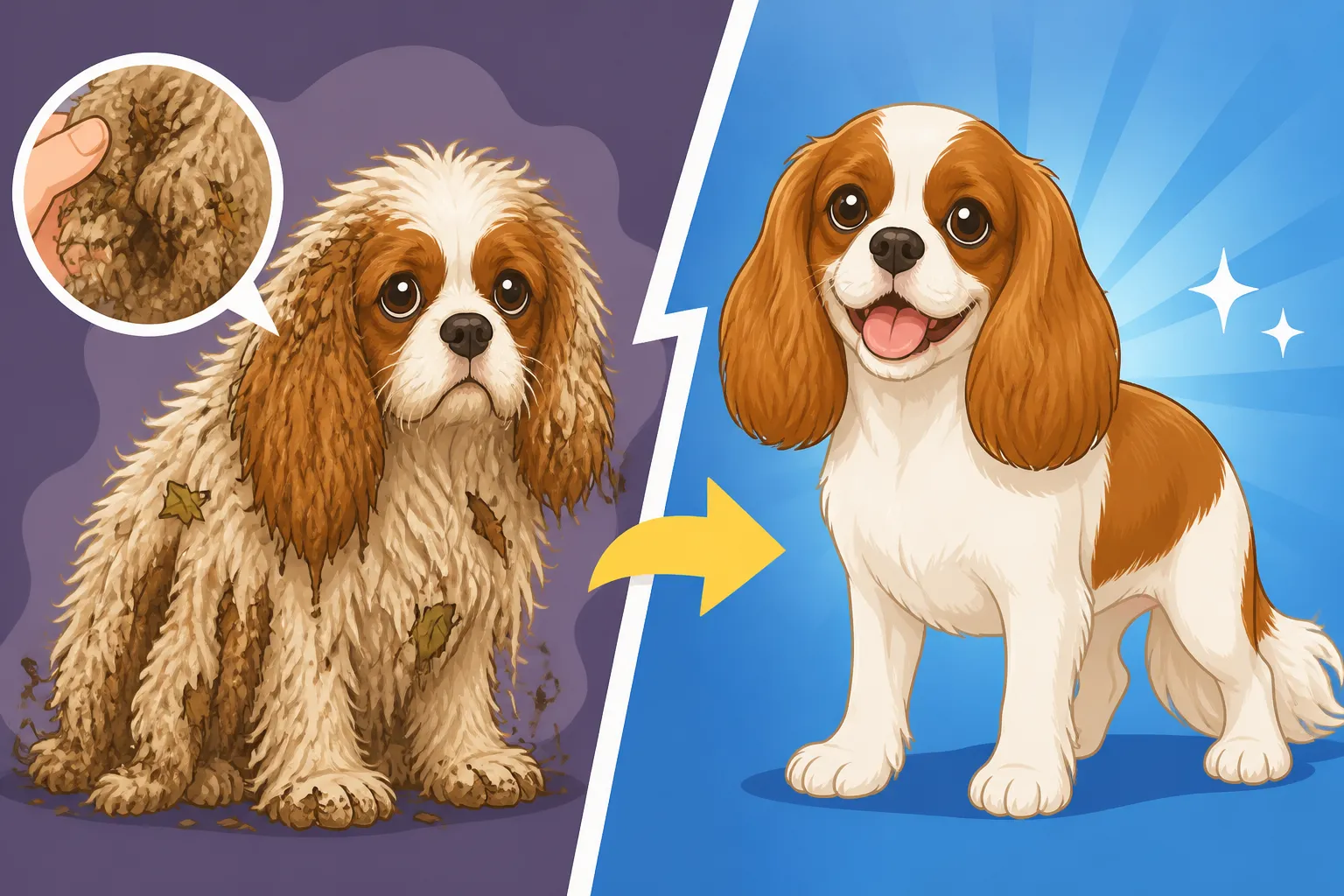
A small tangle is typically a localized knot of hair that can still be gently teased apart with a comb, often with the help of a detangling spray. It feels relatively loose and can be separated from the skin. However, if left unchecked, these small tangles rapidly escalate. As more hair gets caught, and the dog moves, the mat tightens, pulling on the skin. This isn't just a surface issue; mats often compress closer and closer to the skin, becoming a dense, felt-like mass, sometimes referred to as 'pelting.' At this stage, the mat essentially forms a hard, restrictive shell, holding the skin taut and unable to breathe. Trying to comb out such a mat is not only incredibly painful for your Cavalier but can also cause skin tears and bruising. It's a critical distinction to make: a mild tangle is a cosmetic issue, a tight mat is a welfare issue.
When Matting Becomes a Health Concern for Your Cavalier
Beyond just looking unsightly, severe matting poses significant health risks to your Cavalier. It's not just about aesthetics; it's about comfort, hygiene, and preventing potentially serious medical conditions. Recognizing these signs is crucial in knowing when shaving, rather than attempting to detangle, becomes the necessary and compassionate choice.
Pain and Discomfort Indicators
Tight mats pull on your Cavalier's skin with every movement. Imagine constantly having your hair tugged; now imagine that across large sections of your body. This constant tension is incredibly painful. Your Cavalier might start to exhibit behavioral changes, such as reluctance to be touched or groomed, especially in matted areas. They might become withdrawn, less playful, or even snap or growl when you try to approach or pet them. They might refuse to jump on the sofa, climb stairs, or even walk as much as usual because movement aggravates the pulling. These are all signs that your dog is in significant discomfort. It's not them being "naughty" or "stubborn"; it's a cry for help. If you notice your Cavalier yelping when picked up, especially around the neck or chest, it could be due to mats pulling on delicate skin.
Skin Issues Hiding Beneath the Mats
One of the most insidious dangers of severe matting is what it hides underneath. The dense, matted fur traps moisture, dirt, and debris against the skin. This creates a perfect breeding ground for bacteria and yeast, leading to painful skin infections (pyoderma), hotspots, and fungal growth. The lack of air circulation also means the skin can't breathe properly, exacerbating these issues. Fleas and ticks also love to hide in matted fur, becoming much harder to detect and remove, potentially leading to further skin irritation and disease. When a groomer shaves off a severely matted coat, it's not uncommon to find red, inflamed skin, sores, or even open wounds underneath that the owner couldn't see or treat. This is why professional intervention is so critical.
Impairment of Movement and Daily Life
When mats become extensive and cover large areas, they can severely restrict your Cavalier's mobility. Imagine having tight, stiff clothing sewn directly to your skin that prevents you from stretching, sitting, or lying comfortably. Mats around joints, like armpits or hips, can make walking, running, or even lying down painful and difficult. They can pull the skin so tightly that it hinders blood circulation or nerve function in affected areas. Mats around the eyes can obstruct vision, and mats around the anus or genitals can lead to severe hygiene issues, trapping feces and urine, causing further irritation and infection. At this stage, your Cavalier's quality of life is severely compromised, and the matting has gone beyond a simple grooming challenge; it's a serious impediment to their well-being.
The Humane Choice: Shaving a Severely Matted Cavalier
When you reach the point where mats are causing pain, skin issues, or restricting movement, shaving isn't just an option; it's a responsible and humane necessity. While it might feel drastic to remove your Cavalier's beautiful coat, their comfort and health must always come first.
When Home Dematting Is No Longer an Option
Many Cavalier owners, myself included, try their best to keep up with brushing and detangling. We buy all the fancy sprays and special combs, perhaps from retailers like Chewy or Amazon. But there comes a point when trying to demat at home becomes cruel. If a mat is tight against the skin, if your dog shows signs of pain, or if the mat is larger than a quarter, attempting to comb it out can cause immense suffering. It can tear the skin, cause bruising, and instill a deep fear of grooming in your Cavalier. A professional groomer will assess the situation and, if dematting would cause undue pain or injury, they will recommend shaving. This decision is made out of kindness, not convenience. Remember, Cutting a Mat Out of a Cavalier Safely is only possible for small, isolated tangles, not widespread pelting.
The Groomer's Assessment and Humane Approach
A professional groomer's priority for a severely matted dog is always humane care. They will not put your Cavalier through hours of painful dematting. Instead, they will carefully examine the extent and tightness of the mats. In severe cases, they will often recommend a "comfort shave" or "pelt removal," which means using clippers with a very short blade (often a #10 or #7F) to get underneath the mats and close to the skin. This is done gently and methodically, sometimes requiring multiple blade changes as the clippers work through the dense fur. Anesthesia might even be discussed with your vet for extreme cases, especially if the dog is very sensitive or the mats are particularly widespread and painful to touch. The goal is to remove the matting as quickly and painlessly as possible, alleviating the immediate discomfort.
Here's a quick comparison of matting severity and typical approaches:
| Matting Severity | Description | Recommended Action | Potential Risks if Untreated |
|---|---|---|---|
| Mild Tangles | Loose knots, easily found, not against skin | Gentle brushing, detangling spray, metal comb (e.g., from Chewy) | Can quickly become moderate mats |
| Moderate Mats | Tighter knots, pulling slightly on skin, >1" | Careful sectioning, specialized detangling tools, professional dematting (if dog tolerant and mats not widespread) | Pain, skin irritation, progress to severe matting |
| Severe Pelting | Dense, felt-like mats, tight against skin | Professional "comfort shave" with short clippers; possibly vet sedation for extreme cases | Severe pain, skin infections, restricted movement, hotspots |
What to Expect After the Shave
After shaving, your Cavalier will look very different, and it's normal to feel a bit shocked or even guilty. Their beautiful feathering will be gone, and they might appear smaller or thinner. More importantly, their skin will be exposed. It might be red, irritated, or even have visible sores from the mats pulling on it. Your groomer might recommend special shampoos or soothing balms to help with skin recovery. Keep an eye out for continued scratching or discomfort, and consult your vet if you're concerned about infection or persistent irritation.
The great news is that your Cavalier will likely feel an immediate sense of relief. They can move freely, their skin can breathe, and the constant painful tugging will be gone. This fresh start is an opportunity to rebuild a positive grooming routine.
The Coat's Return: What to Anticipate
The good news is that a Cavalier's coat will grow back. However, it's important to understand that the texture might change slightly, especially after a very short shave. Sometimes the new coat can come in a bit softer, thicker, or even a little curlier initially. This is often temporary, and with consistent grooming, the coat usually returns to its natural silky texture over time. It can take several months for the feathering to regain significant length, so be patient. For a comprehensive look at what happens, check out Whether a Cavalier Coat Grows Back After Clipping and How Long a Cavalier Coat Takes to Come In. During this regrowth period, it's more important than ever to commit to a regular grooming schedule to prevent future matting.
Preventing Future Matting: A Fresh Start for Your Cavalier
A complete shave due to severe matting, while necessary, should serve as a wake-up call. It's an opportunity to implement a robust preventative grooming routine that keeps your Cavalier comfortable, healthy, and looking their best.
Establishing a Consistent Brushing Routine
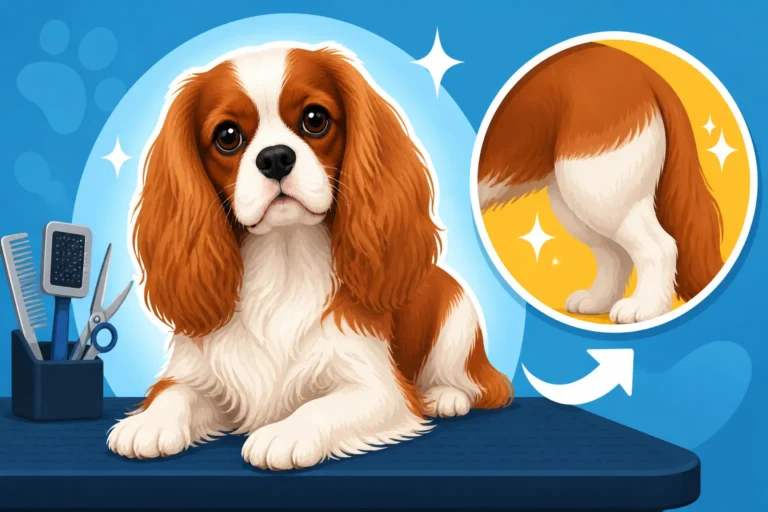
The single most effective way to prevent matting is regular, consistent brushing. For Cavaliers, this means at least three times a week, if not daily, focusing on those notorious hot spots. Use a good quality pin brush followed by a metal comb to ensure you're getting through all the layers of hair right down to the skin. Don't just brush the surface! Lift sections of hair and work in small areas. A detangling spray can make this process easier and more comfortable for your dog. Consider stocking up on quality brushes and combs from pet supply sites like Chewy or Amazon. Remember to always make grooming a positive experience with treats and praise. Our article Brushing a Cavalier's Feathering Three Times a Week offers more detailed guidance.
Professional Grooming as a Preventative Measure
While home grooming is essential, regular professional grooming appointments are invaluable for Cavaliers. A professional groomer has the tools, expertise, and experience to keep the coat in top condition, especially if you struggle with certain areas or find knots you can't manage. They can also provide a "tidy" or "feathering trim" to manage length in high-friction areas without a full shave, which can help prevent mats before they even start. Discuss a regular schedule with your groomer – every 6-8 weeks is a common recommendation for Cavaliers to maintain their coat. This also helps with Cavalier Grooming Costs Every Six to Eight Weeks as preventative grooms are typically less expensive than emergency dematting or shaving.
Addressing Specific Matting Hotspots
Pay extra attention to the areas where mats are most likely to form.
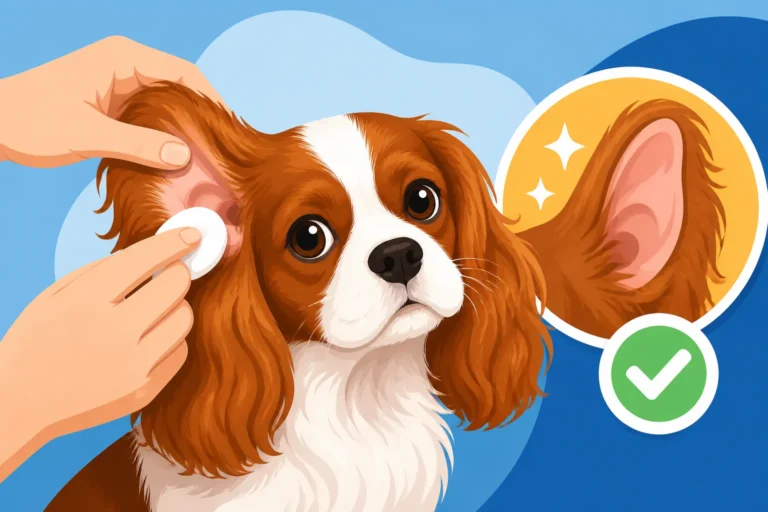
- Ears: Use a snood when your Cavalier eats or drinks to keep their ear feathering out of their bowls. This is a game-changer! Regularly comb behind the ears where friction from head movement and collars can quickly create tangles. Combing Behind a Cavalier's Ears is a must-read for this.
- Armpits and Groin: These areas require daily checks. Gently lift their legs and use a comb to work through any small tangles. These hidden spots are often missed during general brushing, and mats here can become very painful quickly.
- Under the Collar/Harness: Ensure collars and harnesses fit properly and aren't rubbing or causing friction. Remove them when your dog is relaxing at home to give the fur a break and allow you to check for tangles.
By understanding the unique challenges of the Cavalier coat and committing to a consistent grooming routine, you can prevent your furry friend from ever needing a comfort shave again. It's an investment in their comfort, health, and happiness.
Disclaimer
This article is for general informational purposes only and does not constitute professional advice. Laws, prices and regulations vary by location and change over time. Consult a qualified professional for guidance on your specific situation.