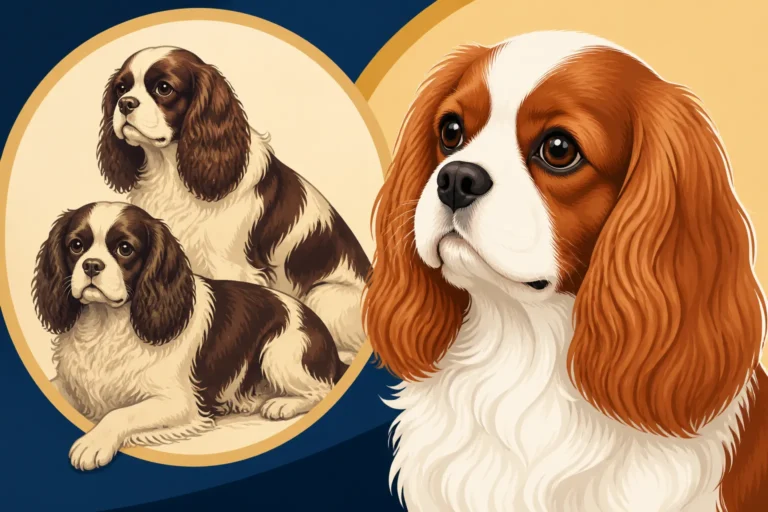
Cavalier Against the Havanese
Choosing between a Cavalier King Charles Spaniel and a Havanese can feel like choosing between two very appealing kinds of companionship. Both are small, affectionate dogs that can fit into family life, but their grooming needs, health considerations, energy, and comfort with alone time are not identical. This guide explains those differences so you can picture which breed better suits your home and routine.
Cavalier vs Havanese at a glance
| Factor | Cavalier King Charles Spaniel | Havanese |
|---|---|---|
| Typical temperament | Gentle, affectionate, often eager to be close | Cheerful, sociable, often playful and lively |
| Exercise | Regular walks and play; usually moderate needs | Daily walks and play; often enjoys games and learning |
| Coat care | Regular brushing to prevent tangles and mats | Frequent brushing or a shorter, maintained trim |
| Shedding | Sheds, with loose hair often visible around the home | Often sheds less noticeably, but coat care is still substantial |
| Alone-time comfort | Can struggle when separated from people | Can also struggle; independence varies by dog |
| Notable health considerations | Mitral valve disease and Chiari-like malformation with syringomyelia are important concerns | Potential concerns include eye, knee, and other inherited or general health problems |
| A possible fit | Someone seeking a soft-natured, close companion and prepared for breed-specific health planning | Someone seeking a sociable, trainable companion who can keep up with play and coat care |
Temperament and everyday companionship
Cavaliers are often described as gentle, affectionate, and people-focused. Many are content to curl up beside you after a walk, but they may follow you from room to room and want to be involved in whatever is happening. Their spaniel heritage can also show up as curiosity about scents, birds, and movement outdoors. For more on that mix of companion-dog warmth and sporting-dog instincts, see Cavalier Temperament and the Sporting Spaniel Beneath It.
Havanese are also affectionate, but many bring a more animated, playful style to daily life. They may enjoy learning tricks, greeting visitors, and joining in household activity. That does not mean every Havanese is outgoing or every Cavalier is quiet: early experiences, training, health, and individual temperament matter. A shy dog of either breed may need patient introductions rather than being encouraged to greet everyone.
Both breeds can be deeply attached to their people. That closeness is lovely when you want a companion nearby, but it can become difficult if the dog is routinely left alone for long stretches. If you work from home, either breed may enjoy the company, but it still helps to teach calm independence in small, positive steps. The related guides Cavaliers for Owners Who Work From Home and Why a Cavalier Follows You Room to Room explore that need for companionship in more detail.
Size, exercise, and life in a small home
Both breeds are small enough for many apartments and compact homes, but “small dog” does not mean “no exercise required.” A Cavalier generally needs regular walks, sniffing time, and play. A Havanese also benefits from daily outings, and many enjoy games that give them a chance to use their brains as well as their legs. A short walk around a quiet block may suit one dog, while another will need more active play to settle comfortably at home.
In a Boston apartment, for example, a Cavalier might enjoy a steady neighborhood walk followed by a nap on the sofa. A Havanese in the same building might be happiest with that walk plus a short training game or a toy puzzle. Neither routine is a rule for every dog; age, fitness, health, weather, and the individual animal all affect what is appropriate. In hot weather, both need shade, water, and sensible limits on exertion.
A small home can work well if the dog has a predictable routine and safe places to rest. Think about stairs, slippery floors, nearby parks, elevator waits, and whether the dog will need to be carried at times. Breed fit also depends on your schedule: a dog that gets only brief toilet breaks between long workdays may struggle regardless of its size. Why a Cavalier Suits an Apartment offers more context about living with a Cavalier in a smaller space.
Grooming and shedding differences
What Cavalier coat care usually involves
A Cavalier’s silky coat has feathering on areas such as the ears, legs, chest, and tail. Those longer sections can catch burrs and form tangles, especially behind the ears, under the collar, and around the legs. Regular brushing with a suitable brush and comb helps you find small knots before they turn into painful mats. A quick surface brush may make the coat look smooth while leaving tangles close to the skin, so checking down to the roots matters.
Cavaliers shed, and loose hair may show up on clothing, upholstery, and bedding. Brushing can collect some of it before it lands around the house, but it will not eliminate shedding. Many owners also need routine nail, ear, eye, and dental care. A groomer can help with bathing and tidy-up work, but it is useful to explain that you want the breed’s coat maintained rather than clipped short as a default. For a more detailed routine, see Brushing a Cavalier's Feathering Three Times a Week.
What Havanese coat care usually involves
A Havanese coat can grow long and become tangled or matted if it is not maintained. Some owners keep the coat long and commit to frequent, careful brushing; others choose a shorter trim that is easier to manage. A shorter style can reduce the time spent working through long strands, but it does not remove the need for regular brushing, bathing, and coat checks.
The word “low-shedding” can be misleading. Havanese often leave less loose hair around the house than many shedding breeds, but hair that does come loose may stay caught in the coat and contribute to tangles. Their coat still needs attention, particularly around friction points such as the armpits, ears, and collar area. Before choosing one, be honest about whether regular grooming is an enjoyable routine or a chore you are likely to postpone.
If you are comparing grooming services or trying to find supplies, ask a groomer to show you the tools and technique suited to your dog’s coat. Some owners also compare brushes, combs, and shampoo through retailers such as Chewy, but the best choices depend on coat texture and skin needs. Buying several tools before you know what works can leave you with a drawer full of equipment and a dog who still has knots.
Which breed is easier for a low-maintenance household
Neither breed is a no-grooming choice. A Cavalier’s coat may be simpler to keep in a manageable style for some households, but it sheds and still needs regular brushing. A Havanese may shed less visibly, yet its coat can demand more frequent detangling if kept long. The practical difference is often not “grooming versus no grooming,” but the kind of grooming you prefer: managing loose hair and feathering, or staying ahead of a coat that can mat.
If someone in your home has allergies, do not assume the Havanese will automatically be a safe choice. No dog breed can be guaranteed allergy-free, and people can react differently to dander, saliva, or other allergens. Spend time around adult dogs before deciding, and talk to a health professional if allergies are a significant concern. Coat appearance alone cannot predict how a particular person will respond.
Health, lifespan, and choosing responsibly
Health issues to understand in Cavaliers
Mitral valve disease is a major health concern in Cavaliers. The condition affects the heart’s mitral valve and may progress over time, although the pace and impact vary between dogs. A murmur is not the same thing as heart failure, and a veterinarian may recommend monitoring or further testing based on the dog’s findings. Learning about the condition before choosing a puppy or adult dog can help you plan for regular veterinary care. Mitral Valve Disease in the Cavalier King Charles Spaniel explains the condition in greater depth.
Chiari-like malformation and syringomyelia are also important concerns to understand. They involve changes in the relationship between the skull, brain, and spinal cord, and signs can vary. Some dogs show discomfort or unusual scratching; others may have subtle symptoms that are easy to mistake for a routine itch or behavioral quirk. Health questions should be discussed with a veterinarian rather than diagnosed from a description online. The guide Syringomyelia and Chiari Malformation in Cavaliers provides a closer look.
A Cavalier’s expected lifespan is not a promise about an individual dog. Health, breeding, weight, veterinary care, and chance all play a part. When discussing a puppy, ask the breeder what health screening has been done on the parents and relatives, what records are available, and whether the breeder will talk openly about health problems in the line. For broader context, see Cavalier Lifespan and What Cuts It Short and The Health Debate Around Breeding Cavaliers.
Health questions to ask about Havanese
Havanese should not be treated as a risk-free alternative simply because they are not as strongly associated with the same breed-specific heart concerns as Cavaliers. They can still develop inherited or ordinary health problems. Eye conditions and kneecap problems are among the issues prospective owners may want to discuss, alongside the health history of the puppy’s family. The specific screening and monitoring that make sense depend on the dog and its background.
Ask breeders to explain their health-testing practices in plain language. Request documentation rather than relying on a general assurance that the parents are “healthy.” If you are adopting an adult dog, ask for available veterinary records and clarify what is known, what is uncertain, and whether any follow-up care has been recommended. A responsible conversation should leave room for honest answers, not pressure you to decide quickly.
For either breed, consider how you will handle routine checkups and unexpected care. You can compare pet insurance terms, set aside savings, and ask your veterinarian which preventive visits are appropriate. If you are organizing a new dog’s supplies or comparing everyday care items, Chewy is one place some households use to browse, but supplies do not replace a veterinary plan or a careful health history.
Which breed suits your household
Choose by your real routine, not the ideal version of it
A Cavalier may suit someone who wants a tender, close companion and is prepared to take breed-specific heart and neurological health concerns seriously. A Havanese may suit someone who wants a playful, trainable small dog and is ready to maintain a coat that can tangle if neglected. These are tendencies, not guarantees. Individual dogs can be quieter, more energetic, more independent, or more sensitive than the breed stereotype suggests.
Picture an ordinary Tuesday, not just a sunny weekend. Who takes the dog out before work? How long will the dog be alone? Will you brush the coat on a busy evening? Can you manage a vet appointment if a health concern appears? A household in Minneapolis may also need a plan for icy winter walks and indoor activity, while a family in a warm climate may need to schedule walks around heat. Practical fit comes from the routine you can sustain.
Families with children should consider the dog’s temperament and the children’s ability to handle a small animal gently. Both breeds can make affectionate family companions, but neither should be expected to tolerate rough handling. Give the dog a quiet retreat, supervise interactions, and teach children not to disturb a resting or eating dog. Older adults may appreciate the companionship of either breed, while also needing to consider grooming, lifting, stairs, and access to veterinary care. Whether a Cavalier Is the Right Dog for You can help you think through the broader lifestyle match.
A simple decision framework
If your top priority is lower visible shedding, the Havanese may be worth exploring, but only if you are comfortable with regular coat maintenance. If you prefer a soft, affectionate companion and can accept routine shedding along with careful health planning, a Cavalier may be a fit. If your household is away most of the day, neither breed should be assumed to cope happily without a gradual independence plan and practical support.
Meet adult dogs when possible, not only puppies. Ask owners what the less glamorous parts of daily life are like: coat tangles, barking, settling after a walk, handling alone time, and managing veterinary visits. A breeder, rescue, or veterinarian can help you interpret health records and identify questions that matter for a particular dog. If you are arranging basic supplies, Chewy may help you compare everyday items, but avoid buying a large collection before you know what the dog accepts and what your veterinarian recommends.
The best match is not necessarily the breed with the most appealing description. It is the dog whose needs you can meet consistently, including the unexciting parts: brushing, training, exercise, preventive care, and companionship. If those responsibilities fit your real home and schedule, either breed can become a deeply loved member of the family.
Disclaimer
This article is for general informational purposes only and does not constitute professional advice. Laws, prices and regulations vary by location and change over time. Consult a qualified professional for guidance on your specific situation.