When a Cavalier Murmur Needs Medication
One of the hardest things about loving a Cavalier King Charles Spaniel is the almost inevitable reality of heart disease. Most Cavaliers will develop a heart murmur at some point in their lives, and the question that keeps us up at night is: when does a murmur go from being "just a murmur" to something that needs daily medication? This guide will walk you through the journey of a Cavalier's heart health, helping you understand the stages, the signs, and the crucial diagnostic steps that determine when it's time to introduce those tiny, life-extending pills.
Understanding the Cavalier Heart Murmur
It’s a moment etched into the memory of so many Cavalier owners: the vet, stethoscope pressed to your beloved dog's chest, a furrowed brow, and then the words, "I hear a murmur." It's incredibly common, yet no less terrifying. Understanding what this means and how it progresses is the first step in advocating for your dog's health.
What a Murmur Actually Means for Your Cavalier
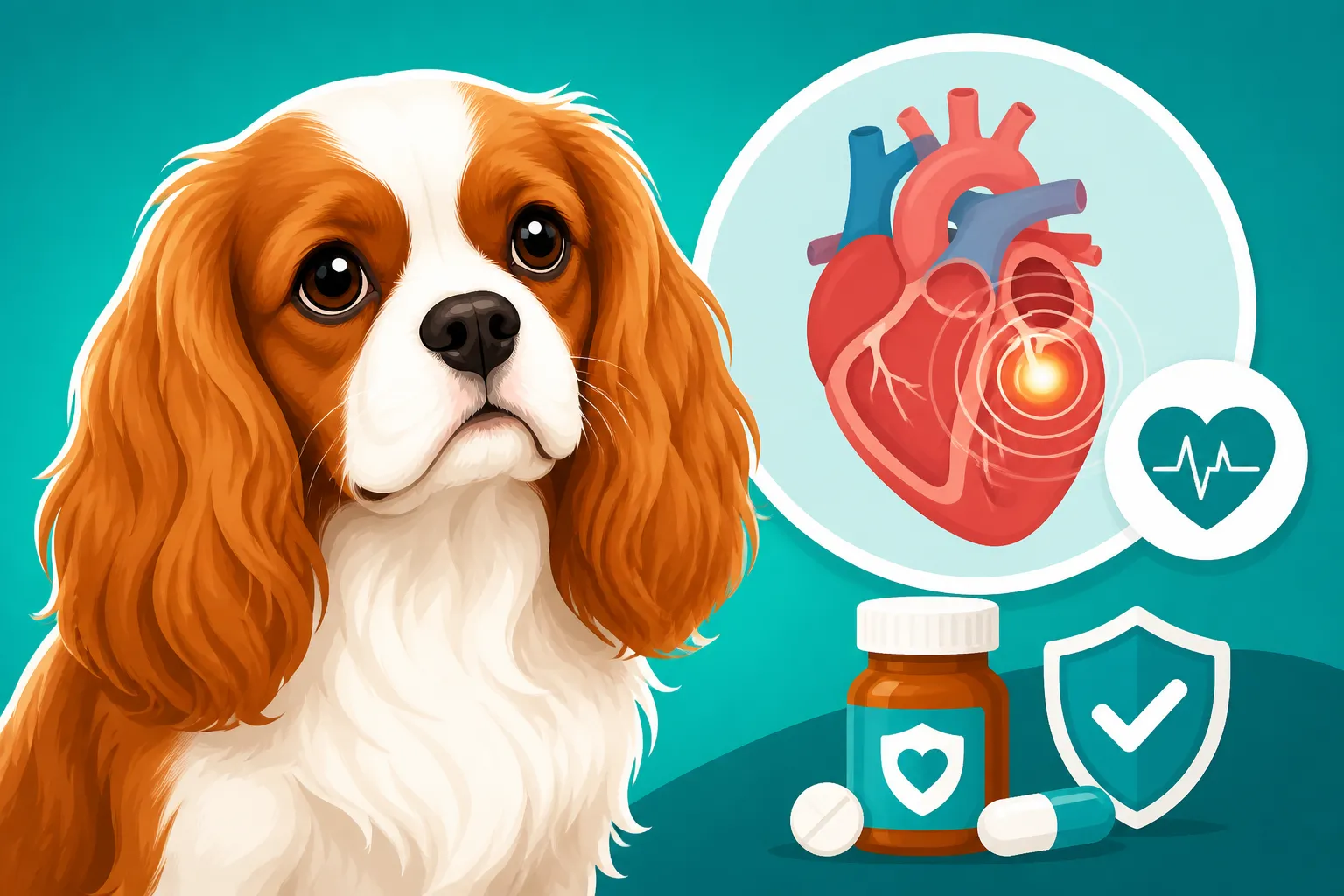
A heart murmur is essentially an abnormal sound heard during the heartbeat, caused by turbulent blood flow. In Cavaliers, the overwhelming majority of murmurs are due to Mitral Valve Disease (MVD), a progressive condition where the mitral valve, which separates the left atrium and left ventricle, starts to degenerate and leak. Instead of a tight seal, blood flows backward into the atrium with each beat, creating that tell-tale whooshing sound. This backward flow is called mitral regurgitation.
It's important to remember that a murmur is a symptom of MVD, not the disease itself. Not all murmurs are created equal. You might hear talk about different "grades" of murmurs, and this is crucial. A low-grade murmur (like a Grade I or II) might mean very mild leakage and could be present for years without causing any issues. A higher grade murmur (like a Grade IV or V), however, suggests more significant leakage and could indicate more advanced disease. If you've been told your Cavalier has a murmur, you'll want to understand exactly what a heart murmur grade means in a Cavalier, as this gives your vet an initial idea of the severity, though it’s not the full picture.
The Progression of Mitral Valve Disease in Cavaliers
Mitral Valve Disease in Cavaliers is, sadly, a progressive condition. It doesn't happen overnight; it unfolds in stages, each building on the last. Initially, the valve might just be a little leaky. Over time, the leakage often worsens, and the heart has to work harder to compensate for the blood flowing backward. This extra workload causes the heart to remodel – primarily the left atrium and then the left ventricle will enlarge. Eventually, this can lead to congestive heart failure, where fluid builds up in the lungs or other parts of the body because the heart can no longer pump blood effectively.
Knowing how Cavalier heart disease progresses stage by stage is vital for owners because it helps you anticipate what might come next and when intervention might be needed. The stages are often referred to as A, B1, B2, C, and D, with A being "at risk" (all Cavaliers are in this category!), B1 having a murmur but no heart enlargement, B2 having a murmur and heart enlargement but no clinical signs of heart failure, C having had or currently having clinical signs of heart failure, and D being refractory heart failure that no longer responds to standard treatments. Medication typically enters the picture in stages B2 and C, sometimes even B1 depending on advanced findings.
Assessing When Medication Becomes Necessary
Determining the precise moment to start medication isn't always straightforward. It involves a combination of your vet's observations, specialized diagnostics, and your vigilant monitoring of your Cavalier's behavior and energy levels. It’s a partnership between you and your veterinary team, ideally with a board-certified veterinary cardiologist.
The Role of the Cardiologist and Advanced Diagnostics
While your primary vet is excellent for routine care, when a murmur is detected, especially if it's moderate to loud, a referral to a veterinary cardiologist is often the gold standard. These specialists have advanced training and equipment to get a much clearer picture of your Cavalier's heart health. A cardiology visit for your Cavalier will typically involve a physical exam, listening intently to the heart and lungs, and crucially, an echocardiogram.
An echocardiogram is essentially an ultrasound of the heart. This non-invasive test allows the cardiologist to see the heart's structures in real-time – the valves, the chambers, and the blood flow. They can measure chamber sizes, assess the severity of the mitral valve leakage, and check for any other abnormalities. This is the only way to truly assess what a Cavalier echocardiogram shows, providing objective measurements of heart enlargement. Your cardiologist might also recommend chest X-rays in a Cavalier heart workup to look for fluid accumulation in the lungs or assess heart size from a different angle, and sometimes a blood test called a Cavalier heart blood test called NT-proBNP, which can indicate cardiac stress. These diagnostics provide the hard data needed to move beyond just the murmur grade and into a precise staging of the disease.
Key Stages Where Medication is Typically Introduced
Based on the information gathered from a cardiologist, particularly the echocardiogram and chest X-rays, specific guidelines help determine when to start medication.
The most significant shift in veterinary cardiology, especially for Cavaliers, came with the introduction of Pimobendan. This medication is often considered a "game-changer" and is typically introduced when a Cavalier is in Stage B2. This means they have a heart murmur and evidence of heart enlargement on an echocardiogram, but they are not yet showing clinical signs of heart failure (like coughing, difficulty breathing, or exercise intolerance). Research has shown that starting Pimobendan for a Cavalier with an enlarged heart at this stage can significantly delay the onset of congestive heart failure and extend their lifespan. It's a proactive step that can buy your Cavalier precious extra months or even years of good quality life before they ever show symptoms. This is why many vets advocate for starting heart medication before a Cavalier coughs.
Once a Cavalier reaches Stage C, meaning they are actively showing signs of congestive heart failure, a more aggressive medication protocol is necessary. This stage definitely means medication. At this point, diuretics for a Cavalier in heart failure, such as Furosemide, become critical to remove excess fluid from the lungs, along with Pimobendan, and often other medications like ACE inhibitors (e.g., Enalapril or Benazepril) to help relax blood vessels and reduce the heart's workload. The goal here is to alleviate symptoms, improve comfort, and stabilize their condition.
Monitoring Your Cavalier for Symptomatic Changes
Even before your Cavalier is diagnosed with advanced MVD, or especially if they are in Stage B1 (murmur, no enlargement), vigilant home monitoring is crucial. You are your Cavalier's best advocate. Subtle changes in behavior can be early warning signs that their heart disease is progressing.
Keep a close eye on their breathing. Are they coughing at night in a Cavalier, or more often than usual? A soft, moist cough, especially after napping or at night, can be a sign of fluid in the lungs. Notice their activity levels: Is your Cavalier tiring on short walks, or not wanting to play as much as they used to? Are they restless or struggling to get comfortable when resting? Even simple things like counting a Cavalier's resting breaths can be an incredibly useful tool. Your vet might ask you to do this regularly; if the resting respiratory rate increases consistently, it can be an early indicator of fluid accumulation. Any noticeable changes should prompt a call to your vet or cardiologist right away.
The Medications Commonly Used for Cavalier MVD
Once the decision is made to start medication, it's natural to have questions about what these drugs do and how they will impact your Cavalier. It's a significant commitment, both emotionally and financially, but these medications are designed to improve quality of life and longevity.
Pimobendan: The Game-Changer
Pimobendan (often known by the brand name Vetmedin, though generics are available) is truly remarkable for Cavaliers with MVD. It works in two ways: first, it’s a positive inotrope, meaning it helps the heart muscle contract more forcefully, improving the heart's pumping efficiency. Second, it's a vasodilator, which means it helps widen blood vessels, reducing the resistance the heart has to pump against. This combined action lessens the workload on an already struggling heart and helps move blood forward more effectively.
As mentioned, it's typically prescribed for Stage B2, when there's heart enlargement but no overt signs of heart failure. The evidence supporting its use at this stage is very strong, showing it significantly prolongs the symptom-free period. For many Cavalier owners, Pimobendan for a Cavalier with an enlarged heart becomes a daily part of their routine, often given twice a day. It’s usually well-tolerated, and many dogs show no side effects, or only mild gastrointestinal upset which often resolves quickly.
Diuretics: Managing Fluid Buildup
If your Cavalier progresses to Stage C and develops congestive heart failure, diuretics become essential. Furosemide (often called Lasix) is the most common diuretic used. Its job is to help the body eliminate excess fluid, particularly the fluid that accumulates in the lungs, making it hard for your Cavalier to breathe. Without diuretics for a Cavalier in heart failure, the fluid buildup can be life-threatening.
The dosage of diuretics will depend on the severity of the heart failure and your Cavalier's response. You might notice your dog drinking and urinating more frequently on these medications, which is a sign they are working. This can sometimes lead to dehydration or electrolyte imbalances, so your vet will likely want to monitor your Cavalier regularly, including blood tests, to ensure their kidneys are coping and electrolytes remain balanced. It's a delicate balance to find the right dose that keeps your Cavalier comfortable without causing other issues.
Other Supporting Medications and Therapies
Beyond Pimobendan and diuretics, other medications may be added to a Cavalier's regimen depending on their specific needs and the progression of their MVD.
- ACE Inhibitors: Medications like Enalapril or Benazepril are often used alongside Pimobendan and diuretics. They help dilate blood vessels, reducing blood pressure and making it easier for the heart to pump blood forward. They also can help prevent the heart from remodeling further.
- Spironolactone: This is another type of diuretic, often added when Furosemide alone isn't sufficient. It's a weaker diuretic but has a different mechanism of action and can help counter some of the negative effects of the body's compensatory responses to heart failure.
- Digoxin: Less commonly used now, but in some cases, Digoxin might be prescribed to help strengthen heart contractions and regulate heart rhythm, especially if arrhythmias are present.
- Cough suppressants: If your Cavalier's cough is very persistent and distressing, even after starting diuretics, your vet might prescribe a cough suppressant. However, it's vital to ensure the primary cause of the cough (fluid in lungs) is being addressed first.
- Dietary management: While not a medication, a low-sodium diet is often recommended for Cavaliers with heart disease to help reduce fluid retention and ease the workload on the heart. Your vet or cardiologist can recommend specific prescription cardiac diets that are carefully formulated for this purpose.
Living with a Cavalier on Heart Medication
Once your Cavalier starts heart medication, it becomes a new normal. It requires dedication, careful observation, and sometimes, a little financial planning. But the goal is always to maximize their comfort and extend their happy, active years with you.
Adapting Routine and Lifestyle
Administering medication consistently is key. Many heart medications, especially Pimobendan, need to be given twice a day, usually 12 hours apart, and sometimes on an empty stomach (though always follow your vet's specific instructions). You might need to set alarms or create a routine to ensure doses aren't missed. Pill pockets, cheese, or a tiny bit of peanut butter (check for xylitol!) can often help make pill time easier.
Your Cavalier's activity levels might need adjustment. While it's important for them to remain active, especially if they are in early stages of MVD, strenuous exercise might need to be curtailed if they are in heart failure or show signs of tiring easily. Short, frequent walks rather than long, intense hikes might be more appropriate. Always observe your Cavalier for signs of fatigue, heavy panting, or coughing during or after exercise. Regular check-ups with your vet or cardiologist will also become a more frequent part of your schedule, often every 3-6 months, to monitor their progress, adjust medication dosages, and check kidney function and electrolytes.
Financial Considerations and Pet Insurance
Let's be real: managing Cavalier heart disease can be expensive. The initial diagnostics, like the echocardiogram, can be a few hundred dollars. Then, ongoing medication costs can add up significantly over months and years. For example, Pimobendan, especially the brand-name Vetmedin, can be quite costly. Diuretics and other supportive medications also contribute to the monthly bill. This doesn't even account for emergency visits if your Cavalier goes into fluid overload, which can involve oxygen therapy and intensive care. You'll want to understand what Cavalier heart disease costs to treat as you navigate this journey.
This is where pet insurance can be a literal lifesaver, if you enrolled your Cavalier before a murmur was detected. Insuring a Cavalier before the murmur arrives is critical because, unfortunately, once a murmur is noted in their medical records, MVD typically becomes a pre-existing condition and will not be covered by new policies. If you have an active policy from before diagnosis, companies like Healthy Paws are known for their comprehensive coverage, and they can significantly reduce the financial burden of chronic conditions like MVD, allowing you to focus on your Cavalier's care without constant worry about costs. It's definitely something to consider if you have a young, healthy Cavalier to help budget for the future, or to evaluate your existing policy to understand what might be covered.
Remember, early diagnosis and consistent management with your vet and cardiologist can truly make a difference in extending the happy, comfortable life of your cherished Cavalier.
Disclaimer
The information provided in this article is for educational purposes only and is not a substitute for professional veterinary advice. Always consult with a qualified veterinarian or veterinary cardiologist regarding your Cavalier King Charles Spaniel's specific health concerns and treatment options.