Chronic Ear Disease and Cavalier Hearing Loss
It’s an all too familiar story for Cavalier King Charles Spaniel owners: the head shaking, the scratching, that distinct yeasty smell, and the endless cycle of ear infections. It’s frustrating, disheartening, and often leaves us wondering if our beloved companions will ever catch a break. This guide will delve deep into the reality of chronic ear disease in Cavaliers and the very real risk of hearing loss that can accompany it, offering insights into prevention, recognition, and compassionate management.
The Persistent Battle with Chronic Ear Disease in Cavaliers
If you own a Cavalier, chances are you've already had a run-in with an ear infection, or perhaps you're in the midst of a never-ending cycle of them. It feels like no matter what you do, those cute, floppy ears just seem to attract trouble. This isn't just bad luck; there are very specific reasons why our Cavaliers are so prone to these recurrent issues, and understanding them is the first step toward better management.
Why Cavaliers Are Prone to Ear Infections
The beautiful, long, pendulous ears of the Cavalier King Charles Spaniel are undoubtedly one of their most charming features. However, structurally, they are a design flaw when it comes to preventing ear infections. These drop ears hang low, covering the ear canal and significantly reducing air circulation. This creates a warm, moist, dark environment – an absolute paradise for bacteria and yeast to flourish. Think of it like a sauna for microscopic organisms; it’s perfect for them to set up shop and cause problems.
Beyond the physical structure, many Cavaliers also suffer from allergies, which can manifest as inflamed skin in and around the ears. This allergic inflammation thickens the skin lining the ear canal, narrowing it further and making it even harder for air to get in and moisture to get out. The swelling and irritation also produce more wax, which then traps more debris and moisture, creating a vicious cycle that contributes to Cavalier Ear Infections and Why They Recur. It’s a perfect storm of anatomy and susceptibility, making these infections a common and deeply irritating part of Cavalier ownership. Owners often find themselves asking Why a Cavalier's Drop Ears Trap Infection, and the answer lies in this combination of factors.
The Cycle of Recurrence and Inflammation
When an ear infection takes hold, it’s not just uncomfortable; it sets off a cascade of inflammation. The ear canal becomes red, swollen, and itchy, leading your Cavalier to scratch and shake their head even more, which only exacerbates the problem. We treat it with drops, sometimes oral medication, and for a while, things seem better. But then, weeks or months later, that familiar The Smell That Means a Cavalier Ear Infection returns, and you know you’re back to square one.
This chronic inflammation doesn't just come and go without leaving a mark. Over time, the delicate tissues lining the ear canal begin to scar and thicken. This process, known as stenosis, can permanently narrow the ear canal, making it even more difficult for future treatments to penetrate and for the ear to self-clean. In some severe, long-standing cases, the ear canal can become almost completely closed off. This persistent cycle is not only painful for your dog but also incredibly disheartening for you, the owner, who is constantly trying to find a lasting solution. It truly feels like an uphill battle where you're constantly fighting the same enemy.
The Real Risk of Hearing Loss from Chronic Ear Disease
It's one thing to deal with recurrent infections, but the idea that these common issues could lead to hearing loss is a much more serious concern. Unfortunately, it's a very real possibility for Cavaliers battling chronic ear disease. The persistent inflammation and structural changes can wreak havoc on the delicate mechanisms responsible for hearing, leading to irreversible damage over time.
How Repeated Infections Damage Hearing Structures
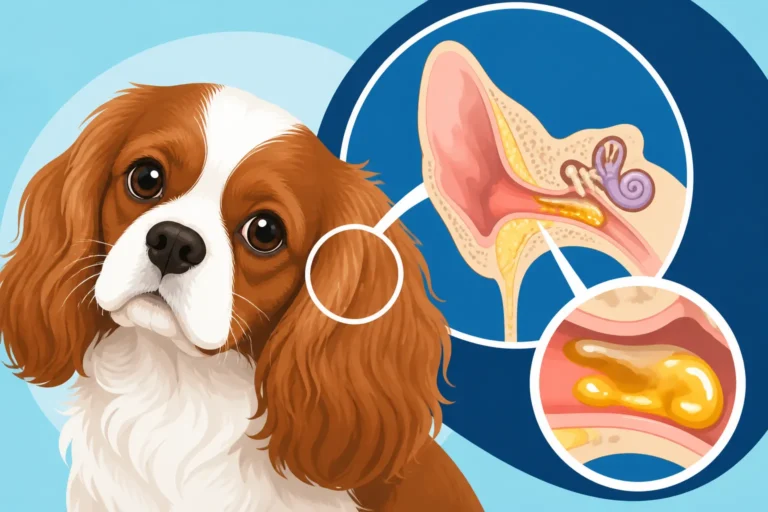
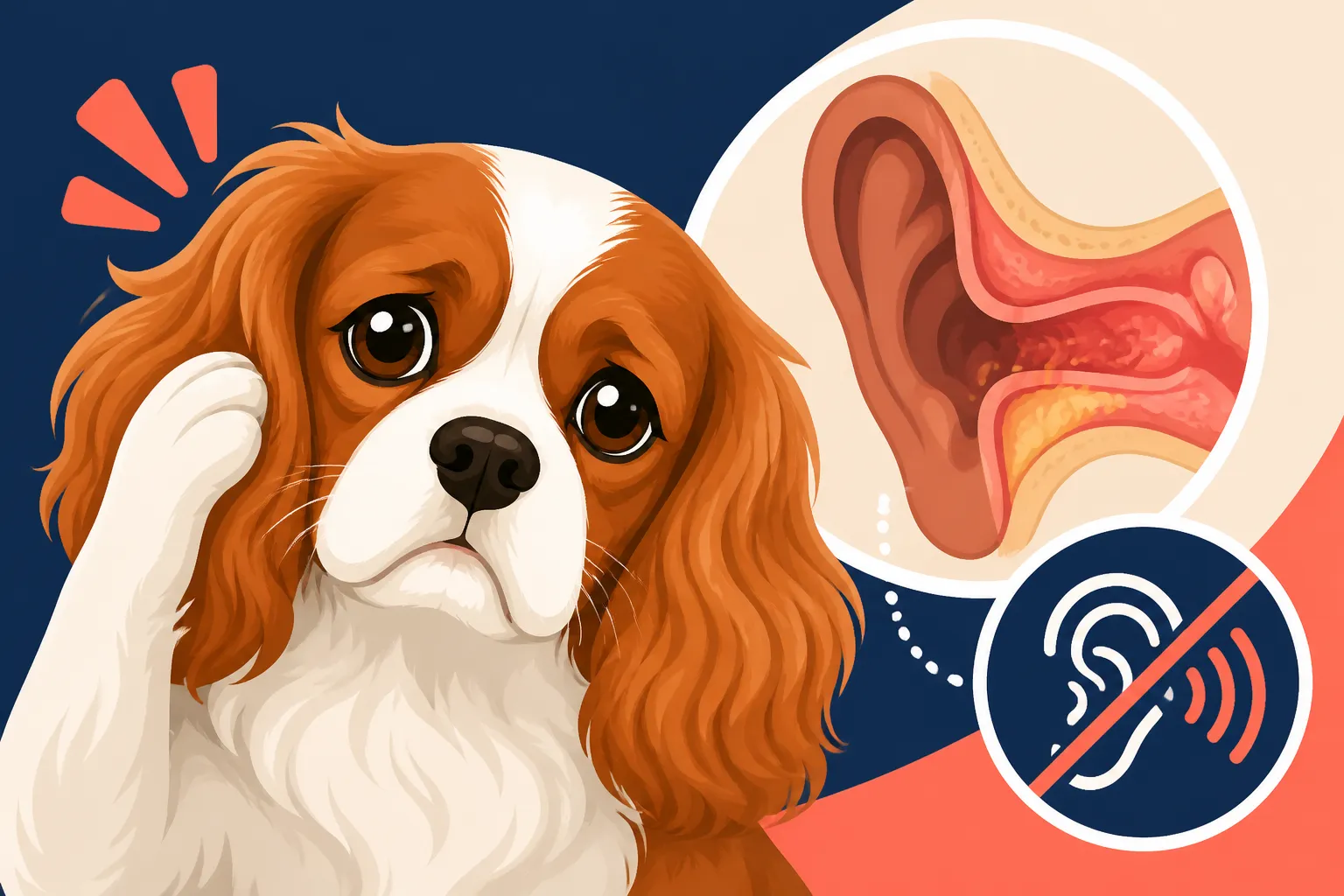
Our Cavaliers hear through a complex system involving the outer ear (the part we can see), the middle ear (behind the eardrum), and the inner ear (where sound waves are converted into nerve signals). Chronic ear infections primarily affect the outer and middle ear, but the damage can extend much deeper.
Repeated inflammation and swelling cause the ear canal to narrow, as we discussed, but they also compromise the integrity of the eardrum (tympanic membrane). A ruptured eardrum, which can happen during severe infections or aggressive cleaning attempts, opens the door for bacteria and yeast to invade the middle ear. Once in the middle ear, these pathogens can cause otitis media, an infection that can damage the tiny bones (ossicles) responsible for transmitting sound vibrations to the inner ear. If these ossicles become fused or eroded, the ability to conduct sound is significantly impaired, leading to conductive hearing loss.
Furthermore, the persistent presence of infection and inflammation in the middle ear can affect the inner ear, which houses the cochlea – the organ critical for converting sound vibrations into electrical signals for the brain. While less common, severe, untreated middle ear infections can sometimes lead to inner ear damage, resulting in sensorineural hearing loss, which is often permanent. This is a terrifying prospect for any owner.
Gradual Onset of Deafness
Unlike a sudden injury, hearing loss due to chronic ear disease is usually a slow, insidious process. It doesn’t happen overnight, which can make it incredibly difficult for owners to spot in its early stages. You might attribute your Cavalier not coming when called to selective hearing or typical Cavalier stubbornness, rather than a genuine inability to hear. As the damage accumulates, small changes in hearing acuity become more pronounced.
The thickening of the ear canal, the scarring of the eardrum, and any damage to the middle ear bones all contribute to a gradual decline. It's like a speaker slowly wearing out; the sound becomes muffled and less clear over time. By the time the hearing loss is noticeable, it often means the structural damage is already quite extensive. This is why addressing chronic ear issues promptly and aggressively, under veterinary guidance, is so crucial – not just for comfort, but for preserving your Cavalier's long-term hearing.
Recognizing and Managing Cavalier Hearing Loss
Discovering your Cavalier is losing their hearing can be upsetting, but it doesn't mean their quality of life has to diminish. Many dogs adapt remarkably well, especially with your understanding and support. The key is to recognize the signs early and make appropriate adjustments.
Subtle and Overt Signs of Hearing Loss
The signs of hearing loss in a Cavalier can be subtle at first, often mistaken for normal aging or distraction. You might notice your dog:
- Not responding to their name as readily, especially when their back is turned.
- Failing to wake up when you enter the room or call them, but startling easily when touched.
- Becoming more vocal, barking or whining more frequently, possibly because they can't hear themselves or are trying to get your attention.
- Appearing confused or disoriented in new environments or when you move suddenly.
- Reluctance to go outside in the dark or seeming anxious when not visually cued.
- Ignoring familiar sounds, like the doorbell, food bag rattling, or car keys.
As the hearing loss progresses, these signs become more overt. Your Cavalier might bump into things if you approach from behind without them seeing you, or they may sleep more deeply and be harder to rouse. It's a heartbreaking realization when you truly understand Deafness and Hearing Loss in Cavaliers.
Adapting Life for a Hearing-Impaired Cavalier
Once you suspect or confirm hearing loss, there are many ways to help your Cavalier continue to live a happy, fulfilling life. It requires a shift in your communication methods and some adjustments to their environment.
Firstly, rely on visual cues. Hand signals, flashlight signals (especially at night), and even subtle body language become vital. Instead of calling their name, teach them a visual "come" signal. Use a vibrating collar (training collar set to vibrate only, never shock) as a "tap on the shoulder" cue to get their attention before giving a visual command. It takes patience and consistency, but Cavaliers are smart and eager to please, so they adapt quickly.
Safety is paramount. A hearing-impaired dog won't hear a car, a bicycle, or another dog approaching. Always keep them on a leash when outside your fenced yard. If you have a yard, ensure it's securely fenced. If you need to wake them, approach gently and touch them softly to avoid startling them. Consider adding a small bell to your own shoe so they can feel your vibrations as you approach.
Maintain a consistent routine to reduce anxiety. A predictable schedule for feeding, walks, and playtime helps them feel secure even without auditory cues. Continue with regular vet check-ups, and don't forget that if you have pet insurance like Healthy Paws, many of these ongoing care costs, including diagnostics or even management of underlying conditions that led to hearing loss, can be covered if the policy was in place before the condition was diagnosed. This can be a huge relief as you navigate the adjustments needed.
Here’s a simple table to help you adapt your communication:
| Auditory Cue (Old Habit) | Visual / Tactile Cue (New Habit) | Benefit |
|---|---|---|
| Calling their name for attention | Gentle touch, stomp foot, vibrating collar | Gets attention without startling |
| Verbal "come" command | Hand signal (e.g., patting leg) | Clear instruction when voice is unheard |
| "Sit" or "stay" command | Hand signals (e.g., flat palm for "stay") | Consistent communication |
| Doorbell ringing | Visual alert (flashing light) | Alerts them to visitors |
| Verbal praise ("Good dog!") | Thumbs up, enthusiastic petting | Reinforces positive behavior |
| Sound of food dish | Showing the food dish, body language | Cues mealtime without auditory reliance |
Proactive Care and Long-Term Management Strategies
While we can't always prevent hearing loss from chronic ear disease, we can certainly slow its progression and improve our Cavaliers' comfort and well-being. Proactive care is truly about vigilance and consistency, and it starts long before hearing loss becomes a concern.
Establishing a Robust Ear Cleaning Routine
The single most important thing you can do to prevent chronic ear infections is to maintain a meticulous ear cleaning routine. This isn't just about cleaning when there's an infection; it's about preventative maintenance to keep the ear canal healthy and dry.
Aim to clean your Cavalier’s ears at least once a week, and sometimes more frequently if they swim or have known allergies. Use a veterinary-approved ear cleaner. Your vet can recommend Ear Cleaner Worth Using on a Cavalier that is gentle and effective. Avoid cotton swabs, as these can push debris further into the ear canal and potentially damage the eardrum. Instead, use a soft cotton ball or gauze wrapped around your finger to wipe away visible debris from the outer ear and the opening of the canal.
For a thorough clean, fill the ear canal with the cleaner, gently massage the base of the ear for 30 seconds to break up wax and debris, then allow your Cavalier to shake their head. Finish by wiping away any loosened gunk with a fresh cotton ball. Consistency is key, and getting your Cavalier used to this from a young age makes the process much smoother. For detailed steps, check out our guide on Cleaning a Cavalier's Ear the Right Way.
Addressing Underlying Causes and Regular Vet Check-ups
Beyond routine cleaning, it’s crucial to work with your veterinarian to identify and manage any underlying causes of recurrent ear infections. Often, the root cause is environmental or food allergies. If your Cavalier is constantly battling ear issues, your vet might suggest investigating Whether Cavalier Ear Infections Are Allergic. This could involve diet trials or allergy testing, which, while sometimes costly, can significantly reduce the frequency and severity of infections in the long run.
Regular veterinary check-ups are also indispensable. Your vet can perform an otoscopic exam, looking deep into the ear canal to spot early signs of inflammation, polyps, or eardrum damage that you might not see. They can also take samples to determine if the infection is bacterial, yeast, or both, ensuring the correct medication is prescribed. If you have a pet insurance policy from a provider like Healthy Paws, the cost of these diagnostic tests, specialist referrals, and long-term medications can be substantially mitigated. Getting insurance when your Cavalier is young, before any chronic conditions manifest, is critical to ensuring coverage for issues like chronic ear disease if they develop later. Don't wait until the problem is obvious to think about coverage; by then, it might be considered a pre-existing condition.
For older Cavaliers, managing chronic conditions becomes even more vital. Hearing loss is just one of many age-related changes, and proactively caring for their overall health, as discussed in Caring for a Cavalier Past Nine, contributes to their comfort and longevity. A well-managed Cavalier with minimal ear issues is a happier Cavalier. And while the ongoing cost of care for a Cavalier, especially with chronic conditions, can add up, planning ahead and understanding Budgeting a Cavalier From Puppy to Senior can help alleviate financial stress. Ensuring your Cavalier receives prompt and effective treatment for any ear issues is an investment in their comfort and their hearing for years to come.
Disclaimer
This article is for general informational purposes only and does not constitute professional advice. Laws, prices and regulations vary by location and change over time. Consult a qualified professional for guidance on your specific situation.