Pre-Surgery Testing for an Older Cavalier
When your beloved Cavalier King Charles Spaniel reaches those golden years, the thought of them needing surgery can bring on a wave of anxiety. It's a natural reaction, isn't it? Our older companions often come with a history of minor aches, a slight slowing down, or perhaps a known health condition, and putting them under anesthesia feels like a much bigger gamble than it would for a spry youngster. This comprehensive guide will walk you through the essential pre-surgery testing for older Cavaliers, helping you understand the 'why' behind each recommendation and what you can do to prepare for the best possible outcome.
The Unique Challenges of Surgery for Senior Cavaliers
It’s completely understandable to feel a knot in your stomach when your senior Cavalier needs surgery. What might be a routine procedure for a young pup can feel like a high-stakes event for a dog whose body has seen a few more years. The truth is, older dogs, especially a breed like our Cavaliers with their specific predispositions, do face a different set of challenges when it comes to anesthesia and recovery. Their bodies just don't bounce back as quickly, and hidden issues can lurk beneath the surface.
Age-Related Physiological Changes and Increased Risks
As Cavaliers age, just like us, their bodies undergo a lot of changes that can impact their ability to handle surgery. Their organs might not be functioning at peak efficiency anymore. For instance, kidneys and liver, crucial for processing and eliminating anesthetic drugs, can start to slow down. This means they might take longer to clear medications from their system, increasing the risk of adverse reactions or prolonged recovery times. Think about it: a medication dose perfectly safe for a five-year-old Cavalier might be too much for a twelve-year-old.
Additionally, older dogs often have a reduced capacity to regulate their body temperature, making them more susceptible to hypothermia during long procedures. Their immune systems can also be less robust, which could slow wound healing and increase the chance of post-operative infections. The stress of surgery itself, from the unfamiliar environment to the pain medication, can also hit an older dog harder, sometimes exacerbating existing conditions that weren't obvious before.
Pre-existing Conditions: A Cavalier's Common Hurdles
Cavaliers, as much as we adore them, are known to be prone to certain health issues that become more prevalent with age. The most critical, of course, is heart disease, specifically Mitral Valve Disease (MVD). You can learn more about Mitral Valve Disease in the Cavalier King Charles Spaniel in detail, but suffice it to say, many older Cavaliers will have some degree of heart murmur, which means their heart is already working harder. Anesthesia can put extra strain on an already compromised heart, making it vital to assess cardiac function thoroughly.
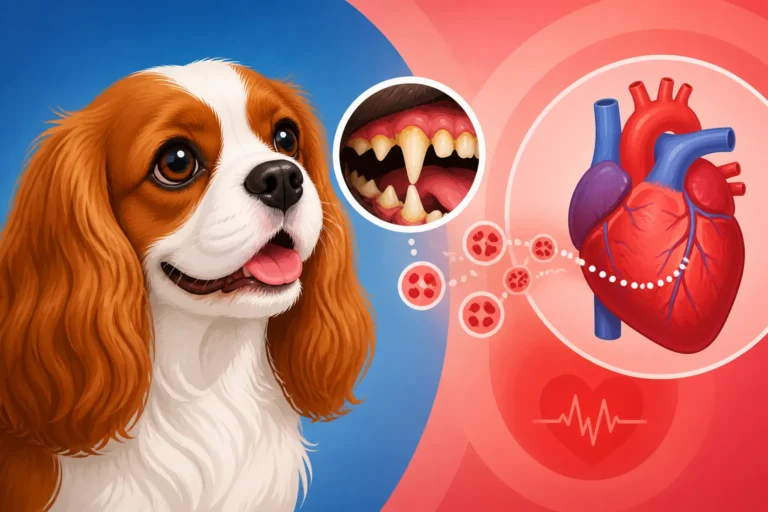
Beyond MVD, other conditions like Syringomyelia, which affects the brain and spinal cord, can mean they might have neck pain or neurological sensitivities that need careful handling during positioning for surgery. Joint problems, such as arthritis in their hips or knees, can also make post-surgical recovery more difficult, impacting their mobility and comfort. Even seemingly minor issues like dental disease are more common in older Cavaliers due to their crowded jaws, and these can present their own anesthesia risks if bacteria enter the bloodstream. Understanding these breed-specific tendencies helps your vet tailor the safest possible approach.
Essential Diagnostic Testing Before Anesthesia
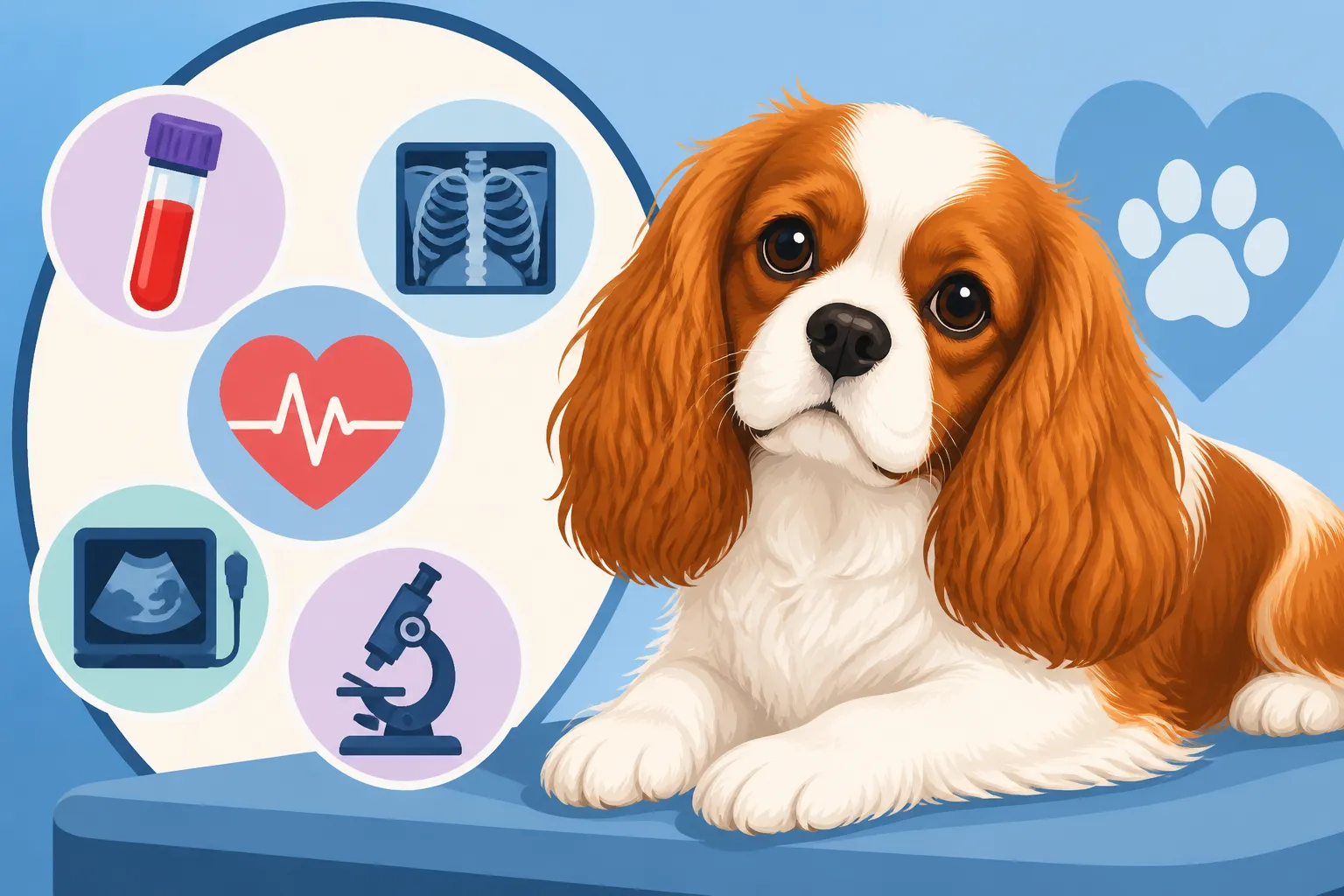
Before your older Cavalier goes under the knife, your vet will likely recommend a battery of tests. This isn't just about running up a bill; it's about building a complete picture of your dog's internal health, flagging any potential red flags, and allowing the veterinary team to make informed decisions about anesthetic protocols and pain management. It's truly about minimizing risks and ensuring a smoother procedure and recovery.
Comprehensive Blood Panels and Urinalysis
These foundational tests are non-negotiable for older patients. They provide a wealth of information about how your Cavalier's internal organs are functioning and can reveal underlying issues that might not be apparent from a physical exam alone.
- Complete Blood Count (CBC): This panel looks at your Cavalier's red blood cells, white blood cells, and platelets. A low red blood cell count (anemia) could indicate a chronic illness or potential bleeding issues, which are critical to know before surgery. Abnormal white blood cell counts could signal infection or inflammation, which needs to be addressed before surgery to prevent complications. Platelet counts are vital for assessing clotting ability, ensuring your dog can clot blood properly during and after the procedure. In Cavaliers, sometimes their platelet count reads falsely low, which is a unique breed trait that your vet will be aware of and should investigate further if it looks concerning.
- Chemistry Panel: This comprehensive panel evaluates organ function.
- Kidney Function: Tests like BUN (Blood Urea Nitrogen) and creatinine assess how well your Cavalier's kidneys are filtering waste products. Elevated levels could mean kidney disease, requiring anesthetic drug adjustments or intravenous fluids to support kidney function during surgery.
- Liver Function: Enzymes like ALT, ALP, and bilirubin indicate liver health. The liver is paramount for metabolizing anesthetic drugs, so compromised liver function means certain medications might need to be avoided or dosages adjusted.
- Blood Glucose: Checks for diabetes, which can complicate anesthesia and recovery.
- Electrolytes: Sodium, potassium, and chloride levels are crucial for nerve and muscle function, and imbalances can indicate dehydration or other systemic issues.
- Protein Levels: Total protein and albumin can indicate hydration status, liver or kidney disease, or inflammation.
- Urinalysis: A simple urine sample offers insights into kidney function, hydration, and can detect urinary tract infections, which if present, should ideally be treated before any elective surgery. It also helps interpret blood chemistry results more accurately. For instance, if kidney values are slightly elevated in the blood, a concentrated urine sample might suggest dehydration rather than severe kidney disease.
These tests are your first line of defense, providing essential information to fine-tune the anesthetic plan. Many pet insurance plans, like those offered by Healthy Paws, often cover diagnostic tests when they are part of a treatment for a covered illness or injury, which can be a huge relief when facing these comprehensive workups.
Thorough Cardiac Evaluation
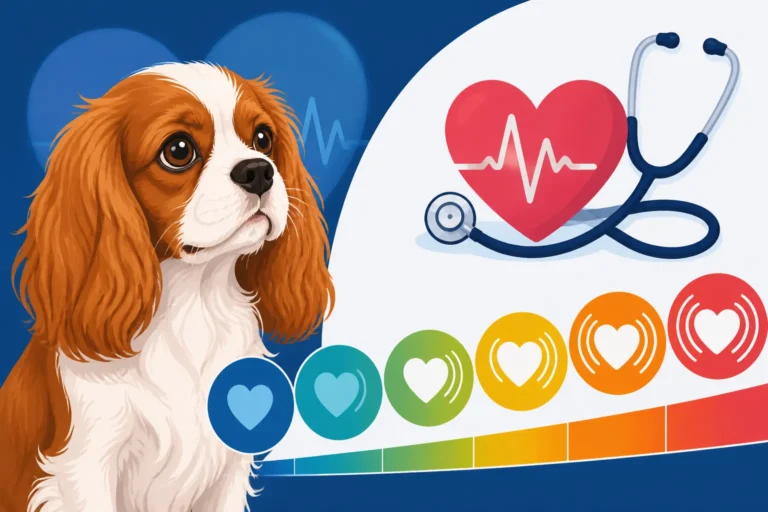
Given the Cavalier's predisposition to heart disease, a thorough cardiac workup is incredibly important for older individuals, especially if a murmur has been detected or if they're showing any signs of cardiac issues such as coughing at night.
- Electrocardiogram (ECG): An ECG measures the electrical activity of the heart, checking for abnormal rhythms (arrhythmias) that could be dangerous under anesthesia. Even if your Cavalier has a known murmur, an ECG helps assess the heart's electrical stability.
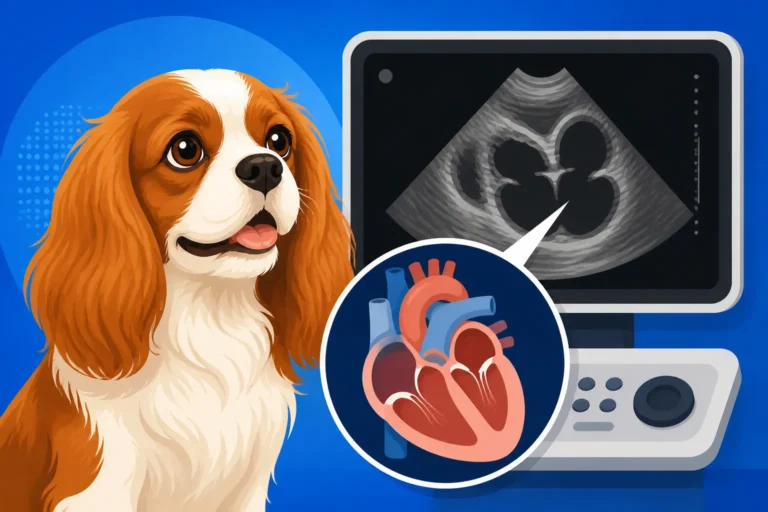
- Echocardiogram (Cardiac Ultrasound): This is the gold standard for evaluating heart structure and function. It allows the cardiologist to visualize the heart valves, muscle thickness, and chamber size. An echocardiogram can confirm the presence and severity of MVD, show if the heart is enlarged, and assess its pumping efficiency. This information is vital for the anesthesiologist, as it helps them choose the safest anesthetic agents and monitoring protocols. You might want to review What a Cavalier Echocardiogram Shows to understand the detailed information this test provides.
- NT-proBNP Blood Test: This blood test measures a hormone released by the heart in response to stretching and stress. Elevated levels can indicate significant heart enlargement or early heart failure, even before clinical signs are obvious. It's a fantastic tool for risk assessment, especially when combined with a physical exam and other diagnostics. More information can be found on A Cavalier Heart Blood Test Called NT-proBNP.
If your Cavalier has advanced heart disease, your vet may recommend a consultation with a board-certified veterinary cardiologist. They can provide specialized recommendations for managing your Cavalier through surgery and anesthesia.
Respiratory and Other Targeted Screenings
Beyond the heart and general organ function, other specific concerns in older Cavaliers need attention.
- Chest X-rays (Radiographs): These images allow your vet to visualize your Cavalier's lungs and assess for any signs of lung disease, fluid accumulation, or metastasis if cancer is a concern. They also provide another look at the heart's size and shape, complementing the echocardiogram. Anesthesia can affect respiratory function, so knowing the lung health beforehand is critical.
- Thyroid Testing: Hypothyroidism is common in older dogs, and an underactive thyroid can affect metabolism, energy levels, and even recovery from anesthesia. A simple blood test can check thyroid hormone levels.
- Abdominal Ultrasound: If there are concerns about abdominal organs (e.g., elevated liver enzymes without a clear cause, or palpable masses), an abdominal ultrasound can provide a non-invasive look at the liver, kidneys, spleen, and other soft tissues, identifying potential issues before surgery.
- Syringomyelia Screening: For Cavaliers, especially if they've shown any signs of pain or neurological symptoms like phantom scratching or a change in temperament, an MRI to screen for Syringomyelia and Chiari Malformation in Cavaliers might be considered, depending on the type and location of the planned surgery. Positioning an SM-affected Cavalier during surgery requires extreme care to avoid exacerbating their condition.
It’s important to remember that these tests can incur significant costs, and this is where a good pet insurance policy, like those from Healthy Paws, can be invaluable. Being enrolled early can provide peace of mind that these necessary diagnostic steps are covered.
Here's a quick overview of common pre-surgical tests for older Cavaliers:
| Test Category | Specific Test | Purpose for Older Cavaliers | Key Information Revealed |
|---|---|---|---|
| General Health | Complete Blood Count | Assess red/white blood cell health, clotting ability | Anemia, infection, inflammation, platelet count abnormalities |
| Chemistry Panel | Evaluate organ function, metabolism, hydration | Kidney/liver disease, diabetes, electrolyte imbalances, dehydration | |
| Urinalysis | Assess kidney function, detect infections | Urinary tract infection, kidney function, hydration status | |
| Cardiac Health | Electrocardiogram (ECG) | Check heart rhythm and electrical activity | Arrhythmias, electrical instability |
| Echocardiogram | Visualize heart structure and function | MVD severity, heart enlargement, pumping efficiency, valve leakage | |
| NT-proBNP Blood Test | Screen for early heart stress/failure | Elevated levels indicate cardiac stretch, risk for heart failure under anesthesia | |
| Respiratory Health | Chest X-rays | Evaluate lungs and overall heart size/shape | Lung disease, fluid in lungs, heart enlargement, potential masses |
| Other Specifics | Thyroid Panel | Rule out hypothyroidism | Underactive thyroid, impacting metabolism and anesthetic response |
| Abdominal Ultrasound | Examine abdominal organs (if needed) | Organ abnormalities, masses, fluid | |
| MRI Scan (if indicated) | Screen for Syringomyelia if neurological signs are present or suspected | Spinal cord cysts, Chiari malformation, guiding careful surgical positioning and recovery |
Navigating the Pre-Surgery Preparation Period
Once the diagnostic tests are done and your vet has a clear picture, the next stage is about preparing your Cavalier and yourself for the actual surgery. This is a critical period where clear communication with your veterinary team and diligent home care make all the difference.
Working with Your Veterinary Team
Your veterinary team—including your regular vet, any specialists like a cardiologist or neurologist, and the surgical team—will guide you through the process. Don't hesitate to ask questions, even if they seem trivial. This is your beloved family member, and you deserve to feel completely informed and comfortable.
- Reviewing Results and Anesthetic Plan: Your vet should thoroughly review all pre-surgical test results with you, explaining any abnormalities and how they will influence the anesthetic protocol. They might discuss using specific drugs that are safer for older, compromised kidneys or hearts. For example, some anesthetics are cleared by the liver, others by the kidneys; your vet will choose accordingly based on your Cavalier’s specific profile. Discuss Anesthesia Risk in a Cavalier With a Murmur directly with them to understand the specific risks and precautions they will take for your dog's heart condition.
- Medication Adjustments: If your Cavalier is already on medication for conditions like heart disease (e.g., pimobendan or diuretics for MVD) or pain relief for arthritis or Syringomyelia, your vet will provide precise instructions on whether to continue, stop, or adjust these medications before surgery. It's crucial to follow these instructions exactly. Sometimes, stopping a heart medication could be more dangerous than continuing it, while other drugs might interact with anesthesia. For example, non-steroidal anti-inflammatory drugs (NSAIDs) are often withheld before surgery due to their effects on kidney function and blood clotting.
- Fasting Protocols: You'll be given specific instructions on when to withhold food and water before surgery. This is vitally important to prevent aspiration (inhaling vomit) during anesthesia, which can lead to life-threatening pneumonia. It can be hard to deny your Cavalier their breakfast, especially if they’re used to it, but this is a non-negotiable safety measure. Typically, food is withheld for 8-12 hours, and water for 2-4 hours, but always follow your vet's exact instructions.
- What to Expect on Surgery Day: Ask about the drop-off and pick-up procedures, what kind of monitoring your Cavalier will receive during surgery, and what their immediate post-operative care will look like. Will they be in an incubator? Will they have intravenous fluids? Will they receive continuous pain medication? Knowing these details can significantly reduce your stress.
Home Care and Support Before the Procedure
The days leading up to surgery can be stressful for both you and your Cavalier. Providing a calm and supportive environment at home is paramount.
- Maintain Routine (as much as possible): Try to keep your Cavalier's daily routine as normal as you can. Stick to regular feeding times (until fasting begins), walks, and play sessions. This consistency can help reduce their anxiety.
- Extra Comfort and Affection: Your Cavalier might pick up on your stress, so make an extra effort to provide comfort. Gentle petting, quiet cuddle time, and reassuring words can make a big difference. Think about creating a cozy, quiet space where they can rest undisturbed.
- Exercise Considerations: Ensure your Cavalier gets appropriate exercise up until the fasting period. A tired dog is often a calmer dog. However, avoid overly strenuous activities that could cause injury or excessive fatigue, especially if they have joint issues. For a Cavalier that tires on short walks, keep it gentle.
- Hygiene: A bath a day or two before surgery can be helpful, especially if the surgical site will be clipped, as it ensures the skin is clean. However, avoid anything that might irritate their skin, and make sure they are completely dry to prevent chilling. For a Cavalier with long feathering, ensure their coat is free of mats, particularly around the surgical area, as tangled hair can hinder proper clipping and increase the risk of skin irritation.
- Post-Op Preparation: Think ahead to their return home. Have a comfortable, easily accessible resting spot ready. Consider a ramp if they usually jump onto furniture, especially if they have joint problems, or if the surgery will limit their mobility. Make sure you have any prescribed post-operative medications ready, and understand how to administer them. This forethought can alleviate much stress after their procedure.
It's a journey, preparing an older Cavalier for surgery, and it's one filled with decisions, a bit of worry, but ultimately, a lot of love. By understanding the tests, working closely with your vet, and providing the best possible support at home, you're giving your beloved companion the strongest chance for a successful outcome and a comfortable recovery. You are their advocate, and this careful preparation is a testament to the special bond you share.
Disclaimer
This article is intended for informational purposes only and does not constitute veterinary medical advice. Always consult with a qualified veterinarian for any health concerns or before making any decisions about your Cavalier King Charles Spaniel's medical care. Individual needs may vary.